
Microtunnelling Systems vs Pipe Jacking: Which Method Fits Congested Urban Sites?





Why the choice changes in dense urban corridors
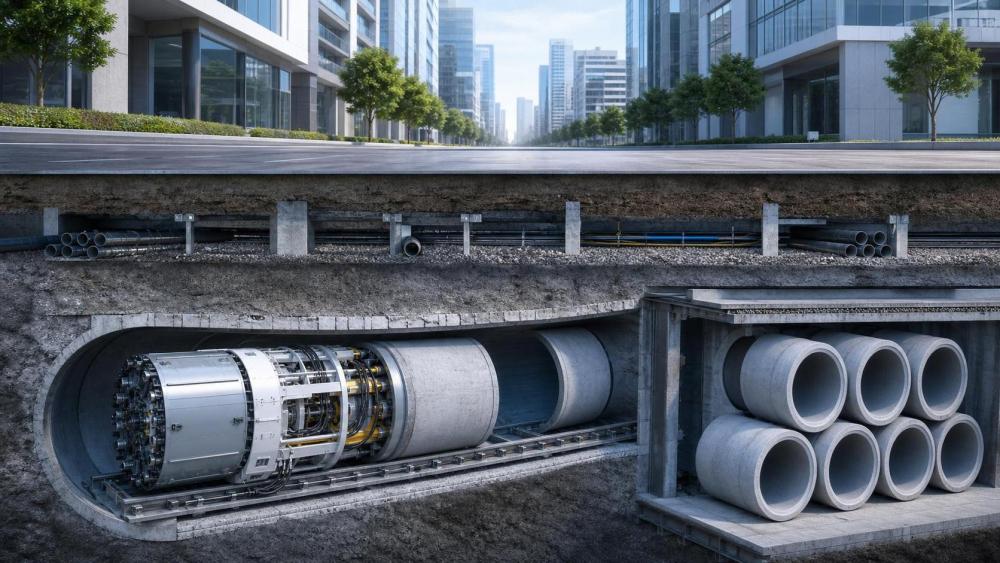
In dense city streets, trenchless selection is rarely a simple equipment preference.
The decision between Microtunnelling Systems and conventional pipe jacking shapes settlement exposure, shaft size, traffic continuity, and construction tolerance.
That matters most where utilities overlap, access windows are narrow, and surface disruption carries political and commercial cost.
From UTMD’s trenchless intelligence perspective, the real comparison is not method versus method in isolation.
It is control philosophy, ground response, and operational predictability under urban constraints.
Microtunnelling Systems usually gain attention when alignment accuracy and closed-face control dominate the risk profile.
Conventional pipe jacking stays relevant when the route is simpler, the geology is more forgiving, and project economics favor lower system complexity.
The practical question is not which method is better overall.
It is which method fits the specific urban corridor without creating avoidable downstream problems.
What usually drives different decisions underground
Urban trenchless work looks similar on drawings, but field conditions can differ sharply across a few hundred meters.
A route beneath a hospital district behaves differently from one below an industrial service road.
Microtunnelling Systems are often preferred where continuous steering, remote operation, and face pressure management reduce uncertainty.
This becomes more important when groundwater is high, cover is shallow, or adjacent assets are highly sensitive.
Conventional pipe jacking can still be the right fit where access is available and correction tolerance is less demanding.
In actual project planning, four variables usually shape the choice:
- How much alignment deviation the receiving structure can accept.
- How unstable the ground may become during excavation.
- How restricted the launch and retrieval sites are.
- How severe the consequence of settlement or heave would be.
These variables explain why two municipal crossings with similar diameter can require very different trenchless methods.
When Microtunnelling Systems make more sense
The strongest case for Microtunnelling Systems appears in crowded corridors packed with utilities, rail interfaces, and settlement-sensitive buildings.
In these settings, the value comes from controlled excavation rather than raw advance speed.
A closed-face microtunnelling setup can maintain better stability in water-bearing soils and mixed ground transitions.
That reduces the chance of voids forming around the bore, which is often the real trigger behind settlement claims.
This method is also better suited to projects where the line must pass close to existing foundations with little room for correction.
The automated guidance used in Microtunnelling Systems supports tighter line and grade control over difficult drives.
That accuracy matters for gravity sewers, utility galleries, and crossings feeding precisely located shafts or chambers.
Another common fit is a city center package where working hours are restricted and spoil handling must stay enclosed.
In such corridors, the cleaner operational profile of Microtunnelling Systems can ease environmental and community constraints.
Typical urban triggers favoring this method
- Shallow cover beneath arterial roads or tram lines.
- High groundwater with loose or variable soils.
- Tight tolerances for gravity flow infrastructure.
- Sensitive adjacent structures with low movement allowance.
- Demand for low-noise, low-exposure spoil management.
Where conventional pipe jacking still fits well
Conventional pipe jacking should not be treated as an outdated second choice.
It remains effective where the route is straightforward and site conditions do not justify the added complexity of Microtunnelling Systems.
For example, utility extensions in suburban edges or broader road reserves often allow more generous shaft footprints.
There, construction teams may accept a simpler operational setup if ground behavior is predictable and monitoring thresholds are manageable.
Conventional pipe jacking can also work well for shorter drives in competent soils where alignment demands are moderate.
Its advantage is often economic rather than technical.
Lower system sophistication can translate into less support equipment, fewer specialist interfaces, and shorter preparation time.
That said, cost savings are only real when route risk is genuinely limited.
If mixed ground or utility congestion is underestimated, an apparently cheaper option can become the more expensive recovery exercise.
Different sites need different judgment points
A direct comparison becomes clearer when site requirements are mapped against method behavior.
This comparison is especially relevant to UTMD-style project intelligence, where equipment choice is judged by operational fit, not brochure specification.
The mistakes that often distort trenchless selection
One frequent mistake is comparing only capital cost.
Urban trenchless risk is carried through monitoring, intervention time, settlement exposure, slurry handling, and utility protection.
If those factors are ignored, the baseline comparison becomes misleading.
Another common error is assuming all pipe jacking conditions behave alike.
A short drive through uniform granular soil is not equivalent to a mixed-face crossing beneath old foundations.
Microtunnelling Systems often justify themselves precisely in these transition zones, where uncertainty concentrates.
It is also easy to underweight support logistics.
Spoil removal, separation systems, shaft access, and maintenance windows can decide whether a method remains practical inside a live city block.
The safest selection process treats method choice as a corridor-wide systems decision.
It should not be reduced to machine diameter alone.
How to choose before committing to the launch shaft
A useful approach is to screen the route in layers rather than picking a method too early.
Start with geometry and tolerance, then test ground and groundwater behavior, then examine logistics and community constraints.
If accuracy, settlement sensitivity, and enclosed operation all rank high, Microtunnelling Systems usually move to the front.
If the route is shorter, straighter, and less exposed, conventional pipe jacking may remain the more balanced solution.
Before final selection, it helps to confirm the following points:
- Maximum allowed settlement near critical structures and utilities.
- Expected drive length, curvature, and line-grade tolerance.
- Ground variability across the full alignment, not only borehole averages.
- Space for slurry treatment, spoil handling, and shaft operations.
- Recovery plan if steering correction or intervention becomes necessary.
That final point is often overlooked, yet it strongly separates manageable risk from headline risk.
A grounded way to move the decision forward
In congested urban sites, Microtunnelling Systems are usually favored when precision and ground control outweigh initial simplicity.
Conventional pipe jacking still fits well where route conditions are stable and urban constraints are less severe.
The better decision comes from matching corridor risk to method behavior, not from defaulting to familiar practice.
A practical next step is to build a route-specific matrix covering tolerance, groundwater, utility density, logistics, and consequence of movement.
That kind of structured comparison aligns well with UTMD’s broader view of trenchless engineering, where reliable underground delivery depends on integrated technical judgment.
Once those conditions are mapped clearly, the choice between Microtunnelling Systems and pipe jacking becomes far less subjective.
Related News
How to Evaluate European Drill-and-Blast Tunnelling Contractors for Complex Projects
Drill and blast tunnelling contractors Europe: learn how to assess geology expertise, blast control, equipment reliability, safety, and programme resilience for complex projects.
Which Trenchless Construction Technique Fits Your Utility Crossing Conditions?
Trenchless construction techniques compared for utility crossings: choose HDD, microtunnelling, pipe jacking, or auger boring based on ground, accuracy, access, and risk.
What Is Driving Metro Tunnelling Demand Across Southeast Asia’s Major Cities?
Metro tunnelling Southeast Asia is accelerating as major cities tackle congestion, flooding, and connectivity. Explore the market forces, technical risks, and opportunities shaping demand.
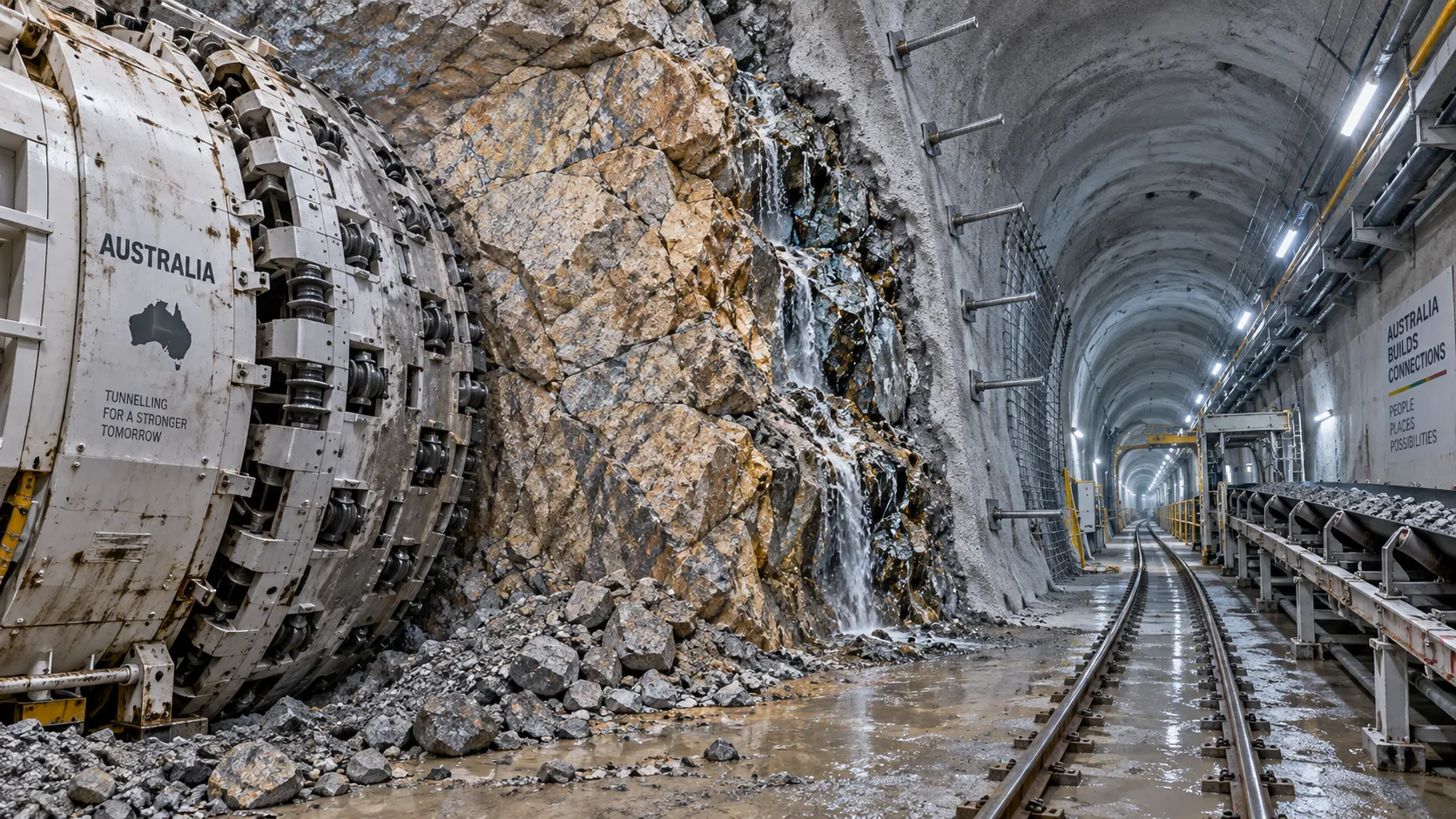
Hard Rock Tunnelling in Australia: Selecting Methods for Variable Ground Conditions
Hard rock tunnelling in Australia: compare TBM, drill-and-blast and hybrid methods to manage variable ground, reduce risk and protect project costs.
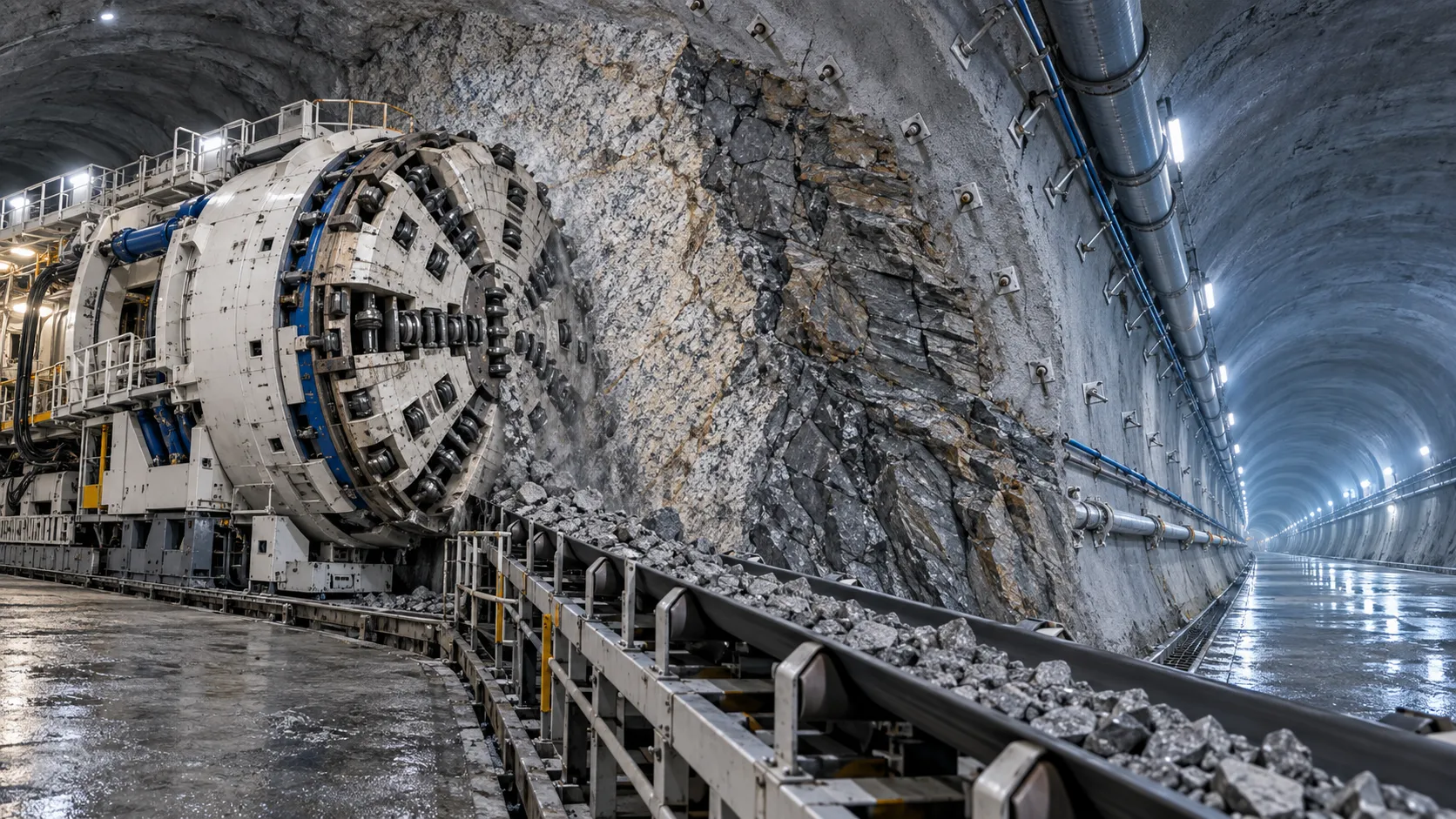
Hydropower Tunnel Excavation: Selecting Methods for Variable Rock Conditions
Hydropower tunnel excavation methods for variable rock conditions: compare TBM, drill-and-blast, and hybrid strategies to improve safety, progress, and project control.
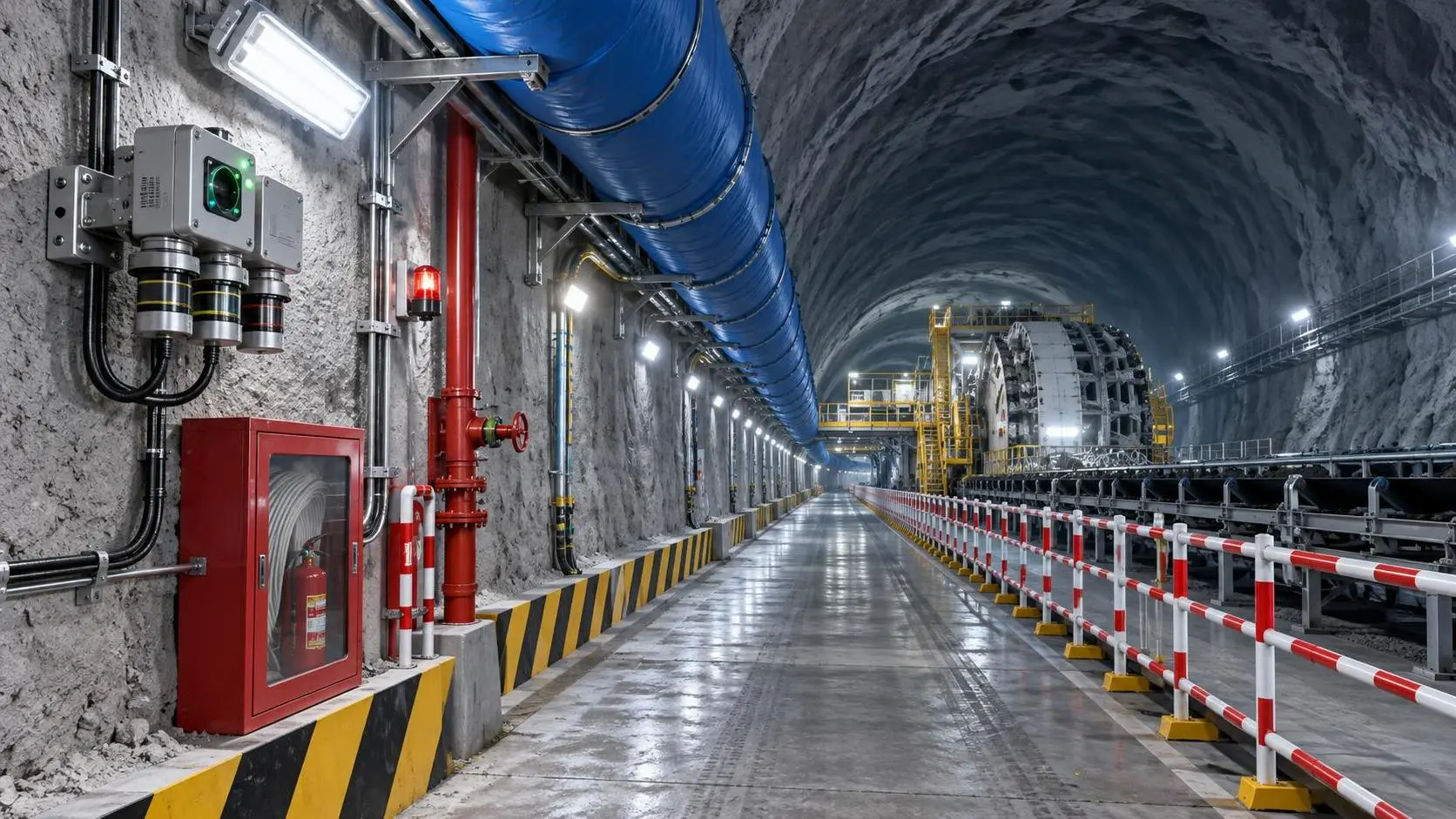
How to Select Underground Safety Equipment for Tunnelling by Hazard and Work Zone
Underground Safety Equipment for tunnelling: match protection to hazards, work zones, compliance, and emergency needs with this practical selection guide.
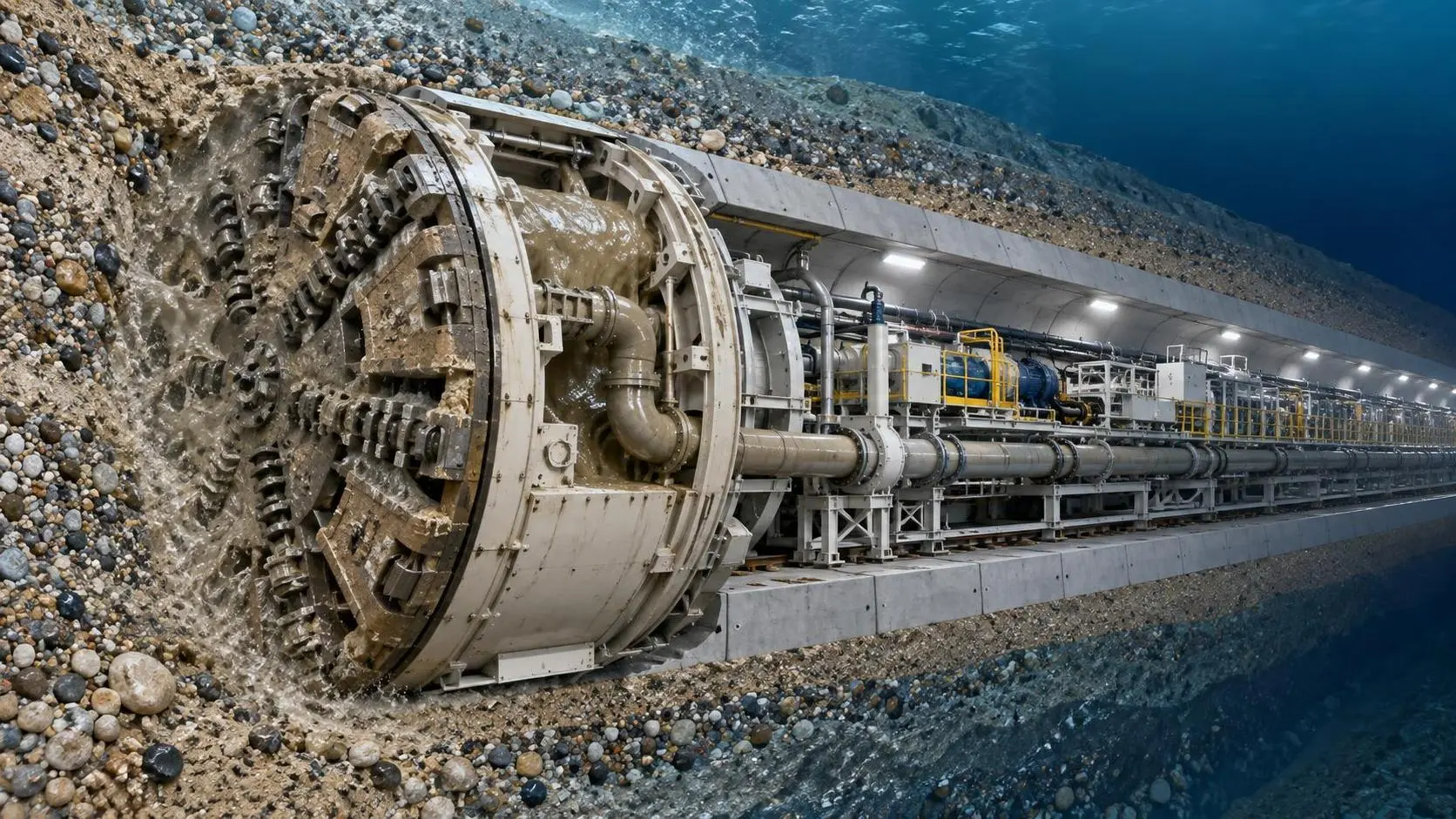
EPB or Slurry Shield? Selecting Soft-Ground Tunnelling Equipment by Soil Conditions
Tunnel Excavation Equipment for soft ground: compare EPB and slurry shields by soil, groundwater, settlement risk, and project logistics to choose confidently.
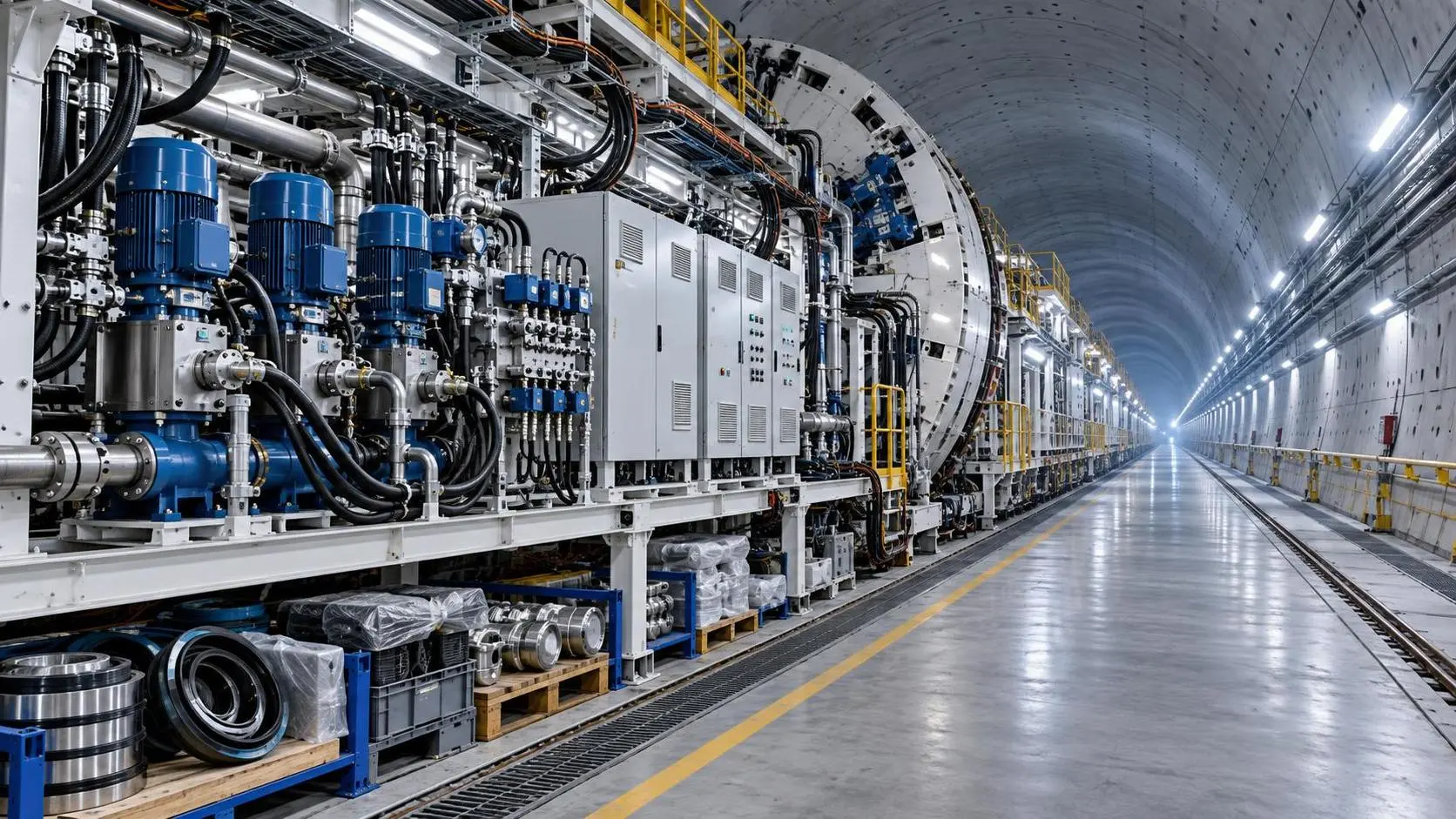
How to Specify TBM Backup System Parts for Reliable Long-Distance Tunnelling
TBM backup system parts: learn how to specify reliable spares for long-distance tunnelling, reduce downtime, ensure compatibility, and speed underground recovery.
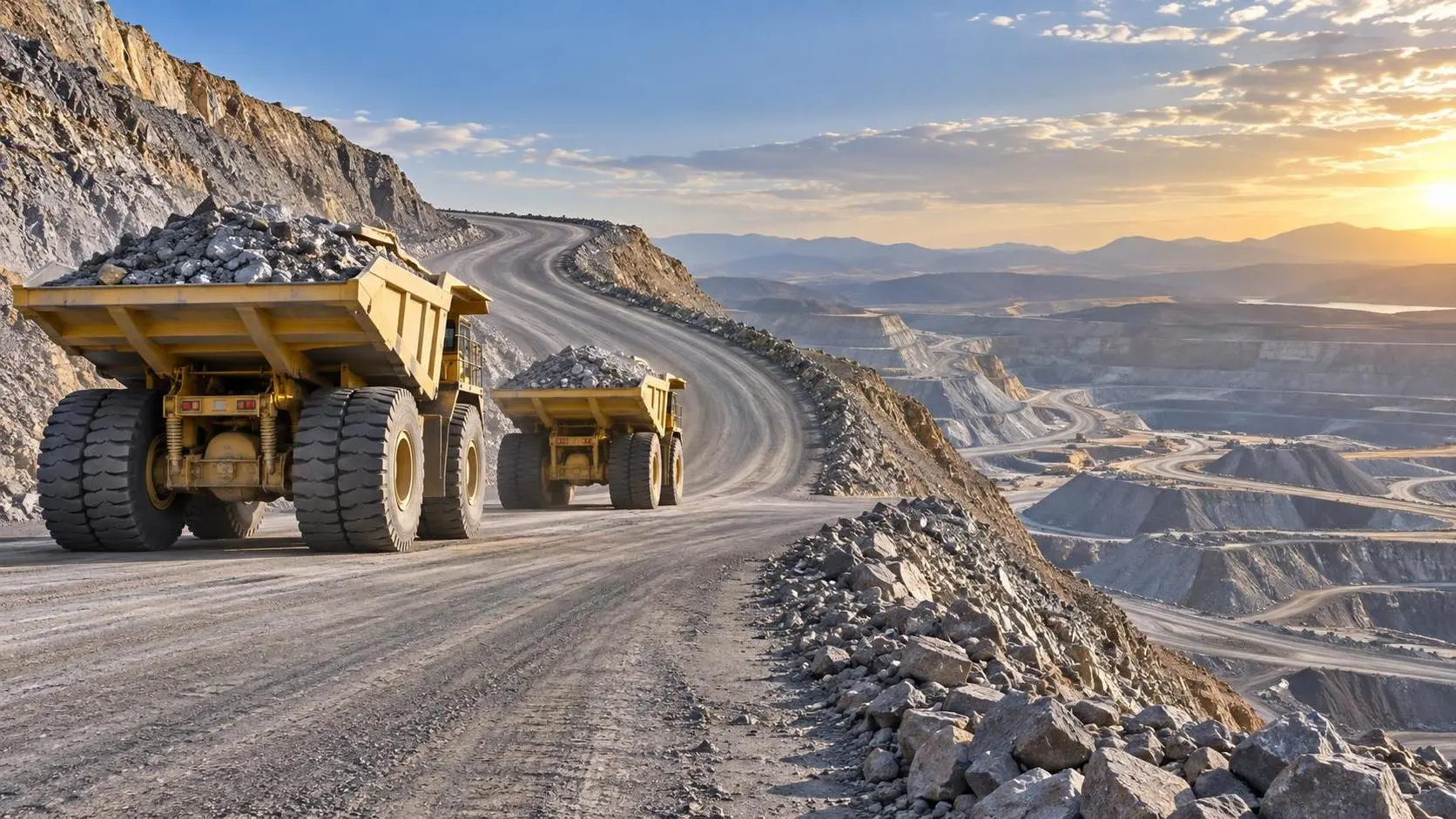
How to Size Open Pit Mining Trucks for Haul Distance, Grade, and Payload?
Open Pit Mining Trucks: learn how to match payload, haul distance, grade, road resistance, and loading capacity for safer, lower-cost mine operations.
Related News
- 00
0000-00
How to Evaluate European Drill-and-Blast Tunnelling Contractors for Complex Projects - 00
0000-00
Which Trenchless Construction Technique Fits Your Utility Crossing Conditions? - 00
0000-00
What Is Driving Metro Tunnelling Demand Across Southeast Asia’s Major Cities? - 00
0000-00
Hard Rock Tunnelling in Australia: Selecting Methods for Variable Ground Conditions - 00
0000-00
Hydropower Tunnel Excavation: Selecting Methods for Variable Rock Conditions
Weekly Insights
Stay ahead with our curated technology reports delivered every Monday.