
How to Choose a Microtunneling Guidance System for Accuracy, Depth, and Ground Conditions





Choosing a Microtunneling guidance system is no longer a narrow equipment decision. When alignment tolerances are tight, drives run deeper, and ground behavior becomes less predictable, guidance quality shapes the entire installation outcome.
A capable system does more than show line and grade. It supports steering confidence, protects tolerances across long jacking distances, and helps teams react before minor drift becomes an expensive correction.
That is why the topic matters across trenchless infrastructure, utility corridors, and complex urban crossings. It also fits the wider UTMD view of underground engineering, where sensing, reliability, and data-driven control are becoming as important as mechanical thrust.
What a Microtunneling Guidance System Really Has to Do
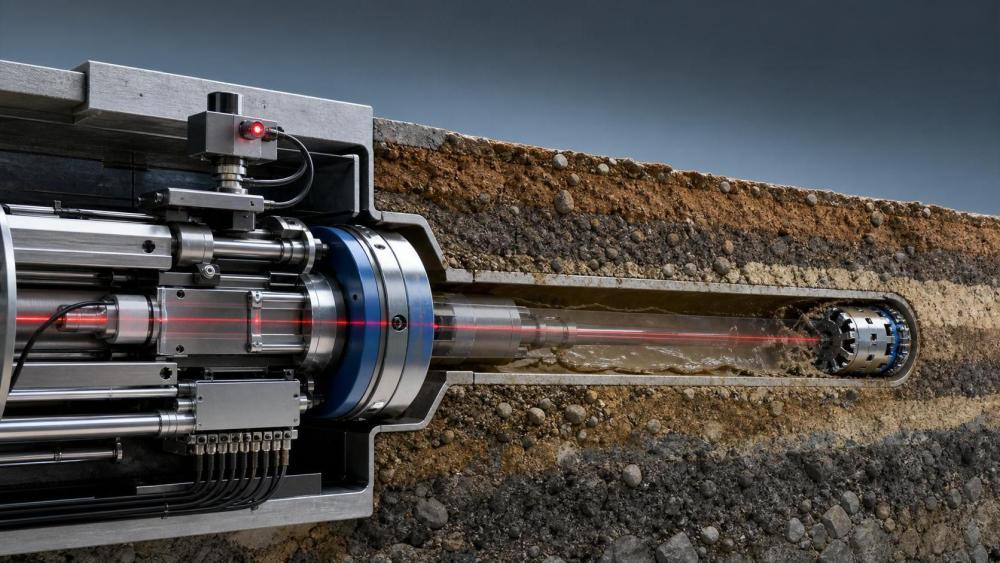
At a basic level, a Microtunneling guidance system tracks the machine position relative to the design alignment. In practice, that simple description hides several demanding tasks.
The system must maintain accurate reference data inside a confined launch shaft. It must transmit stable positional information during active jacking. It must also remain dependable when water, vibration, slurry, and temperature shifts affect sensors.
For deeper drives, the guidance platform must preserve confidence over distance. For difficult geology, it must separate real directional change from measurement noise. That difference often determines whether operators trust the display enough to make timely steering corrections.
This is why the best evaluation starts with function, not branding. A good Microtunneling guidance system is a control tool, a risk-management tool, and a documentation tool at the same time.
Why Accuracy Is Getting More Scrutiny
Tolerance pressure is rising in many projects. Urban pipe jacking corridors are denser. Utility conflicts are harder to avoid. Receiving shafts leave less margin for cumulative deviation.
At the same time, clients expect fewer disruptions above ground. That pushes more work into trenchless methods where surface correction is not an easy fallback. Once the drive starts, guidance quality becomes part of project certainty.
UTMD tracks this broader pattern across underground sectors. Whether in TBM tunneling, pipe jacking, or automated mining transport, digital sensing now carries more operational weight because mechanical performance alone cannot secure final accuracy.
A Microtunneling guidance system therefore deserves the same technical review given to jacking force, cutterhead design, slurry separation, and shaft logistics. It is not an accessory layered onto the machine after the core decision is made.
Depth Changes the Evaluation Criteria
Not every system performs equally as depth increases. Shallow drives may tolerate simpler setups. Deep alignments usually expose weaknesses in optical stability, target visibility, calibration discipline, and cumulative error control.
Depth affects more than geometry. It changes access conditions, shaft layout, ventilation constraints, and maintenance practicality. If a component requires frequent intervention, the burden grows quickly in deep launch arrangements.
A useful comparison should examine how each Microtunneling guidance system handles these factors:
- Measurement accuracy over the full planned drive length
- Signal stability under vibration and slurry movement
- Ease of recalibration without major production delays
- Performance when line of sight becomes harder to preserve
- Diagnostic visibility when readings begin to drift
In real projects, deeper installations often reward systems with stronger redundancy and better error reporting, even if their initial purchase cost is higher.
Ground Conditions Can Undermine a Good Setup
Ground is where theoretical accuracy meets operational reality. Stable homogeneous soils are one thing. Mixed face conditions, cobbles, boulders, high groundwater, or variable density layers are another.
In mixed ground, steering inputs may produce uneven machine response. The Microtunneling guidance system must present data clearly enough for the team to distinguish mechanical behavior from measurement distortion.
That becomes especially important when the machine passes from soft ground into harder inclusions, or from dry soil into water-bearing material. Small misreadings at those transitions can trigger overcorrection.
The most practical question is not whether a system is accurate in ideal conditions. It is whether it remains decision-useful when geology becomes inconsistent and the machine response stops being linear.
Ground-related checks worth comparing
- How the system behaves in water-rich or muddy shafts
- Whether targets, lasers, or sensors are vulnerable to contamination
- How quickly the interface shows trend changes during steering
- Whether historical data helps explain repeated deviation patterns
Key Selection Criteria Beyond Basic Steering
A shortlist should be built around measurable performance and operating practicality. The table below captures the dimensions that usually matter most during technical comparison.
This kind of comparison keeps the review grounded. It also helps avoid selecting a Microtunneling guidance system based mainly on familiarity or vendor presentation quality.
Data Quality Matters as Much as Hardware
Guidance decisions are only as strong as the data behind them. A modern Microtunneling guidance system should not just display position. It should reveal confidence, trends, and exceptions in a way that supports action.
Clear data logging helps in two ways. It improves live steering decisions, and it creates a reliable record for project review, contractual verification, and lessons learned for future drives.
This emphasis aligns with the broader UTMD perspective on underground systems. Across TBMs, drilling rigs, and autonomous haulage, the industry is moving from isolated instruments toward connected operational intelligence.
That shift makes interface design, export formats, and traceability more relevant than they once were. A system that produces clean, reviewable data can create value long after the drive is complete.
Where Different Project Types Need Different Priorities
Not every project should weight selection criteria the same way. Priority changes with the installation environment and the consequence of deviation.
Urban utility crossings
These often favor precise line control, compact setup, and strong documentation. Existing assets nearby mean small errors may create large downstream risk.
Long municipal sewer drives
Longer distances usually increase the value of drift control, recalibration efficiency, and durable sensing performance. Data continuity becomes more important than headline accuracy alone.
Challenging mixed-ground alignments
These place more weight on rapid interpretation, trend monitoring, and stability during variable machine response. The guidance interface must help operators avoid delayed or excessive correction.
A useful technical review therefore connects the Microtunneling guidance system to actual ground model, drive geometry, and contractual tolerance, rather than evaluating features in isolation.
A Practical Way to Compare Options
A disciplined evaluation process usually produces better decisions than a feature checklist alone. It helps to structure the comparison around the project conditions that are hardest to recover from.
- Define allowable deviation at key chainages, not only at breakthrough
- Map expected ground transitions and identify where readings may become less stable
- Check how the system handles calibration, alarm thresholds, and data export
- Request evidence from comparable depths, lengths, and soil profiles
- Review support response and field troubleshooting capability before procurement
This approach turns selection into a risk-based decision. It also makes internal review easier because the reasoning is tied to measurable site demands.
Making the Next Decision More Defensible
The right Microtunneling guidance system is the one that stays reliable when depth, tolerance, and geology start working against simplicity. Accuracy on paper matters, but usable field performance matters more.
A strong evaluation usually combines survey confidence, sensor durability, data clarity, and realistic fit with the planned drive. That is the level of scrutiny now shaping better underground outcomes across the sectors UTMD follows.
The next step is to build a comparison matrix around actual alignment risk, not generic specifications. Once that framework is clear, the best guidance option usually becomes easier to justify and easier to trust in the shaft.
Related News
Tunnel Boring Machine Costs: Budgeting for Purchase, Operation, and Project Risk
Tunnel Boring Machines cost more than purchase price. Learn how to budget lifecycle costs, downtime, logistics, wear, and project risk for smarter TBM decisions.
Open-Pit Haulage Cost Analysis: How Mine Managers Can Cut Cost per Tonne
Open pit haulage cost analysis: discover practical ways to reduce cost per tonne through payload control, cycle-time optimization, road performance, and smarter fleet decisions.
Tunnel Construction Innovations That Reduce Risk and Schedule Delays on Urban Projects
Tunnel construction innovation for urban projects: discover smarter TBMs, real-time monitoring, trenchless methods, and automation that reduce risk and protect schedules.

TBM Disc Cutter Design: Key Geometry and Load Factors for Hard Rock Tunnelling
TBM disc cutter design explained: explore geometry, spacing, load distribution and maintenance factors for reliable, efficient hard-rock tunnelling performance.
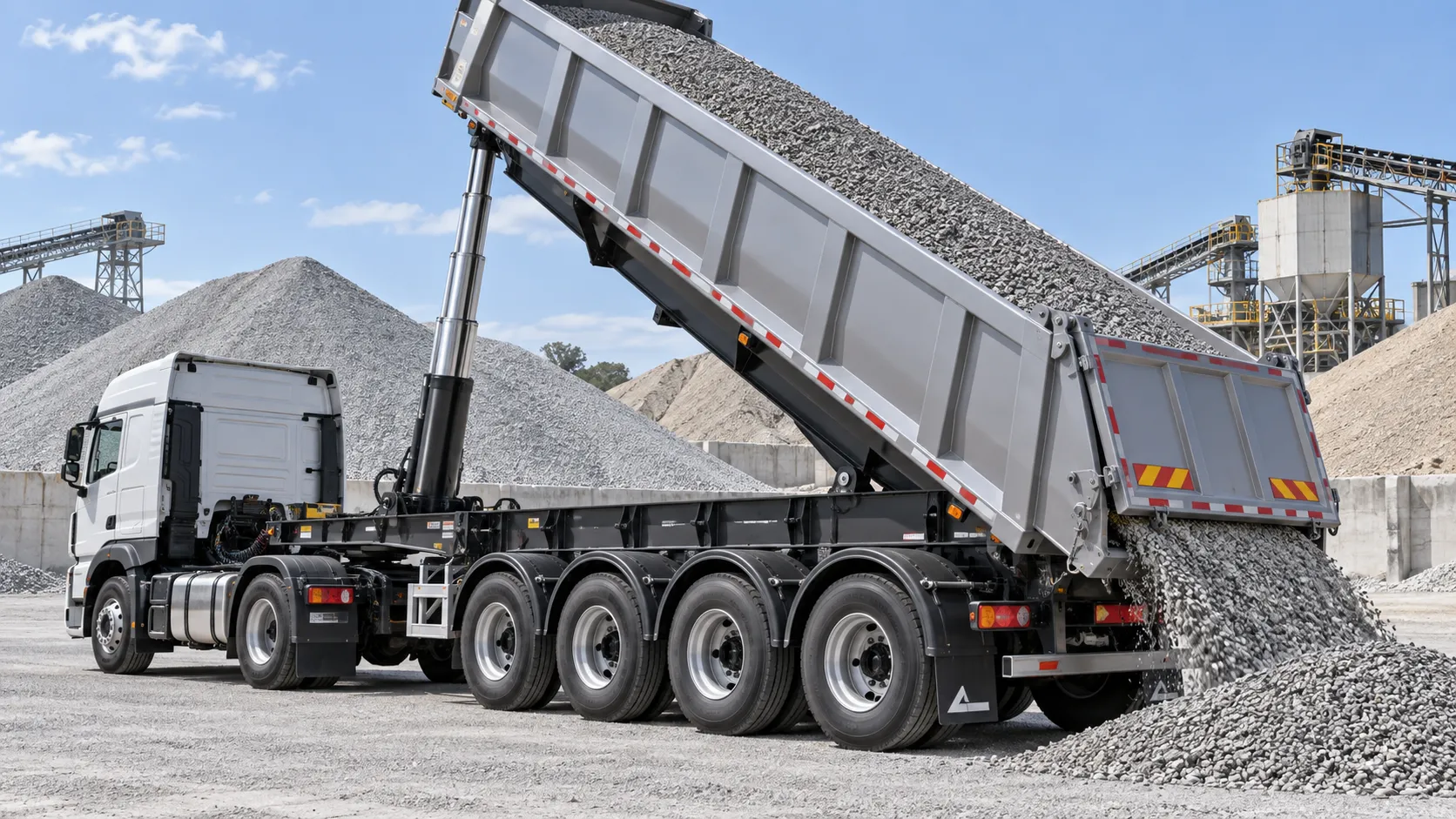
Hydraulic Tipping Stability Risks in Multi-Axle Dump Special Trailers
Dump special trailers: discover key hydraulic tipping stability risks, multi-axle load dynamics, and practical safety controls for safer, smarter bulk hauling.
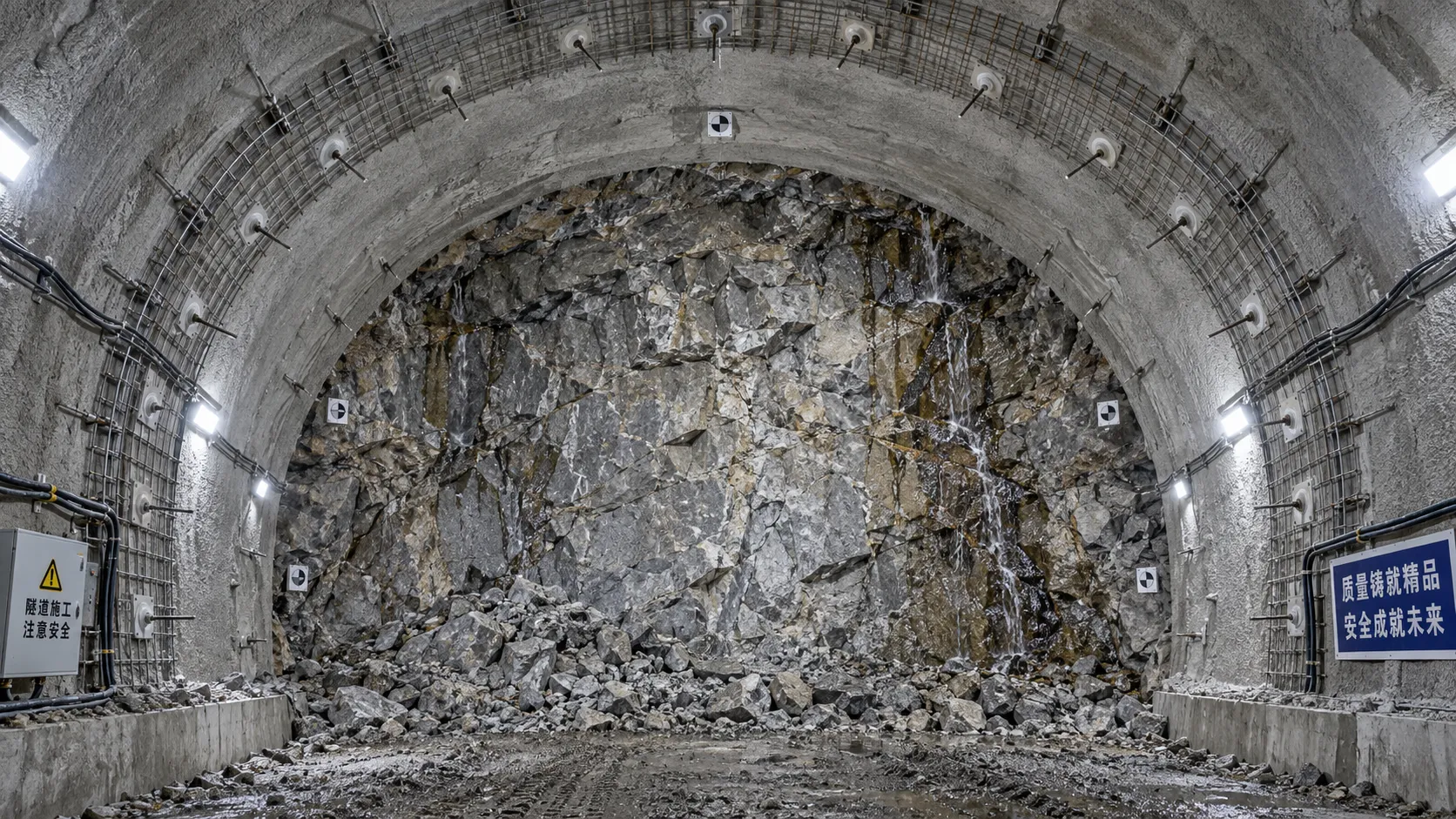
When rock reinforcement in tunnel construction must change after blasting
Rock reinforcement in tunnel construction must change when blasting reveals overbreak, weak joints, water inflow, or deformation. Discover key post-blast support decisions.
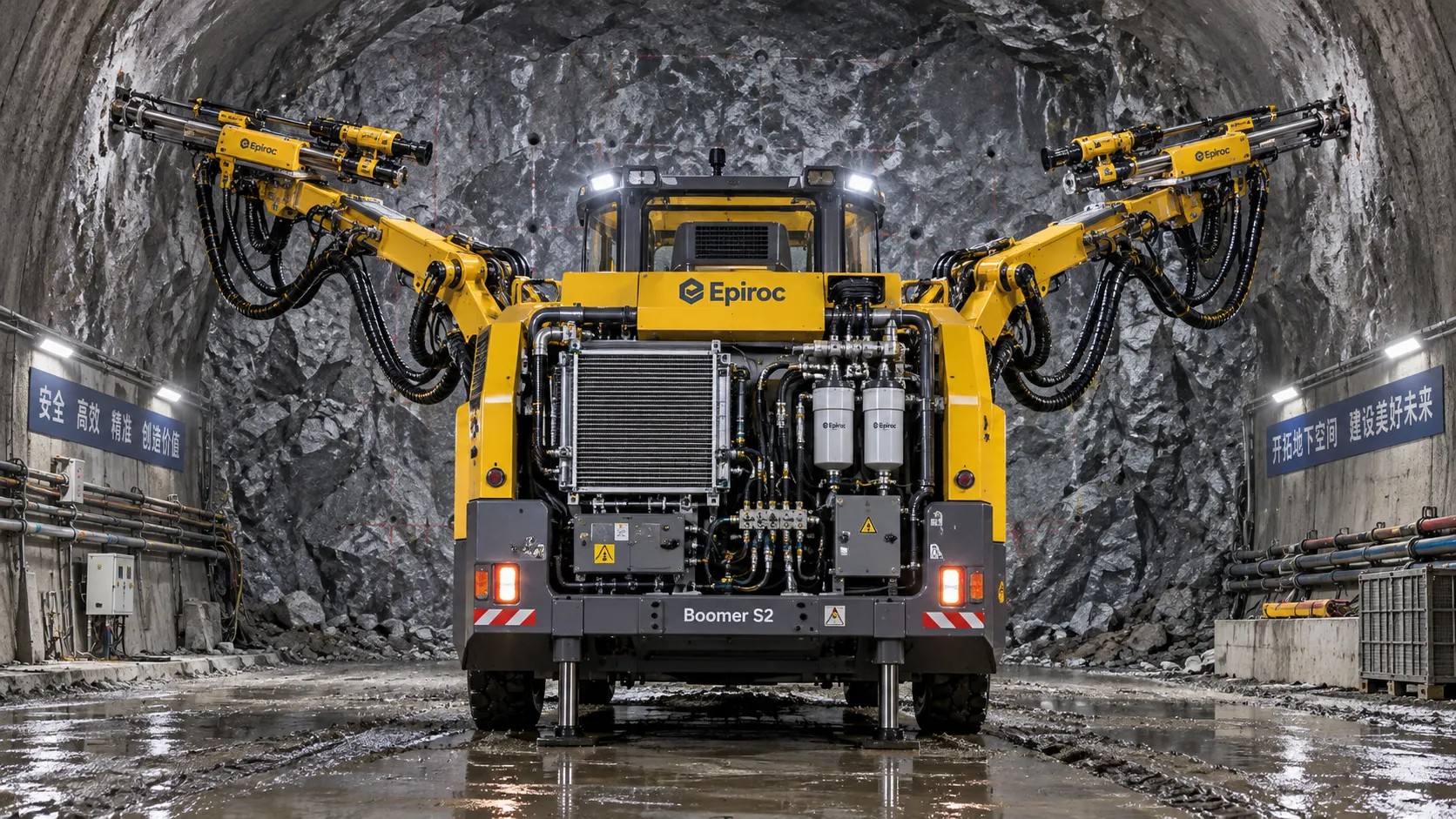
How tunnel hydraulic systems influence drill jumbo uptime underground
Tunnel hydraulic systems directly influence drill jumbo uptime. Explore how stable pressure, clean oil, cooling, and maintainable design reduce underground downtime.
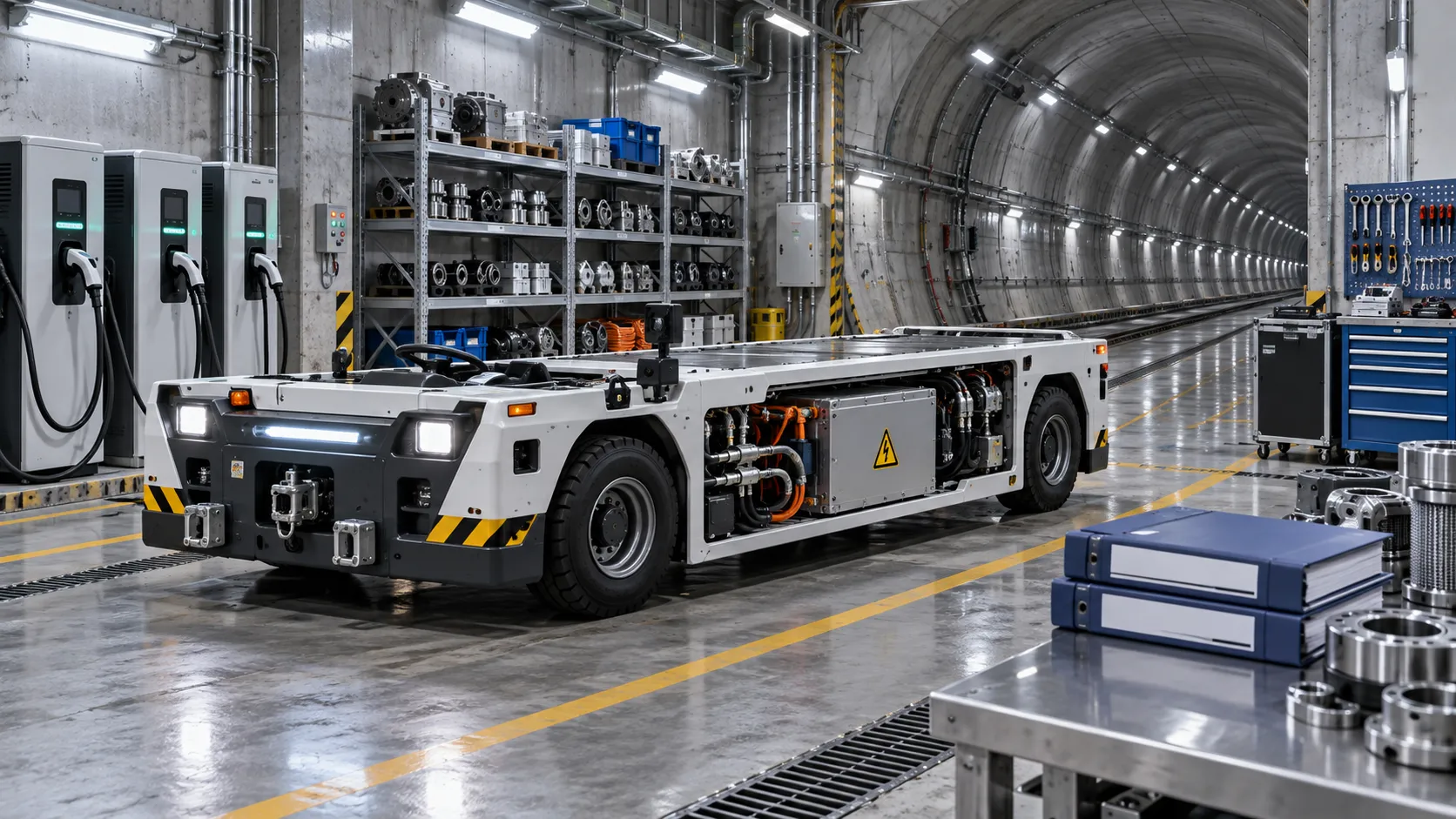
What to verify before appointing a tunneling vehicles manufacturer
Choosing a tunneling vehicles manufacturer? Verify application fit, reliability, compliance, parts support, training, and channel terms before appointing a partner.
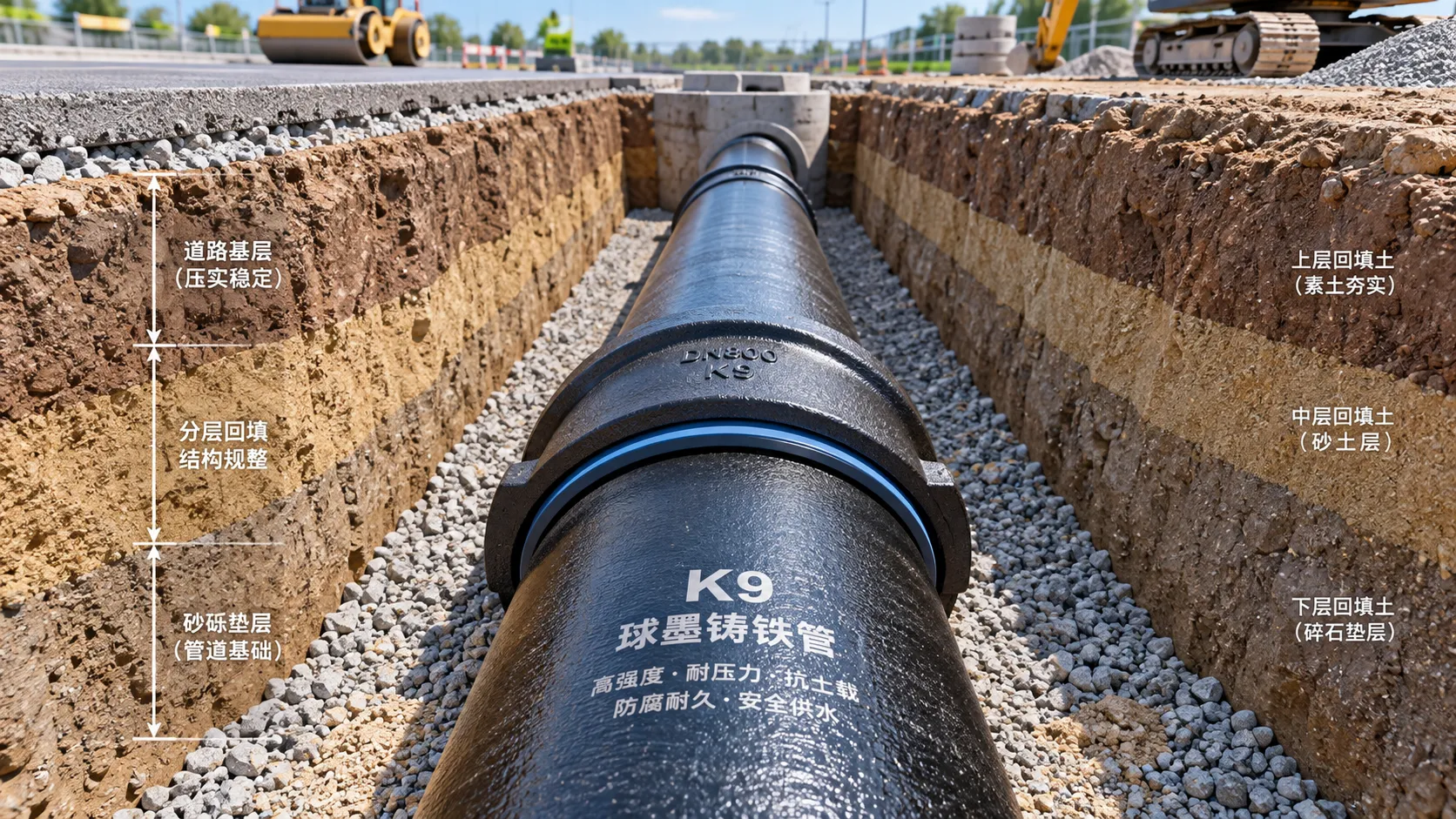
Selecting K9 Ductile Iron Pipe for Buried Water Pipeline Conditions
K9 ductile iron pipe selection for buried water pipelines: compare pressure duty, joints, soil loads, corrosion protection, and installation controls for reliable long-term performance.
Related News
- 00
0000-00
Tunnel Boring Machine Costs: Budgeting for Purchase, Operation, and Project Risk - 00
0000-00
Open-Pit Haulage Cost Analysis: How Mine Managers Can Cut Cost per Tonne - 00
0000-00
Tunnel Construction Innovations That Reduce Risk and Schedule Delays on Urban Projects - 00
0000-00
TBM Disc Cutter Design: Key Geometry and Load Factors for Hard Rock Tunnelling - 00
0000-00
Hydraulic Tipping Stability Risks in Multi-Axle Dump Special Trailers
Weekly Insights
Stay ahead with our curated technology reports delivered every Monday.