
Trenchless Engineering Methods: Pipe Jacking, Microtunnelling, and TBMs





Trenchless Engineering is reshaping how underground pipelines, utility corridors, and crossings are delivered with lower disruption and stronger schedule certainty.
From pipe jacking and microtunnelling to TBMs, each method responds differently to geology, diameter, depth, alignment, and urban constraints.
The strategic question is no longer whether excavation can be avoided. It is which Trenchless Engineering method best controls risk.
Trenchless Engineering Methods Are Moving From Alternative Option to Core Infrastructure Strategy
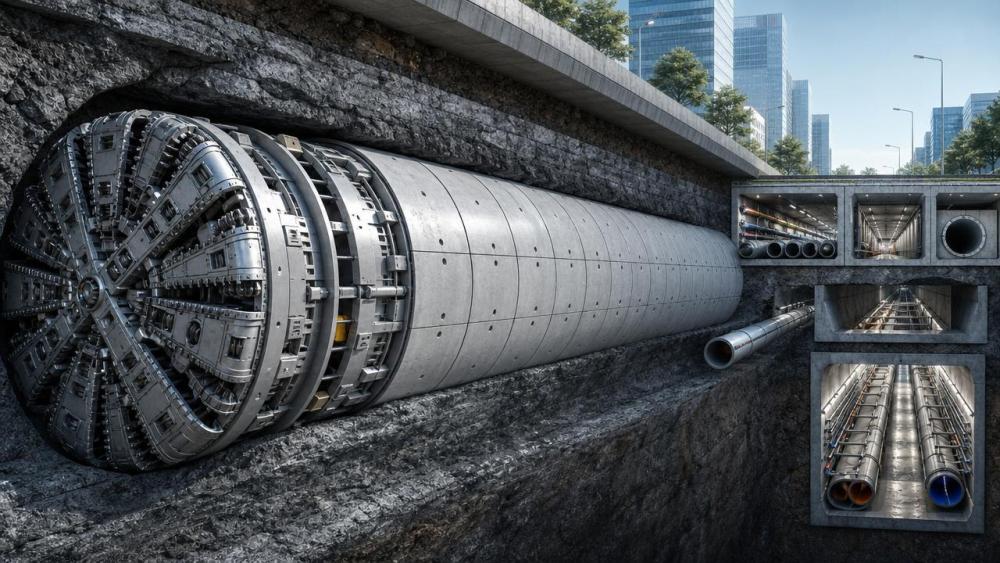
Urban expansion, aging networks, and environmental limits are changing underground construction priorities across transport, water, energy, and digital infrastructure.
Trenchless Engineering now supports projects where open-cut excavation would create unacceptable traffic, safety, settlement, or social impact.
This shift is visible in dense cities, river crossings, rail interfaces, airports, ports, industrial corridors, and mining-related utility networks.
The methods are also becoming more data-driven. Sensors, guidance systems, cutter diagnostics, and remote monitoring improve underground decision-making.
For UTMD, this reflects a wider transition toward intelligent underground equipment, asset reliability, and precise control in confined ground conditions.
Why Demand Is Rising for Pipe Jacking, Microtunnelling, and TBMs
Several forces are pushing Trenchless Engineering into earlier planning stages instead of late-stage construction substitution.
The strongest projects treat Trenchless Engineering as a system decision, not only a machine decision.
Ground investigation, launch shaft design, jacking force control, spoil logistics, and settlement monitoring must be aligned early.
Pipe Jacking Is Becoming the Precision Choice for Urban Utility Corridors
Pipe jacking pushes prefabricated pipes through the ground from a launch shaft toward a reception shaft.
The excavation face is advanced by a shield or boring machine while hydraulic jacks transfer thrust through the pipe string.
In Trenchless Engineering, pipe jacking is widely used for sewers, stormwater lines, culverts, utility tunnels, and short transport crossings.
Its main advantage is controlled installation of structural pipes without continuous surface trenching.
The method performs well where alignment is relatively straight and access shafts can be positioned effectively.
Jacking force is a critical design variable. It depends on ground friction, pipe length, lubrication, diameter, and curvature.
Intermediate jacking stations can reduce peak loads on longer drives, helping protect pipe joints and machine performance.
Where pipe jacking fits best
- Urban drainage and wastewater lines under roads or railways.
- Medium to large pipe diameters requiring structural carrier pipes.
- Projects needing accurate grade control over moderate distances.
- Crossings where traffic closure would create heavy economic loss.
The trend is toward more instrumented pipe jacking machines, automated lubrication control, and real-time jacking force analytics.
These upgrades make Trenchless Engineering more predictable in mixed urban ground and congested utility environments.
Microtunnelling Is Raising Expectations for Accuracy and Closed-Face Control
Microtunnelling is a remotely controlled, guided form of pipe jacking, usually using a microtunnel boring machine.
It is commonly selected when precise line and grade are essential, especially for gravity sewers and sensitive crossings.
Unlike conventional manual shields, microtunnelling separates operators from the excavation face, improving safety in difficult ground.
Slurry microtunnelling balances face pressure, transports spoil hydraulically, and helps manage groundwater inflow.
Earth pressure balance microtunnelling can be suitable where excavated material supports stable pressure conditioning.
In modern Trenchless Engineering, microtunnelling is valued for accuracy, reduced personnel exposure, and controlled settlement risk.
Guidance systems typically use lasers, gyroscopes, or advanced navigation tools to maintain the designed alignment.
The method is particularly effective under highways, waterways, operating rail assets, industrial plants, and dense utility corridors.
Key selection considerations
- Ground abrasivity and expected cutter wear.
- Groundwater pressure and face stability requirements.
- Spoil separation capacity and slurry circuit reliability.
- Permitted settlement thresholds near critical assets.
- Shaft dimensions, launch reaction design, and pipe logistics.
The market direction is clear. Microtunnelling is becoming a premium Trenchless Engineering method for high-consequence alignments.
TBMs Are Expanding the Scale of Trenchless Engineering Beyond Utility Installation
Tunnel boring machines extend Trenchless Engineering into larger diameters, longer drives, and more complex underground programs.
A TBM excavates the full face while installing support systems such as precast segments, rock bolts, or lining structures.
TBMs are used for metro tunnels, road tunnels, water conveyance, hydropower, cable tunnels, and deep mining access.
Compared with pipe jacking, TBM projects usually involve larger work fronts, more complex logistics, and longer operational horizons.
Hard rock TBMs rely on disc cutters to fracture rock under high contact forces.
EPB and slurry TBMs manage soft ground and groundwater through pressure-balanced excavation chambers.
The strongest trend is integration. TBMs now combine mechanical excavation, hydraulic power, sensing, geotechnical feedback, and automated lining installation.
This reflects the UTMD view of TBMs as underground “aircraft carriers” operating within extreme rock and soil systems.
How TBM decisions differ
TBM selection begins with geology, but it cannot end there.
Advance rate, cutter consumption, segment supply, power demand, muck haulage, and intervention access influence total project performance.
For large Trenchless Engineering programs, equipment reliability can affect financing confidence, stakeholder trust, and contract risk allocation.
Method Comparison Shows That No Single Technique Dominates Every Ground Condition
A practical Trenchless Engineering decision compares technical fit, ground risk, surface constraints, and lifecycle value.
The comparison also shows why early ground data has become more valuable than late corrective action.
Poorly understood geology can turn an efficient Trenchless Engineering method into a costly intervention sequence.
The Business Impact Extends Across Design, Construction, Operations, and Public Acceptance
The impact of Trenchless Engineering is not limited to excavation productivity.
It changes planning assumptions, permit strategies, community relations, risk ownership, and long-term infrastructure resilience.
Design teams must evaluate launch shafts, reception shafts, temporary works, settlement limits, and maintenance access from the beginning.
Construction teams must coordinate machine operation, spoil handling, segment or pipe delivery, monitoring, and emergency response.
Asset owners benefit when underground installation causes fewer road closures, fewer service conflicts, and more predictable restoration schedules.
- For urban networks, disruption reduction becomes a measurable value driver.
- For transport corridors, schedule certainty supports interface management.
- For mining regions, underground logistics can connect with electrified support systems.
- For environmental approvals, reduced surface impact strengthens project acceptance.
This is why Trenchless Engineering is increasingly evaluated through total delivered value, not only direct construction cost.
What High-Reliability Underground Projects Should Watch Next
The next phase of Trenchless Engineering will be shaped by automation, electrification, digital risk control, and equipment intelligence.
Projects should focus on measurable indicators that connect machine behavior with ground response.
- Cutterhead torque, thrust, penetration, and vibration trends.
- Jacking force curves and lubrication consumption.
- Slurry density, flow stability, and separation efficiency.
- Settlement monitoring near structures and transport assets.
- Energy consumption per excavated meter or installed pipe.
- Maintenance intervals, cutter wear, and downtime causes.
These signals convert underground uncertainty into operational intelligence.
They also support better claims management, production forecasting, and future equipment selection.
A Practical Response Framework for Future Trenchless Engineering Decisions
Strong Trenchless Engineering outcomes begin with disciplined option screening before the method is locked into contracts.
This framework reduces the risk of choosing a method based only on past familiarity.
It encourages evidence-based selection between pipe jacking, microtunnelling, and TBM solutions.
Action Direction: Build Method Selection Around Intelligence, Not Habit
Trenchless Engineering is becoming a central pillar of resilient infrastructure delivery.
Pipe jacking offers efficient structural pipe installation with limited surface disturbance.
Microtunnelling adds remote control, high accuracy, and better risk management in sensitive locations.
TBMs expand the same underground logic into long, large, and strategic tunnel corridors.
The next step is to align geology, equipment capability, monitoring data, and lifecycle performance before construction starts.
UTMD tracks these shifts across tunnel boring machines, pipe jacking systems, and smart underground mining transport technologies.
Follow UTMD intelligence to assess Trenchless Engineering trends, compare equipment logic, and strengthen decisions for future underground projects.
Related News
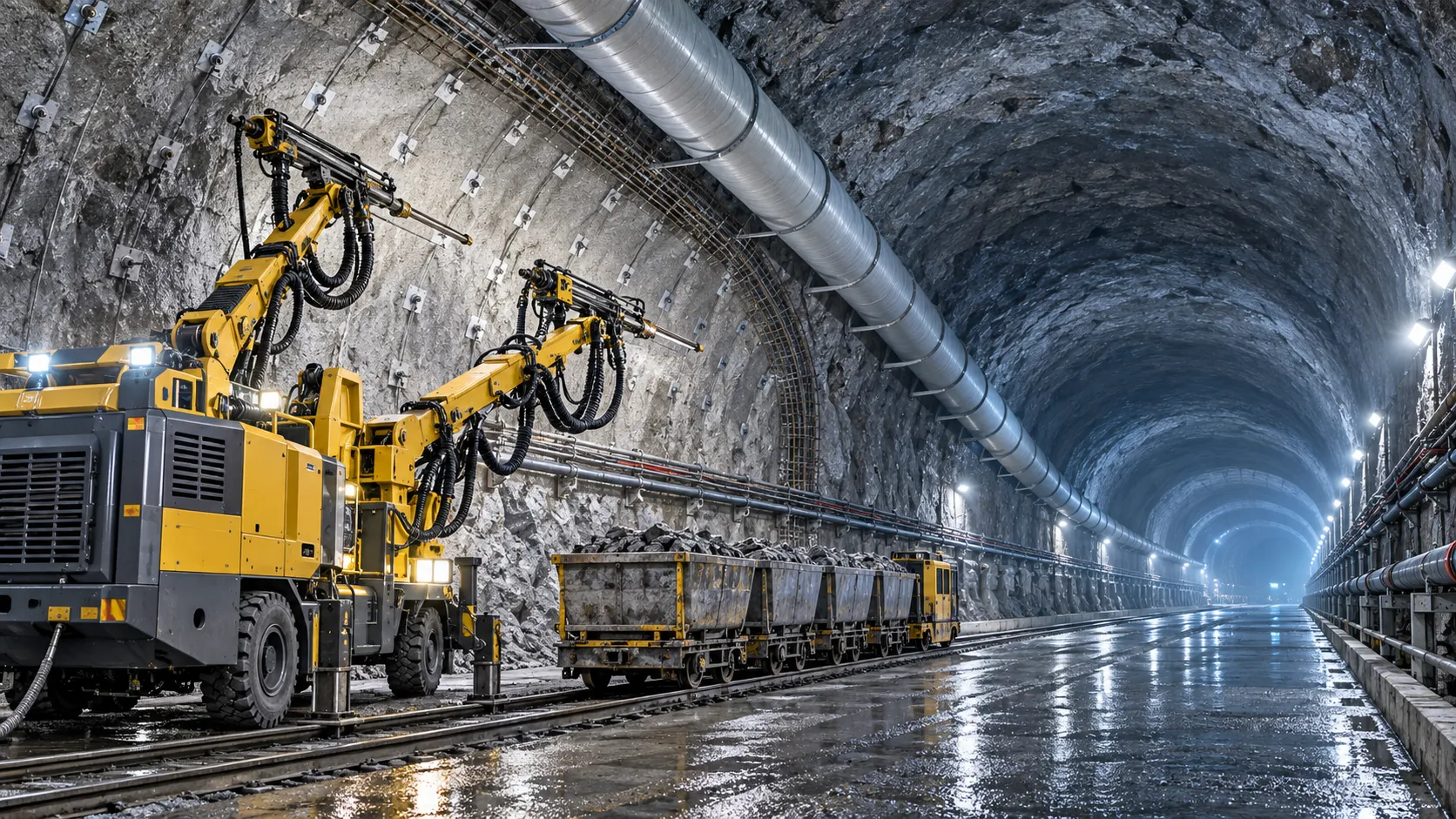
How to Evaluate European Drill-and-Blast Tunnelling Contractors for Complex Projects
Drill and blast tunnelling contractors Europe: learn how to assess geology expertise, blast control, equipment reliability, safety, and programme resilience for complex projects.
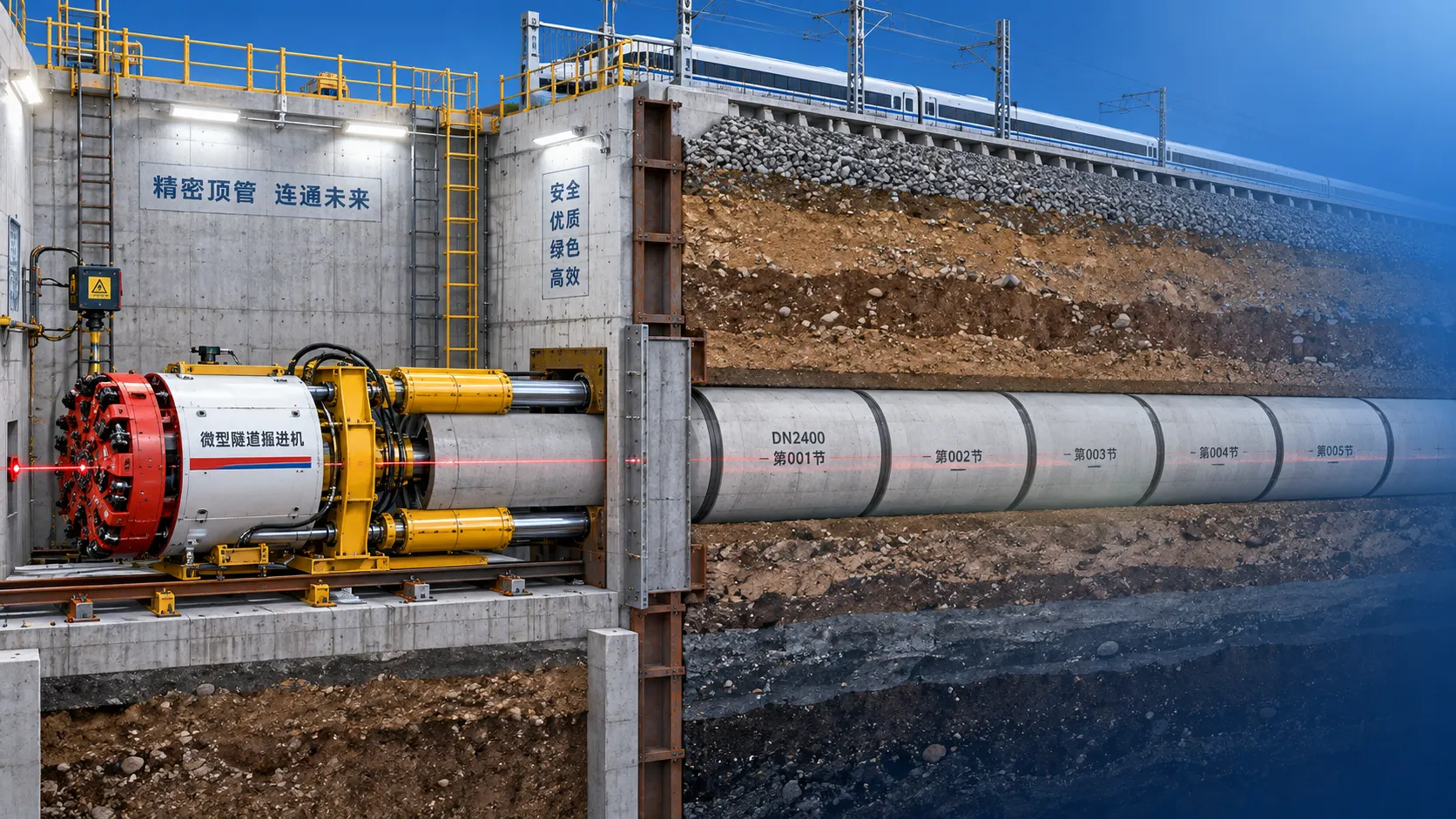
Which Trenchless Construction Technique Fits Your Utility Crossing Conditions?
Trenchless construction techniques compared for utility crossings: choose HDD, microtunnelling, pipe jacking, or auger boring based on ground, accuracy, access, and risk.
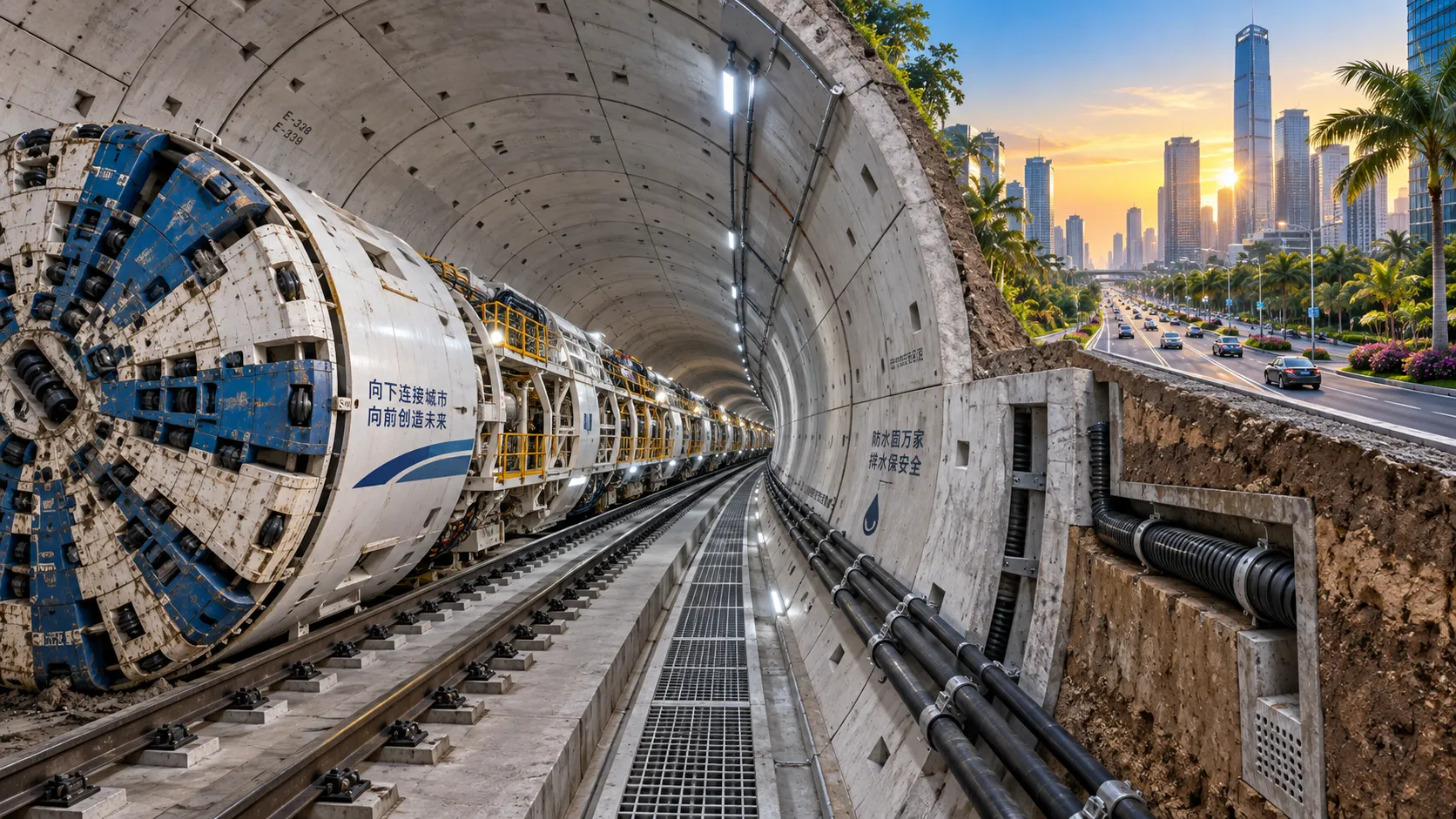
What Is Driving Metro Tunnelling Demand Across Southeast Asia’s Major Cities?
Metro tunnelling Southeast Asia is accelerating as major cities tackle congestion, flooding, and connectivity. Explore the market forces, technical risks, and opportunities shaping demand.
Hard Rock Tunnelling in Australia: Selecting Methods for Variable Ground Conditions
Hard rock tunnelling in Australia: compare TBM, drill-and-blast and hybrid methods to manage variable ground, reduce risk and protect project costs.
Hydropower Tunnel Excavation: Selecting Methods for Variable Rock Conditions
Hydropower tunnel excavation methods for variable rock conditions: compare TBM, drill-and-blast, and hybrid strategies to improve safety, progress, and project control.
How to Select Underground Safety Equipment for Tunnelling by Hazard and Work Zone
Underground Safety Equipment for tunnelling: match protection to hazards, work zones, compliance, and emergency needs with this practical selection guide.
EPB or Slurry Shield? Selecting Soft-Ground Tunnelling Equipment by Soil Conditions
Tunnel Excavation Equipment for soft ground: compare EPB and slurry shields by soil, groundwater, settlement risk, and project logistics to choose confidently.
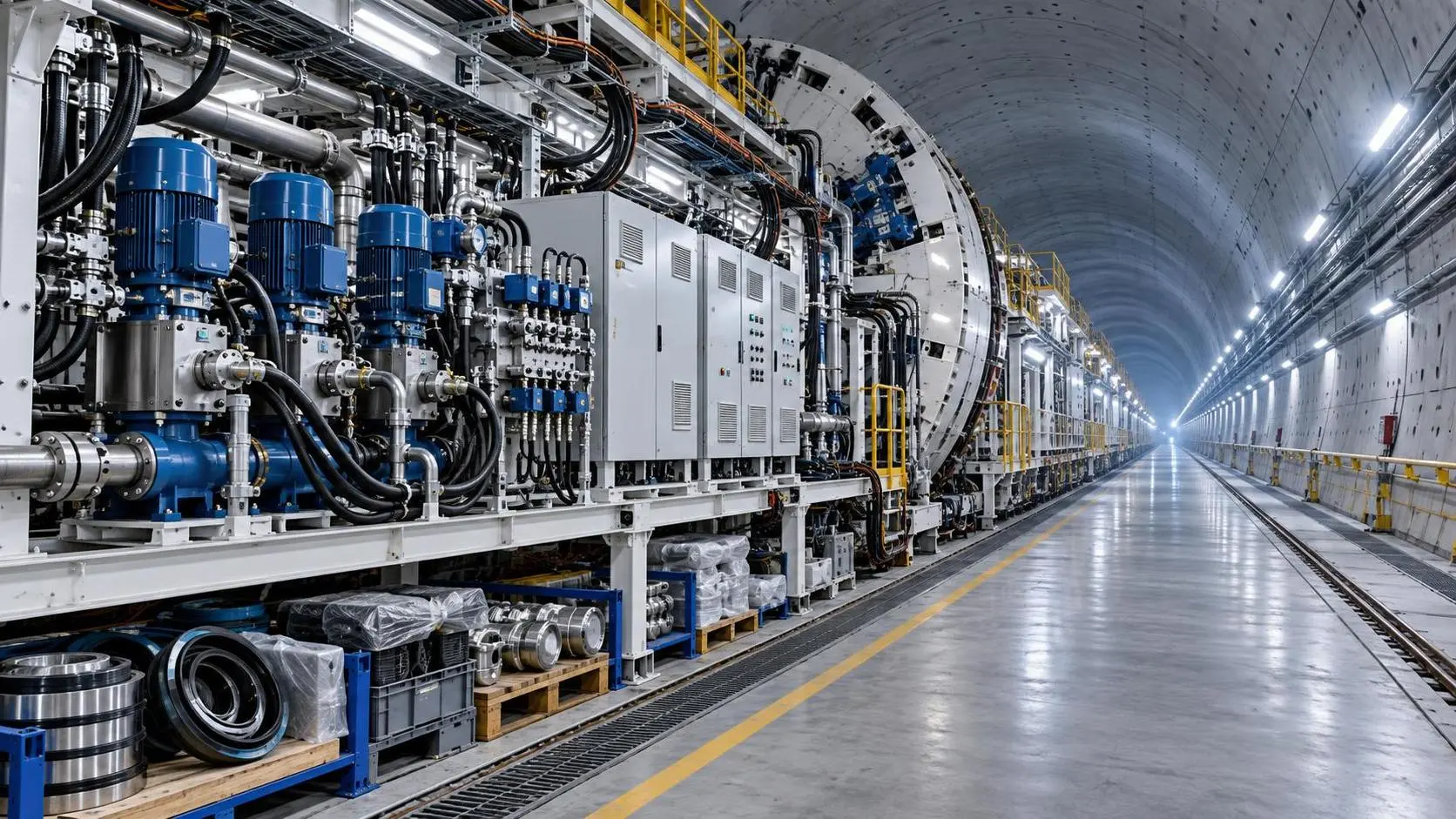
How to Specify TBM Backup System Parts for Reliable Long-Distance Tunnelling
TBM backup system parts: learn how to specify reliable spares for long-distance tunnelling, reduce downtime, ensure compatibility, and speed underground recovery.
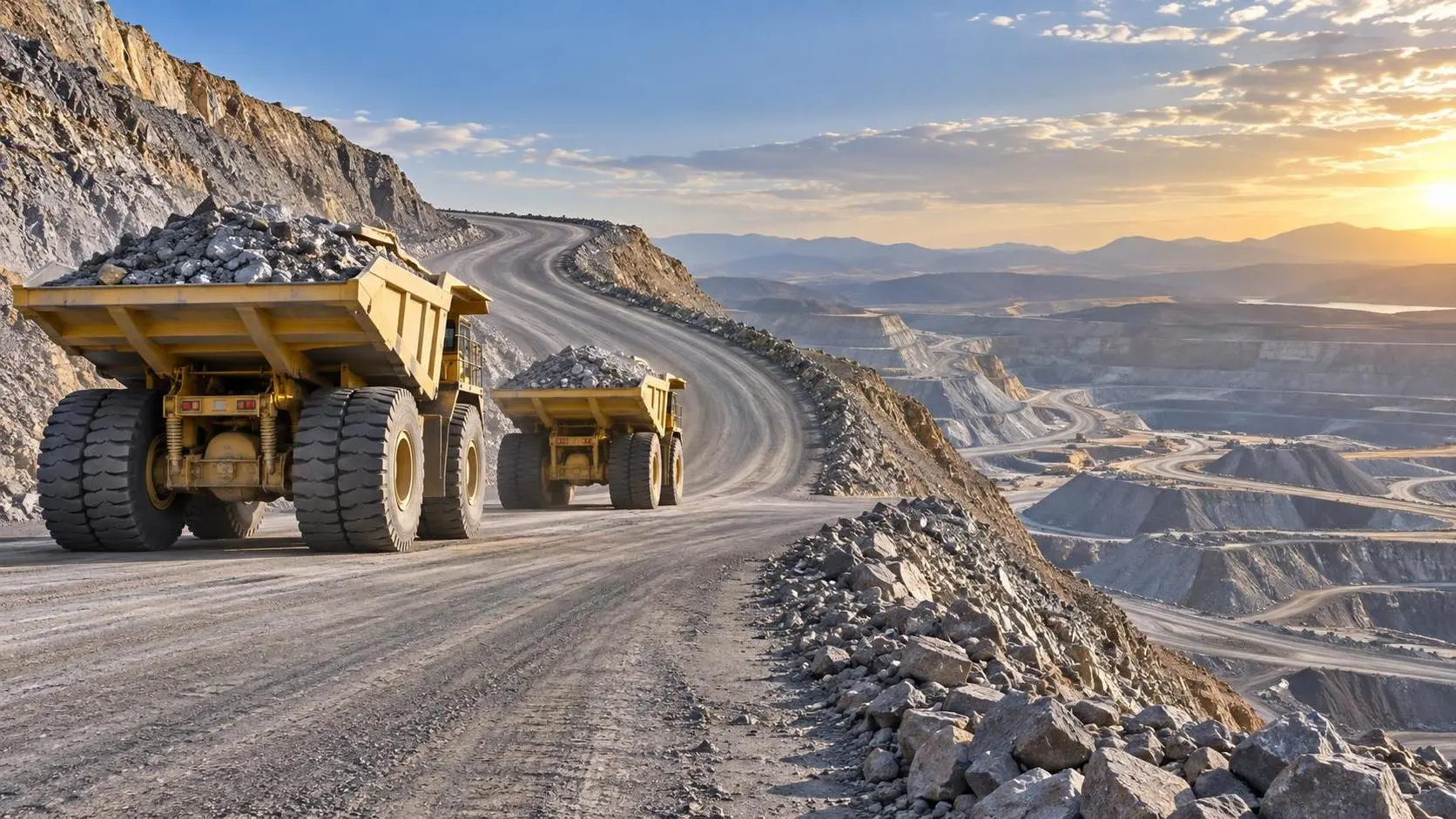
How to Size Open Pit Mining Trucks for Haul Distance, Grade, and Payload?
Open Pit Mining Trucks: learn how to match payload, haul distance, grade, road resistance, and loading capacity for safer, lower-cost mine operations.
Related News
- 00
0000-00
How to Evaluate European Drill-and-Blast Tunnelling Contractors for Complex Projects - 00
0000-00
Which Trenchless Construction Technique Fits Your Utility Crossing Conditions? - 00
0000-00
What Is Driving Metro Tunnelling Demand Across Southeast Asia’s Major Cities? - 00
0000-00
Hard Rock Tunnelling in Australia: Selecting Methods for Variable Ground Conditions - 00
0000-00
Hydropower Tunnel Excavation: Selecting Methods for Variable Rock Conditions
Weekly Insights
Stay ahead with our curated technology reports delivered every Monday.