What Makes Tunnel Surveying Equipment Accurate Underground?





What Makes Tunnel Surveying Equipment Accurate Underground?
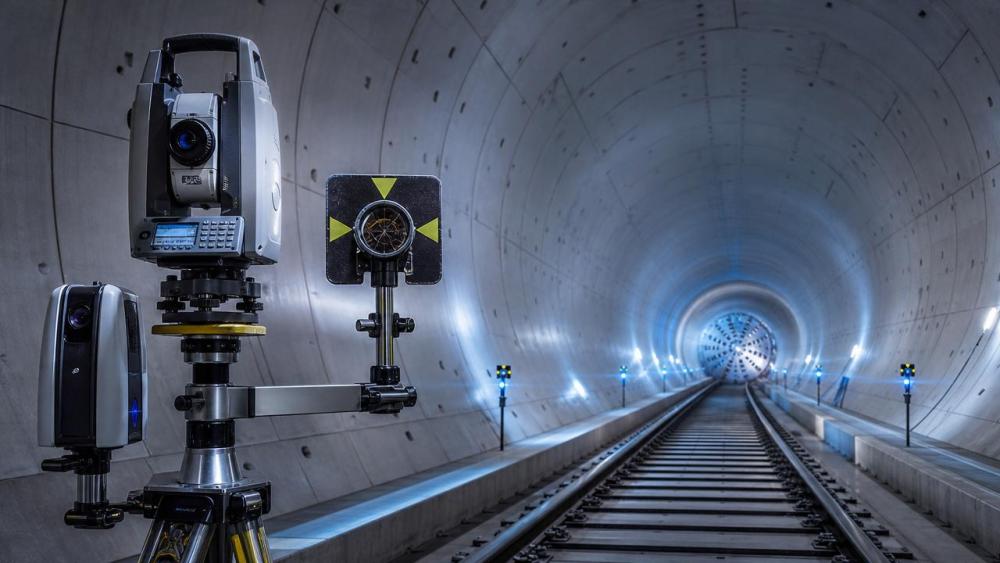
Underground accuracy is never accidental. It is engineered through reliable instruments, disciplined setup, and real-time control in harsh tunnelling conditions.
For work beyond GPS reach, Tunnel Surveying Equipment must deliver dependable alignment, elevation, and deformation data under dust, vibration, humidity, and limited visibility.
Accurate surveying protects excavation geometry, TBM guidance, pipe jacking trajectories, rail installation, lining quality, and long-term tunnel safety.
The real question is not whether instruments are advanced. It is whether the full survey workflow fits the underground scenario.
Scenario Judgment: Why Underground Accuracy Requirements Change
Tunnel Surveying Equipment operates in spaces where satellite positioning is unavailable and reference geometry is often extended from small control networks.
A metro tunnel, a hard-rock TBM drive, and a mining decline do not demand the same measurement strategy.
Some projects prioritize millimeter alignment. Others need fast progress tracking, deformation alerts, or machine guidance resilience.
Accuracy depends on sensors, calibration, network design, environmental protection, operator discipline, and data validation.
When these factors match the scenario, Tunnel Surveying Equipment becomes a control system, not just a measurement tool.
TBM Tunnels: Accuracy Begins With Machine Guidance Stability
In full-face TBM excavation, survey accuracy directly affects line, grade, cutterhead attitude, ring building, and segment tolerance.
Tunnel Surveying Equipment commonly supports laser targets, total stations, gyroscopic orientation, prisms, and machine guidance software.
The core judgment point is whether control points remain stable as the tunnel advances through vibration and thermal variation.
A well-designed control network reduces cumulative error and prevents small angular deviations from becoming major alignment problems.
For long drives, gyroscopic checks are critical because conventional traverses may accumulate orientation error.
Reliable Tunnel Surveying Equipment must also synchronize survey values with TBM operating data, including thrust, steering, advance rate, and ring sequence.
Pipe Jacking and Trenchless Works: Small Deviation, High Consequence
Pipe jacking projects often pass below roads, utilities, railways, rivers, and dense urban assets.
Here, Tunnel Surveying Equipment must support precise heading control inside restricted launch and reception conditions.
The key accuracy demand is early deviation detection, before steering correction becomes difficult or ground risk increases.
Laser guidance systems, electronic levels, inclinometers, and target-based monitoring are commonly used in these confined alignments.
Short baselines, moisture, slurry splashing, and limited instrument locations can degrade measurement quality.
Accurate Tunnel Surveying Equipment in trenchless work therefore requires protected optics, frequent checks, and clear correction thresholds.
Drill-and-Blast Tunnels: Accuracy Must Survive Repeated Disturbance
Drill-and-blast excavation creates a different challenge. The tunnel face changes violently after every blast cycle.
Tunnel Surveying Equipment supports face profiling, overbreak control, blast hole layout, rock bolt positioning, and convergence monitoring.
The central judgment point is repeatability after dust, shock, debris, and temporary ventilation changes.
Laser scanners and robotic total stations can quickly capture profiles and compare excavated geometry with the design section.
However, scanning accuracy depends on clean targets, adequate station geometry, and correct point cloud registration.
Tunnel Surveying Equipment should be evaluated by field repeatability, not only laboratory precision values.
Underground Mining: Positioning Accuracy Meets Operational Speed
Mining declines, haulage drifts, ore passes, and production headings require measurement systems that balance precision with speed.
Tunnel Surveying Equipment helps guide development headings, map voids, support ventilation planning, and track deformation around excavations.
In smart mines, survey data also supports autonomous LHD routing, digital mine maps, and traffic management.
The key judgment point is whether data can be updated fast enough for moving operations.
SLAM scanners, mobile mapping systems, and underground control networks are increasingly combined for practical accuracy.
Accurate Tunnel Surveying Equipment must handle rough floors, poor visibility, metallic interference, and constantly changing access conditions.
Deformation Monitoring: Accuracy Is About Detecting Change
Not all underground survey tasks focus on excavation alignment. Some focus on structural movement and ground response.
Tunnel Surveying Equipment may monitor convergence, settlement, lining displacement, crown movement, and support performance.
For deformation monitoring, the most important requirement is consistent repeat measurement under comparable conditions.
A stable benchmark, fixed monitoring frequency, and controlled observation method are essential.
High precision instruments cannot compensate for unstable references or inconsistent observation geometry.
Reliable Tunnel Surveying Equipment should issue trend-based warnings, not only isolated coordinate values.
Core Technologies That Make Tunnel Surveying Equipment Accurate
Several technologies determine whether underground survey data is trustworthy in real conditions.
- Robotic total stations provide precise angle and distance measurement with automated target tracking.
- Gyroscopes provide orientation checks where long underground traverses risk accumulated heading error.
- Laser scanners capture detailed geometry for profiles, overbreak, lining checks, and volume calculations.
- Inclinometers and tilt sensors support attitude, settlement, and movement monitoring.
- SLAM systems generate rapid maps in GPS-denied mining and tunnelling environments.
- Machine guidance software connects design geometry with real-time excavation control.
The strongest Tunnel Surveying Equipment combinations use complementary sensors to cross-check weak points in each technology.
Different Scenarios, Different Accuracy Priorities
This comparison shows why Tunnel Surveying Equipment should be selected by task risk, not by specification sheets alone.
Field Practices That Decide Real Underground Precision
Instrument quality matters, but field discipline often decides final accuracy.
Control points should be installed away from vibration, machine impact zones, water flow, and unstable ground.
Prisms, targets, brackets, and benchmarks must be inspected before critical measurements.
Temperature, air turbulence, dust, and humidity can influence optical performance and distance measurement.
Tunnel Surveying Equipment should be recalibrated according to project risk, operating hours, shock exposure, and manufacturer guidance.
Data should be checked against independent observations before steering decisions or acceptance reports are finalized.
Scenario Adaptation Checklist for Better Decisions
- Define whether the task needs absolute position, relative movement, profile shape, or machine guidance.
- Check whether existing control points can support the required tunnel length and geometry.
- Match instrument protection to water, dust, shock, and access limitations.
- Use independent verification for long drives, high-risk crossings, and safety-critical sections.
- Integrate survey results with BIM, GIS, TBM guidance, or mine planning platforms when needed.
- Train crews on setup, target care, measurement logs, and exception reporting.
A practical checklist keeps Tunnel Surveying Equipment aligned with construction risk and operational urgency.
Common Misjudgments That Reduce Underground Accuracy
One frequent mistake is assuming a high instrument specification guarantees underground performance.
In reality, poor station geometry, unstable references, dirty optics, and rushed setup can destroy precision.
Another mistake is ignoring cumulative error over long tunnels or curved alignments.
A small orientation error may remain hidden until breakthrough, reception, or final lining control.
Some teams also treat scanner point clouds as automatically correct.
Point cloud accuracy still depends on registration, control tie-in, surface reflectivity, and filtering choices.
Tunnel Surveying Equipment delivers value only when measurement uncertainty is understood and managed.
What Accurate Tunnel Surveying Equipment Means for Project Control
Accurate underground surveying improves more than geometry. It reduces rework, downtime, claims, safety exposure, and equipment misuse.
For TBMs, it supports correct steering and ring installation. For pipe jacking, it protects planned reception.
For mines, it supports safer development, better haulage planning, and more reliable automation data.
For deformation monitoring, it turns movement into actionable risk signals instead of late-stage surprises.
This is why Tunnel Surveying Equipment is a strategic part of underground digitalization, not a secondary site tool.
Action Guide: Build Accuracy Into the Next Underground Task
Start by mapping the scenario, tolerance, ground risk, tunnel length, machine interface, and reporting frequency.
Then select Tunnel Surveying Equipment that fits the actual measurement problem, rather than the broad project category.
Specify calibration routines, independent checks, data formats, acceptance criteria, and response rules before excavation reaches critical zones.
UTMD tracks underground equipment intelligence across TBMs, trenchless systems, mining vehicles, automation, and digital control technologies.
For projects moving toward smarter, safer, and more electrified underground operations, accurate surveying is a foundation for reliable decisions.
The strongest results come when Tunnel Surveying Equipment, field discipline, and real-time engineering judgment work as one system.
Related News
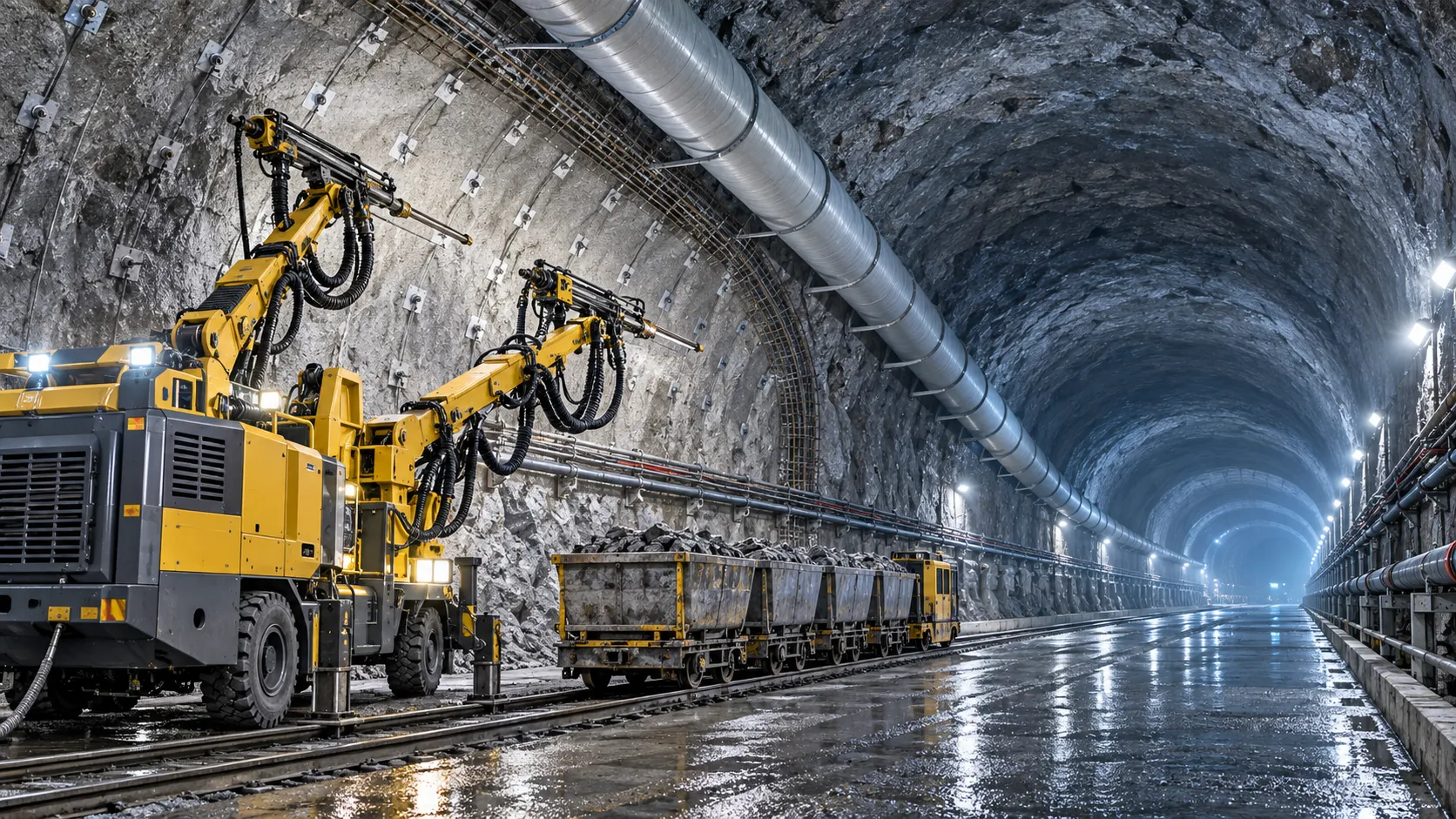
How to Evaluate European Drill-and-Blast Tunnelling Contractors for Complex Projects
Drill and blast tunnelling contractors Europe: learn how to assess geology expertise, blast control, equipment reliability, safety, and programme resilience for complex projects.
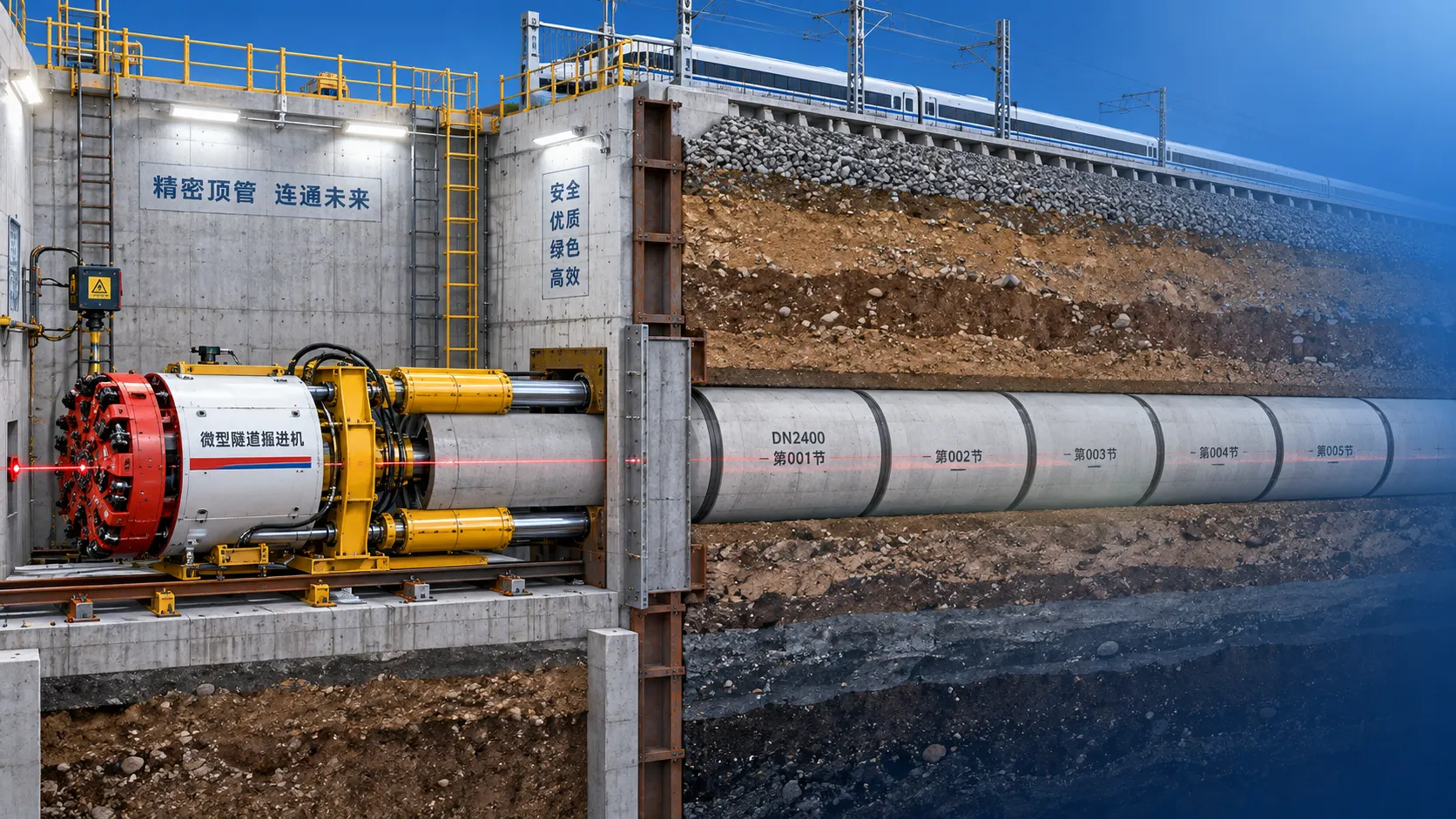
Which Trenchless Construction Technique Fits Your Utility Crossing Conditions?
Trenchless construction techniques compared for utility crossings: choose HDD, microtunnelling, pipe jacking, or auger boring based on ground, accuracy, access, and risk.
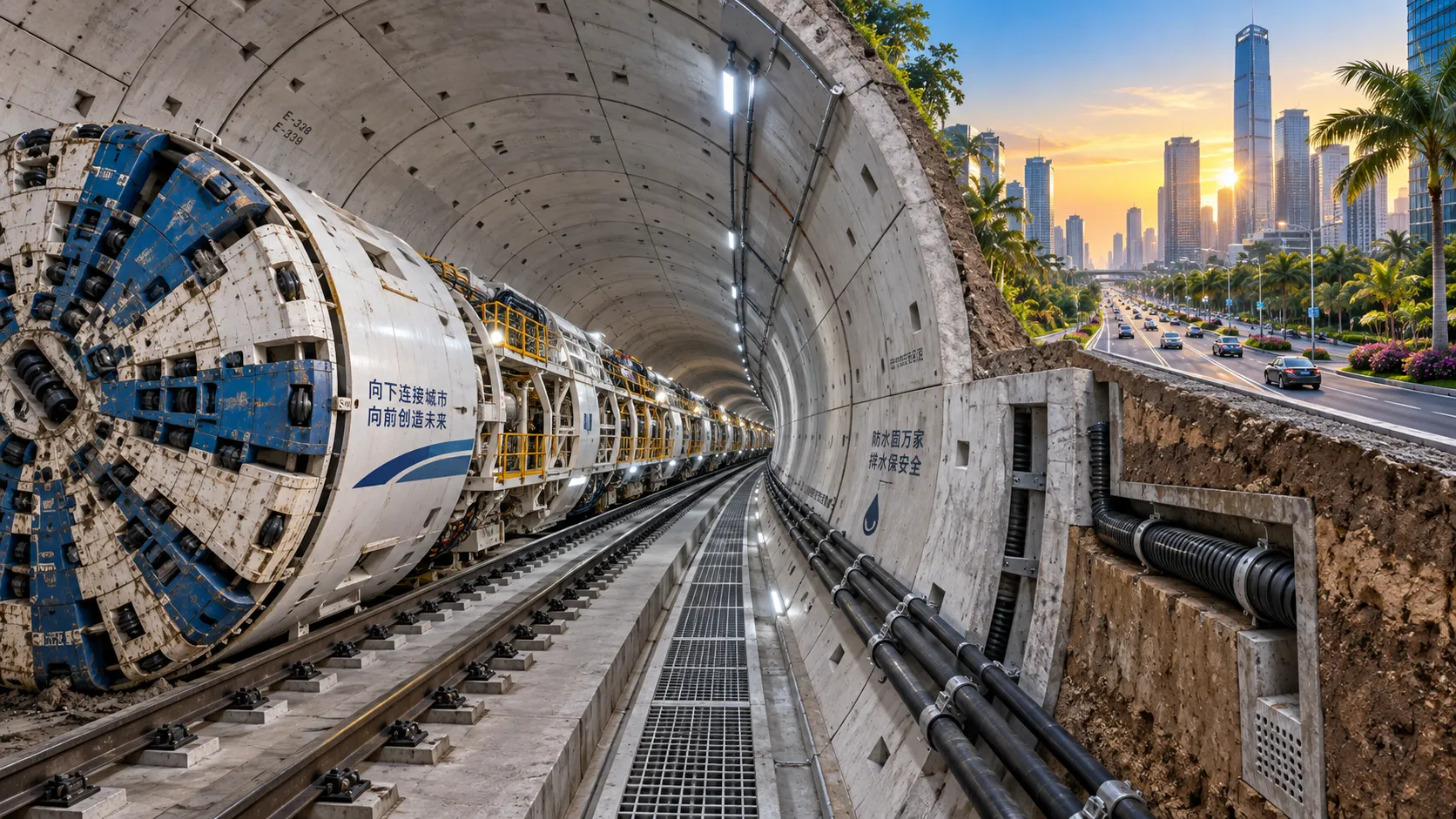
What Is Driving Metro Tunnelling Demand Across Southeast Asia’s Major Cities?
Metro tunnelling Southeast Asia is accelerating as major cities tackle congestion, flooding, and connectivity. Explore the market forces, technical risks, and opportunities shaping demand.
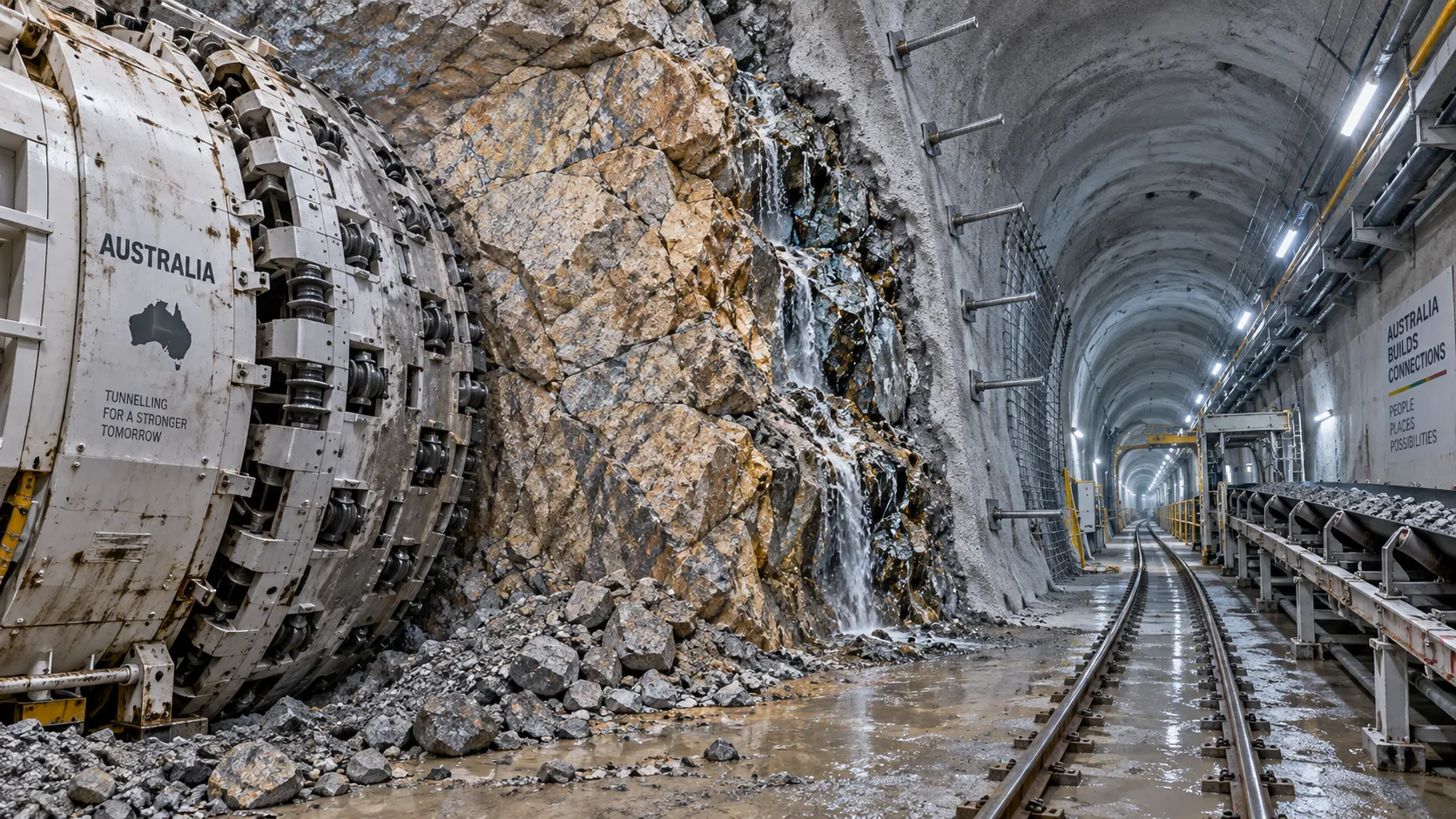
Hard Rock Tunnelling in Australia: Selecting Methods for Variable Ground Conditions
Hard rock tunnelling in Australia: compare TBM, drill-and-blast and hybrid methods to manage variable ground, reduce risk and protect project costs.
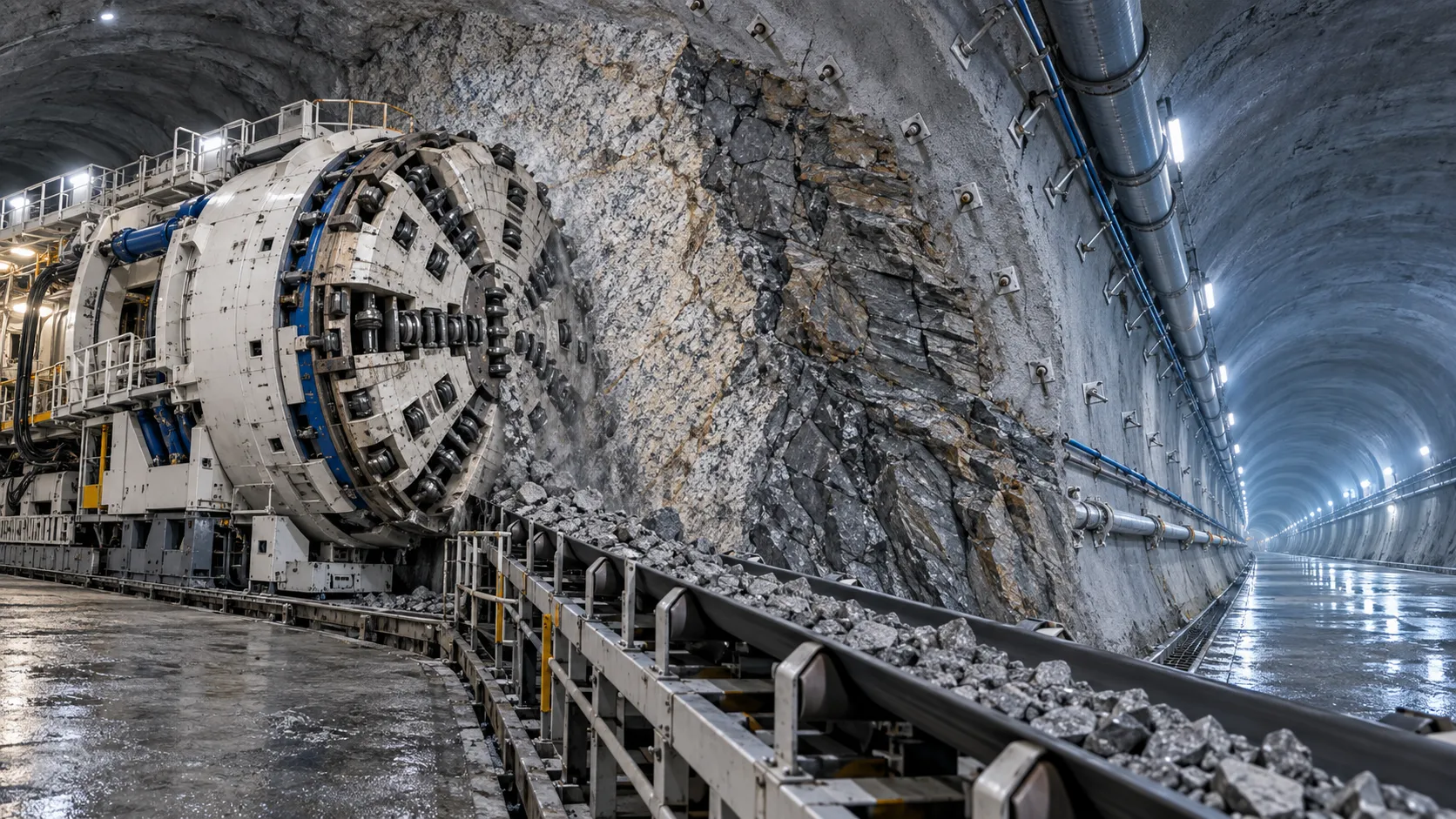
Hydropower Tunnel Excavation: Selecting Methods for Variable Rock Conditions
Hydropower tunnel excavation methods for variable rock conditions: compare TBM, drill-and-blast, and hybrid strategies to improve safety, progress, and project control.
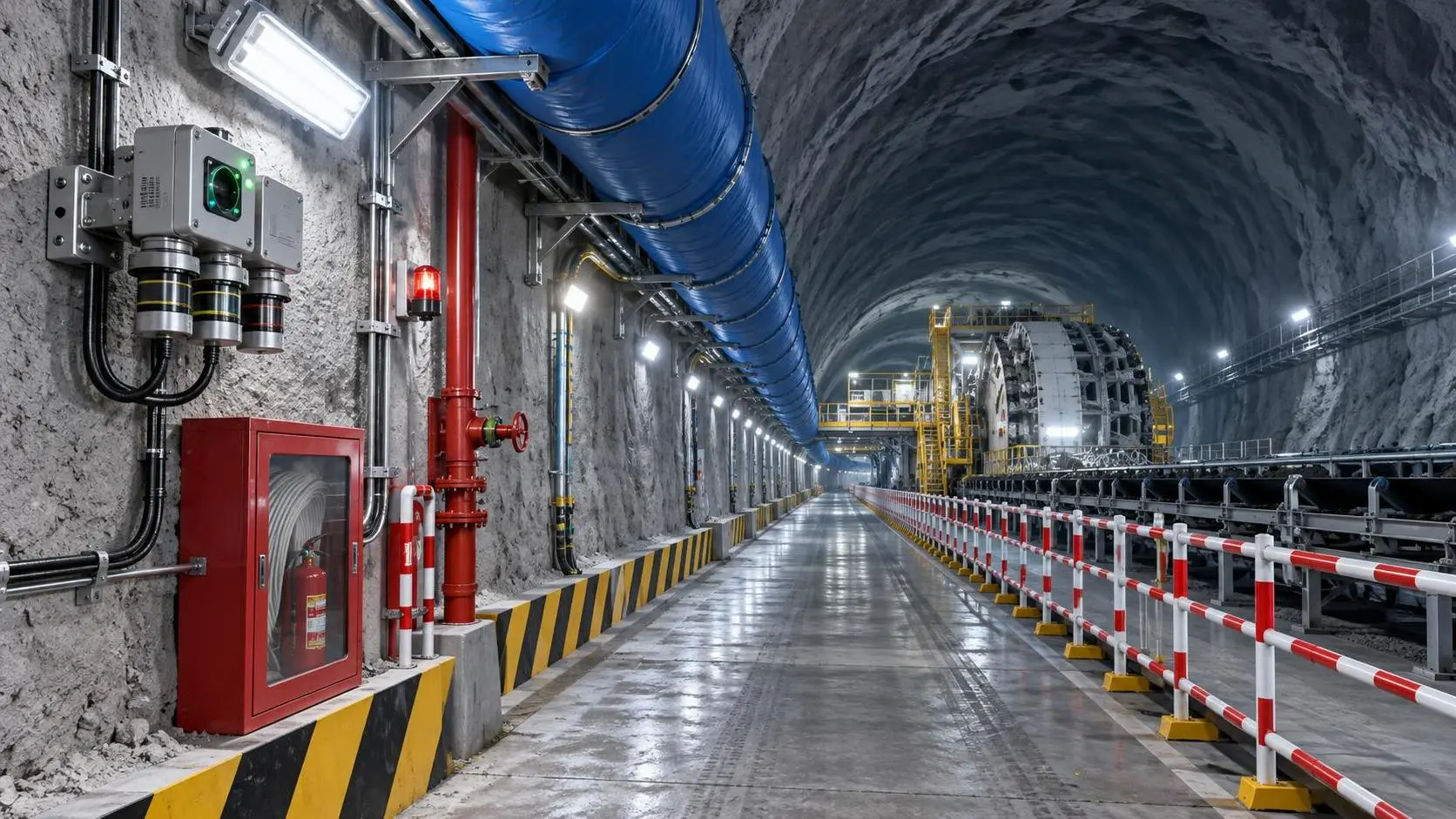
How to Select Underground Safety Equipment for Tunnelling by Hazard and Work Zone
Underground Safety Equipment for tunnelling: match protection to hazards, work zones, compliance, and emergency needs with this practical selection guide.
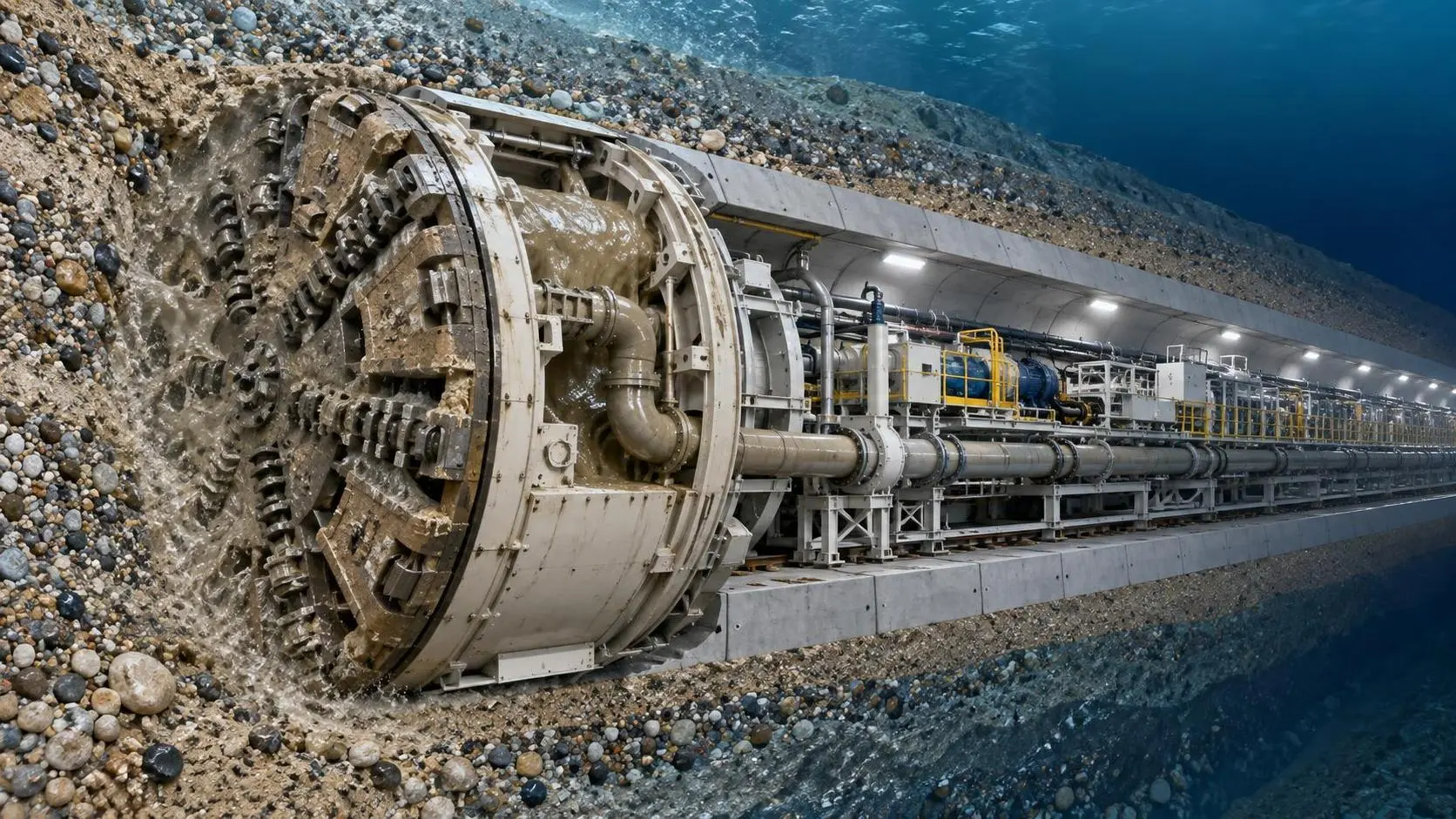
EPB or Slurry Shield? Selecting Soft-Ground Tunnelling Equipment by Soil Conditions
Tunnel Excavation Equipment for soft ground: compare EPB and slurry shields by soil, groundwater, settlement risk, and project logistics to choose confidently.
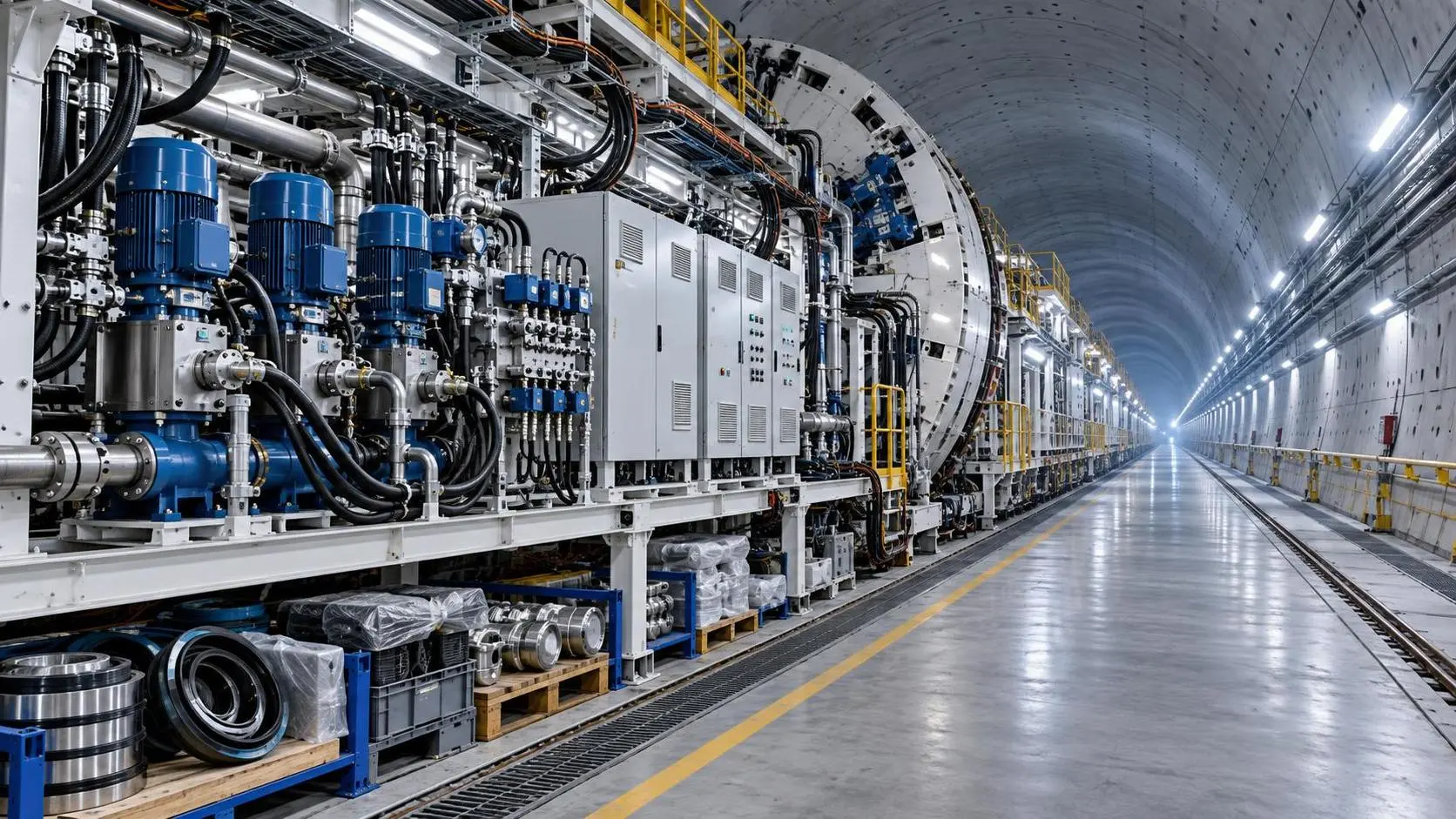
How to Specify TBM Backup System Parts for Reliable Long-Distance Tunnelling
TBM backup system parts: learn how to specify reliable spares for long-distance tunnelling, reduce downtime, ensure compatibility, and speed underground recovery.

How to Size Open Pit Mining Trucks for Haul Distance, Grade, and Payload?
Open Pit Mining Trucks: learn how to match payload, haul distance, grade, road resistance, and loading capacity for safer, lower-cost mine operations.
Related News
- 00
0000-00
How to Evaluate European Drill-and-Blast Tunnelling Contractors for Complex Projects - 00
0000-00
Which Trenchless Construction Technique Fits Your Utility Crossing Conditions? - 00
0000-00
What Is Driving Metro Tunnelling Demand Across Southeast Asia’s Major Cities? - 00
0000-00
Hard Rock Tunnelling in Australia: Selecting Methods for Variable Ground Conditions - 00
0000-00
Hydropower Tunnel Excavation: Selecting Methods for Variable Rock Conditions
Weekly Insights
Stay ahead with our curated technology reports delivered every Monday.