
China-Laos Railway Freight Up 37%; Micro-TBM & Rectangular Shield Exports to ASEAN Accelerate





According to the China-Laos Railway operational bulletin released on May 15, cross-border freight volume for the first four months of 2026 rose 37% year-on-year, with engineering equipment—including micro-tunnel boring machines (micro-TBMs) and rectangular shield machines—showing notably increased share. This development is especially relevant for infrastructure contractors, urban utility upgrade project managers, and cross-border equipment exporters serving Southeast Asian markets, as it signals a measurable shift in logistics efficiency and regulatory coordination for oversized-but-medium-weight machinery.
Event Overview
The China-Laos Railway operational bulletin, issued on May 15, reported that cumulative cross-border freight volume from January to April 2026 increased by 37% compared to the same period in 2025. Engineering equipment—specifically micro-TBMs and rectangular shield machines—accounted for a rising proportion of this cargo. Under the ‘Railway Express Clearance’ model, such oversized yet medium-weight equipment can now move under a ‘single declaration, single inspection, single release’ process between Kunming and Vientiane. This route reduces transit time by 18–22 days versus traditional maritime shipping and avoids Red Sea rerouting risks. The corridor is increasingly adopted as the preferred logistics path for underground utility network upgrades across ASEAN cities.
Industries Affected by Segment
Direct Exporters of Tunneling & Underground Construction Equipment
These enterprises are directly impacted because micro-TBMs and rectangular shields—previously constrained by dimensional limits and fragmented customs procedures—are now eligible for streamlined rail clearance. The impact manifests in shorter lead times, lower demurrage and transshipment costs, and improved delivery predictability for turnkey urban infrastructure contracts in Laos, Thailand, Vietnam, and beyond.
Urban Utility Infrastructure Contractors (ASEAN-based)
Contractors executing municipal water, sewage, and utility tunneling projects face tighter deadlines and stricter performance penalties. Faster, more reliable equipment arrival via the China-Laos Railway enables better alignment between procurement timelines and on-site construction sequencing—particularly where local port congestion or vessel schedule volatility has historically delayed critical path activities.
Supply Chain Service Providers (Customs Brokerage, Rail Forwarding, Cross-Border Logistics)
Providers offering integrated China-ASEAN rail solutions must adapt documentation workflows and compliance protocols to meet ‘Railway Express Clearance’ requirements. Unlike standard rail consignments, this mode mandates synchronized data submission across Chinese and Lao customs systems, precise classification of oversized cargo under harmonized tariff codes, and pre-clearance verification of technical specifications (e.g., non-standard dimensions, power supply compatibility).
What Relevant Enterprises or Practitioners Should Focus On Now
Monitor official updates on expansion of ‘Railway Express Clearance’ eligibility criteria
Current implementation covers micro-TBMs and rectangular shields—but formal announcements have not confirmed whether other non-standard civil engineering equipment (e.g., compact jacking rigs, modular pipe-laying units) will be added. Stakeholders should track bulletins from China State Railway Group and the General Administration of Customs of China for scope adjustments.
Verify dimensional and weight thresholds against latest railway loading gauges and border checkpoint capacity
Although labeled ‘micro’ or ‘rectangular’, these machines still require strict adherence to maximum allowable width, height, and axle load limits on the China-Laos line. Pre-shipment verification—especially for custom-configured units—is essential to avoid on-site rejection at Mohan or Thanaleng stations.
Align commercial terms and Incoterms® with rail-specific risk points
Rail transport introduces distinct handover responsibilities (e.g., at Kunming South Station vs. Boten Border), different insurance coverage needs (e.g., static load stress during long-haul rail transit), and unique force majeure triggers (e.g., monsoon-related landslide closures on the Laos section). Contracts and insurance policies should explicitly reflect these rail-specific contingencies.
Prepare technical documentation packages for pre-clearance submission
‘Single declaration’ does not mean simplified documentation. It requires complete, bilingual (Chinese–Lao/English) technical dossiers—including dimensional diagrams, weight distribution charts, and electrical safety certifications—submitted digitally to both customs authorities prior to departure. Early engagement with certified customs agents familiar with the China-Laos Railway clearance portal is advisable.
Editorial Perspective / Industry Observation
Observably, this 37% freight growth—driven significantly by high-value engineering equipment—is less a one-off surge and more an early indicator of structural adoption. The ‘Railway Express Clearance’ model is not merely a procedural tweak; it reflects institutional coordination mature enough to handle technically complex, regulatory-sensitive cargo. Analysis shows that its current application remains narrow (focused on two equipment types, one corridor, two countries), but its design principles—digital interoperability, pre-verified compliance, and synchronized risk assessment—are scalable. From an industry perspective, this is best understood not as a completed solution, but as a validated pilot framework: one that signals growing feasibility for rail-based movement of specialized capital goods across ASEAN, provided technical and administrative alignment continues.
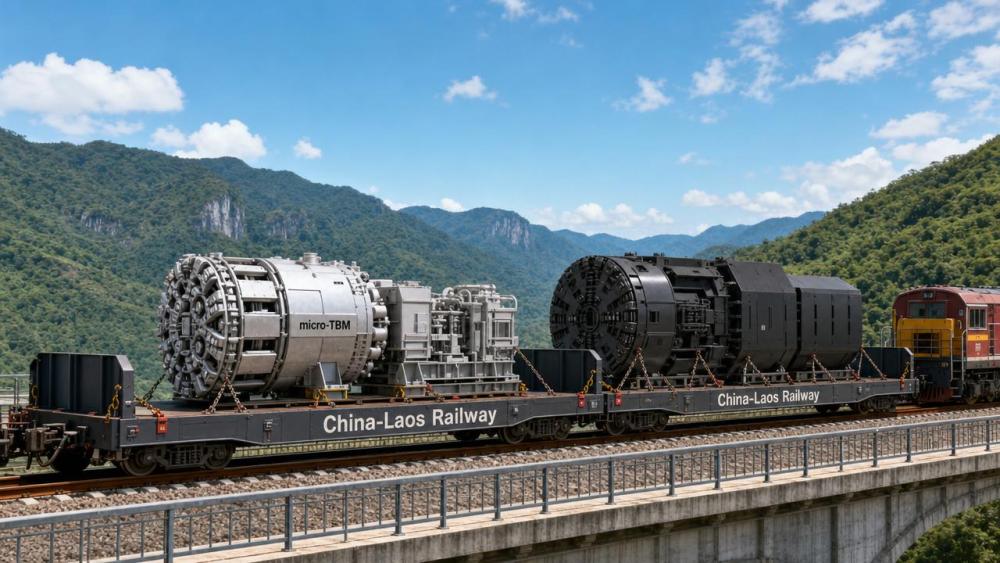
This development is not yet a wholesale alternative to maritime shipping for most heavy equipment categories—but for specific, dimension-constrained, time-sensitive underground construction assets moving between Southwest China and mainland Southeast Asia, it has crossed into operational relevance.
The broader implication lies in logistics planning horizons: procurement cycles, tender evaluation criteria, and EPC contract scheduling are beginning to treat this rail option as a credible variable—not just a theoretical alternative.
For stakeholders, the key takeaway is timing: capability exists today, but scalability depends on continued policy consistency, infrastructure maintenance discipline, and bilateral customs system integration. Current conditions favor early adopters who invest in procedural readiness—not those waiting for full market saturation.
Analysis shows the primary value of this update is not in headline growth figures, but in the demonstrated ability to clear technically nonstandard cargo under unified, predictable rules. That capability—once proven—can extend beyond TBMs to other niche industrial equipment segments, if similar coordination efforts follow.
Consequently, this milestone is best interpreted as a signal of institutional maturation rather than immediate market transformation. Its significance grows with replication—and therefore warrants sustained observation, not immediate strategic overhaul.
It is more accurate to view this as an emerging logistics pathway with verified advantages for a defined use case—rather than a generalized shift in regional trade infrastructure.
Conclusion: The 37% year-on-year freight increase on the China-Laos Railway, driven by accelerated clearance of micro-TBMs and rectangular shield machines, reflects a tangible improvement in cross-border regulatory coordination for specialized engineering equipment. Its immediate impact is concentrated among exporters, ASEAN infrastructure contractors, and rail-forwarding service providers operating within a narrow but high-stakes segment: urban underground utility modernization. For broader industry participants, this development serves as a benchmark—not a blueprint—and is best understood as an early-stage, operationally validated model whose wider applicability hinges on consistent policy execution and incremental expansion.
Information Source: China-Laos Railway Operational Bulletin (released May 15, 2026). Note: Expansion of ‘Railway Express Clearance’ to additional equipment types or corridors remains unconfirmed and is subject to ongoing observation.
Related News

How to Evaluate European Drill-and-Blast Tunnelling Contractors for Complex Projects
Drill and blast tunnelling contractors Europe: learn how to assess geology expertise, blast control, equipment reliability, safety, and programme resilience for complex projects.

Which Trenchless Construction Technique Fits Your Utility Crossing Conditions?
Trenchless construction techniques compared for utility crossings: choose HDD, microtunnelling, pipe jacking, or auger boring based on ground, accuracy, access, and risk.

What Is Driving Metro Tunnelling Demand Across Southeast Asia’s Major Cities?
Metro tunnelling Southeast Asia is accelerating as major cities tackle congestion, flooding, and connectivity. Explore the market forces, technical risks, and opportunities shaping demand.

Hard Rock Tunnelling in Australia: Selecting Methods for Variable Ground Conditions
Hard rock tunnelling in Australia: compare TBM, drill-and-blast and hybrid methods to manage variable ground, reduce risk and protect project costs.

Hydropower Tunnel Excavation: Selecting Methods for Variable Rock Conditions
Hydropower tunnel excavation methods for variable rock conditions: compare TBM, drill-and-blast, and hybrid strategies to improve safety, progress, and project control.

How to Select Underground Safety Equipment for Tunnelling by Hazard and Work Zone
Underground Safety Equipment for tunnelling: match protection to hazards, work zones, compliance, and emergency needs with this practical selection guide.
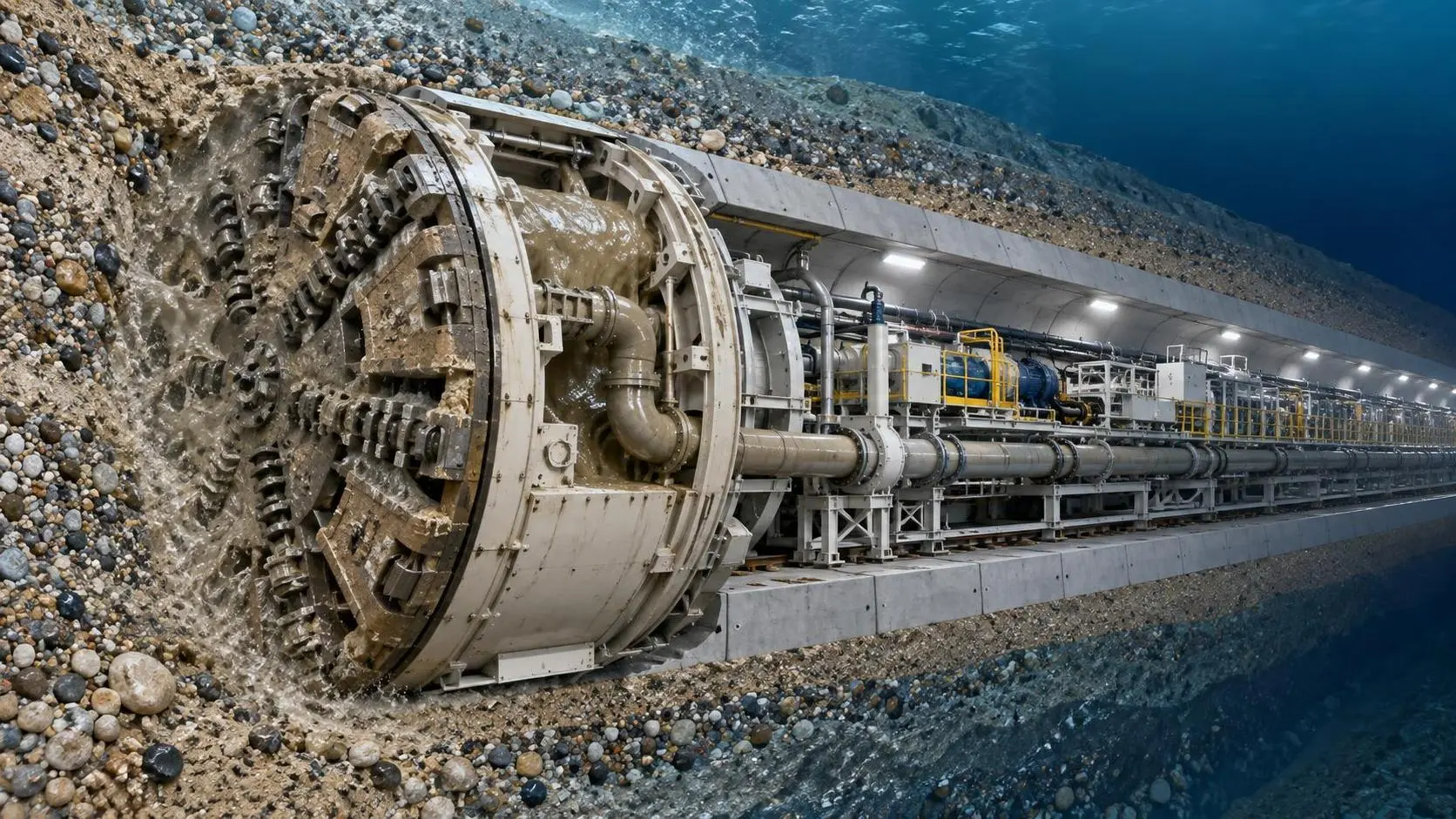
EPB or Slurry Shield? Selecting Soft-Ground Tunnelling Equipment by Soil Conditions
Tunnel Excavation Equipment for soft ground: compare EPB and slurry shields by soil, groundwater, settlement risk, and project logistics to choose confidently.
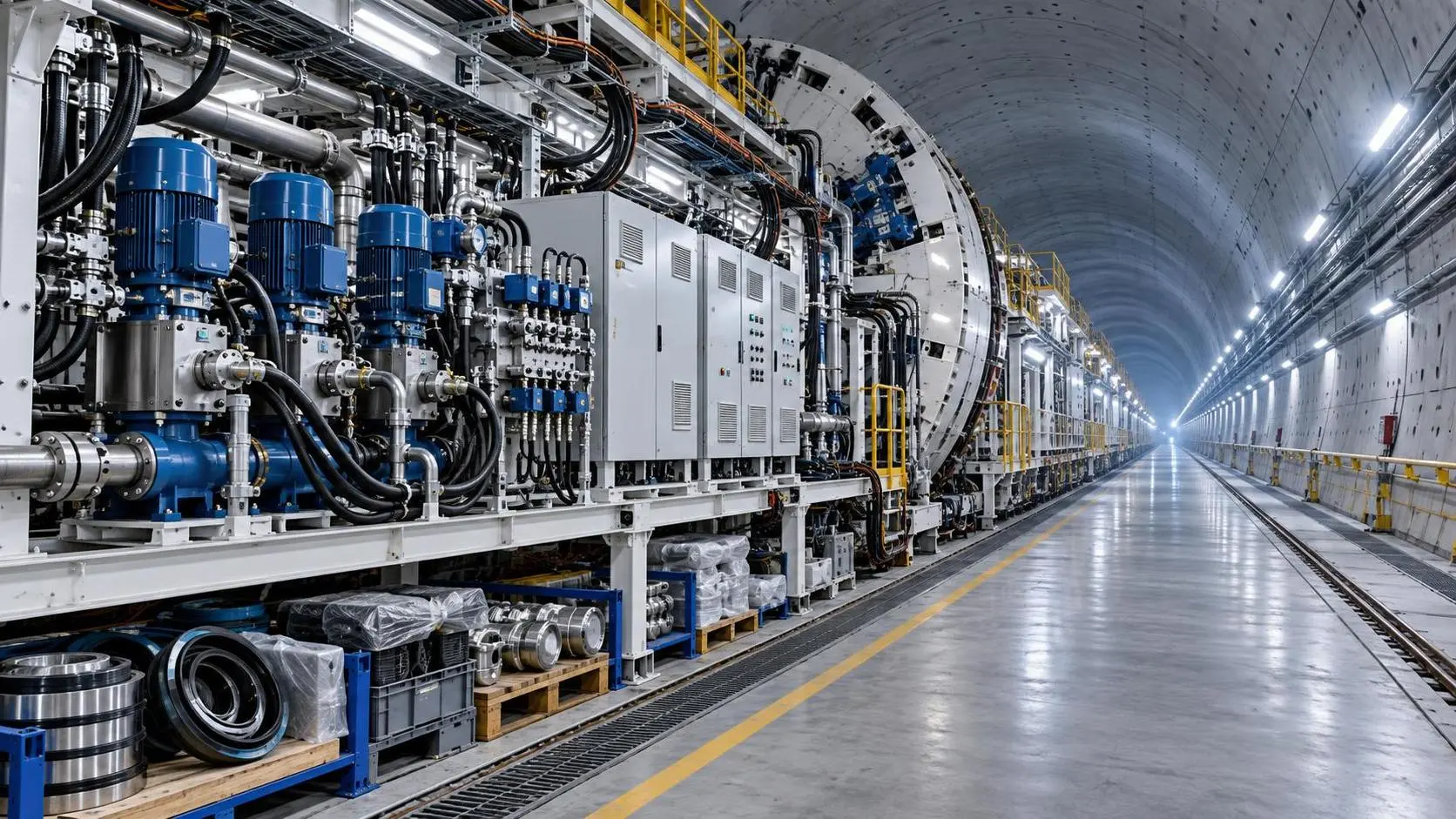
How to Specify TBM Backup System Parts for Reliable Long-Distance Tunnelling
TBM backup system parts: learn how to specify reliable spares for long-distance tunnelling, reduce downtime, ensure compatibility, and speed underground recovery.
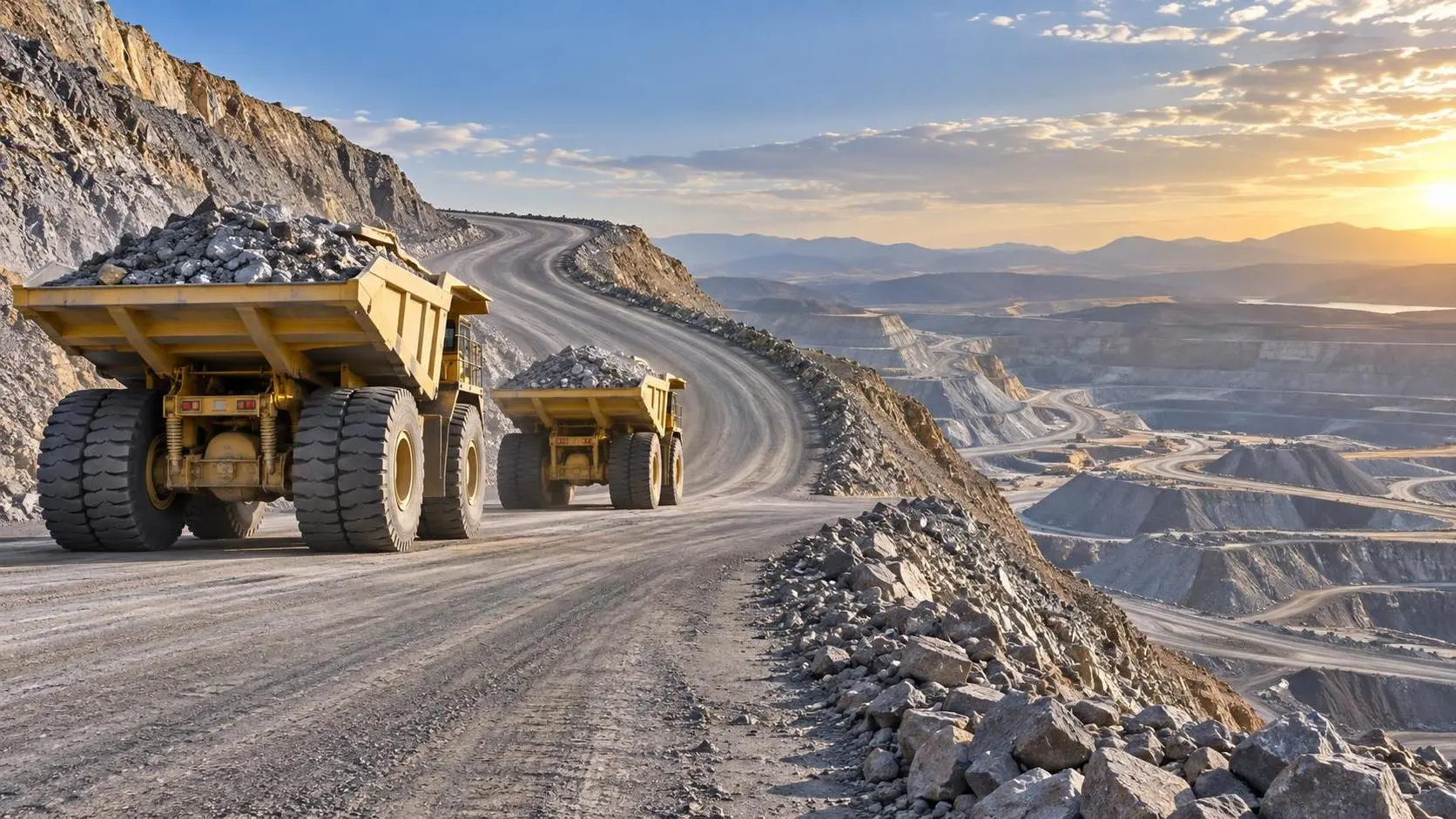
How to Size Open Pit Mining Trucks for Haul Distance, Grade, and Payload?
Open Pit Mining Trucks: learn how to match payload, haul distance, grade, road resistance, and loading capacity for safer, lower-cost mine operations.
Related News
- 00
0000-00
How to Evaluate European Drill-and-Blast Tunnelling Contractors for Complex Projects - 00
0000-00
Which Trenchless Construction Technique Fits Your Utility Crossing Conditions? - 00
0000-00
What Is Driving Metro Tunnelling Demand Across Southeast Asia’s Major Cities? - 00
0000-00
Hard Rock Tunnelling in Australia: Selecting Methods for Variable Ground Conditions - 00
0000-00
Hydropower Tunnel Excavation: Selecting Methods for Variable Rock Conditions
Weekly Insights
Stay ahead with our curated technology reports delivered every Monday.