
PSA Tightens 42-Ton Limit on Wide TBM Shipments





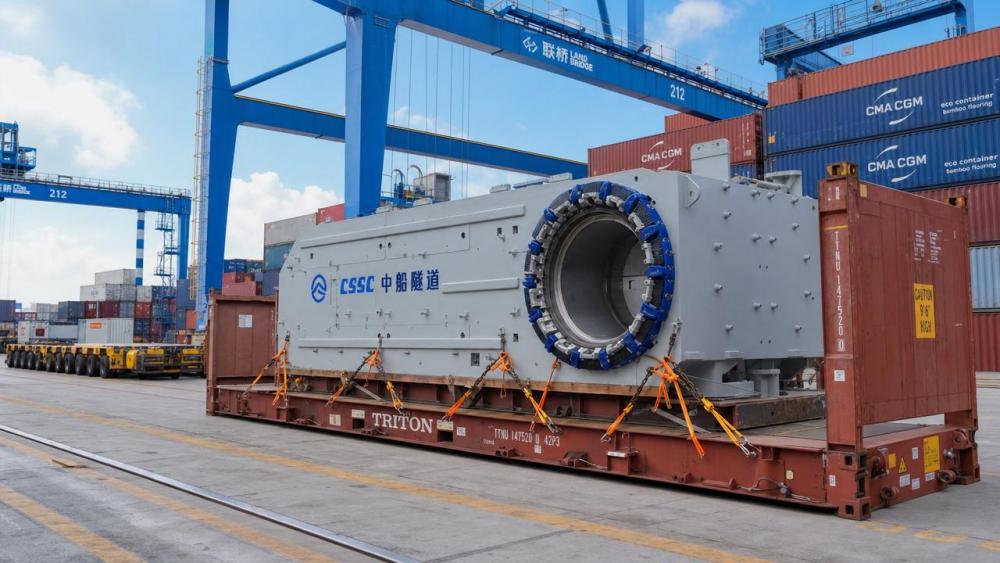
On June 7, 2026, Singapore’s PSA announced an immediate 42-ton maximum gross weight per container for shield bodies used in Rectangular Pipe Jacking when the cargo width exceeds 3.8 meters. For companies moving complete machines by sea, especially Chinese manufacturers delivering into Southeast Asia, the change matters because it directly affects shipment planning, compliance costs, and delivery timing rather than remaining a routine port-side adjustment.
What PSA Has Confirmed
According to the emergency notice issued by PSA on June 7, the new rule applies immediately to containerized transport of Rectangular Pipe Jacking shield bodies wider than 3.8 meters. Under the adjustment, the maximum gross weight for a single container is capped at 42 tons. Any cargo above that threshold must either be dismantled and split across multiple containers or moved under special transport approval.
PSA indicated that the measure follows several recent overload alarm incidents involving quay cranes. The immediate commercial effect identified in the provided information is on complete-machine shipments from China to Southeast Asia, where the previous single-container transport approach now carries an average additional compliance cost of USD 8,500–12,000.
Where the Pressure Falls First
Complete-machine exporters face a direct logistics reset
For manufacturers and exporters of Rectangular Pipe Jacking equipment, the most immediate impact is on the original single-container shipping model for oversized shield bodies. The main pressure points are freight budgeting, shipment configuration, and delivery scheduling, because loads that previously moved in one unit may now require disassembly or special approval.
Supply chain service providers need to rework execution details
For freight forwarders, heavy cargo coordinators, and other logistics service providers, the change is likely to show up in booking arrangements, cargo breakdown plans, and permit-related coordination. From an industry perspective, what deserves closer attention is whether service providers can distinguish between cargo that can be split operationally and cargo that will need a special transport pathway.
Buyers and project-side recipients may see timing and cost implications
Purchasing parties and end users in Southeast Asia may not be the first to absorb the rule operationally, but they could still feel the effects through revised delivery dates, altered packing plans, and additional landed-cost discussions. Analysis shows that contract execution and shipment acceptance planning may become more sensitive where delivery schedules were built around whole-machine sea transport.
What Companies Should Watch Now
Monitor whether the port language changes further
The current notice is described as an emergency adjustment taking effect immediately. Companies should pay close attention to whether PSA issues further clarification on scope, enforcement detail, or approval procedures, because operational interpretation can matter as much as the headline weight cap.
Review which shipments are exposed to the new threshold
Businesses handling shield bodies wider than 3.8 meters should first identify which current or near-term shipments were designed around a single-container plan. The practical issue is not only the weight cap itself, but whether the product can be dismantled without disrupting packing, handling, or handover timing.
Separate regulatory wording from executable transport plans
Observably, the business risk lies in the gap between a formal rule and day-to-day shipment execution. A rule may allow dismantling or special approval, but companies still need workable plans for container allocation, document preparation, and customer communication before those options become real delivery solutions.
Prepare for contract and client communication adjustments
Given the stated additional compliance cost of USD 8,500–12,000 under the former single-container approach, exporters and service providers should review how cost changes and schedule risks are communicated to customers. What deserves closer attention is not only who bears the added expense, but also how delivery commitments are updated without creating avoidable disputes.
How This Change Is Best Read
Analysis shows that this is not merely a narrow handling rule for one cargo type. At the same time, it would be premature to treat it as a fully settled long-term market shift based only on the current notice. It is more appropriate to understand this as an immediate operational signal with direct consequences for a specific transport configuration: oversized Rectangular Pipe Jacking shield bodies moved by container through PSA.
From an industry perspective, the reason to keep watching is that the notice links port safety alerts directly to cargo compliance requirements. That makes it relevant not only for shipment already in motion, but also for how exporters and logistics teams structure future delivery plans into Southeast Asia.
Why the Industry Should Stay Cautious
At this stage, the clearest takeaway is that a port-side compliance change has already become a commercial issue for equipment shipment. The confirmed impact is concentrated in cost, packing strategy, and delivery timing for affected cargo. It is more appropriate to understand the development as an immediate short-term operational change with possible broader implications, rather than as a final long-term conclusion about regional project logistics.
Basis of This Report
This article is based on the user-provided news title, event date, and event summary concerning PSA’s June 7, 2026 notice on the 42-ton single-container gross weight limit for oversized Rectangular Pipe Jacking shield body shipments. No official source link was provided in the input, so the specific official link remains unconfirmed and should be continuously verified.
For this type of industry update, commonly relevant source categories may include official port notices, company announcements, industry association releases, authoritative media reporting, and standard or transport-related documents. Further follow-up should focus on whether PSA releases additional clarification on enforcement scope, approval procedures, or any subsequent adjustment to the rule.
Related News
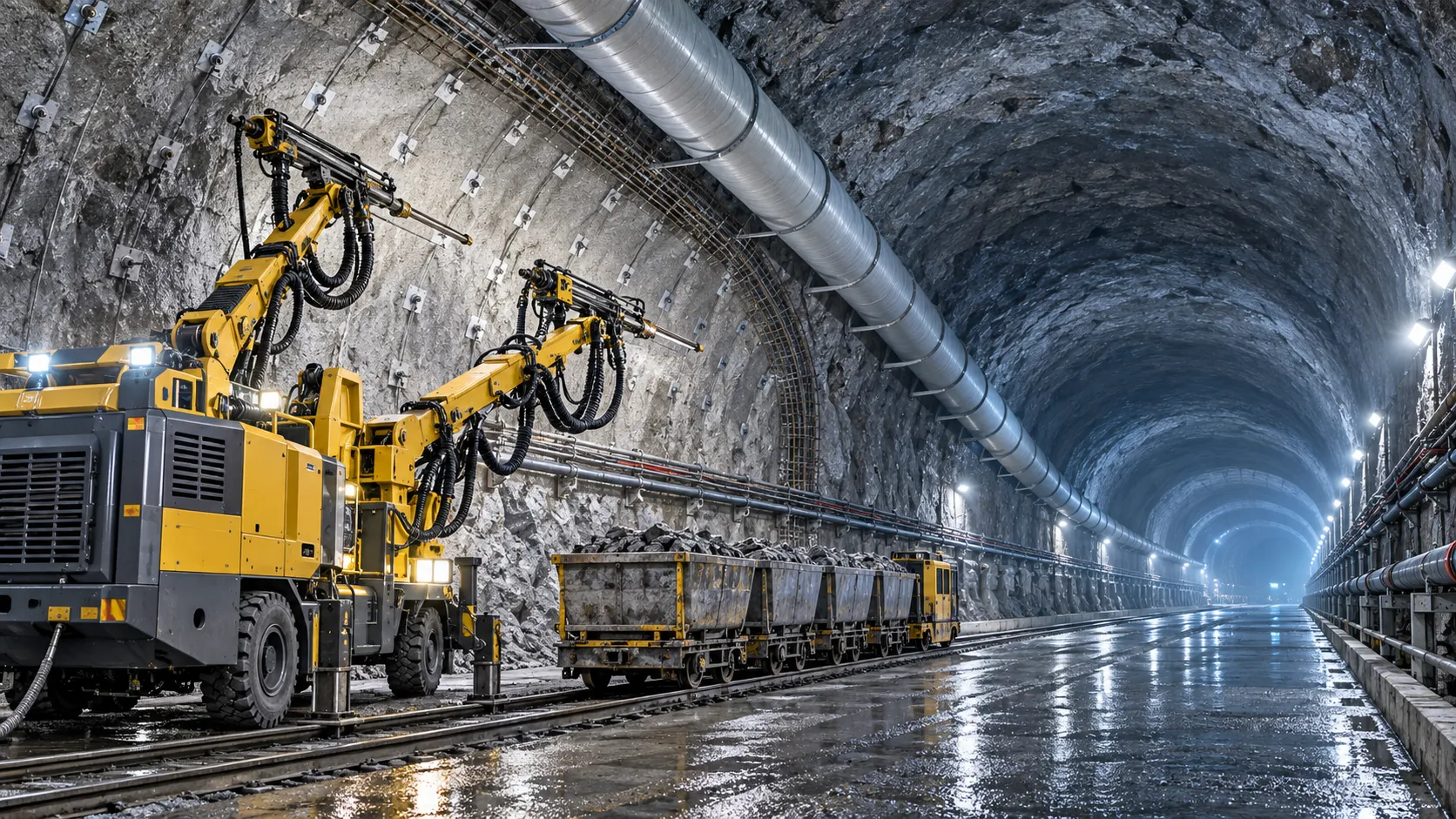
How to Evaluate European Drill-and-Blast Tunnelling Contractors for Complex Projects
Drill and blast tunnelling contractors Europe: learn how to assess geology expertise, blast control, equipment reliability, safety, and programme resilience for complex projects.
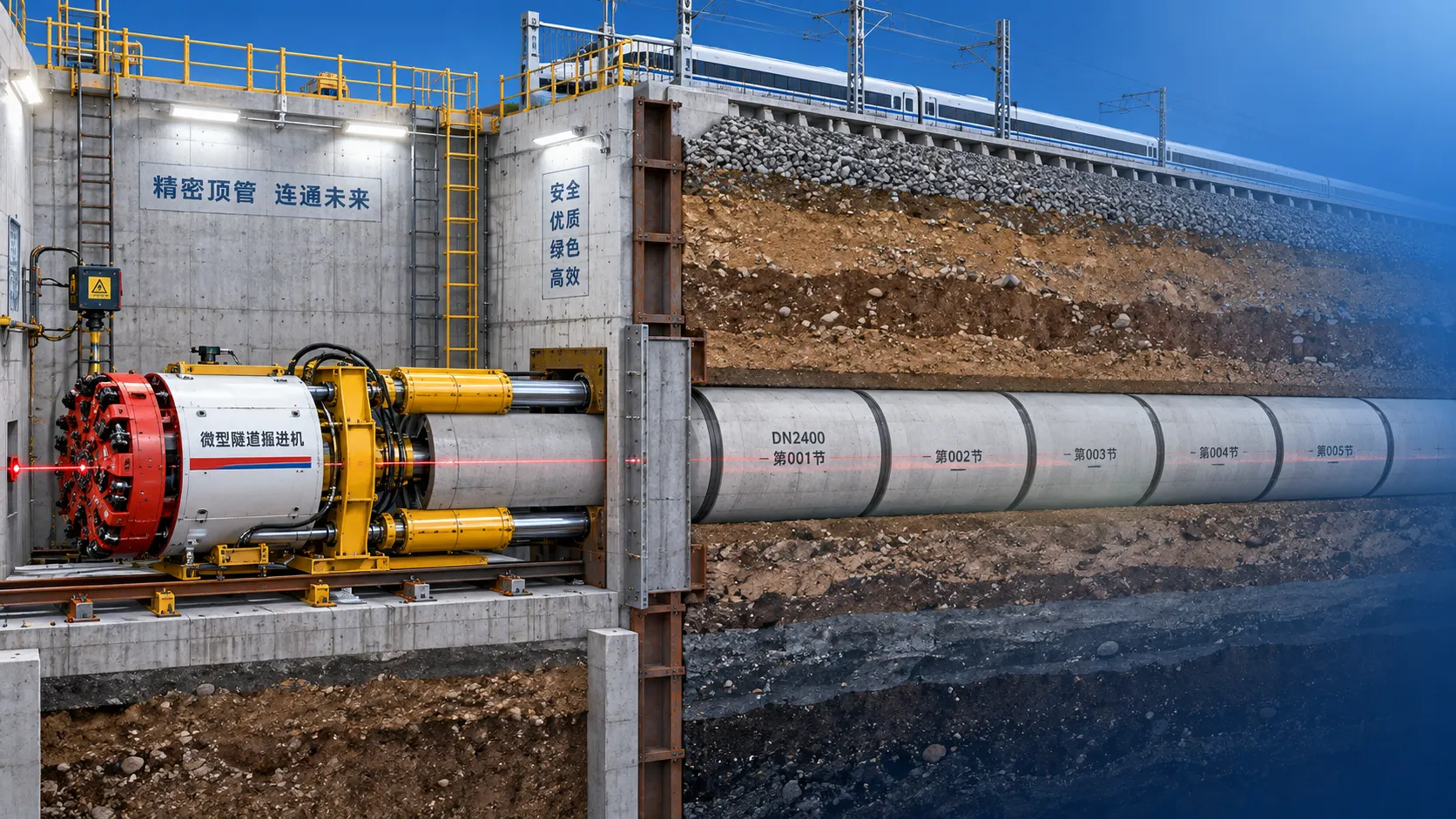
Which Trenchless Construction Technique Fits Your Utility Crossing Conditions?
Trenchless construction techniques compared for utility crossings: choose HDD, microtunnelling, pipe jacking, or auger boring based on ground, accuracy, access, and risk.
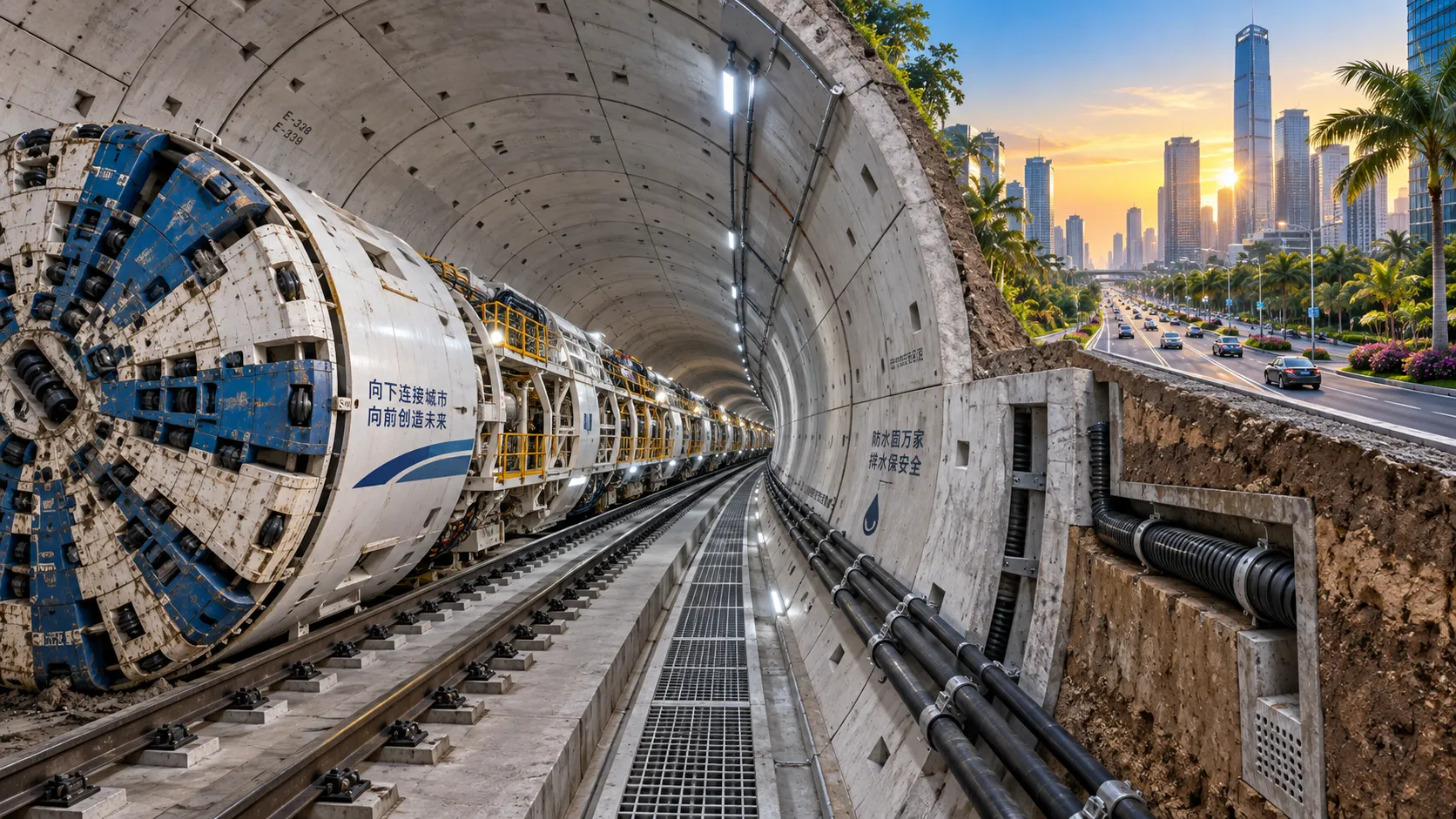
What Is Driving Metro Tunnelling Demand Across Southeast Asia’s Major Cities?
Metro tunnelling Southeast Asia is accelerating as major cities tackle congestion, flooding, and connectivity. Explore the market forces, technical risks, and opportunities shaping demand.
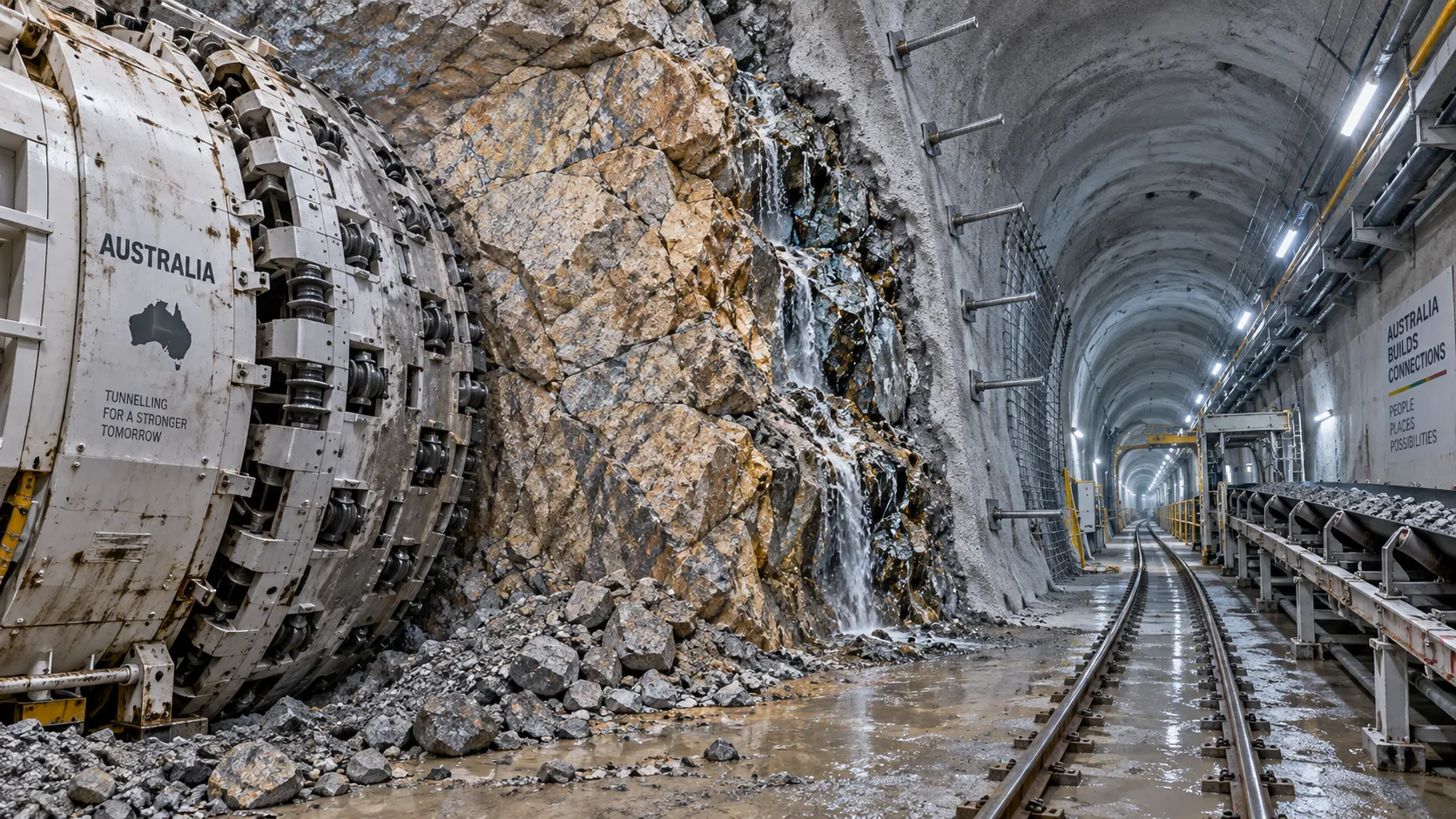
Hard Rock Tunnelling in Australia: Selecting Methods for Variable Ground Conditions
Hard rock tunnelling in Australia: compare TBM, drill-and-blast and hybrid methods to manage variable ground, reduce risk and protect project costs.
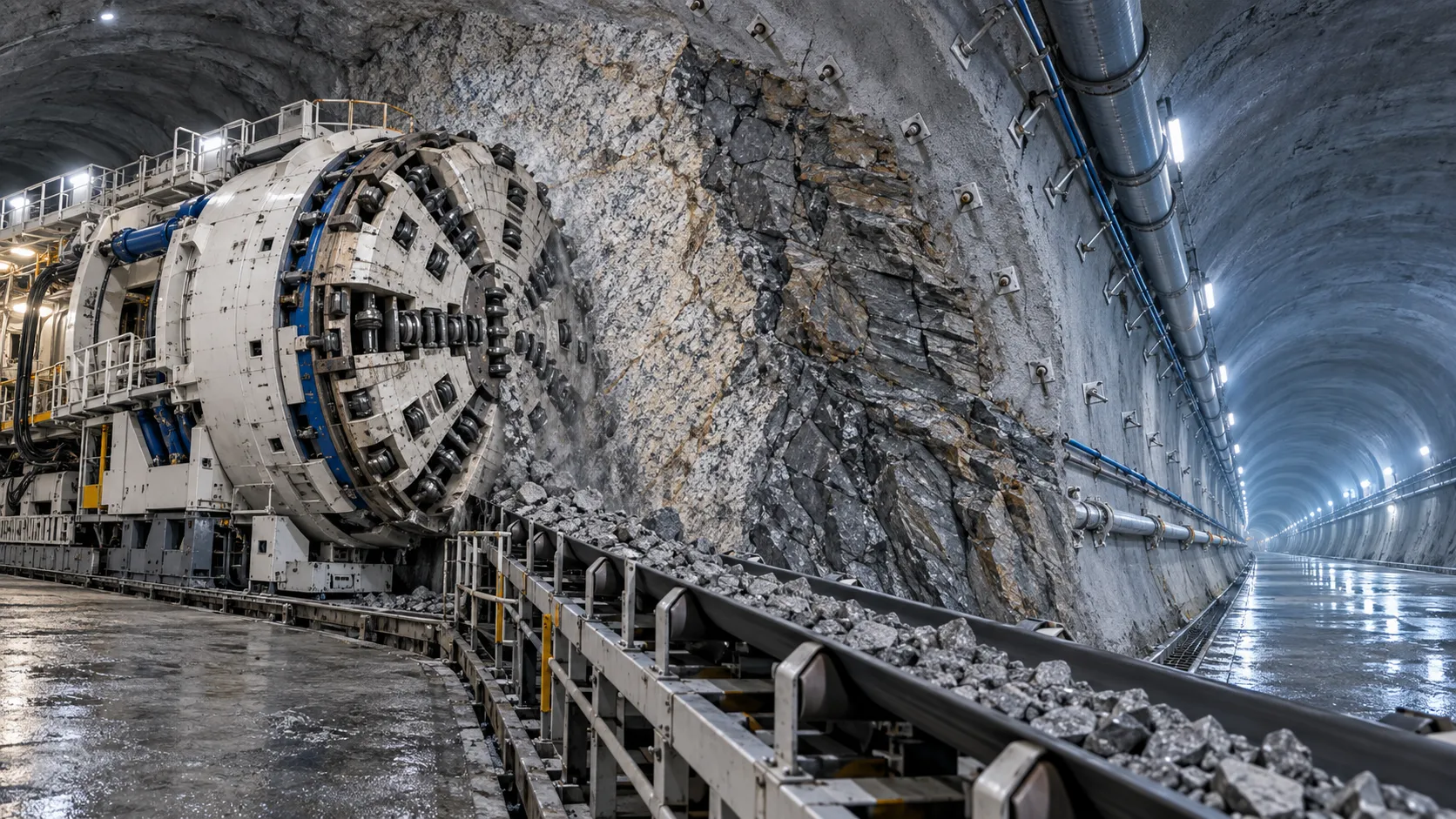
Hydropower Tunnel Excavation: Selecting Methods for Variable Rock Conditions
Hydropower tunnel excavation methods for variable rock conditions: compare TBM, drill-and-blast, and hybrid strategies to improve safety, progress, and project control.
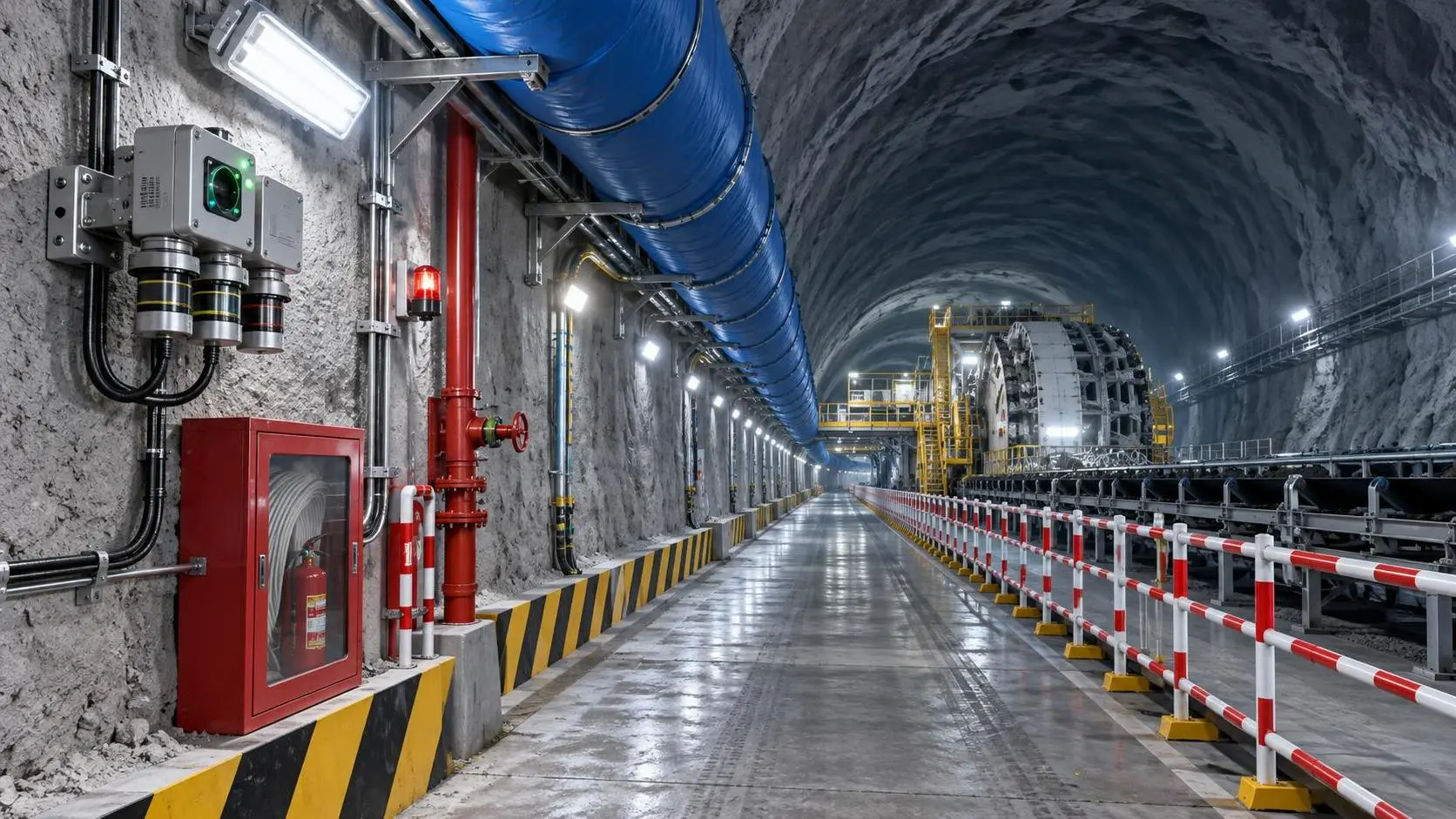
How to Select Underground Safety Equipment for Tunnelling by Hazard and Work Zone
Underground Safety Equipment for tunnelling: match protection to hazards, work zones, compliance, and emergency needs with this practical selection guide.
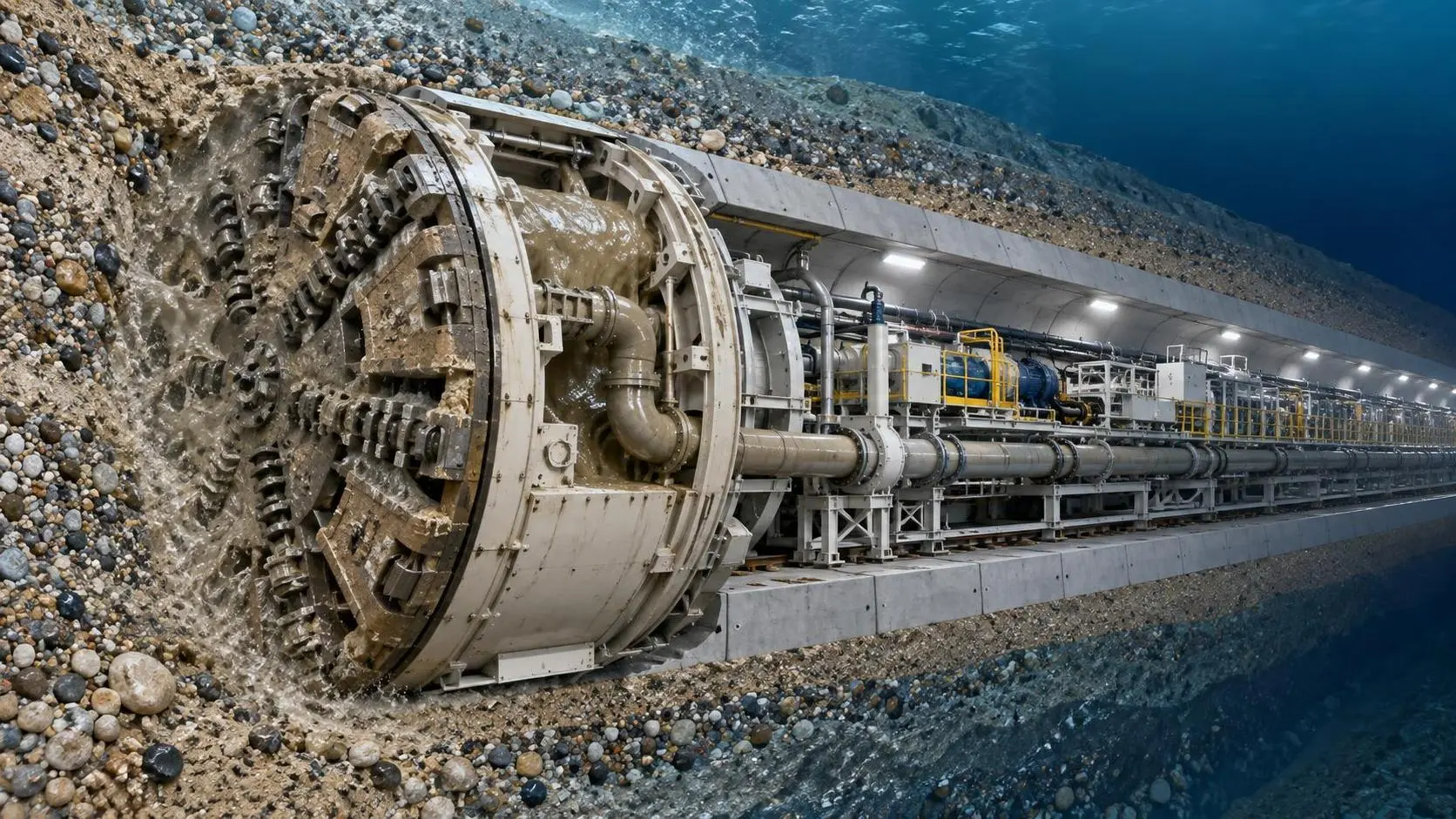
EPB or Slurry Shield? Selecting Soft-Ground Tunnelling Equipment by Soil Conditions
Tunnel Excavation Equipment for soft ground: compare EPB and slurry shields by soil, groundwater, settlement risk, and project logistics to choose confidently.

How to Specify TBM Backup System Parts for Reliable Long-Distance Tunnelling
TBM backup system parts: learn how to specify reliable spares for long-distance tunnelling, reduce downtime, ensure compatibility, and speed underground recovery.

How to Size Open Pit Mining Trucks for Haul Distance, Grade, and Payload?
Open Pit Mining Trucks: learn how to match payload, haul distance, grade, road resistance, and loading capacity for safer, lower-cost mine operations.
Related News
- 00
0000-00
How to Evaluate European Drill-and-Blast Tunnelling Contractors for Complex Projects - 00
0000-00
Which Trenchless Construction Technique Fits Your Utility Crossing Conditions? - 00
0000-00
What Is Driving Metro Tunnelling Demand Across Southeast Asia’s Major Cities? - 00
0000-00
Hard Rock Tunnelling in Australia: Selecting Methods for Variable Ground Conditions - 00
0000-00
Hydropower Tunnel Excavation: Selecting Methods for Variable Rock Conditions
Weekly Insights
Stay ahead with our curated technology reports delivered every Monday.