
Indonesia Centralizes Exports of Key Goods





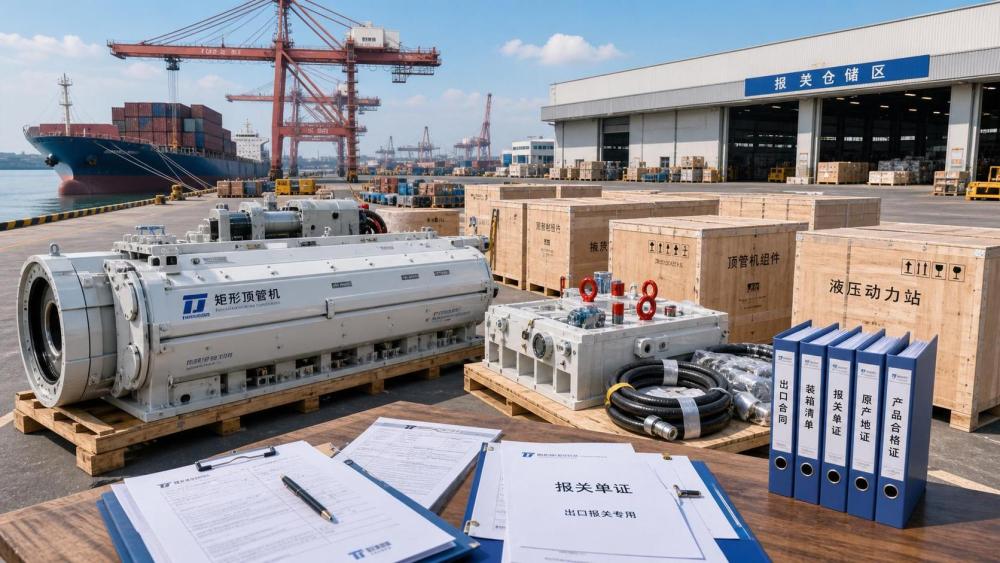
On June 2, 2026, Indonesia began applying centralized export administration to designated key goods, including tunneling equipment. For companies involved in Rectangular Pipe Jacking trade with Indonesia, the change matters because export approval and customs handling now pass through a state-owned entity, affecting contract execution paths, delivery scheduling, document preparation, and importer coordination.
What Has Changed in the Export Route
The confirmed change is that, from June 2, 2026, the Indonesian government placed certain key goods under centralized export management. This scope includes tunneling equipment. Under this arrangement, one state-owned entity is designated to handle approval and customs clearance in a unified manner.
The information provided also confirms that this change directly affects the path for Chinese manufacturers exporting Rectangular Pipe Jacking equipment to Indonesia. The impact is described in three specific areas: contract fulfillment routes, delivery timelines, and compliance document requirements. Importers are also expected to coordinate authorized agents in advance and allow additional time for customs clearance.
Where the Operational Pressure Is Likely to Appear
Contract execution may no longer follow prior routines
From an industry perspective, exporters and buyers are likely to feel the first impact in transaction execution rather than in product demand itself. When approval and customs processes are centralized through a designated state-owned channel, the practical sequence of shipment, document submission, and delivery confirmation may need to be adjusted. For exporters of Rectangular Pipe Jacking equipment, this means the commercial path agreed in contracts may need closer alignment with the new administrative route.
Import-side coordination becomes more time-sensitive
Importers are specifically affected because the provided information indicates a need to arrange authorized agents in advance. This suggests that the import side cannot treat customs preparation as a final-step formality. Procurement teams, import coordinators, and local project-side counterparts may need to synchronize authorization arrangements earlier in the delivery cycle to avoid shipment timing mismatches.
Document readiness becomes part of delivery control
Analysis shows that compliance paperwork is now more closely tied to delivery reliability. Because the change is said to affect compliance document requirements, manufacturers, exporters, and supply-chain service providers should pay closer attention to whether technical files, trade documents, and clearance-related paperwork are complete and internally consistent before dispatch. Even without additional official detail in the input, document readiness clearly becomes a more visible operational checkpoint.
What Companies Should Track Immediately
Review whether current contracts match the new clearance path
What deserves closer attention is whether existing delivery terms, responsibility splits, and shipping milestones still fit a process routed through a designated state-owned entity. Where shipment obligations were planned under earlier routines, companies may need to reassess timing assumptions and handoff points.
Prepare compliance files earlier than before
Because the provided information explicitly mentions changed compliance document requirements, exporters should treat document preparation as an early-stage task rather than a pre-shipment formality. This is especially relevant for technical equipment exports, where trade and technical records often need to remain consistent across approval, customs, and delivery stages.
Build extra time into procurement and logistics schedules
The input confirms that importers should reserve additional customs clearance time. In practical terms, procurement planning, manufacturing release, packing schedules, and shipping arrangements may all need more buffer. This does not by itself confirm a fixed delay period, but it does indicate that older lead-time assumptions may no longer be sufficient.
Watch for clearer execution language and market practice
Observably, the key unresolved area is not whether the rule exists, but how consistently it will be applied in day-to-day trade execution. Companies should therefore keep watching for more precise wording in official communications, transaction documents, and counterpart requirements before treating any single operating approach as final.
Why This Looks Like an Execution Signal
Analysis shows that this development is best understood as an implemented procedural change rather than a distant policy discussion, because an effective date is already specified and the administrative route has been defined in principle. At the same time, it is not yet possible, based on the provided information alone, to draw firm conclusions about the exact pace, interpretation, or friction points of implementation. For the industry, the immediate significance lies in execution discipline: authorization, paperwork, and scheduling now deserve closer coordination around shipments of Rectangular Pipe Jacking equipment.
How the Market Should Read This Development
It is more appropriate to understand this update as a live compliance and trade-execution development with direct implications for delivery planning, rather than as a general policy headline. The known facts already point to changes in approval routing, customs handling, and document preparation. The broader commercial effect, however, still depends on how the rule is applied in practice and how market participants adapt their internal processes.
Basis of This Article
This article is generated from the user-provided news title, event date, and event summary. For events of this type, market participants would normally continue checking official notices, regulator releases, customs or trade authority information, industry association updates, standards-related documents, and reporting from authoritative media. A specific official source link was not provided in the input, so further verification remains necessary. Items that still warrant follow-up include implementing details, compliance interpretation, authorization practice, bidding or contract document changes, industry feedback, and actual execution experience among companies.
Related News

How to Evaluate European Drill-and-Blast Tunnelling Contractors for Complex Projects
Drill and blast tunnelling contractors Europe: learn how to assess geology expertise, blast control, equipment reliability, safety, and programme resilience for complex projects.
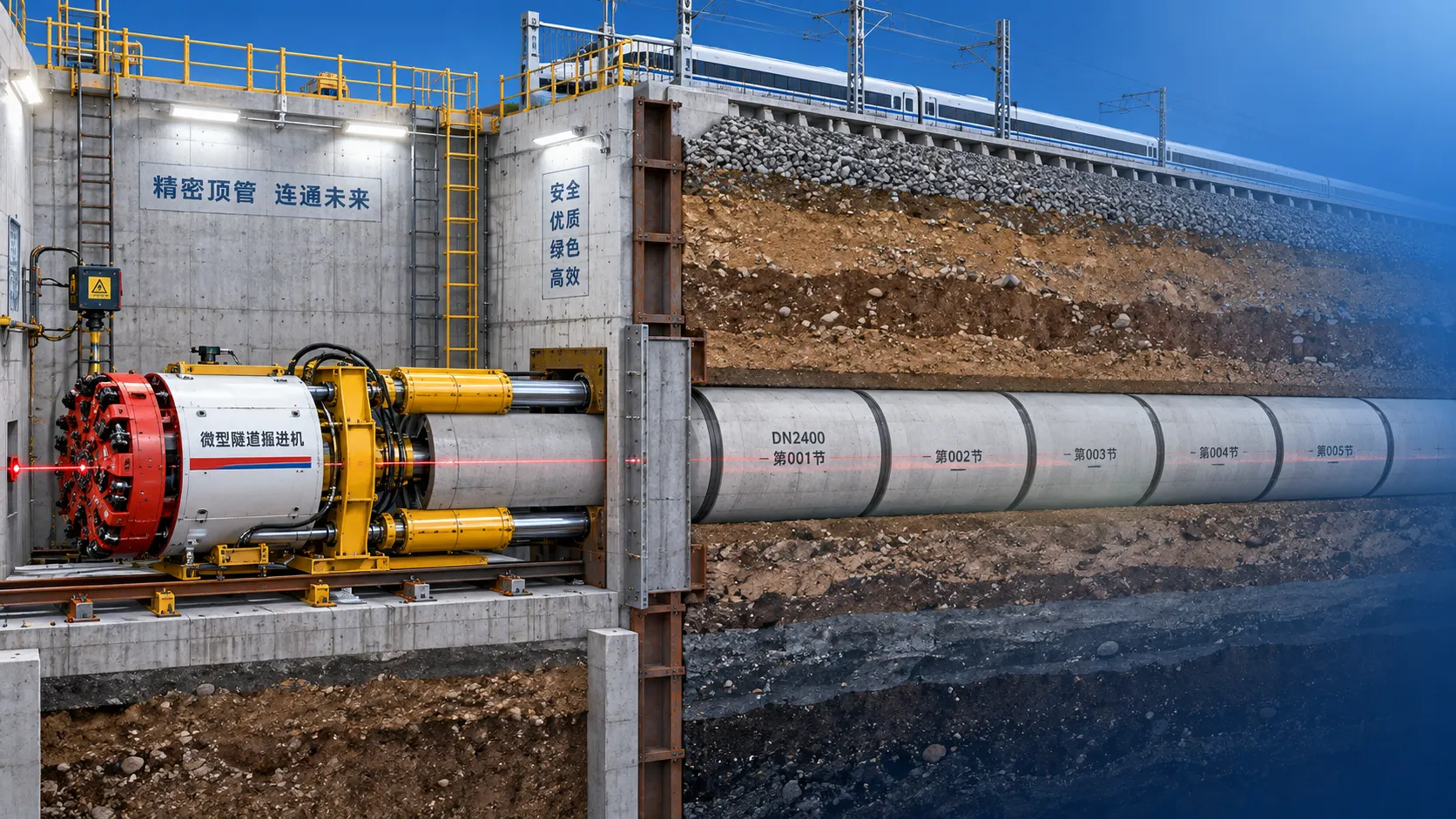
Which Trenchless Construction Technique Fits Your Utility Crossing Conditions?
Trenchless construction techniques compared for utility crossings: choose HDD, microtunnelling, pipe jacking, or auger boring based on ground, accuracy, access, and risk.

What Is Driving Metro Tunnelling Demand Across Southeast Asia’s Major Cities?
Metro tunnelling Southeast Asia is accelerating as major cities tackle congestion, flooding, and connectivity. Explore the market forces, technical risks, and opportunities shaping demand.

Hard Rock Tunnelling in Australia: Selecting Methods for Variable Ground Conditions
Hard rock tunnelling in Australia: compare TBM, drill-and-blast and hybrid methods to manage variable ground, reduce risk and protect project costs.

Hydropower Tunnel Excavation: Selecting Methods for Variable Rock Conditions
Hydropower tunnel excavation methods for variable rock conditions: compare TBM, drill-and-blast, and hybrid strategies to improve safety, progress, and project control.
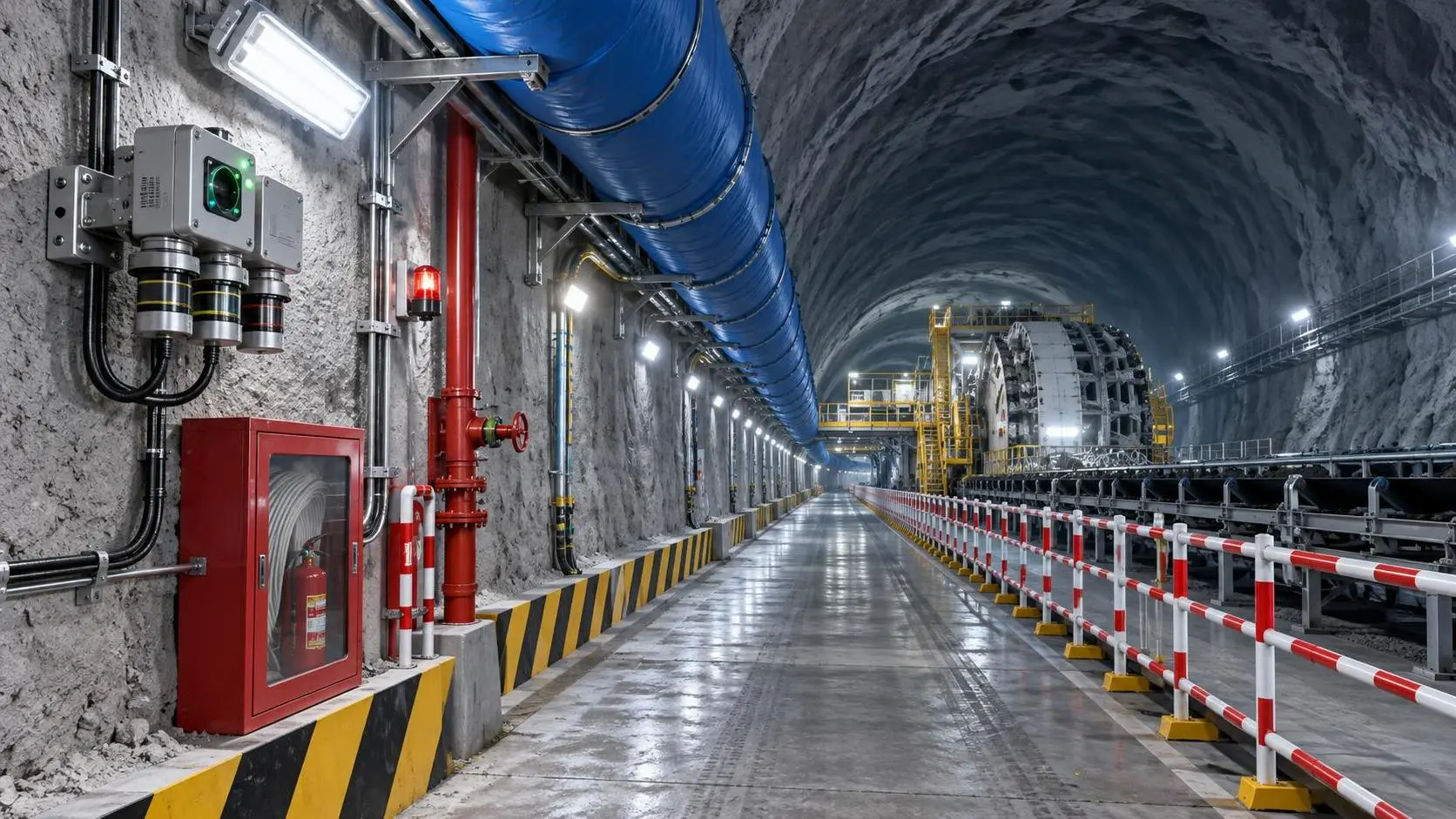
How to Select Underground Safety Equipment for Tunnelling by Hazard and Work Zone
Underground Safety Equipment for tunnelling: match protection to hazards, work zones, compliance, and emergency needs with this practical selection guide.

EPB or Slurry Shield? Selecting Soft-Ground Tunnelling Equipment by Soil Conditions
Tunnel Excavation Equipment for soft ground: compare EPB and slurry shields by soil, groundwater, settlement risk, and project logistics to choose confidently.

How to Specify TBM Backup System Parts for Reliable Long-Distance Tunnelling
TBM backup system parts: learn how to specify reliable spares for long-distance tunnelling, reduce downtime, ensure compatibility, and speed underground recovery.

How to Size Open Pit Mining Trucks for Haul Distance, Grade, and Payload?
Open Pit Mining Trucks: learn how to match payload, haul distance, grade, road resistance, and loading capacity for safer, lower-cost mine operations.
Related News
- 00
0000-00
How to Evaluate European Drill-and-Blast Tunnelling Contractors for Complex Projects - 00
0000-00
Which Trenchless Construction Technique Fits Your Utility Crossing Conditions? - 00
0000-00
What Is Driving Metro Tunnelling Demand Across Southeast Asia’s Major Cities? - 00
0000-00
Hard Rock Tunnelling in Australia: Selecting Methods for Variable Ground Conditions - 00
0000-00
Hydropower Tunnel Excavation: Selecting Methods for Variable Rock Conditions
Weekly Insights
Stay ahead with our curated technology reports delivered every Monday.