
Pingtan Tunnel Machinery Park Opens for Export-Focused Equipment





On June 18, 2026, the opening of the Pingtan Tunnel Machinery Industrial Park in Fujian signaled more than a new manufacturing site for Rectangular Pipe Jacking and Micro-tunnelling equipment. From an industry perspective, the more relevant development is the integration of export certification support, shipping consolidation, and destination-port customs clearance services into one park-based platform, which directly affects manufacturers, exporters, certification workflows, procurement scheduling, and delivery planning in overseas projects.
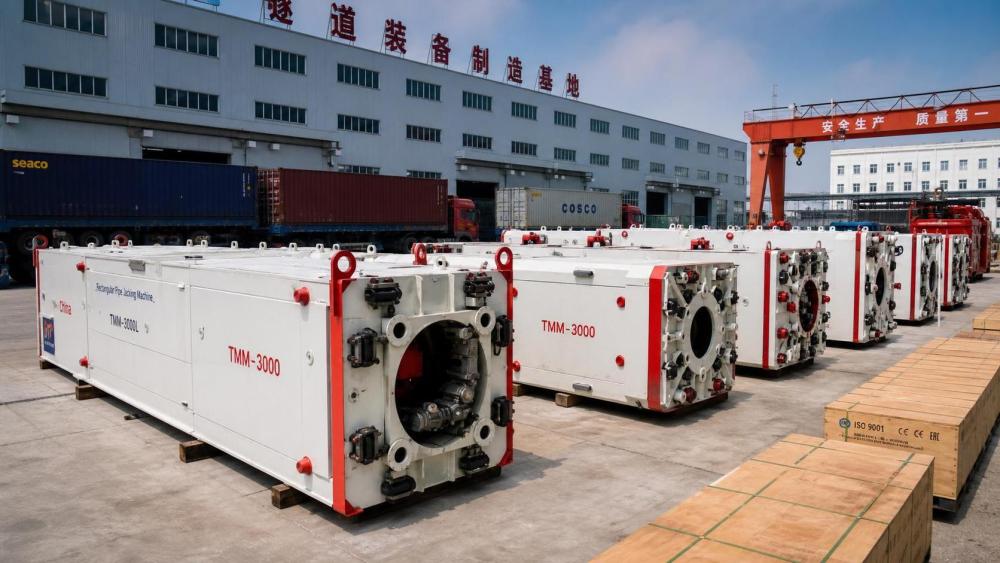
What has been confirmed at the park launch
The park officially opened on June 18, 2026. Its first phase focuses on the research, development, and manufacturing of Rectangular Pipe Jacking and Micro-tunnelling equipment. According to the provided event summary, 12 leading companies have already entered the park, including Zoomlion, XCMG Foundation, and Northern Heavy Industries.
The park also includes a Belt and Road export service center. The center provides one-stop processing support for certifications required in 18 countries, including EU CE, Middle East SASO, and Southeast Asia TISI, and also offers less-than-container-load shipping and destination-port customs clearance agency services.
The first batch of export orders has already been sent to Indonesia, Saudi Arabia, and Vietnam, and the delivery cycle has been reduced to within 90 days.
Why this matters for trade and compliance execution
Equipment makers are being pushed closer to certification-led delivery
Analysis shows that manufacturers of trenchless and tunnelling equipment may be affected first because certification is presented here not as a separate post-production task, but as part of the export delivery chain. For these companies, the practical change is that market access requirements such as CE, SASO, and TISI become more tightly linked to production scheduling, technical documentation, and outbound shipment timing.
What deserves closer attention is whether exporters can align product specifications, testing materials, and shipment readiness earlier in the order process, especially when serving multiple overseas destinations with different compliance expectations.
Export service providers may face stronger document coordination demands
For supply chain and trade service companies, the park model suggests a more integrated workflow between certification handling, consolidated shipping, and destination-port customs support. Observably, this can reduce handoff friction, but it also raises the importance of document consistency across commercial paperwork, technical files, and customs-related materials.
The business impact is likely to be concentrated in booking coordination, customs documentation, and delivery commitment management rather than in manufacturing alone.
Overseas buyers and project procurement teams may gain a new screening factor
Procurement teams for overseas infrastructure or utility projects may also be affected because shorter lead times and bundled compliance support can influence supplier selection. From an industry perspective, buyers may pay closer attention to whether a supplier can present certification readiness, export documentation support, and delivery coordination together, instead of offering equipment alone.
This does not by itself change procurement rules, but it may affect how buyers evaluate execution reliability in cross-border orders.
What companies should watch next in daily operations
Track how certification preparation is built into bids and contracts
Companies involved in export sales should pay attention to whether certification requirements for different destination markets are being reflected earlier in tender files, technical offers, and contract attachments. The event summary confirms one-stop support, but it does not specify detailed execution standards, so companies should avoid assuming that processing speed alone resolves all compliance obligations.
Recheck document packages for multi-market exports
Enterprises targeting the EU, the Middle East, and Southeast Asia should review how technical documents, test reports, product descriptions, and shipment papers are organized for different markets. Analysis shows that where multiple certification routes are involved, document mismatches can still affect customs clearance, project acceptance, or delivery timing even if logistics services are centralized.
Adjust procurement and production plans to delivery commitments
The reported reduction of delivery cycles to within 90 days is commercially relevant for component sourcing, production sequencing, and export planning. It is more appropriate to understand this as an execution signal rather than as a universal benchmark. Companies should therefore watch how supplier qualification, parts availability, and order scheduling are managed when delivery windows tighten.
Keep after-sales and traceability under review
Where equipment is exported into overseas project environments, after-sales support and quality traceability remain important. Observably, faster export organization can improve delivery performance, but companies should continue to examine how service responsibilities, technical records, and issue-tracking procedures are handled once equipment reaches the destination market.
How this development should be read at this stage
Analysis shows that this development is better understood as an execution-oriented signal in the export chain for specialized tunnelling equipment, rather than as a standalone industrial park opening. The combination of manufacturing concentration, certification handling, and logistics support points to a more operational approach to cross-border delivery.
At the same time, it is still necessary to observe how certification practices are applied in specific destination markets, how procurement documents begin to reflect these service capabilities, and how industry participants respond after the first export batches are completed.
A practical signal, not a final conclusion
For the industry, the significance of this event lies in the visible linkage between equipment manufacturing, export compliance, and delivery organization. It does not prove that all market barriers have been reduced, nor does it confirm a fixed model for every exporter. At present, it is more appropriate to understand the park opening as a concrete sign that certification support, trade services, and delivery coordination are becoming more closely tied to equipment export execution.
Basis of this article and points requiring follow-up
This article is generated from the user-provided news title, event date, and event summary. For developments of this kind, relevant source categories typically include official announcements, regulator releases, customs or trade authority information, industry association updates, standards organization documents, and reporting by authoritative media. No specific official source link was provided in the input, so the underlying source chain still requires continued verification.
Follow-up observation should focus on later implementation details, certification interpretation in different markets, changes in tender or procurement documents, industry feedback, and how participating companies carry these arrangements into actual export execution.
Related News
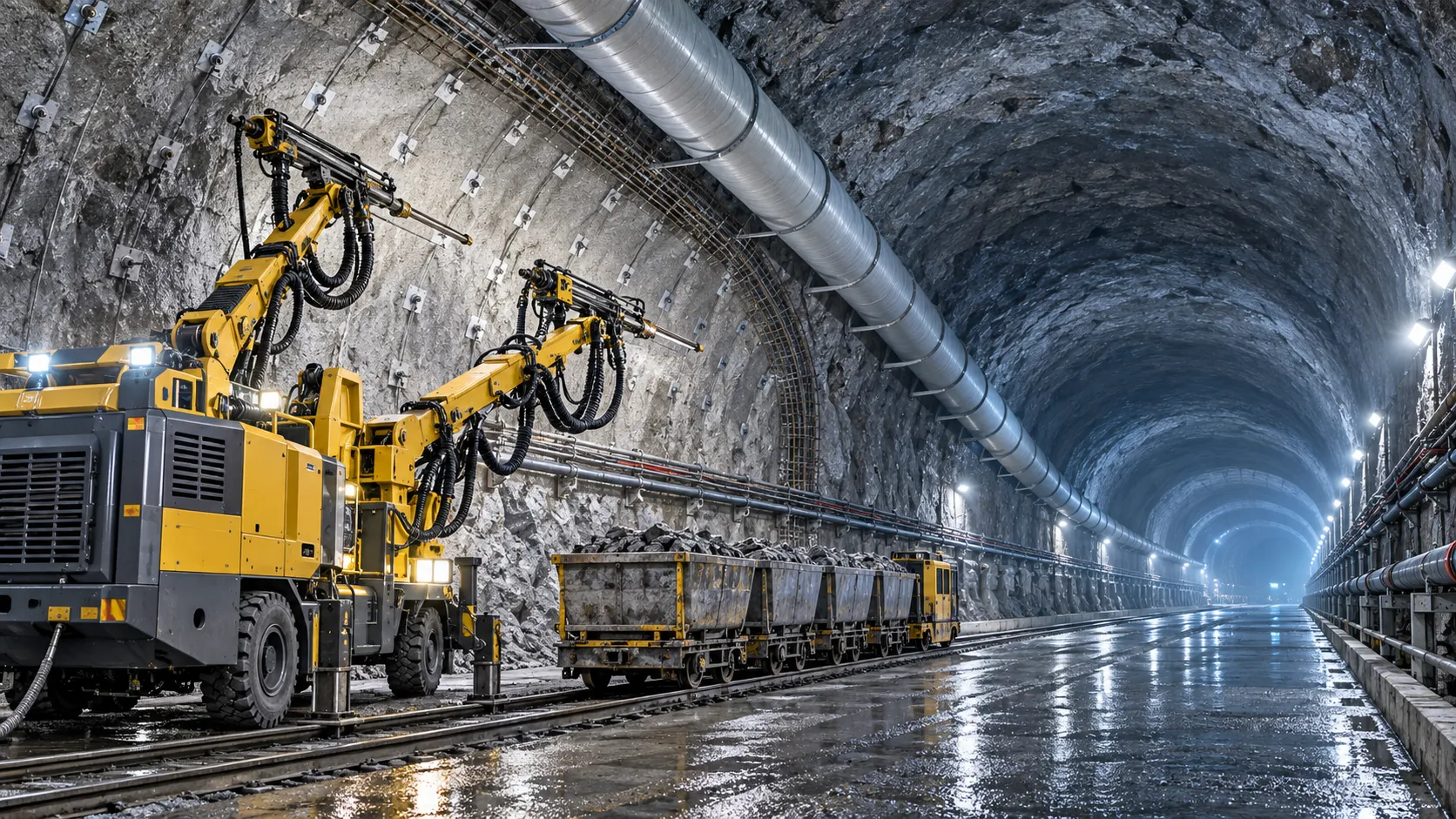
How to Evaluate European Drill-and-Blast Tunnelling Contractors for Complex Projects
Drill and blast tunnelling contractors Europe: learn how to assess geology expertise, blast control, equipment reliability, safety, and programme resilience for complex projects.
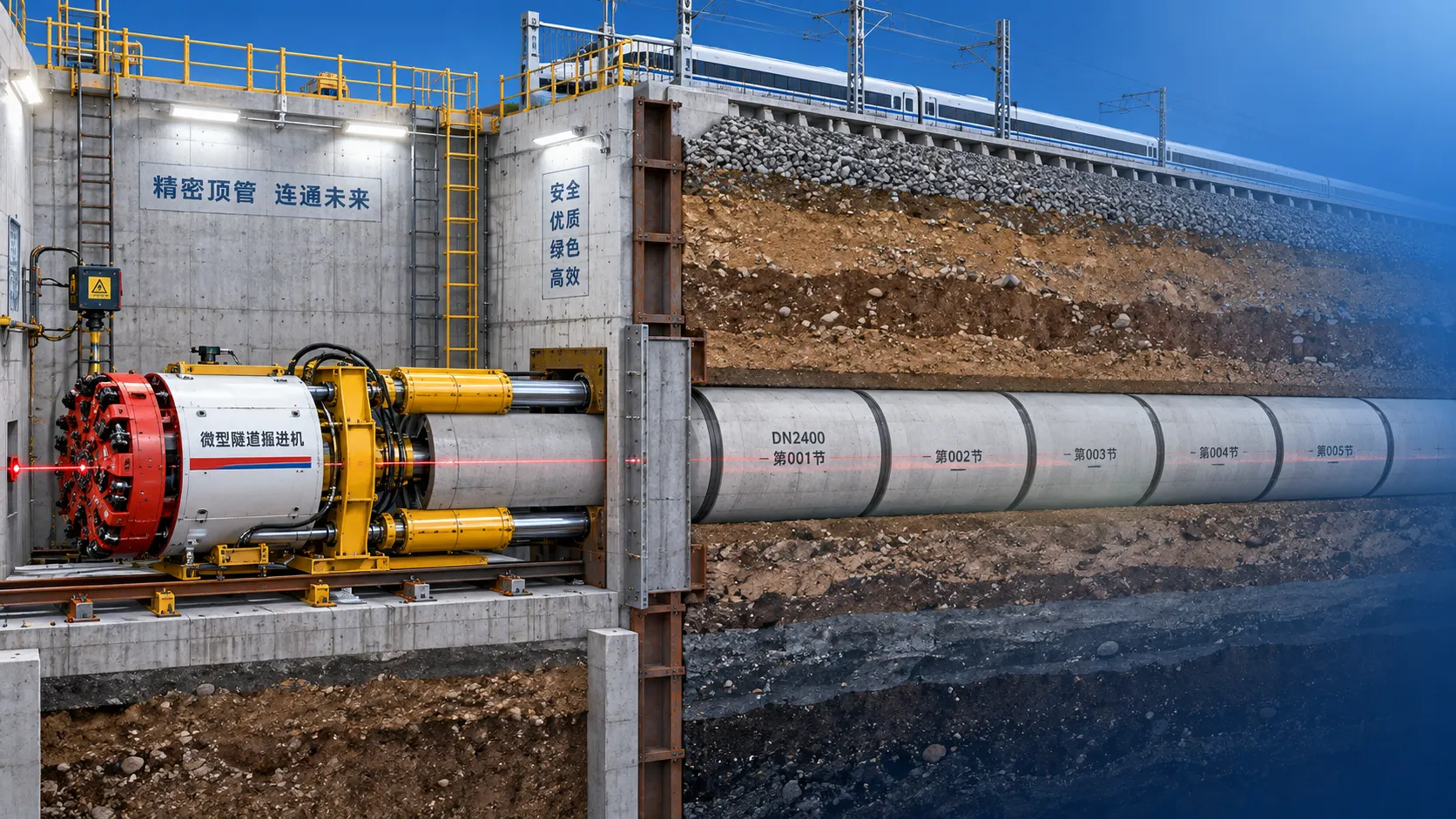
Which Trenchless Construction Technique Fits Your Utility Crossing Conditions?
Trenchless construction techniques compared for utility crossings: choose HDD, microtunnelling, pipe jacking, or auger boring based on ground, accuracy, access, and risk.
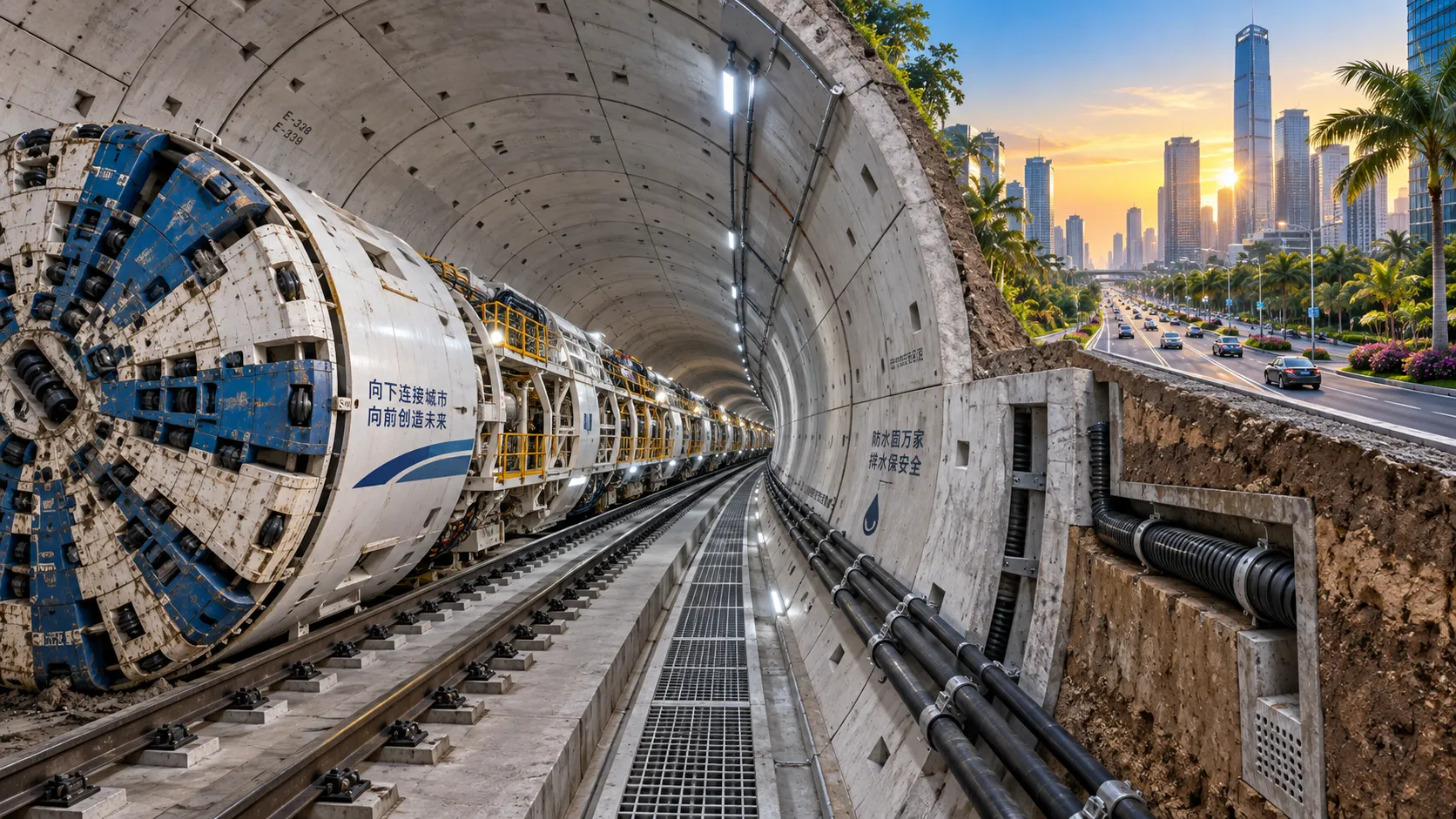
What Is Driving Metro Tunnelling Demand Across Southeast Asia’s Major Cities?
Metro tunnelling Southeast Asia is accelerating as major cities tackle congestion, flooding, and connectivity. Explore the market forces, technical risks, and opportunities shaping demand.
Hard Rock Tunnelling in Australia: Selecting Methods for Variable Ground Conditions
Hard rock tunnelling in Australia: compare TBM, drill-and-blast and hybrid methods to manage variable ground, reduce risk and protect project costs.
Hydropower Tunnel Excavation: Selecting Methods for Variable Rock Conditions
Hydropower tunnel excavation methods for variable rock conditions: compare TBM, drill-and-blast, and hybrid strategies to improve safety, progress, and project control.
How to Select Underground Safety Equipment for Tunnelling by Hazard and Work Zone
Underground Safety Equipment for tunnelling: match protection to hazards, work zones, compliance, and emergency needs with this practical selection guide.

EPB or Slurry Shield? Selecting Soft-Ground Tunnelling Equipment by Soil Conditions
Tunnel Excavation Equipment for soft ground: compare EPB and slurry shields by soil, groundwater, settlement risk, and project logistics to choose confidently.

How to Specify TBM Backup System Parts for Reliable Long-Distance Tunnelling
TBM backup system parts: learn how to specify reliable spares for long-distance tunnelling, reduce downtime, ensure compatibility, and speed underground recovery.

How to Size Open Pit Mining Trucks for Haul Distance, Grade, and Payload?
Open Pit Mining Trucks: learn how to match payload, haul distance, grade, road resistance, and loading capacity for safer, lower-cost mine operations.
Related News
- 00
0000-00
How to Evaluate European Drill-and-Blast Tunnelling Contractors for Complex Projects - 00
0000-00
Which Trenchless Construction Technique Fits Your Utility Crossing Conditions? - 00
0000-00
What Is Driving Metro Tunnelling Demand Across Southeast Asia’s Major Cities? - 00
0000-00
Hard Rock Tunnelling in Australia: Selecting Methods for Variable Ground Conditions - 00
0000-00
Hydropower Tunnel Excavation: Selecting Methods for Variable Rock Conditions
Weekly Insights
Stay ahead with our curated technology reports delivered every Monday.