
Indonesia Centralizes Exports of Rectangular Pipe-Jacking Equipment





On June 18, 2026, Indonesia signaled a concrete change in export control for strategic engineering equipment: from July 1, rectangular-section pipe-jacking machines, including models sized 6m×6m and above, will fall under centralized export handling. For equipment manufacturers, exporters, project buyers, and supply chain service providers, this matters because the rule changes not only who can process shipments, but also how compliance, inspection, scheduling, and delivery costs may need to be managed in the near term.
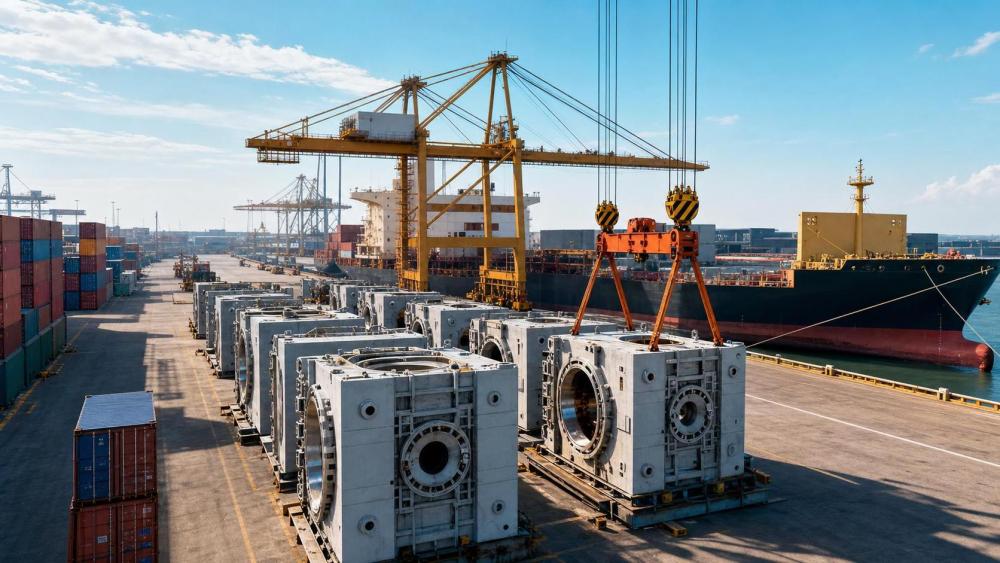
What the new export rule changes
According to the provided event summary, Indonesia’s Ministry of Industry and Ministry of Trade jointly issued Decree No. 38 of 2026. Starting July 1, 2026, rectangular-section pipe-jacking machines, including specifications of 6m×6m and above, are added to the National Strategic Engineering Equipment Export Control List.
The same summary states that all exports of the covered equipment must be declared, inspected, and dispatched through the state-controlled entity PT Pindad. The stated policy purpose is to strengthen supervision over domestic content requirements in infrastructure projects.
The provided information also indicates that the change is expected to extend delivery cycles by 10 to 15 days and add agency service fees of 3% to 5%. It further notes that buyers in multiple Southeast Asian markets have already begun urgently reviewing alternative supply channels.
Where the pressure may appear first in the supply chain
For exporters, the main change is procedural control
Exporters of covered rectangular pipe-jacking equipment may be affected first because export declaration, inspection, and shipment can no longer be arranged entirely through their existing process. The most immediate business impact is likely to appear in shipment preparation, export documentation flow, dispatch scheduling, and cost calculation. From an industry perspective, what deserves closer attention is whether companies already holding pending orders for covered models need to adjust delivery commitments and contract timing around the July 1 implementation date.
For overseas buyers, procurement timing becomes a larger variable
Buyers may face a different risk profile because the rule affects the path to shipment rather than only the product itself. Analysis shows that procurement teams will need to pay closer attention to lead-time assumptions, handover milestones, and any tender or purchase terms tied to delivery windows. The expected 10 to 15 day extension and added service fees described in the event summary could directly affect budgeting, project sequencing, and supplier comparison.
For logistics and trade service providers, coordination becomes more compliance-driven
Supply chain service providers, including those involved in export coordination and shipment execution, may need to adapt to a more centralized process. The practical impact may fall on document sequencing, inspection coordination, booking arrangements, and communication between exporter, handling entity, and buyer. Observably, this is less about a generic customs delay and more about a rule-driven change in the authorized export workflow.
For project delivery teams, equipment scheduling may need revision
Where project timelines depend on large rectangular pipe-jacking equipment arriving on a fixed schedule, the new arrangement may affect installation planning and related downstream activities. From an industry perspective, the key issue is not only whether shipments move later, but whether internal project teams have built enough buffer into delivery plans for a centralized export process that begins on a fixed date.
What companies should review now
Check whether product scope clearly falls within the listed category
Companies dealing in rectangular-section pipe-jacking machines should first confirm whether their models fall within the scope described in the summary, especially where equipment size reaches or exceeds 6m×6m. This is a basic but important compliance step because classification determines whether the centralized export route applies.
Re-examine documents tied to export handling and inspection
Because declaration, inspection, and dispatch must go through PT Pindad for covered exports, companies should review whether their current document sets, technical files, inspection materials, and shipping preparations are ready for a different submission and handling sequence. The provided information does not detail the exact documentation standard, so this remains an area requiring close follow-up rather than assumption.
Adjust procurement and delivery commitments conservatively
Analysis shows that firms with active quotations, framework supply discussions, or near-term delivery obligations may need to recheck promised timelines and cost structures. The reported 10 to 15 day delivery extension and 3% to 5% agency fee suggest that delivery terms, budget estimates, and internal approval timelines may need revision, particularly for orders expected to move shortly after July 1.
Monitor execution language beyond the headline rule
What deserves closer attention is how the rule is applied in practice after implementation begins. The summary confirms the central requirement and expected near-term effects, but it does not provide detailed operating guidance on review cadence, document interpretation, or exceptions. For that reason, companies should keep watching official wording, procurement documents, and market feedback before treating any unofficial interpretation as settled practice.
Why this reads as both a landed change and an execution signal
Analysis shows that this is more than a policy headline because the measure has a defined implementation date, a named handling entity, and a specified product category. That makes it reasonable to understand the development as an already landed rule change in formal terms.
At the same time, it is more appropriate to understand this as an execution signal that still requires observation in practice. The available information confirms centralization of export handling and expected cost and timing effects, but the market will still need to watch how consistently the procedure is applied, how buyers respond, and whether procurement behavior shifts further toward alternative channels.
How the market should read the current stage
At this stage, the development is best understood as a real compliance and trade-process change for a defined category of engineering equipment, not merely as a general policy statement. Its immediate significance lies in export routing, inspection handling, lead-time management, and transaction cost visibility. A cautious reading is more appropriate than a dramatic one: the rule is clear enough to affect current planning, but its full commercial impact still depends on implementation details and market response that require continued observation.
Basis of this article and what still needs verification
This article is generated on the basis of the user-provided news title, event date, and event summary. For developments of this type, relevant source categories typically include official notices, releases from regulatory authorities, customs or trade administration information, industry association updates, standard-setting documents, and reporting by established trade media.
No specific official source link was provided in the input, so the exact official publication path still needs to be verified on an ongoing basis. Further attention should remain on detailed implementation language, compliance interpretation, tender document changes, market feedback, and how affected companies execute under the new export arrangement after July 1, 2026.
Related News
How to Evaluate European Drill-and-Blast Tunnelling Contractors for Complex Projects
Drill and blast tunnelling contractors Europe: learn how to assess geology expertise, blast control, equipment reliability, safety, and programme resilience for complex projects.
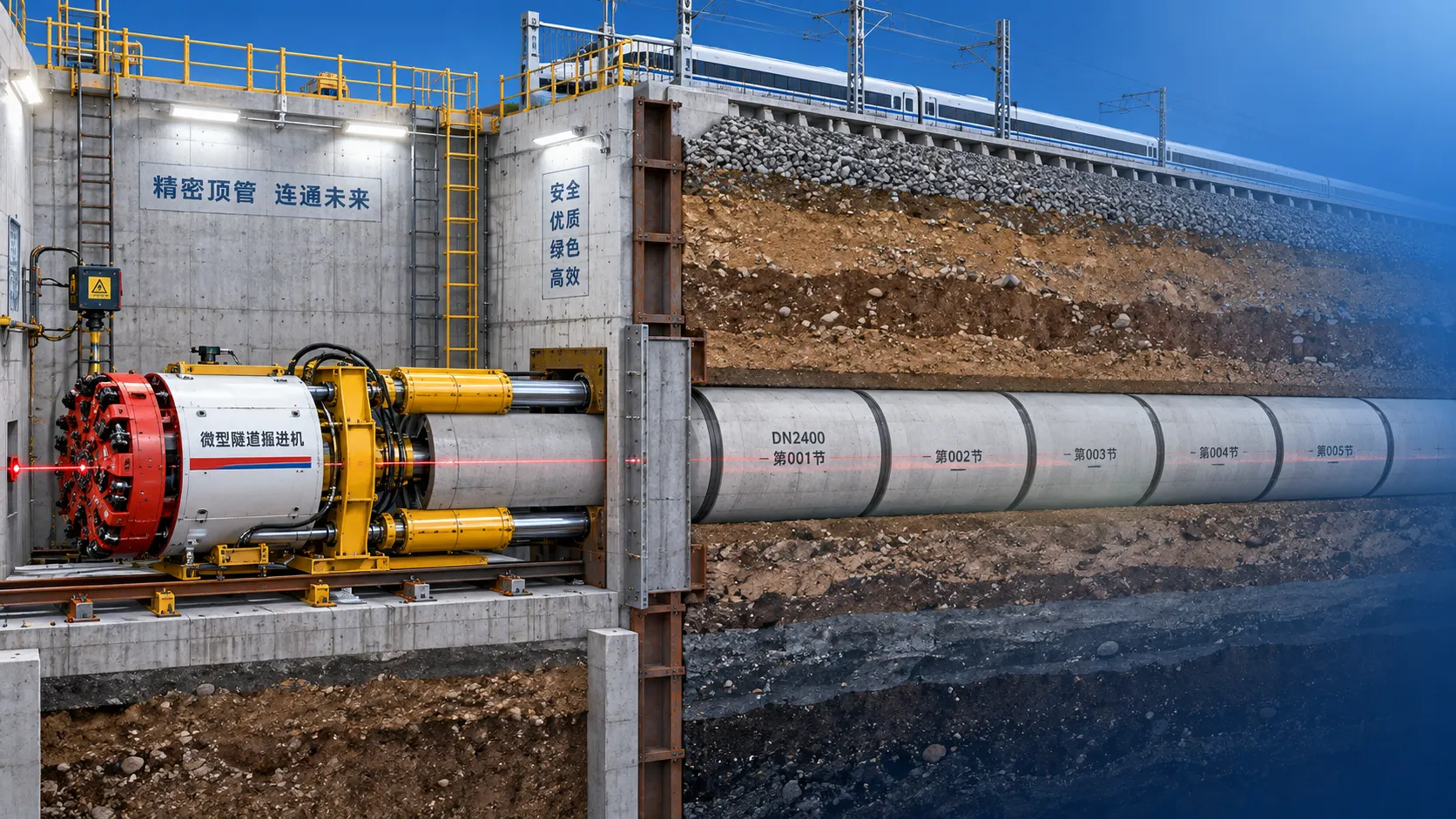
Which Trenchless Construction Technique Fits Your Utility Crossing Conditions?
Trenchless construction techniques compared for utility crossings: choose HDD, microtunnelling, pipe jacking, or auger boring based on ground, accuracy, access, and risk.
What Is Driving Metro Tunnelling Demand Across Southeast Asia’s Major Cities?
Metro tunnelling Southeast Asia is accelerating as major cities tackle congestion, flooding, and connectivity. Explore the market forces, technical risks, and opportunities shaping demand.
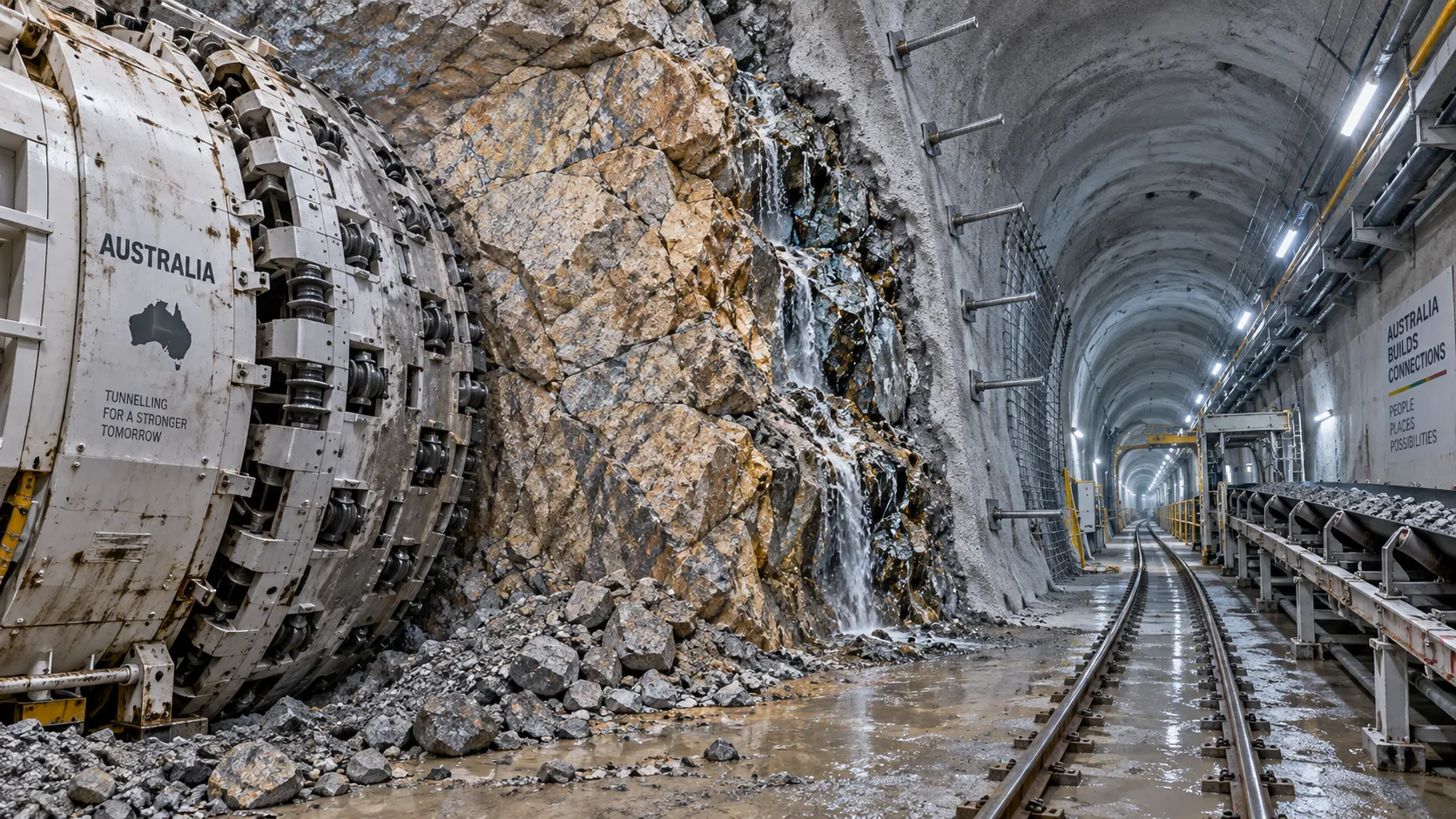
Hard Rock Tunnelling in Australia: Selecting Methods for Variable Ground Conditions
Hard rock tunnelling in Australia: compare TBM, drill-and-blast and hybrid methods to manage variable ground, reduce risk and protect project costs.
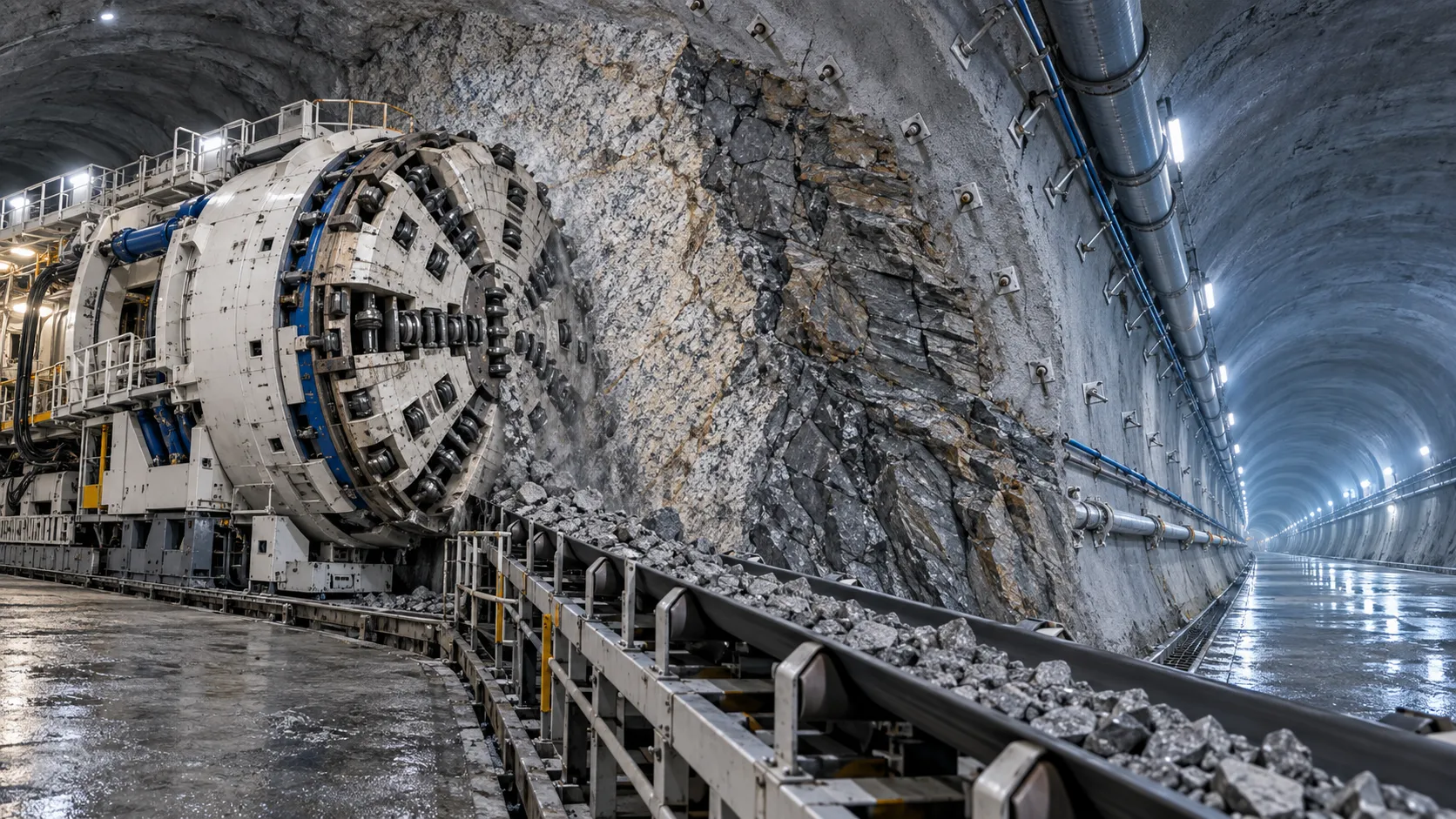
Hydropower Tunnel Excavation: Selecting Methods for Variable Rock Conditions
Hydropower tunnel excavation methods for variable rock conditions: compare TBM, drill-and-blast, and hybrid strategies to improve safety, progress, and project control.
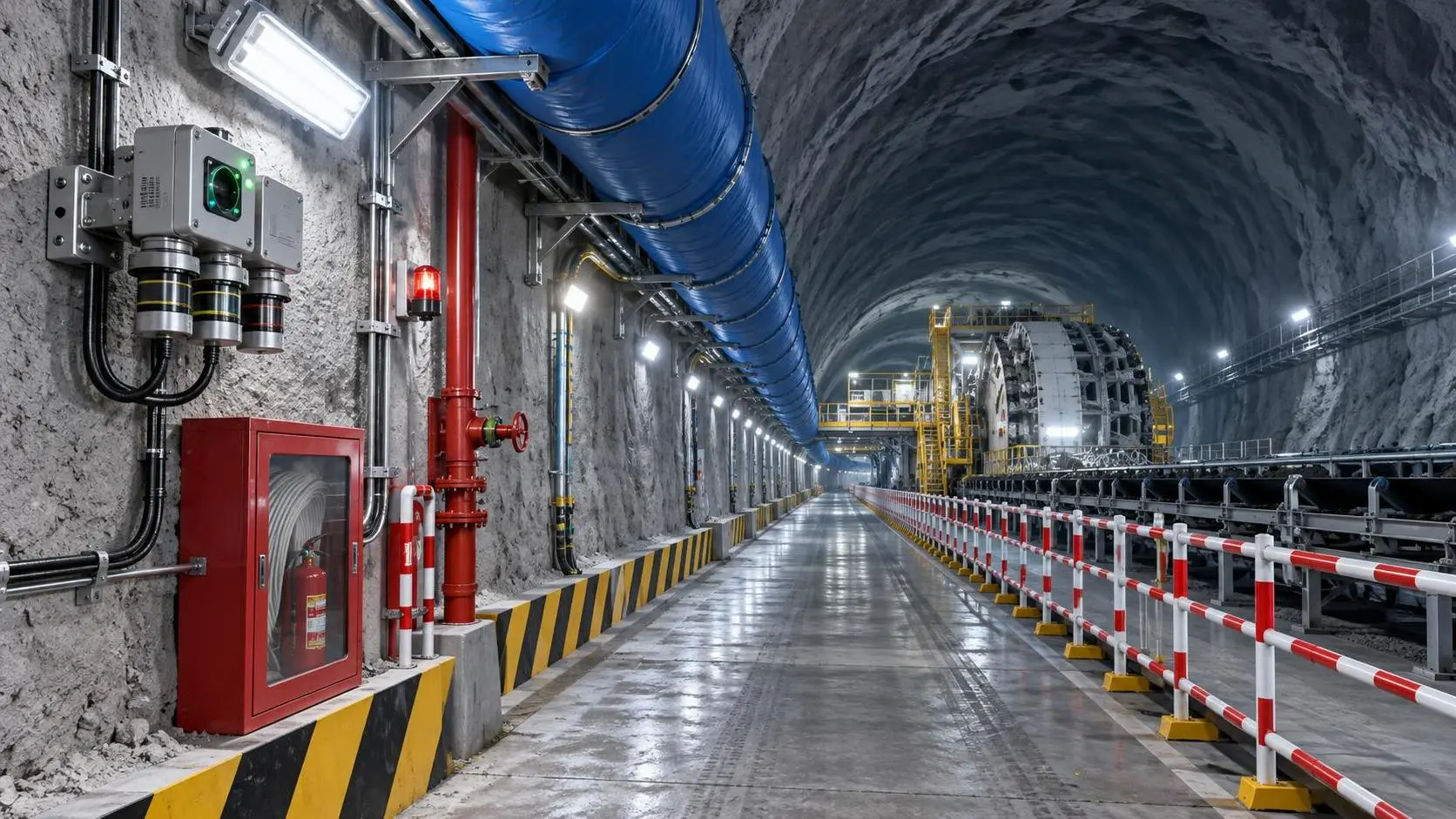
How to Select Underground Safety Equipment for Tunnelling by Hazard and Work Zone
Underground Safety Equipment for tunnelling: match protection to hazards, work zones, compliance, and emergency needs with this practical selection guide.
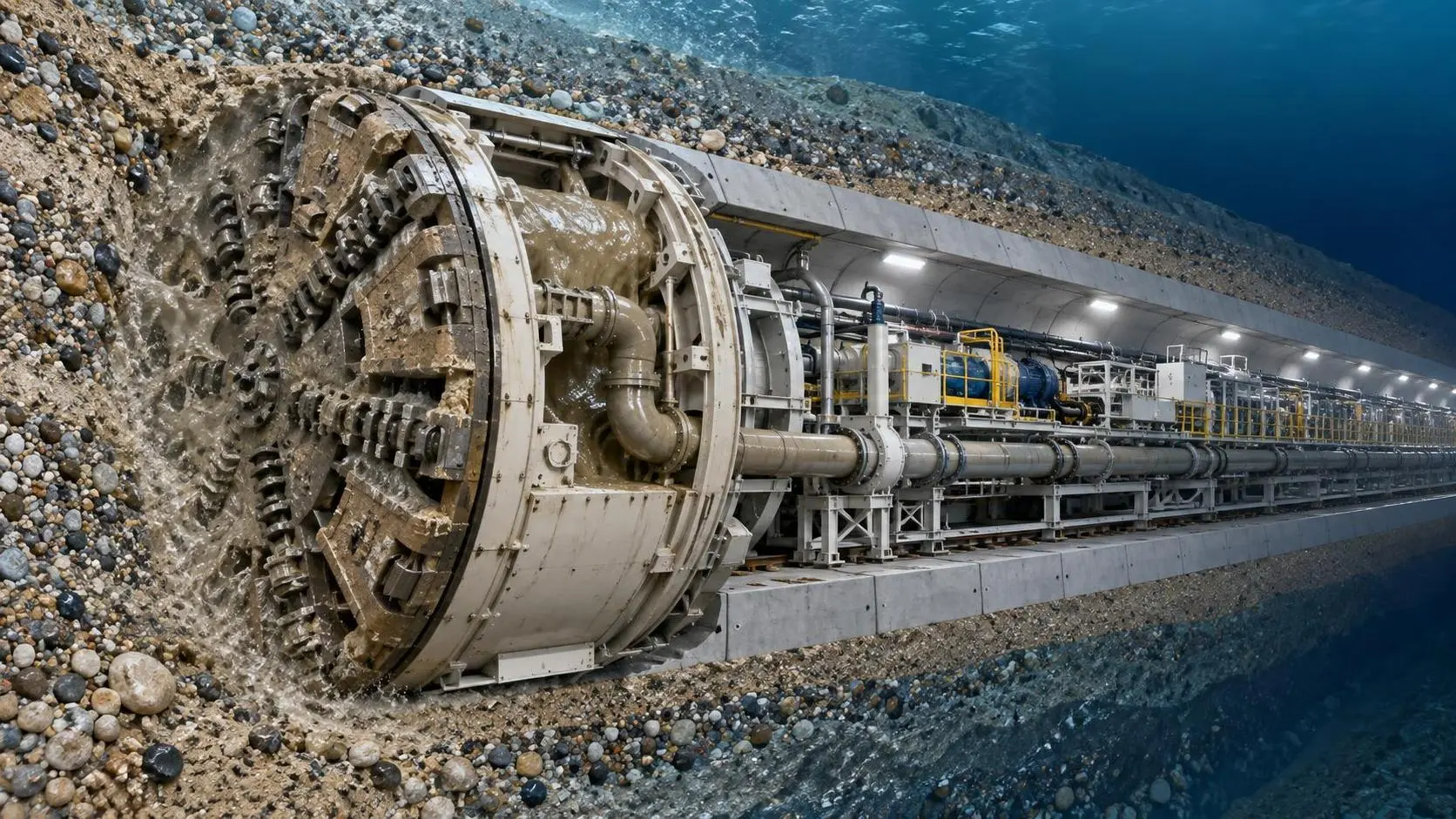
EPB or Slurry Shield? Selecting Soft-Ground Tunnelling Equipment by Soil Conditions
Tunnel Excavation Equipment for soft ground: compare EPB and slurry shields by soil, groundwater, settlement risk, and project logistics to choose confidently.
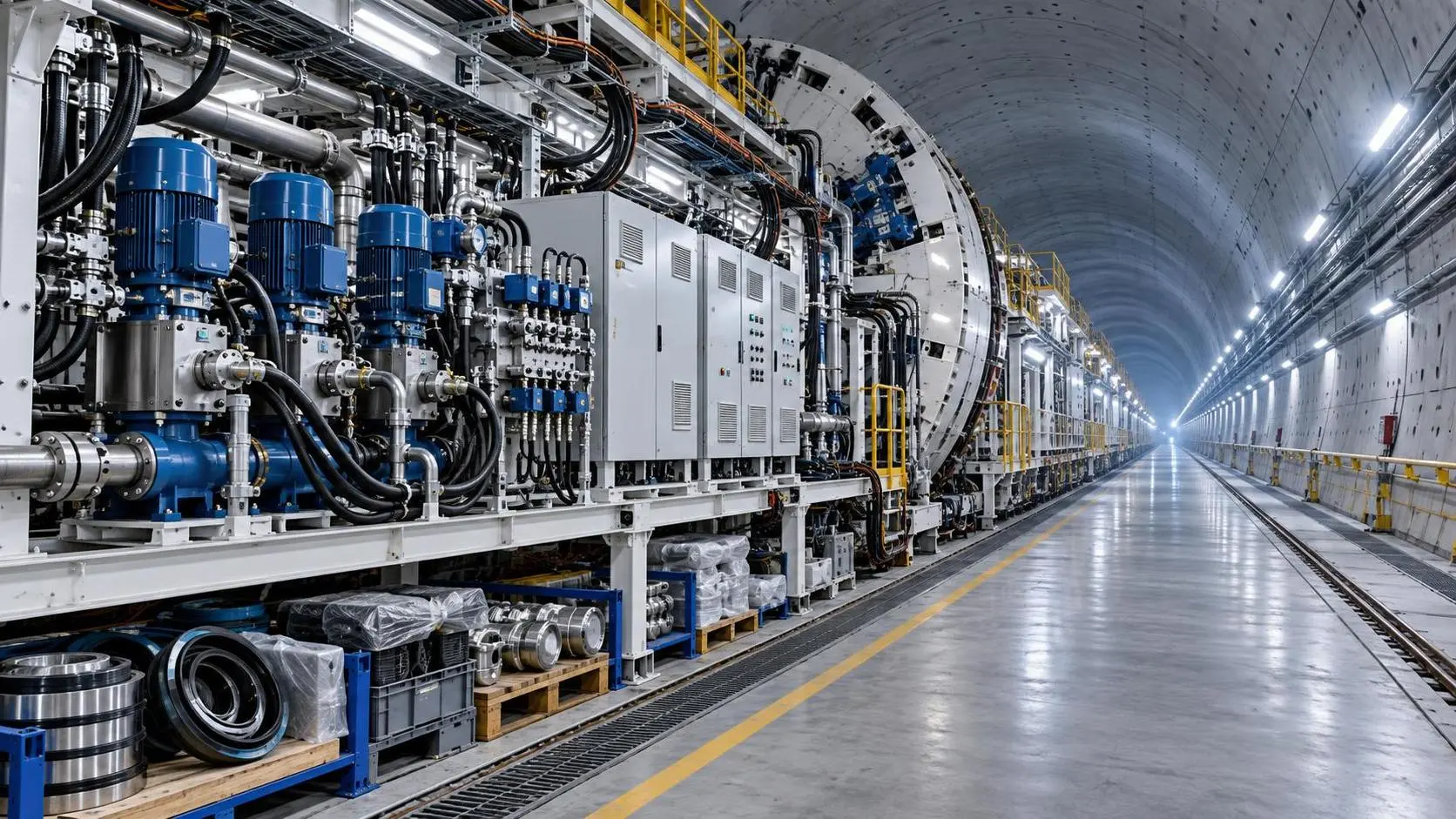
How to Specify TBM Backup System Parts for Reliable Long-Distance Tunnelling
TBM backup system parts: learn how to specify reliable spares for long-distance tunnelling, reduce downtime, ensure compatibility, and speed underground recovery.

How to Size Open Pit Mining Trucks for Haul Distance, Grade, and Payload?
Open Pit Mining Trucks: learn how to match payload, haul distance, grade, road resistance, and loading capacity for safer, lower-cost mine operations.
Related News
- 00
0000-00
How to Evaluate European Drill-and-Blast Tunnelling Contractors for Complex Projects - 00
0000-00
Which Trenchless Construction Technique Fits Your Utility Crossing Conditions? - 00
0000-00
What Is Driving Metro Tunnelling Demand Across Southeast Asia’s Major Cities? - 00
0000-00
Hard Rock Tunnelling in Australia: Selecting Methods for Variable Ground Conditions - 00
0000-00
Hydropower Tunnel Excavation: Selecting Methods for Variable Rock Conditions
Weekly Insights
Stay ahead with our curated technology reports delivered every Monday.