
When to Use a Rectangular Pipe Jacking Machine in Underpasses and Utility Crossings





When does a rectangular pipe jacking machine become the right choice?
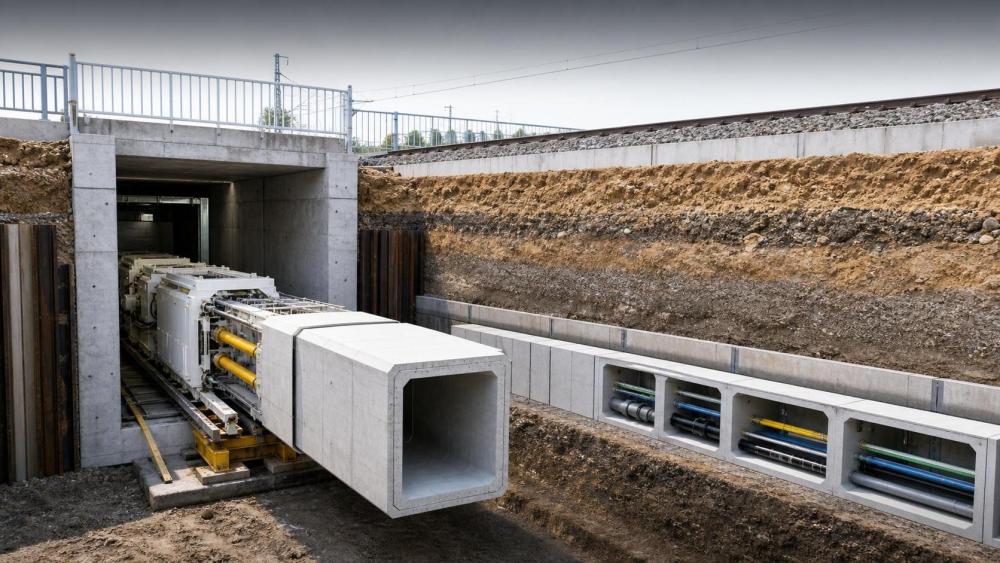
A rectangular pipe jacking machine is usually chosen when surface disruption must stay low and alignment control must stay high.
That situation appears often in underpasses, station approaches, cable corridors, and utility crossings beneath active roads or rail lines.
In simple terms, the machine creates a box-shaped passage without opening a long trench above it.
This matters where traffic cannot stop, nearby structures are sensitive, and settlement tolerance is tight.
UTMD often tracks these projects because trenchless methods now sit beside TBM systems as critical tools in modern underground infrastructure.
The growing focus on low-emission construction, urban congestion, and digital control makes the rectangular pipe jacking machine more relevant than before.
Still, it is not the default answer for every crossing. The best use depends on geometry, ground behavior, launch space, and service requirements.
What makes this system different from circular jacking or open-cut work?
The main difference is the finished opening shape. A rectangular pipe jacking machine delivers a usable cross section that matches many pedestrian, utility, and small vehicle needs.
With circular jacking, extra internal space can become unavoidable. That may increase excavation volume or leave less efficient usable clearance.
Compared with open-cut methods, the rectangular pipe jacking machine keeps the surface largely intact.
This helps when crossing beneath arterial roads, airport access routes, industrial yards, and busy municipal corridors.
Another practical difference is control. Operators can monitor face conditions, jacking loads, line and level, lubrication response, and segment behavior in real time.
That control fits the broader UTMD view of underground engineering, where machines are becoming more instrumented, data-led, and reliability-driven.
A rectangular pipe jacking machine also supports projects that want less dust, less spoil handling at the surface, and fewer conflicts with existing urban services.
A quick comparison helps clarify the decision
The table does not replace design work, but it shows why rectangular jacking is often selected for constrained urban crossings.
Which underpasses and utility crossings benefit most?
The most common use case is a shallow crossing where the surface must remain operational during construction.
A rectangular pipe jacking machine is especially effective when the finished space must accommodate walking clearance, duct banks, culverts, or service galleries.
In actual projects, the better candidates usually share several characteristics.
- Road or rail crossings where closure time is extremely limited.
- Dense utility zones where open excavation would trigger multiple relocations.
- Pedestrian or livestock underpasses needing a rectangular clearance envelope.
- Drainage or box culvert installations in soft to mixed shallow ground.
- Industrial sites where surface logistics must continue during underground work.
There is also a planning advantage. A rectangular pipe jacking machine can reduce the number of interfaces between civil works, traffic management, and utility protection.
That reduction does not make the job simple, but it often makes the job more predictable.
Where UTMD’s intelligence lens becomes useful is in seeing this machine as part of a wider shift.
Urban underground work now rewards methods that combine compact construction footprints with measurable operational control.
How do you judge whether site conditions are suitable?
This is usually the question that decides everything. Geometry alone is not enough.
A rectangular pipe jacking machine performs best when the project team has a clear view of ground strength, groundwater, cover depth, and nearby structural sensitivity.
More importantly, the launch and reception areas must support jacking operations without creating a new bottleneck.
A practical screening table can help early-stage decisions.
If several of these items remain uncertain, the better decision may be to delay selection rather than force the rectangular pipe jacking machine into the design.
The strongest projects are usually the ones that match machine capability to verified subsurface reality.
What are the common mistakes when choosing a rectangular pipe jacking machine?
One frequent mistake is assuming that lower surface disruption automatically means lower project risk.
In fact, the risk simply moves underground, where alignment, lubrication, face support, and settlement control become more critical.
Another mistake is focusing only on the opening shape while ignoring the drive environment.
A rectangular pipe jacking machine can be ideal for the final structure, yet still be a poor fit for variable fill, hidden obstructions, or poorly prepared shafts.
- Underestimating jacking force requirements over the full drive length.
- Neglecting lubrication planning in abrasive or sticky ground.
- Using limited survey data in congested utility corridors.
- Treating settlement monitoring as a paperwork exercise.
- Ignoring spoil handling and site logistics inside tight urban footprints.
There is also a softer issue. Teams sometimes compare trenchless options only by upfront equipment cost.
That misses the full picture, including traffic management, utility relocation, reinstatement, public disruption, and schedule exposure.
A rectangular pipe jacking machine often proves its value when those indirect costs are visible early.
How should schedule, cost, and execution be weighed before deployment?
The right question is not whether this method is cheap. The real question is whether it reduces total project burden.
For many underpasses and utility crossings, the rectangular pipe jacking machine shortens disruption time even if planning effort is higher upfront.
That trade is often acceptable where closures are expensive or politically difficult.
Execution planning should usually cover these points before final commitment.
- Expected drive length versus available jacking capacity.
- Tolerance requirements for line, level, and finished internal clearance.
- Utility mapping quality and response plan for unexpected findings.
- Shift strategy, spoil removal, power supply, and confined-space controls.
- Monitoring thresholds for settlement, vibration, and nearby asset movement.
UTMD’s broader industry perspective is useful here. Across underground construction and mining, the most reliable assets are the ones deployed with disciplined data, not optimistic assumptions.
That same principle applies to the rectangular pipe jacking machine. Good selection begins long before the first shove.
So when should you move forward with this method?
Move forward when the crossing needs a box-shaped opening, shallow installation, and minimal disturbance above ground.
Move carefully when ground variability, groundwater pressure, or shaft limitations remain unresolved.
In practical terms, a rectangular pipe jacking machine makes the most sense when open-cut consequences are high and circular geometry is inefficient.
That is why it appears so often in urban underpasses, utility boxes, and tightly controlled transport crossings.
Before the final decision, it helps to build a short review sheet covering alignment tolerance, ground data quality, shaft readiness, monitoring scope, and total disruption cost.
If those answers line up, the rectangular pipe jacking machine is not just a specialized option. It becomes the practical trenchless solution for a difficult crossing.
The next useful step is simple: compare the planned opening, ground profile, and traffic constraints against at least one circular jacking option and one open-cut scenario.
That side-by-side review usually reveals whether the rectangular pipe jacking machine is a smart fit or just an attractive idea.
Related News
Tunnel Boring Machine Costs: Budgeting for Purchase, Operation, and Project Risk
Tunnel Boring Machines cost more than purchase price. Learn how to budget lifecycle costs, downtime, logistics, wear, and project risk for smarter TBM decisions.
Open-Pit Haulage Cost Analysis: How Mine Managers Can Cut Cost per Tonne
Open pit haulage cost analysis: discover practical ways to reduce cost per tonne through payload control, cycle-time optimization, road performance, and smarter fleet decisions.
Tunnel Construction Innovations That Reduce Risk and Schedule Delays on Urban Projects
Tunnel construction innovation for urban projects: discover smarter TBMs, real-time monitoring, trenchless methods, and automation that reduce risk and protect schedules.
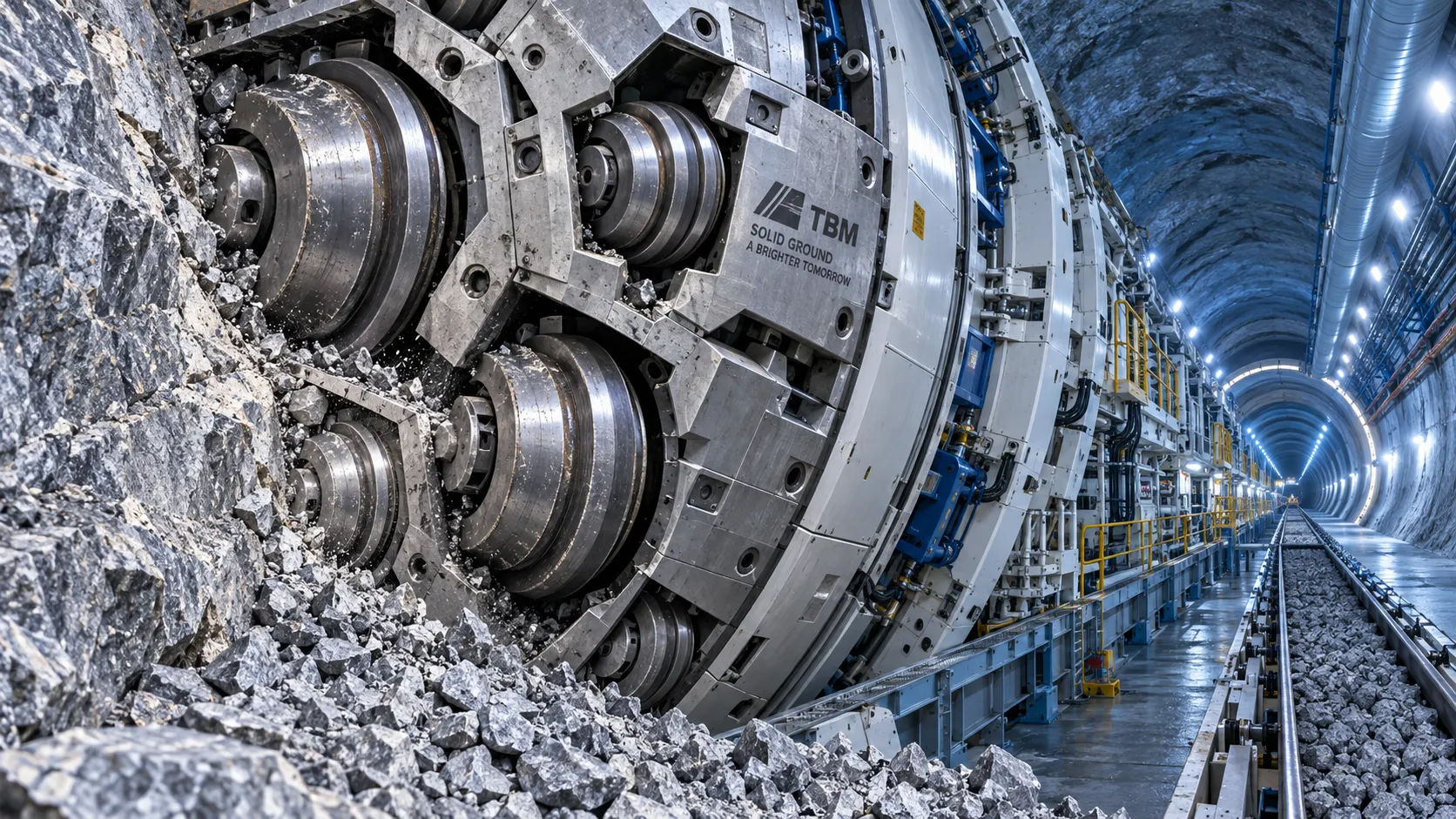
TBM Disc Cutter Design: Key Geometry and Load Factors for Hard Rock Tunnelling
TBM disc cutter design explained: explore geometry, spacing, load distribution and maintenance factors for reliable, efficient hard-rock tunnelling performance.
Hydraulic Tipping Stability Risks in Multi-Axle Dump Special Trailers
Dump special trailers: discover key hydraulic tipping stability risks, multi-axle load dynamics, and practical safety controls for safer, smarter bulk hauling.
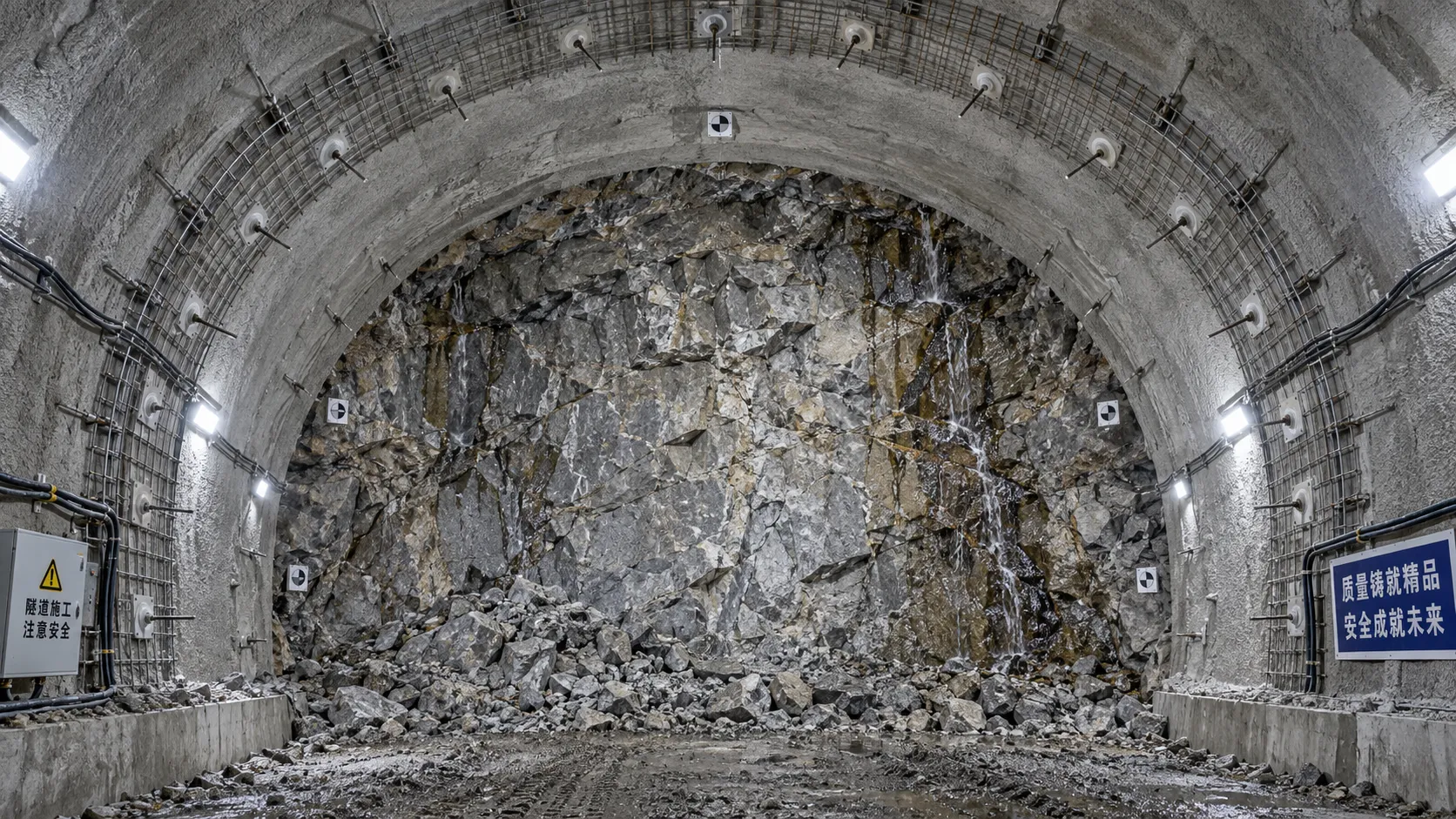
When rock reinforcement in tunnel construction must change after blasting
Rock reinforcement in tunnel construction must change when blasting reveals overbreak, weak joints, water inflow, or deformation. Discover key post-blast support decisions.
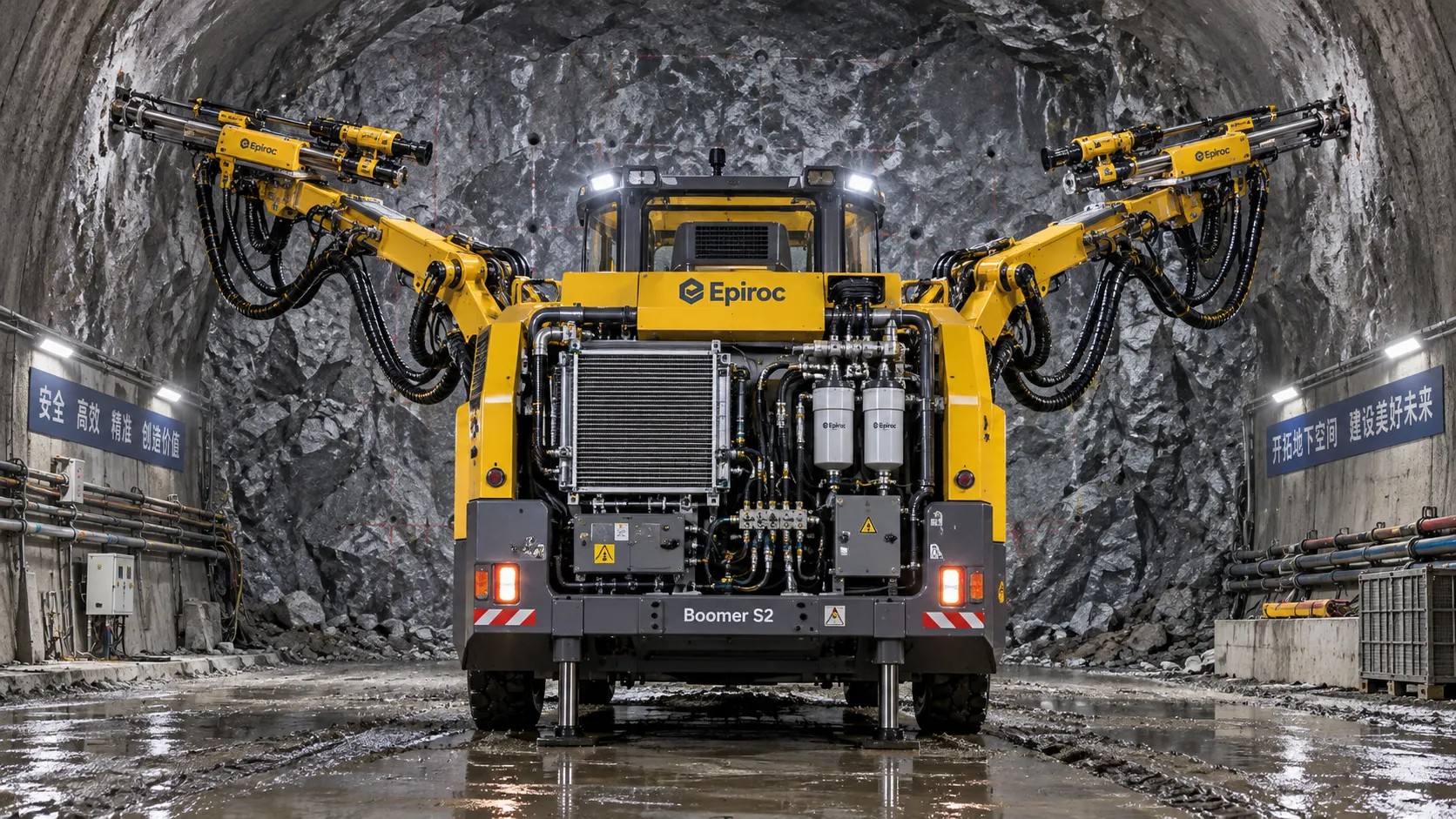
How tunnel hydraulic systems influence drill jumbo uptime underground
Tunnel hydraulic systems directly influence drill jumbo uptime. Explore how stable pressure, clean oil, cooling, and maintainable design reduce underground downtime.
What to verify before appointing a tunneling vehicles manufacturer
Choosing a tunneling vehicles manufacturer? Verify application fit, reliability, compliance, parts support, training, and channel terms before appointing a partner.
Selecting K9 Ductile Iron Pipe for Buried Water Pipeline Conditions
K9 ductile iron pipe selection for buried water pipelines: compare pressure duty, joints, soil loads, corrosion protection, and installation controls for reliable long-term performance.
Related News
- 00
0000-00
Tunnel Boring Machine Costs: Budgeting for Purchase, Operation, and Project Risk - 00
0000-00
Open-Pit Haulage Cost Analysis: How Mine Managers Can Cut Cost per Tonne - 00
0000-00
Tunnel Construction Innovations That Reduce Risk and Schedule Delays on Urban Projects - 00
0000-00
TBM Disc Cutter Design: Key Geometry and Load Factors for Hard Rock Tunnelling - 00
0000-00
Hydraulic Tipping Stability Risks in Multi-Axle Dump Special Trailers
Weekly Insights
Stay ahead with our curated technology reports delivered every Monday.