
PSA Caps Rectangular Pipe Jacking Units at 42 Tons per TEU





On June 6, 2026, Singapore’s PSA issued a new notice that immediately changes how complete Rectangular Pipe Jacking units wider than 4.2 meters can move by sea: each TEU is now capped at 42 tons. For equipment that exceeds that limit, shippers must either break down the unit for transport or switch to Flat Rack handling. This matters not only to equipment manufacturers, but also to project buyers, freight planners, and metro-related delivery teams, because the rule has already interrupted scheduled June shipments and turned port handling constraints into a live delivery risk.
What the PSA notice changes
According to Notice No. PSA/LOG/2026/067, released by PSA on June 6, 2026, the new requirement applies immediately to complete Rectangular Pipe Jacking equipment with a width above 4.2 meters.
The rule sets a maximum weight of 42 tons per TEU for ocean transport of the complete unit. Where the equipment exceeds that threshold, the stated alternatives are to ship it in dismantled form or use a Flat Rack.
Based on the information provided, the policy has already led to temporary container holds involving June-bound shield body shipments for metro projects from three Chinese manufacturers, with expected delivery delays of six to eight weeks.
Where the operational pressure is likely to appear
Manufacturers face immediate shipment redesign
From an industry perspective, manufacturers of oversized tunneling equipment are the first group exposed to the change because the new limit affects the shipping configuration of the complete machine. The main pressure point is no longer only production readiness, but whether the outbound transport plan matches the port’s handling rule at the point of shipment.
What deserves closer attention is the interface between finished-equipment packing, dismantling decisions, and export scheduling. Even where production is complete, cargo may still fail to move on the original timetable if its transport setup does not fit the new requirement.
Project buyers and end users may see delivery timing move first
For buyers tied to metro or other infrastructure delivery schedules, the most immediate impact is likely to be timing rather than product specification. If a complete unit must be split for shipment or transferred to Flat Rack handling, the procurement and delivery sequence may need to be reset.
Analysis shows that buyers should pay close attention to whether the shipment method changes the expected handover window, especially when project coordination depends on a fixed installation or site-entry timetable.
Logistics providers will carry more execution risk
Supply chain service providers are also directly affected because the new rule shifts risk into booking, cargo acceptance, and documentation alignment. A shipment that was originally planned as a standard container move may now require a revised transport path before loading can proceed.
Observably, the business impact is concentrated in cargo planning, equipment handling choice, and communication across shipper, port, and consignee. The key issue is not simply transport cost, but whether the cargo can still move without a late-stage hold.
What companies should monitor now
Watch for any follow-up clarification from PSA
The notice is already in effect, so the first practical focus is whether PSA issues any further clarification on scope, handling interpretation, or implementation details. Companies dealing with width thresholds and complete-unit transport should closely compare their actual cargo setup with the wording of the notice rather than rely on prior shipping practice.
Recheck whether complete-unit shipping remains feasible
For shipments currently prepared as intact units, a direct review of width and per-TEU weight has become essential. If the cargo sits above the stated limit, the relevant operational question is whether dismantling is practical within the required delivery window, or whether Flat Rack transport is the more workable option.
Prepare for contract and schedule communication
Because temporary container holds have already affected scheduled June shipments, companies should treat delivery communication as a near-term priority. This includes checking whether revised transit arrangements alter committed milestones, internal project sequencing, or customer-facing delivery expectations.
Strengthen document and handoff control
Analysis shows that policy language and actual port execution are not always identical in operational impact. For that reason, exporters, forwarders, and buyers should pay attention to how shipment specifications, transport instructions, and cargo declarations are aligned before cargo reaches the port handling stage.
How this should be read at this stage
Observably, this is not just a technical port notice for a narrow equipment class. It shows how port-side handling constraints can quickly become a supply-chain issue for oversized, project-based machinery with limited timing flexibility.
It is more appropriate to understand this as an immediate operational change with broader signaling value, rather than as a fully settled long-term industry outcome. The confirmed facts show direct disruption has already occurred, but the wider commercial effect still depends on how frequently similar shipments face the same condition and how companies adjust their transport planning.
Why the market should keep this in view
At this point, the development is best understood as a concrete short-term shipping constraint and a signal that oversized equipment movements may require tighter pre-shipment compliance checks. The strongest near-term implication is for delivery planning, cargo configuration, and communication across manufacturers, logistics providers, and project buyers.
From an industry perspective, this does not yet support broad conclusions beyond the affected shipment category. However, it does warrant continued attention because a rule applied with immediate effect at a major port can alter lead times and execution risk for equipment moves that depend on precise outbound arrangements.
Basis of this article
This article is based on the user-provided news title, event date, and event summary concerning PSA’s June 6, 2026 notice on the 42-ton per TEU limit for complete Rectangular Pipe Jacking units wider than 4.2 meters.
For this type of industry update, relevant source categories typically include official port notices, company announcements, industry association updates, authoritative media reports, and standard-related documents. A specific official source link was not provided in the input, so the exact link remains to be verified. Follow-up attention should focus on any additional PSA clarification and on whether further shipment disruptions emerge under the same rule.
Related News
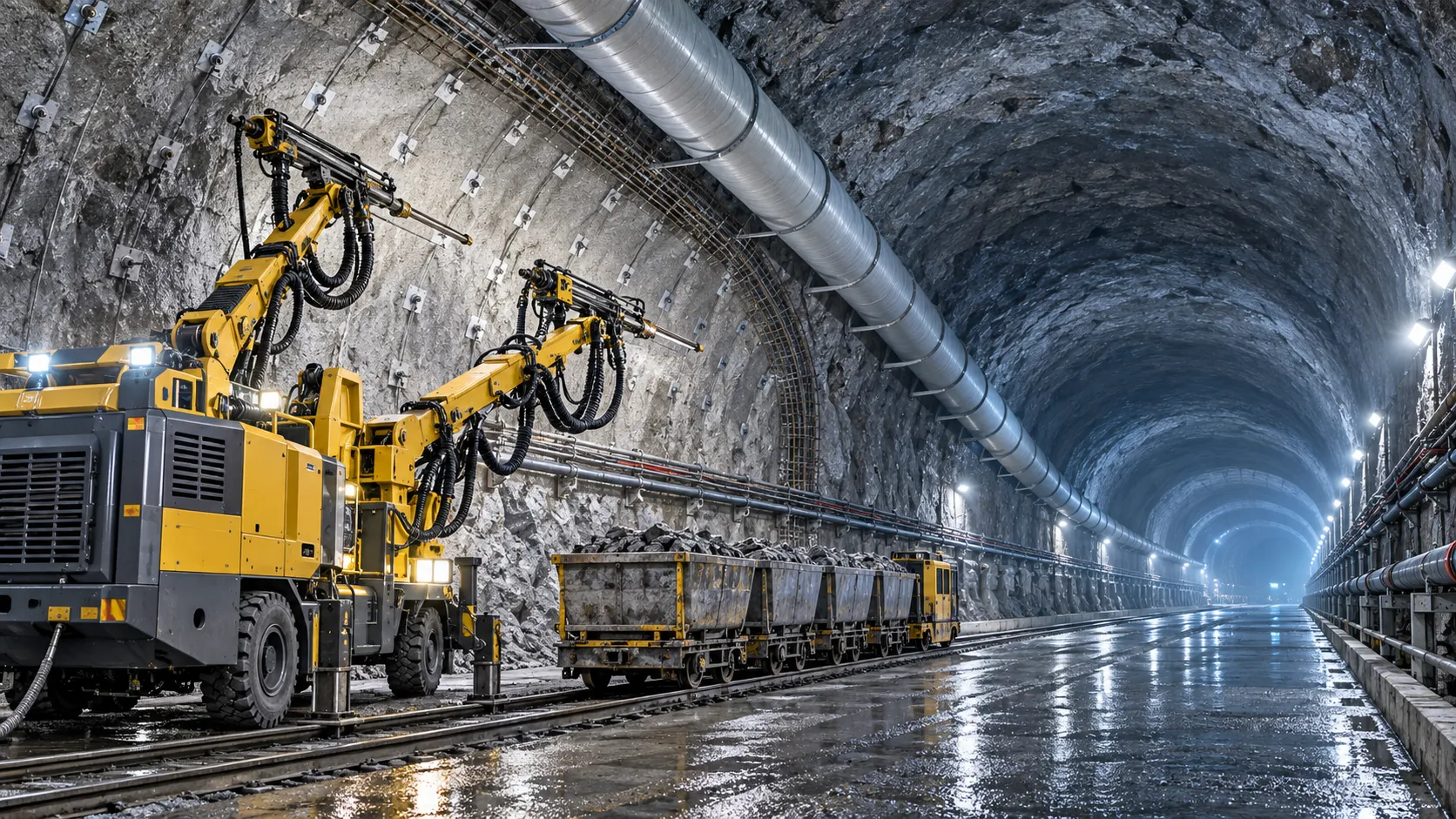
How to Evaluate European Drill-and-Blast Tunnelling Contractors for Complex Projects
Drill and blast tunnelling contractors Europe: learn how to assess geology expertise, blast control, equipment reliability, safety, and programme resilience for complex projects.
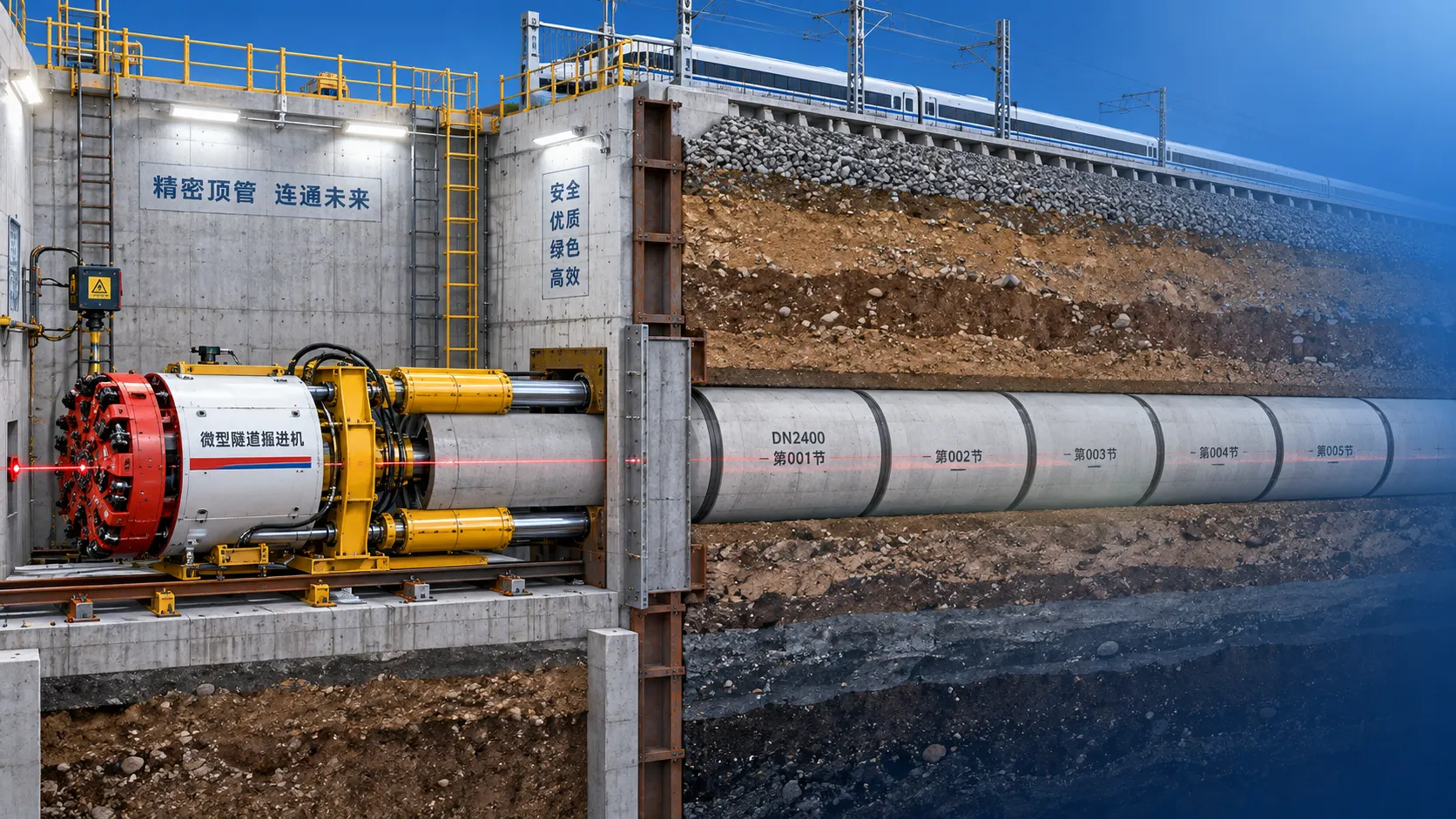
Which Trenchless Construction Technique Fits Your Utility Crossing Conditions?
Trenchless construction techniques compared for utility crossings: choose HDD, microtunnelling, pipe jacking, or auger boring based on ground, accuracy, access, and risk.
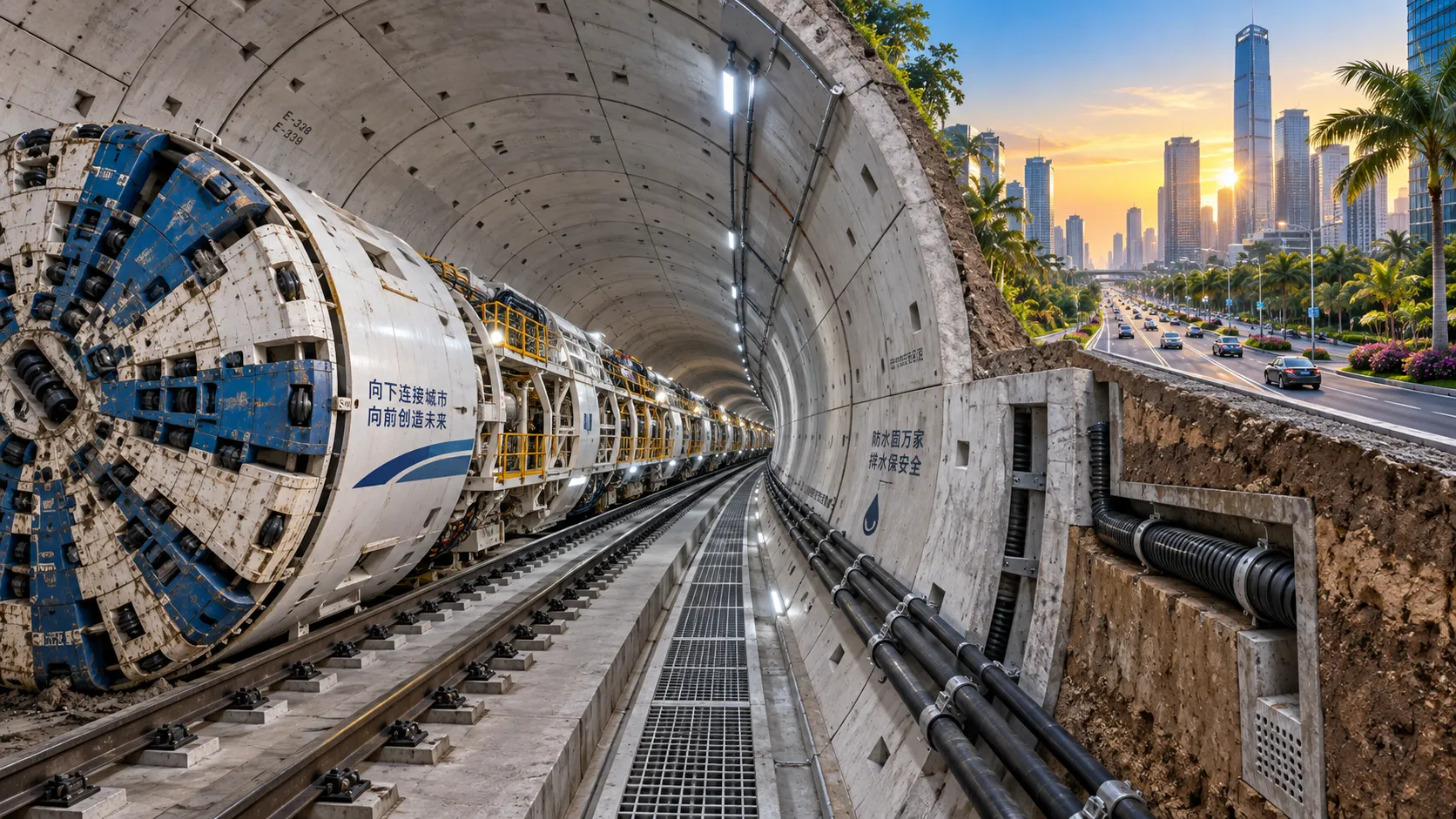
What Is Driving Metro Tunnelling Demand Across Southeast Asia’s Major Cities?
Metro tunnelling Southeast Asia is accelerating as major cities tackle congestion, flooding, and connectivity. Explore the market forces, technical risks, and opportunities shaping demand.
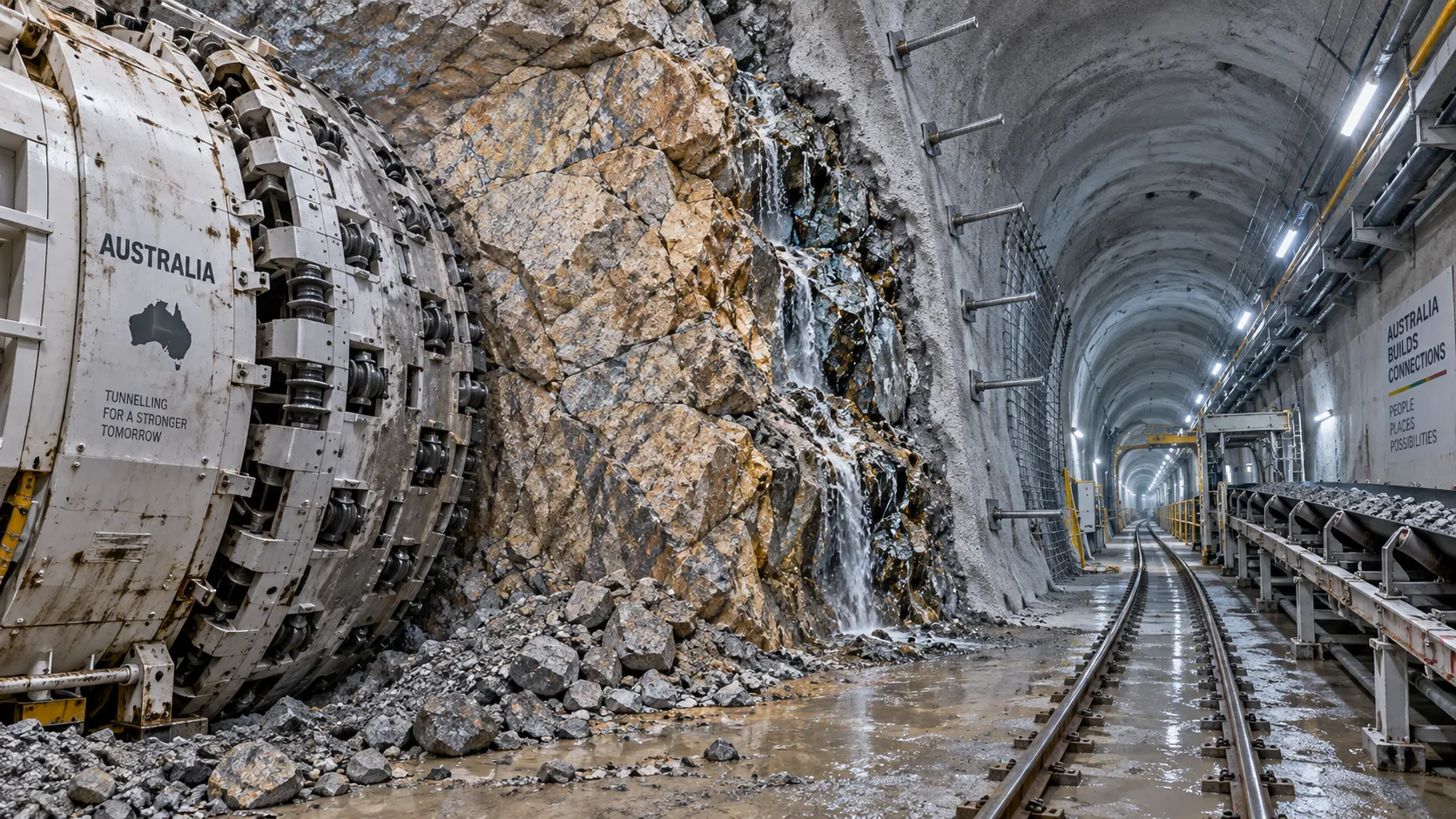
Hard Rock Tunnelling in Australia: Selecting Methods for Variable Ground Conditions
Hard rock tunnelling in Australia: compare TBM, drill-and-blast and hybrid methods to manage variable ground, reduce risk and protect project costs.
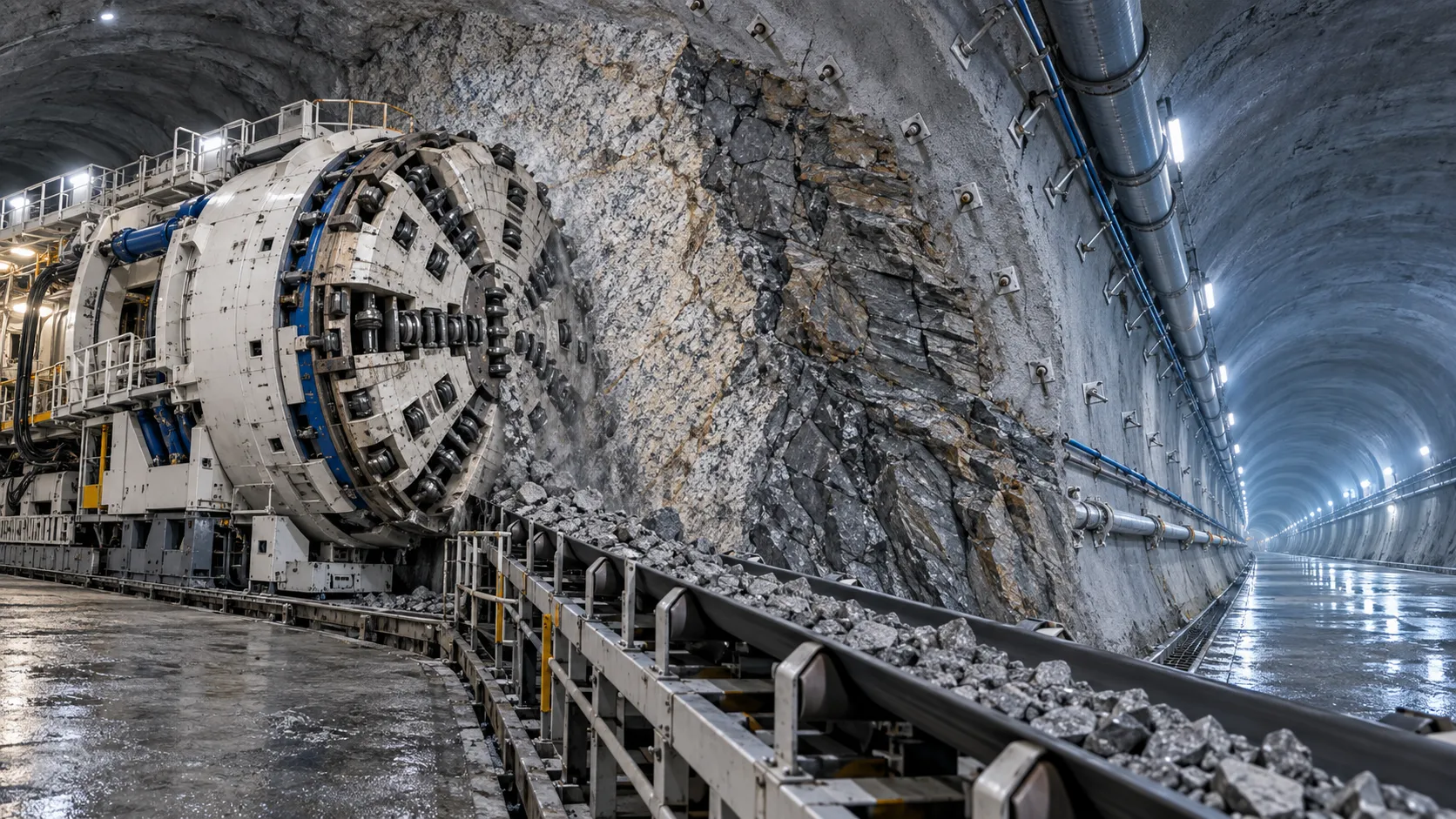
Hydropower Tunnel Excavation: Selecting Methods for Variable Rock Conditions
Hydropower tunnel excavation methods for variable rock conditions: compare TBM, drill-and-blast, and hybrid strategies to improve safety, progress, and project control.
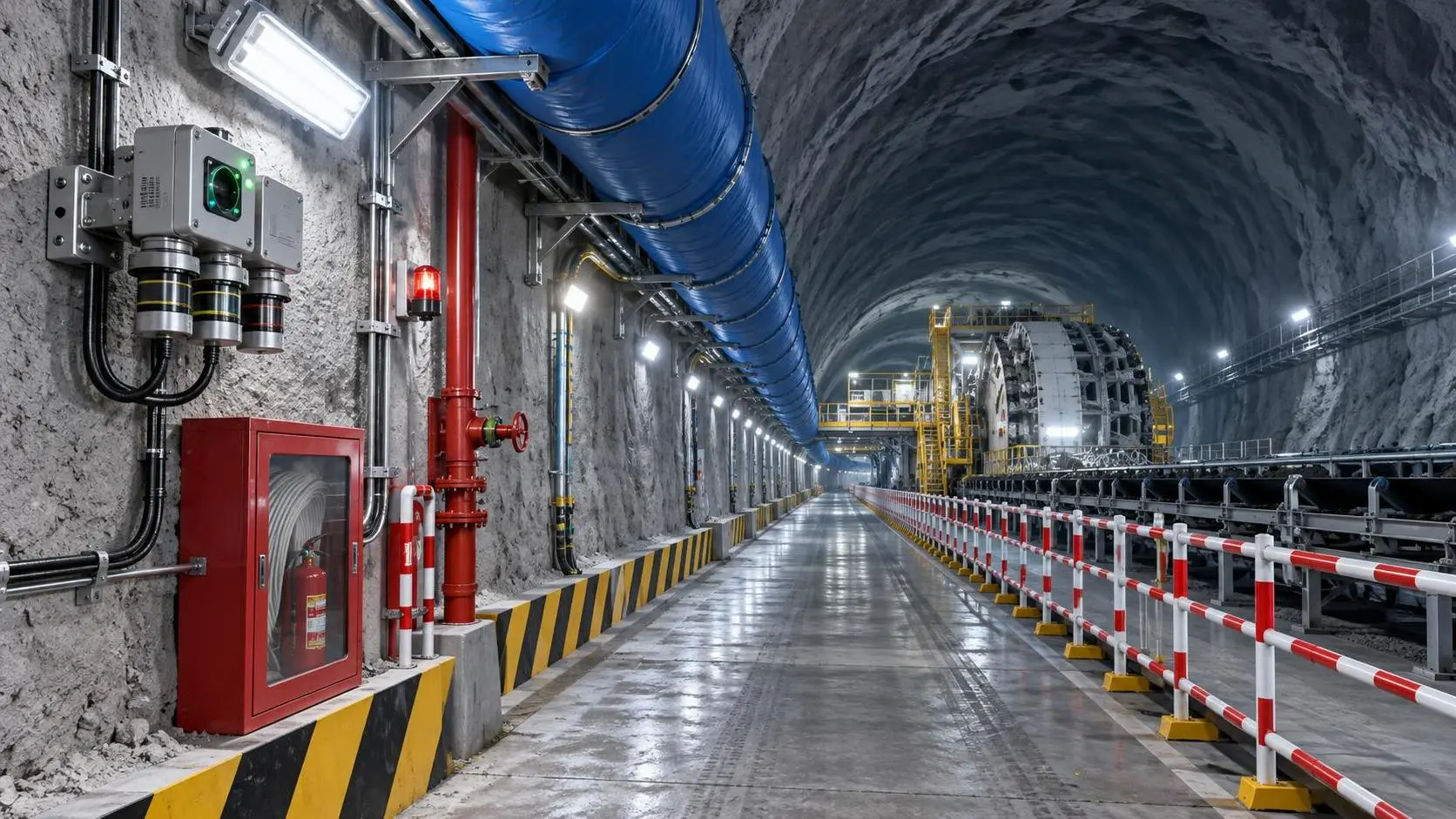
How to Select Underground Safety Equipment for Tunnelling by Hazard and Work Zone
Underground Safety Equipment for tunnelling: match protection to hazards, work zones, compliance, and emergency needs with this practical selection guide.
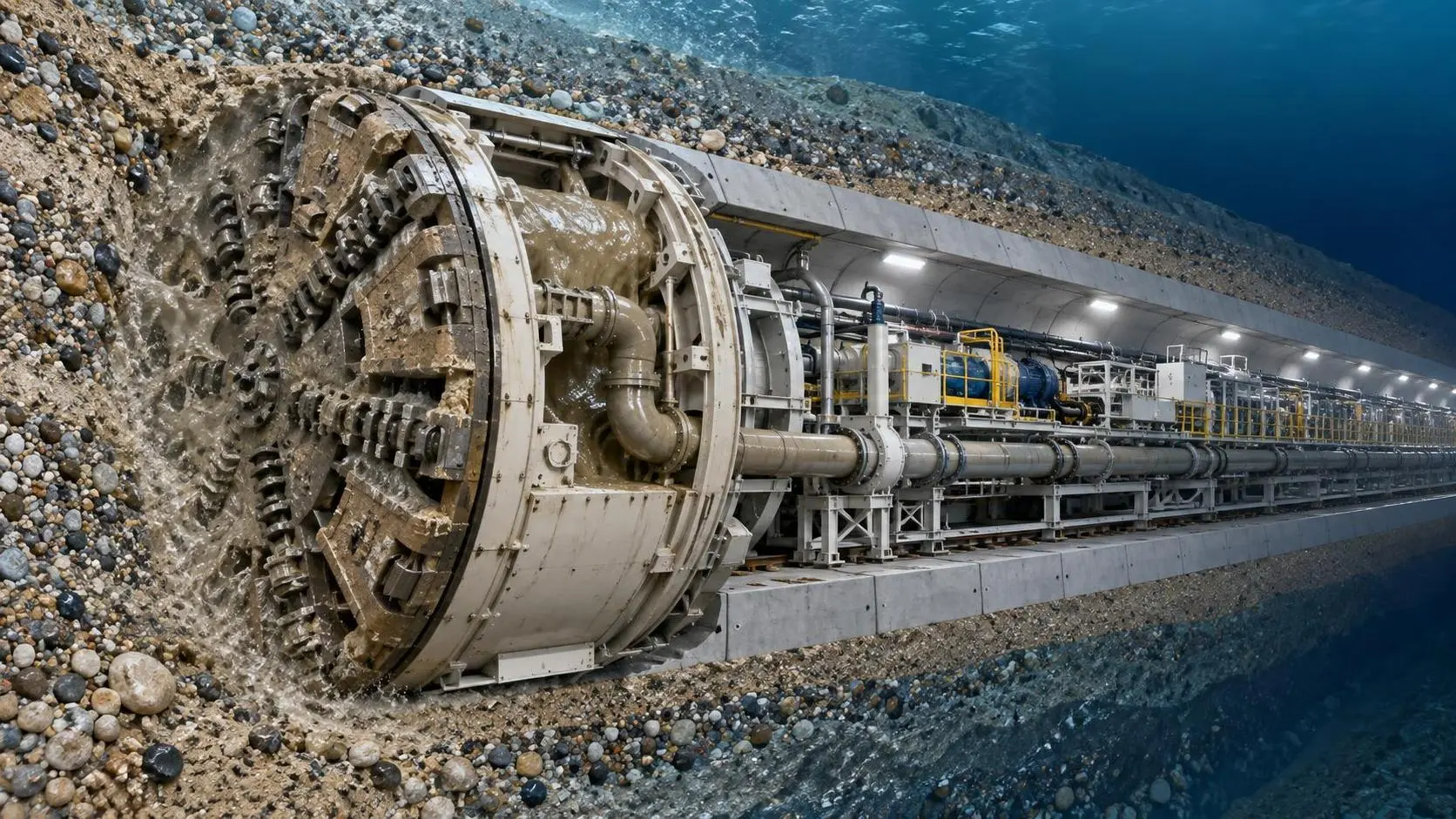
EPB or Slurry Shield? Selecting Soft-Ground Tunnelling Equipment by Soil Conditions
Tunnel Excavation Equipment for soft ground: compare EPB and slurry shields by soil, groundwater, settlement risk, and project logistics to choose confidently.
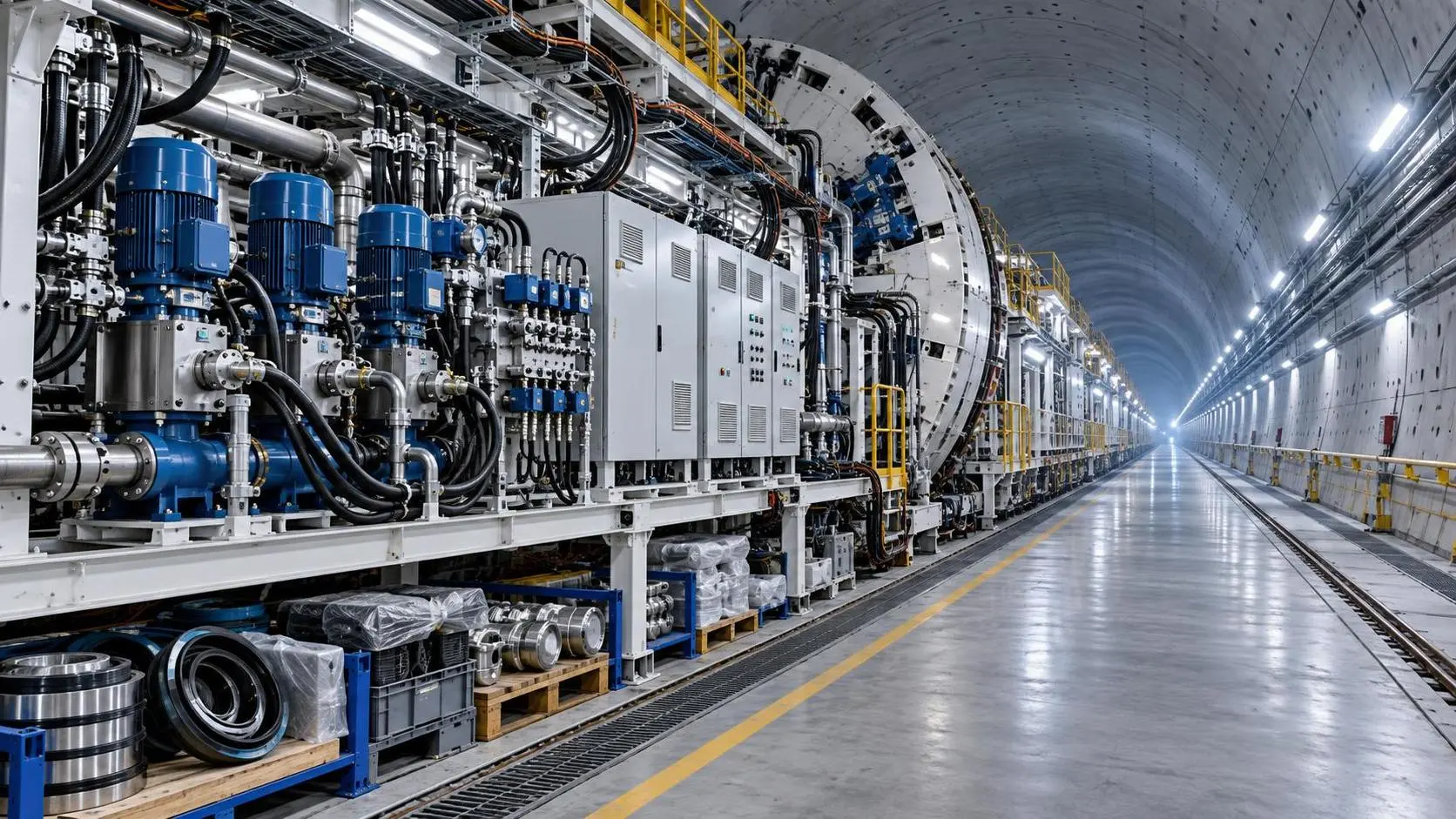
How to Specify TBM Backup System Parts for Reliable Long-Distance Tunnelling
TBM backup system parts: learn how to specify reliable spares for long-distance tunnelling, reduce downtime, ensure compatibility, and speed underground recovery.

How to Size Open Pit Mining Trucks for Haul Distance, Grade, and Payload?
Open Pit Mining Trucks: learn how to match payload, haul distance, grade, road resistance, and loading capacity for safer, lower-cost mine operations.
Related News
- 00
0000-00
How to Evaluate European Drill-and-Blast Tunnelling Contractors for Complex Projects - 00
0000-00
Which Trenchless Construction Technique Fits Your Utility Crossing Conditions? - 00
0000-00
What Is Driving Metro Tunnelling Demand Across Southeast Asia’s Major Cities? - 00
0000-00
Hard Rock Tunnelling in Australia: Selecting Methods for Variable Ground Conditions - 00
0000-00
Hydropower Tunnel Excavation: Selecting Methods for Variable Rock Conditions
Weekly Insights
Stay ahead with our curated technology reports delivered every Monday.