
Rectangular EPB TBM Delivery Signals Tighter Urban Rail Compliance





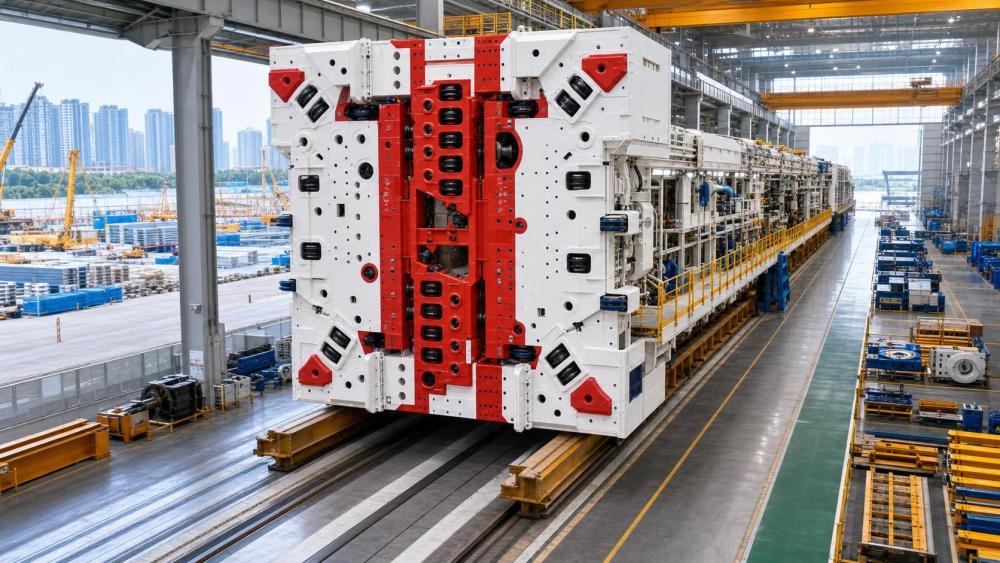
On June 16, 2026, CCCC Tianhe completed factory acceptance in Changshu, Jiangsu, for the world’s first rectangular EPB TBM of this size, named Lion City, ahead of shipment to Singapore for the Marina Bay metro extension. Beyond the equipment milestone itself, the case draws attention to how urban rail projects are being executed against stricter settlement-control thresholds, technology-backed monitoring expectations, and contract terms that extend from machine delivery into localized maintenance support. For equipment makers, exporters, project buyers, suppliers, and after-sales providers, the more relevant question is not only what was delivered, but which compliance, documentation, service, and delivery expectations are becoming more visible in cross-border project execution.
What the confirmed project details show
The confirmed information states that the machine has a cross-section of 12.8m by 8.2m and is described as the world’s largest rectangular EPB TBM. It passed factory acceptance on June 16, 2026, in Changshu, Jiangsu, and is set to be shipped to Singapore for use on the Marina Bay metro extension.
The project summary also confirms that the machine addressed launch settlement control under ultra-shallow cover conditions, with cover thickness at only 2.1 times the shield diameter, or less than 27 meters. The technical solution cited in the summary includes dual-mode synchronous grouting and an AI-based ground deformation prediction system.
Another confirmed point is that the equipment is required to meet a 0.5 mm settlement red line in Singapore’s urban area. In addition, the contract includes a clause covering the establishment of a localized maintenance and support center.
Why this matters for procurement, delivery, and market access
For equipment exporters, technical compliance becomes part of market entry
Analysis shows that this case is relevant to exporters of major tunneling equipment because the performance requirement is framed not only around excavation capability, but also around whether the machine can satisfy strict urban settlement-control expectations. In practical terms, bid alignment, technical documentation, test records, and delivery packages may draw greater scrutiny when projects involve tight deformation limits and sensitive urban conditions.
What deserves closer attention is the link between export delivery and demonstrable technical control capability. Where the project side emphasizes a defined settlement threshold and predictive monitoring tools, suppliers may need to prepare more complete technical explanations, acceptance materials, and traceable operating logic in support of compliance review.
For project buyers, contract design appears to be extending into service localization
From an industry perspective, the inclusion of a localized maintenance center in the contract is notable because it suggests that procurement expectations may increasingly cover lifecycle support rather than one-time equipment handover alone. For buyers, this affects supplier selection, service capability review, spare-parts planning, and post-delivery responsiveness.
Observably, when localized support is written into commercial terms, procurement teams may place more weight on whether a manufacturer can sustain service delivery in the destination market. This may influence evaluation of delivery readiness, subcontracting arrangements, support staffing, and documentation handover during project execution.
For component and system suppliers, downstream requirements may tighten
Suppliers connected to grouting systems, prediction tools, control systems, and other supporting assemblies may also be affected. Analysis shows that where the final machine is expected to operate under a strict settlement-control red line, upstream component suppliers may face higher expectations around consistency, compatibility, records management, and technical proof during procurement and delivery stages.
This does not confirm a formal rule change by itself, but it does indicate that project-level requirements can move deeper into the supply chain. Companies serving OEMs in export projects should therefore watch for stricter documentation requests, interface specifications, and quality traceability demands tied to the end market.
For after-sales providers, local response capability becomes more visible
The confirmed maintenance-center clause also matters for after-sales service providers. It suggests that support obligations may increasingly be evaluated as part of project compliance and delivery credibility, especially where urban construction risk tolerances are tight. This can affect service contracting, spare-parts stocking, response mechanisms, and the handover of maintenance records after deployment.
What companies should monitor now
Watch how technical thresholds are reflected in project documents
Analysis shows that companies involved in similar exports should pay close attention to how settlement-control thresholds, monitoring expectations, and launch-condition requirements are written into tender files, acceptance criteria, and technical annexes. The key issue is not to assume a general industry-wide rule from one project, but to recognize that such requirements may increasingly shape bid competitiveness and compliance review.
Prepare fuller technical and verification files for cross-border delivery
Where equipment performance is closely tied to urban-control requirements, exporters and manufacturers should monitor whether buyers expect more detailed technical files, testing records, configuration descriptions, and operation-support materials. The current information does not specify a formal documentation checklist, so this should be treated as a compliance watchpoint rather than a confirmed universal requirement.
Review service commitments alongside product specifications
What deserves closer attention is the fact that localized maintenance support appears in the contract itself. Companies should therefore examine whether future project opportunities in similar markets place greater emphasis on local service structures, maintenance readiness, and post-delivery accountability alongside core machine specifications.
Track execution language rather than relying only on headline announcements
Observably, the most practical signals often emerge through acceptance terms, service clauses, and technical thresholds rather than through broad market messaging. For that reason, companies should continue tracking official project wording, certification expectations where applicable, and any later clarification in procurement or delivery documents.
How this signal should be read at this stage
From an industry perspective, this development is more appropriate to understand as an execution signal than as proof of a broad new regulatory regime on its own. The confirmed facts point to three visible directions: strict urban settlement thresholds, the use of predictive and control technologies to support compliance, and the extension of project obligations into localized after-sales capacity.
Analysis also shows that the case deserves attention because it connects technical performance with trade delivery and service localization in a concrete export project. That said, the available information does not establish a wider policy text, regulatory revision, or standardized procurement rule across all projects. The stronger conclusion is that market participants should monitor how such requirements are repeated, formalized, or tightened in later project documents and buyer practices.
A practical reading for the market
The industry significance of this event lies less in the equipment headline and more in the compliance signals embedded in the project: a defined settlement red line, technology-backed control measures, and a contract structure that includes local maintenance capability. For manufacturers, exporters, buyers, and support providers, the immediate takeaway is to pay closer attention to technical proof, delivery documentation, and service readiness in cross-border rail equipment projects.
At the current stage, it is more appropriate to understand this as a concrete project-level signal of stricter execution expectations rather than a fully settled sector-wide rule change. Continued observation should focus on whether similar thresholds, service clauses, and documentation demands become more common in subsequent tenders, acceptance procedures, and market feedback.
Basis of this article and items still to verify
This article is generated from the user-provided news title, event date, and event summary. No additional policy number, regulator statement, official contract text, source link, or third-party market data was provided in the input.
For this type of event, source categories that are usually relevant include official project announcements, regulator releases, trade or customs information, industry association notices, standard-setting documents, and reporting by authoritative media. However, no specific official source link was included in the input, so subsequent verification is still needed.
What still requires continued observation includes any later official clarification on technical compliance wording, certification or acceptance interpretation where applicable, changes in tender documentation, service-localization requirements, industry feedback, and how participating companies implement these obligations in practice.
Related News
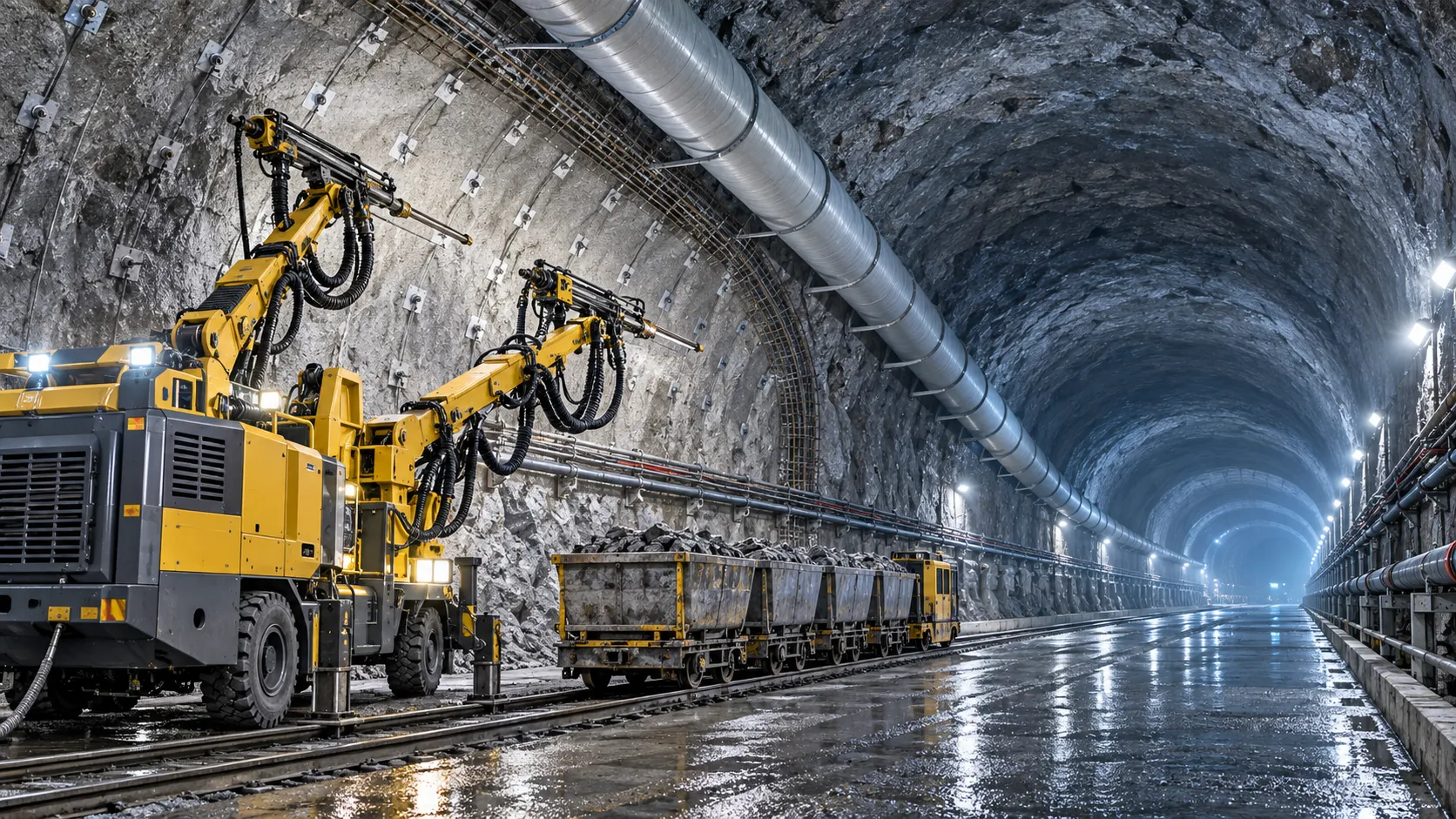
How to Evaluate European Drill-and-Blast Tunnelling Contractors for Complex Projects
Drill and blast tunnelling contractors Europe: learn how to assess geology expertise, blast control, equipment reliability, safety, and programme resilience for complex projects.
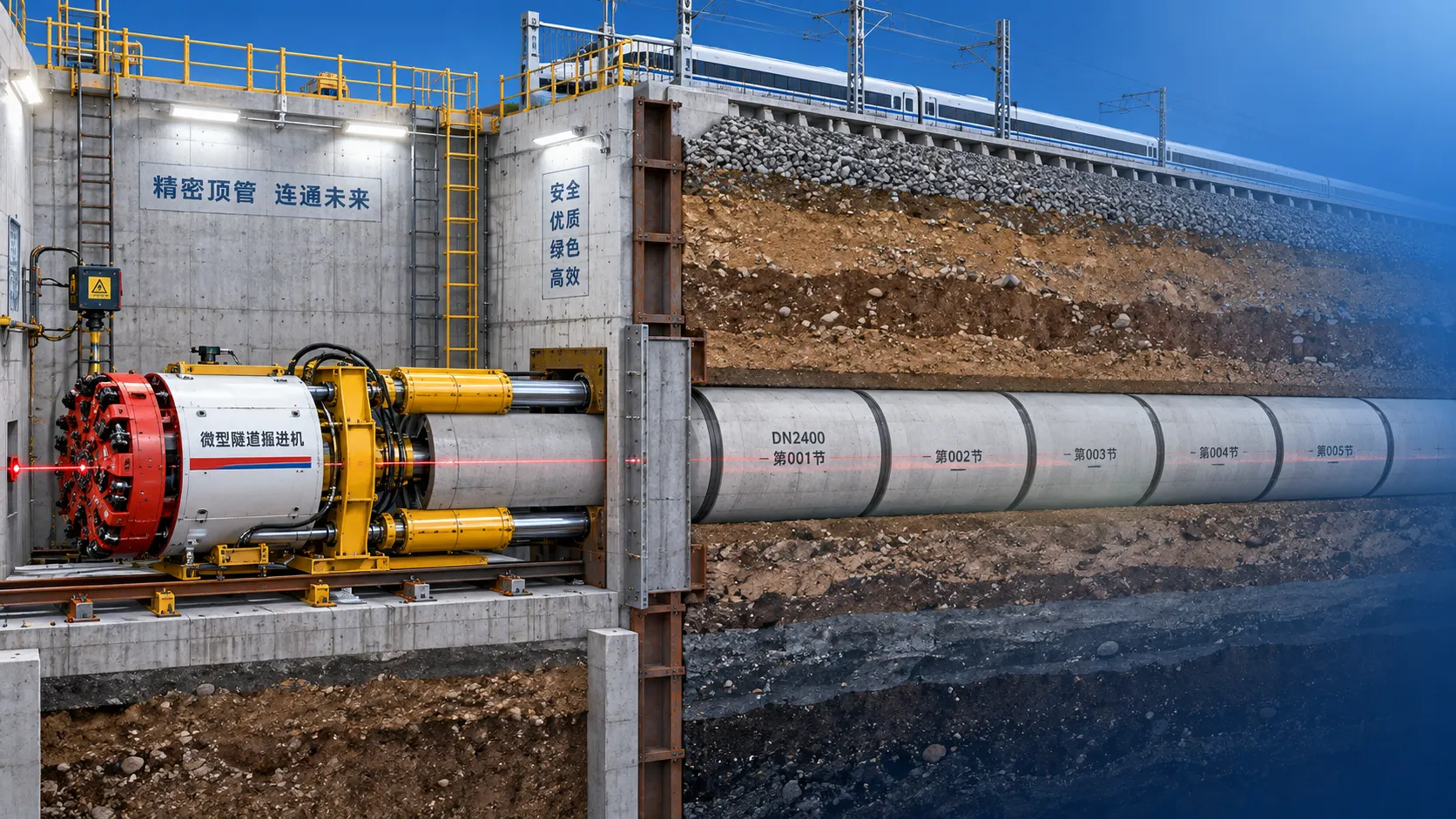
Which Trenchless Construction Technique Fits Your Utility Crossing Conditions?
Trenchless construction techniques compared for utility crossings: choose HDD, microtunnelling, pipe jacking, or auger boring based on ground, accuracy, access, and risk.
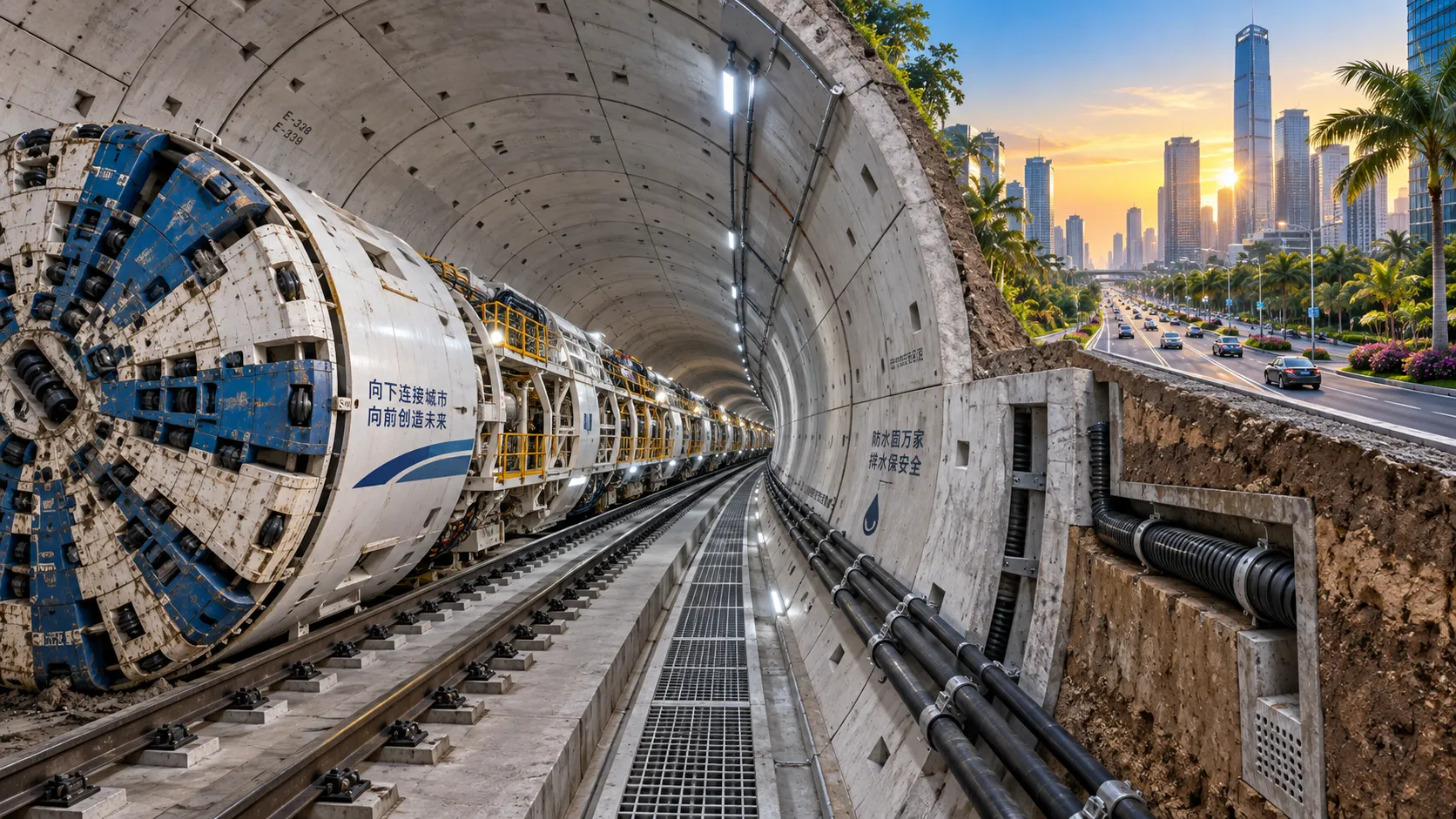
What Is Driving Metro Tunnelling Demand Across Southeast Asia’s Major Cities?
Metro tunnelling Southeast Asia is accelerating as major cities tackle congestion, flooding, and connectivity. Explore the market forces, technical risks, and opportunities shaping demand.
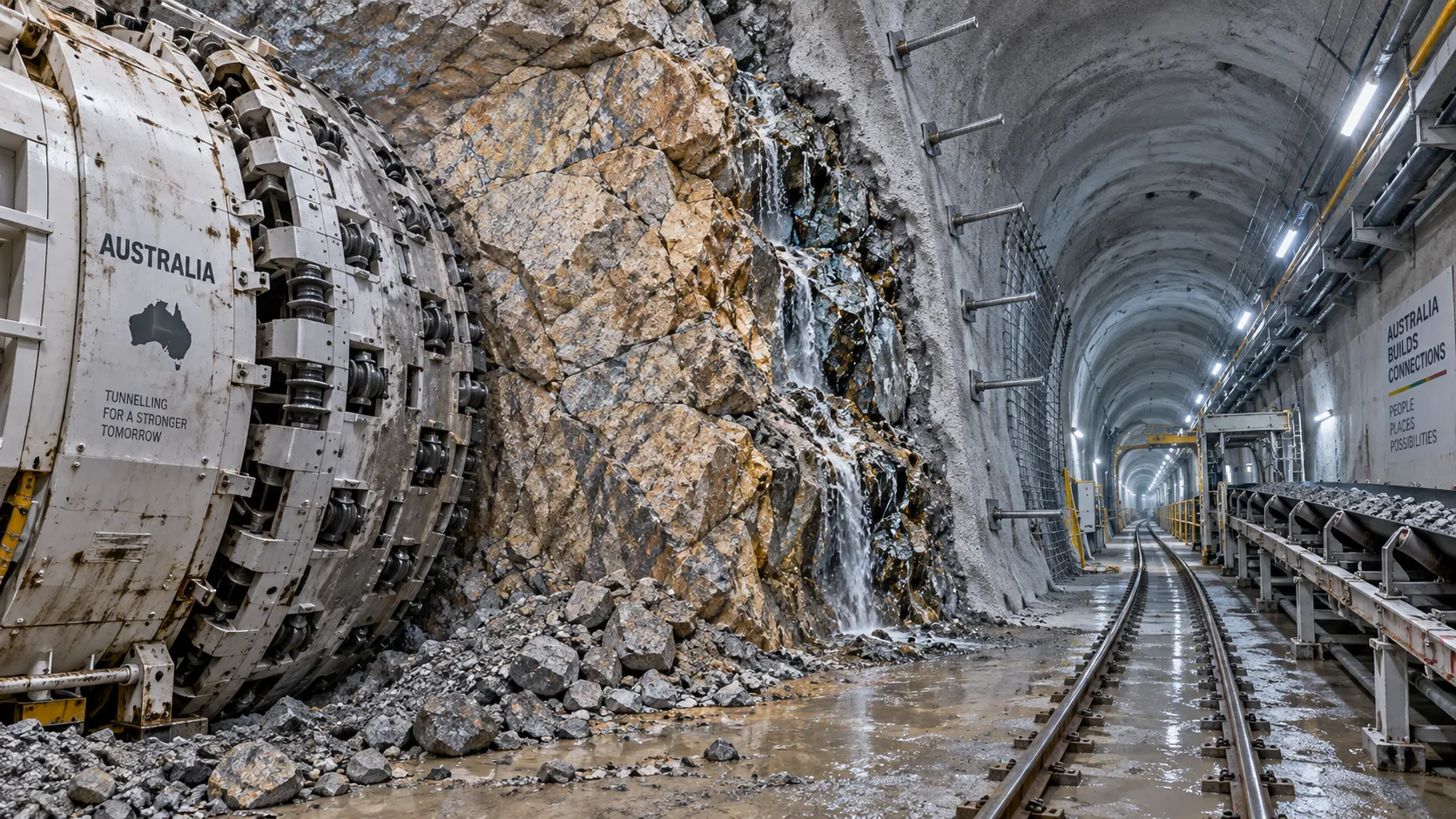
Hard Rock Tunnelling in Australia: Selecting Methods for Variable Ground Conditions
Hard rock tunnelling in Australia: compare TBM, drill-and-blast and hybrid methods to manage variable ground, reduce risk and protect project costs.
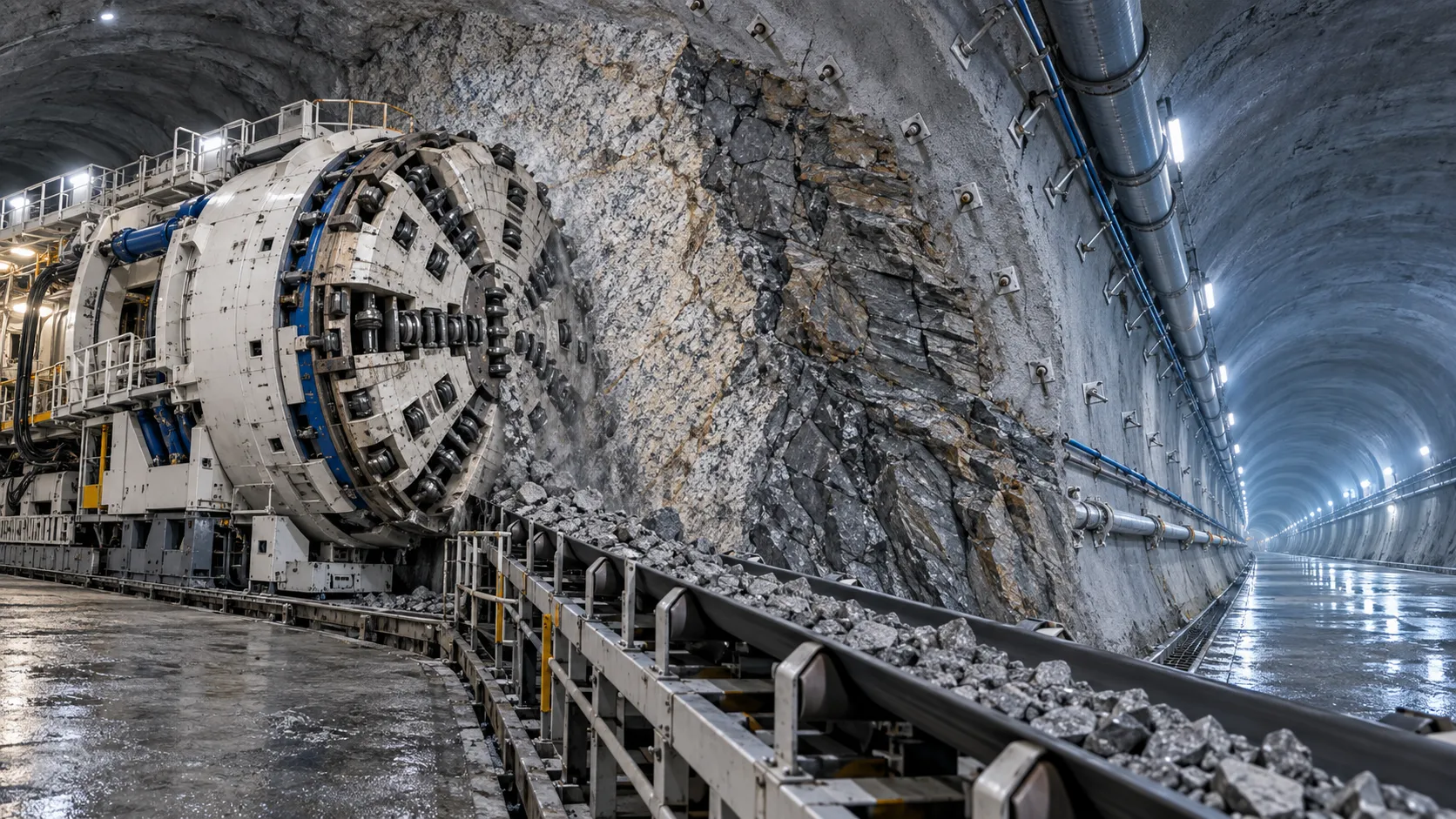
Hydropower Tunnel Excavation: Selecting Methods for Variable Rock Conditions
Hydropower tunnel excavation methods for variable rock conditions: compare TBM, drill-and-blast, and hybrid strategies to improve safety, progress, and project control.
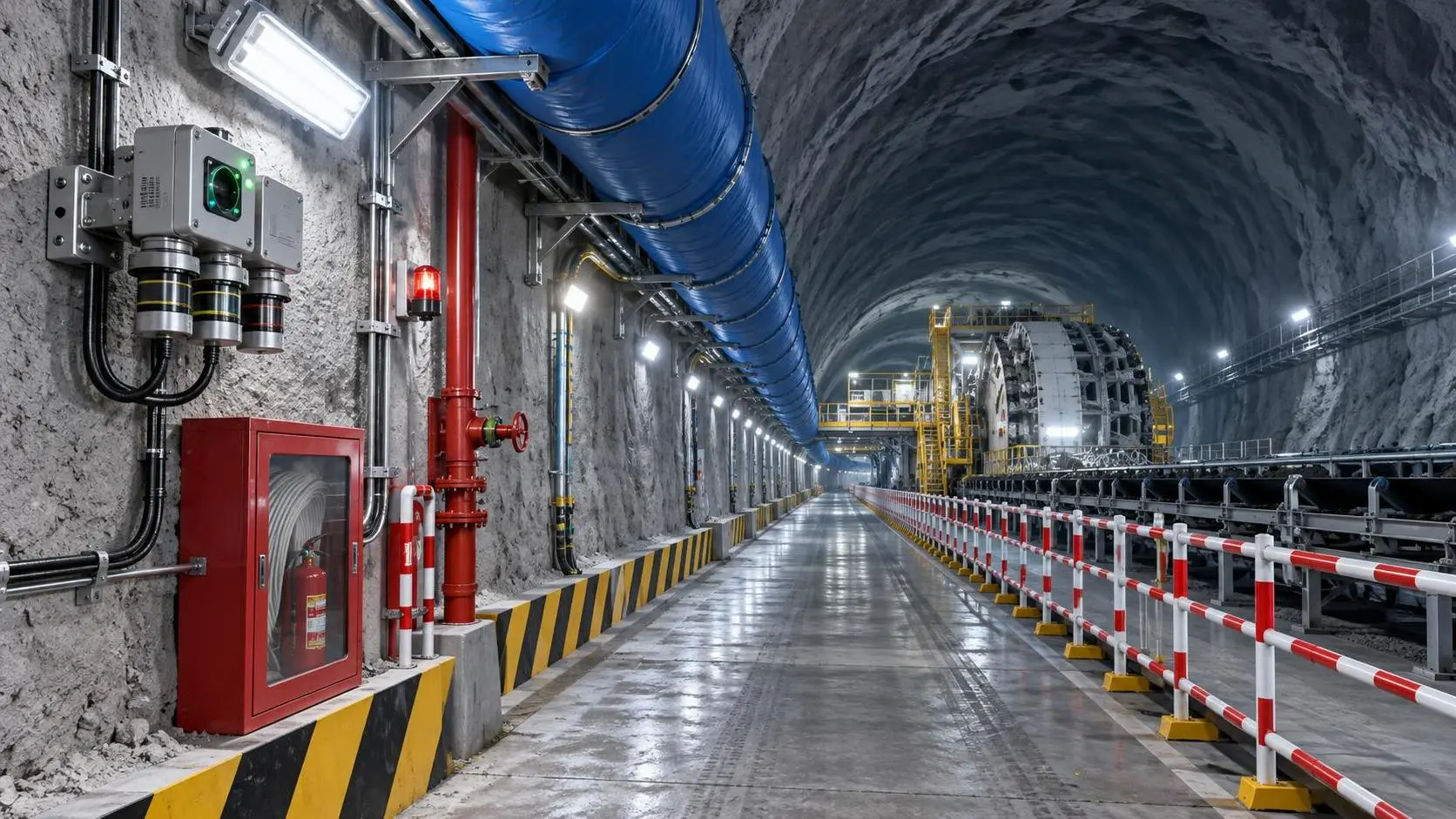
How to Select Underground Safety Equipment for Tunnelling by Hazard and Work Zone
Underground Safety Equipment for tunnelling: match protection to hazards, work zones, compliance, and emergency needs with this practical selection guide.

EPB or Slurry Shield? Selecting Soft-Ground Tunnelling Equipment by Soil Conditions
Tunnel Excavation Equipment for soft ground: compare EPB and slurry shields by soil, groundwater, settlement risk, and project logistics to choose confidently.
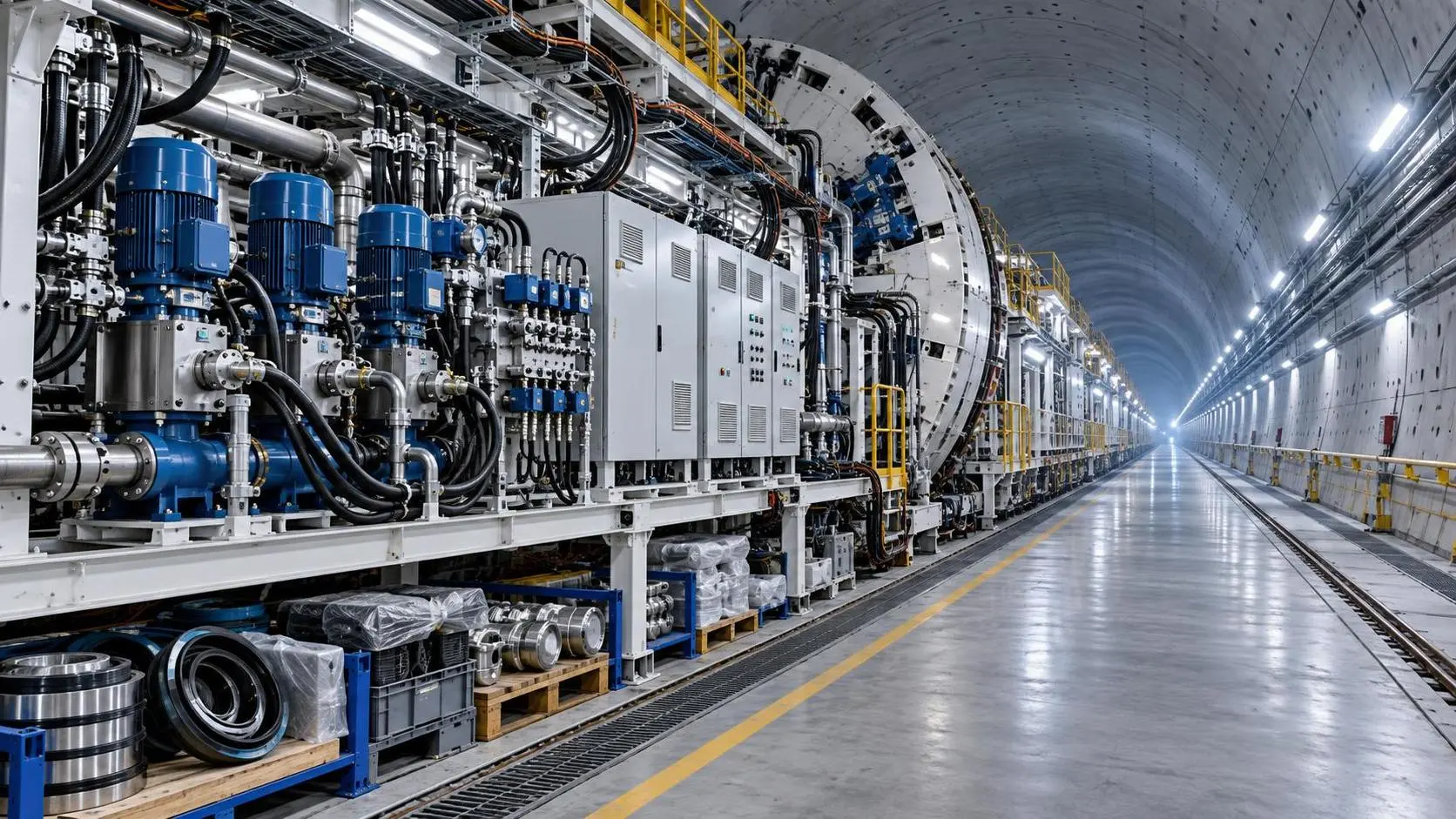
How to Specify TBM Backup System Parts for Reliable Long-Distance Tunnelling
TBM backup system parts: learn how to specify reliable spares for long-distance tunnelling, reduce downtime, ensure compatibility, and speed underground recovery.

How to Size Open Pit Mining Trucks for Haul Distance, Grade, and Payload?
Open Pit Mining Trucks: learn how to match payload, haul distance, grade, road resistance, and loading capacity for safer, lower-cost mine operations.
Related News
- 00
0000-00
How to Evaluate European Drill-and-Blast Tunnelling Contractors for Complex Projects - 00
0000-00
Which Trenchless Construction Technique Fits Your Utility Crossing Conditions? - 00
0000-00
What Is Driving Metro Tunnelling Demand Across Southeast Asia’s Major Cities? - 00
0000-00
Hard Rock Tunnelling in Australia: Selecting Methods for Variable Ground Conditions - 00
0000-00
Hydropower Tunnel Excavation: Selecting Methods for Variable Rock Conditions
Weekly Insights
Stay ahead with our curated technology reports delivered every Monday.