Rectangular Pipe Jacking Lead Time Falls to 14 Weeks





On June 30, 2026, a leading Chinese underground engineering equipment manufacturer said its fully automated flexible production line for Rectangular Pipe Jacking machines had entered commercial production, cutting lead times for standard models from 24 weeks to 14 weeks. For contractors, project owners, procurement teams, and suppliers involved in urban rail and underground works, this is worth watching because it links manufacturing speed, quality control, export delivery, and compliance with updated settlement-control requirements in one development.
A Commercial Line Moves From Announcement to Output
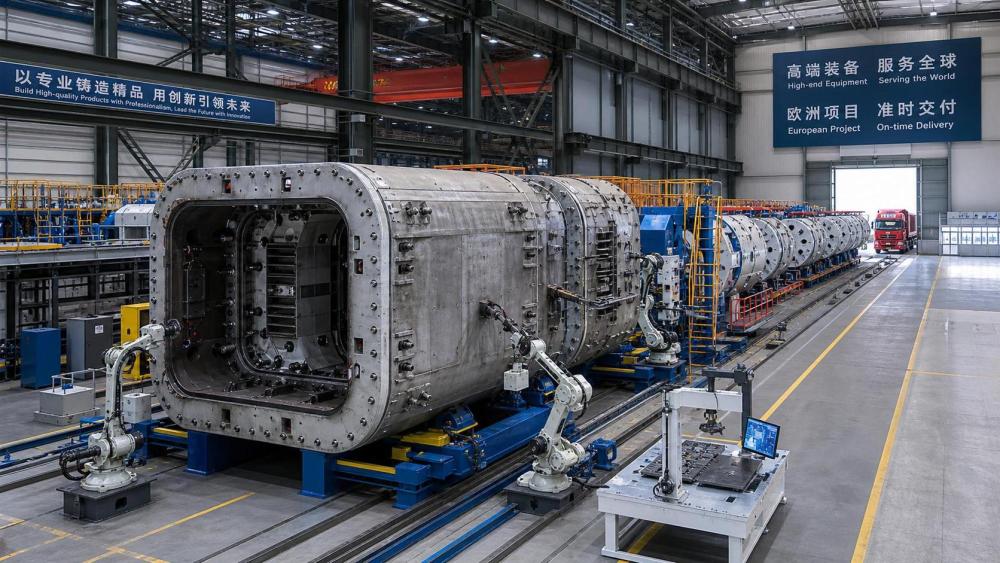
According to the information provided, the company has launched what it described as the world’s first fully automated commercial production line for Rectangular Pipe Jacking equipment. The line uses modular welding robots and a digital-twin quality inspection system. The stated result is a reduction in delivery time for standard machine models from 24 weeks to 14 weeks.
The first batch of orders has already been shipped to the Berlin U-Bahn expansion project in Germany. The supplied equipment is stated to meet the updated settlement-control requirements under DIN 4124:2026.
Where the Immediate Pressure Points May Appear
Procurement cycles may tighten for project buyers
From an industry perspective, buyers of underground construction equipment may be affected first through procurement timing. A shorter standard lead time can change when tenders are issued, when technical confirmation is locked in, and how much schedule buffer owners and EPC teams keep for equipment delivery. What deserves closer attention is whether buyers begin to expect faster confirmation windows for standard configurations.
Contractors and project delivery teams may revisit sequencing
For contractors working on rail, metro, and underground utility projects, the main effect may show up in project sequencing. If equipment can be delivered in 14 weeks instead of 24 weeks, planning assumptions around shaft readiness, launch timing, and interface coordination may need to be updated. Observably, the value is not only speed, but whether faster delivery still aligns with technical acceptance and site-readiness milestones.
Manufacturing and supply partners may face new quality-document demands
Suppliers and service partners connected to fabrication, inspection, logistics, and export support may need to pay closer attention to documentation and quality consistency. The mention of modular welding robots and a digital-twin inspection system suggests that process traceability could become more visible in customer discussions, especially when overseas projects are tied to updated technical standards.
European-facing business teams may focus more on standards alignment
The first batch going to the Berlin U-Bahn expansion project brings standards compliance into the commercial discussion. For exporters, distributors, and project-facing sales teams, the practical impact may center on how compliance with DIN 4124:2026 is presented, verified, and communicated during bid support and contract execution.
What Companies Should Watch Next
Track how the delivery claim is framed in future disclosures
Companies following this segment should monitor whether future official statements keep referring specifically to standard models, and whether any distinction emerges between standard and customized configurations. That difference matters for procurement planning and customer expectation management.
Prepare for closer review of quality and acceptance records
Because the production line is described as combining automated welding with digital-twin quality inspection, buyers and contractors may want to clarify what records, certificates, and inspection outputs will be available during factory acceptance, shipment, and site handover. This is a practical issue, not a branding point.
Separate standards compliance from commercial speed
Analysis shows that shorter lead times and compliance with DIN 4124:2026 are related in the announcement, but they should still be assessed as different business questions. One concerns delivery capability; the other concerns technical and documentation fit for a specific market or project requirement.
Review communication and contingency planning for cross-border orders
For firms involved in export procurement or project execution, current attention should stay on delivery commitments, technical clarification cycles, and fallback plans if project-side approval takes longer than factory output. A faster production window does not remove the need for careful coordination across engineering, logistics, and client sign-off.
Why This Looks Like a Signal, Not a Final Industry Verdict
Observably, this development says something important about industrialization in a specialized equipment category: lead time is becoming part of the competitive discussion alongside compliance and quality control. At the same time, it is more appropriate to understand this as an early operational signal rather than a settled market outcome. The announcement confirms production capability and initial shipment, but broader industry effects still depend on repeat delivery, acceptance performance, and how widely such production models are adopted.
How to Read This Development for Now
At this stage, the announcement is best read as a concrete change in manufacturing readiness for Rectangular Pipe Jacking equipment, with direct relevance for procurement scheduling, export execution, and standards-focused project delivery. It does not by itself prove a wider market shift, but it does give industry participants a practical reason to recheck assumptions around lead times, technical documentation, and customer expectations in cross-border underground engineering projects.
Basis of This Article
This article is based on the user-provided news title, event date, and event summary. For developments of this kind, relevant source types typically include official company announcements, project-side disclosures, industry association updates, authoritative media reporting, and standards organization documents. No specific official source link was provided in the input, so the underlying details still require ongoing verification. Continued attention should focus on follow-up official statements, additional delivery cases, and any further clarification related to DIN 4124:2026 compliance in actual project execution.
Related News
Tunnel Boring Machine Costs: Budgeting for Purchase, Operation, and Project Risk
Tunnel Boring Machines cost more than purchase price. Learn how to budget lifecycle costs, downtime, logistics, wear, and project risk for smarter TBM decisions.
Open-Pit Haulage Cost Analysis: How Mine Managers Can Cut Cost per Tonne
Open pit haulage cost analysis: discover practical ways to reduce cost per tonne through payload control, cycle-time optimization, road performance, and smarter fleet decisions.
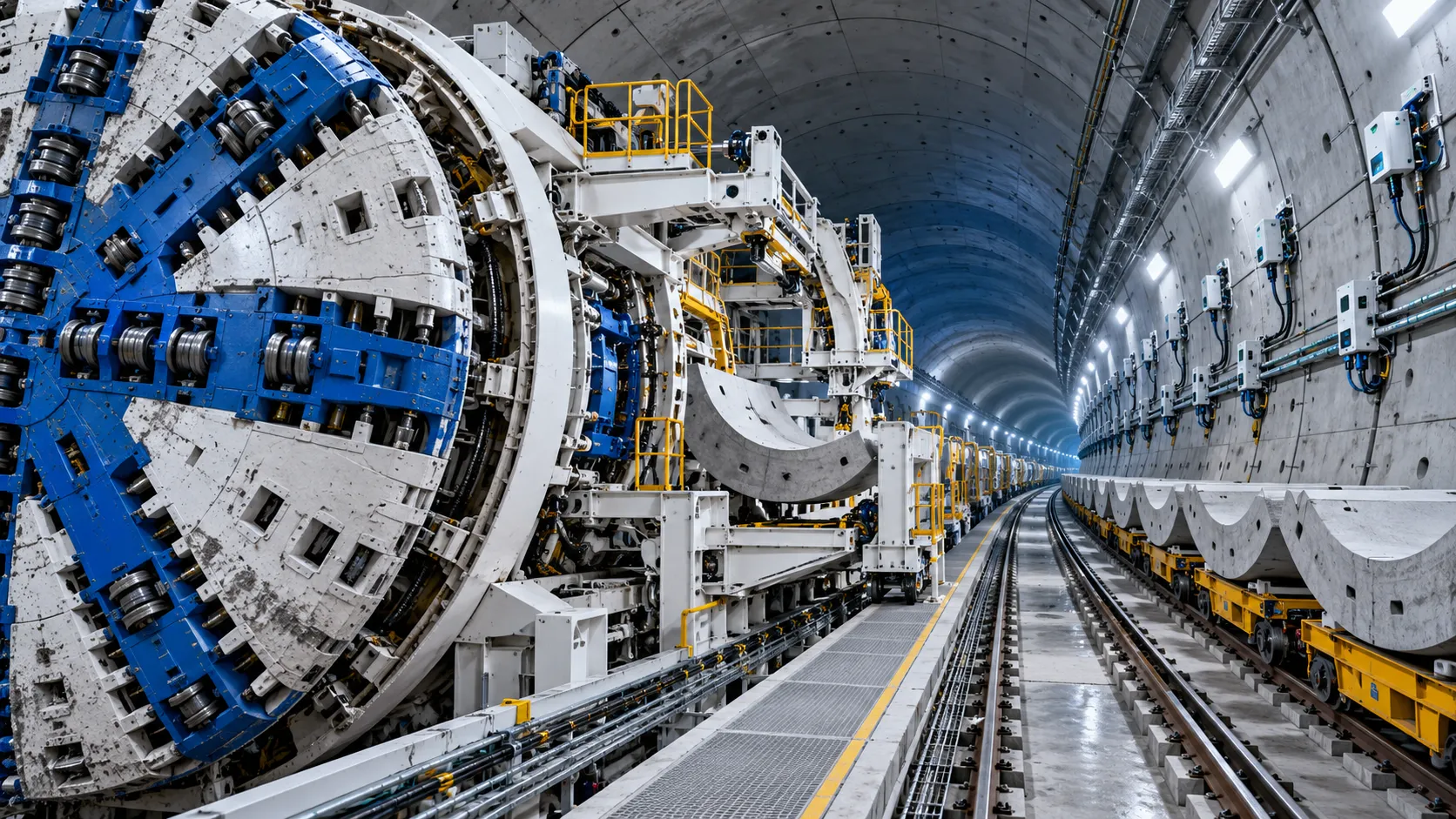
Tunnel Construction Innovations That Reduce Risk and Schedule Delays on Urban Projects
Tunnel construction innovation for urban projects: discover smarter TBMs, real-time monitoring, trenchless methods, and automation that reduce risk and protect schedules.
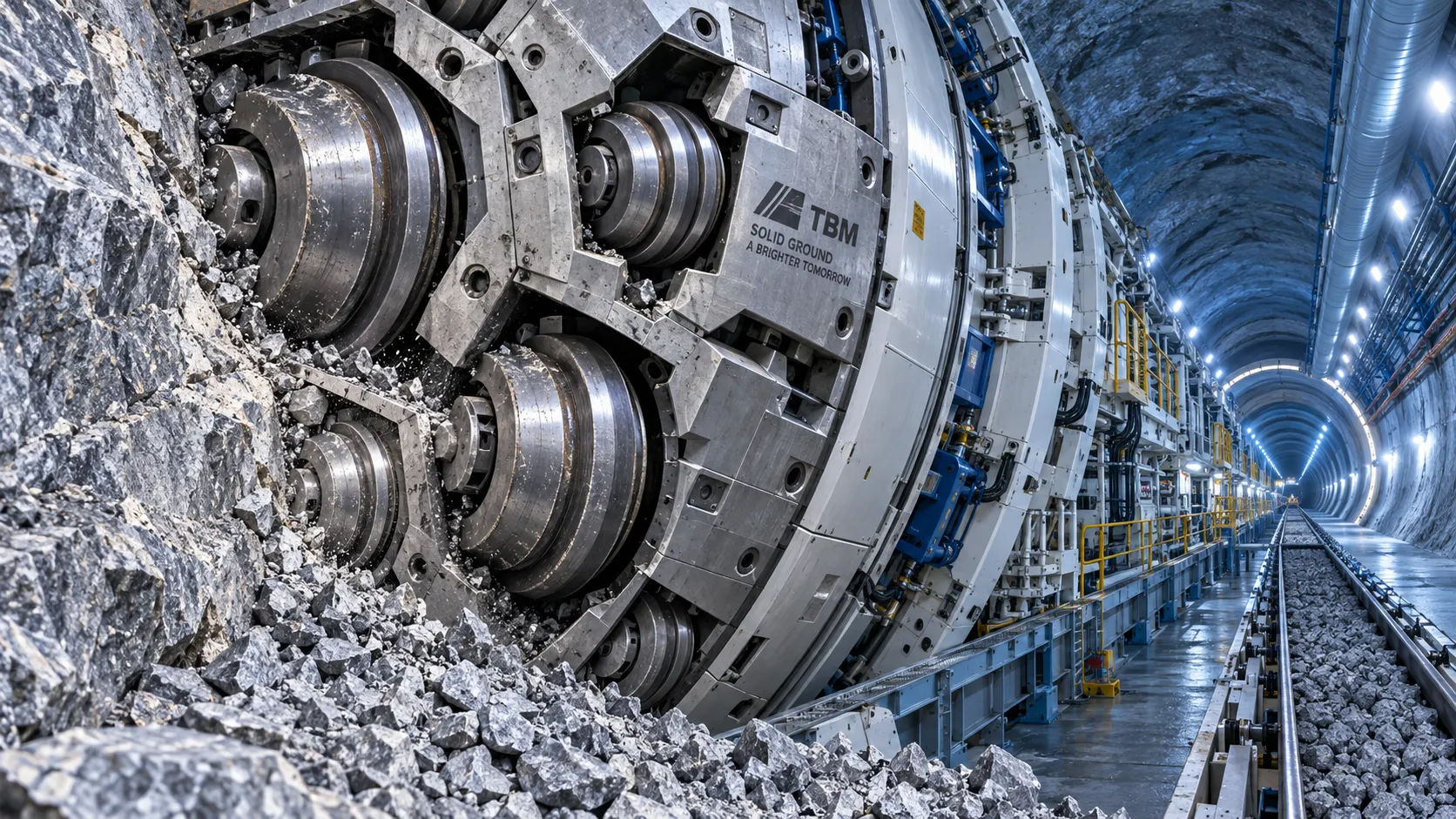
TBM Disc Cutter Design: Key Geometry and Load Factors for Hard Rock Tunnelling
TBM disc cutter design explained: explore geometry, spacing, load distribution and maintenance factors for reliable, efficient hard-rock tunnelling performance.
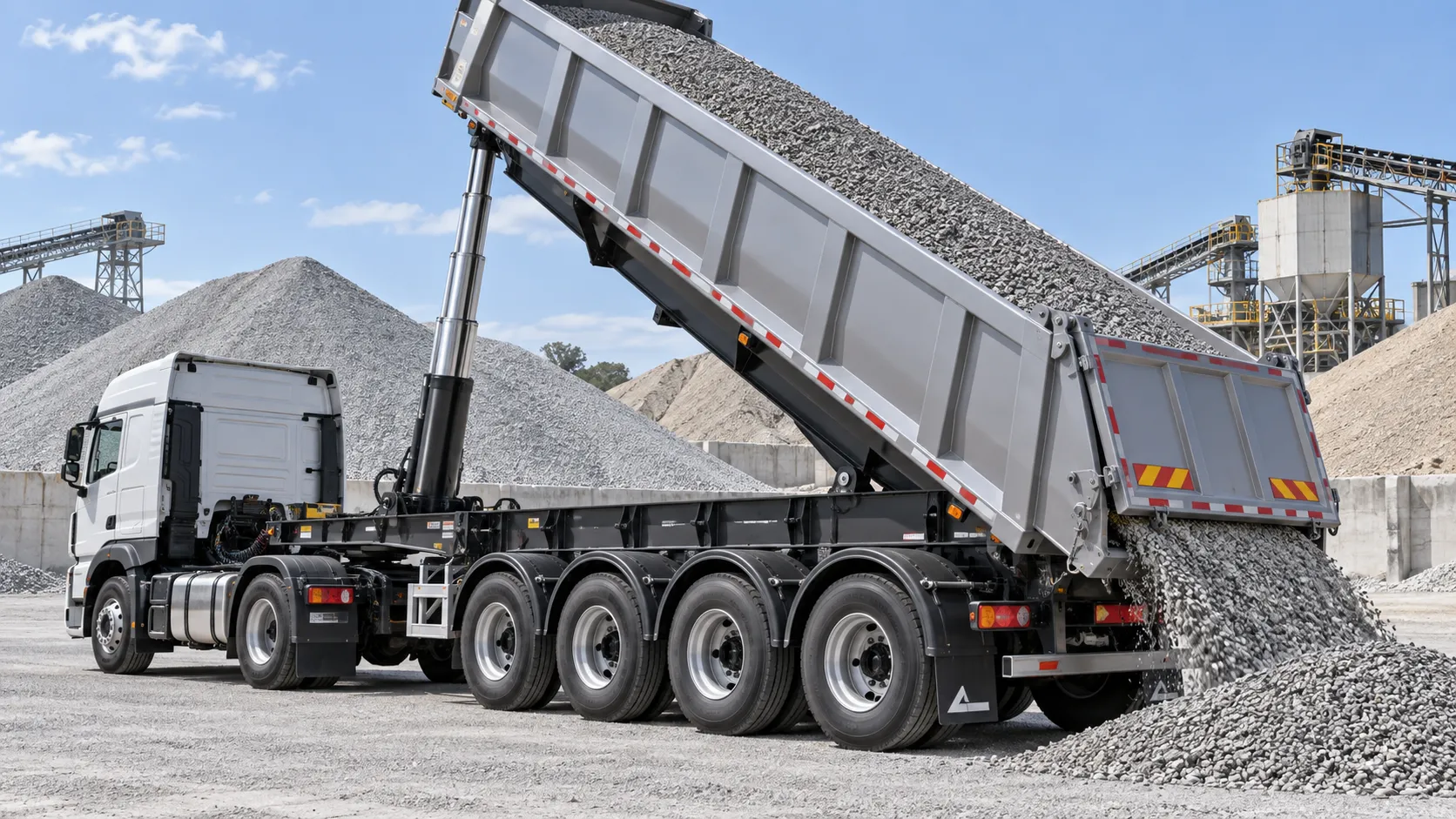
Hydraulic Tipping Stability Risks in Multi-Axle Dump Special Trailers
Dump special trailers: discover key hydraulic tipping stability risks, multi-axle load dynamics, and practical safety controls for safer, smarter bulk hauling.
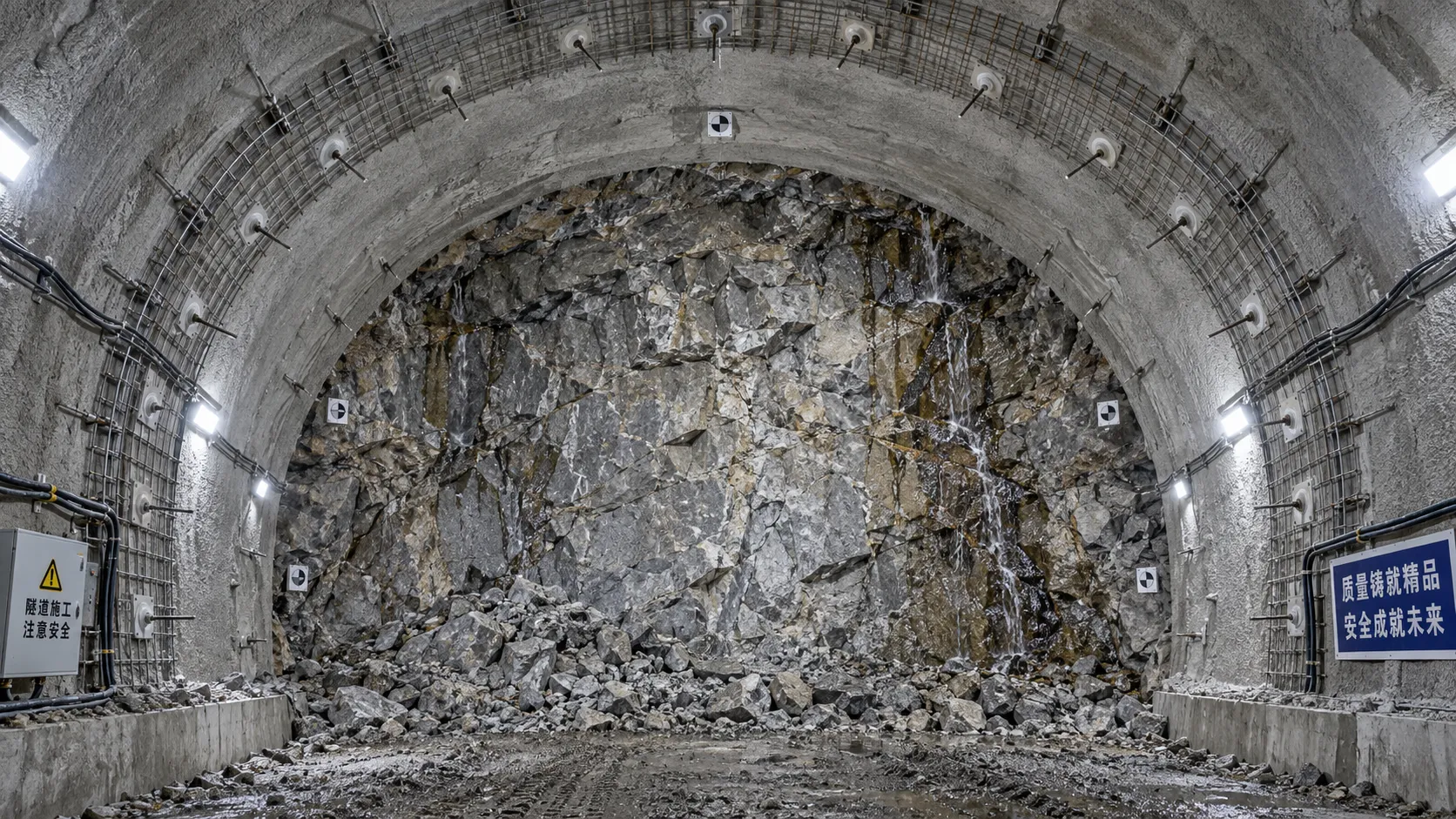
When rock reinforcement in tunnel construction must change after blasting
Rock reinforcement in tunnel construction must change when blasting reveals overbreak, weak joints, water inflow, or deformation. Discover key post-blast support decisions.
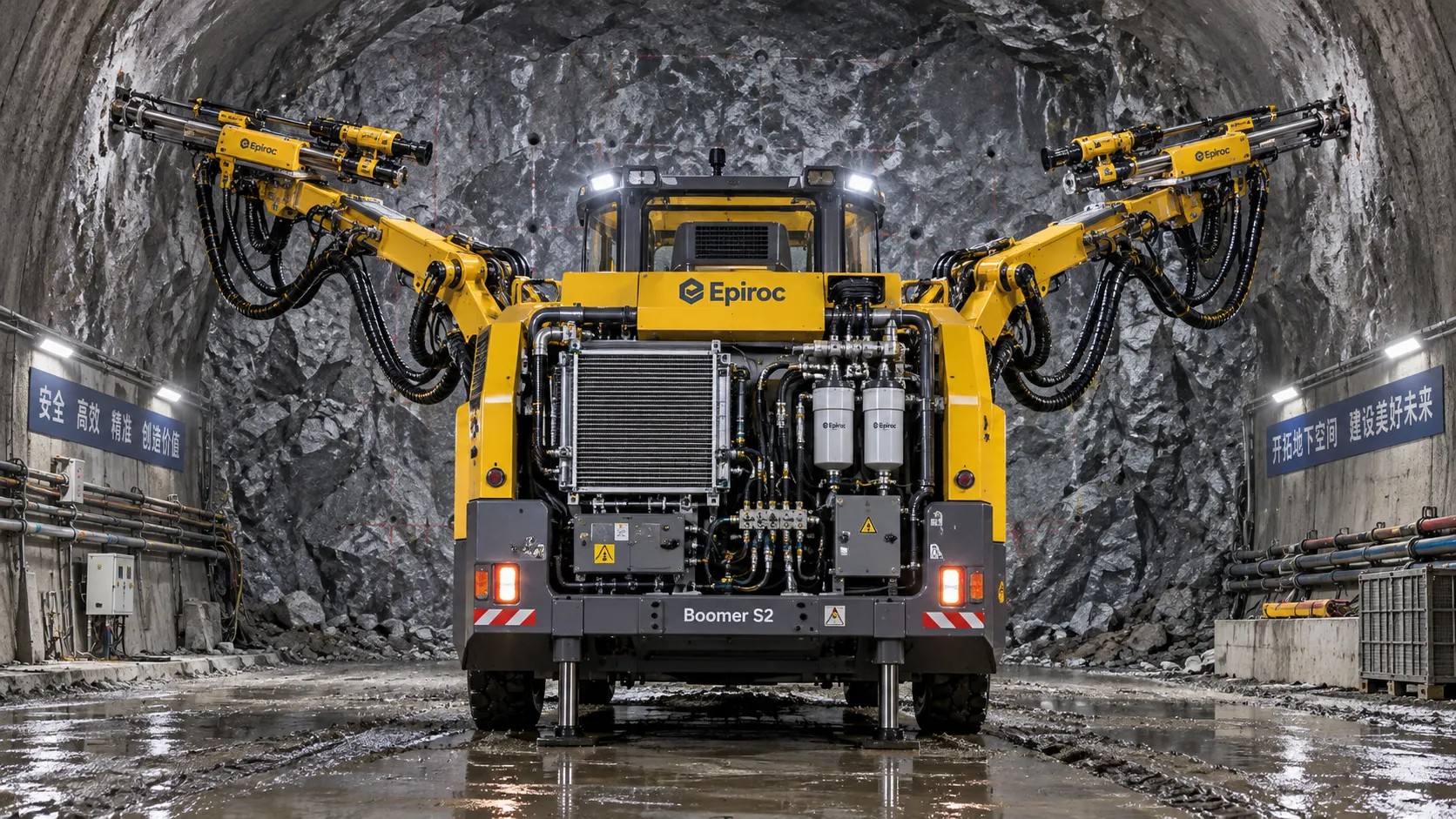
How tunnel hydraulic systems influence drill jumbo uptime underground
Tunnel hydraulic systems directly influence drill jumbo uptime. Explore how stable pressure, clean oil, cooling, and maintainable design reduce underground downtime.
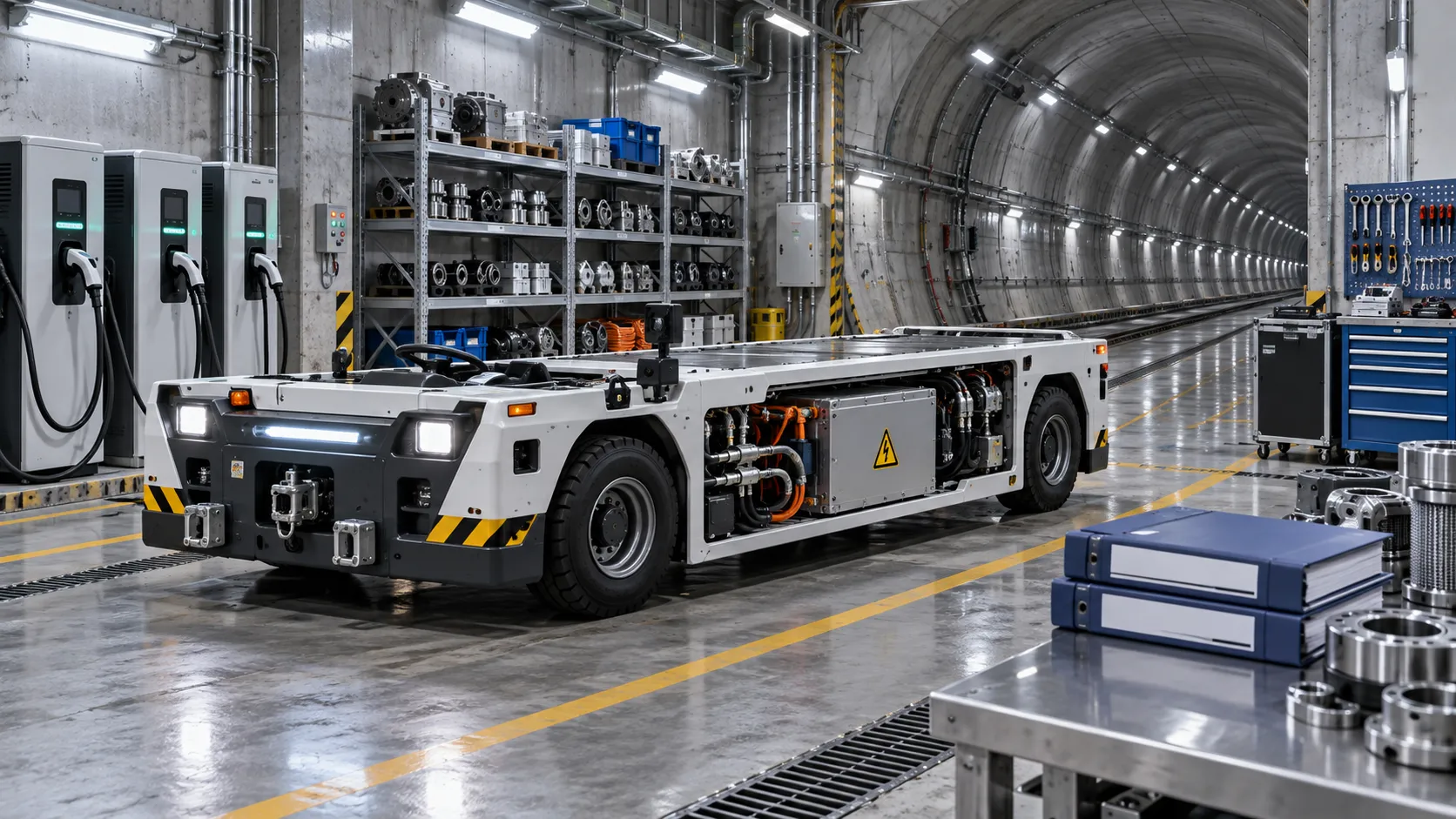
What to verify before appointing a tunneling vehicles manufacturer
Choosing a tunneling vehicles manufacturer? Verify application fit, reliability, compliance, parts support, training, and channel terms before appointing a partner.
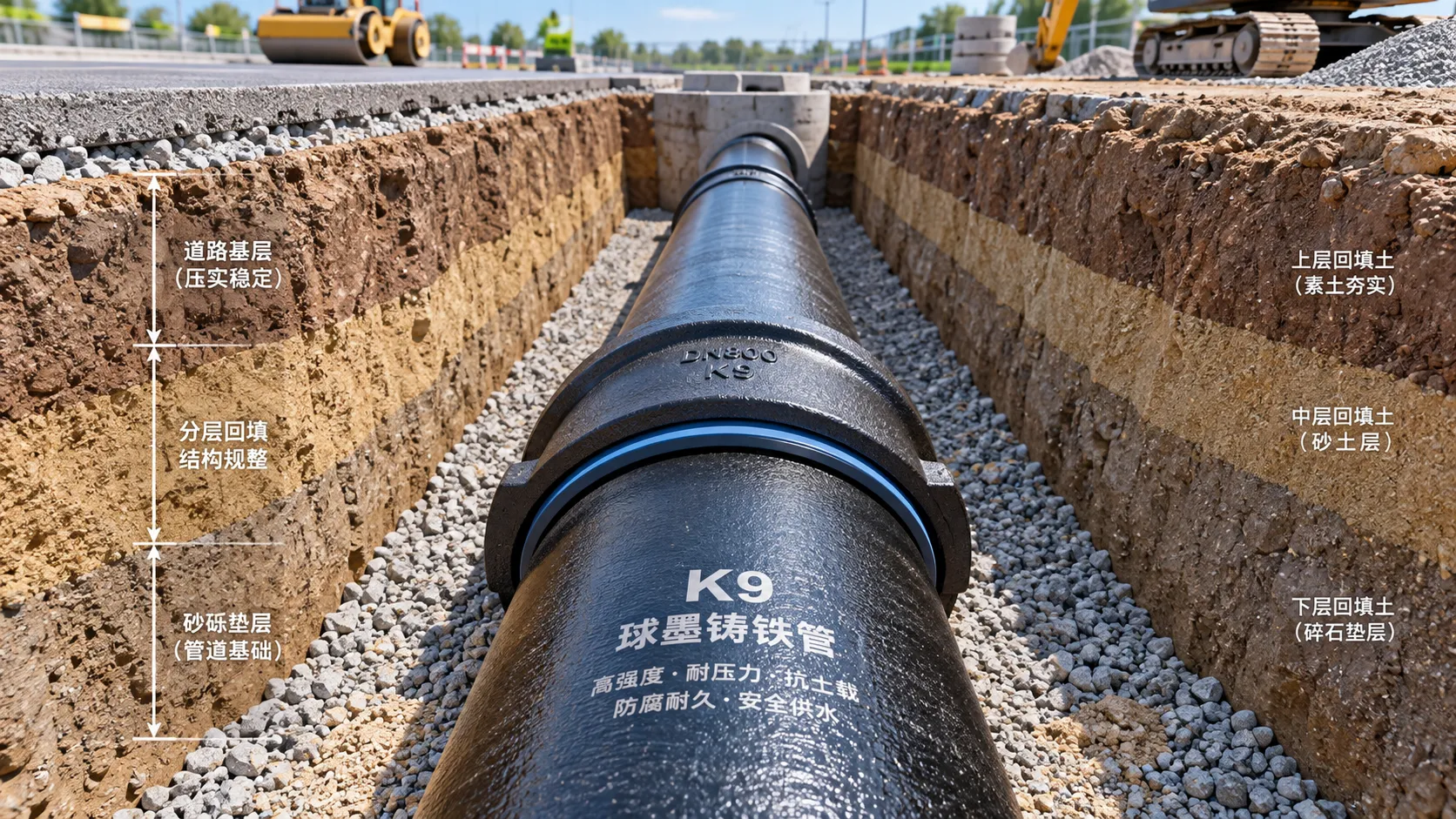
Selecting K9 Ductile Iron Pipe for Buried Water Pipeline Conditions
K9 ductile iron pipe selection for buried water pipelines: compare pressure duty, joints, soil loads, corrosion protection, and installation controls for reliable long-term performance.
Related News
- 00
0000-00
Tunnel Boring Machine Costs: Budgeting for Purchase, Operation, and Project Risk - 00
0000-00
Open-Pit Haulage Cost Analysis: How Mine Managers Can Cut Cost per Tonne - 00
0000-00
Tunnel Construction Innovations That Reduce Risk and Schedule Delays on Urban Projects - 00
0000-00
TBM Disc Cutter Design: Key Geometry and Load Factors for Hard Rock Tunnelling - 00
0000-00
Hydraulic Tipping Stability Risks in Multi-Axle Dump Special Trailers
Weekly Insights
Stay ahead with our curated technology reports delivered every Monday.