
Pipe Jacking Systems for Water Mains: Key Design Factors for Urban Utility Projects





Pipe Jacking Systems for Water Mains: Key Design Factors for Urban Utility Projects
In dense urban corridors, Pipe Jacking Systems for water mains have become a critical solution for delivering new utility capacity with minimal surface disruption.
For urban utility teams, the appeal is clear.
Road closures stay limited, traffic impacts remain manageable, and nearby businesses face fewer interruptions.
But successful Pipe Jacking Systems for water mains are never defined by equipment choice alone.
Performance depends on how early the design team resolves geotechnical risk, shaft layout, hydraulic needs, pipe loading, and construction constraints.
That early coordination usually decides whether the project stays predictable or turns reactive underground.
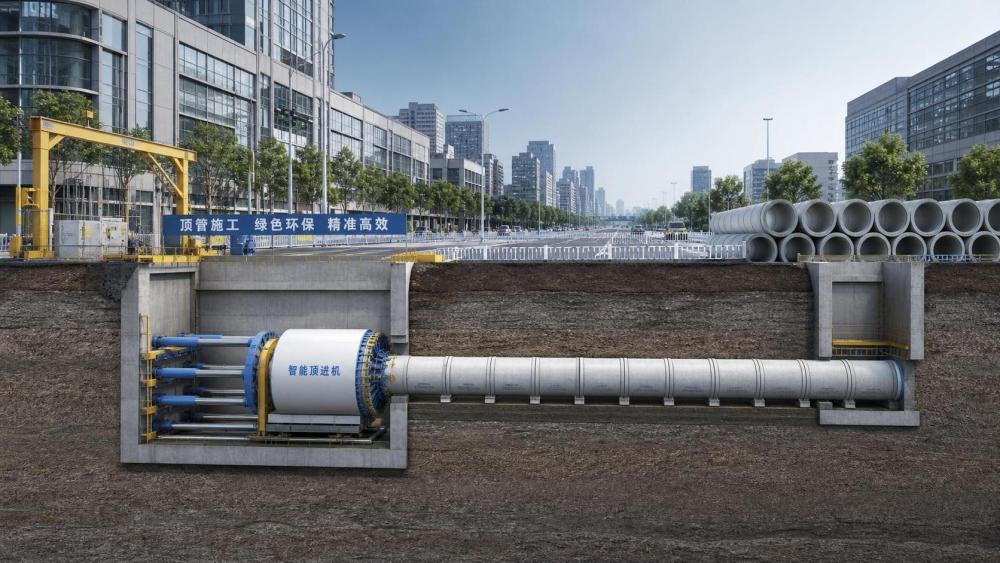
From recent project trends, a stronger signal is emerging.
Owners now expect trenchless delivery to reduce disruption while still meeting tighter schedule, resilience, and cost controls.
That raises the standard for Pipe Jacking Systems for water mains across planning, procurement, and site execution.
Why Pipe Jacking Systems for Water Mains Fit Urban Utility Constraints
Open-cut installation still works in some corridors, but dense cities often remove that option.
Existing utilities, restricted access, heritage zones, rail crossings, and community sensitivity quickly narrow the workable footprint.
Pipe Jacking Systems for water mains help solve that by moving the main works below the surface.
The method supports new transmission mains, distribution upgrades, river crossings, and difficult urban tie-ins.
It also aligns well with phased utility programs, where sections must connect into live networks with limited shutdown windows.
In practice, the real benefit is control.
A well-designed system gives better control over settlement, alignment, spoil handling, and public interface risks.
Ground Conditions Drive Nearly Every Design Decision
The first design factor is always subsurface reality.
Pipe Jacking Systems for water mains behave very differently in soft clay, mixed face ground, dense sand, weathered rock, or high groundwater zones.
A generic geotechnical profile is not enough for urban work.
Boreholes, lab testing, groundwater data, and obstruction mapping should be tied directly to the proposed drive alignment.
This matters because jacking force, lubrication strategy, cutterhead selection, and spoil transport all depend on ground response.
Where mixed conditions are expected, contingency planning should be built into the base design, not left to field improvisation.
A practical review should cover:
- soil and rock variability across the full drive length
- groundwater pressure and inflow risk
- boulders, old foundations, and buried obstructions
- settlement sensitivity near roads, buildings, and rail assets
- abrasion potential affecting tools and wear parts
Better ground intelligence usually leads to fewer claims, fewer stoppages, and more reliable production forecasts.
Alignment, Depth, and Curvature Must Match Utility Reality
Alignment design often looks straightforward on paper.
In cities, it rarely is.
Pipe Jacking Systems for water mains must pass between existing utilities, beneath structures, and through corridors with very little tolerance.
This means vertical and horizontal geometry should be reviewed with both construction and long-term operation in mind.
Depth affects shaft cost, dewatering risk, and access for connection works.
Curvature affects steering difficulty, pipe stress, and jacking loads.
Longer straight drives may reduce shaft count, but they can also increase friction and operational exposure.
The best option is usually the one that balances installability with future network performance.
This also means surveying and utility mapping must be verified, not simply inherited from legacy records.
Shaft Design Can Decide Whether the Program Flows Smoothly
Launch and reception shafts are sometimes treated as enabling works.
In reality, they are core project assets.
For Pipe Jacking Systems for water mains, shaft geometry, support method, and site logistics shape the whole production sequence.
A cramped shaft can restrict equipment handling, slurry management, segment staging, and emergency access.
An overdesigned shaft can also inflate cost without improving delivery.
The design review should confirm:
- adequate space for jacking frame, pipe handling, and spoil removal
- safe groundwater control and structural support
- traffic interface, crane access, and haul routes
- clear separation between tunnelling operations and live utility assets
- efficient access for final water main tie-ins and testing
Where site footprints are tight, early logistics simulations can prevent costly redesign later.
Pipe Loads, Joint Performance, and Jacking Forces Need Real Attention
A water main installed by jacking faces a different load path than a conventionally buried pipe.
That is why structural checks must go beyond standard internal pressure design.
Pipe Jacking Systems for water mains require careful assessment of axial jacking load, temporary construction stress, joint compression, and final service conditions.
Material selection should reflect both installation demands and operating life.
Common considerations include reinforced concrete jacking pipes, steel casings, ductile iron carrier pipes, and lined or sleeved arrangements.
Lubrication design is equally important.
Without effective lubrication, friction rises, jacking loads increase, and the risk of stoppage grows fast.
Where long drives are planned, intermediate jacking stations may also become necessary.
This is one area where conservative assumptions are usually cheaper than recovery work.
Risk Control, Monitoring, and Stakeholder Coordination
Urban trenchless work succeeds when technical design and project controls move together.
Pipe Jacking Systems for water mains should be supported by a monitoring plan tied to known risks.
That includes settlement points, groundwater observation, jacking force trends, face pressure records, and utility protection measures.
The goal is early signal detection, not paperwork.
A small shift in force or lubrication response can warn of obstruction, alignment drift, or unstable ground before damage occurs.
Coordination outside the shaft matters too.
Permits, railway interfaces, environmental controls, utility owners, and public communication plans should be aligned well before launch.
When they are not, even technically sound Pipe Jacking Systems for water mains can lose time for nontechnical reasons.
A Practical Design Review Framework Before Procurement
Before locking in procurement, a short design review framework can sharpen decision quality.
- Confirm whether the selected alignment reflects verified utility and survey data.
- Check that geotechnical data density matches the risk profile of the drive.
- Validate shaft sizing against actual plant, access, and lifting requirements.
- Review pipe class, joints, lubrication, and jacking force calculations together.
- Test contingency plans for obstructions, inflows, settlement, and interface delays.
- Align monitoring thresholds with action plans and reporting ownership.
This kind of review helps teams compare bids on delivery realism, not only capital price.
That is often where the best project value becomes visible.
Conclusion
Pipe Jacking Systems for water mains are now a practical answer to urban capacity upgrades where surface disruption must stay low.
The strongest outcomes usually come from disciplined early design rather than late construction recovery.
Ground conditions, alignment, shaft planning, pipe loads, and monitoring are the design factors that most directly shape delivery risk.
For teams evaluating Pipe Jacking Systems for water mains, the next step is simple.
Run a design review early, connect trenchless assumptions to utility operations, and test every major risk before procurement starts.
That approach gives urban utility projects a better chance of staying safe, efficient, and predictable from shaft launch to final commissioning.
Related News
How to Evaluate European Drill-and-Blast Tunnelling Contractors for Complex Projects
Drill and blast tunnelling contractors Europe: learn how to assess geology expertise, blast control, equipment reliability, safety, and programme resilience for complex projects.
Which Trenchless Construction Technique Fits Your Utility Crossing Conditions?
Trenchless construction techniques compared for utility crossings: choose HDD, microtunnelling, pipe jacking, or auger boring based on ground, accuracy, access, and risk.
What Is Driving Metro Tunnelling Demand Across Southeast Asia’s Major Cities?
Metro tunnelling Southeast Asia is accelerating as major cities tackle congestion, flooding, and connectivity. Explore the market forces, technical risks, and opportunities shaping demand.
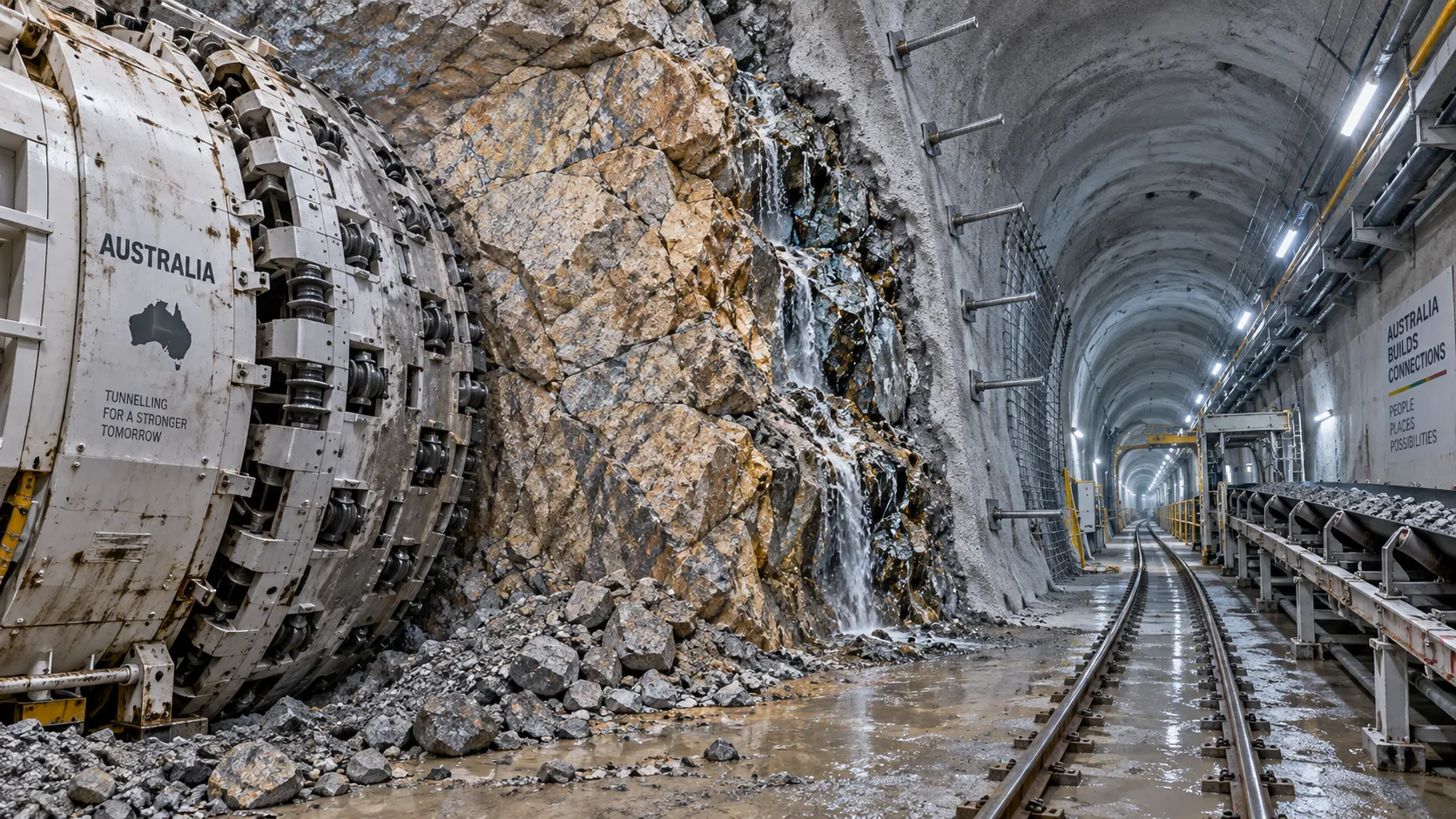
Hard Rock Tunnelling in Australia: Selecting Methods for Variable Ground Conditions
Hard rock tunnelling in Australia: compare TBM, drill-and-blast and hybrid methods to manage variable ground, reduce risk and protect project costs.
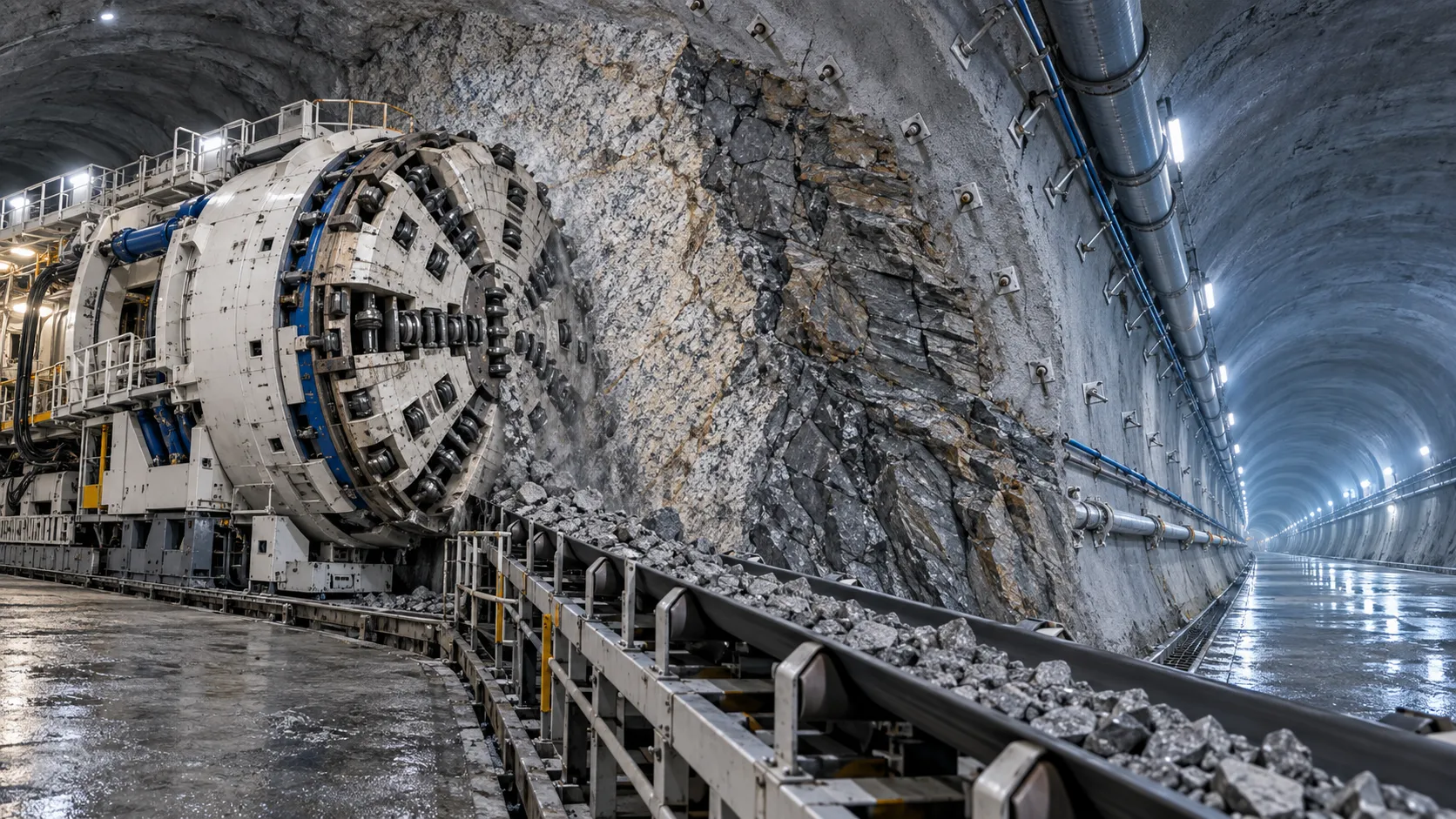
Hydropower Tunnel Excavation: Selecting Methods for Variable Rock Conditions
Hydropower tunnel excavation methods for variable rock conditions: compare TBM, drill-and-blast, and hybrid strategies to improve safety, progress, and project control.
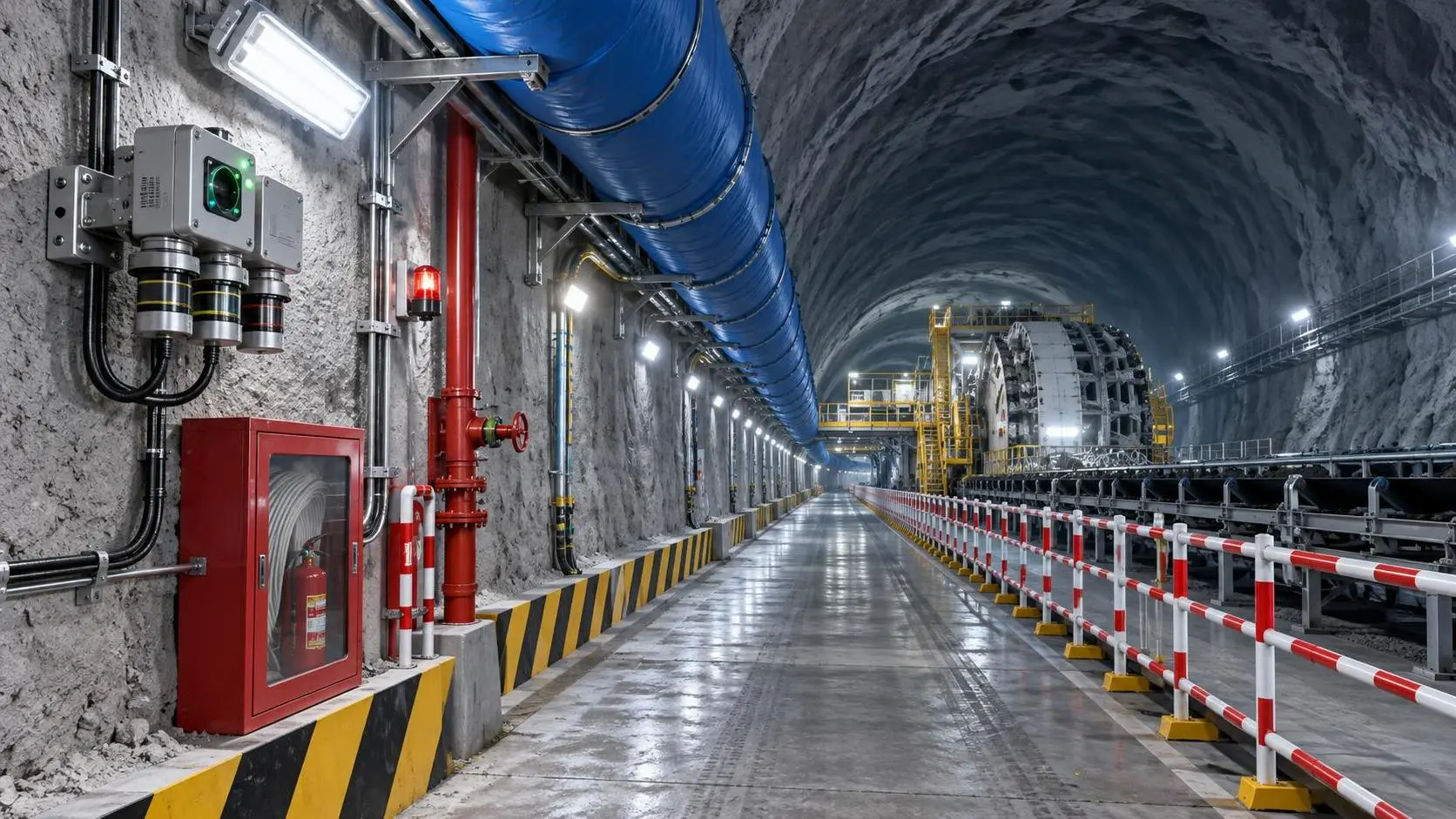
How to Select Underground Safety Equipment for Tunnelling by Hazard and Work Zone
Underground Safety Equipment for tunnelling: match protection to hazards, work zones, compliance, and emergency needs with this practical selection guide.
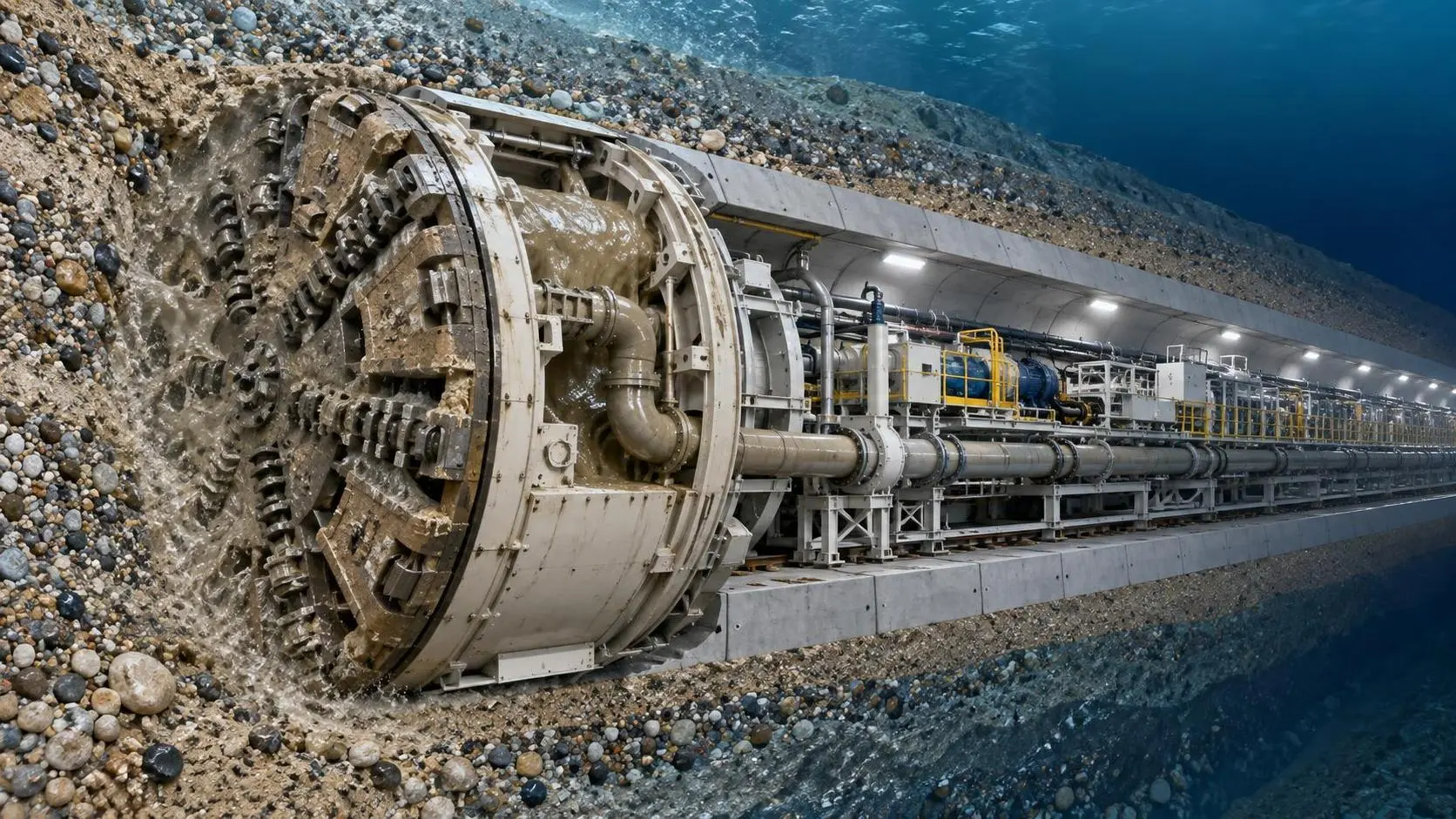
EPB or Slurry Shield? Selecting Soft-Ground Tunnelling Equipment by Soil Conditions
Tunnel Excavation Equipment for soft ground: compare EPB and slurry shields by soil, groundwater, settlement risk, and project logistics to choose confidently.
How to Specify TBM Backup System Parts for Reliable Long-Distance Tunnelling
TBM backup system parts: learn how to specify reliable spares for long-distance tunnelling, reduce downtime, ensure compatibility, and speed underground recovery.
How to Size Open Pit Mining Trucks for Haul Distance, Grade, and Payload?
Open Pit Mining Trucks: learn how to match payload, haul distance, grade, road resistance, and loading capacity for safer, lower-cost mine operations.
Related News
- 00
0000-00
How to Evaluate European Drill-and-Blast Tunnelling Contractors for Complex Projects - 00
0000-00
Which Trenchless Construction Technique Fits Your Utility Crossing Conditions? - 00
0000-00
What Is Driving Metro Tunnelling Demand Across Southeast Asia’s Major Cities? - 00
0000-00
Hard Rock Tunnelling in Australia: Selecting Methods for Variable Ground Conditions - 00
0000-00
Hydropower Tunnel Excavation: Selecting Methods for Variable Rock Conditions
Weekly Insights
Stay ahead with our curated technology reports delivered every Monday.