
Hamburg Opens Cold-Chain Route for TBM Exports





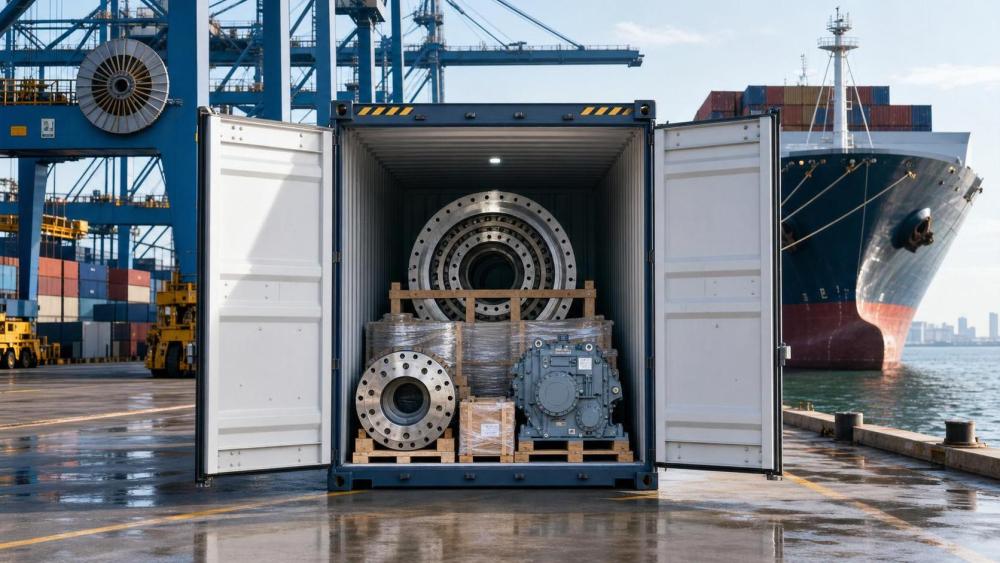
On July 11, 2026, a new logistics arrangement at the Port of Hamburg introduced a dedicated temperature- and humidity-controlled container route for key TBM components, including main bearings, cutterhead flanges, and high-precision gearboxes. For TBM manufacturers, European buyers, and supply-chain service providers, this is worth watching as a practical change in delivery conditions rather than a routine shipping update: it directly affects how sensitive components are transported, how delivery schedules are planned, and how procurement and export execution may be adjusted when corrosion risk during sea transport becomes a more explicit operational consideration.
A logistics rule change with defined operating conditions
According to the provided information, the Hamburg Port Authority and DB Schenker launched the world’s first dedicated cold-chain container channel for TBM main bearings, cutterhead flanges, and high-precision gearboxes on July 11, 2026. The route supports an adjustable environment from -20°C to +15°C. The stated purpose is to reduce corrosion affecting precision components during sea transport when temperature and humidity fluctuate. Leading Chinese TBM manufacturers have already connected to this channel, and the first batch of orders reduced delivery time from 14 weeks to 8 weeks.
Where the immediate pressure points may shift
Export execution moves closer to condition-controlled delivery
From an industry perspective, exporters of Hard Rock TBMs and related precision assemblies may be affected first because the change is tied to the transport environment of specific components. The practical impact is likely to appear in shipment planning, packaging alignment, handover timing, and the way delivery commitments are discussed with overseas customers. What deserves closer attention is whether contract documents, shipping specifications, and technical delivery records start reflecting controlled transport conditions more explicitly.
Procurement teams may reassess lead-time assumptions
For buyers and procurement teams, the reported reduction from 14 weeks to 8 weeks changes the timing logic around order placement and delivery coordination. Analysis shows this does not automatically create a universal new market standard, but it can influence how purchasers compare suppliers, evaluate delivery reliability, and set internal expectations for sensitive TBM component imports. Procurement teams should pay attention to whether transport-condition requirements become part of RFQs, bid documents, or acceptance-related documentation.
Supply-chain service providers face stricter handling expectations
For logistics and supply-chain service providers, the change may raise the importance of verifiable handling conditions for a narrow but high-value category of industrial cargo. The operational effect is likely to center on container allocation, route selection, cargo handoff records, and any documents used to show that the required temperature and humidity range was maintained during transit. Even where no new formal compliance text has been provided, execution discipline may become more visible in customer audits and delivery reviews.
After-sales and quality traceability may gain weight
For service teams handling installation support, claims, or quality follow-up, reduced corrosion risk during ocean transport can affect how root causes are discussed when precision parts arrive in compromised condition. Observably, this may increase attention on shipment records, condition logs, and traceability materials linked to export delivery. Companies involved in warranty support or dispute handling should watch whether customers begin to expect more complete transport-condition evidence alongside technical product documentation.
What companies should monitor now
Check whether technical and trade documents need revision
Companies shipping eligible TBM components should review whether current packing lists, technical specifications, shipping instructions, and delivery files are sufficient for a route built around controlled environmental conditions. The provided information does not define new mandatory document formats, so this remains a monitoring point rather than a confirmed documentation rule.
Review delivery planning against the shorter cycle
The first reported orders moved from a 14-week to an 8-week delivery cycle. Analysis shows companies should treat this as a concrete execution signal, but not as a universal baseline for every shipment. Sales, procurement, and project teams should therefore reassess lead-time assumptions carefully and avoid locking future commitments to a single early outcome without further confirmation.
Watch supplier qualification and service scope
Manufacturers and buyers should pay attention to which suppliers and logistics partners can actually support this channel in practice. What deserves closer attention is not only access to the route itself, but also whether service providers can document environmental control, cargo handling continuity, and delivery traceability in a way that aligns with customer expectations and tender requirements.
Prepare for changes in bid and acceptance language
Where TBM projects involve formal tendering or technical acceptance, companies should monitor whether controlled transport conditions begin to appear in bid specifications, delivery clauses, or acceptance review materials. The input does not confirm that such wording changes have already occurred, so this should be understood as a near-term compliance and commercial watchpoint rather than an established rule.
Why this looks like an execution signal, not a fully settled standard
Analysis shows this development is best understood as an operational rule change at the logistics and delivery level: a dedicated controlled corridor has been opened and at least some manufacturers have already connected to it. At the same time, the available facts do not show a broader regulatory text, industry-wide certification requirement, or mandatory trade rule applying across all TBM shipments. It is more appropriate to understand this as a live execution signal with commercial and compliance implications that may influence contracts, procurement behavior, and service expectations if market adoption widens.
How the market should read the development for now
At this stage, the significance of the Hamburg channel lies in making transport conditions for sensitive TBM components more explicit within export delivery practice. The confirmed facts point to lower corrosion exposure and a shorter initial delivery cycle, but they do not yet prove a universal shift across all suppliers or routes. A neutral reading is that the market is seeing a concrete logistics adjustment with immediate relevance for exporters, buyers, and service providers, while the broader rule impact still depends on how procurement documents, execution standards, and customer requirements evolve.
Basis of this article and what still needs verification
This article is based on the user-provided news title, event date, and event summary. For developments of this type, commonly relevant source categories may include official port announcements, logistics provider releases, regulator or trade authority notices, industry association updates, standard-setting documents, and reporting by established sector media. No specific official source link was provided in the input, so the underlying official publication path still requires follow-up verification. Further observation is also needed on any later execution guidance, documentation requirements, tender wording changes, market feedback, and the extent of actual enterprise adoption.
Related News

How to Evaluate European Drill-and-Blast Tunnelling Contractors for Complex Projects
Drill and blast tunnelling contractors Europe: learn how to assess geology expertise, blast control, equipment reliability, safety, and programme resilience for complex projects.

Which Trenchless Construction Technique Fits Your Utility Crossing Conditions?
Trenchless construction techniques compared for utility crossings: choose HDD, microtunnelling, pipe jacking, or auger boring based on ground, accuracy, access, and risk.

What Is Driving Metro Tunnelling Demand Across Southeast Asia’s Major Cities?
Metro tunnelling Southeast Asia is accelerating as major cities tackle congestion, flooding, and connectivity. Explore the market forces, technical risks, and opportunities shaping demand.

Hard Rock Tunnelling in Australia: Selecting Methods for Variable Ground Conditions
Hard rock tunnelling in Australia: compare TBM, drill-and-blast and hybrid methods to manage variable ground, reduce risk and protect project costs.

Hydropower Tunnel Excavation: Selecting Methods for Variable Rock Conditions
Hydropower tunnel excavation methods for variable rock conditions: compare TBM, drill-and-blast, and hybrid strategies to improve safety, progress, and project control.

How to Select Underground Safety Equipment for Tunnelling by Hazard and Work Zone
Underground Safety Equipment for tunnelling: match protection to hazards, work zones, compliance, and emergency needs with this practical selection guide.

EPB or Slurry Shield? Selecting Soft-Ground Tunnelling Equipment by Soil Conditions
Tunnel Excavation Equipment for soft ground: compare EPB and slurry shields by soil, groundwater, settlement risk, and project logistics to choose confidently.
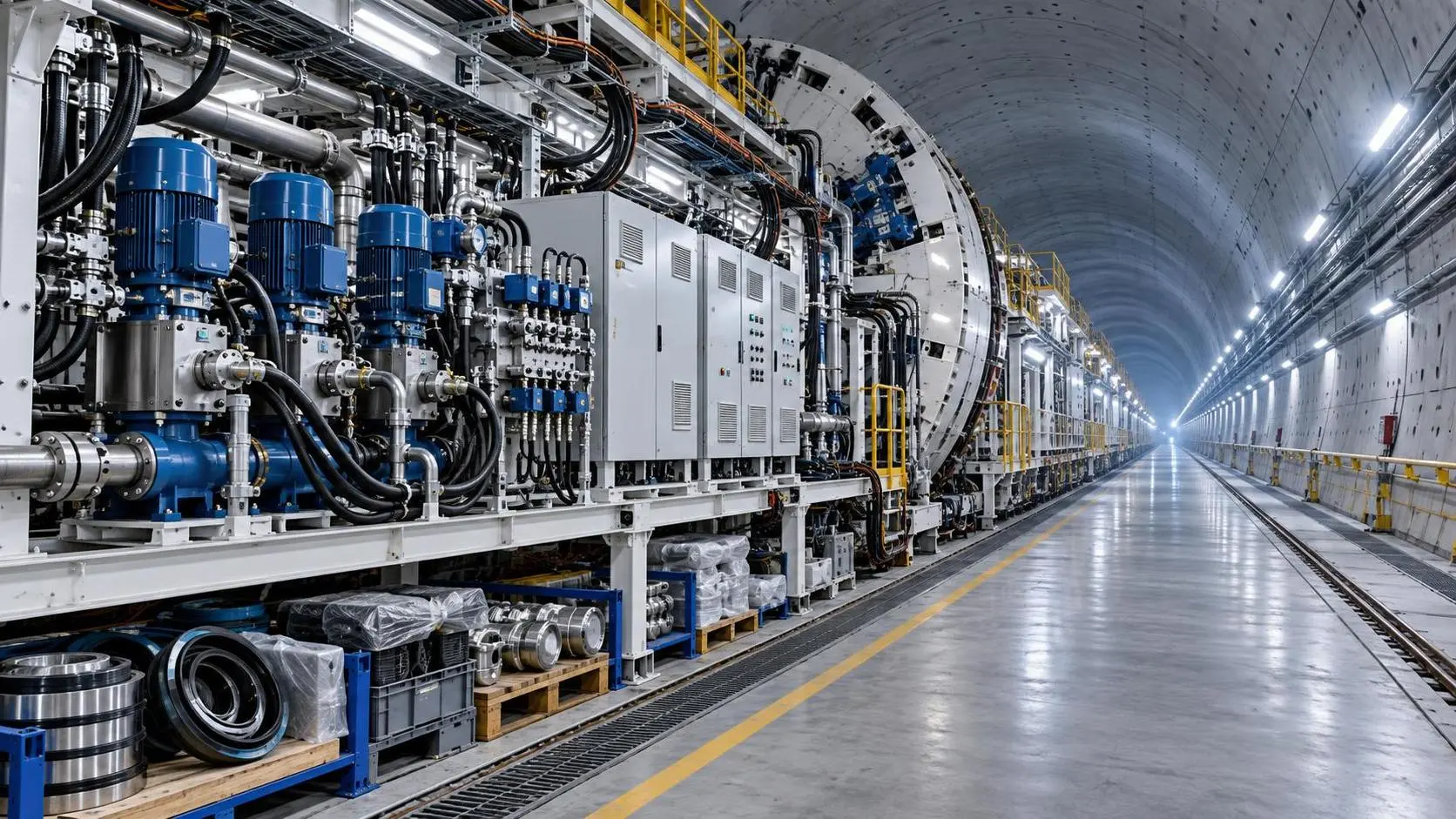
How to Specify TBM Backup System Parts for Reliable Long-Distance Tunnelling
TBM backup system parts: learn how to specify reliable spares for long-distance tunnelling, reduce downtime, ensure compatibility, and speed underground recovery.

How to Size Open Pit Mining Trucks for Haul Distance, Grade, and Payload?
Open Pit Mining Trucks: learn how to match payload, haul distance, grade, road resistance, and loading capacity for safer, lower-cost mine operations.
Related News
- 00
0000-00
How to Evaluate European Drill-and-Blast Tunnelling Contractors for Complex Projects - 00
0000-00
Which Trenchless Construction Technique Fits Your Utility Crossing Conditions? - 00
0000-00
What Is Driving Metro Tunnelling Demand Across Southeast Asia’s Major Cities? - 00
0000-00
Hard Rock Tunnelling in Australia: Selecting Methods for Variable Ground Conditions - 00
0000-00
Hydropower Tunnel Excavation: Selecting Methods for Variable Rock Conditions
Weekly Insights
Stay ahead with our curated technology reports delivered every Monday.