
Underground Tunnelling Equipment Europe: Market Shifts, Supplier Options, and Cost Drivers





Europe’s underground equipment market is shifting from volume to value
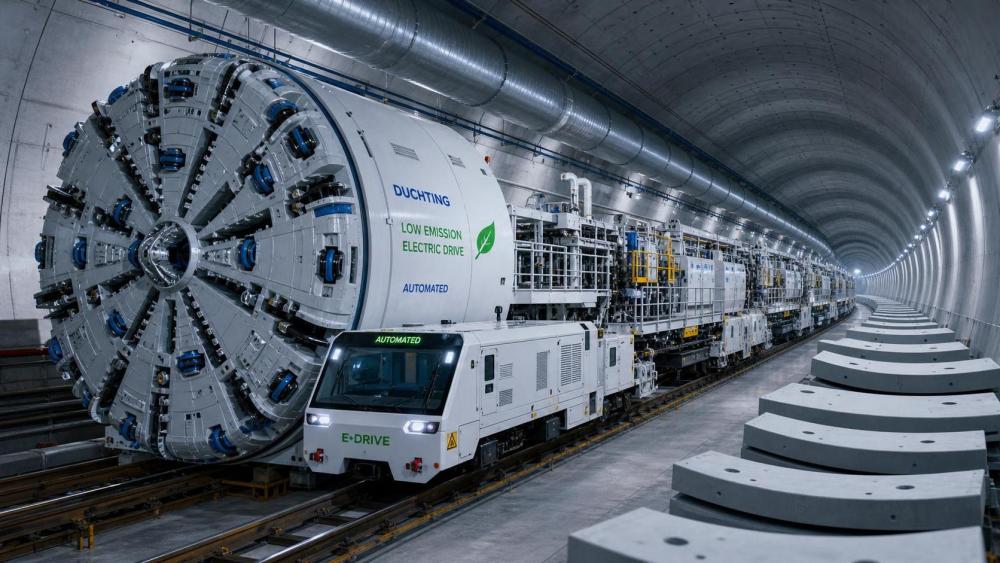
The underground tunnelling equipment Europe market is no longer defined by fleet size alone.
A clearer divide is emerging between equipment that simply completes excavation and equipment that protects margins over long project cycles.
This shift is visible across metro extensions, utility tunnels, water transfer schemes, and mine access development.
Demand is moving toward cleaner operation, tighter data control, lower intervention risk, and stronger lifecycle predictability.
That matters because underground tunnelling equipment Europe decisions now sit at the intersection of regulation, financing, energy exposure, and delivery pressure.
In practice, buyers are comparing suppliers less on headline power and more on uptime logic, service reach, automation depth, and consumable economics.
The broader underground ecosystem also shapes this reset.
UTMD’s intelligence focus on TBMs, pipe jacking systems, drilling jumbos, electric haulage, and underground loaders reflects how connected these decisions have become.
A tunnel machine is no longer assessed in isolation from ventilation demand, digital diagnostics, cutter wear behavior, and downstream transport efficiency.
Why the recent change has become harder to ignore
Several market signals are converging at the same time.
Public infrastructure owners across Europe are under pressure to deliver resilient assets with lower emissions and stricter reporting discipline.
Mining expansion linked to copper, lithium, and energy transition metals is also changing equipment expectations underground.
More projects now evaluate machine performance through carbon impact, ventilation burden, operator exposure, and digital traceability.
For the underground tunnelling equipment Europe market, this means conventional diesel-centered logic is losing ground, especially in confined sites.
Another signal is supply-chain caution.
After years of component volatility, project teams are asking harder questions about spare part localization, lead times, and software dependency.
This has raised the importance of suppliers that can support Europe-based service windows, not just shipment schedules.
The strongest demand drivers now visible
- Urban tunnelling requires lower noise, tighter settlement control, and fewer shutdowns caused by unplanned maintenance.
- Hard-rock projects need better cutter life prediction and more stable penetration rates in mixed geology.
- Underground mining expansion is favoring electrified support fleets to reduce heat, fumes, and ventilation cost.
- Financiers increasingly prefer equipment packages with measurable efficiency and compliance data.
- Labor constraints are accelerating interest in semi-autonomous functions and remote diagnostics.
Supplier positioning is widening, not narrowing
The underground tunnelling equipment Europe landscape is becoming more stratified.
Established OEMs still hold an advantage in complex TBM systems, integrated control architecture, and warranty confidence.
Yet regional specialists and component-focused suppliers are gaining relevance in retrofit, trenchless upgrades, and service-intensive niches.
That trend is especially visible where projects value flexibility more than standard catalog scale.
A useful way to read supplier options is by operational fit rather than brand visibility.
This supplier spread means underground tunnelling equipment Europe comparisons should include ecosystem depth, not just machine specification sheets.
Cost drivers are moving beyond purchase price
The most significant cost change is the rise of hidden operating penalties.
Machines with lower entry pricing can become expensive when cutter consumption spikes, software access is restricted, or downtime requires offshore intervention.
In the underground tunnelling equipment Europe market, total cost now depends on how equipment behaves inside difficult geology and strict site rules.
UTMD’s technical lens is relevant here.
Disc cutter friction and wear in hard rock, SLAM-enabled navigation for underground loaders, and regenerative braking gains in electric mining trucks all affect real project economics.
The cost model is becoming more multidisciplinary.
The expenses that most often change the business case
- Consumables: disc cutters, drill steels, hoses, sealing systems, and wear protection materials.
- Energy: electricity demand, ventilation load, and charging or battery-swap infrastructure.
- Availability: delays caused by specialist technician access or low spare part stock.
- Integration: interfaces between machine controls, site data systems, and remote monitoring tools.
- Compliance: emissions, safety documentation, cyber requirements, and reporting obligations.
Projects that model these items early tend to see fewer surprises after mobilization.
The impact is spreading across more than one application
It would be a mistake to treat underground tunnelling equipment Europe as a single-use market.
Urban utility tunnelling, rail corridors, water infrastructure, mine development, and underground logistics all react differently to the same technology shift.
In cities, compact footprint, noise control, and predictable maintenance windows often dominate selection logic.
In hard-rock or mining-linked settings, durability, penetration stability, and haulage coordination matter more.
More noticeably, electrification in support fleets is starting to influence tunnelling system decisions upstream.
When underground loaders or haulage units reduce fumes and heat, ventilation planning changes, and that can reshape equipment layout assumptions elsewhere underground.
This is why integrated intelligence platforms are becoming more useful than isolated market snapshots.
A portal like UTMD adds value by connecting tunnelling machinery, trenchless engineering, and smart underground transport into one operating picture.
What deserves closer attention in the next evaluation cycle
The next phase of underground tunnelling equipment Europe competition will likely be decided by reliability data and adaptation speed.
Not every supplier will respond equally well to Europe’s pressure for cleaner operation and digitally traceable performance.
Several checks now deserve more weight than they did a few years ago.
- Review whether field service coverage matches actual project geography, not just headquarters location.
- Compare wear-part assumptions against comparable rock profiles and advance rates.
- Test how digital systems export data into existing reporting and compliance structures.
- Measure the operational value of automation features, rather than treating them as branding signals.
- Assess electrification claims through ventilation savings, charging downtime, and thermal performance underground.
These checks make underground tunnelling equipment Europe evaluations less vulnerable to optimistic tender assumptions.
A practical reading of where the market is heading
The market is unlikely to move in a straight line.
Capital discipline remains tight, and project pipelines will continue to vary by country and funding model.
Still, the direction is becoming easier to read.
Underground tunnelling equipment Europe is rewarding machines and suppliers that reduce uncertainty, not just those promising more power or larger output.
That includes stronger diagnostics, lower-emission operating profiles, better component resilience, and clearer integration with digital project controls.
Over the next planning cycle, the strongest position will come from linking market observation with technical evidence.
Tracking mega-tunnel tenders, mining expansion linked to energy metals, and equipment replacement driven by ESG rules can sharpen that judgment.
A sensible next step is to build a comparison framework around lifecycle cost, support depth, automation readiness, and application fit.
That approach reflects how the underground tunnelling equipment Europe market is actually changing, and where durable value is now being created.
Related News
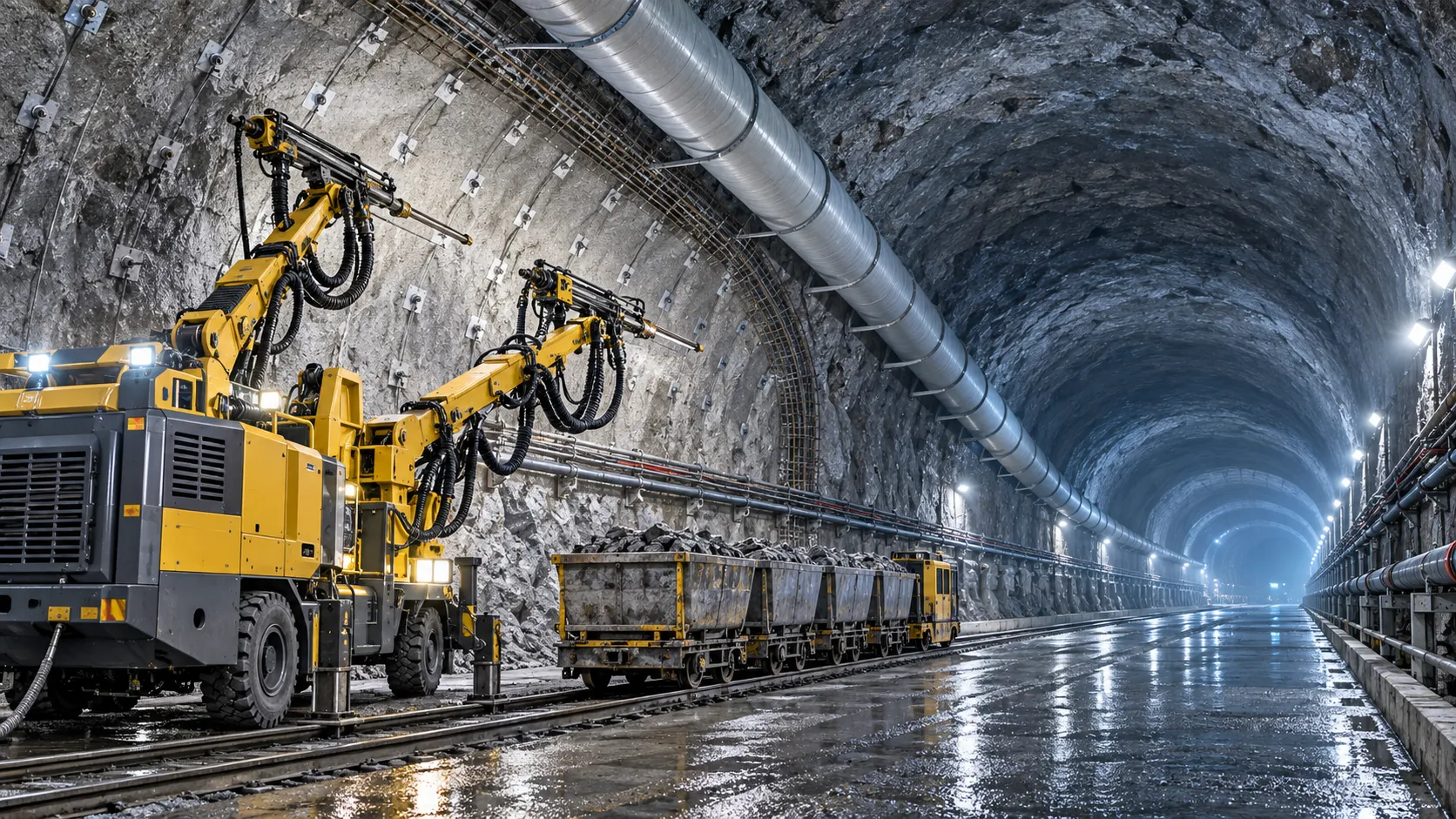
How to Evaluate European Drill-and-Blast Tunnelling Contractors for Complex Projects
Drill and blast tunnelling contractors Europe: learn how to assess geology expertise, blast control, equipment reliability, safety, and programme resilience for complex projects.
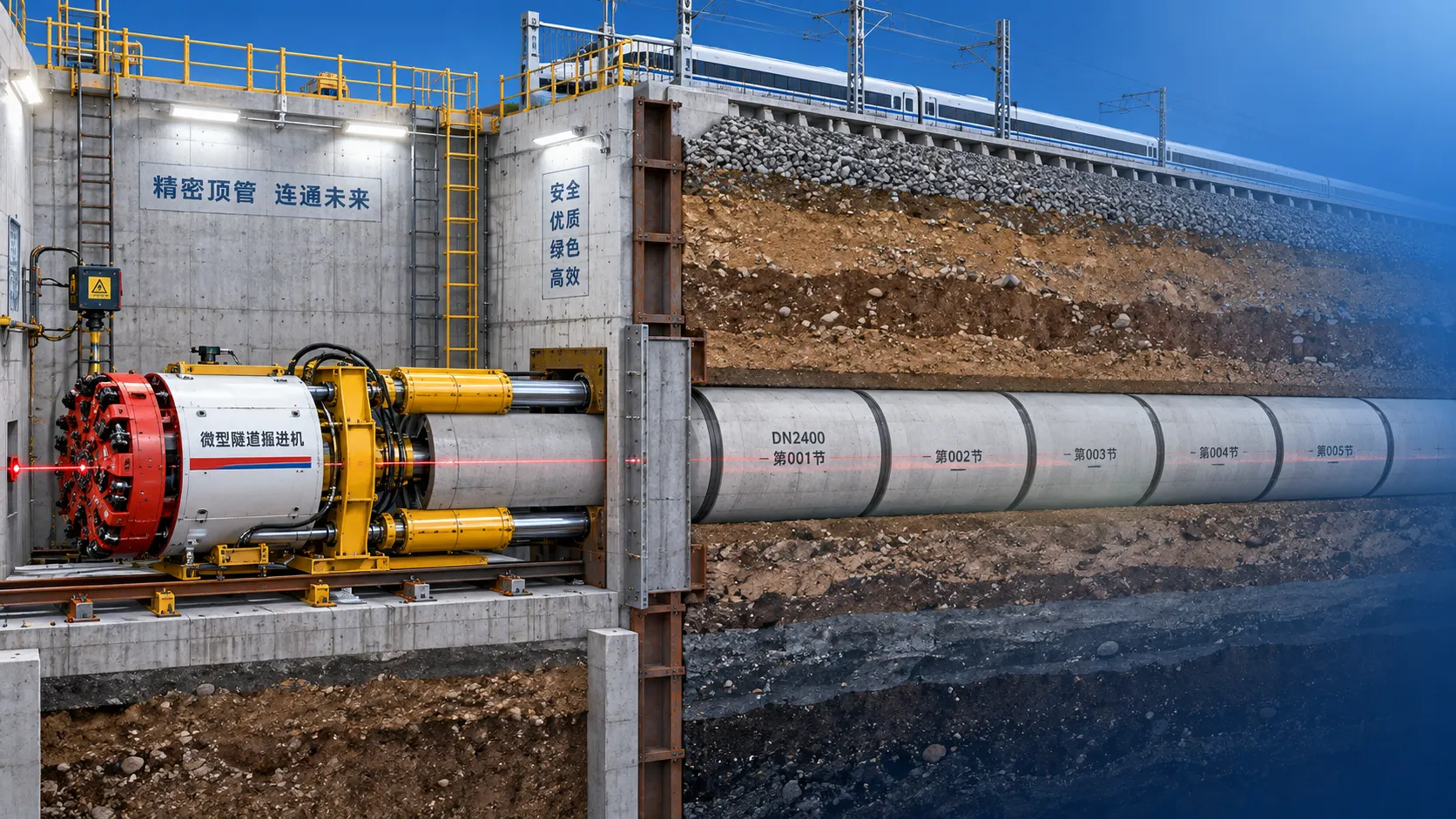
Which Trenchless Construction Technique Fits Your Utility Crossing Conditions?
Trenchless construction techniques compared for utility crossings: choose HDD, microtunnelling, pipe jacking, or auger boring based on ground, accuracy, access, and risk.
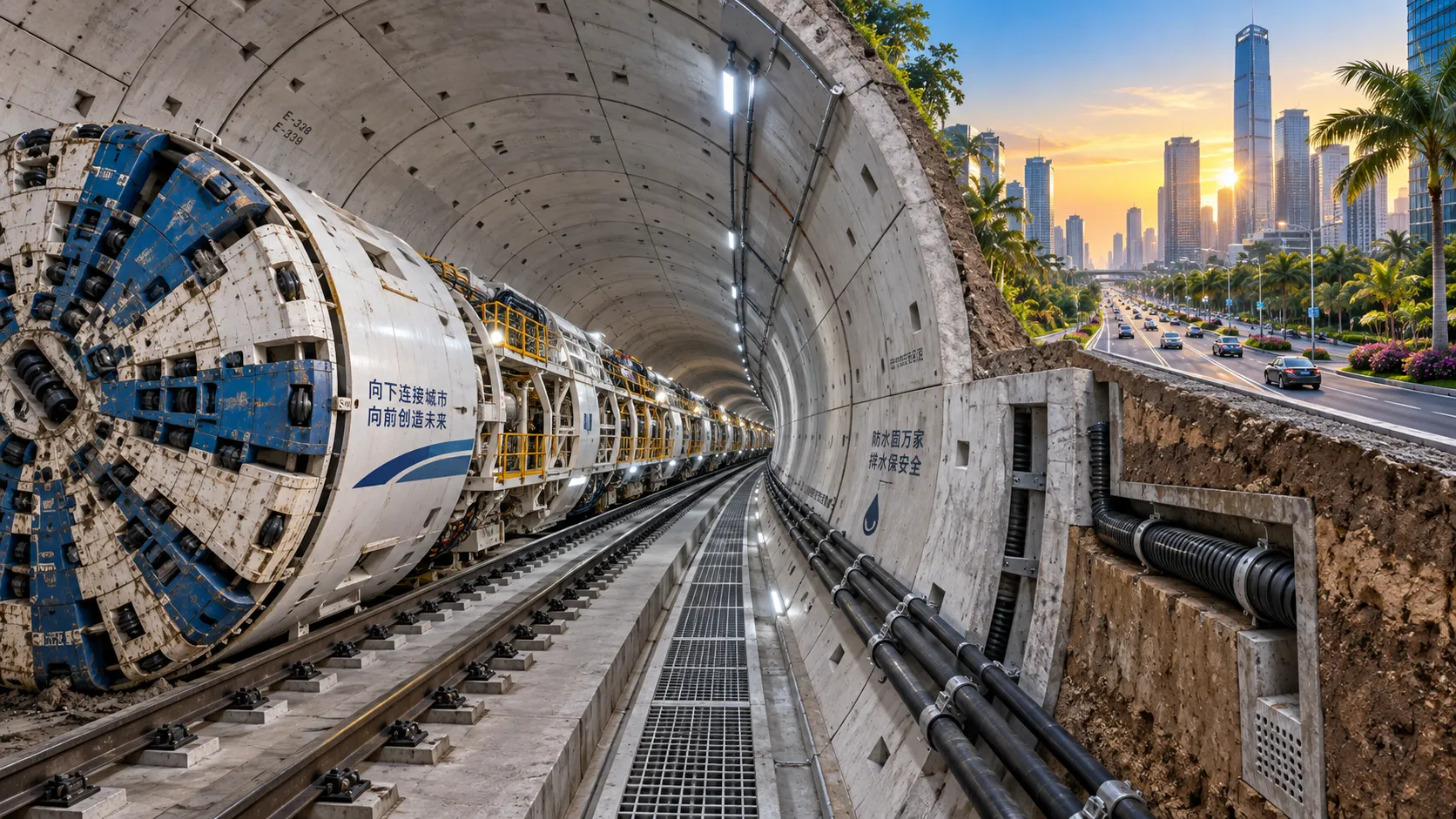
What Is Driving Metro Tunnelling Demand Across Southeast Asia’s Major Cities?
Metro tunnelling Southeast Asia is accelerating as major cities tackle congestion, flooding, and connectivity. Explore the market forces, technical risks, and opportunities shaping demand.
Hard Rock Tunnelling in Australia: Selecting Methods for Variable Ground Conditions
Hard rock tunnelling in Australia: compare TBM, drill-and-blast and hybrid methods to manage variable ground, reduce risk and protect project costs.
Hydropower Tunnel Excavation: Selecting Methods for Variable Rock Conditions
Hydropower tunnel excavation methods for variable rock conditions: compare TBM, drill-and-blast, and hybrid strategies to improve safety, progress, and project control.
How to Select Underground Safety Equipment for Tunnelling by Hazard and Work Zone
Underground Safety Equipment for tunnelling: match protection to hazards, work zones, compliance, and emergency needs with this practical selection guide.
EPB or Slurry Shield? Selecting Soft-Ground Tunnelling Equipment by Soil Conditions
Tunnel Excavation Equipment for soft ground: compare EPB and slurry shields by soil, groundwater, settlement risk, and project logistics to choose confidently.
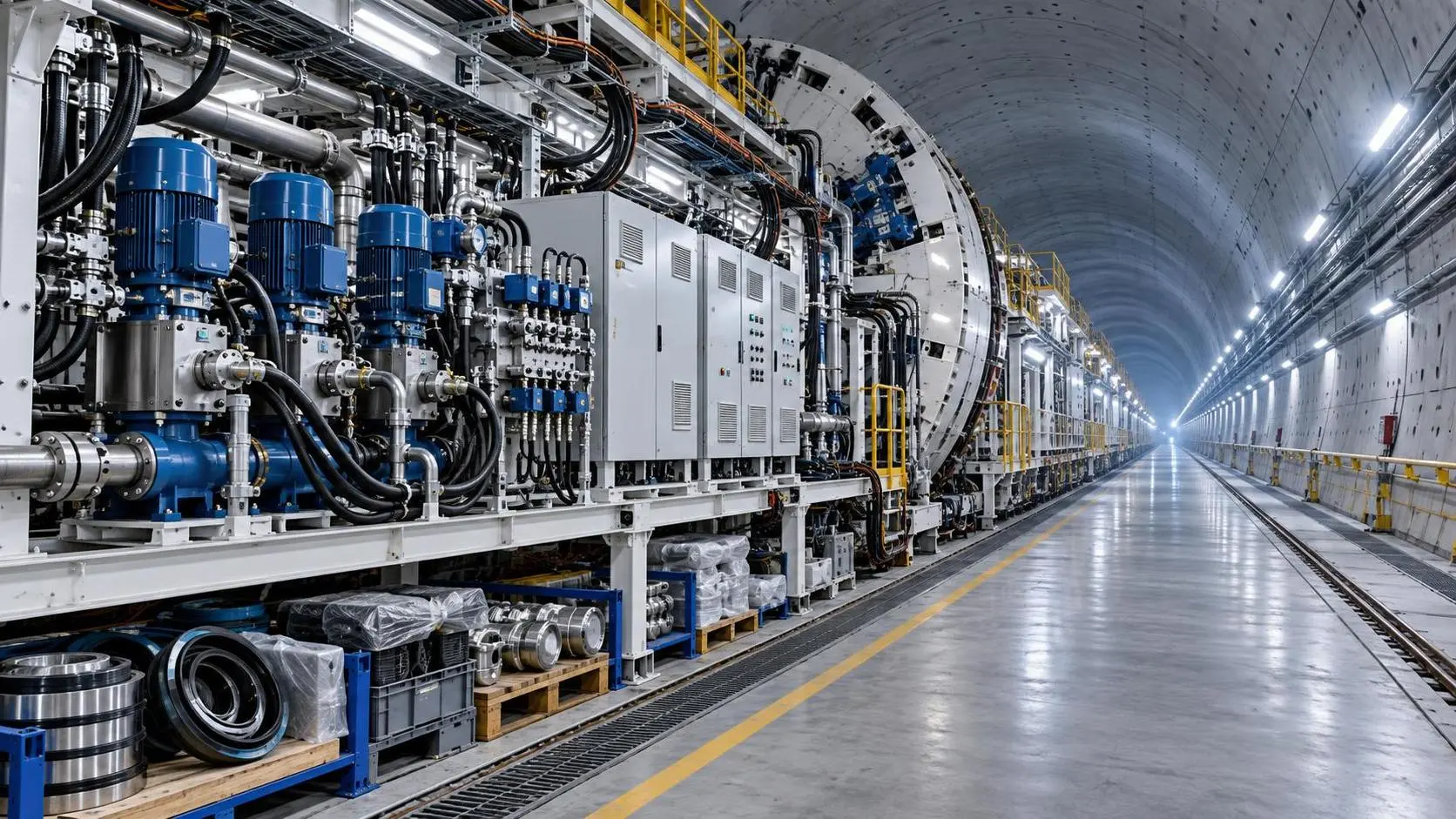
How to Specify TBM Backup System Parts for Reliable Long-Distance Tunnelling
TBM backup system parts: learn how to specify reliable spares for long-distance tunnelling, reduce downtime, ensure compatibility, and speed underground recovery.
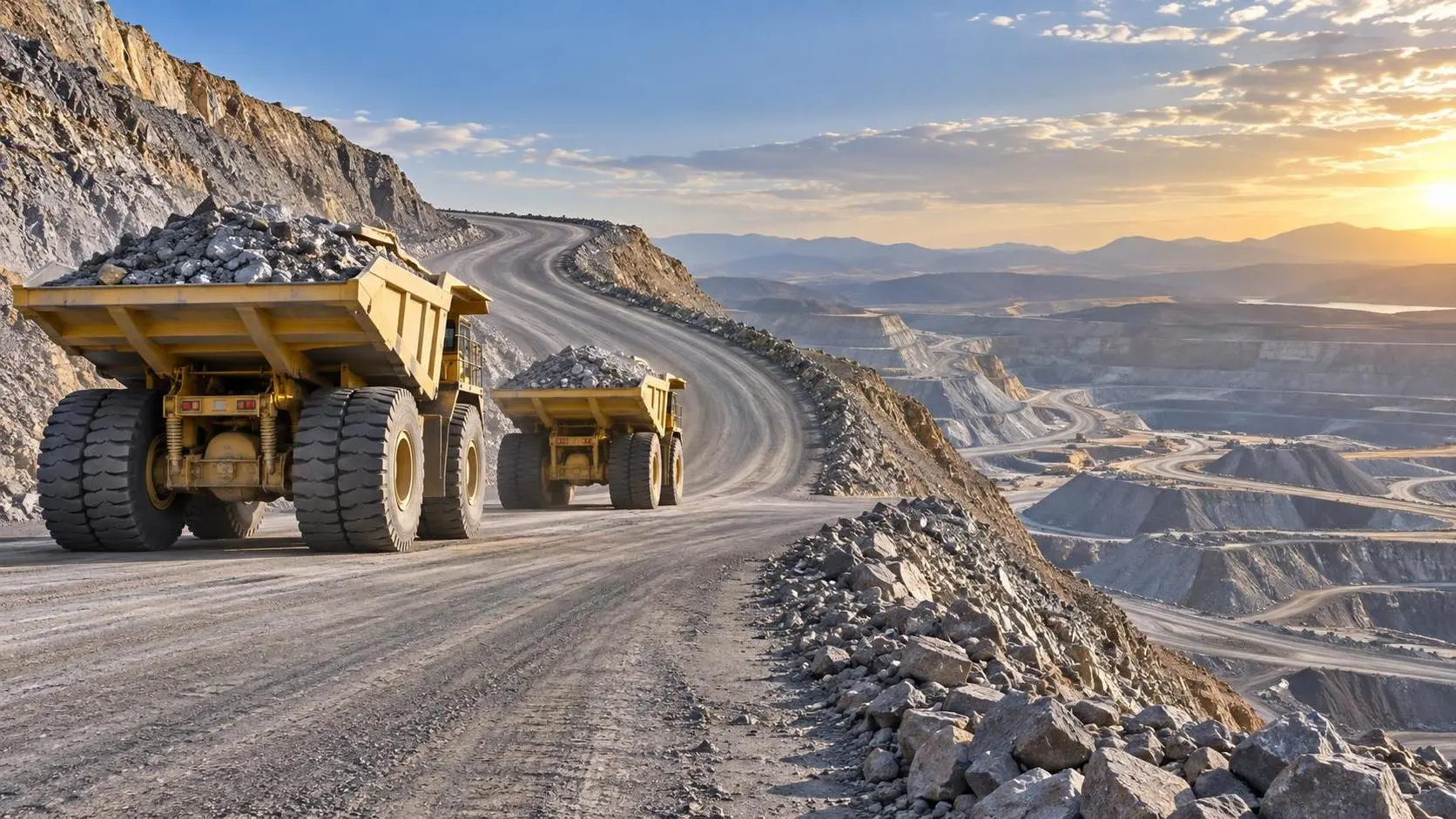
How to Size Open Pit Mining Trucks for Haul Distance, Grade, and Payload?
Open Pit Mining Trucks: learn how to match payload, haul distance, grade, road resistance, and loading capacity for safer, lower-cost mine operations.
Related News
- 00
0000-00
How to Evaluate European Drill-and-Blast Tunnelling Contractors for Complex Projects - 00
0000-00
Which Trenchless Construction Technique Fits Your Utility Crossing Conditions? - 00
0000-00
What Is Driving Metro Tunnelling Demand Across Southeast Asia’s Major Cities? - 00
0000-00
Hard Rock Tunnelling in Australia: Selecting Methods for Variable Ground Conditions - 00
0000-00
Hydropower Tunnel Excavation: Selecting Methods for Variable Rock Conditions
Weekly Insights
Stay ahead with our curated technology reports delivered every Monday.