
How EPB Shield for Soft Ground Works and When It Outperforms Slurry Methods





Why does the EPB shield for soft ground matter so much in urban tunnelling?
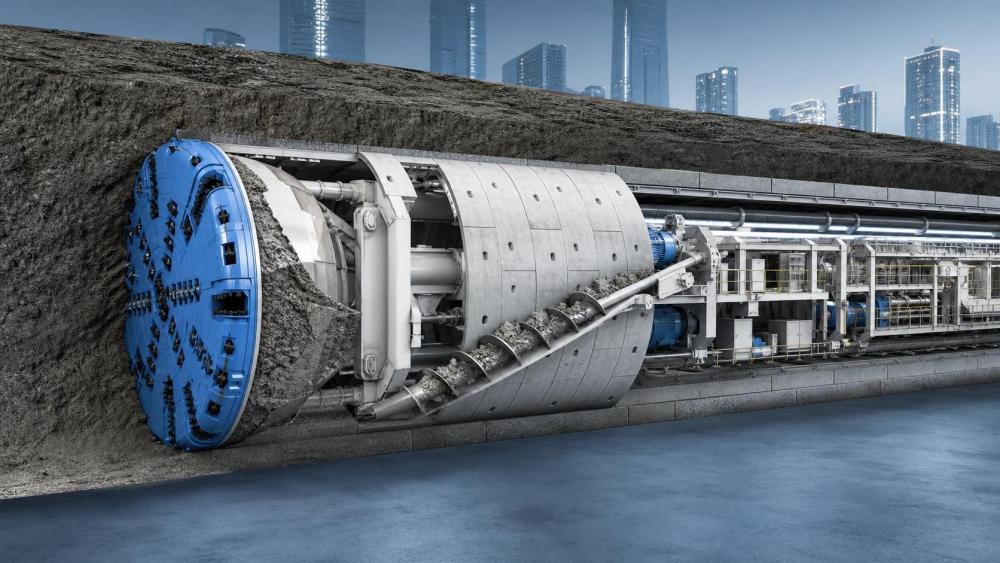
In soft ground tunnelling, the face can change from stable to risky within meters.
That is why the EPB shield for soft ground attracts steady attention in metro, utility, and mixed-ground discussions.
The basic question is simple: how do you keep the excavation face balanced while moving forward efficiently?
An Earth Pressure Balance machine answers that by using conditioned excavated soil inside the chamber as the support medium.
Instead of relying on a slurry circuit, the machine builds and regulates pressure with the muck itself.
For information tracking platforms such as UTMD, this matters because face support choice affects safety, logistics, emissions, maintenance, and project economics.
It also connects directly with broader underground engineering themes: automation, confined-space reliability, and cleaner jobsite operation.
So the real value of understanding EPB is not academic.
It helps explain why some tunnel packages move smoothly through cities while others struggle with settlement, spoil handling, or support instability.
How does an EPB shield for soft ground actually control the tunnel face?
At the cutterhead, soil is excavated and enters a pressurized chamber.
That excavated material is then conditioned with foam, polymers, water, or selected additives.
The goal is to turn variable soil into a plastic, flowable, pressure-transmitting mass.
Once conditioned properly, the material supports the face and limits uncontrolled inflow.
Pressure is not managed by one component alone.
It comes from the interaction of chamber fill, screw conveyor extraction rate, advance speed, and cutterhead operation.
If the screw conveyor removes spoil too quickly, chamber pressure can drop.
If extraction is too slow, pressure may rise beyond target levels.
That balance is the heart of EPB operation.
In practical terms, operators watch several signals at once:
- face pressure trends
- screw conveyor torque and discharge behavior
- soil conditioning consumption
- surface settlement monitoring
- cutterhead torque and penetration response
When these values stay aligned, the EPB shield for soft ground can deliver stable advance in dense urban corridors.
That is one reason EPB systems remain central to many TBM intelligence reviews and tender evaluations.
Which ground conditions usually suit EPB better than slurry?
The short answer is: EPB usually performs best where excavated ground can be conditioned into a workable paste.
That often includes clays, silts, sandy silts, and mixed soft ground with manageable groundwater pressure.
Urban tunnels with short logistics loops also tend to favor EPB.
Why? Because an EPB shield for soft ground avoids the full slurry separation plant, pipelines, and bentonite processing setup.
That can simplify the surface footprint, which is often a decisive issue in city centers.
Still, suitability is not a yes-or-no label.
It depends on grain size distribution, permeability, groundwater behavior, cobble content, and how consistently the muck can be conditioned.
A useful field-level comparison looks like this:
This is also where UTMD-style market analysis becomes useful.
Machine choice is never only about geology.
It is also about site constraints, utility density, environmental rules, and the project’s tolerance for logistics complexity.
When does EPB clearly outperform slurry methods?
EPB is not universally better, but there are situations where its advantages become quite clear.
The first is constrained urban work.
If shaft areas are tight, traffic disruption is sensitive, and spoil handling must stay straightforward, EPB often gains ground fast.
The second is when project teams want a less elaborate surface process chain.
No slurry plant means fewer major surface systems to install, monitor, and maintain.
The third is when conditioned soil can be controlled reliably across the route.
In that case, the EPB shield for soft ground can offer very competitive advance with reduced operational complexity.
Commercially, EPB can outperform slurry when these factors line up:
- lower setup burden at the surface
- shorter mobilization for support systems
- easier spoil stream management
- reduced plant energy demand in confined urban jobsites
- better fit with compact, digitally monitored tunnelling operations
That last point matters more than it used to.
Across underground sectors, from TBMs to battery LHD fleets, the direction is toward cleaner and more data-rich operation.
An EPB setup often aligns better with that operating model in municipal environments.
What are the common mistakes when evaluating EPB shield for soft ground?
A frequent mistake is assuming soft ground alone automatically means EPB.
Groundwater pressure, permeability, and coarse fraction can change the answer quickly.
Another mistake is underestimating conditioning performance.
EPB success depends heavily on making the excavated soil behave consistently inside the chamber and screw conveyor.
If the conditioned muck becomes too sticky, too dry, or too segregated, pressure control gets harder.
There is also a planning mistake that appears in early comparisons.
Teams sometimes compare machine labels, not operating systems.
A better comparison includes additives supply, spoil discharge, intervention strategy, settlement tolerance, and sensor integration.
Watch for these warning signs during evaluation:
- lab tests do not reflect likely moisture variation underground
- mixed-face sections are treated as minor exceptions
- surface settlement criteria are vague
- conditioning agent logistics are not costed properly
- maintenance planning ignores abrasive inclusions
These are the practical details that often separate smooth EPB performance from disappointing results.
How should you compare cost, schedule, and operational risk?
Cost comparison should not stop at machine procurement or headline rental figures.
For an EPB shield for soft ground, the stronger questions concern the full operating envelope.
How stable is the face likely to be?
How much conditioning material will be needed over changing strata?
What disposal route exists for conditioned spoil?
How much downtime risk sits in plant support systems?
A practical decision table can help keep the review grounded:
Schedule risk often follows the same pattern.
A simpler surface system may speed mobilization, but only if the ground model and conditioning plan are realistic.
In other words, EPB outperforms slurry when simplicity is real, not assumed.
So how should the final choice be made?
A sound decision starts with a narrow question: can this ground be turned into a stable pressure-supporting medium consistently?
If the answer is yes, the EPB shield for soft ground becomes a strong candidate.
If the answer stays uncertain, the comparison with slurry should remain open until testing and logistics are clearer.
In real project reviews, the best next step is usually structured rather than dramatic.
- map ground transitions along the full alignment
- test likely conditioning behavior, not ideal samples only
- compare surface footprint and spoil treatment routes
- link machine choice to settlement tolerance and intervention risk
- review operational data from similar urban projects where possible
That approach fits the way UTMD frames underground intelligence.
The point is not to prefer one method on principle.
It is to connect geology, machine behavior, jobsite constraints, and commercial reality into one defensible choice.
For many city tunnels, EPB will prove the better fit.
But the winning decision comes from disciplined comparison, careful ground understanding, and a realistic view of operations from launch shaft to final ring.
Related News
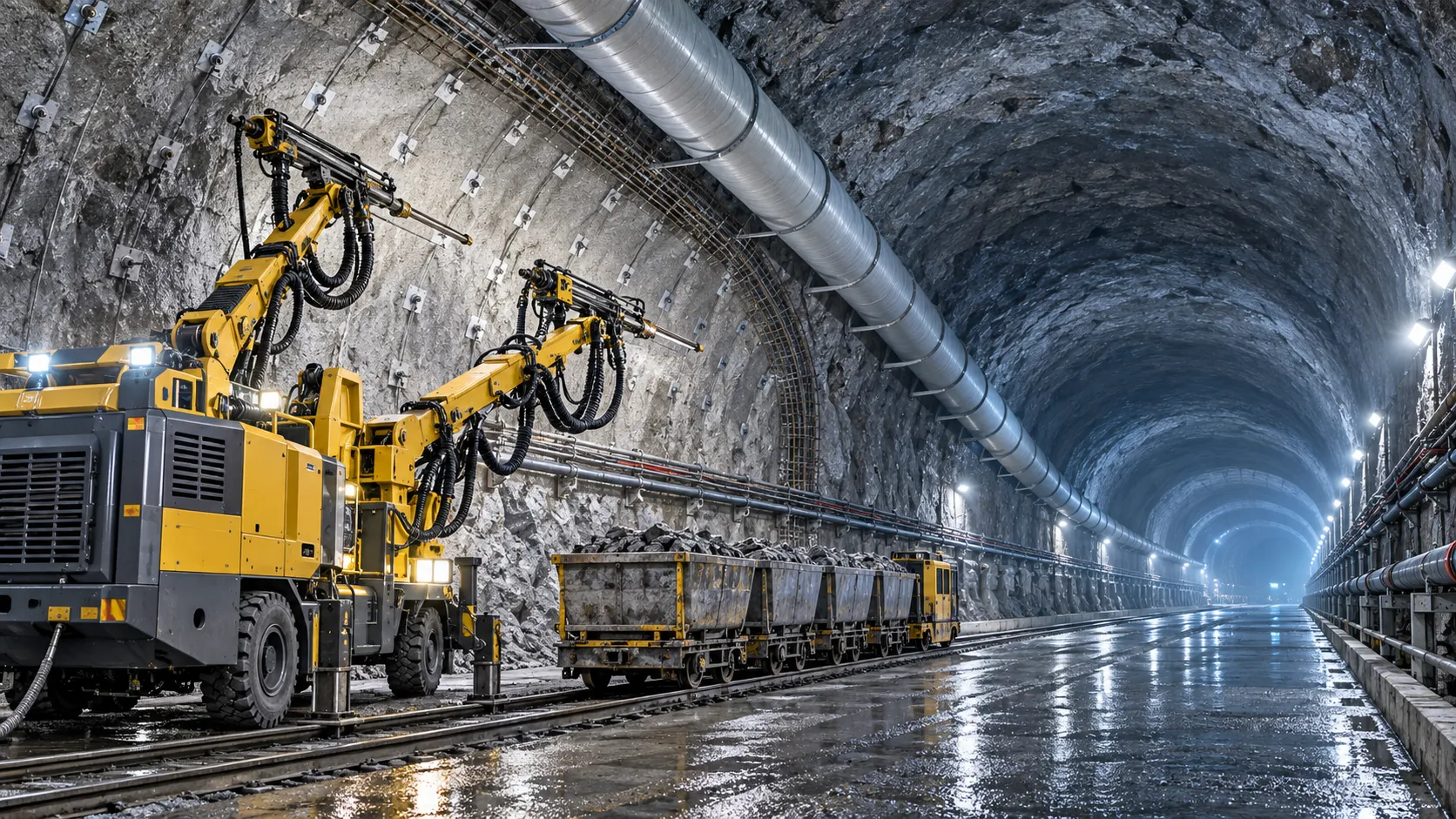
How to Evaluate European Drill-and-Blast Tunnelling Contractors for Complex Projects
Drill and blast tunnelling contractors Europe: learn how to assess geology expertise, blast control, equipment reliability, safety, and programme resilience for complex projects.
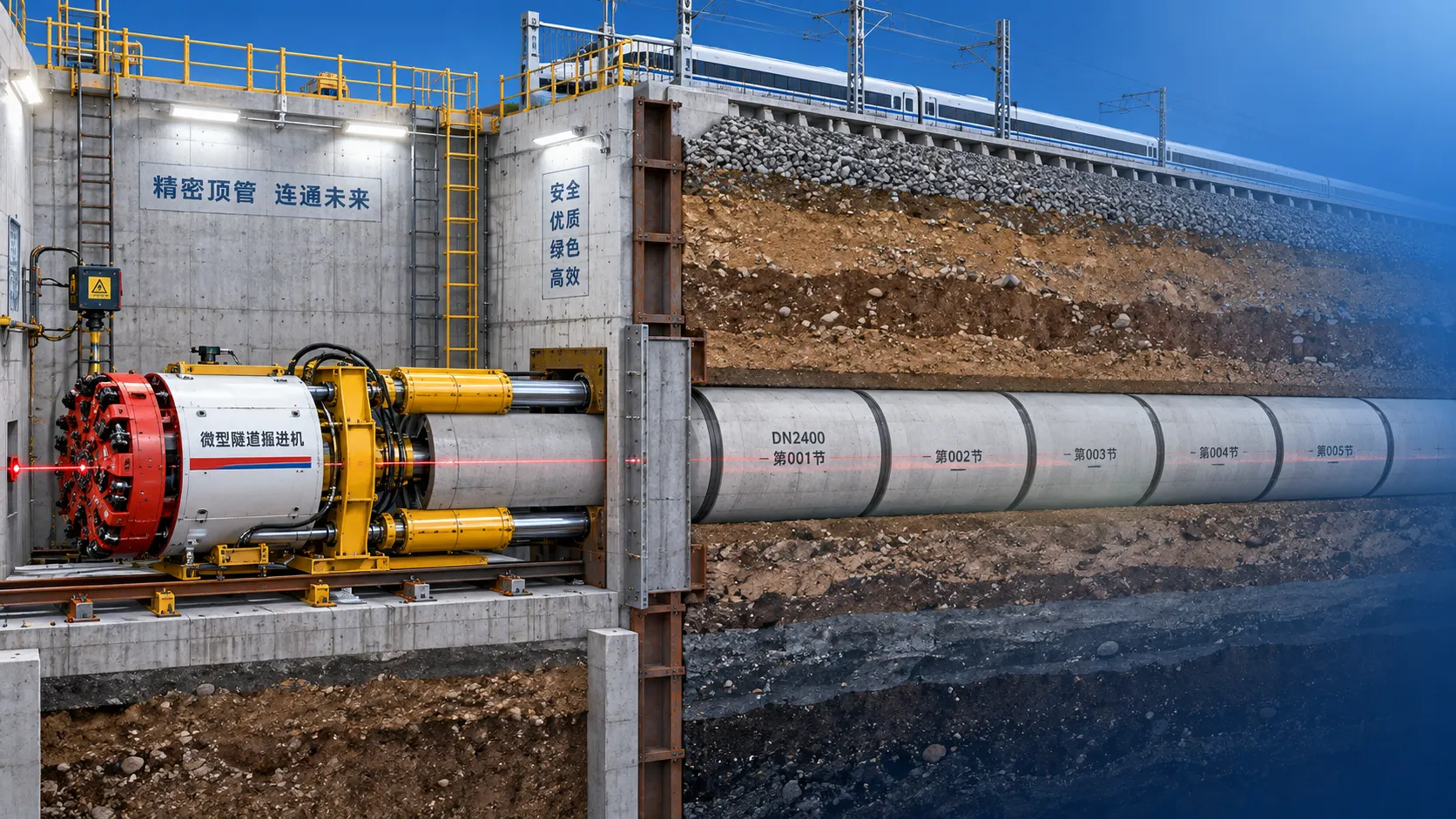
Which Trenchless Construction Technique Fits Your Utility Crossing Conditions?
Trenchless construction techniques compared for utility crossings: choose HDD, microtunnelling, pipe jacking, or auger boring based on ground, accuracy, access, and risk.
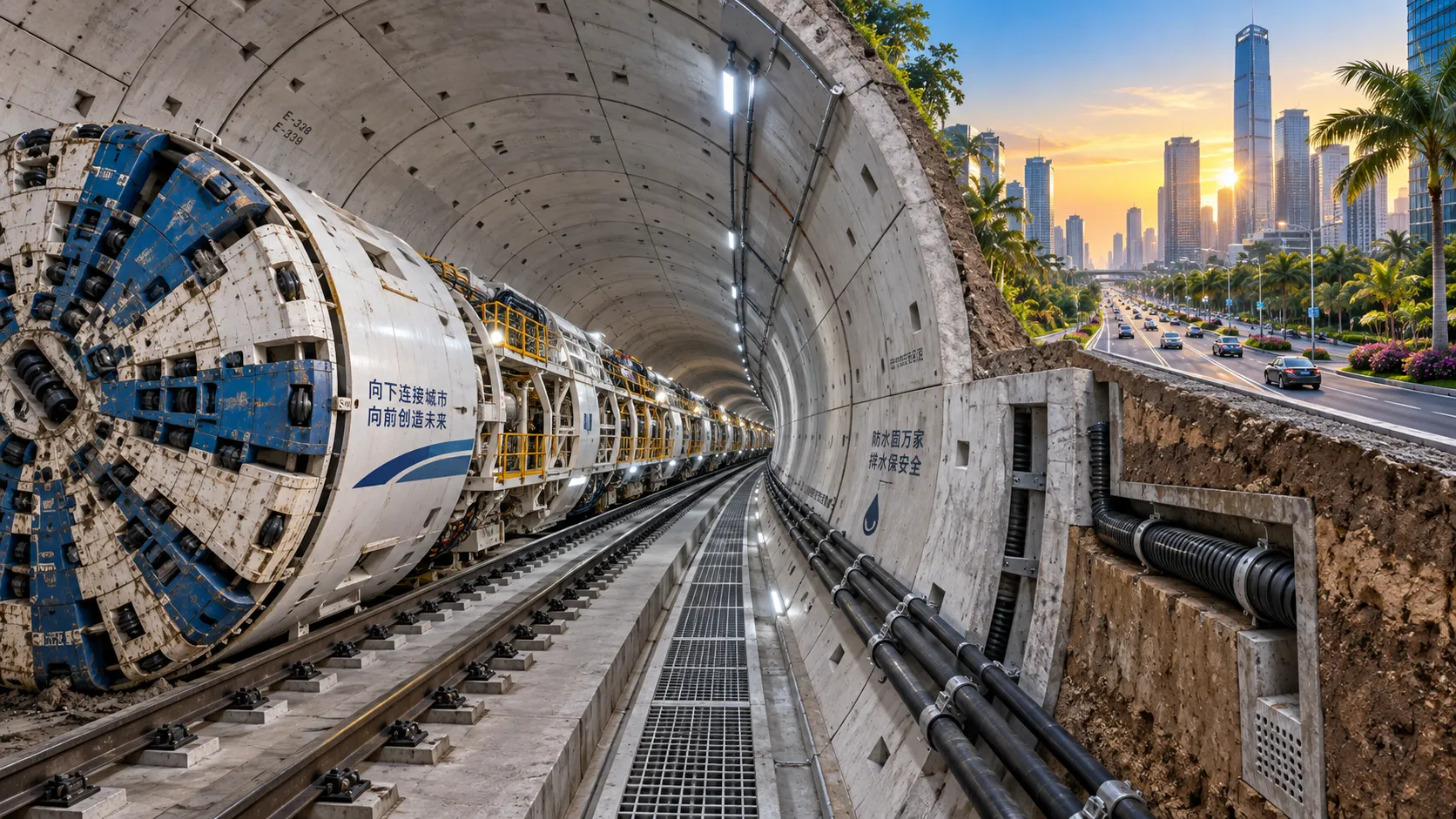
What Is Driving Metro Tunnelling Demand Across Southeast Asia’s Major Cities?
Metro tunnelling Southeast Asia is accelerating as major cities tackle congestion, flooding, and connectivity. Explore the market forces, technical risks, and opportunities shaping demand.
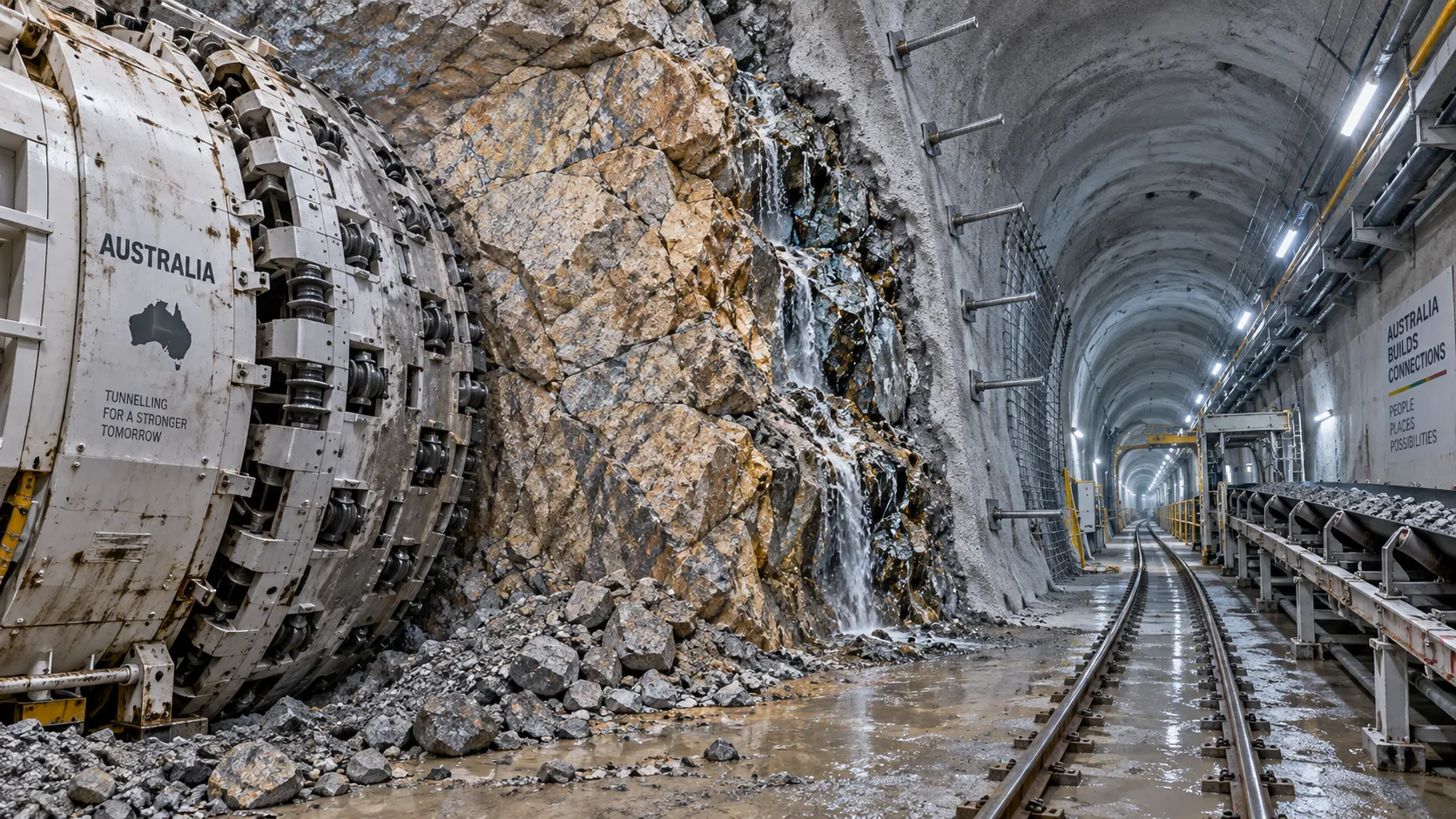
Hard Rock Tunnelling in Australia: Selecting Methods for Variable Ground Conditions
Hard rock tunnelling in Australia: compare TBM, drill-and-blast and hybrid methods to manage variable ground, reduce risk and protect project costs.
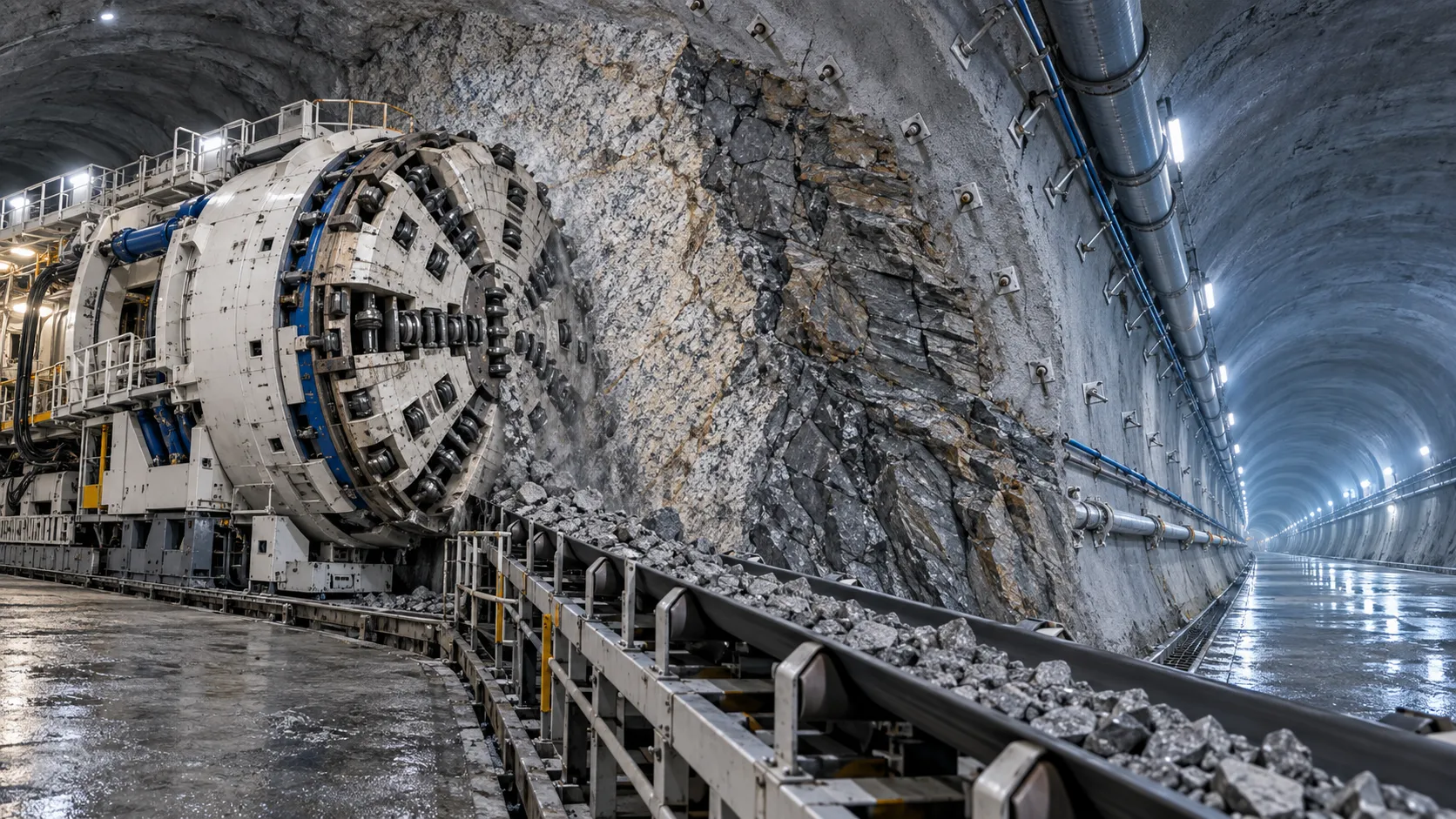
Hydropower Tunnel Excavation: Selecting Methods for Variable Rock Conditions
Hydropower tunnel excavation methods for variable rock conditions: compare TBM, drill-and-blast, and hybrid strategies to improve safety, progress, and project control.
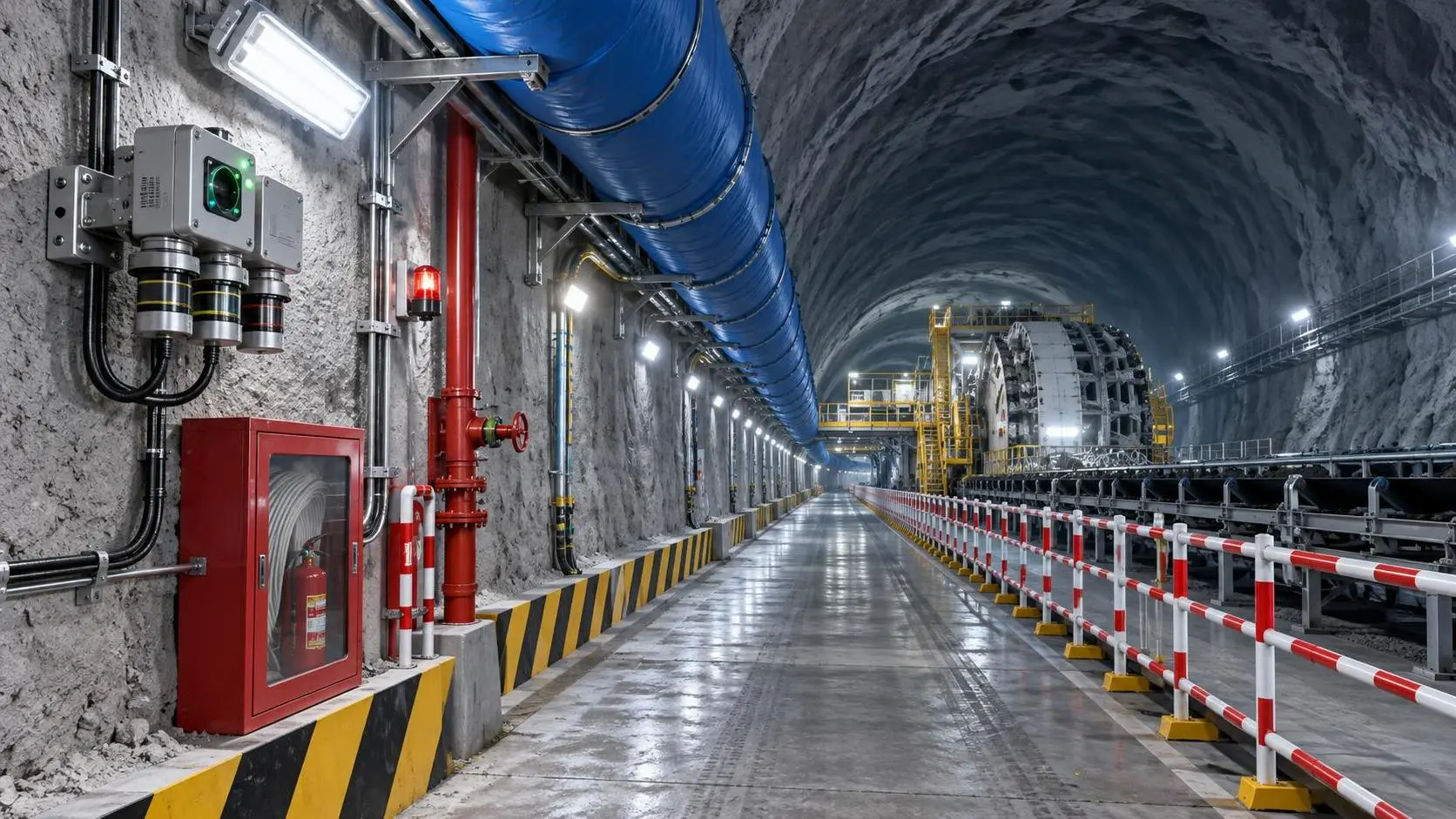
How to Select Underground Safety Equipment for Tunnelling by Hazard and Work Zone
Underground Safety Equipment for tunnelling: match protection to hazards, work zones, compliance, and emergency needs with this practical selection guide.
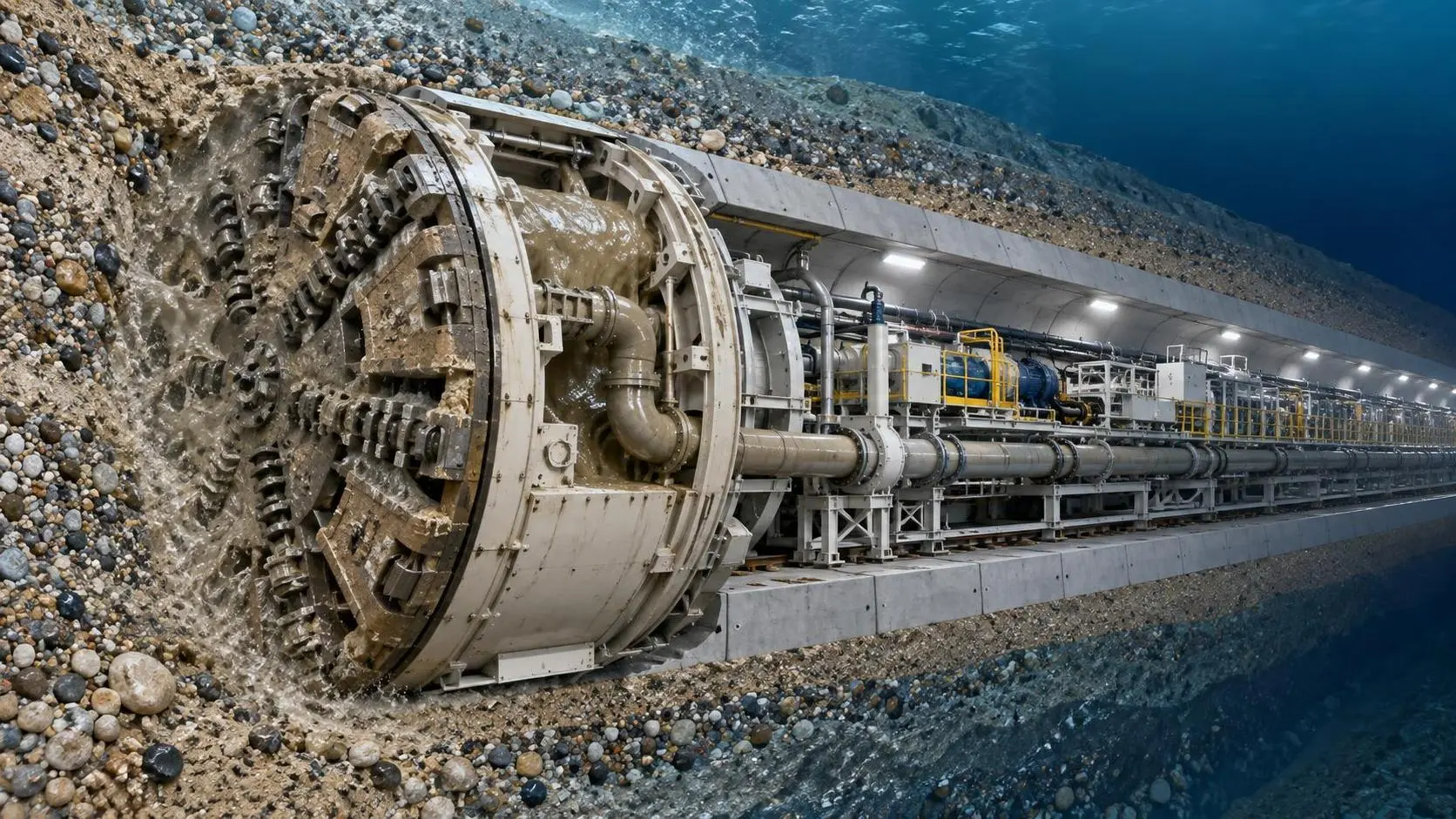
EPB or Slurry Shield? Selecting Soft-Ground Tunnelling Equipment by Soil Conditions
Tunnel Excavation Equipment for soft ground: compare EPB and slurry shields by soil, groundwater, settlement risk, and project logistics to choose confidently.
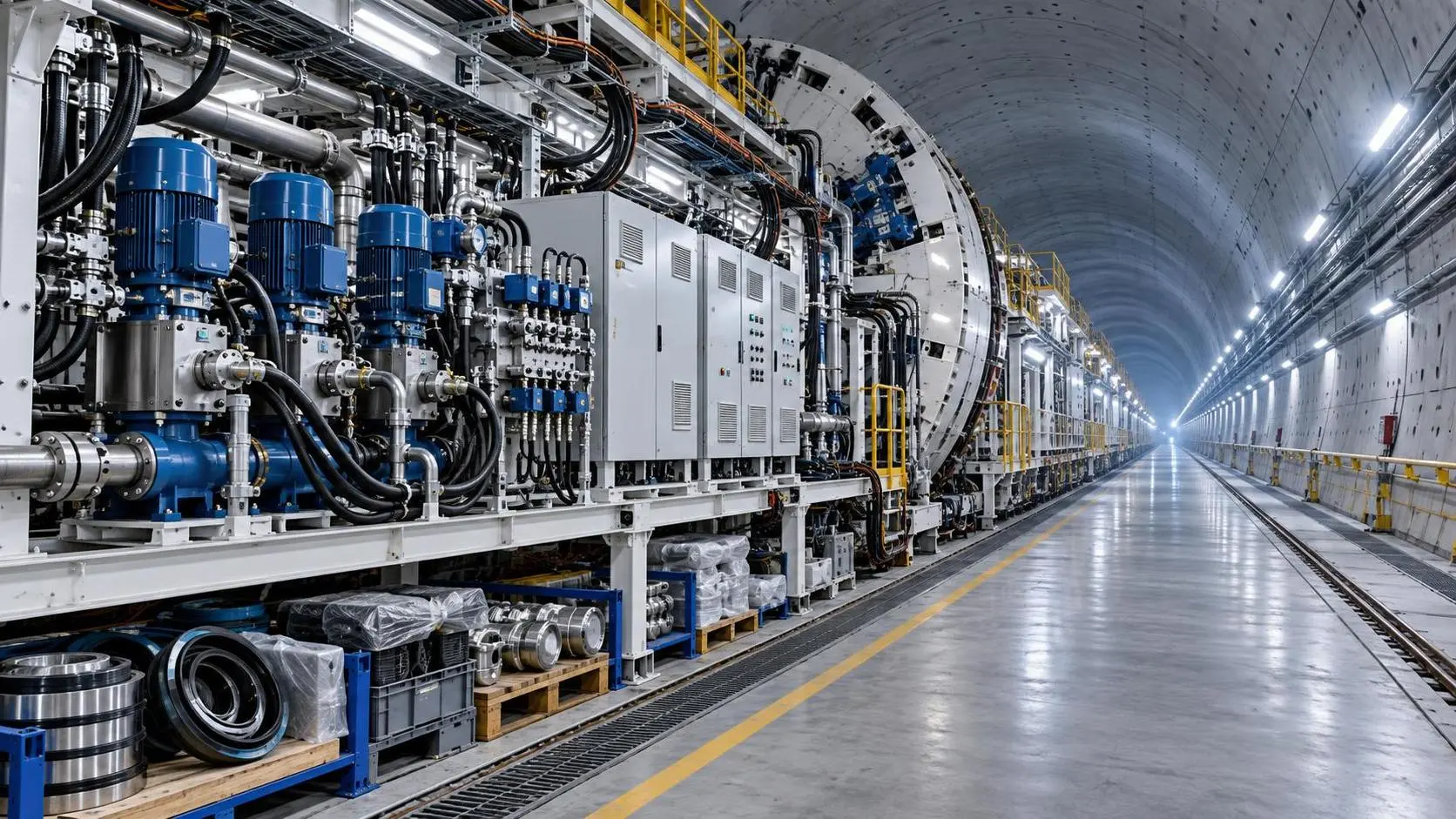
How to Specify TBM Backup System Parts for Reliable Long-Distance Tunnelling
TBM backup system parts: learn how to specify reliable spares for long-distance tunnelling, reduce downtime, ensure compatibility, and speed underground recovery.
How to Size Open Pit Mining Trucks for Haul Distance, Grade, and Payload?
Open Pit Mining Trucks: learn how to match payload, haul distance, grade, road resistance, and loading capacity for safer, lower-cost mine operations.
Related News
- 00
0000-00
How to Evaluate European Drill-and-Blast Tunnelling Contractors for Complex Projects - 00
0000-00
Which Trenchless Construction Technique Fits Your Utility Crossing Conditions? - 00
0000-00
What Is Driving Metro Tunnelling Demand Across Southeast Asia’s Major Cities? - 00
0000-00
Hard Rock Tunnelling in Australia: Selecting Methods for Variable Ground Conditions - 00
0000-00
Hydropower Tunnel Excavation: Selecting Methods for Variable Rock Conditions
Weekly Insights
Stay ahead with our curated technology reports delivered every Monday.