
Slurry Pipe Jacking Machine Selection Guide for Soft Ground and High Water Table





Selecting a slurry pipe jacking machine for soft ground and high water table work is never a routine equipment choice. In these conditions, the machine must do more than push a pipe string forward. It must hold the face, manage inflow, control settlement, and keep slurry circulation stable under changing ground response. That is why the selection process matters so much in municipal tunnelling, utility crossings, coastal infrastructure, and dense urban renewal projects.
Across the wider underground sector tracked by UTMD, pipe jacking machines sit beside TBMs, drilling jumbos, and smart mining transport systems as core tools for building below ground with less surface disruption. Their value becomes even clearer where weak soils, shallow cover, and groundwater pressure leave little tolerance for error. A well-matched slurry pipe jacking machine reduces technical risk early, before problems appear as lost ground, blocked lines, or expensive intervention shafts.
Why soft ground and groundwater change the selection logic
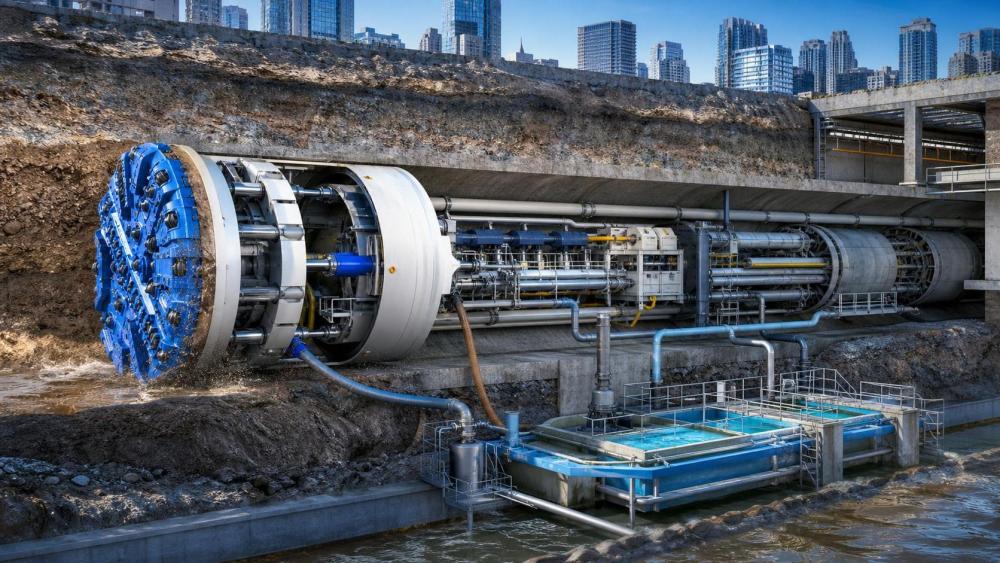
The image focus here is face support and slurry circulation under wet, unstable ground.
Soft ground is not a single material class. It may include silt, clay, loose sand, fill, peat, or mixed zones with abrupt strength changes. High groundwater adds another layer of uncertainty because water pressure can quickly destabilize the tunnel face and transport loosened fines into the slurry loop.
In practical terms, this means the slurry pipe jacking machine must balance pressure with precision. Too little support allows settlement and inflow. Too much pressure can heave the ground, damage utilities, or disturb nearby structures. Selection therefore starts with the relationship between geology, hydrogeology, and operational tolerance, not with thrust alone.
This is also why current market attention has shifted toward machine control quality, slurry monitoring, separation efficiency, and data feedback. The machine body, cutterhead, slurry circuit, and control system now have to be reviewed as one working system.
What defines a capable slurry pipe jacking machine
At its core, a slurry pipe jacking machine uses pressurized slurry to support the excavation face while spoil is transported through a slurry circuit to the separation plant. That basic principle is familiar. The important point is how well the machine maintains that balance when ground conditions stop being uniform.
A capable unit for soft ground and high water table work usually combines a sealed excavation chamber, responsive pressure control, an appropriate cutterhead opening ratio, reliable crushing or conditioning capability, and a slurry transport system sized for expected spoil volume.
The evaluation should also consider how the machine behaves during non-ideal moments. Start-up, stoppage, tool inspection, line cleaning, and recovery from blockage often reveal more than nominal specification sheets do. In weak and wet ground, downtime is not just a productivity issue. It can become a stability issue.
Key technical areas to compare
- Face pressure control range and response speed under variable groundwater conditions.
- Cutterhead design for fine soils, mixed face transitions, and clogging resistance.
- Slurry feed and discharge pipe sizing, wear protection, and blockage recovery access.
- Main bearing sealing performance against abrasive slurry and long operating periods.
- Guidance accuracy, steering articulation, and correction capability at low cover.
- Compatibility with the separation plant and spoil characteristics expected on site.
The parameters that matter more than headline power
When comparing options, it is easy to focus on installed power, outer diameter, or maximum thrust. Those values matter, but they rarely decide success on their own. In soft ground, the more useful question is whether the slurry pipe jacking machine can keep the excavation process stable across the full drive, not only at peak output.
Several parameters deserve close scrutiny because they directly affect risk, maintenance exposure, and jacking efficiency.
A slurry pipe jacking machine with balanced specifications often outperforms a larger machine that is poorly matched to local soil behavior. That is especially true on drives where alignment tolerance is tight and intervention windows are limited.
Configuration choices that influence field performance
Configuration decisions usually determine whether a machine remains manageable after launch. In high water table work, the slurry circuit and separation system deserve equal attention with the shield itself. If the separation plant cannot handle the fines load, the entire system becomes unstable.
Mixed ground potential should also be treated seriously. A drive classified as soft ground may still contain cobbles, debris, timber, concrete remnants, or localized hard lenses. In such cases, cutter tooling, crusher access, and wear protection should be selected with contingency in mind.
Common configuration decisions
- Openings and tooling suited to fine soils without sacrificing mixed-face tolerance.
- Variable slurry flow control to handle start-stop conditions safely.
- Automation depth for pressure, density, and flow monitoring.
- Wear-resistant slurry lines where abrasive sand content is expected.
- Intermediate jacking station planning for longer drives and friction control.
UTMD’s wider industry lens is useful here because equipment selection now overlaps with digital operating practice. Logging pressure trends, slurry density shifts, and thrust variation is no longer only a reporting function. It supports faster decisions when field conditions deviate from the baseline ground model.
Where the main risks usually appear
Most failures in this segment do not begin with dramatic machine collapse. They begin with small mismatches between machine capability and site reality. A separation plant that is undersized for fines. A cutterhead that clogs under cohesive soils. Pressure control that reacts too slowly during a shallow crossing.
Settlement remains one of the most sensitive concerns, especially below roads, rail lines, utilities, or existing basements. In these cases, the slurry pipe jacking machine should be assessed as part of a settlement management strategy, not as an isolated piece of equipment.
Another frequent issue is overconfidence in nominal geology. Boreholes provide direction, but not complete certainty. Where the alignment crosses reclaimed land, waterfront zones, or old urban layers, machine adaptability matters as much as baseline performance.
Early warning signs during comparison
- Performance claims without clear reference to soil or groundwater conditions.
- Limited discussion of blockage recovery, cleaning, or intervention procedures.
- No integrated view of machine, slurry plant, and spoil management.
- Weak monitoring architecture for pressure, density, and flow stability.
- Insufficient evidence from comparable urban or coastal projects.
A practical framework for comparing machine options
A useful comparison framework begins with the ground model, then moves through alignment constraints, pipe characteristics, and operational support systems. This keeps the review grounded in project behavior rather than brochure language.
Start by grouping the drive into a few real risk questions. How stable is the face likely to be? How narrow is the allowable settlement window? How variable is groundwater pressure along the alignment? How difficult would a recovery operation be if circulation stops?
Then compare each slurry pipe jacking machine against those questions. A structured scorecard can help, but it should include field-oriented factors, not only mechanical data.
- Ground compatibility across fine soils, loose sands, and mixed inclusions.
- Pressure control stability during launch, reception, and temporary stoppage.
- Interface quality between machine, slurry treatment, and guidance systems.
- Maintenance accessibility and expected intervention frequency.
- Supplier evidence from similar depth, diameter, and groundwater conditions.
This approach produces a more reliable decision basis, especially when multiple machines appear similar on paper.
What to review before moving forward
Before final selection, it is worth tightening the link between design assumptions and operating reality. That means checking geotechnical variability, expected slurry properties, shaft space limits, jacking distance, and the availability of monitoring resources during the drive.
In many cases, the best next step is not choosing the most powerful slurry pipe jacking machine, but refining the decision matrix. Revisit the pressure envelope, spoil transport balance, cutterhead suitability, and contingency response for abnormal inflow or obstruction.
For projects moving through dense urban corridors or sensitive water-bearing strata, the most dependable result usually comes from comparing machine design, slurry system capacity, and operational method as one package. That creates a clearer basis for shortlisting options, validating supplier claims, and deciding what additional site data is still needed.
In other words, a sound selection process turns the slurry pipe jacking machine from a catalog item into a controlled project strategy. That is the point where equipment comparison becomes genuinely useful.
Related News
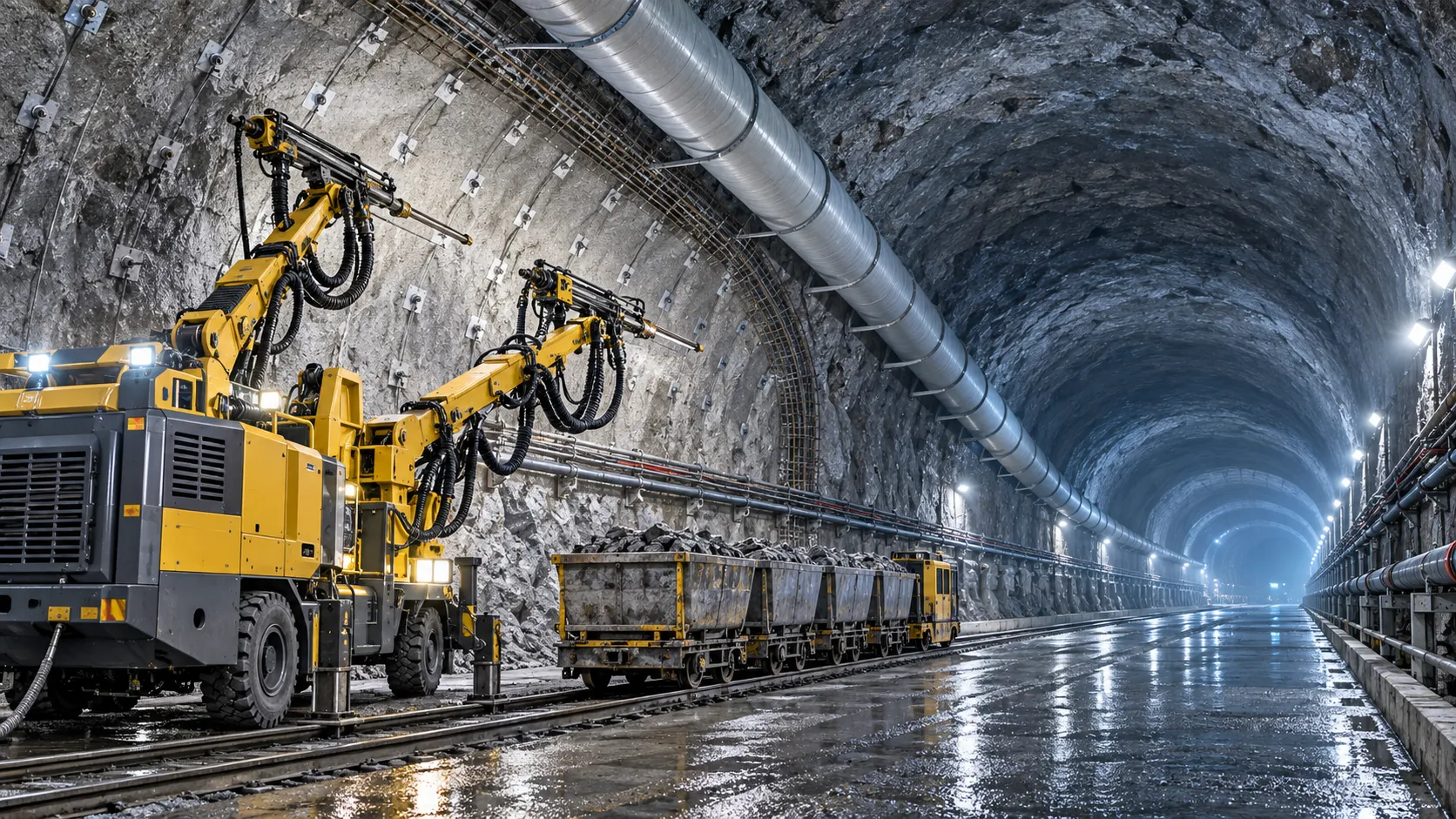
How to Evaluate European Drill-and-Blast Tunnelling Contractors for Complex Projects
Drill and blast tunnelling contractors Europe: learn how to assess geology expertise, blast control, equipment reliability, safety, and programme resilience for complex projects.
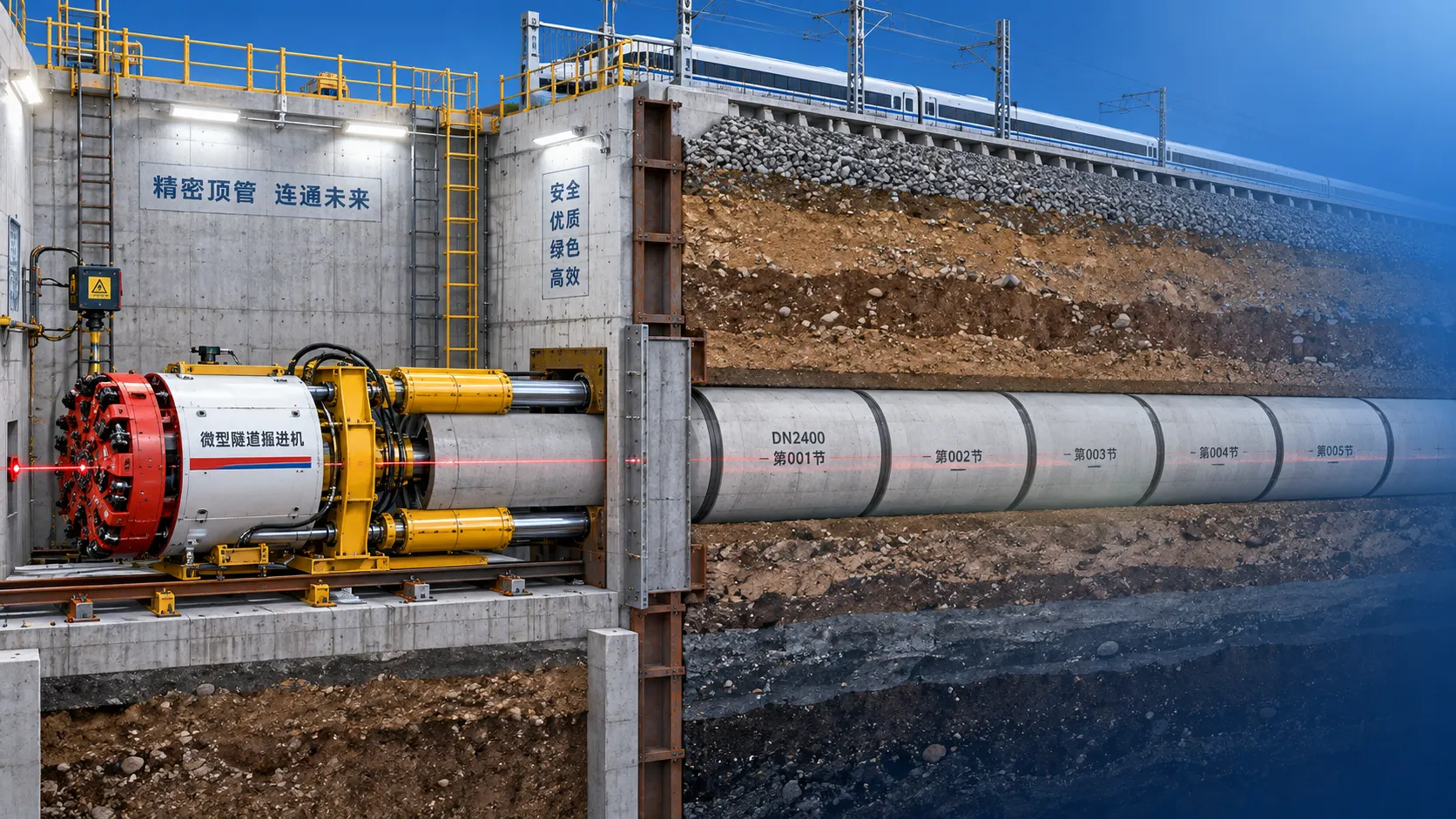
Which Trenchless Construction Technique Fits Your Utility Crossing Conditions?
Trenchless construction techniques compared for utility crossings: choose HDD, microtunnelling, pipe jacking, or auger boring based on ground, accuracy, access, and risk.
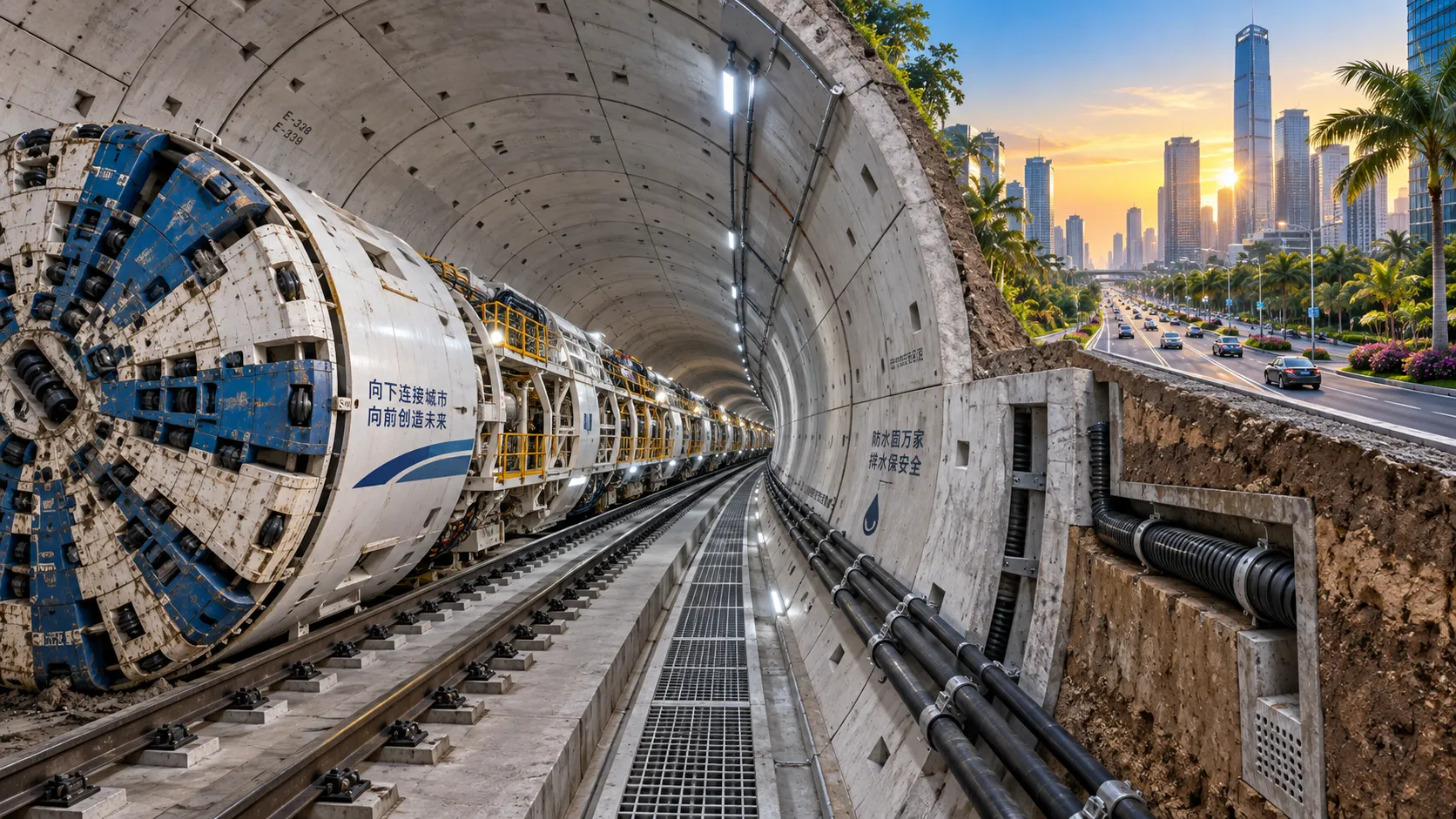
What Is Driving Metro Tunnelling Demand Across Southeast Asia’s Major Cities?
Metro tunnelling Southeast Asia is accelerating as major cities tackle congestion, flooding, and connectivity. Explore the market forces, technical risks, and opportunities shaping demand.
Hard Rock Tunnelling in Australia: Selecting Methods for Variable Ground Conditions
Hard rock tunnelling in Australia: compare TBM, drill-and-blast and hybrid methods to manage variable ground, reduce risk and protect project costs.
Hydropower Tunnel Excavation: Selecting Methods for Variable Rock Conditions
Hydropower tunnel excavation methods for variable rock conditions: compare TBM, drill-and-blast, and hybrid strategies to improve safety, progress, and project control.
How to Select Underground Safety Equipment for Tunnelling by Hazard and Work Zone
Underground Safety Equipment for tunnelling: match protection to hazards, work zones, compliance, and emergency needs with this practical selection guide.
EPB or Slurry Shield? Selecting Soft-Ground Tunnelling Equipment by Soil Conditions
Tunnel Excavation Equipment for soft ground: compare EPB and slurry shields by soil, groundwater, settlement risk, and project logistics to choose confidently.
How to Specify TBM Backup System Parts for Reliable Long-Distance Tunnelling
TBM backup system parts: learn how to specify reliable spares for long-distance tunnelling, reduce downtime, ensure compatibility, and speed underground recovery.
How to Size Open Pit Mining Trucks for Haul Distance, Grade, and Payload?
Open Pit Mining Trucks: learn how to match payload, haul distance, grade, road resistance, and loading capacity for safer, lower-cost mine operations.
Related News
- 00
0000-00
How to Evaluate European Drill-and-Blast Tunnelling Contractors for Complex Projects - 00
0000-00
Which Trenchless Construction Technique Fits Your Utility Crossing Conditions? - 00
0000-00
What Is Driving Metro Tunnelling Demand Across Southeast Asia’s Major Cities? - 00
0000-00
Hard Rock Tunnelling in Australia: Selecting Methods for Variable Ground Conditions - 00
0000-00
Hydropower Tunnel Excavation: Selecting Methods for Variable Rock Conditions
Weekly Insights
Stay ahead with our curated technology reports delivered every Monday.