
Slurry Pipe Jacking Cost Breakdown: What Drives Budget in Urban Tunneling Projects?





Slurry Pipe Jacking Cost Breakdown: What Drives Budget in Urban Tunneling Projects?
Understanding slurry pipe jacking cost starts with a simple fact: urban tunneling budgets rarely drift because of one big mistake. They usually move because several medium-sized assumptions turn out to be wrong at the same time. A ground report is a little too thin, the shaft support is priced on an optimistic sequence, slurry treatment is treated like a support item instead of a production driver, and the machine package is chosen around nominal diameter rather than actual geology and alignment risk.
If you are a project manager or package lead comparing bids, this is the checklist that matters. Not the polished summary slide. The items below are the places where pipe jacking budgets usually tighten, stretch, or blow out, especially in dense urban corridors where access is restricted, utilities are everywhere, and settlement tolerance is unforgiving.
Start with the ground model, not the machine brochure
A surprising number of cost discussions begin with equipment selection. In practice, the ground model should come first. Slurry pipe jacking cost is highly sensitive to what the face actually sees: mixed ground, cobbles, boulders, high groundwater pressure, abrasive strata, contaminated spoil, or unstable sands all push cost in different ways.
- Check borehole spacing and whether the investigation covers launch shaft, receiving shaft, and the full drive length rather than only representative points.
- Look for mixed-face risk. A slurry system that performs well in uniform soft ground may face very different wear, torque, and separation demands where the face alternates between soil and rock fragments.
- Ask whether groundwater behavior has been priced conservatively. Dewatering limits in urban zones can shift the whole construction method.
- Confirm who carries the cost if actual spoil characteristics differ from the tender geotechnical baseline.
When bids look far apart, this is one of the first places to interrogate. A low bid built on simplified geology is not really cheaper. It is just moving the conversation to variation claims later.
Shafts often decide whether the “cheap” drive is actually cheap
In urban projects, launch and reception shafts can consume more budget and schedule energy than teams expect. Depth, groundwater, property line constraints, adjacent structures, traffic staging, and crane access all matter. If the site is tight enough, shaft construction can become the real critical path while the jacking operation gets treated as the headline item.
Review these points closely:
- Retaining method: secant piles, sheet piles, diaphragm wall, caisson, or other local standard solution.
- Temporary works duration: support systems priced for a short occupation can become expensive if utility diversions or permit delays extend shaft possession.
- Base stability and water cut-off requirements.
- Space for slurry tanks, separation plant, pipe string handling, spoil logistics, and maintenance access.
A useful procurement question is this: has the bidder priced the shaft as a real urban worksite, or as a neat diagram with ideal access? The difference is usually visible in preliminaries, traffic management, and temporary works allowances.
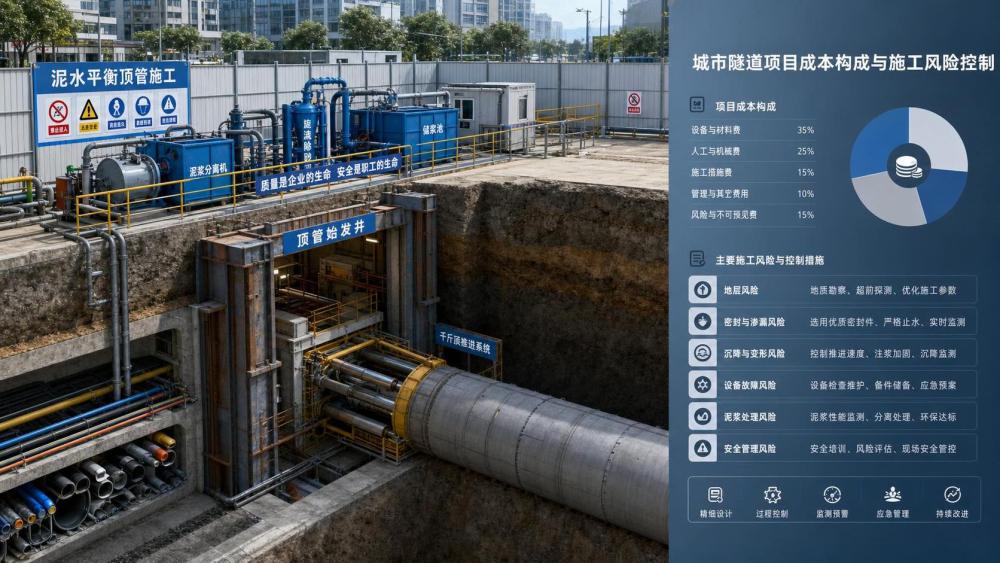
Do not treat slurry separation and spoil handling as secondary costs
This is one of the most common budgeting blind spots. Teams focus on the jacking machine and installed pipe, but slurry circuits, separation efficiency, water management, and spoil disposal can quietly reshape project cost. In many urban jobs, the system behind the face is what controls actual productivity.
If separation capacity is undersized, production slows. If spoil is wetter, finer, or more contaminated than expected, disposal cost rises. If water reuse assumptions are wrong, both operating cost and compliance complexity can increase. None of this is theoretical. It is where day rates and unit rates start drifting away from tender assumptions.
Machine selection is really a question of risk allocation
For buyers, the right question is not “Which machine has the best headline capability?” It is “Which machine-package combination best fits this alignment, this ground, and this tolerance regime?” Diameter, drive length, expected jacking loads, guidance requirements, cutterhead access strategy, and separation interface all matter more than brochure language.
On a short, straightforward drive, a high-spec package may be unnecessary. On a long urban alignment under sensitive assets, under-buying can be the expensive decision. Once a machine struggles with face control, steering correction, or wear, the budget impact is not limited to repair cost. It flows into schedule loss, crew inefficiency, settlement exposure, and client-side pressure.
Ask bidders to separate capital or rental pricing from assumptions about advance rate, maintenance windows, intervention frequency, and standby scenarios. If those assumptions stay hidden, true slurry pipe jacking cost remains hidden too.
Pipe, lubrication, and jacking force are not clerical details
Pipe specification drives more than material cost. It affects allowable jacking force, joint performance, line control, handling method, and contingency planning for long drives. Lubrication design and execution are tied directly to friction management. If overcut, annular gap behavior, and lubrication ports are treated casually, friction rises and intermediate jacking stations may be needed earlier than planned.
This part of the budget deserves a practical review:
- Whether pipe strength and joint design match the predicted jacking loads with a realistic margin.
- Whether lubrication consumption is based on comparable drives or optimistic desk assumptions.
- Whether intermediate jacking stations are included as required equipment, optional contingency, or excluded altogether.
- Whether replacement or rejection criteria for damaged pipes are contractually clear.
A small underestimation here can trigger a chain reaction. More friction means slower advance, more energy, more wear, more intervention, and more argument over responsibility.
Urban interfaces are where indirect costs grow teeth
In open ground, the job is mostly about production. In cities, it is also about permission. Traffic control, noise restrictions, working hour limits, utility protection, spoil trucking windows, neighborhood constraints, and instrumentation around sensitive structures can all add cost without increasing installed meters.
Project teams often underestimate the management layer needed to keep these interfaces stable. If a bidder has allowed aggressively for direct tunneling works but lightly for stakeholder coordination and monitoring, the price may look attractive for the wrong reason.
Useful checks include utility record quality, third-party approval path, monitoring scope, response thresholds, and who pays when monitoring requires production adjustments. Settlement risk is not just a technical issue. It is a commercial one.
Labor, supervision, and shift model need the same scrutiny as plant rates
A slurry pipe jacking operation can be equipment-heavy, but crews still make or break output. Experienced guidance operators, slurry plant personnel, mechanical support, electricians, lifting teams, and shaft crews are not interchangeable. In tight labor markets, the difference between a staffed plan and an assumed plan can be substantial.
Watch for bids that show strong productivity but thin staffing around maintenance and troubleshooting. That usually works on paper until the first blockage, seal issue, or cutter intervention. Also check shift assumptions against local labor rules and urban access restrictions. Continuous operation sounds efficient; it is not always permitted or practical.
Procurement comparisons should expose assumptions, not hide them
When evaluating suppliers or specialist subcontractors, do not compare only the bottom-line number. Build a comparison sheet that forces visibility on assumptions. This is especially important if one party includes a full system package and another expects owner-supplied utilities, treatment space, or disposal routes.
- Advance rate basis and weather or access exclusions
- Ground condition assumptions and change mechanism
- Wear part consumption basis
- Shaft readiness dependencies
- Utility diversions and third-party approvals
- Spoil classification and disposal responsibility
- Monitoring, settlement response, and standby pricing
If those lines are vague, the bid is vague, no matter how detailed the equipment list looks.
Contingency should match uncertainty, not habit
There is no universal contingency percentage that makes sense across all slurry pipe jacking projects. A short drive in well-investigated ground with straightforward shafts does not deserve the same risk allowance as a long urban crossing beneath sensitive infrastructure. The point is not to pad. The point is to connect uncertainty to specific budget lines.
Good contingency thinking usually focuses on identifiable triggers: unexpected obstructions, slower separation performance, extra settlement mitigation, utility delay, off-spec spoil disposal, additional lubrication demand, longer shaft occupation, or machine interventions. If your budget reserve cannot be traced back to these types of events, it is probably too abstract to manage well.
What experienced buyers usually ask before signing
A practical final check is to ask each bidder the same uncomfortable questions. What assumptions would break your price? Which site condition would hurt production most? What has been excluded because tender information was incomplete? What needs to be confirmed before mobilization? The quality of those answers tells you more than another round of polished presentations.
For project managers, the real goal is not to chase the lowest visible number. It is to understand the full slurry pipe jacking cost structure well enough to buy certainty where it matters and keep risk where it can actually be managed. In urban tunneling, that difference shows up quickly: first in schedule confidence, then in claims exposure, and finally in whether the job still looks commercially sensible halfway through the drive.
Related News
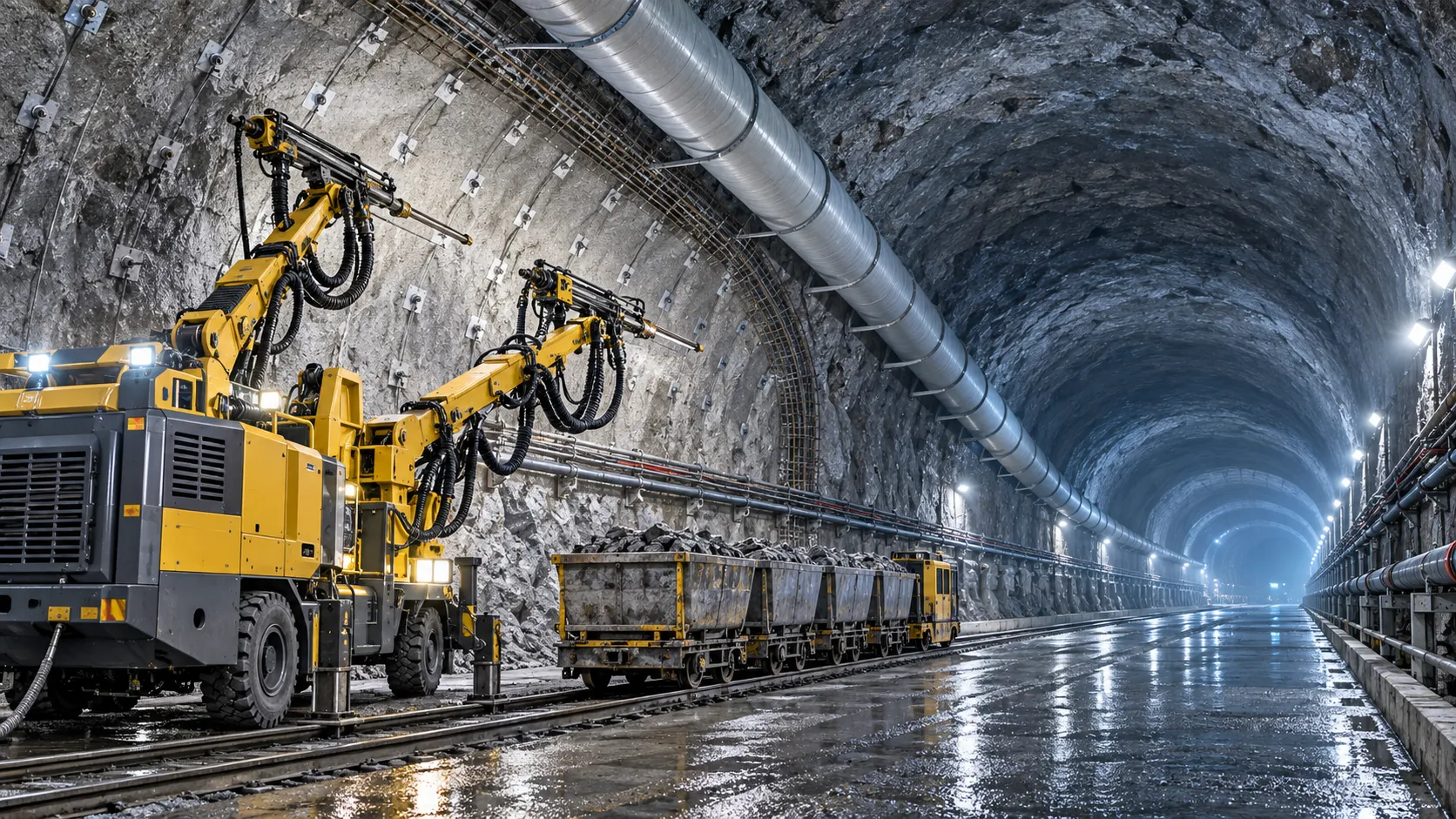
How to Evaluate European Drill-and-Blast Tunnelling Contractors for Complex Projects
Drill and blast tunnelling contractors Europe: learn how to assess geology expertise, blast control, equipment reliability, safety, and programme resilience for complex projects.
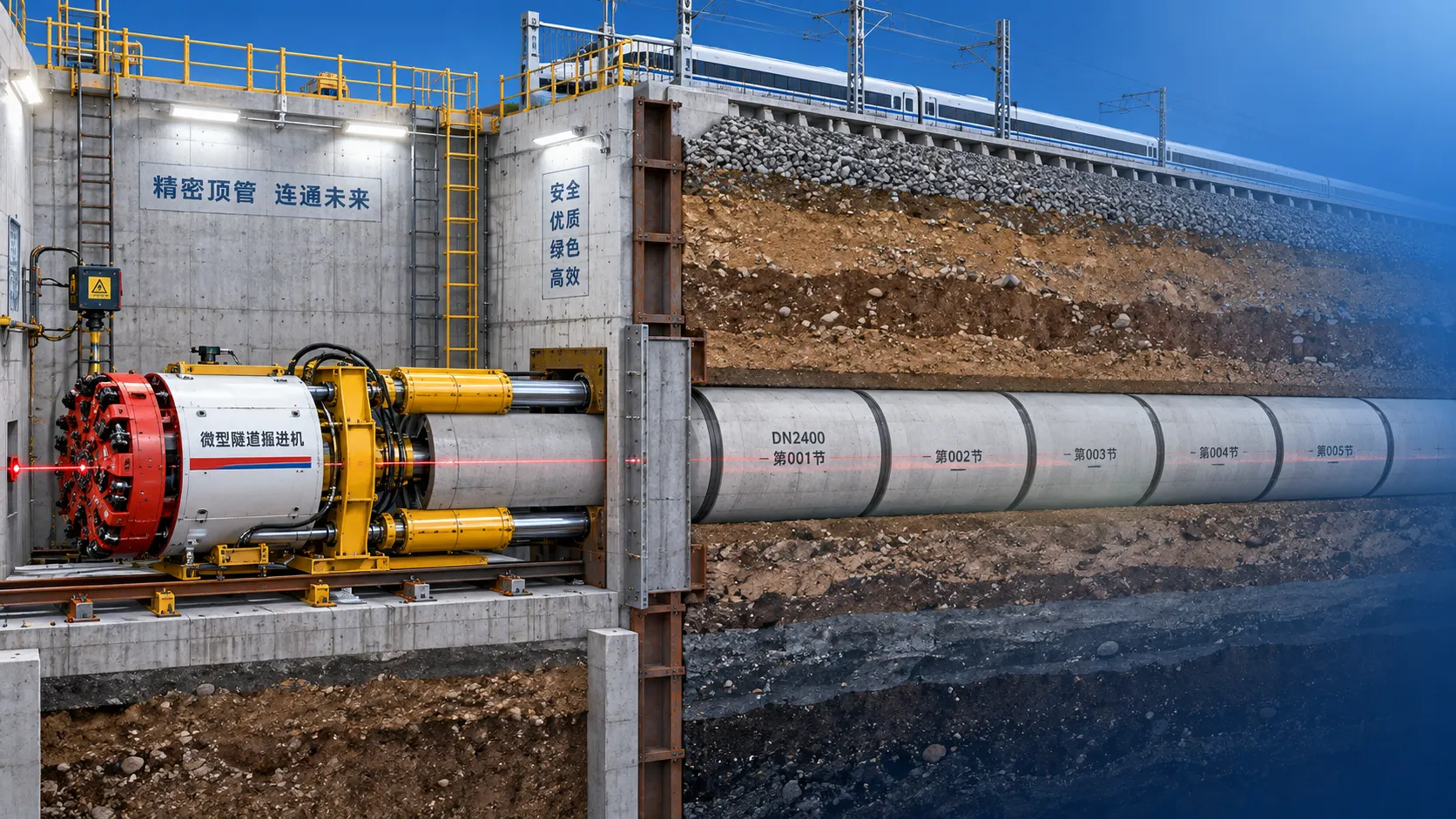
Which Trenchless Construction Technique Fits Your Utility Crossing Conditions?
Trenchless construction techniques compared for utility crossings: choose HDD, microtunnelling, pipe jacking, or auger boring based on ground, accuracy, access, and risk.
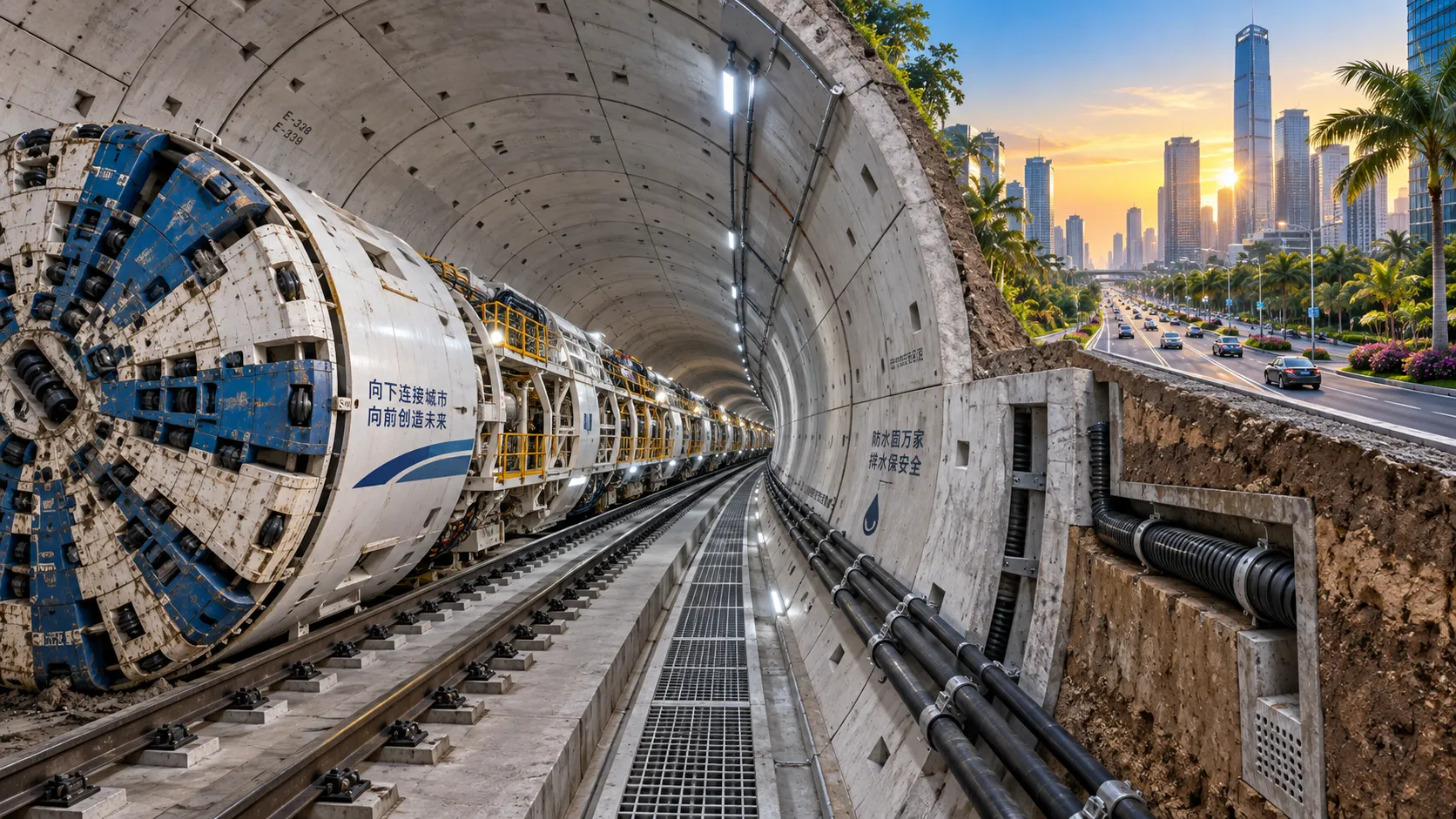
What Is Driving Metro Tunnelling Demand Across Southeast Asia’s Major Cities?
Metro tunnelling Southeast Asia is accelerating as major cities tackle congestion, flooding, and connectivity. Explore the market forces, technical risks, and opportunities shaping demand.
Hard Rock Tunnelling in Australia: Selecting Methods for Variable Ground Conditions
Hard rock tunnelling in Australia: compare TBM, drill-and-blast and hybrid methods to manage variable ground, reduce risk and protect project costs.
Hydropower Tunnel Excavation: Selecting Methods for Variable Rock Conditions
Hydropower tunnel excavation methods for variable rock conditions: compare TBM, drill-and-blast, and hybrid strategies to improve safety, progress, and project control.
How to Select Underground Safety Equipment for Tunnelling by Hazard and Work Zone
Underground Safety Equipment for tunnelling: match protection to hazards, work zones, compliance, and emergency needs with this practical selection guide.
EPB or Slurry Shield? Selecting Soft-Ground Tunnelling Equipment by Soil Conditions
Tunnel Excavation Equipment for soft ground: compare EPB and slurry shields by soil, groundwater, settlement risk, and project logistics to choose confidently.
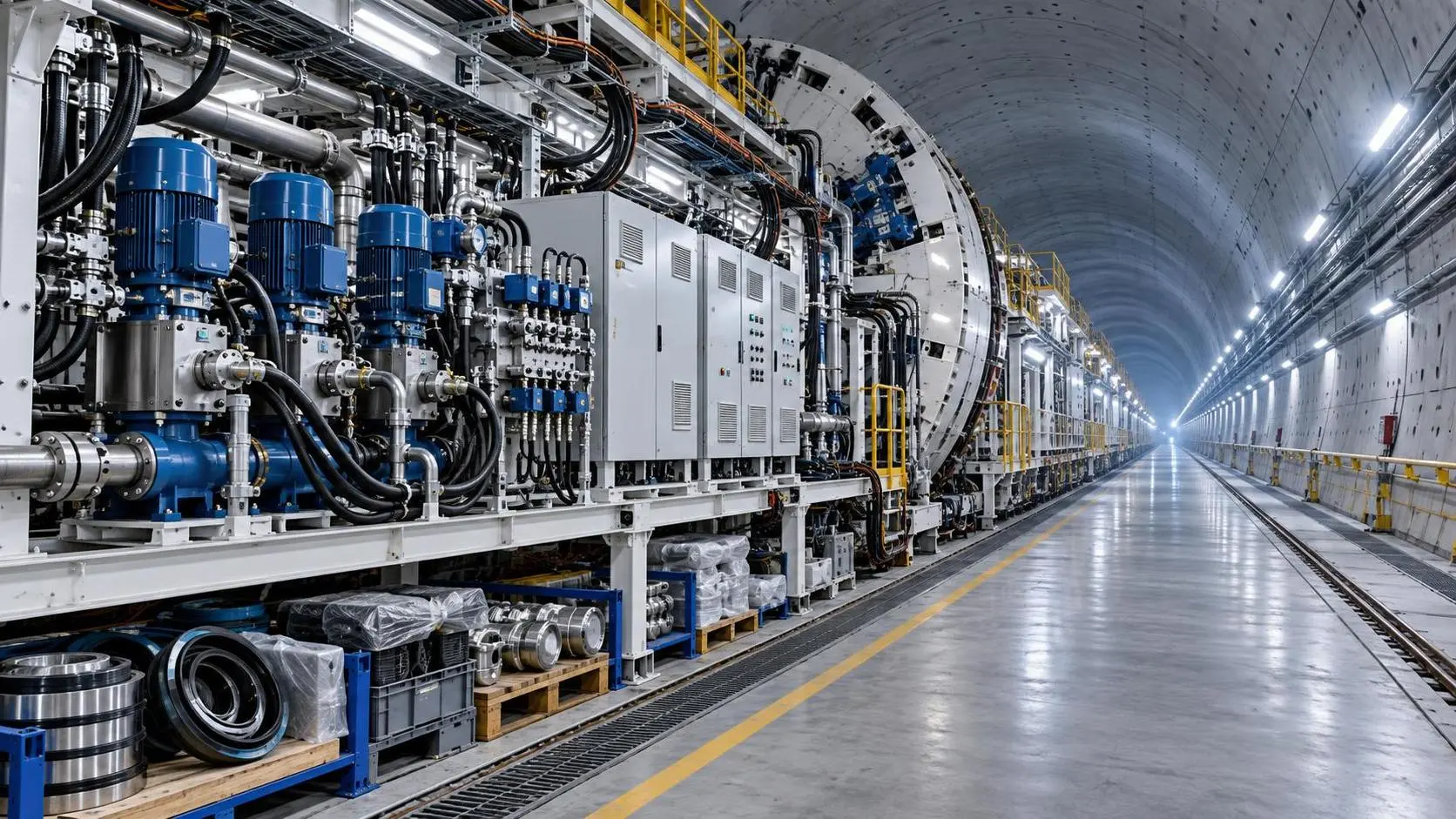
How to Specify TBM Backup System Parts for Reliable Long-Distance Tunnelling
TBM backup system parts: learn how to specify reliable spares for long-distance tunnelling, reduce downtime, ensure compatibility, and speed underground recovery.

How to Size Open Pit Mining Trucks for Haul Distance, Grade, and Payload?
Open Pit Mining Trucks: learn how to match payload, haul distance, grade, road resistance, and loading capacity for safer, lower-cost mine operations.
Related News
- 00
0000-00
How to Evaluate European Drill-and-Blast Tunnelling Contractors for Complex Projects - 00
0000-00
Which Trenchless Construction Technique Fits Your Utility Crossing Conditions? - 00
0000-00
What Is Driving Metro Tunnelling Demand Across Southeast Asia’s Major Cities? - 00
0000-00
Hard Rock Tunnelling in Australia: Selecting Methods for Variable Ground Conditions - 00
0000-00
Hydropower Tunnel Excavation: Selecting Methods for Variable Rock Conditions
Weekly Insights
Stay ahead with our curated technology reports delivered every Monday.