
Fed New Chair Walsh Inaugurated; Rate Hike Expectations Pressure Precious Metals, Benefit TBM Cutter Export Costs





On May 22, 2026, at 23:00 Beijing Time, Jerome Walsh was sworn in as the new Chair of the U.S. Federal Reserve. Rising U.S. inflation data and heightened market expectations for a rate hike — now exceeding 50% — have driven up U.S. Treasury yields and strengthened the U.S. dollar. This macroeconomic shift has accelerated the correction in industrial silver prices (down to USD 76/oz this week), a critical wear-resistant material in Tunnel Boring Machine (TBM) cutterheads and disc cutters. The resulting decline in raw material costs is improving cost competitiveness and delivery flexibility for Chinese TBM tool manufacturers serving North American, European, and Latin American markets.
Event Overview
Jerome Walsh assumed office as Chair of the U.S. Federal Reserve on May 22, 2026, at 23:00 Beijing Time. Concurrently, U.S. inflation indicators rebounded, prompting financial markets to raise the probability of a near-term Federal Reserve interest rate hike to over 50%. As a result, U.S. Treasury yields surged and the U.S. dollar index strengthened. Silver prices — widely used in TBM cutting tools — declined to USD 76 per ounce during the week ending May 22.
Industries Affected
Direct Exporters of TBM Cutting Tools
These firms supply cutterheads and disc cutters to infrastructure contractors and EPC firms in North America, Europe, and Latin America. Because silver constitutes a key alloying element in the wear-resistant matrix of these tools, its price decline directly reduces material input costs. This supports more competitive pricing and tighter lead times in export quotations, particularly where contracts are negotiated in USD and settled against landed cost benchmarks.
Raw Material Procurement Units
Procurement departments sourcing silver, silver-bearing alloys, or pre-alloyed powders for sintered cutter inserts face reduced input volatility. Lower spot silver prices ease budgeting and inventory valuation pressures. However, procurement cycles for high-purity industrial silver may still involve lead times and supplier-specific minimum order quantities — meaning realized cost savings may lag spot price movements by 2–4 weeks.
TBM Tool Manufacturers (OEMs & Tier-1 Suppliers)
Manufacturers integrating silver-based hardfacing materials into cutter production benefit from improved gross margin headroom. With silver accounting for an estimated 8–15% of total material cost in premium-grade disc cutters (per industry-standard metallurgical composition reports), even modest price corrections translate into measurable working capital relief — especially for firms with active order backlogs denominated in USD.
Supply Chain Service Providers (Logistics, Customs, Trade Finance)
While not directly exposed to silver pricing, these service providers may observe increased inquiry volume for export documentation support, letters of credit, and freight forwarding services targeting U.S., EU, and LATAM destinations — reflecting anticipated upticks in outbound shipments tied to renewed price competitiveness. Timing alignment with U.S. tariff classifications for HS 8431.43 (parts for tunnel boring machines) remains operationally relevant.
What Relevant Enterprises or Practitioners Should Monitor and Do
Track official Fed communications and subsequent FOMC meeting minutes
Analysis shows that while the 50%+ hike probability reflects current market pricing, actual policy action depends on labor market data and core PCE trends released over the next 6–8 weeks. Enterprises should treat the current signal as conditional — not definitive — and avoid locking in long-term hedging strategies before the June 11–12 FOMC meeting.
Monitor silver price behavior relative to USD strength and real yields
Observably, silver’s sensitivity to U.S. real yields has intensified since early 2026. A sustained rise in 10-year TIPS breakevens above 2.4% could mute further downside in silver, even amid hawkish rhetoric. Exporters should therefore track both COMEX silver futures and ICE U.S. Dollar Index (DXY) daily — not just headline price levels.
Distinguish between procurement timing and contract pricing mechanisms
From industry perspective, most TBM tool export contracts use either fixed-price (with material cost pass-through clauses) or cost-plus structures. Firms should review active contracts for clause triggers related to silver price thresholds (e.g., ±10% from baseline), and assess whether recent price movement meets those conditions — rather than assuming automatic cost adjustments apply.
Prepare for potential short-term inventory rebalancing
Current more favorable raw material pricing may support strategic pre-buying of silver-bearing alloys for Q3 production cycles — but only if storage capacity, quality retention timelines (e.g., oxidation risk for fine powders), and supplier MOQ terms permit. Analysis suggests a 3–6 week window exists before price stabilization becomes likely.
Editorial Perspective / Industry Observation
This development is best understood as a near-term macro-financial signal — not yet a structural cost shift. While silver’s price correction is real and quantifiable, its duration hinges on Fed policy credibility and U.S. inflation trajectory over coming months. Observably, the impact on TBM tool exporters is asymmetric: it benefits firms with USD-denominated sales and domestic silver procurement, but offers little advantage to those relying on EUR- or CNY-linked input contracts. From industry angle, the event underscores how monetary policy transitions in major economies can rapidly recalibrate input-cost dynamics across globally traded industrial components — even for highly specialized equipment like TBM cutters.

Conclusion: The inauguration of Fed Chair Walsh and associated tightening expectations have triggered a measurable, though time-limited, reduction in silver-related input costs for TBM cutter manufacturers. This improves near-term export pricing power and operational flexibility — but does not alter underlying technology, certification, or after-sales service requirements in target markets. It is more appropriately interpreted as a tactical cost tailwind, not a strategic inflection point.
Source Attribution:
• U.S. Federal Reserve official swearing-in announcement (May 22, 2026)
• CME Group COMEX silver futures settlement data (week ending May 22, 2026)
• U.S. Bureau of Labor Statistics CPI report (released May 14, 2026)
Note: Ongoing observation required for June 2026 FOMC statement, U.S. April PCE data (to be released May 30), and COMEX silver open interest trends.
Related News

How to Evaluate European Drill-and-Blast Tunnelling Contractors for Complex Projects
Drill and blast tunnelling contractors Europe: learn how to assess geology expertise, blast control, equipment reliability, safety, and programme resilience for complex projects.
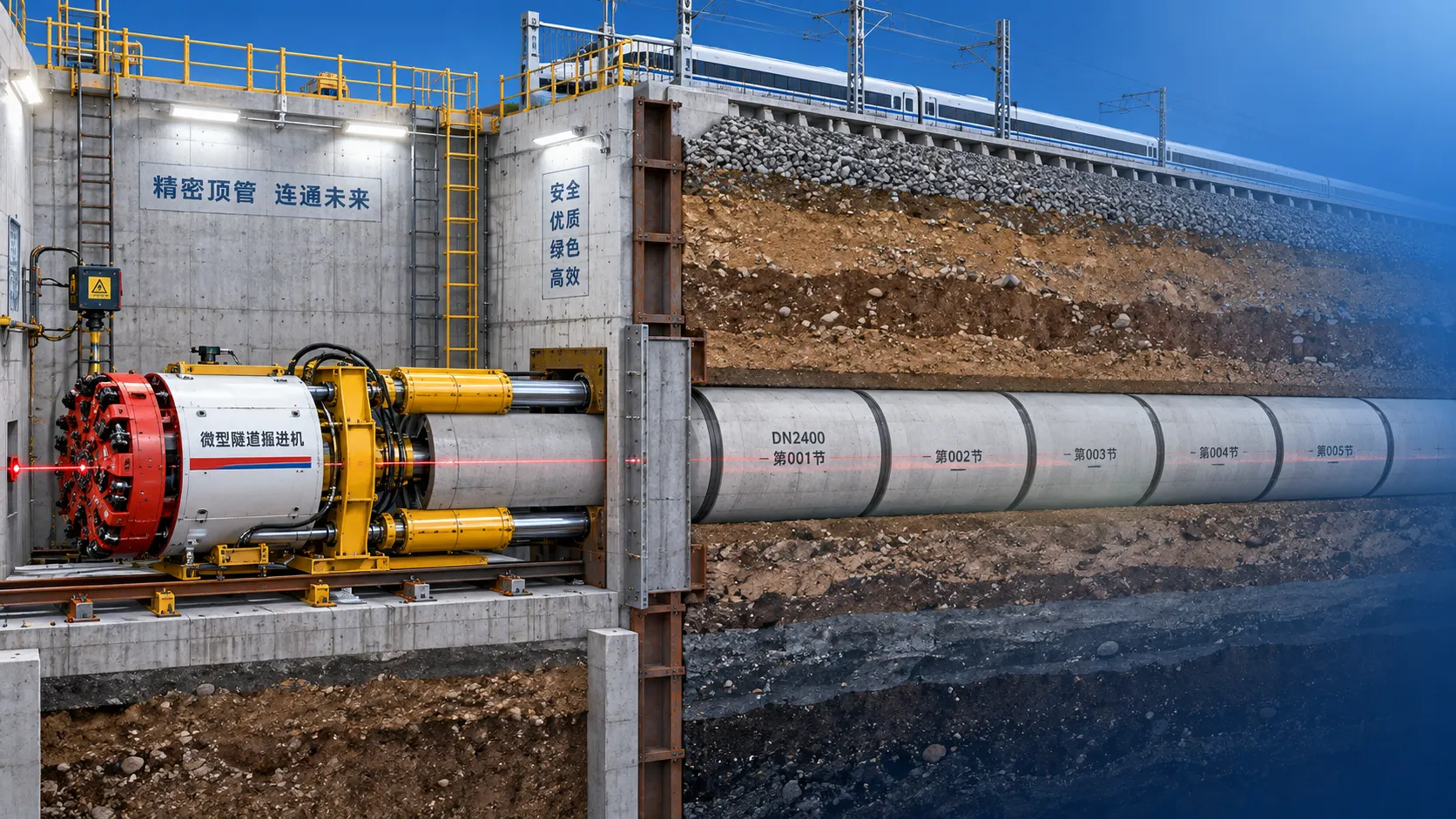
Which Trenchless Construction Technique Fits Your Utility Crossing Conditions?
Trenchless construction techniques compared for utility crossings: choose HDD, microtunnelling, pipe jacking, or auger boring based on ground, accuracy, access, and risk.

What Is Driving Metro Tunnelling Demand Across Southeast Asia’s Major Cities?
Metro tunnelling Southeast Asia is accelerating as major cities tackle congestion, flooding, and connectivity. Explore the market forces, technical risks, and opportunities shaping demand.

Hard Rock Tunnelling in Australia: Selecting Methods for Variable Ground Conditions
Hard rock tunnelling in Australia: compare TBM, drill-and-blast and hybrid methods to manage variable ground, reduce risk and protect project costs.

Hydropower Tunnel Excavation: Selecting Methods for Variable Rock Conditions
Hydropower tunnel excavation methods for variable rock conditions: compare TBM, drill-and-blast, and hybrid strategies to improve safety, progress, and project control.

How to Select Underground Safety Equipment for Tunnelling by Hazard and Work Zone
Underground Safety Equipment for tunnelling: match protection to hazards, work zones, compliance, and emergency needs with this practical selection guide.

EPB or Slurry Shield? Selecting Soft-Ground Tunnelling Equipment by Soil Conditions
Tunnel Excavation Equipment for soft ground: compare EPB and slurry shields by soil, groundwater, settlement risk, and project logistics to choose confidently.

How to Specify TBM Backup System Parts for Reliable Long-Distance Tunnelling
TBM backup system parts: learn how to specify reliable spares for long-distance tunnelling, reduce downtime, ensure compatibility, and speed underground recovery.

How to Size Open Pit Mining Trucks for Haul Distance, Grade, and Payload?
Open Pit Mining Trucks: learn how to match payload, haul distance, grade, road resistance, and loading capacity for safer, lower-cost mine operations.
Related News
- 00
0000-00
How to Evaluate European Drill-and-Blast Tunnelling Contractors for Complex Projects - 00
0000-00
Which Trenchless Construction Technique Fits Your Utility Crossing Conditions? - 00
0000-00
What Is Driving Metro Tunnelling Demand Across Southeast Asia’s Major Cities? - 00
0000-00
Hard Rock Tunnelling in Australia: Selecting Methods for Variable Ground Conditions - 00
0000-00
Hydropower Tunnel Excavation: Selecting Methods for Variable Rock Conditions
Weekly Insights
Stay ahead with our curated technology reports delivered every Monday.