
When TBM Cutter Heads wear faster than expected





When TBM Cutter Heads wear faster than expected, maintenance pressure rises immediately. Spare costs increase, shift plans change, and tunnel progress becomes harder to stabilize.
In underground projects, fast wear rarely comes from one cause alone. Rock conditions, machine settings, muck flow, and inspection discipline often interact in ways that shorten cutter life.
For intelligence-led sectors tracked by UTMD, understanding TBM Cutter Heads means linking field symptoms with operating context. That approach supports faster diagnosis, safer intervention, and stronger asset utilization.
When hard rock is not the only problem: reading the wear scenario correctly
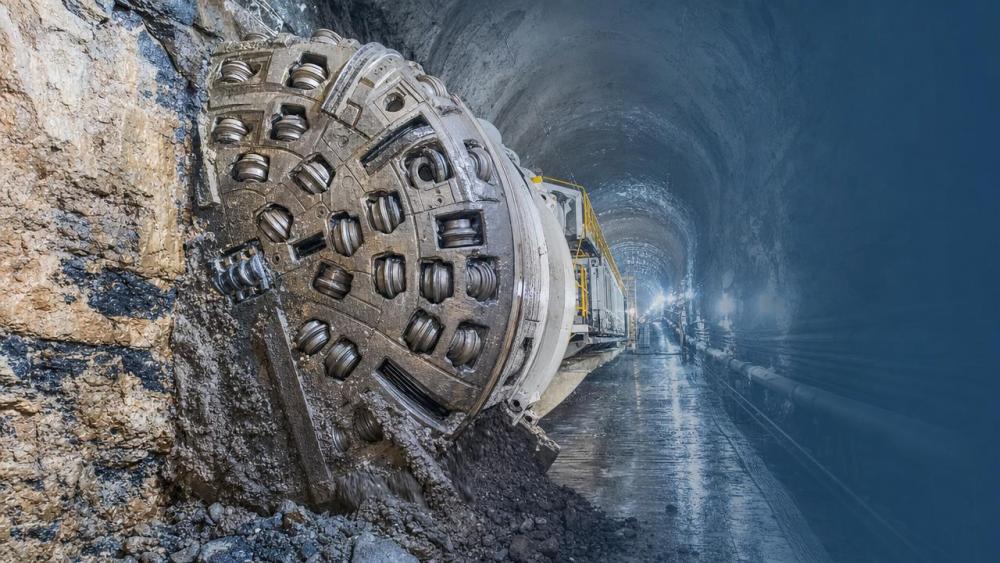
Many teams first blame rock strength. Yet TBM Cutter Heads can fail early even in geology that seems fully within design expectations.
The real question is scenario fit. Wear behavior changes across fractured rock, mixed face ground, abrasive quartz zones, and water-bearing sections.
A cutter head performing well in uniform granite may suffer rapid edge loss in alternating hard-soft bands. Impact loading and uneven force distribution become more damaging there.
In mixed-face conditions, some cutters stay overloaded while others underwork. That imbalance can produce local overheating, ring chipping, and premature replacement cycles.
This is why TBM Cutter Heads should be assessed by operational scene, not by rock hardness alone. Correct scene judgment saves time and avoids wrong maintenance decisions.
Typical tunnelling scenarios that make TBM Cutter Heads wear faster
Abrasive quartz-rich formations
Quartz content often drives severe abrasive wear. Cutter rings lose diameter quickly, and gauge protection elements may erode before standard service intervals.
Penetration may still look acceptable at first. However, energy demand rises gradually, masking the true wear trend until intervention becomes urgent.
Blocky and fractured rock masses
Fractured zones create repeated shock loading. TBM Cutter Heads then suffer not only abrasion, but also impact damage, bearing stress, and uneven disc contact.
In these conditions, cracked rings, broken scrapers, and localized cutter seat damage are more likely than smooth, predictable wear.
Mixed-face transitions
Transitions between soft ground and hard inclusions are especially difficult. Machine thrust and rotation may remain constant while resistance changes every few seconds.
That mismatch increases cutter slippage, irregular loading, and face instability. TBM Cutter Heads often show asymmetric wear patterns in these transition zones.
High water inflow and sticky muck conditions
Water and sticky fines can reduce effective muck discharge. Material packs around openings, increasing recirculation and secondary abrasion on TBM Cutter Heads.
The result is hidden wear. Some teams focus on cutters only, while the real issue sits in flow restriction and poor cleaning efficiency.
How to identify whether the cause is geology, operation, or maintenance
Fast diagnosis starts with separating wear modes. Different wear signatures point to different root causes and different corrective actions.
- Uniform diameter loss usually suggests high abrasivity and sustained contact.
- One-sided wear often indicates skewed loading, face bias, or poor alignment.
- Chipping and cracking often point to impact events in fractured ground.
- Heat discoloration may suggest rolling resistance, bearing problems, or insufficient lubrication.
- Rapid center-to-gauge variation often indicates unbalanced penetration across TBM Cutter Heads.
Operational data should be checked with physical inspection. Thrust, torque, penetration, advance rate, and cutter consumption must be reviewed together.
If penetration falls while torque rises, cutter inefficiency is likely building. If both fluctuate sharply, face variability may be the stronger cause.
Different scenarios create different maintenance needs
Not all fast wear events require the same response. Scenario-based maintenance improves planning accuracy and helps extend TBM Cutter Heads service life.
Practical ways to improve TBM Cutter Heads performance in each scene
A strong response plan combines settings, inspection timing, and wear trend analysis. Small operating corrections often delay major failures.
- Match thrust and RPM to actual face response, not only to nominal design values.
- Track cutter consumption by geological chainage, not by weekly summary only.
- Inspect gauge cutters early in abrasive or curved alignment sections.
- Review bearing condition where heat marks or rolling resistance appear.
- Clean muck paths before replacing cutters if sticky fines are present.
- Use wear mapping to compare center, intermediate, and gauge cutter behavior.
For UTMD-style intelligence practice, data stitching matters. Cutter wear records should connect with geology logs, downtime notes, and machine telemetry.
That integrated view turns TBM Cutter Heads maintenance from reactive replacement into evidence-based reliability management.
Common misjudgments that make TBM Cutter Heads problems worse
Several repeated mistakes increase downtime. Most are avoidable when field teams interpret wear in context.
- Assuming all fast wear comes from harder rock.
- Replacing cutters without checking muck circulation and opening blockage.
- Ignoring asymmetric wear until penetration drops sharply.
- Using fixed service intervals across very different geological sections.
- Separating maintenance records from production and geology data.
Another blind spot is underestimating transition zones. Some of the worst TBM Cutter Heads wear happens not inside long uniform sections, but between them.
A smarter next step for reducing unexpected cutter head wear
If TBM Cutter Heads are wearing faster than expected, begin with a scene-based review. Identify the chainage, geology type, operating settings, and wear pattern together.
Then set a short-cycle action plan. Update inspection frequency, refine thrust and RPM strategy, and verify whether muck flow or load balance is the hidden driver.
For underground engineering intelligence, the goal is not just replacing parts faster. It is restoring reliability, protecting advance rates, and improving long-term asset performance.
UTMD follows these operating realities closely because TBM Cutter Heads sit at the center of excavation efficiency, maintenance economics, and the future of smart underground construction.
When diagnosis becomes more precise, every maintenance window becomes more valuable. That is how tunnelling teams move from wear reaction to controlled, data-backed performance underground.
Related News
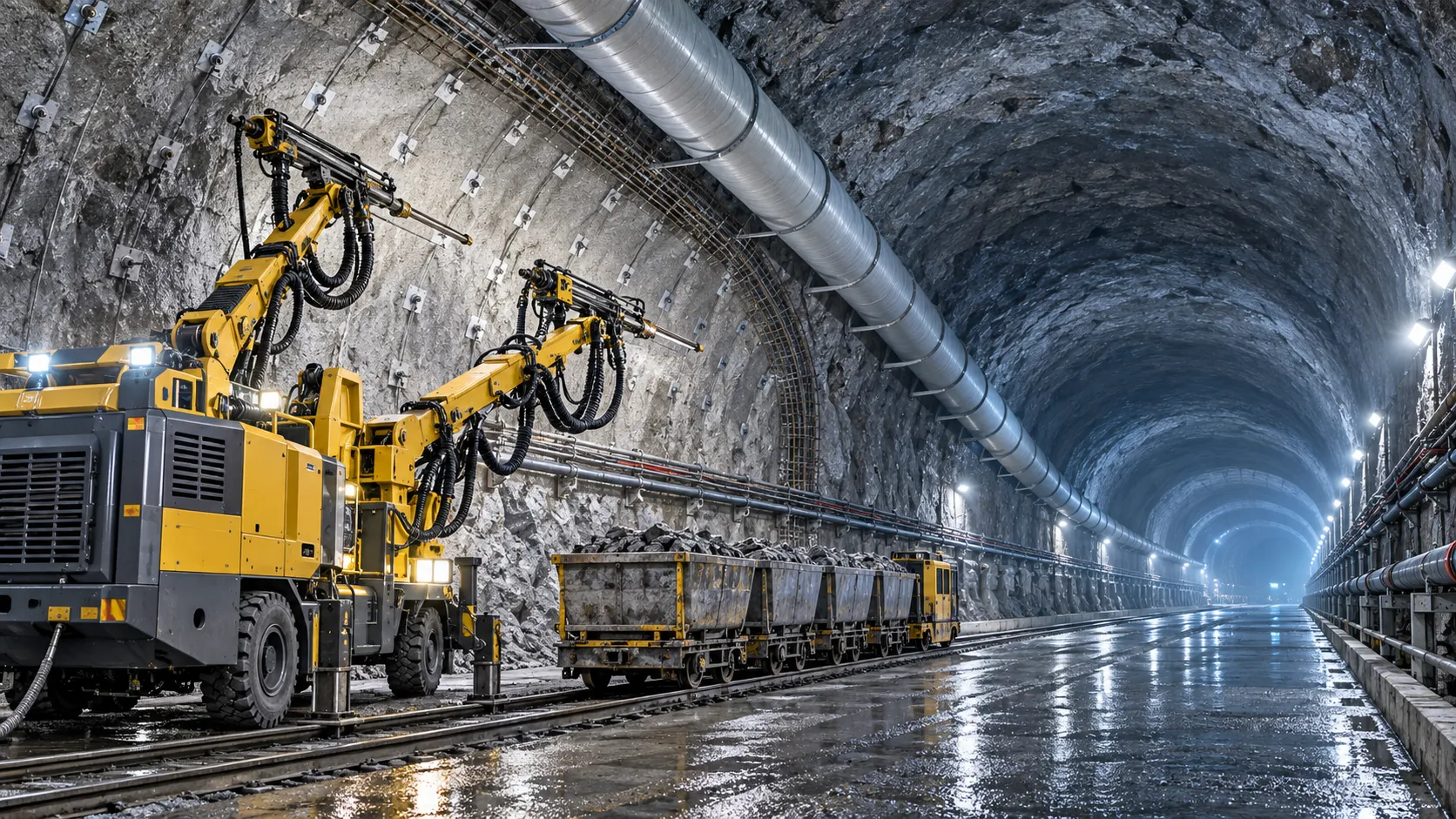
How to Evaluate European Drill-and-Blast Tunnelling Contractors for Complex Projects
Drill and blast tunnelling contractors Europe: learn how to assess geology expertise, blast control, equipment reliability, safety, and programme resilience for complex projects.
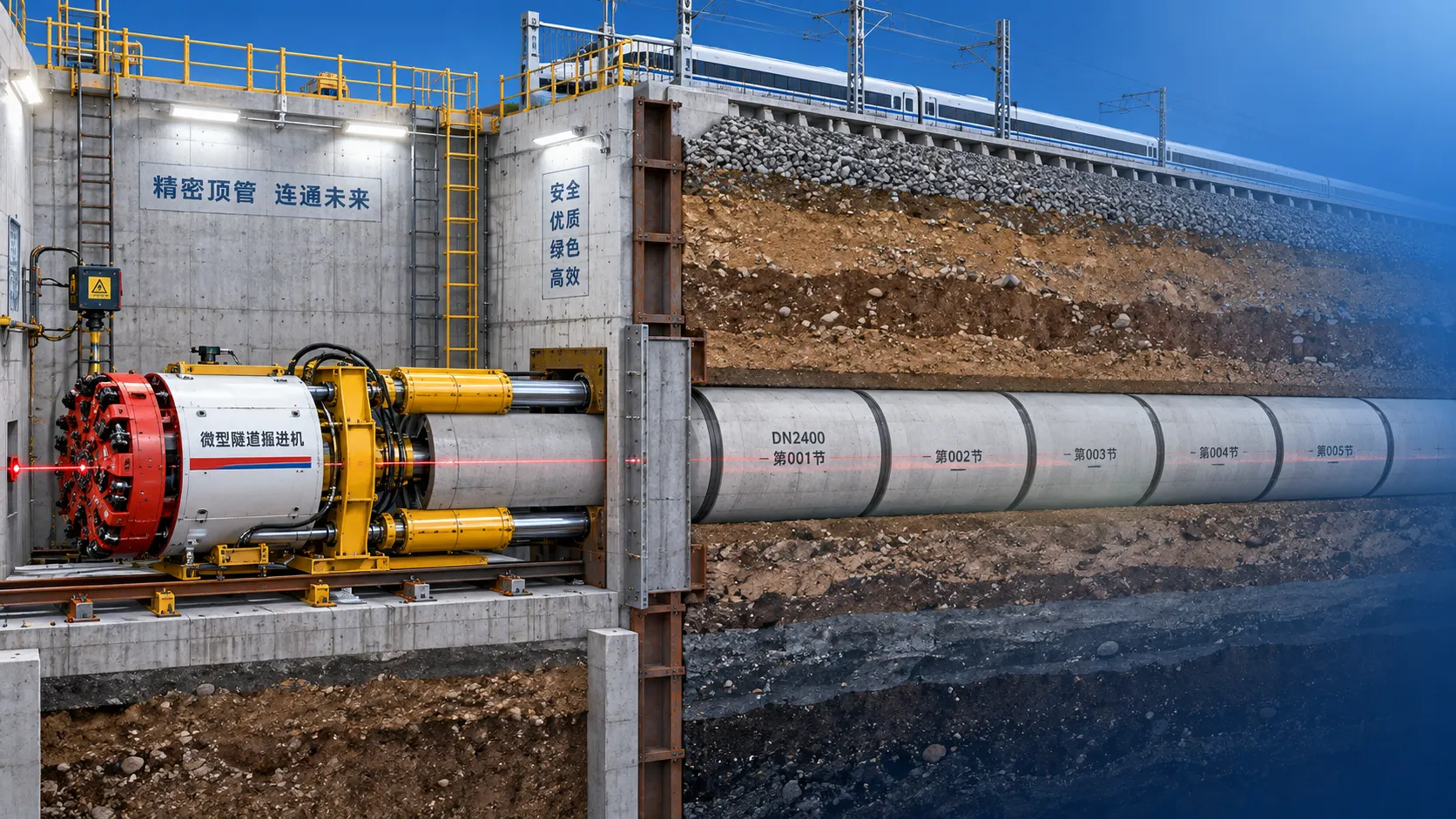
Which Trenchless Construction Technique Fits Your Utility Crossing Conditions?
Trenchless construction techniques compared for utility crossings: choose HDD, microtunnelling, pipe jacking, or auger boring based on ground, accuracy, access, and risk.

What Is Driving Metro Tunnelling Demand Across Southeast Asia’s Major Cities?
Metro tunnelling Southeast Asia is accelerating as major cities tackle congestion, flooding, and connectivity. Explore the market forces, technical risks, and opportunities shaping demand.
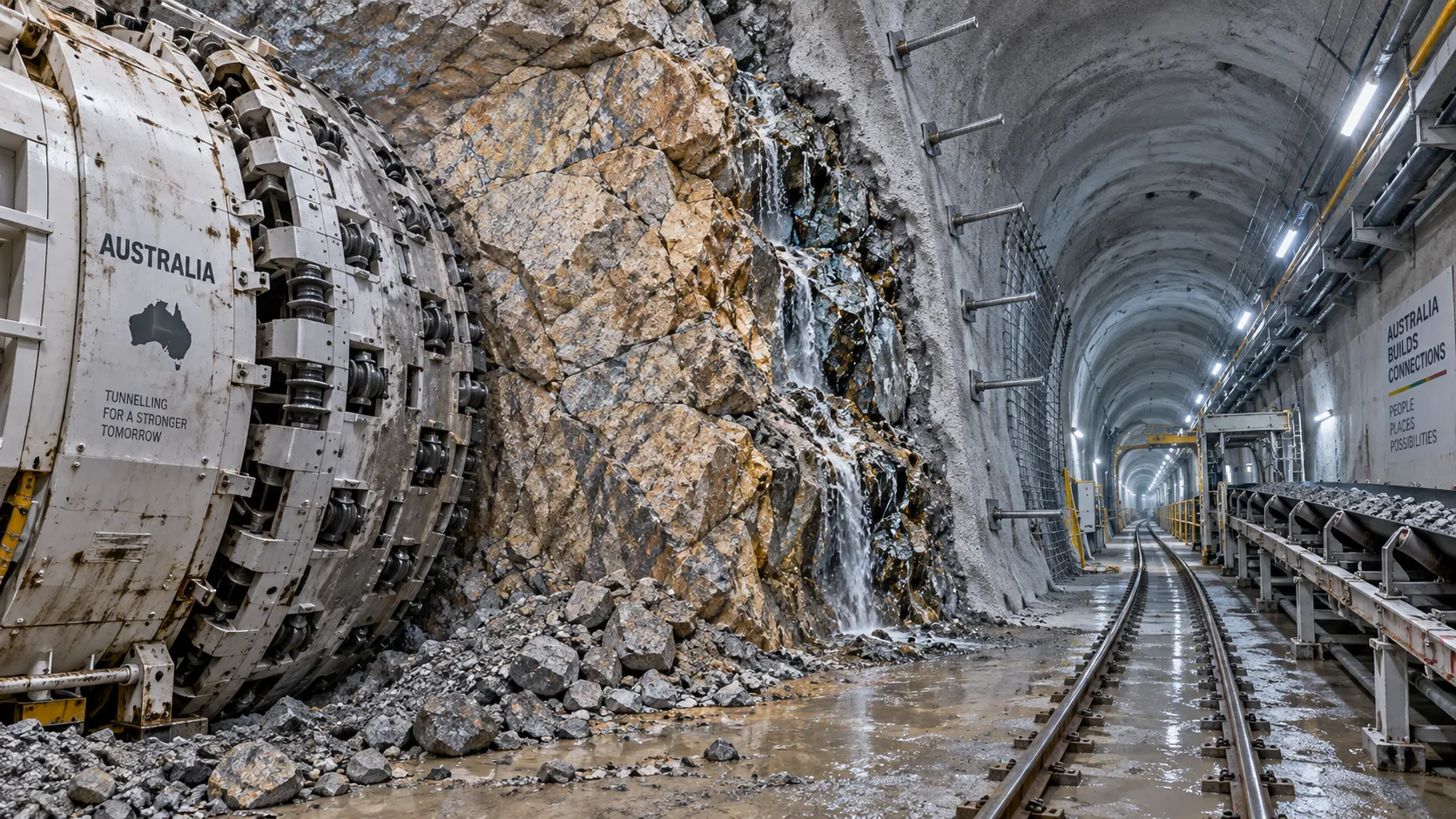
Hard Rock Tunnelling in Australia: Selecting Methods for Variable Ground Conditions
Hard rock tunnelling in Australia: compare TBM, drill-and-blast and hybrid methods to manage variable ground, reduce risk and protect project costs.
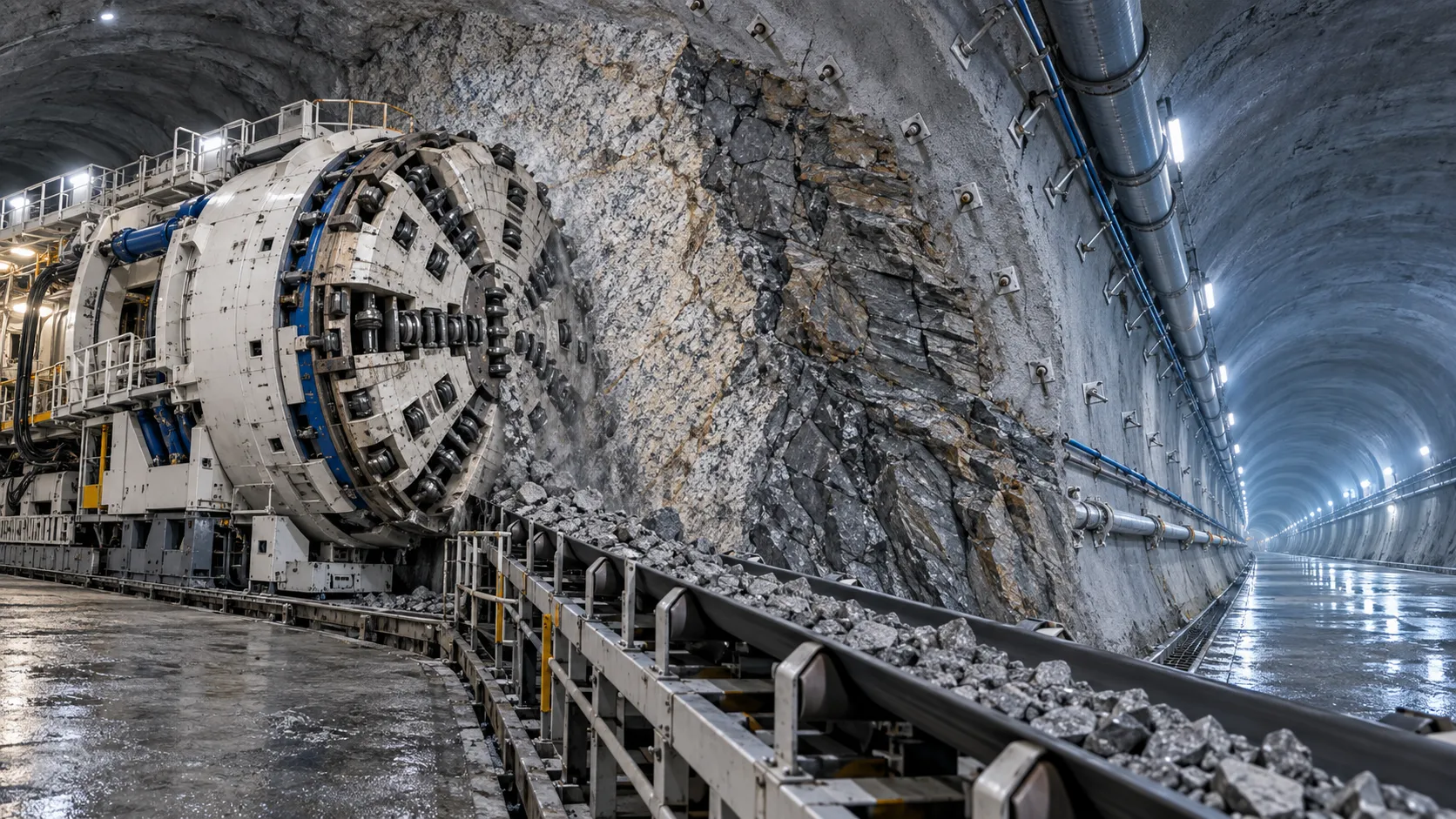
Hydropower Tunnel Excavation: Selecting Methods for Variable Rock Conditions
Hydropower tunnel excavation methods for variable rock conditions: compare TBM, drill-and-blast, and hybrid strategies to improve safety, progress, and project control.
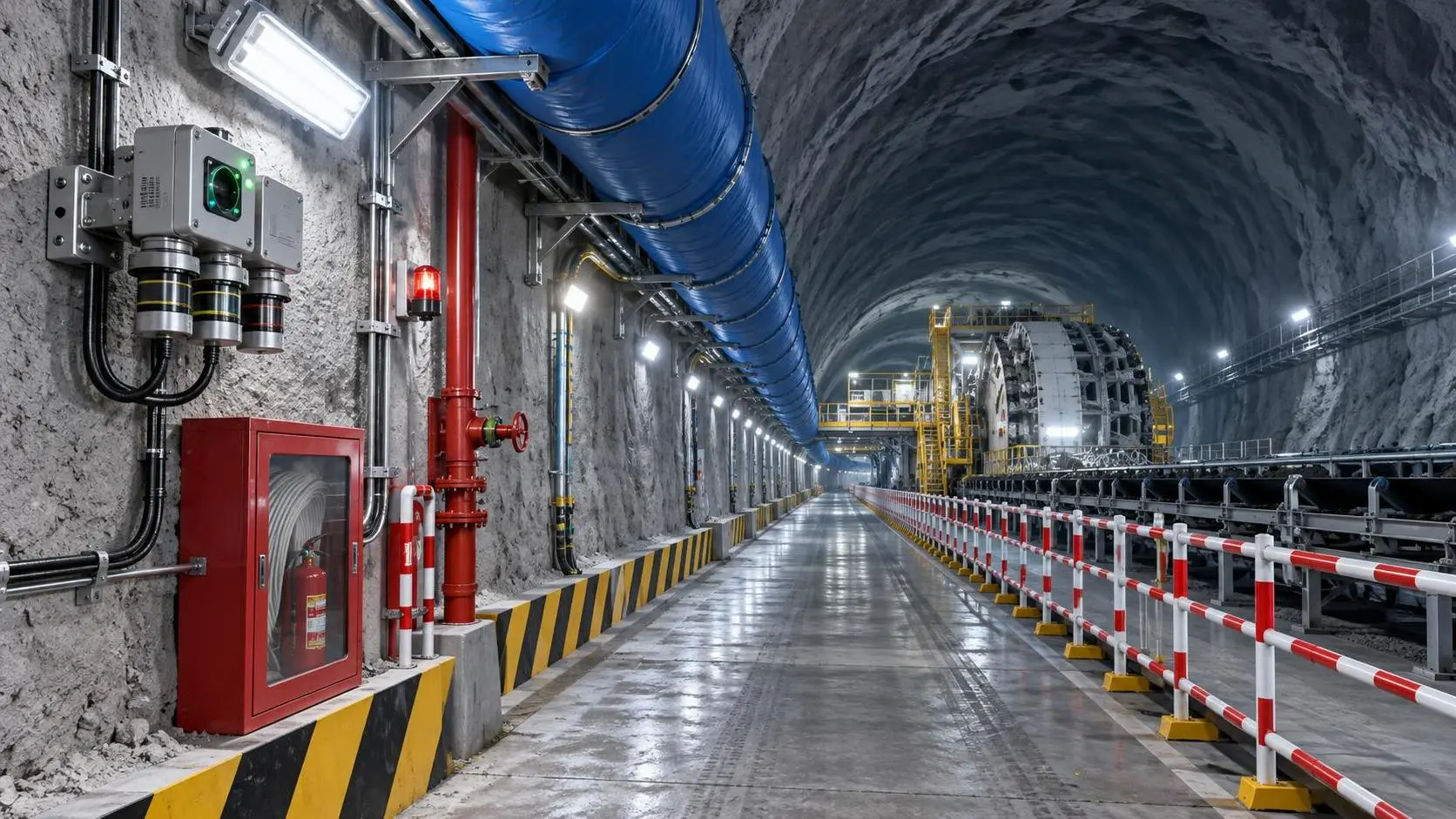
How to Select Underground Safety Equipment for Tunnelling by Hazard and Work Zone
Underground Safety Equipment for tunnelling: match protection to hazards, work zones, compliance, and emergency needs with this practical selection guide.

EPB or Slurry Shield? Selecting Soft-Ground Tunnelling Equipment by Soil Conditions
Tunnel Excavation Equipment for soft ground: compare EPB and slurry shields by soil, groundwater, settlement risk, and project logistics to choose confidently.
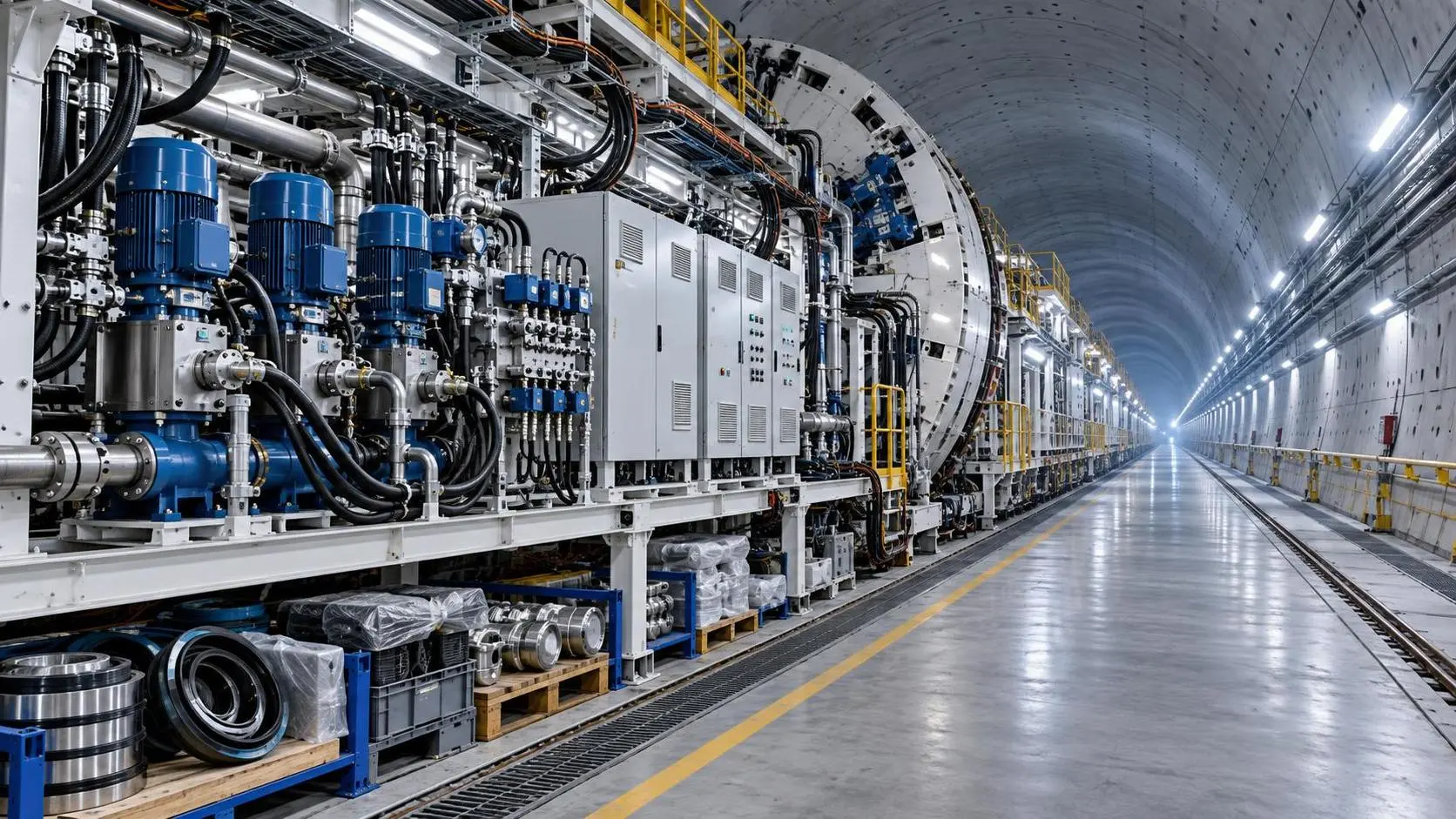
How to Specify TBM Backup System Parts for Reliable Long-Distance Tunnelling
TBM backup system parts: learn how to specify reliable spares for long-distance tunnelling, reduce downtime, ensure compatibility, and speed underground recovery.

How to Size Open Pit Mining Trucks for Haul Distance, Grade, and Payload?
Open Pit Mining Trucks: learn how to match payload, haul distance, grade, road resistance, and loading capacity for safer, lower-cost mine operations.
Related News
- 00
0000-00
How to Evaluate European Drill-and-Blast Tunnelling Contractors for Complex Projects - 00
0000-00
Which Trenchless Construction Technique Fits Your Utility Crossing Conditions? - 00
0000-00
What Is Driving Metro Tunnelling Demand Across Southeast Asia’s Major Cities? - 00
0000-00
Hard Rock Tunnelling in Australia: Selecting Methods for Variable Ground Conditions - 00
0000-00
Hydropower Tunnel Excavation: Selecting Methods for Variable Rock Conditions
Weekly Insights
Stay ahead with our curated technology reports delivered every Monday.