
Which Tunnel Boring Machine Parts wear fastest?





For after-sales maintenance teams, knowing which Tunnel Boring Machine Parts wear fastest is essential to reducing downtime, controlling spare-part costs, and protecting excavation efficiency. In harsh ground conditions, components exposed to continuous rock contact, slurry abrasion, vibration, and high hydraulic loads can deteriorate far earlier than expected. This article highlights the key wear-prone TBM parts, explains why they fail, and helps maintenance personnel prioritize inspections, replacement planning, and operational adjustments before minor wear becomes a major tunnel stoppage.
In a TBM project, wear is not a single-component issue. It is a chain reaction involving geology, thrust, cutterhead torque, muck removal, sealing, lubrication, and operator response.
For after-sales teams, the practical question is not only “what failed?” but “which part will fail next within 8, 24, or 72 operating hours?”
Fastest-Wearing Tunnel Boring Machine Parts in Real Excavation
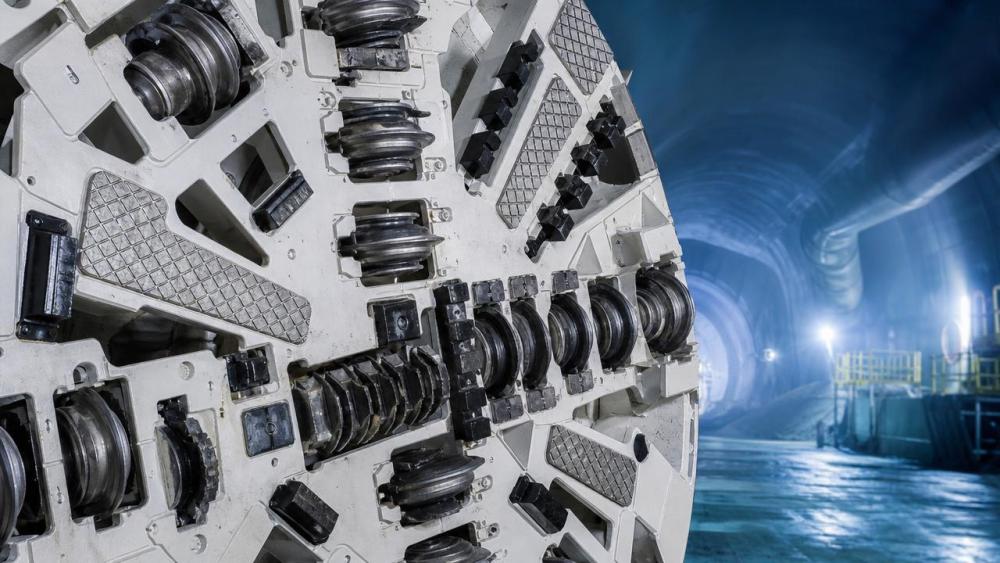
The fastest-wearing Tunnel Boring Machine Parts are usually located at the rock interface, slurry interface, or high-load rotation interface. These zones combine abrasion, impact, heat, and contamination.
In hard rock, disc cutters and cutterhead protection parts often dominate replacement planning. In mixed ground or slurry tunnelling, pumps, pipes, seals, and scrapers may wear faster.
1. Disc Cutters and Cutter Rings
Disc cutters are typically the first Tunnel Boring Machine Parts maintenance personnel monitor. They directly contact the face under high normal force and rolling impact.
Common wear appears as ring flattening, chipping, abnormal temperature, bearing looseness, and uneven cutter rotation. In abrasive rock, inspection may be required every 8–12 hours.
A small diameter loss can reduce penetration efficiency. If several adjacent cutters underperform, torque demand rises and vibration transfers to the cutterhead structure.
2. Scrapers, Rippers, and Bucket Lips
Scrapers and bucket lips handle loosened material, especially in EPB, slurry, and mixed-face machines. They suffer sliding abrasion rather than rolling fatigue.
These Tunnel Boring Machine Parts may wear rapidly when quartz-rich sand, cobbles, or fragmented hard rock circulate repeatedly inside the excavation chamber.
After-sales crews should track scraper thickness, bolt tightness, weld cracks, and material build-up. A 20–30% section loss often justifies planned replacement.
3. Cutterhead Wear Plates and Hardfacing
Wear plates protect the cutterhead body from direct abrasion. Once the protective layer disappears, structural repair becomes slower and far more expensive.
Hardfacing condition should be inspected during every major intervention. Loss of 3–5 mm in localized areas may indicate abnormal muck flow or blocked openings.
A damaged wear plate can expose welding seams, distort muck entry paths, and increase chamber turbulence, reducing the service life of other Tunnel Boring Machine Parts.
The following table summarizes high-risk components and practical inspection signals for after-sales teams planning spare-part priorities.
The key conclusion is simple: rock-contact parts fail visibly, but seal and bearing risks often develop silently. Both categories need separate inspection logic.
Why These Parts Wear Faster Than Expected
Wear acceleration usually reflects a mismatch between ground conditions, operating parameters, and installed Tunnel Boring Machine Parts. The same component may perform differently across 2 rings.
After-sales maintenance teams should connect failure evidence with machine data. Thrust, torque, penetration rate, foam ratio, slurry density, and temperature trends provide early clues.
Geology and Abrasivity
Quartz content, unconfined compressive strength, joint spacing, and water pressure strongly influence wear. Abrasive ground can shorten cutter life by several inspection cycles.
Mixed ground is especially difficult because soft zones encourage clogging, while hard inclusions create impact loads. This combination damages both cutting tools and muck-handling components.
Operating Parameters
Excessive thrust may overload disc cutters, while insufficient penetration creates grinding instead of rock chipping. Both conditions increase heat and ring wear.
A practical maintenance review should compare advance rate, cutterhead rpm, torque peaks, and cutter changes over 3–5 consecutive shifts.
Contamination and Lubrication Failure
Fine particles entering bearings, gearboxes, hydraulic circuits, or seal systems can cause progressive damage. Contaminated lubricant often turns a minor issue into overhaul work.
For critical Tunnel Boring Machine Parts, oil cleanliness, grease consumption, seal pressure, and filter differential pressure should be reviewed at defined thresholds.
Typical Root-Cause Checklist
- Confirm whether wear increased after a geology transition, such as entering fractured rock, sand lens, or high-water zone.
- Compare cutterhead torque peaks against normal baseline values from the previous 7–10 rings.
- Check lubrication records for missing grease cycles, abnormal consumption, or pressure below the recommended range.
- Inspect whether replacement parts match the specified hardness, geometry, bolt grade, and installation torque.
This checklist prevents teams from replacing parts repeatedly without correcting the reason behind accelerated wear. It also supports better reporting to project managers.
Critical Non-Cutting Parts That Also Wear Quickly
Many stoppages are not caused by cutters alone. Several Tunnel Boring Machine Parts outside the face still operate under severe load, contamination, and vibration.
Maintenance plans should include mechanical, hydraulic, electrical, and slurry transport parts. A balanced list reduces unexpected downtime during long tunnel drives.
Main Bearing Seals and Sealing Systems
Main bearing seals are among the highest-risk parts because failure can threaten the TBM’s core rotating system. Seal damage may develop before visible leakage.
After-sales staff should monitor seal grease pressure, consumption rate, temperature, and contamination. A sudden 15–25% change deserves immediate investigation.
Slurry Pumps, Pipelines, Valves, and Cyclone Components
In slurry TBMs, abrasive particles continuously circulate through pumps and pipelines. Impellers, liners, elbows, and valves may erode faster than expected.
Velocity, particle size, bend radius, and slurry density all matter. High solids concentration can increase wear on multiple Tunnel Boring Machine Parts simultaneously.
Conveyor Belts, Rollers, and Screw Conveyor Flights
EPB machines depend heavily on screw conveyors and belts. Wear here causes poor muck discharge, pressure instability, spillage, and higher cleaning workload.
Screw flights should be checked for edge thinning, liner damage, and shaft vibration. Conveyor rollers need regular rotation checks and bearing noise assessment.
The table below helps maintenance teams classify non-cutting parts by failure consequence, monitoring method, and stocking priority.
Stocking priority should reflect access difficulty and downtime impact. A low-cost seal may deserve higher priority than a larger part with easy access.
Inspection and Replacement Planning for After-Sales Teams
A reliable wear-control program combines field inspection, trend data, spare-part readiness, and communication with operators. It should not depend on emergency replacement alone.
For most projects, maintenance teams can divide Tunnel Boring Machine Parts into 3 groups: consumables, condition-based parts, and critical shutdown-risk parts.
A 5-Step Practical Inspection Workflow
- Collect shift data, including advance rate, thrust, torque, chamber pressure, rpm, and abnormal alarms.
- Inspect exposed wear parts during planned access and document measurements with photos.
- Compare wear against previous records over 3 inspection cycles to identify acceleration.
- Adjust operating parameters, conditioning, or slurry control before replacing parts repeatedly.
- Update the spare-part forecast for the next 2–4 weeks of excavation.
This workflow turns maintenance from reactive repair into controlled risk management. It also gives procurement teams clearer quantities and urgency levels.
Spare-Part Forecasting Rules
Forecasting should consider geology ahead, actual consumption, lead time, and access windows. Fast-moving Tunnel Boring Machine Parts need a rolling buffer.
For consumables such as cutters, scrapers, seals, filters, and hoses, many projects use 7-day minimum stock and 30-day forecast visibility.
Maintenance Records Worth Keeping
- Installation date, operating hours, ring number, and exact position on the cutterhead or system.
- Measured wear depth, crack length, seal pressure history, or component temperature trend.
- Ground condition notes, including rock type, water inflow, abrasivity, and mixed-face events.
- Replacement reason, such as normal wear, impact failure, contamination, or installation damage.
Good records help distinguish supplier quality issues from application issues. They also support warranty discussions and future procurement decisions.
How to Reduce Wear Without Sacrificing Advance Rate
Wear reduction does not mean slowing the machine unnecessarily. The goal is stable excavation with predictable consumption of Tunnel Boring Machine Parts.
After-sales teams should work with operators, site engineers, and procurement staff. Many improvements require coordination across at least 4 disciplines.
Optimize Cutting Parameters
For disc cutters, the most important balance is penetration per revolution. Too low a value promotes grinding; too high may cause impact overload.
Teams should review actual trends rather than rely on a single target. Stable torque and lower vibration often indicate healthier cutting conditions.
Improve Ground Conditioning and Muck Flow
EPB machines rely on foam, polymer, or water to control plasticity and reduce abrasive circulation. Incorrect conditioning can increase scraper and screw wear.
Slurry machines require controlled density, flow, and separation efficiency. A poorly managed slurry loop may damage pumps, valves, and pipelines within days.
Use Fit-for-Ground Replacement Parts
Not every replacement part suits every geology. Hardness, toughness, carbide protection, weld quality, and geometry must match the expected wear mechanism.
For procurement, the lowest unit price can become expensive if change frequency doubles or one unplanned stoppage consumes 12–24 hours.
Common Mistakes to Avoid
- Replacing only the visibly damaged part while ignoring blocked muck openings or abnormal cutterhead vibration.
- Using historical cutter consumption from another tunnel with different quartz content or water pressure.
- Allowing mixed spare-part batches without tracking supplier, installation date, and operating position.
- Postponing seal or lubrication inspections because no external leakage is visible yet.
Avoiding these mistakes improves reliability without unrealistic promises. The strongest maintenance programs are disciplined, measured, and adapted to changing ground.
FAQ for Maintenance Teams Managing TBM Wear Parts
The following questions often appear during after-sales service, spare-part planning, and site troubleshooting for Tunnel Boring Machine Parts.
Which part should be inspected first after a sudden torque increase?
Start with cutters, scrapers, muck openings, and chamber condition. Then check conveyor or slurry discharge restrictions that may create secondary load increases.
How often should cutter wear be measured?
In abrasive hard rock, measurement may be needed every shift or every 8–12 hours. In stable soft ground, longer intervals may be acceptable.
Are cheaper replacement parts always risky?
Not always, but they must be evaluated by material, geometry, manufacturing consistency, traceability, and field performance over several installation positions.
What is the best indicator of hidden seal risk?
Watch trends in grease consumption, pressure stability, temperature, and contamination particles. A small deviation repeated over 3 shifts deserves attention.
Turning Wear Knowledge into Reliable TBM Operation
The fastest-wearing Tunnel Boring Machine Parts are usually disc cutters, cutter rings, scrapers, wear plates, seals, slurry components, and muck-handling systems.
For after-sales maintenance personnel, the real value lies in connecting wear patterns with operating data, geology, inspection discipline, and spare-part planning.
UTMD supports decision-makers with practical intelligence on TBM reliability, underground equipment maintenance, and wear-driven replacement strategies for demanding tunnel projects.
If your team needs a clearer inspection framework, spare-part evaluation logic, or technical insight for critical Tunnel Boring Machine Parts, contact us to discuss a customized solution.
Related News
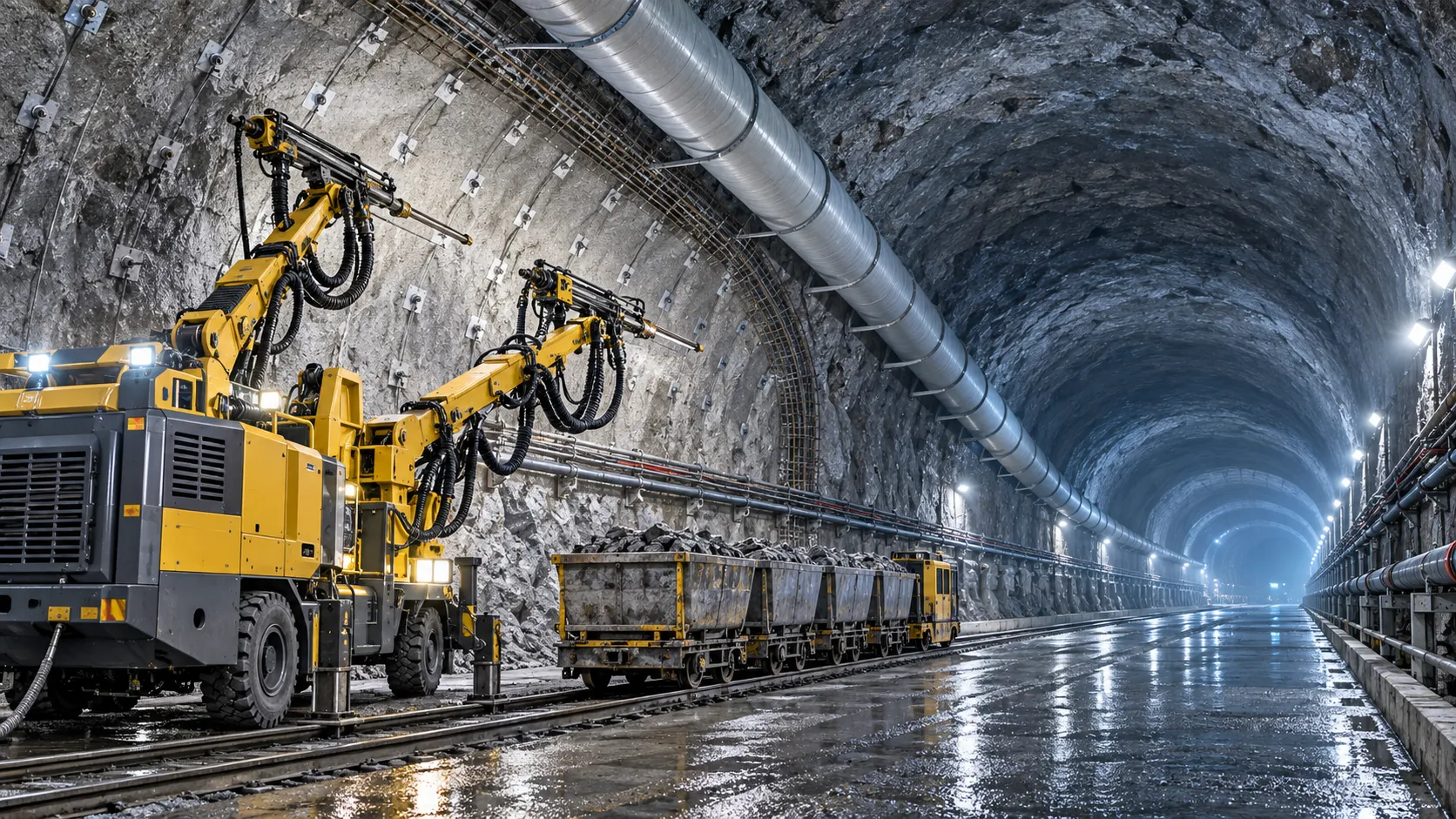
How to Evaluate European Drill-and-Blast Tunnelling Contractors for Complex Projects
Drill and blast tunnelling contractors Europe: learn how to assess geology expertise, blast control, equipment reliability, safety, and programme resilience for complex projects.
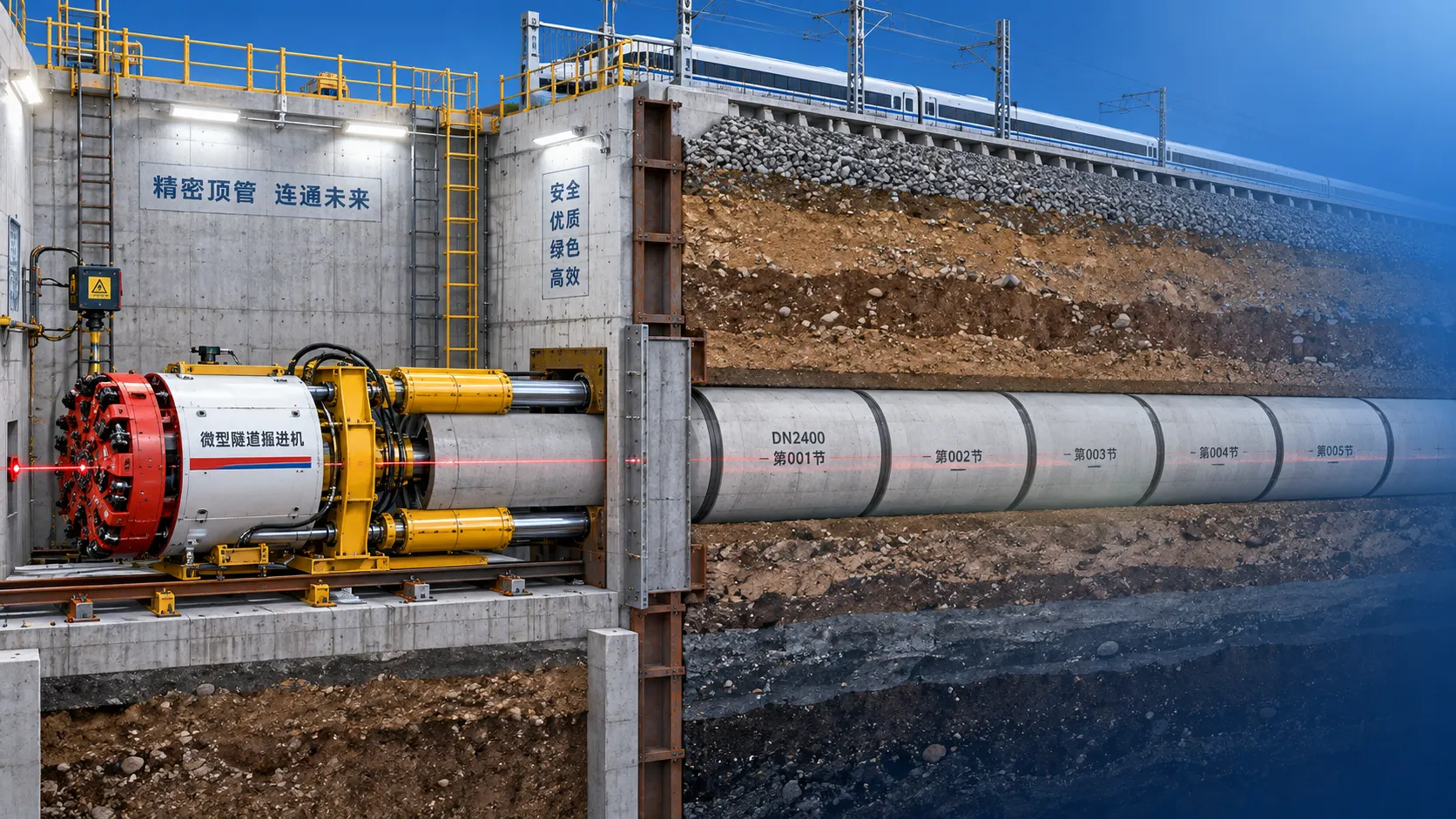
Which Trenchless Construction Technique Fits Your Utility Crossing Conditions?
Trenchless construction techniques compared for utility crossings: choose HDD, microtunnelling, pipe jacking, or auger boring based on ground, accuracy, access, and risk.
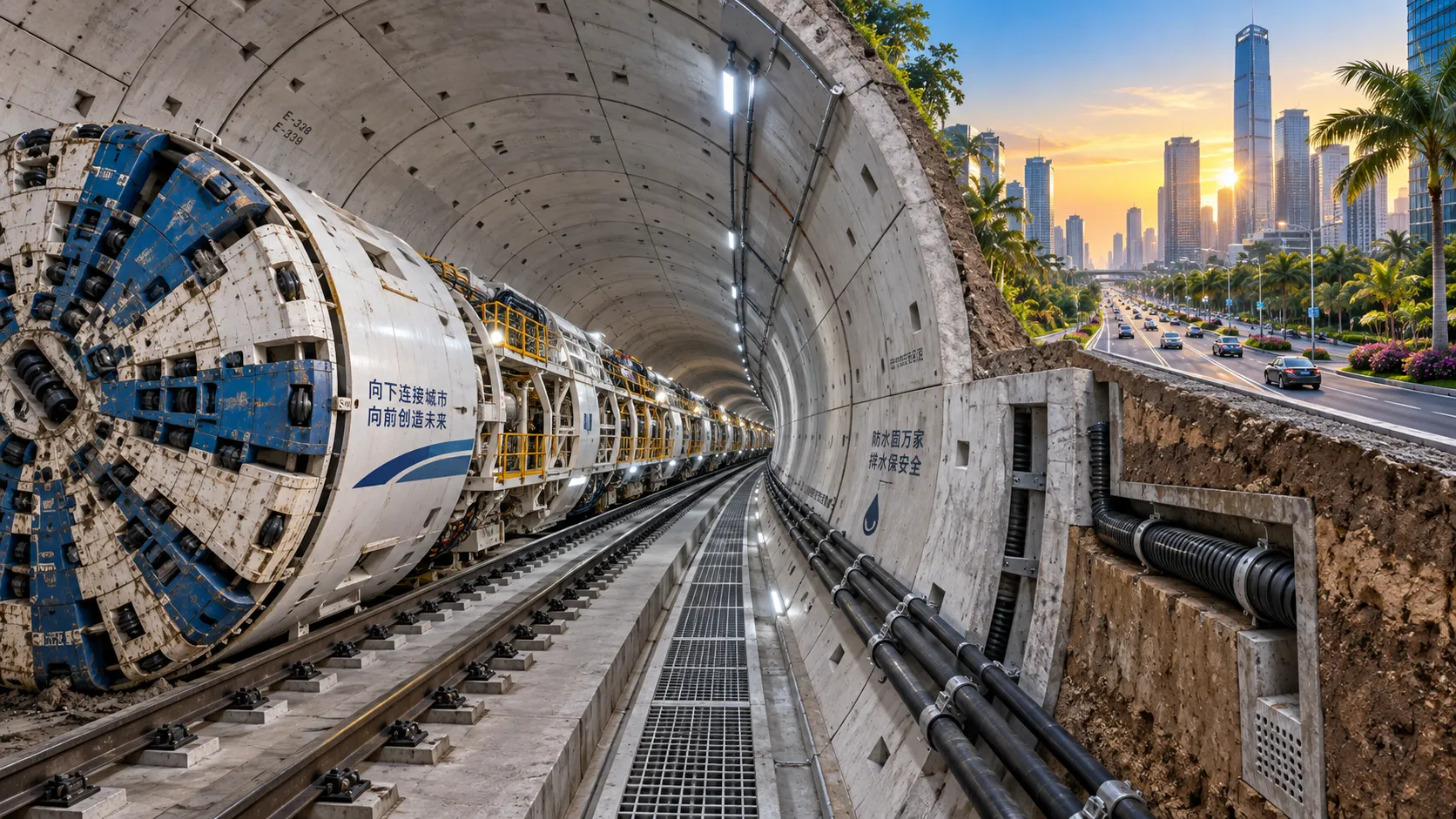
What Is Driving Metro Tunnelling Demand Across Southeast Asia’s Major Cities?
Metro tunnelling Southeast Asia is accelerating as major cities tackle congestion, flooding, and connectivity. Explore the market forces, technical risks, and opportunities shaping demand.
Hard Rock Tunnelling in Australia: Selecting Methods for Variable Ground Conditions
Hard rock tunnelling in Australia: compare TBM, drill-and-blast and hybrid methods to manage variable ground, reduce risk and protect project costs.
Hydropower Tunnel Excavation: Selecting Methods for Variable Rock Conditions
Hydropower tunnel excavation methods for variable rock conditions: compare TBM, drill-and-blast, and hybrid strategies to improve safety, progress, and project control.
How to Select Underground Safety Equipment for Tunnelling by Hazard and Work Zone
Underground Safety Equipment for tunnelling: match protection to hazards, work zones, compliance, and emergency needs with this practical selection guide.
EPB or Slurry Shield? Selecting Soft-Ground Tunnelling Equipment by Soil Conditions
Tunnel Excavation Equipment for soft ground: compare EPB and slurry shields by soil, groundwater, settlement risk, and project logistics to choose confidently.
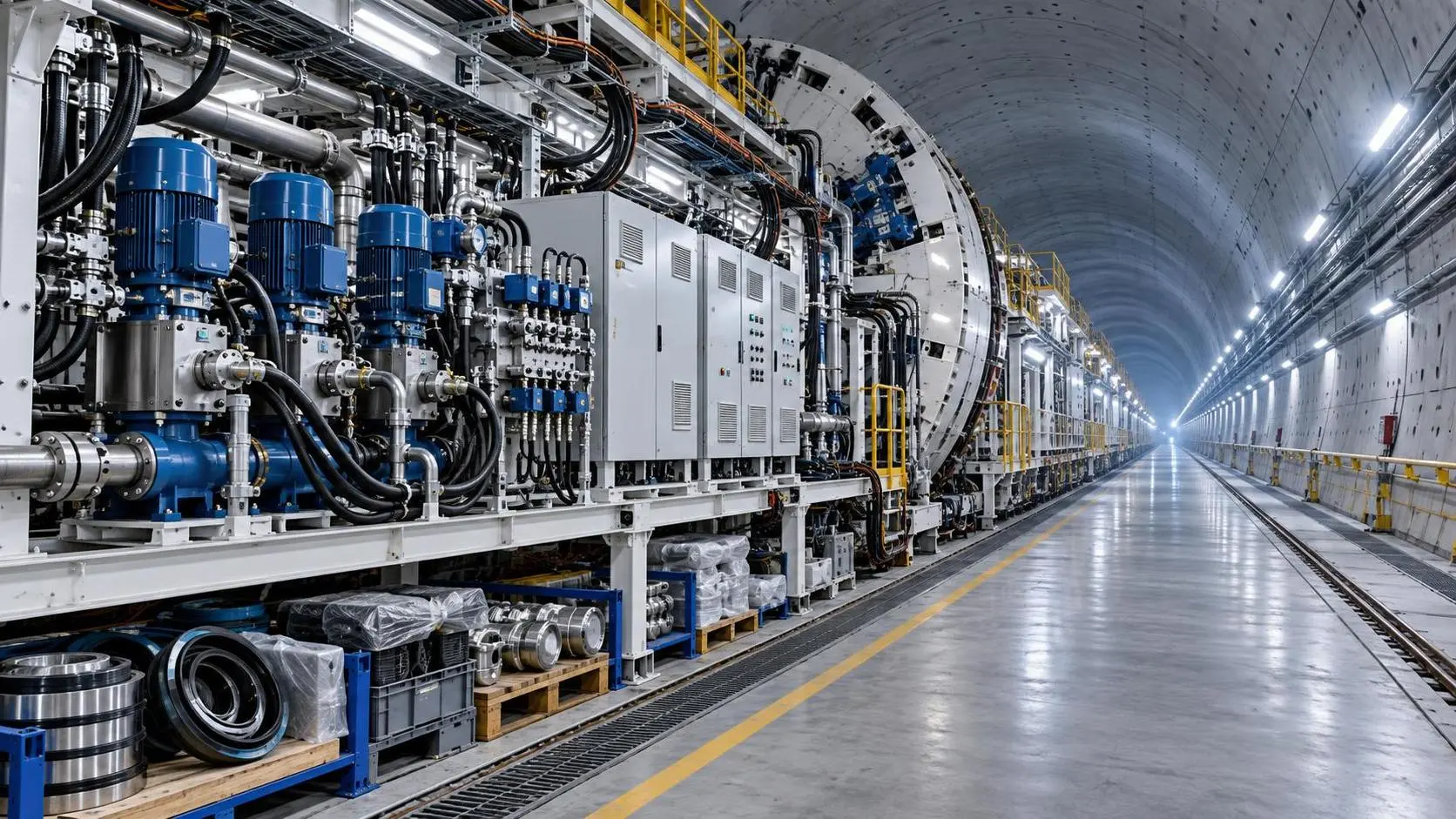
How to Specify TBM Backup System Parts for Reliable Long-Distance Tunnelling
TBM backup system parts: learn how to specify reliable spares for long-distance tunnelling, reduce downtime, ensure compatibility, and speed underground recovery.

How to Size Open Pit Mining Trucks for Haul Distance, Grade, and Payload?
Open Pit Mining Trucks: learn how to match payload, haul distance, grade, road resistance, and loading capacity for safer, lower-cost mine operations.
Related News
- 00
0000-00
How to Evaluate European Drill-and-Blast Tunnelling Contractors for Complex Projects - 00
0000-00
Which Trenchless Construction Technique Fits Your Utility Crossing Conditions? - 00
0000-00
What Is Driving Metro Tunnelling Demand Across Southeast Asia’s Major Cities? - 00
0000-00
Hard Rock Tunnelling in Australia: Selecting Methods for Variable Ground Conditions - 00
0000-00
Hydropower Tunnel Excavation: Selecting Methods for Variable Rock Conditions
Weekly Insights
Stay ahead with our curated technology reports delivered every Monday.