
Shanxi Coal Mine Accident Triggers Safety Upgrades, Tightens Supply of Hard-Rock TBM Cutters and Hydraulic Rock Drill Materials





On May 22, 2026, a methane explosion at Liushenyu Coal Mine in Shanxi Province triggered nationwide tightening of regulatory oversight on prime coking coal and specialty alloy steels — materials critical to hard-rock tunnel boring machine (TBM) disc cutters, shield cutting tools, and key hydraulic rock drill components (e.g., pistons and cylinder bodies). This development warrants close attention from manufacturers of underground excavation equipment, international EPC contractors, and procurement teams managing infrastructure projects with Chinese-supplied mechanized tunneling systems.
Event Overview
A methane explosion occurred on May 22, 2026, at Liushenyu Coal Mine in Shanxi Province. In response, Chinese authorities have implemented comprehensive regulatory tightening on prime coking coal and high-strength wear-resistant alloy steels. This directly affects the upstream supply of raw materials used in TBM disc cutters, shield cutting tools, and hydraulic rock drill pistons/cylinders. As a result, delivery lead times for export-oriented hard-rock掘进 equipment critical components are projected to extend by 2–3 weeks starting in Q3 2026. Overseas EPC contractors and end owners are advised to confirm cutter inventory strategies and material compliance documentation with Chinese suppliers in advance to mitigate critical path delays.
Industries Affected
Direct Export Trading Enterprises
These enterprises face heightened scrutiny on material traceability and regulatory compliance documentation for exported TBM and hydraulic rock drill components. The tightening affects pre-shipment verification timelines and may trigger additional customs or end-user certification requirements, especially under international infrastructure contracts with strict material origin clauses.
Raw Material Procurement Enterprises
Firms sourcing high-strength wear-resistant steels (e.g., Cr-Mo-V alloy grades) from domestic Chinese mills now confront tighter allocation, extended quotation validity windows, and stricter mill-level certification mandates. Supply availability is no longer governed solely by commercial terms but increasingly by regulatory eligibility status of both supplier and downstream application.
Mechanical Component Manufacturers
Manufacturers of TBM disc cutters, shield cutters, and hydraulic rock drill assemblies rely on consistent, certified batches of alloy steel forgings and heat-treated blanks. Regulatory tightening introduces variability in incoming material inspection cycles and may necessitate revalidation of heat treatment parameters or non-destructive testing protocols per batch — adding time and cost to production planning.
Supply Chain & Logistics Service Providers
Third-party logistics and supply chain coordinators supporting cross-border equipment projects must now incorporate regulatory compliance checkpoints into delivery tracking — particularly for shipments containing components with alloy steel content above defined thresholds. Documentation handover timing (e.g., mill test reports, material compliance declarations) becomes a schedule-critical milestone.
What Relevant Enterprises or Practitioners Should Focus On and How to Respond
Monitor official policy updates from MNR, MEE, and SAMR
Regulatory scope remains subject to further clarification. Enterprises should track formal notices from China’s Ministry of Natural Resources (MNR), Ministry of Ecology and Environment (MEE), and State Administration for Market Regulation (SAMR), especially regarding permissible alloy compositions, reporting requirements for steel producers, and exemptions for export-only production lines.
Verify material compliance status for Q3–Q4 committed orders
For orders scheduled for delivery between July and December 2026, procurement teams should request written confirmation from suppliers on: (i) current stock status of certified alloy steel billets/ingots; (ii) expected mill delivery lead times; and (iii) whether submitted material compliance declarations meet anticipated end-user audit standards (e.g., ISO 10474, ASTM A681).
Distinguish between regulatory signals and operational impact
While the May 22 incident triggered immediate policy rhetoric, actual enforcement ramp-up — such as mill inspections or shipment holds — is still emerging. Enterprises should treat early guidance as preparatory, not yet prescriptive; however, delay buffers of ≥2 weeks should be built into Q3 delivery commitments regardless.
Proactively align documentation and communication with overseas stakeholders
EPC contractors and project owners should initiate early dialogue with Chinese suppliers to co-develop material compliance narratives — including mill source statements, third-party test summaries, and process control records — to preempt requests during technical submittal reviews or pre-commissioning audits.
Editorial Perspective / Industry Observation
Observably, this incident functions less as an isolated safety enforcement action and more as a structural signal: it reflects an expanding regulatory perimeter around industrial inputs tied to high-risk mining operations. Analysis shows that the linkage between coal mine safety governance and upstream metallurgical supply chains is becoming institutionalized — not just reactive. From an industry perspective, this shift implies that compliance is no longer confined to final equipment certification but now extends backward into raw material provenance, processing history, and even energy source attribution for melting furnaces. Current developments are better understood as an early-phase policy calibration rather than a fully stabilized regime — meaning implementation rigor, regional enforcement variance, and definitional clarity (e.g., what qualifies as “high-risk application steel”) remain areas requiring sustained observation.
In summary, the May 2026 Liushenyu incident has catalyzed a measurable tightening in the upstream supply environment for critical alloy steels used in hard-rock excavation tooling. Its significance lies not in immediate disruption alone, but in the precedent it sets for cross-sectoral regulatory integration — where mining safety outcomes directly shape material eligibility criteria for mechanical engineering supply chains. For now, this is best interpreted as an operational recalibration phase: one demanding proactive documentation alignment, conservative scheduling, and disciplined tracking of regulatory implementation — rather than a full-scale supply shock or permanent market restructuring.
Source: Official announcements issued by Shanxi Provincial Emergency Management Department (May 2026); preliminary industry advisories circulated by China Construction Machinery Association (CCMA) and China Tunnelling Association (CTA) as of June 2026.
Note: Enforcement scope, mill-level implementation timelines, and exemption criteria remain under active review and require continued monitoring.
Related News

How to Evaluate European Drill-and-Blast Tunnelling Contractors for Complex Projects
Drill and blast tunnelling contractors Europe: learn how to assess geology expertise, blast control, equipment reliability, safety, and programme resilience for complex projects.

Which Trenchless Construction Technique Fits Your Utility Crossing Conditions?
Trenchless construction techniques compared for utility crossings: choose HDD, microtunnelling, pipe jacking, or auger boring based on ground, accuracy, access, and risk.

What Is Driving Metro Tunnelling Demand Across Southeast Asia’s Major Cities?
Metro tunnelling Southeast Asia is accelerating as major cities tackle congestion, flooding, and connectivity. Explore the market forces, technical risks, and opportunities shaping demand.

Hard Rock Tunnelling in Australia: Selecting Methods for Variable Ground Conditions
Hard rock tunnelling in Australia: compare TBM, drill-and-blast and hybrid methods to manage variable ground, reduce risk and protect project costs.

Hydropower Tunnel Excavation: Selecting Methods for Variable Rock Conditions
Hydropower tunnel excavation methods for variable rock conditions: compare TBM, drill-and-blast, and hybrid strategies to improve safety, progress, and project control.

How to Select Underground Safety Equipment for Tunnelling by Hazard and Work Zone
Underground Safety Equipment for tunnelling: match protection to hazards, work zones, compliance, and emergency needs with this practical selection guide.
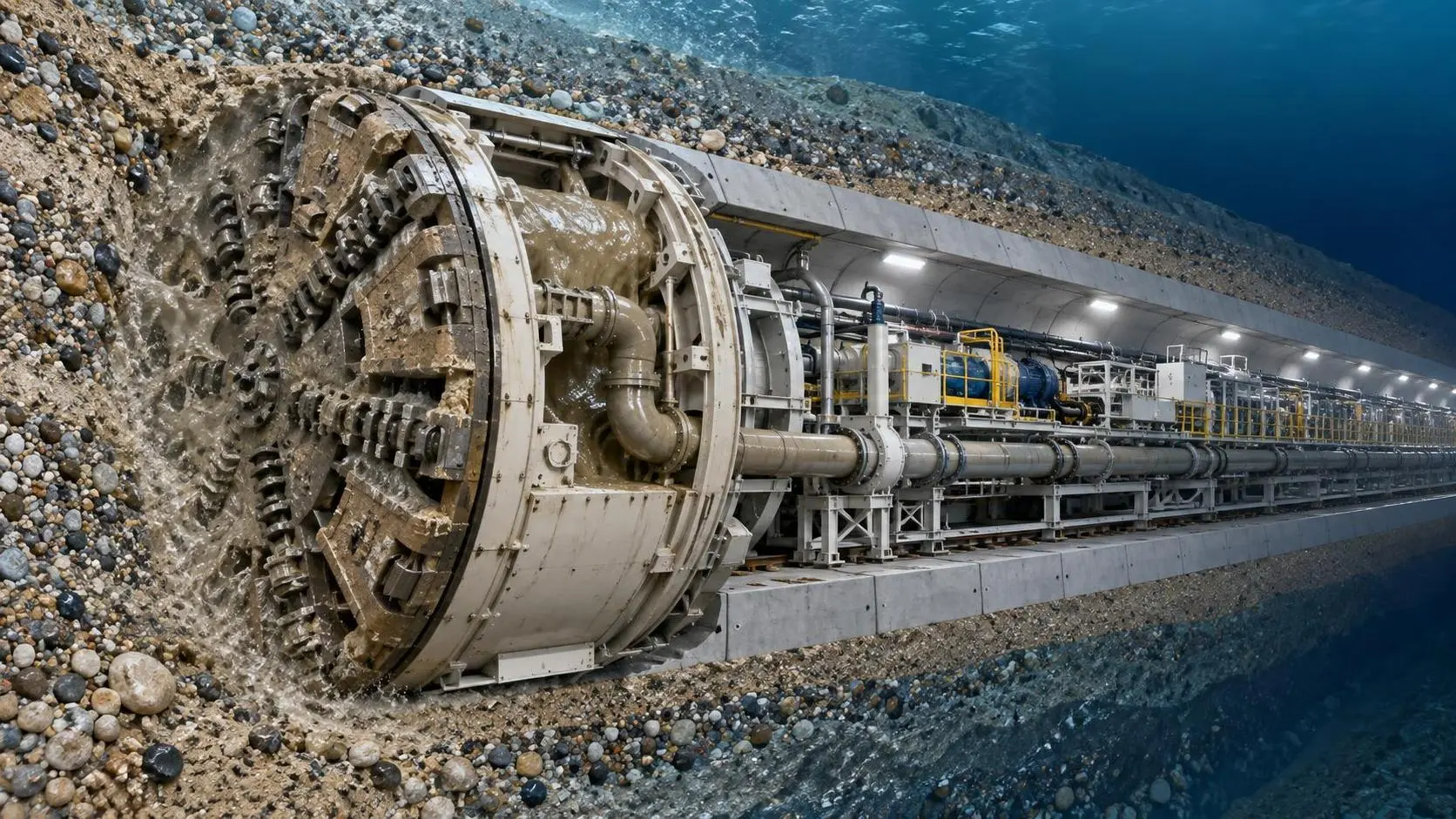
EPB or Slurry Shield? Selecting Soft-Ground Tunnelling Equipment by Soil Conditions
Tunnel Excavation Equipment for soft ground: compare EPB and slurry shields by soil, groundwater, settlement risk, and project logistics to choose confidently.
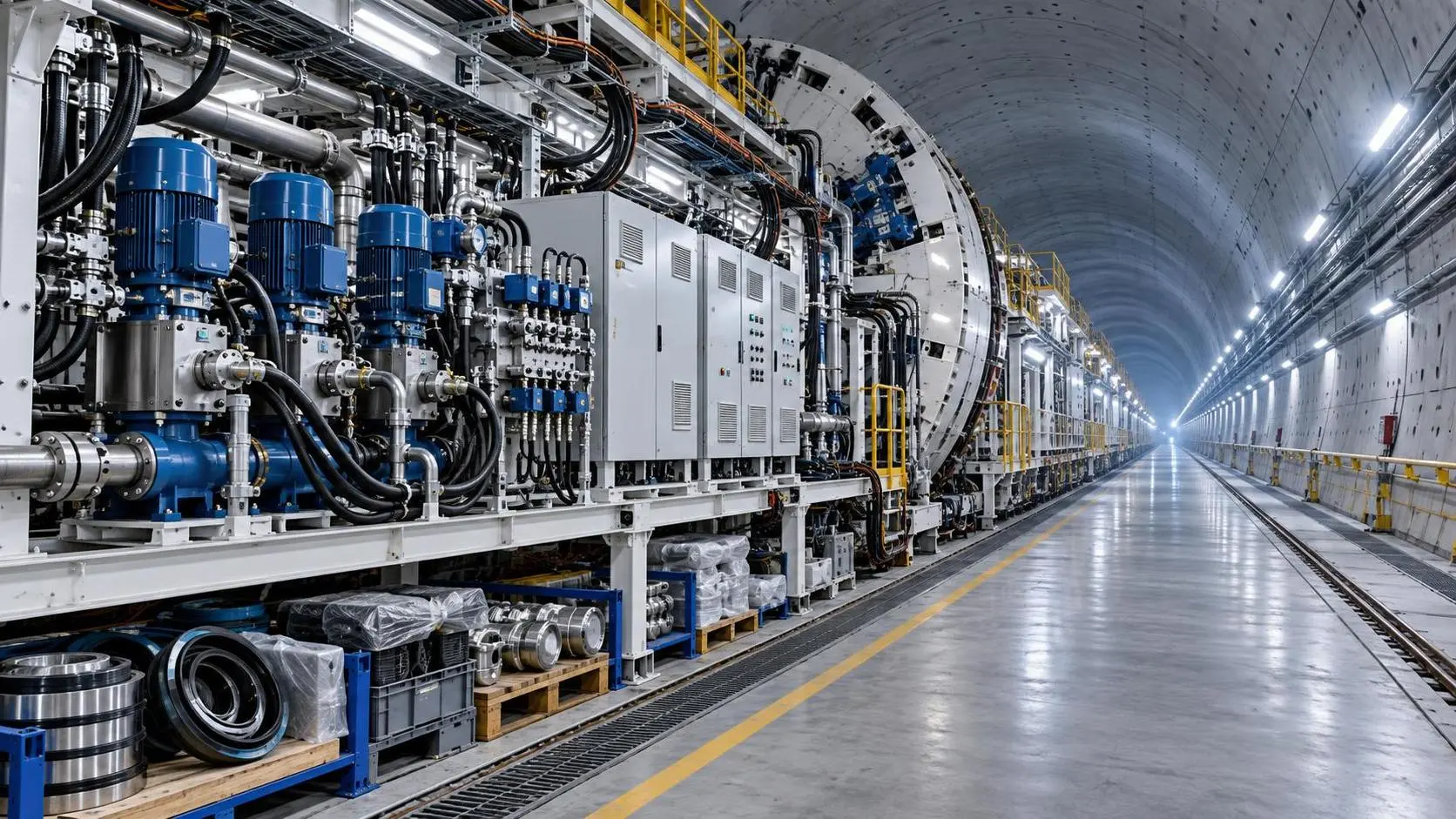
How to Specify TBM Backup System Parts for Reliable Long-Distance Tunnelling
TBM backup system parts: learn how to specify reliable spares for long-distance tunnelling, reduce downtime, ensure compatibility, and speed underground recovery.
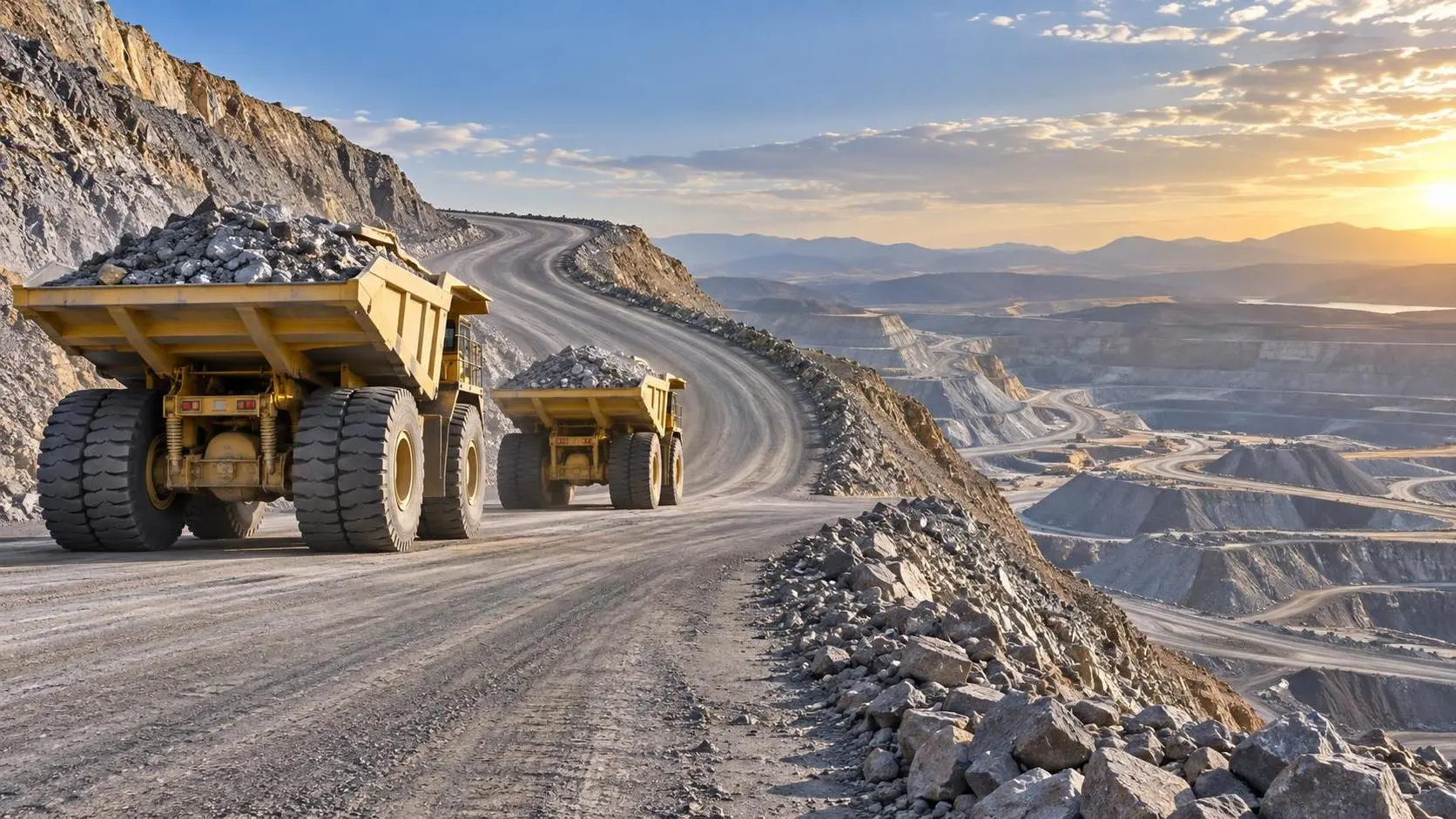
How to Size Open Pit Mining Trucks for Haul Distance, Grade, and Payload?
Open Pit Mining Trucks: learn how to match payload, haul distance, grade, road resistance, and loading capacity for safer, lower-cost mine operations.
Related News
- 00
0000-00
How to Evaluate European Drill-and-Blast Tunnelling Contractors for Complex Projects - 00
0000-00
Which Trenchless Construction Technique Fits Your Utility Crossing Conditions? - 00
0000-00
What Is Driving Metro Tunnelling Demand Across Southeast Asia’s Major Cities? - 00
0000-00
Hard Rock Tunnelling in Australia: Selecting Methods for Variable Ground Conditions - 00
0000-00
Hydropower Tunnel Excavation: Selecting Methods for Variable Rock Conditions
Weekly Insights
Stay ahead with our curated technology reports delivered every Monday.