
Why TBM Cutter Heads fail early in hard rock





Early failure of TBM Cutter Heads in hard rock is rarely caused by a single defect.
It often signals a chain of cutter wear, bearing overload, poor muck removal, vibration, cooling limits, and mismatched operating parameters.
For underground projects, understanding these patterns reduces unplanned downtime, protects schedules, and improves asset utilization in abrasive rock conditions.
What does early failure of TBM Cutter Heads really mean?
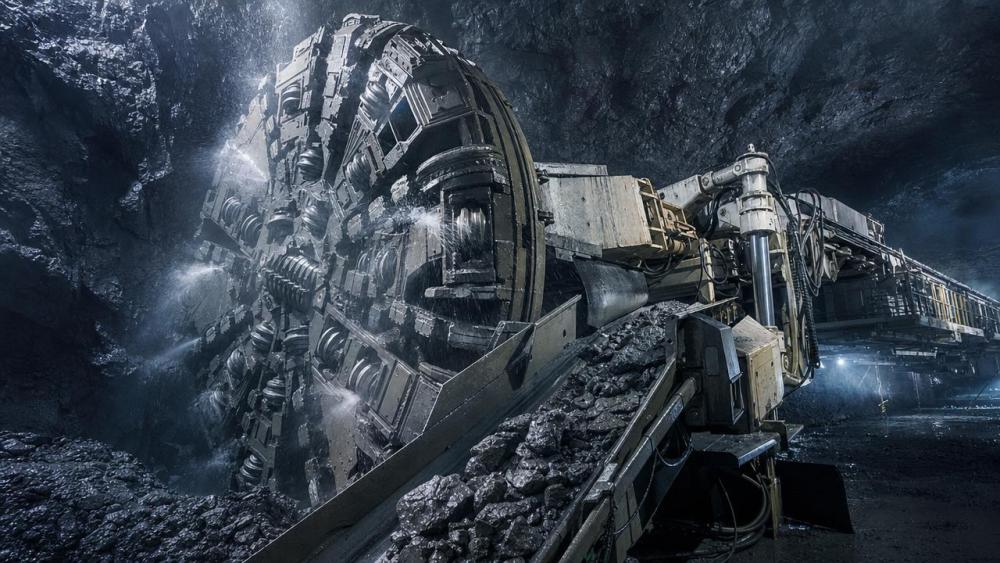
Early failure means the cutter head loses safe, efficient function before its expected service interval.
In hard rock, this may appear as cracked structure, abnormal disc cutter consumption, overheating, torque spikes, or unstable penetration.
The problem is not limited to visible steel damage.
It also includes hidden fatigue in welds, bearing systems, cutter housings, seals, and support ribs.
TBM Cutter Heads operate as rotating rock-breaking platforms, not simple cutting plates.
They must transmit thrust, absorb shock, manage muck flow, and support cutter replacement under confined underground conditions.
Hard rock increases every stress path because fracture energy, cutter load, and vibration all rise sharply.
When early warning data is ignored, a minor cutter ring issue can become a major cutter head shutdown.
For UTMD’s view of underground equipment reliability, early failure should be treated as a system signal.
It reflects the interaction between geology, machine design, maintenance discipline, and real-time operating choices.
Why do TBM Cutter Heads suffer excessive cutter wear in hard rock?
Excessive cutter wear is the most common gateway to early TBM Cutter Heads failure.
Hard rock formations often contain quartz, feldspar, or other abrasive minerals that accelerate ring wear.
If cutter spacing is not matched to rock strength, cutters may grind instead of forming efficient chips.
Grinding produces heat, fine dust, and higher rolling resistance.
This increases cutter replacement frequency and overloads the cutter head structure.
Flat spots are another critical warning sign.
They occur when a disc cutter stops rotating but continues scraping against the tunnel face.
A single blocked cutter may trigger localized heating, broken rings, and damaged cutter seats.
Maintenance records should track cutter life by position, not only by total excavation distance.
Gauge cutters, center cutters, and face cutters experience different loads and failure modes.
If TBM Cutter Heads show repeated wear at the same positions, the cause may be geometric or operational.
Useful checks include cutter rotation marks, ring temperature, bearing grease condition, and abnormal wear patterns.
How do thrust, torque, and penetration settings overload TBM Cutter Heads?
Operating parameters can either protect TBM Cutter Heads or shorten their life dramatically.
High thrust does not always mean faster progress in hard rock.
If penetration per revolution exceeds stable chipping capacity, cutters experience heavy impact loads.
If penetration is too low, cutters polish the face and generate damaging heat.
Torque spikes often reveal unstable rock breakage, blocked openings, or uneven cutter engagement.
Repeated spikes cause fatigue in the cutter head body, main bearing, and drive system.
The most dangerous condition is fluctuating thrust combined with vibration.
This creates alternating stress, which can initiate cracks near weld transitions and cutter box corners.
Hard rock operation requires disciplined parameter windows rather than reactive force increases.
Recommended monitoring includes thrust per cutter, torque trend, penetration rate, RPM, and specific energy.
Specific energy is especially valuable because it links power consumption to actual rock excavation output.
When energy rises while advance rate falls, TBM Cutter Heads may be working inefficiently or suffering hidden damage.
Can poor muck removal damage TBM Cutter Heads before visible failure?
Yes, poor muck removal is a silent cause of early TBM Cutter Heads failure.
Hard rock chips must move quickly through openings, buckets, scrapers, and conveyor systems.
If muck accumulates at the face, cutters recut broken material instead of attacking fresh rock.
Recutting increases abrasion, torque, temperature, and dust concentration.
Blocked muck buckets can also create unbalanced rotation.
That imbalance increases vibration and pushes loads into the main bearing and cutter head shell.
In mixed zones, clay seams or water inflow may make hard rock chips sticky.
This changes flow behavior and may block openings that worked well in dry formations.
Visual inspection after stoppages should focus on blocked buckets, scraper wear, and uneven muck discharge.
Operators should compare conveyor load, cutter head torque, and advance rate during similar geology sections.
If torque rises without improved advance, muck flow may be limiting performance.
Clean muck paths help TBM Cutter Heads maintain stable cutting geometry and lower thermal stress.
Which design and maintenance factors decide cutter head life?
The durability of TBM Cutter Heads depends strongly on structural design and maintenance execution.
Important design factors include cutter layout, steel grade, weld quality, opening ratio, and replaceable wear protection.
A robust layout distributes load evenly across the face.
Poor layouts overload gauge zones or center positions, especially in high UCS rock.
Wear plates and hardfacing must match rock abrasivity and expected maintenance windows.
If protection is too thin, base metal may wear before scheduled inspection.
If protection is poorly applied, cracks may start along heat-affected zones.
Maintenance quality is equally decisive.
Improper cutter installation can create misalignment, loose bolts, and uneven contact pressure.
Bearing lubrication failures may remain hidden until the cutter stops rotating.
Seal damage allows dust and water into bearing cavities, increasing friction and heat.
A practical inspection routine should combine visual checks, torque logs, thermal signs, and cutter change history.
Key inspection points for hard rock operation
- Check disc cutter rotation and flat spots after abnormal vibration.
- Record cutter wear by position and geology chainage.
- Inspect cutter boxes for cracks, deformation, and bolt looseness.
- Monitor grease condition, seal integrity, and bearing temperature.
- Review torque spikes against muck discharge and face conditions.
How should teams judge warning signs before major failure?
Judging early warning signs requires connecting field observations with machine data.
No single number can fully explain the health of TBM Cutter Heads.
A useful rule is to investigate when several weak signals appear together.
For example, rising torque, falling penetration, and frequent cutter changes indicate a developing problem.
Noise changes and vibration should never be dismissed as normal hard rock behavior.
They may indicate broken rings, blocked cutters, bearing distress, or structural resonance.
Data baselines should be built for each geology section.
Hard granite, fractured rock, and mixed ground should not share the same alarm thresholds.
Digital monitoring helps, but physical inspection remains essential.
Face access windows must be planned around risk, not only production pressure.
The cost of inspection is usually lower than the cost of cutter head recovery underground.
In severe cases, damaged TBM Cutter Heads can delay segment installation, logistics, and downstream project milestones.
FAQ summary: symptoms, causes, and practical actions
What practical strategy reduces early TBM Cutter Heads failure?
The best strategy is a closed loop between geology prediction, operating control, and maintenance feedback.
Before entering hard rock, teams should review UCS, abrasivity, jointing, groundwater, and expected chip formation.
During excavation, parameters should be adjusted gradually and verified through specific energy trends.
After cutter changes, findings should be converted into updated operating limits.
This loop prevents repeated damage from the same root cause.
TBM Cutter Heads should be evaluated as part of the entire excavation system.
Main bearing loads, drive response, conveyor performance, and cooling capacity all influence cutter head life.
A narrow focus on replacing worn cutters misses deeper reliability risks.
For complex tunnels, predictive maintenance and structured failure analysis deliver measurable value.
They help distinguish normal hard rock consumption from abnormal early failure.
Recommended next steps are simple but disciplined.
- Build a cutter performance database by chainage and geology.
- Set alarm thresholds for torque, vibration, temperature, and specific energy.
- Inspect muck removal routes whenever torque rises unexpectedly.
- Review cutter head cracks using documented weld and load histories.
- Update operating parameters after every abnormal cutter replacement cycle.
Early failure of TBM Cutter Heads is preventable when warning signals are interpreted as connected evidence.
Hard rock will always challenge excavation equipment, but disciplined monitoring can turn uncertainty into control.
For projects seeking higher reliability, start with cutter data, muck flow, vibration trends, and parameter discipline.
Those four areas often reveal the path to longer TBM Cutter Heads life and fewer costly stoppages.
Related News

How to Evaluate European Drill-and-Blast Tunnelling Contractors for Complex Projects
Drill and blast tunnelling contractors Europe: learn how to assess geology expertise, blast control, equipment reliability, safety, and programme resilience for complex projects.
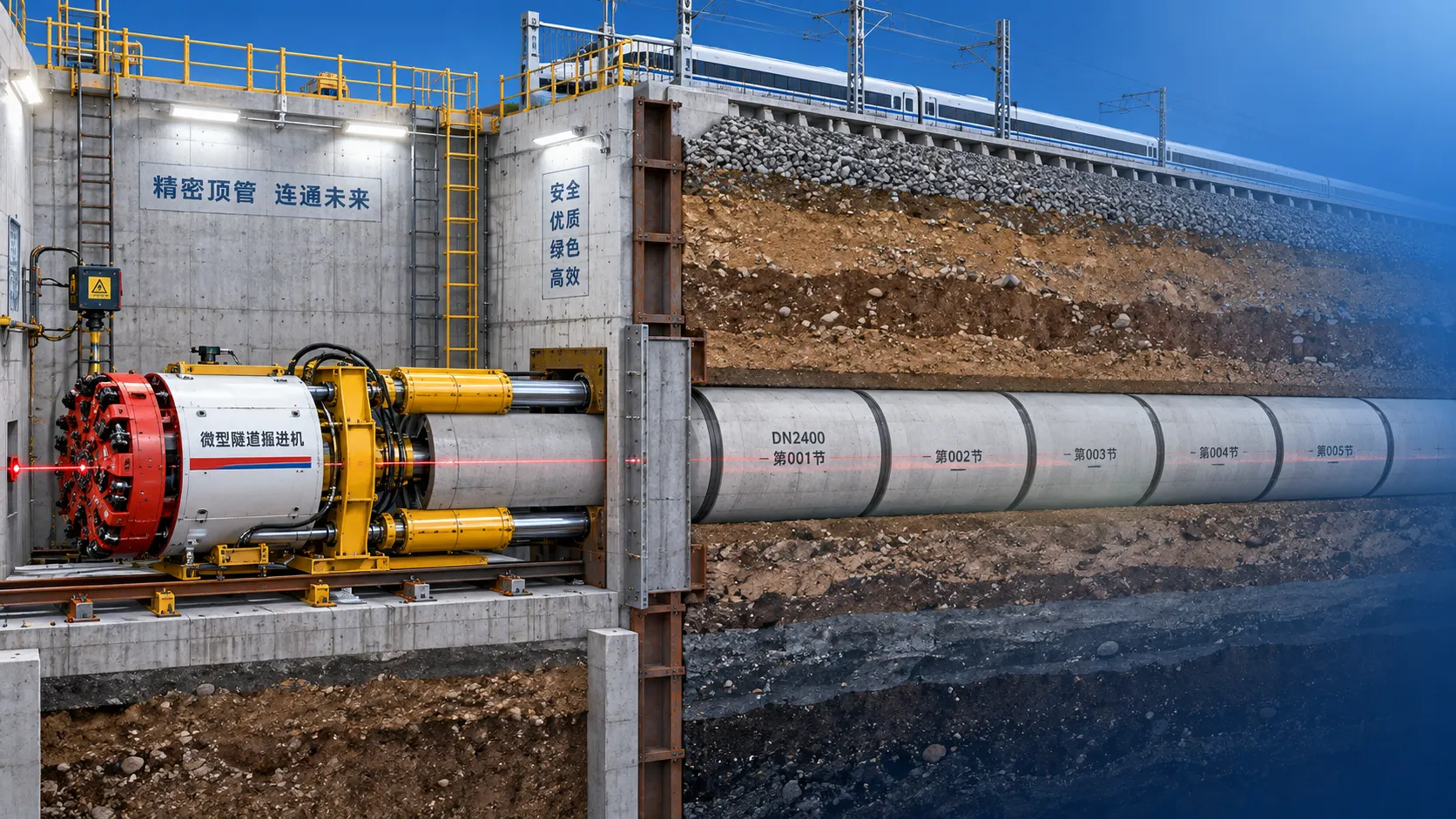
Which Trenchless Construction Technique Fits Your Utility Crossing Conditions?
Trenchless construction techniques compared for utility crossings: choose HDD, microtunnelling, pipe jacking, or auger boring based on ground, accuracy, access, and risk.

What Is Driving Metro Tunnelling Demand Across Southeast Asia’s Major Cities?
Metro tunnelling Southeast Asia is accelerating as major cities tackle congestion, flooding, and connectivity. Explore the market forces, technical risks, and opportunities shaping demand.
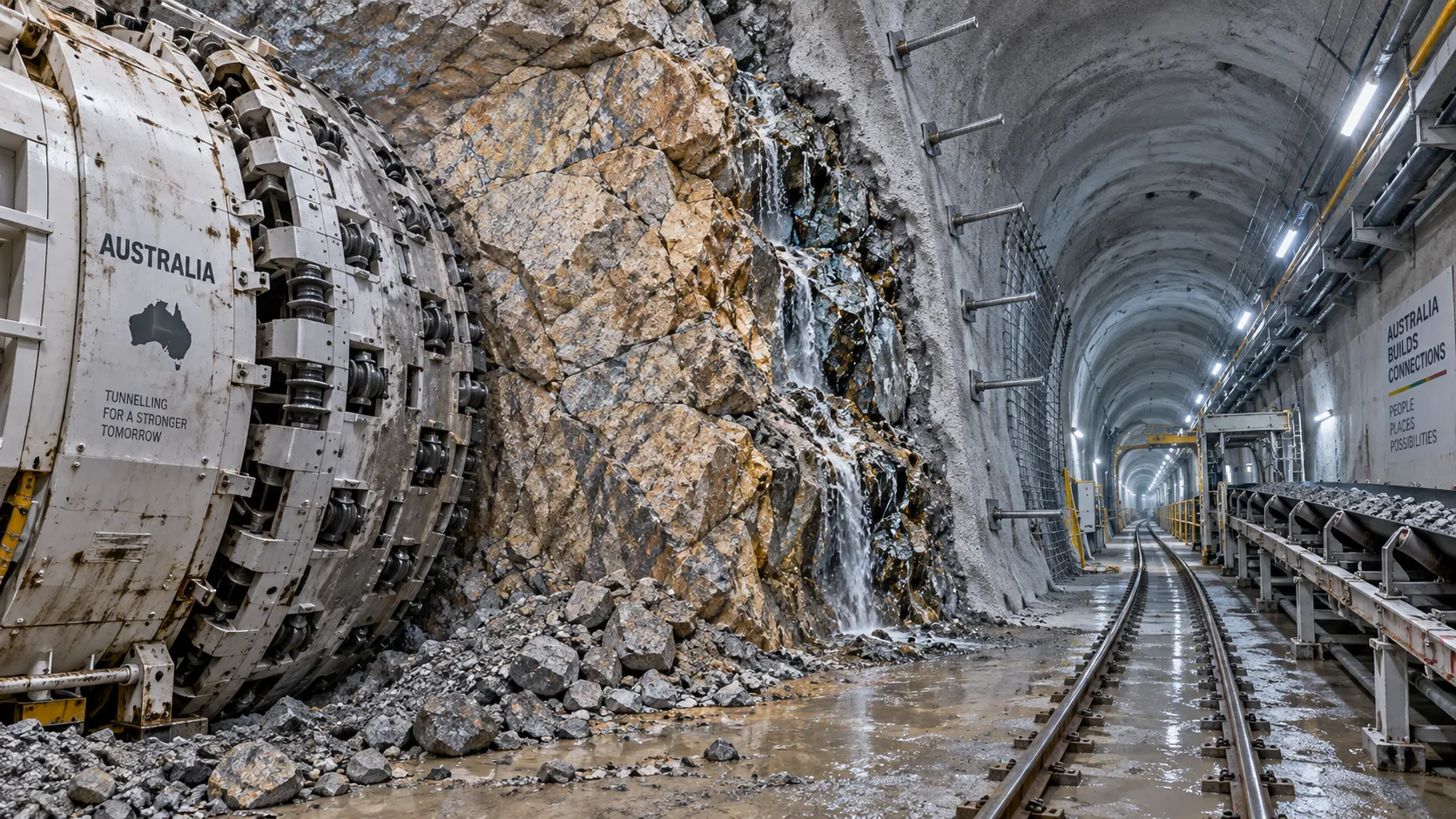
Hard Rock Tunnelling in Australia: Selecting Methods for Variable Ground Conditions
Hard rock tunnelling in Australia: compare TBM, drill-and-blast and hybrid methods to manage variable ground, reduce risk and protect project costs.
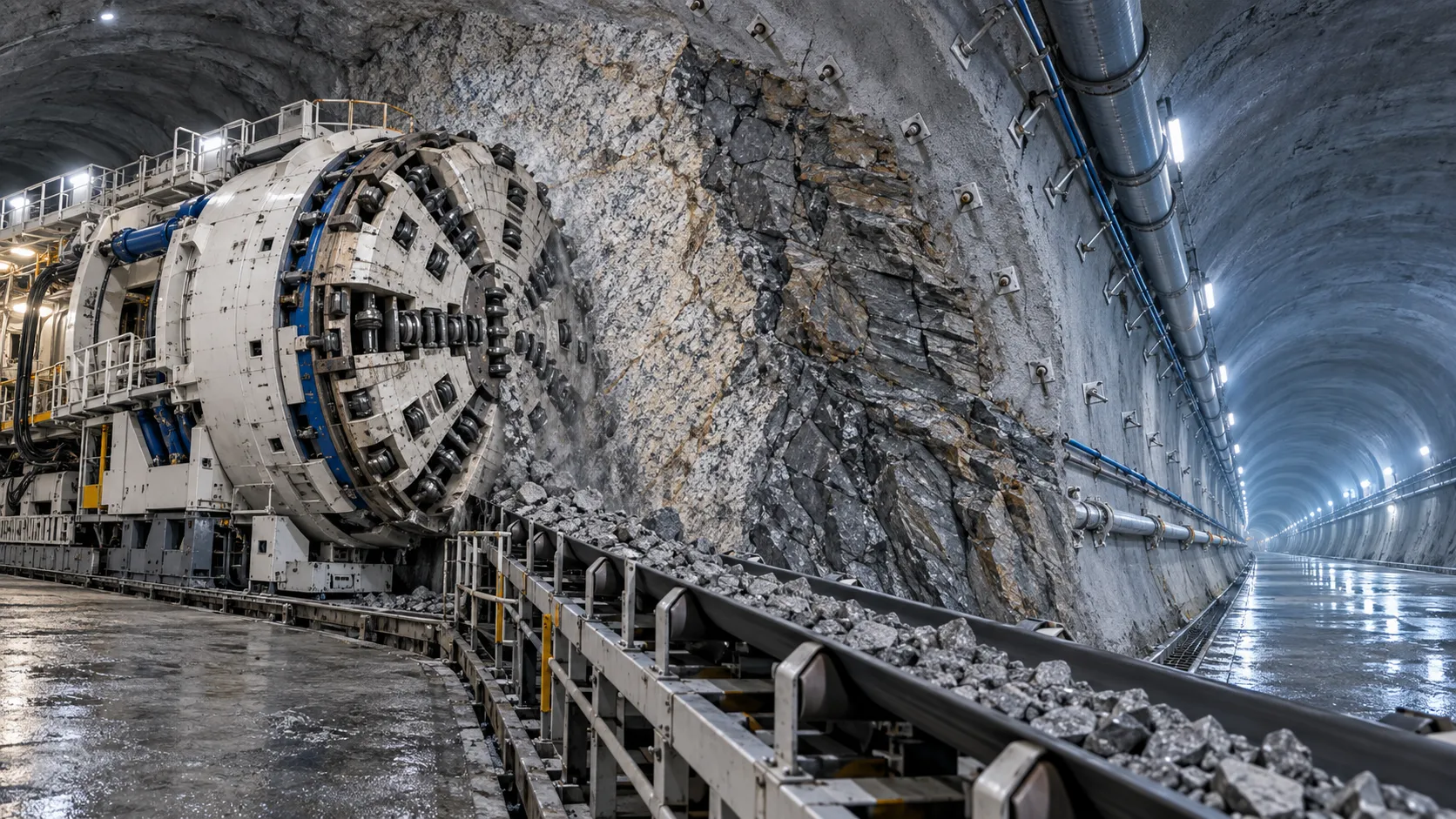
Hydropower Tunnel Excavation: Selecting Methods for Variable Rock Conditions
Hydropower tunnel excavation methods for variable rock conditions: compare TBM, drill-and-blast, and hybrid strategies to improve safety, progress, and project control.

How to Select Underground Safety Equipment for Tunnelling by Hazard and Work Zone
Underground Safety Equipment for tunnelling: match protection to hazards, work zones, compliance, and emergency needs with this practical selection guide.

EPB or Slurry Shield? Selecting Soft-Ground Tunnelling Equipment by Soil Conditions
Tunnel Excavation Equipment for soft ground: compare EPB and slurry shields by soil, groundwater, settlement risk, and project logistics to choose confidently.

How to Specify TBM Backup System Parts for Reliable Long-Distance Tunnelling
TBM backup system parts: learn how to specify reliable spares for long-distance tunnelling, reduce downtime, ensure compatibility, and speed underground recovery.

How to Size Open Pit Mining Trucks for Haul Distance, Grade, and Payload?
Open Pit Mining Trucks: learn how to match payload, haul distance, grade, road resistance, and loading capacity for safer, lower-cost mine operations.
Related News
- 00
0000-00
How to Evaluate European Drill-and-Blast Tunnelling Contractors for Complex Projects - 00
0000-00
Which Trenchless Construction Technique Fits Your Utility Crossing Conditions? - 00
0000-00
What Is Driving Metro Tunnelling Demand Across Southeast Asia’s Major Cities? - 00
0000-00
Hard Rock Tunnelling in Australia: Selecting Methods for Variable Ground Conditions - 00
0000-00
Hydropower Tunnel Excavation: Selecting Methods for Variable Rock Conditions
Weekly Insights
Stay ahead with our curated technology reports delivered every Monday.