




Rock Cutting Technology determines how efficiently operators turn machine power into real excavation progress. In tunnelling and mining, output is shaped by cutter type, rock strength, wear condition, thrust, rotation speed, and the operator’s ability to read changing ground behavior.
This article explains how these factors interact in real production settings, helping users recognize performance loss early, reduce cutter damage, improve penetration rates, and maintain safer, more predictable cutting operations in hard and variable rock.
For operators, the central question is practical: why does the machine sometimes work hard but advance slowly? The answer is rarely one factor alone.
Output depends on whether the cutter matches the rock, whether thrust is sufficient, whether rotation speed is controlled, and whether wear is detected early.
Good Rock Cutting Technology is not only about stronger machines. It is about converting energy into chips, fractures, muck, and stable advance.
When cutting conditions change, the operator’s response often decides whether production remains steady or cutter consumption rises sharply.
Why output drops even when machine power looks normal
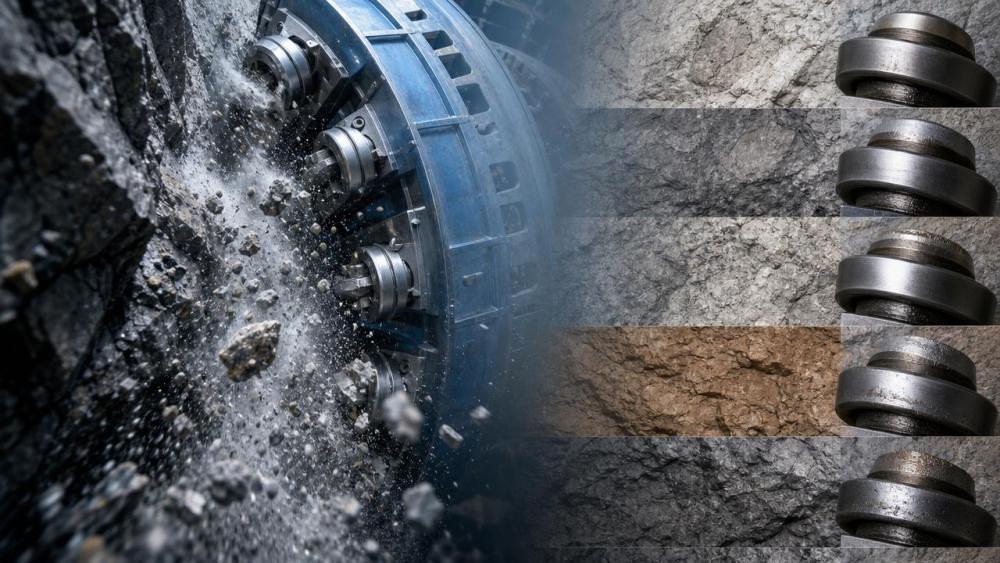
A common mistake is judging cutting performance only by motor load, hydraulic pressure, or installed power. High load does not always mean effective cutting.
If cutters are dull, mismatched, or overloaded, much of the power becomes heat, vibration, sliding friction, and bearing stress instead of penetration.
In hard rock, the best output usually comes from controlled fracture formation. The cutter should indent the rock and create connected cracks.
When the indentation is too shallow, the tool rubs. When it is too aggressive, cutter rings, bits, mounts, and bearings may fail prematurely.
Operators should watch the relationship between thrust, penetration, torque, vibration, muck size, and cutter temperature rather than one instrument reading.
A healthy cut often produces consistent chips, stable torque, predictable sound, and gradual wear. Unhealthy cutting produces dust, heat, bouncing, and erratic current.
Choosing the right cutter type for the ground
Cutter type is the first major variable in Rock Cutting Technology because each tool attacks the rock in a different mechanical way.
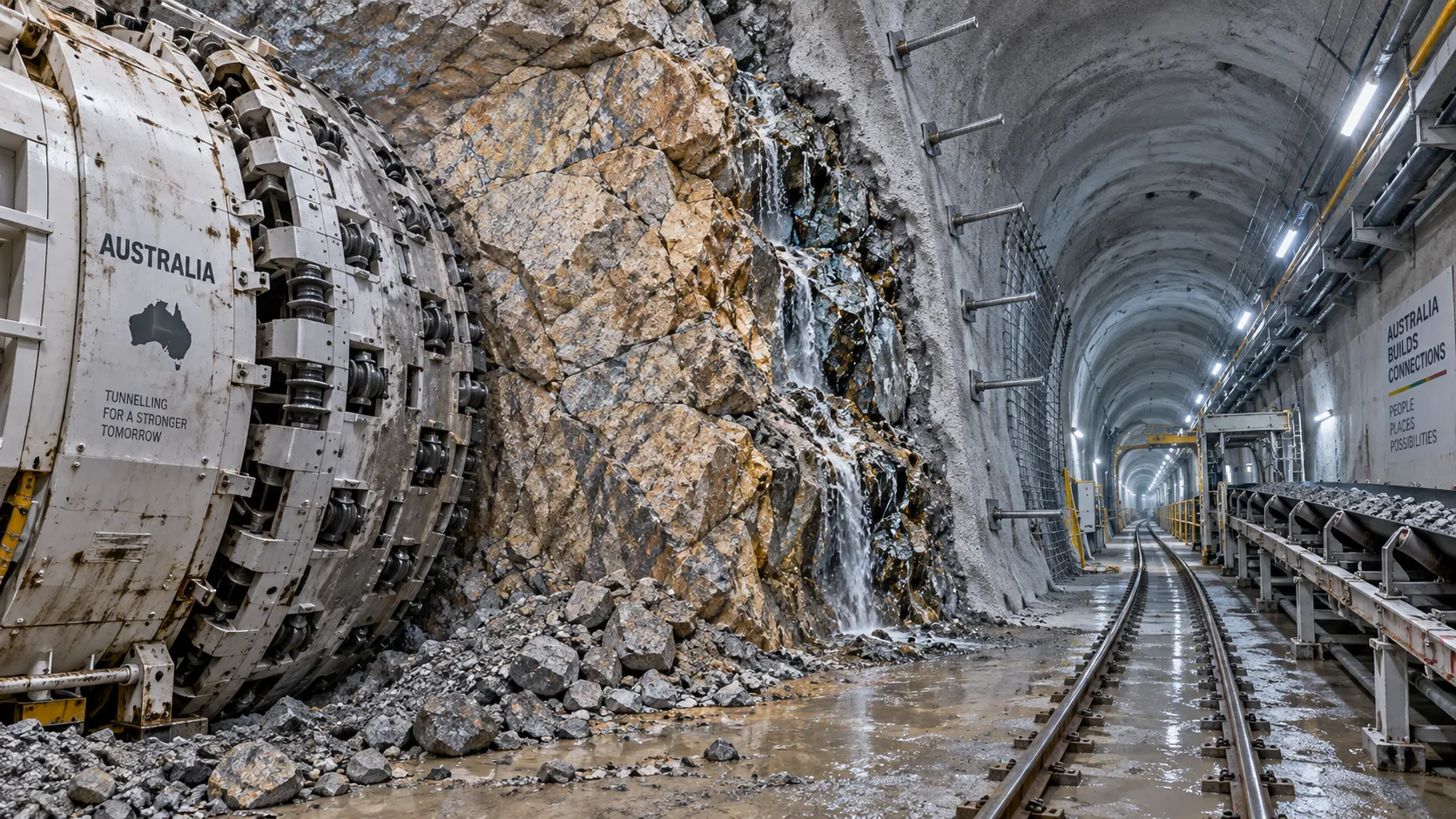
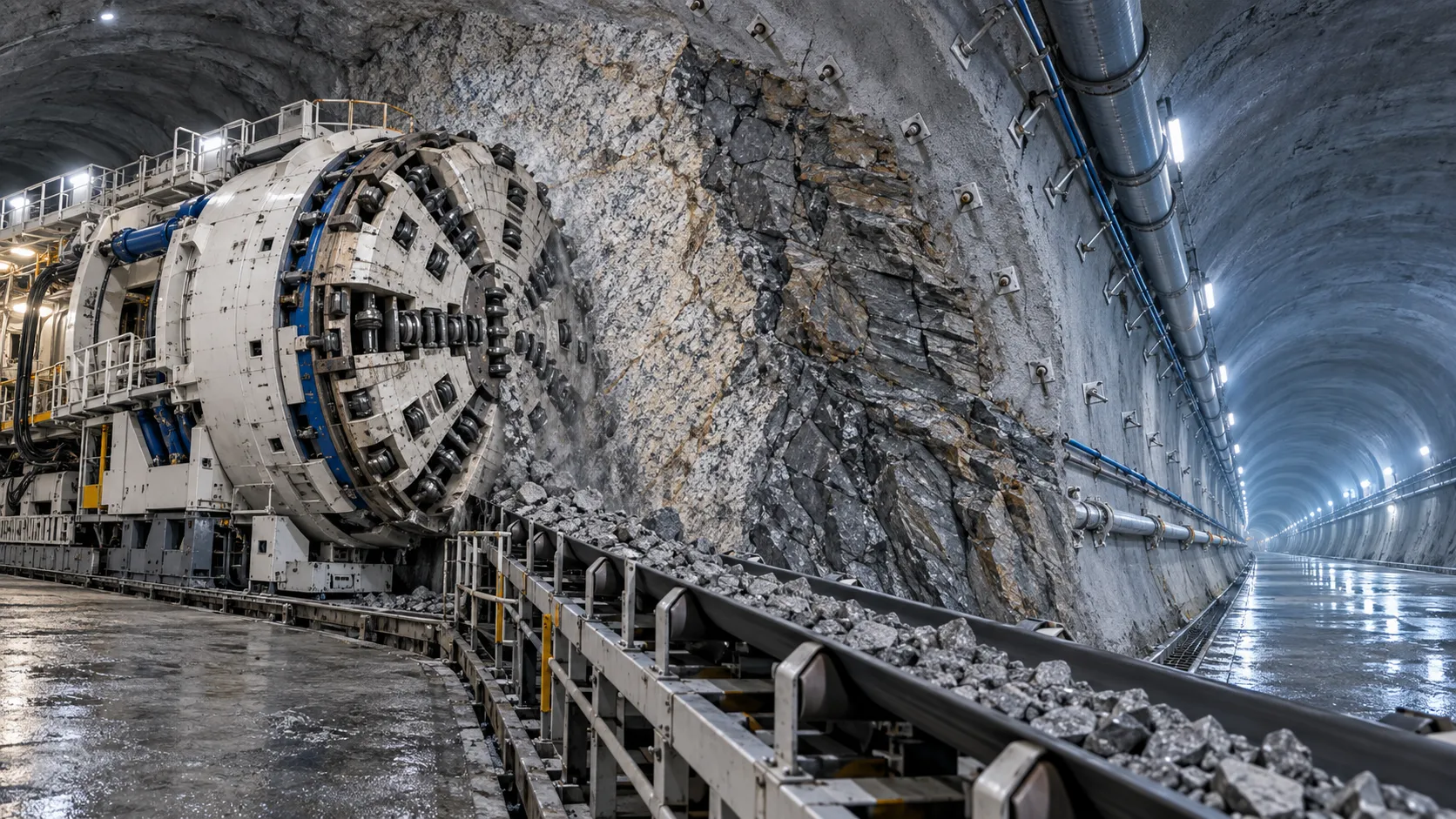
Disc cutters, common on hard-rock TBMs, crush and fracture rock through rolling indentation. They are effective when thrust is high and alignment is stable.
Drag bits, picks, and carbide tools rely more on shearing and scraping. They work better in softer, fractured, or lower-strength formations.
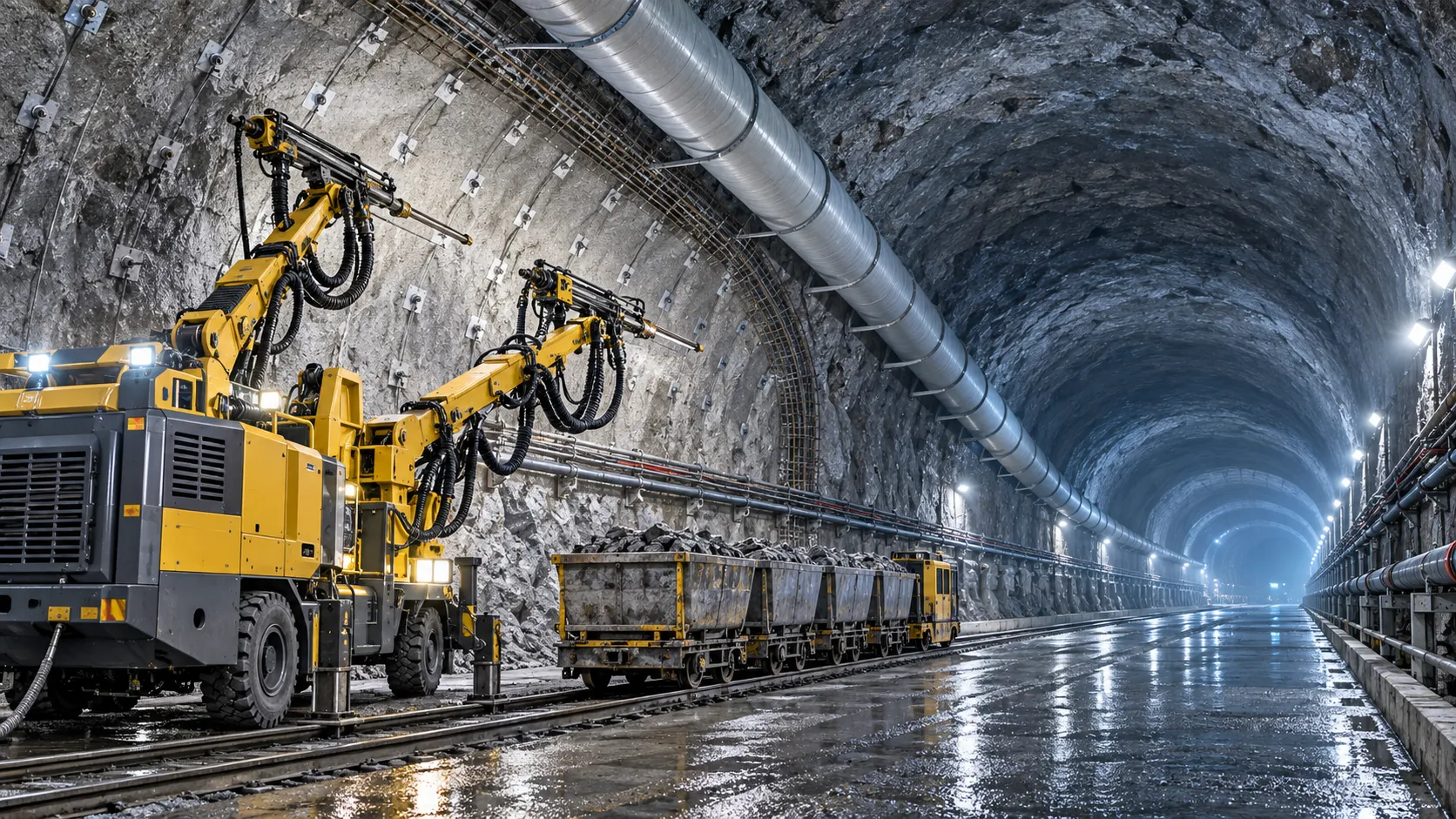
Button bits and drill tools are designed for impact drilling, where repeated blows create breakage for blast holes, bolting, or probing.
Operators should not treat these tools as interchangeable. A cutter that performs well in one formation may lose efficiency rapidly in another.
For example, a drag tool in abrasive hard rock may generate dust and heat instead of chips, increasing wear without improving advance.
A disc cutter in heavily fractured mixed ground may suffer impact loads, uneven rolling, and edge damage if the face becomes unstable.
The right cutter selection considers compressive strength, abrasivity, jointing, quartz content, water, clay bands, and expected changes along the drive.
How rock strength changes penetration and energy use
Rock strength strongly affects penetration rate because stronger rock requires higher force before fractures connect beneath and between cutter paths.
Uniaxial compressive strength is useful, but operators should also consider tensile strength, brittleness, joint spacing, and mineral composition.
Two rocks with similar strength numbers can behave differently. Brittle rock may chip cleanly, while tough rock may resist crack propagation.
As strength increases, machines usually need higher thrust per cutter, lower penetration per revolution, and closer attention to vibration.
If thrust is too low, cutters polish the surface. The face may look smooth, but production falls and cutter temperatures rise.
If thrust is too high, penetration may improve briefly, but overload can damage cutter rings, bearings, tool holders, or the cutterhead structure.
The practical target is not maximum force. It is the force range where chips form efficiently and mechanical stress remains acceptable.
Operators can identify this range by comparing advance rate, torque response, muck shape, acoustic changes, and inspection results after each shift.
Wear signs operators should not ignore
Wear is one of the fastest ways Rock Cutting Technology loses effectiveness in real operations. It changes tool geometry before failure becomes obvious.
A worn cutter needs more energy to achieve the same penetration. It may also increase vibration, dust generation, and cutterhead imbalance.
On disc cutters, operators should watch for flat spots, ring edge rounding, abnormal groove patterns, bearing heat, leakage, and reduced rolling behavior.
On picks or drag tools, warning signs include carbide loss, uneven body wear, broken tips, excessive sparking, and rapid holder damage.
Wear does not progress at the same rate across the cutterhead. Gauge cutters, center cutters, and heavily loaded zones often require closer attention.
Ignoring one badly worn tool can create secondary damage. Neighboring cutters carry more load, the cutting pattern changes, and production becomes unstable.
The best maintenance strategy is condition-based inspection supported by operating data, not waiting until a cutter completely fails underground.
Short inspections at planned intervals can prevent long stops caused by broken cutters, damaged housings, blocked muck systems, or unsafe interventions.
Reading muck and vibration as real-time feedback
Operators often receive valuable information from the muck before sensors confirm a problem. Chip size and consistency reveal how the face is breaking.
Healthy hard-rock cutting usually produces defined chips or flakes. Excessive powder may indicate rubbing, insufficient penetration, or over-worn cutting edges.
Large slabs can mean the machine has entered fractured ground, bedding planes, or zones where face stability requires more caution.
Changes in muck color, moisture, clay content, or smell can indicate geological transitions that affect cutter performance and conveyor behavior.
Vibration is another critical signal. Moderate variation is normal, but sudden spikes may indicate broken tools, boulders, voids, or uneven face contact.
Consistent vibration at specific cutterhead positions may suggest a localized cutter problem, blocked opening, damaged scraper, or unbalanced wear pattern.
Experienced operators combine screen data with sound, muck appearance, machine feel, and inspection reports to avoid purely reactive decisions.
Balancing thrust, rotation speed, and penetration
Thrust and rotation speed must work together. High rotation with low penetration often polishes rock and accelerates heat-related wear.
Low rotation with excessive penetration may overload cutters, increase torque peaks, and create unstable face contact in mixed or broken ground.
The correct setting depends on cutter type, spacing, rock strength, abrasivity, face condition, and the capacity of muck removal systems.
Operators should avoid chasing output only by increasing speed. Faster rotation can reduce chip thickness and worsen specific energy consumption.
In many hard-rock operations, gradual adjustments are safer. Change one parameter, observe the response, and confirm whether penetration actually improves.
Specific energy is a useful concept: how much energy is needed to remove a unit volume of rock. Lower is usually better.
If energy consumption rises while advance falls, the machine is probably rubbing, overloading, or cutting with tools no longer in proper condition.
Stable production comes from a balanced operating window, not from running every system near its maximum rating.
Adapting to mixed ground and sudden transitions
Mixed ground is difficult because different materials require different cutting behavior at the same face. One zone may chip while another smears.
Hard inclusions inside softer ground can damage tools unexpectedly, especially when the operator increases speed based on average face behavior.
Soft bands, clay seams, and water inflow can reduce grip, clog openings, and make normal cutter readings harder to interpret.
In transitional zones, operators should reduce aggressive changes, monitor torque fluctuations, and maintain frequent communication with geology and maintenance teams.
Probe drilling, face mapping, muck logging, and machine trend data help predict when cutter strategy or operating parameters should change.
The goal is not only to maintain speed. It is to avoid cutterhead damage that can stop production for many shifts.
When ground becomes unpredictable, controlled advance is often more productive than forcing high output and triggering unscheduled intervention.
Practical checks before blaming the rock
When production falls, operators often suspect harder rock first. That may be correct, but several machine-side checks should come earlier.
Confirm cutter condition, cutter rotation, tool loss, blocked openings, scraper condition, thrust distribution, torque limits, and muck removal performance.
Check whether the machine is steering correctly. Poor alignment can create uneven cutter loading and abnormal wear at the gauge area.
Review recent maintenance records. A replaced cutter, adjusted hydraulic setting, or changed operating mode may explain sudden behavior shifts.
Compare current data with similar rock sections from earlier rings, rounds, headings, or benches. Trends are more useful than isolated readings.
If rock properties truly changed, the response should be systematic: adjust parameters, increase inspections, and update expectations for cutter consumption.
This disciplined approach prevents unnecessary downtime and avoids replacing parts that were not the real cause of poor output.
How operators can reduce cutter damage in daily work
Daily operating habits have a direct impact on cutter life. Smooth startup, controlled loading, and stable advance reduce shock on cutting tools.
Avoid abrupt parameter changes unless safety requires it. Sudden thrust increases can create local overload before the face responds evenly.
Keep attention on temperature alarms, abnormal noises, bearing indicators, vibration changes, and muck flow interruptions. These warnings often appear before failure.
Do not continue cutting blindly when signs point to a seized disc, missing pick, or abnormal cutterhead impact.
Coordinate closely with maintenance teams. Operators provide the operating history that helps technicians understand why a cutter failed.
Record ground conditions, parameter changes, inspection findings, and unusual events. Good notes support better decisions on future drives or mining panels.
In modern operations, digital systems can help, but operator judgment remains essential when sensors, geology, and machine behavior conflict.
What good performance looks like in Rock Cutting Technology
Good cutting performance is not simply the highest daily advance. It is predictable progress with acceptable cutter wear and manageable machine stress.
Operators should look for steady penetration, controlled torque, consistent muck, limited heat buildup, and inspection results that match expected wear patterns.
Maintenance teams should see fewer emergency cutter changes, less secondary damage, and clearer evidence for planned interventions.
Project teams should see improved availability, more reliable schedules, and lower risk of stoppages caused by preventable tool failures.
When these indicators align, Rock Cutting Technology is working as intended: machine capability, cutter design, and operator control support each other.
If only one indicator looks good, the operation may still be drifting toward hidden wear, overload, or declining cutting efficiency.
Conclusion: output is controlled by interaction, not one variable
Rock Cutting Technology is most effective when operators understand the interaction between cutter type, rock strength, wear, and operating parameters.
The right cutter must match the formation, but even the best tool performs poorly if thrust, speed, and inspection discipline are wrong.
Wear should be treated as a production issue, not only a maintenance issue, because worn tools quickly convert useful power into waste.
For tunnelling and mining users, the practical lesson is clear: read the rock, read the machine, and act before output loss becomes failure.
By combining careful observation, data trends, and timely maintenance, operators can improve penetration, protect equipment, and make underground cutting safer.