
China’s First Mining TBM Exported to Africa Starts in Zambia





In May 2026, the launch of a Chinese-developed mining TBM in Zambia, combined with the reported full replacement of the machine’s core main bearing with a domestic product, is more than a project update. From an industry perspective, it signals a practical shift in how export readiness, supply-chain resilience, spare-parts response, and technical credibility may be evaluated in cross-border hard-rock tunneling procurement, especially for buyers, exporters, equipment suppliers, service providers, and project delivery teams working in resource-focused markets.
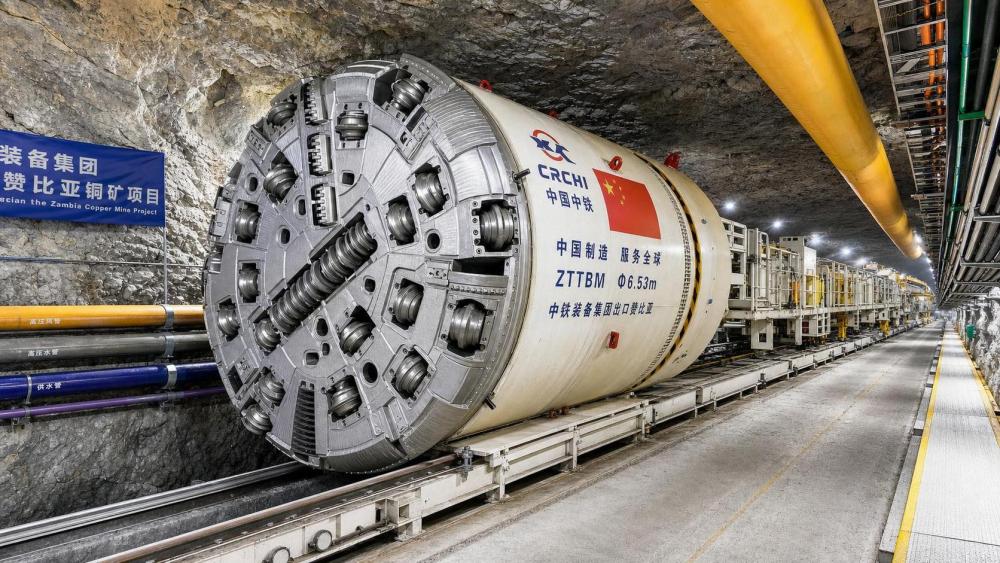
A confirmed step in export delivery and component localization
The confirmed facts are limited but clear. In May 2026, the mining TBM “China Nonferrous No. 2,” jointly developed by CRCHI and China 15th Metallurgical Construction Group, officially began excavation at the Chambishi copper mine in Zambia. It is described as China’s first mining TBM exported to Africa. The machine is equipped with the first domestically produced ultra-large-diameter TBM main bearing, marking a breakthrough in achieving 100% domestic substitution for this core component. According to the provided event summary, this development improves the technical credibility of Chinese TBM exports and strengthens supply-chain resilience, while offering hard-rock tunneling customers in resource countries such as those in Africa and Latin America a solution centered on reliability, maintainability, and faster spare-parts response.
Why this matters across procurement, trade, and delivery chains
Technical bidders may face closer scrutiny on localization claims
Analysis shows that exporters and equipment manufacturers may be affected first at the technical bid and specification alignment stage. When a core component such as the main bearing is presented as domestically substituted, buyers and project owners may pay closer attention to supporting technical documents, product traceability, maintenance commitments, and consistency between bid language and delivered configuration. What deserves closer attention is not a new published rule in the input, but a likely shift in how credibility and execution capability are tested in actual procurement review.
Project buyers may rethink delivery risk and after-sales expectations
For procurement teams and project owners, the event may influence how delivery assurance is assessed. Observably, a machine promoted on the basis of stronger supply-chain resilience and faster spare-parts response could affect how buyers compare imported-core and domestically substituted-core solutions. The business impact is most likely to appear in supplier selection, spare-parts planning, service-level commitments, and maintenance support requirements. Buyers should therefore watch for changes in tender wording, document requests, and technical clarification processes tied to maintainability and replacement-part readiness.
Supply-chain and service firms may see higher documentation demands
Suppliers, logistics coordinators, and after-sales service providers may also be affected because equipment exports in this category depend not only on shipment, but on sustained field support. From an industry perspective, if export credibility increasingly depends on maintainability and spare-parts responsiveness, supporting firms may need to prepare for stricter expectations around parts identification, quality records, service documentation, and delivery coordination. This should be understood as an operational implication rather than a confirmed regulatory change in itself.
What companies should monitor next
Check how technical compliance is described in project documents
Companies involved in mining equipment exports should monitor whether future tender files, technical appendices, or customer clarification requests place greater emphasis on core-component origin, substitution status, maintenance intervals, or field replaceability. The current information does not confirm any formal new requirement, but it suggests these points could become more visible in project-level execution.
Strengthen records for component traceability and service readiness
Analysis shows that exporters and suppliers should pay closer attention to document readiness. This includes technical files, test or inspection records where applicable, spare-parts lists, maintenance manuals, and service-response documentation. The practical issue is not simply proving that a product can be shipped, but showing that it can be supported through operation in overseas mining conditions.
Review procurement plans against delivery and replacement cycles
For purchasing teams, what deserves closer attention is whether procurement planning still reflects earlier assumptions about imported core parts. If a key component has shifted to domestic sourcing, companies may need to recheck lead-time assumptions, replacement planning, supplier qualification files, and contract language related to warranty support and parts availability. This is especially relevant where cross-border delivery schedules are tight.
Track market wording rather than assume a settled rule
Businesses should avoid treating this event as proof that a uniform market standard has already changed. It is more appropriate to understand this as a signal that project owners and market participants may increasingly value export solutions that combine technical reliability with supportable supply chains. Follow-up attention should stay on how this is reflected in future procurement practice and customer-side requirements.
How this should be read at this stage
Observably, this development is best read as an execution signal rather than a standalone policy announcement. The event points to a possible shift in market expectations around core-component localization, export confidence, and post-delivery support in heavy mining equipment. At the same time, the input does not provide evidence of a new formal regulation, certification rule, or trade measure. For that reason, continued observation is necessary before treating the development as a settled industry-wide rule change.
A practical reading of the market signal
From an industry perspective, the main significance of this event lies in its demonstration effect: a Chinese mining TBM has entered service in Africa with a fully domestically substituted core bearing. That matters because it may influence how overseas customers assess technical trust, procurement risk, and service continuity. Still, the more balanced conclusion is that this is currently a meaningful market and execution indicator, not yet a complete or universally defined rule shift. The next phase to watch is how customer requirements, technical documents, and delivery expectations respond.
Basis of this article and points requiring further verification
This article is generated solely from the user-provided news title, event time, and event summary. For events of this kind, commonly relevant source categories may include official company announcements, releases from regulatory bodies, customs or trade authorities, industry association updates, standard-setting documents, and reporting from established industry media. No specific official source link was provided in the input, so the underlying source chain still requires ongoing verification. What should continue to be monitored includes any later policy details, certification interpretation, tender-document changes, market feedback, and how companies implement related export, procurement, and service arrangements in practice.
Related News
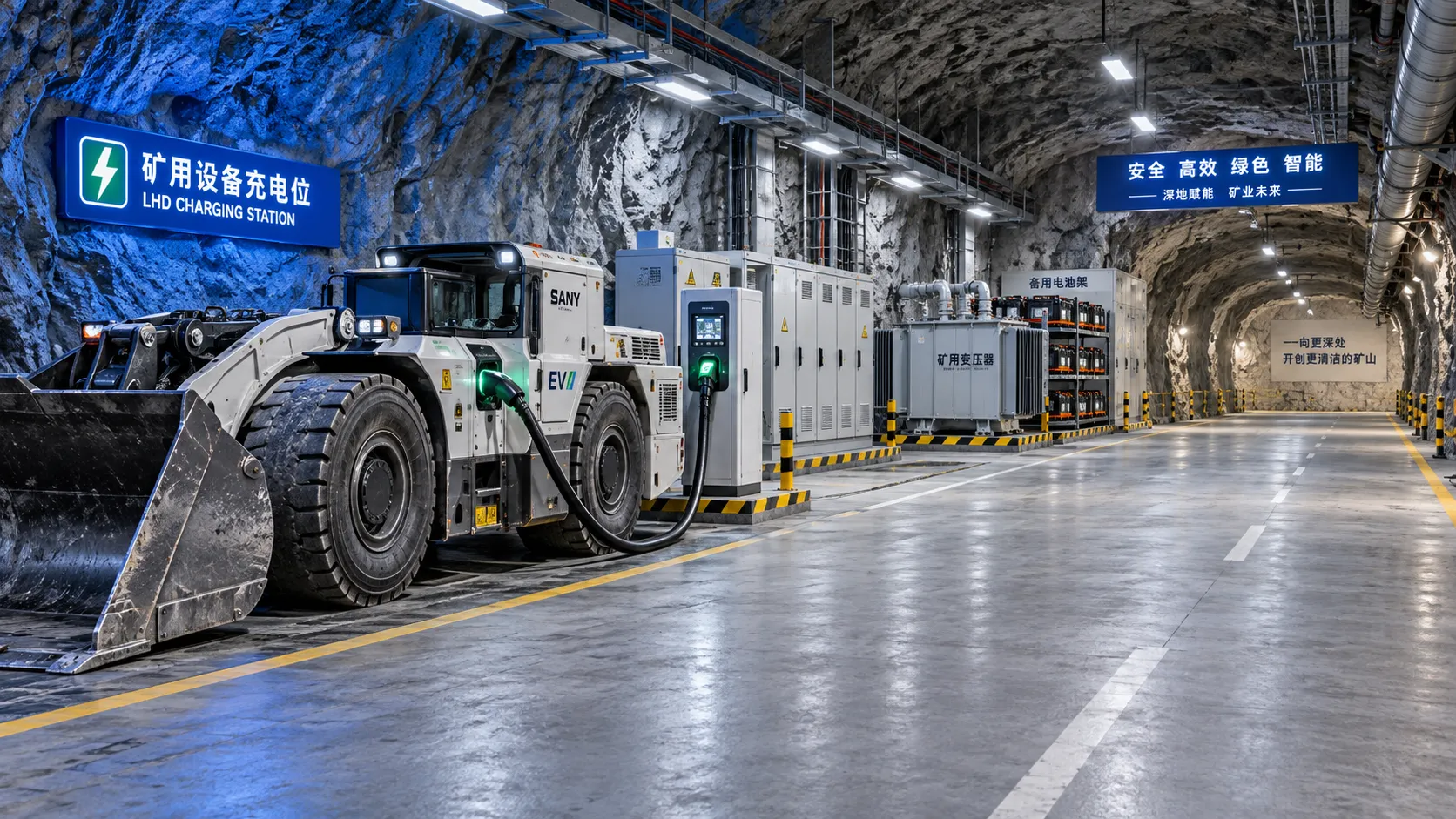
Underground Mine Electrification: How to Size Battery Fleets and Charging Capacity
Mining electrification for underground mines: learn how to size battery fleets, chargers, and power capacity to prevent queues, peak-load issues, and production downtime.

How to Evaluate European Drill-and-Blast Tunnelling Contractors for Complex Projects
Drill and blast tunnelling contractors Europe: learn how to assess geology expertise, blast control, equipment reliability, safety, and programme resilience for complex projects.

Which Trenchless Construction Technique Fits Your Utility Crossing Conditions?
Trenchless construction techniques compared for utility crossings: choose HDD, microtunnelling, pipe jacking, or auger boring based on ground, accuracy, access, and risk.

What Is Driving Metro Tunnelling Demand Across Southeast Asia’s Major Cities?
Metro tunnelling Southeast Asia is accelerating as major cities tackle congestion, flooding, and connectivity. Explore the market forces, technical risks, and opportunities shaping demand.

Hard Rock Tunnelling in Australia: Selecting Methods for Variable Ground Conditions
Hard rock tunnelling in Australia: compare TBM, drill-and-blast and hybrid methods to manage variable ground, reduce risk and protect project costs.

Hydropower Tunnel Excavation: Selecting Methods for Variable Rock Conditions
Hydropower tunnel excavation methods for variable rock conditions: compare TBM, drill-and-blast, and hybrid strategies to improve safety, progress, and project control.

How to Select Underground Safety Equipment for Tunnelling by Hazard and Work Zone
Underground Safety Equipment for tunnelling: match protection to hazards, work zones, compliance, and emergency needs with this practical selection guide.

EPB or Slurry Shield? Selecting Soft-Ground Tunnelling Equipment by Soil Conditions
Tunnel Excavation Equipment for soft ground: compare EPB and slurry shields by soil, groundwater, settlement risk, and project logistics to choose confidently.

How to Specify TBM Backup System Parts for Reliable Long-Distance Tunnelling
TBM backup system parts: learn how to specify reliable spares for long-distance tunnelling, reduce downtime, ensure compatibility, and speed underground recovery.
Related News
- 00
0000-00
Underground Mine Electrification: How to Size Battery Fleets and Charging Capacity - 00
0000-00
How to Evaluate European Drill-and-Blast Tunnelling Contractors for Complex Projects - 00
0000-00
Which Trenchless Construction Technique Fits Your Utility Crossing Conditions? - 00
0000-00
What Is Driving Metro Tunnelling Demand Across Southeast Asia’s Major Cities? - 00
0000-00
Hard Rock Tunnelling in Australia: Selecting Methods for Variable Ground Conditions
Weekly Insights
Stay ahead with our curated technology reports delivered every Monday.