
Codelco Launches Hard-Rock TBM Tender With Sub-10-Month Delivery





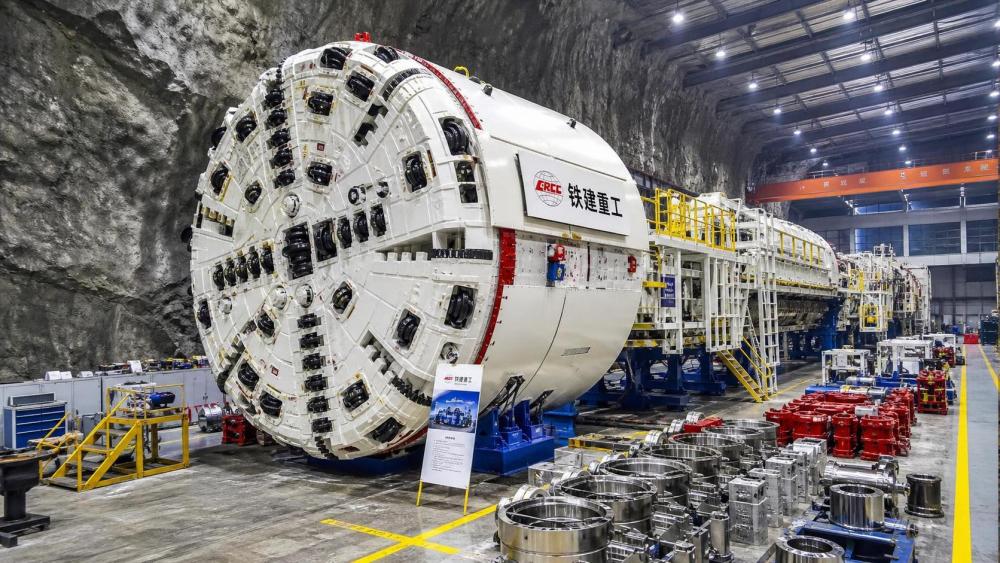
On June 14, 2026, Codelco formally opened a procurement tender for a hard-rock TBM for Phase II of the El Teniente deep ventilation tunnel. The requirement to handle f8-f10 ultra-hard rock formations in the Sierra Gorda mining area, while completing factory acceptance within nine months of contract signing, makes this development especially relevant for TBM manufacturers, cutter technology suppliers, mining project procurement teams, and delivery-focused supply chain service providers. For the industry, the key point is not only the tender itself, but also the combination of extreme geology and an unusually compressed delivery window.
A tender defined by rock hardness and delivery speed
According to the provided information, Codelco launched the hard-rock TBM tender on June 14 for Phase II of the El Teniente deep ventilation tunnel. The tender specifies that the equipment must be suitable for f8-f10 ultra-hard rock formations in the Sierra Gorda mining area. It also requires factory acceptance to be completed within nine months after contract signing.
The same information states that this is the first large-scale mining project globally to compress a TBM delivery cycle to less than 10 months. It also indicates urgent demand for high-reliability domestically manufactured hard-rock TBMs, especially those equipped with new diamond composite cutter technology and intelligent cutter wear monitoring systems.
Where the pressure is likely to be felt across the chain
For TBM manufacturers, qualification is no longer only about machine size
Analysis shows that equipment suppliers may be affected first by the combined requirement for ultra-hard rock adaptability and a nine-month factory acceptance deadline. The impact is likely to concentrate on design confirmation, component coordination, manufacturing scheduling, and proof of reliability. What deserves closer attention is whether suppliers can present a solution that addresses both geological suitability and delivery certainty at the same time.
For cutter and monitoring system suppliers, technical compatibility becomes more visible
From an industry perspective, the mention of new diamond composite cutters and intelligent cutter wear monitoring systems suggests that supporting technologies may receive closer scrutiny in procurement discussions. The likely impact is not merely on product supply, but on integration capability, performance documentation, and coordination with the main equipment platform. Suppliers in these segments may need to pay attention to how their products are evaluated within full-machine reliability expectations.
For procurement and project delivery teams, schedule risk moves to the center
Observably, procurement-side stakeholders may be influenced by the unusually short delivery window because timetable pressure can affect bid review, technical clarification, supplier selection, and downstream project planning. The main issue to watch is whether delivery commitments are backed by verifiable manufacturing and acceptance arrangements rather than only headline lead times.
For supply chain service providers, execution readiness may matter more than routine support
Analysis shows that logistics, coordination, and documentation service providers may also feel indirect pressure. In a project where delivery timing is compressed, business impact may appear in cross-border coordination, milestone tracking, and support for factory acceptance processes. What deserves closer attention is whether service capability matches the pace required by the procurement framework.
What companies should watch next
Track whether tender language becomes more detailed
From a practical standpoint, companies should closely watch any subsequent official wording related to technical scope, qualification criteria, and acceptance requirements. The current information confirms the core hard-rock and delivery targets, but the operational meaning for bidders often depends on how later documents define compliance and proof points.
Prepare evidence around reliability, not just product configuration
Analysis shows that suppliers likely need to focus on materials that demonstrate equipment reliability under ultra-hard rock conditions, especially where cutter systems and wear monitoring are involved. In this context, configuration claims alone may carry less weight than documentation that supports manufacturability, integration readiness, and acceptance feasibility within the stated timeline.
Review internal delivery planning against the nine-month requirement
What deserves closer attention is the gap between technical capability and deliverable schedule. Companies involved in manufacturing, key component supply, or project coordination may need to review whether internal lead times, supplier interfaces, and acceptance preparation can realistically support a sub-10-month delivery framework.
Keep customer communication tied to confirmed scope
Observably, market interest around this tender may rise quickly, but companies should distinguish between the confirmed tender facts and broader market interpretation. In practical terms, external communication, bid positioning, and customer discussions should remain anchored to verified requirements rather than assumptions about award outcomes or wider procurement expansion.
Why this looks more like a signal than a finished trend
Analysis shows that the current development is best understood as a high-value market signal rather than a completed shift in procurement norms. The confirmed facts point to a clear rise in attention on hard-rock adaptability, reliability, and compressed delivery for mining TBM projects. At the same time, it would be premature to treat one tender as proof that all comparable projects will immediately adopt the same timetable or technical emphasis.
From an industry perspective, the reason this remains worth watching is that it links three issues usually evaluated separately: geological difficulty, equipment reliability, and delivery speed. If market participants begin to see these factors bundled more often in future tenders, the commercial and technical expectations around hard-rock TBM supply could tighten further.
How the market may best read this development for now
At this stage, the tender appears most meaningful as a near-term procurement event with potential longer-term signaling value. The confirmed requirement set does not by itself establish a broad market outcome, but it does highlight where scrutiny may intensify: hard-rock capability, cutter system performance, intelligent monitoring integration, and delivery execution discipline. A neutral reading is that the event deserves continued attention because it may influence how suppliers prepare for similar mining infrastructure opportunities, even though wider conclusions still require further observation.
Basis of this article and follow-up verification
This article is based on the user-provided news title, event date, and event summary. For this type of industry update, relevant source categories commonly include official tender notices, company announcements, industry association information, authoritative media reporting, and technical or standards-related documents. No specific official source link was provided in the input, so the exact source documentation still needs continued verification. Follow-up attention should focus on any later official tender documents, clarification notices, or formal procurement updates that may further define technical and delivery requirements.
Related News
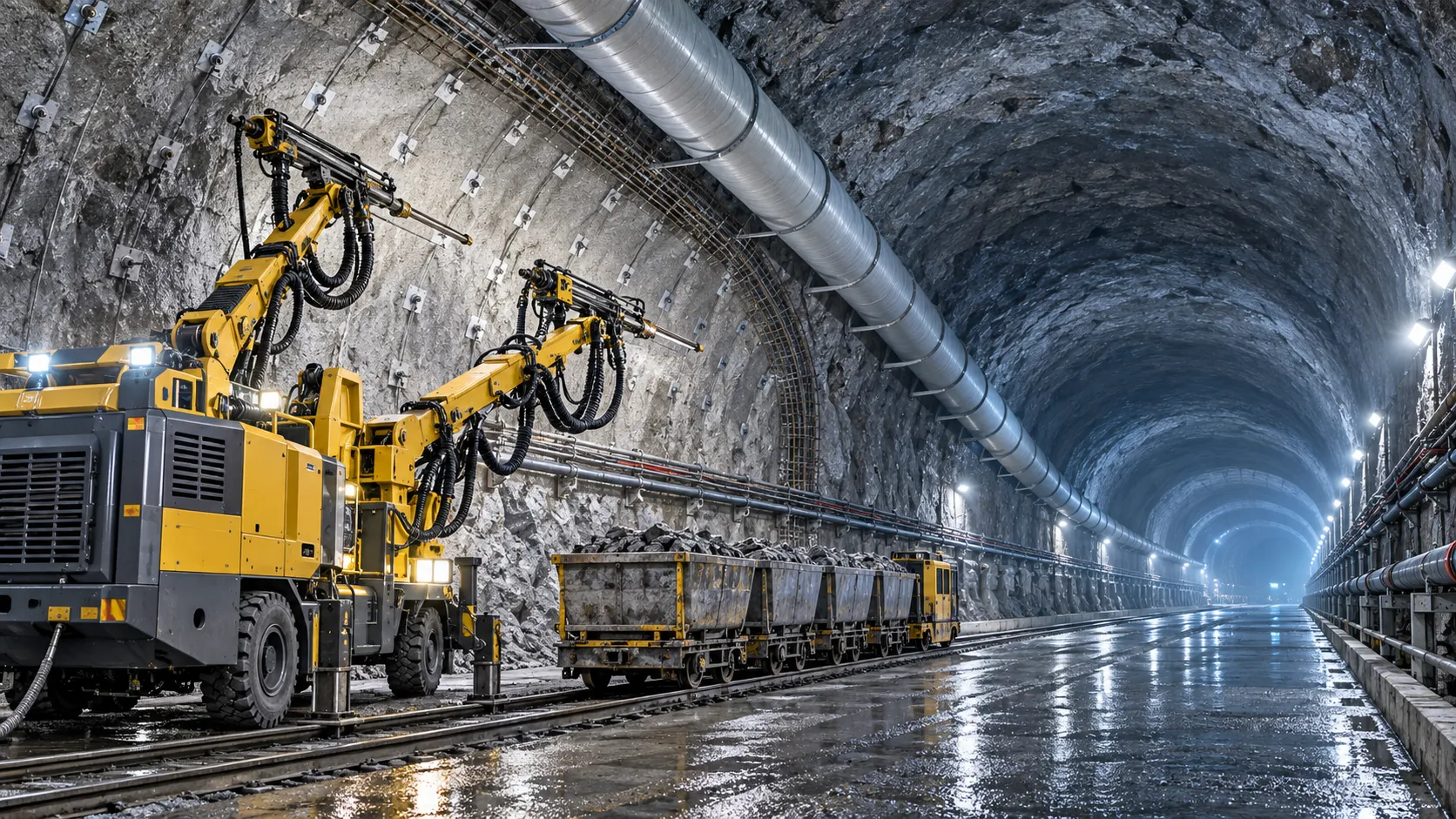
How to Evaluate European Drill-and-Blast Tunnelling Contractors for Complex Projects
Drill and blast tunnelling contractors Europe: learn how to assess geology expertise, blast control, equipment reliability, safety, and programme resilience for complex projects.
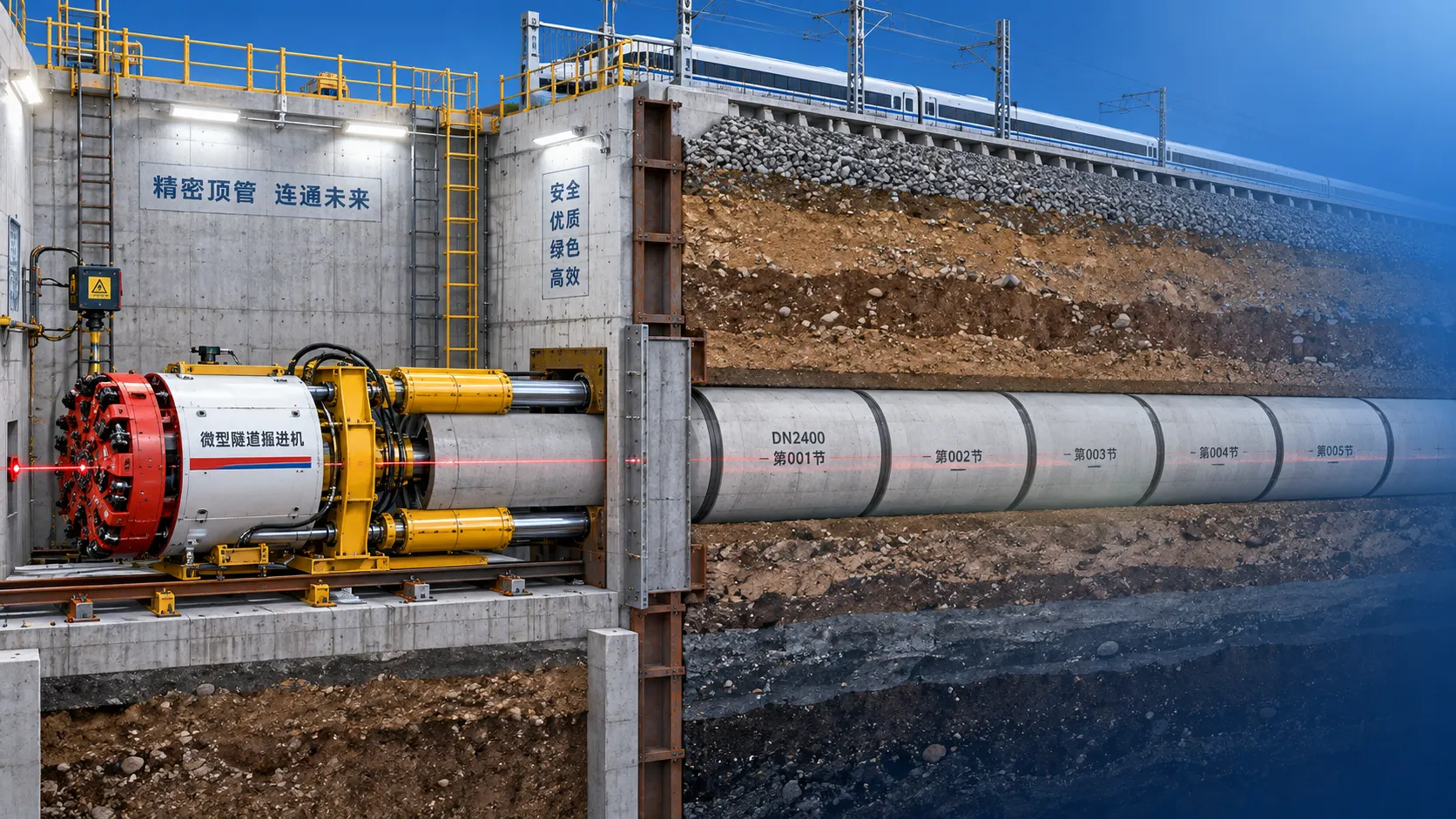
Which Trenchless Construction Technique Fits Your Utility Crossing Conditions?
Trenchless construction techniques compared for utility crossings: choose HDD, microtunnelling, pipe jacking, or auger boring based on ground, accuracy, access, and risk.
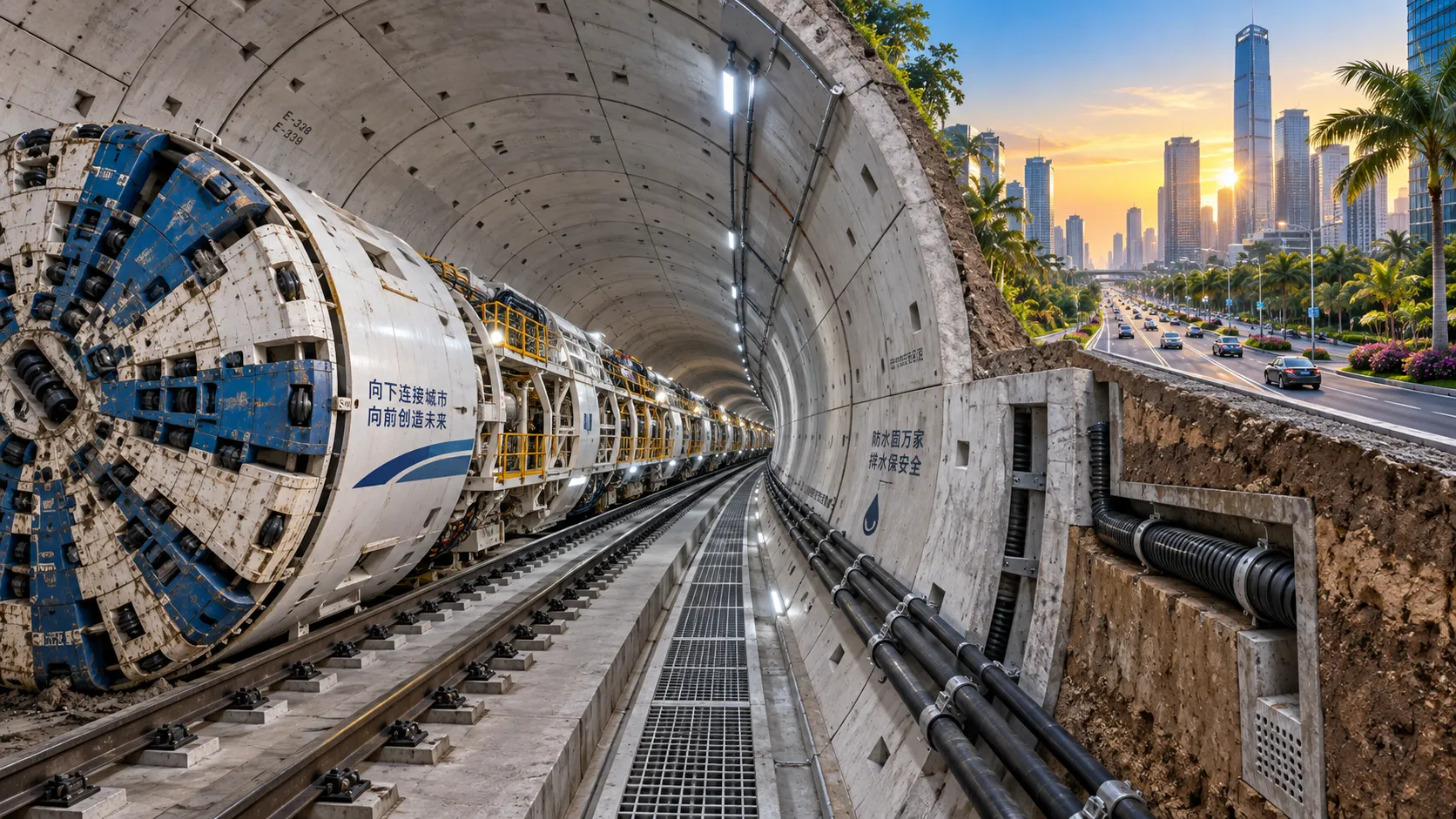
What Is Driving Metro Tunnelling Demand Across Southeast Asia’s Major Cities?
Metro tunnelling Southeast Asia is accelerating as major cities tackle congestion, flooding, and connectivity. Explore the market forces, technical risks, and opportunities shaping demand.
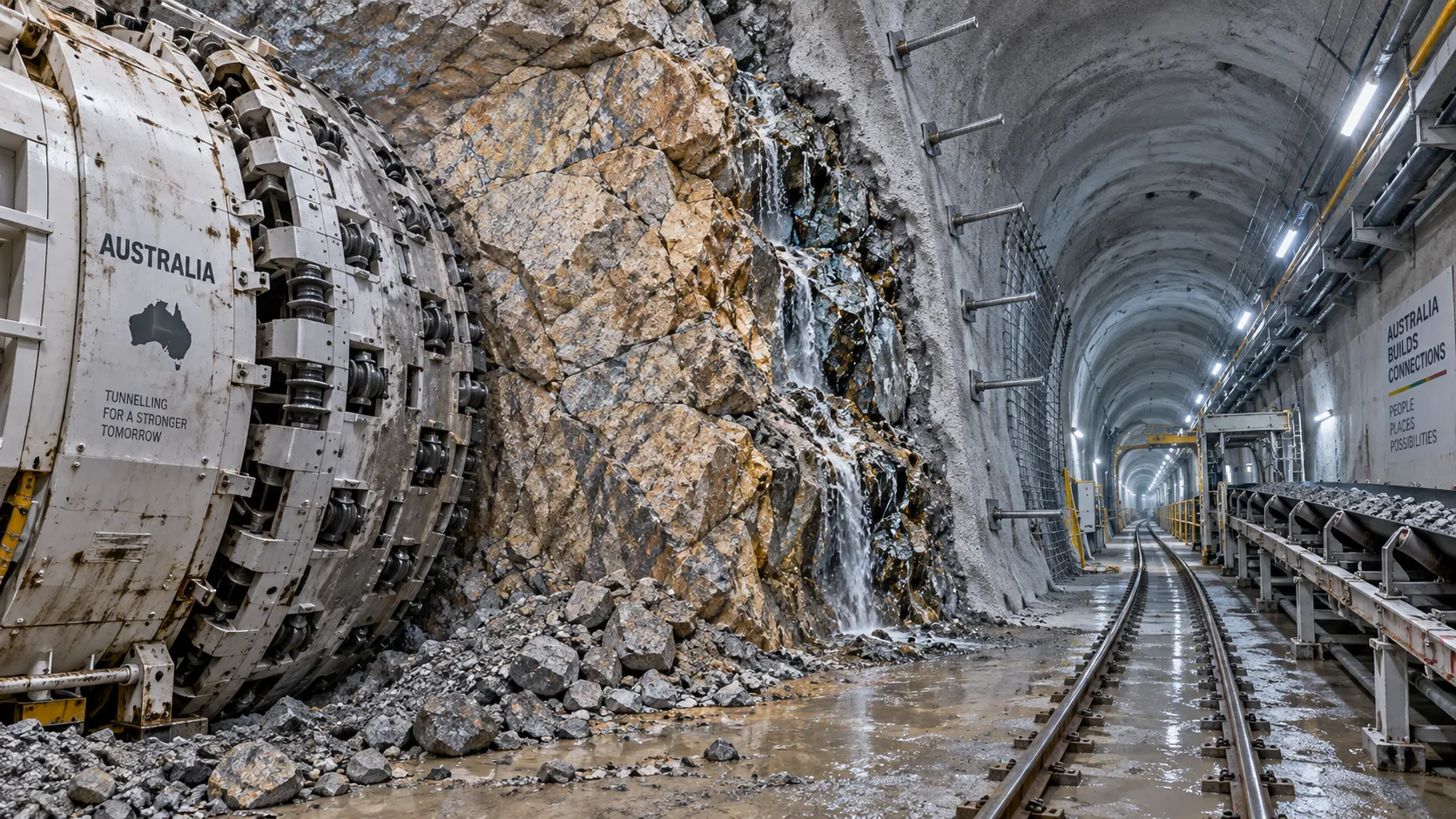
Hard Rock Tunnelling in Australia: Selecting Methods for Variable Ground Conditions
Hard rock tunnelling in Australia: compare TBM, drill-and-blast and hybrid methods to manage variable ground, reduce risk and protect project costs.
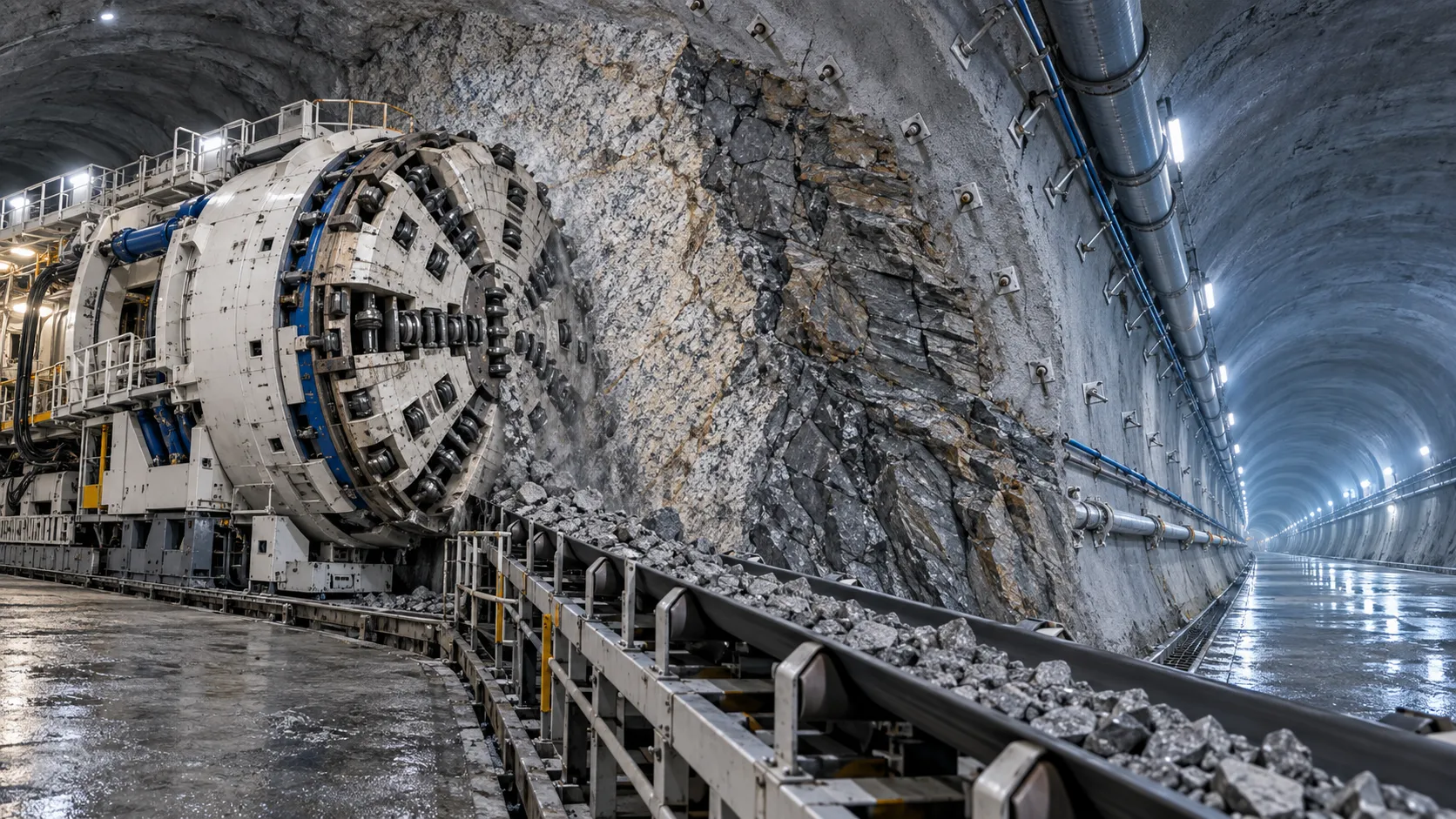
Hydropower Tunnel Excavation: Selecting Methods for Variable Rock Conditions
Hydropower tunnel excavation methods for variable rock conditions: compare TBM, drill-and-blast, and hybrid strategies to improve safety, progress, and project control.
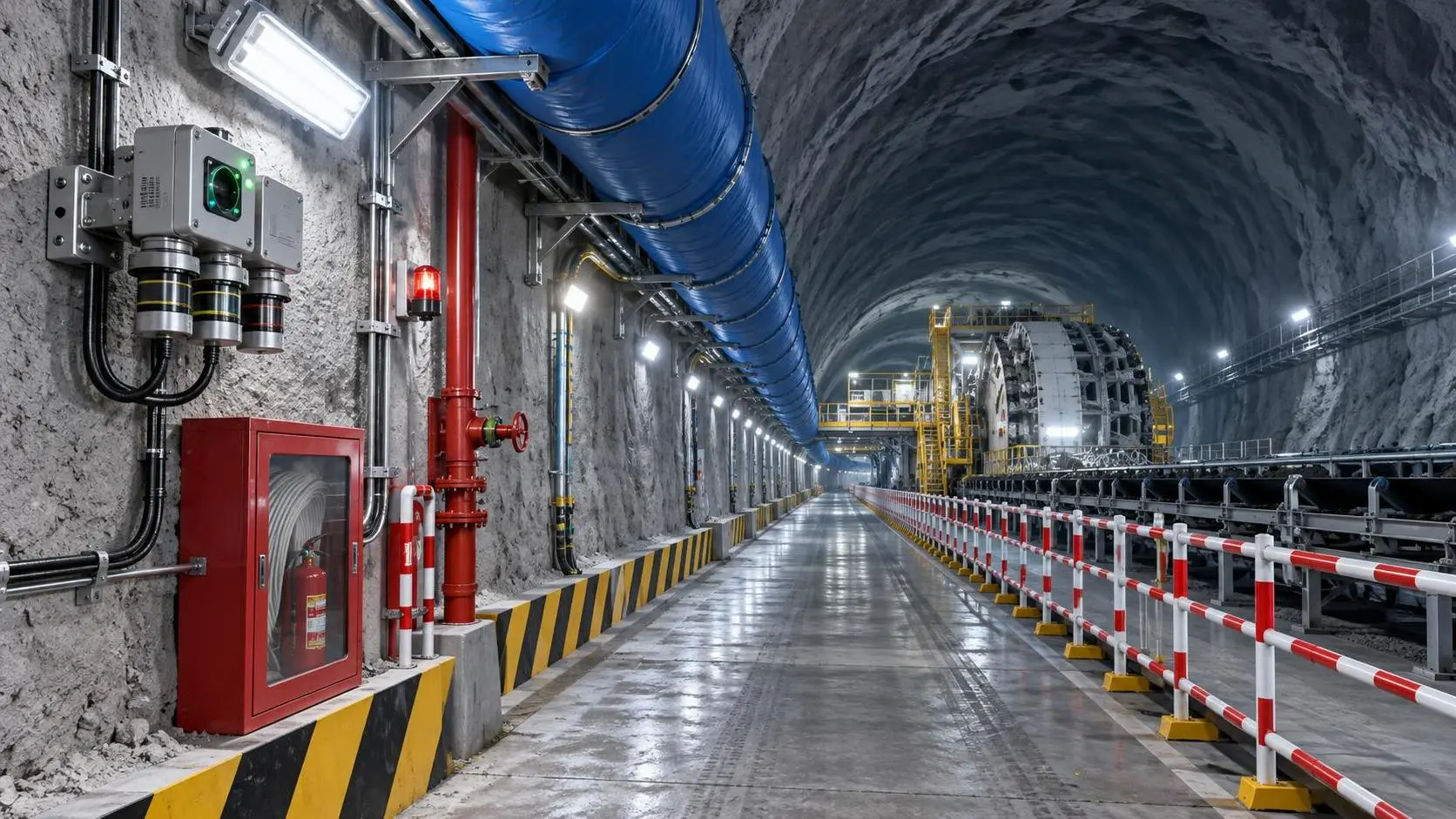
How to Select Underground Safety Equipment for Tunnelling by Hazard and Work Zone
Underground Safety Equipment for tunnelling: match protection to hazards, work zones, compliance, and emergency needs with this practical selection guide.
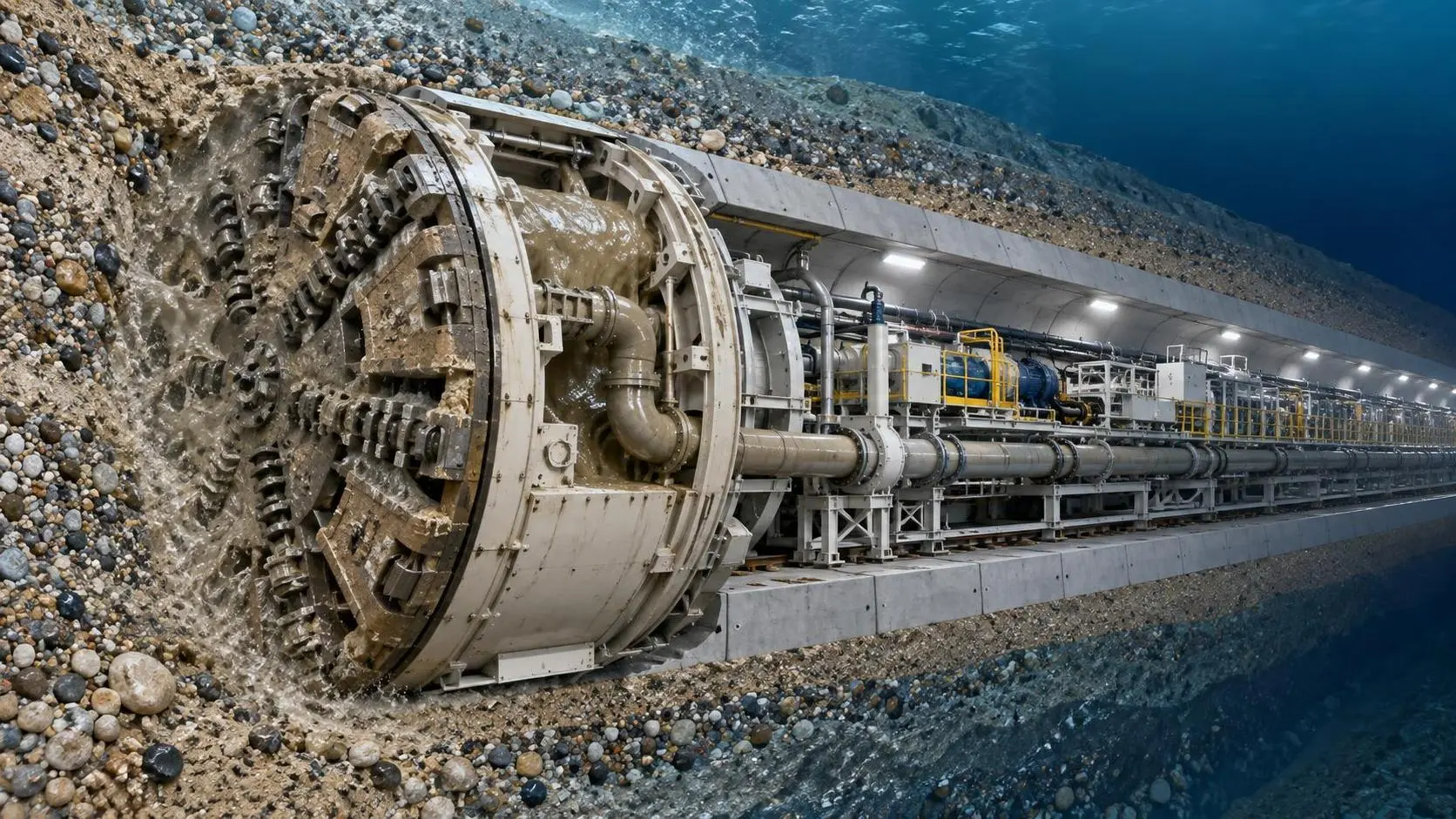
EPB or Slurry Shield? Selecting Soft-Ground Tunnelling Equipment by Soil Conditions
Tunnel Excavation Equipment for soft ground: compare EPB and slurry shields by soil, groundwater, settlement risk, and project logistics to choose confidently.
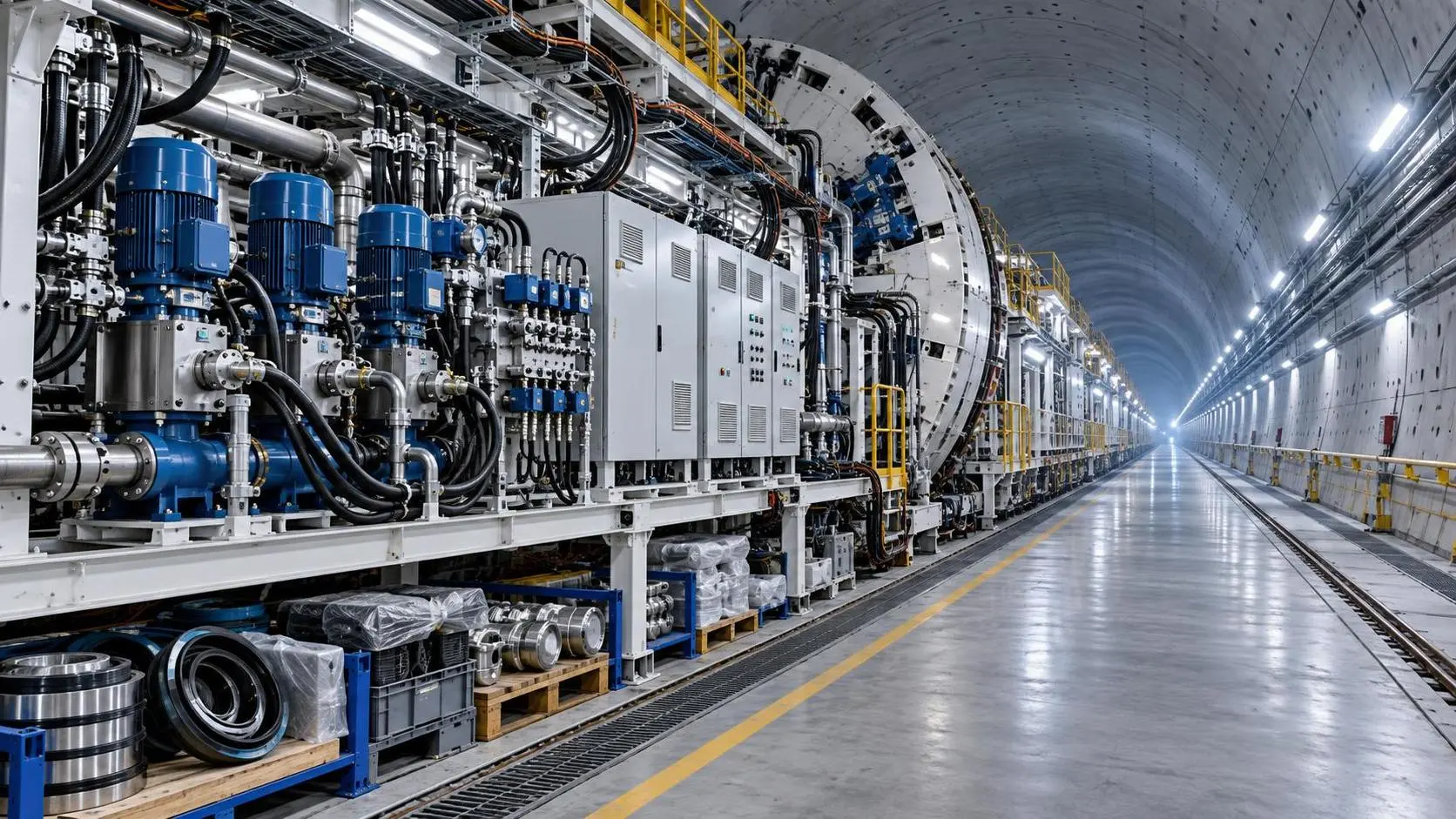
How to Specify TBM Backup System Parts for Reliable Long-Distance Tunnelling
TBM backup system parts: learn how to specify reliable spares for long-distance tunnelling, reduce downtime, ensure compatibility, and speed underground recovery.
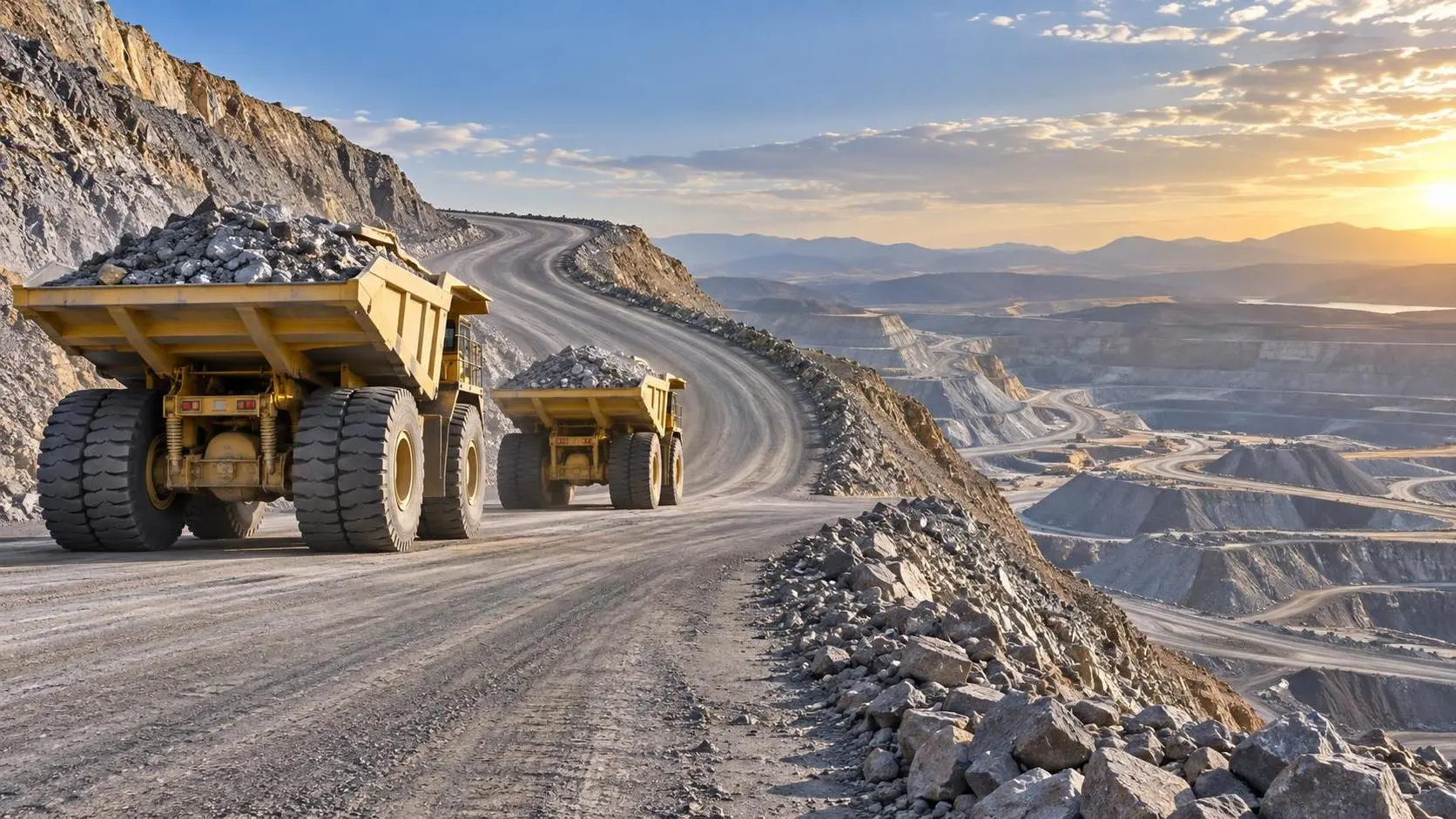
How to Size Open Pit Mining Trucks for Haul Distance, Grade, and Payload?
Open Pit Mining Trucks: learn how to match payload, haul distance, grade, road resistance, and loading capacity for safer, lower-cost mine operations.
Related News
- 00
0000-00
How to Evaluate European Drill-and-Blast Tunnelling Contractors for Complex Projects - 00
0000-00
Which Trenchless Construction Technique Fits Your Utility Crossing Conditions? - 00
0000-00
What Is Driving Metro Tunnelling Demand Across Southeast Asia’s Major Cities? - 00
0000-00
Hard Rock Tunnelling in Australia: Selecting Methods for Variable Ground Conditions - 00
0000-00
Hydropower Tunnel Excavation: Selecting Methods for Variable Rock Conditions
Weekly Insights
Stay ahead with our curated technology reports delivered every Monday.