
Indonesia Eases Nickel Quotas, Relief for TBM Parts Supply





On June 15, 2026, Indonesia announced looser production quotas for nickel ore and ferronickel for the second half of 2026, while also streamlining export licensing procedures. For the tunnelling equipment supply chain, this matters less as a commodity story and more as a rules-and-execution change affecting the availability of nickel-bearing high-strength alloy steel used in TBM cutterheads, main bearings, and wear-resistant excavation components. Contractors, equipment buyers, and manufacturers serving projects in Europe, the Middle East, and Southeast Asia will be watching whether this shift translates into steadier procurement conditions and shorter delivery windows for Chinese-made hard rock TBMs and rectangular pipe jacking equipment.
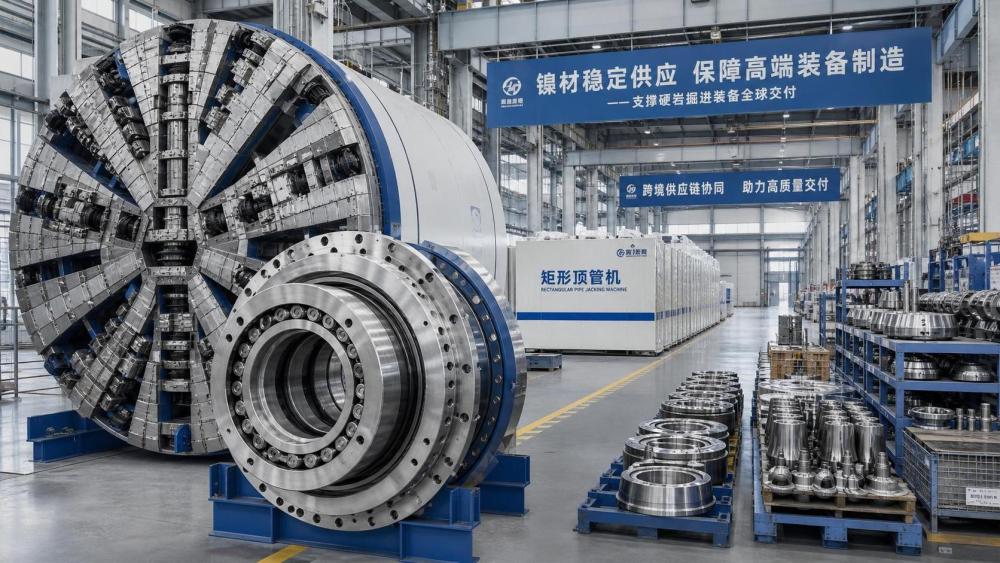
A policy shift tied directly to upstream material flow
Confirmed information shows that Indonesia announced on June 15 a relaxation of production quotas for nickel ore and ferronickel for the second half of 2026. At the same time, the country said it would optimize export licensing procedures.
The stated market effect is an expected improvement in the global supply-chain stability of nickel-containing high-strength alloy steel. This material is widely used in TBM cutterheads, shield machine main bearings, and wear-resistant components within excavation systems.
For infrastructure contractors in Europe, the Middle East, and Southeast Asia, the reported implication is that delivery times for Chinese-made hard rock TBMs and rectangular pipe jacking equipment may shorten by two to four weeks, while procurement cost volatility may decline.
Where the operational effects may appear first
Equipment manufacturing and component sourcing
Analysis shows that manufacturers of TBMs and related underground construction equipment may feel the change first through procurement planning for nickel-bearing alloy steel and key wear parts. The most relevant business links are likely to be raw-material sourcing, parts scheduling, and delivery coordination for cutterhead assemblies, main bearing systems, and other high-wear components.
What deserves closer attention is not only material availability, but also whether updated supply conditions alter order timing, purchase terms, and delivery commitments in existing contracts. Companies in this segment should continue checking whether technical documentation, material specifications, and procurement files remain aligned with customer requirements as supply conditions change.
Overseas contractors and project buyers
From an industry perspective, project owners, EPC contractors, and procurement teams involved in overseas tunnelling works may see the clearest impact in equipment lead-time management and budgeting discipline. If delivery windows for Chinese-made hard rock TBMs and rectangular pipe jacking equipment do shorten, this could affect tender scheduling, installation sequencing, and spare-parts preparation.
At the same time, buyers should pay attention to how suppliers reflect any lower volatility in component procurement costs within quotations, variation clauses, and delivery commitments. The practical issue is less about headline policy change and more about whether procurement documents and project execution plans need adjustment.
Trade and supply-chain service providers
Analysis shows that logistics coordinators, export service providers, and cross-border supply-chain teams may need to watch documentation and shipment timing more closely if export licensing procedures are being optimized. A smoother licensing process can affect booking arrangements, customs preparation, and delivery sequencing for key components and finished equipment.
Because the input does not provide detailed implementation rules, it would be premature to treat this as a fully settled operating framework. What matters for service providers is continued confirmation of documentary requirements, processing rhythm, and any practical changes in export-facing workflows.
What companies should monitor now
Check whether procurement files need updating
Observably, companies purchasing TBMs, rectangular pipe jacking equipment, or related key parts should review whether supplier quotations, lead-time assumptions, and material sourcing statements need to be refreshed. If supply pressure does ease, old procurement assumptions may no longer match current market conditions.
Keep technical and compliance records consistent
Where nickel-bearing high-strength alloy steel is involved, firms should continue verifying that material-related technical files, inspection records, and customer-facing documents remain internally consistent. This is especially relevant when delivery schedules or component sourcing arrangements are adjusted following upstream policy changes.
Watch for changes in tender and contract language
What deserves closer attention is whether tender documents, technical bid alignment, and delivery clauses begin to reflect shorter expected manufacturing cycles or lower cost volatility. Even if the upstream signal is positive, project-side execution documents may update more slowly than the supply market itself.
Track execution rather than only announcements
Analysis shows that companies should not rely on the announcement alone. The more practical checkpoint is whether optimized export licensing is reflected in actual shipment organization, component dispatch timing, and supplier confirmation practices over the following period.
Why this looks like an execution signal, not a finished outcome
From an industry perspective, this development is better understood as a meaningful execution signal rather than a completed market reset. The combination of looser production quotas and optimized export licensing points to an upstream regulatory change that can influence material flow and delivery predictability, but the input does not provide detailed implementing rules or evidence of full market pass-through.
Observably, the value of this update lies in what it may change across procurement and delivery management for tunnelling equipment, especially where nickel-bearing alloy steel is a key input. The market will still need to watch how suppliers, contractors, and cross-border service providers translate the policy shift into actual lead times, quotations, and fulfillment performance.
A measured reading for the tunnelling equipment market
The industry relevance of this event is clear: a rules change at the upstream nickel and ferronickel level can affect critical materials used in TBM and excavation-system components, and that can flow through to overseas project delivery. At this stage, however, it is more appropriate to understand the development as a supportive change in supply-chain conditions and trade processing rather than as a guaranteed result across all projects or suppliers.
A rational reading is that the announcement reduces some immediate pressure around key component supply for Chinese-made hard rock TBMs and rectangular pipe jacking equipment, while leaving room for continued observation on execution, documentation practice, and market feedback.
Basis of this article and what still needs verification
This article is generated from the user-provided news title, event date, and event summary. For this type of development, commonly relevant source categories may include official announcements, releases from regulatory authorities, customs or trade administration information, industry association updates, standards-related documents, and reporting by authoritative media.
No specific official source link was provided in the input, so the exact official publication path still requires follow-up verification. What still needs to be monitored includes any detailed implementation language, practical export-licensing interpretation, changes in tender documents, supplier-side execution, and broader market feedback from affected projects and procurement participants.
Related News
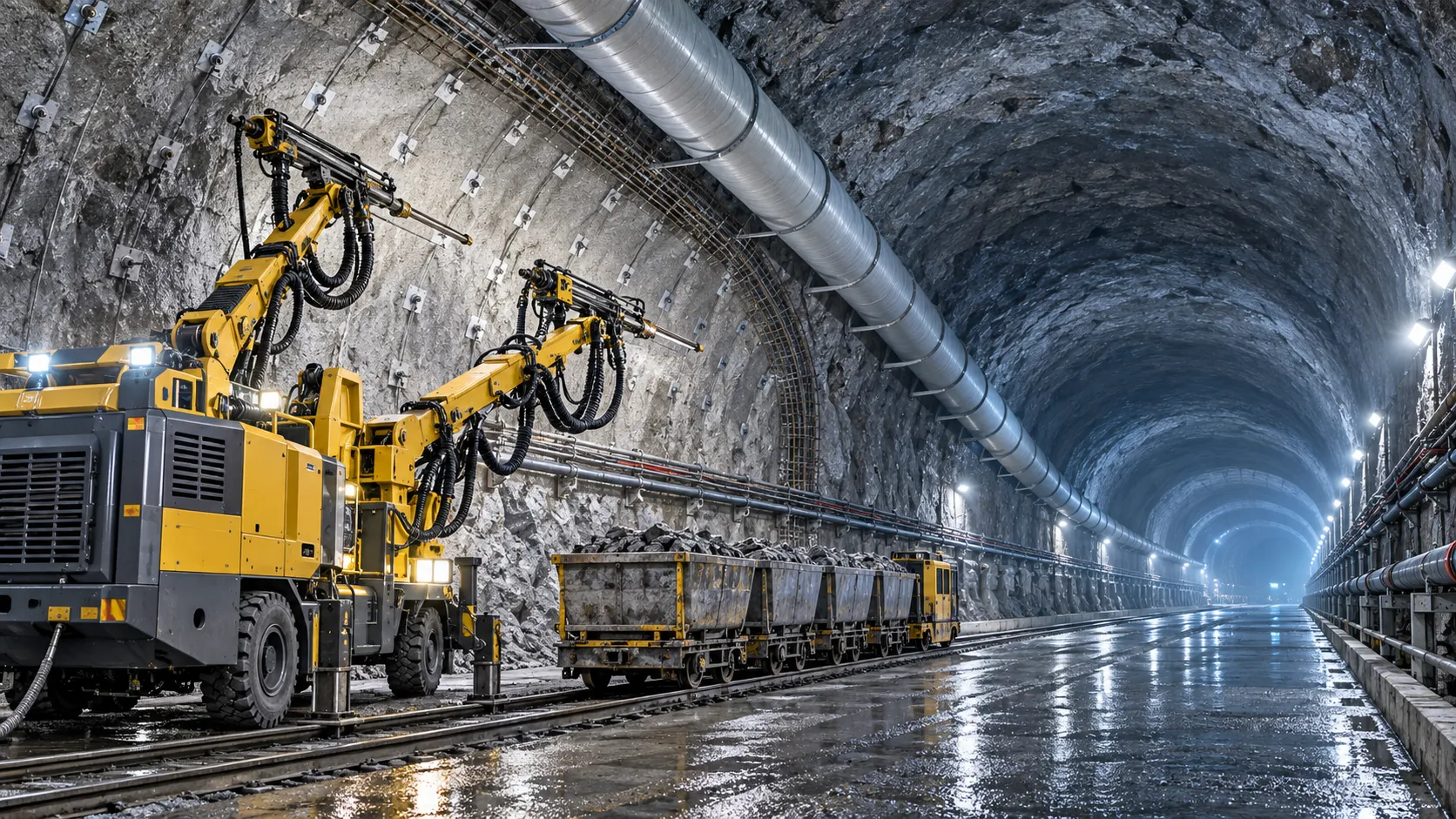
How to Evaluate European Drill-and-Blast Tunnelling Contractors for Complex Projects
Drill and blast tunnelling contractors Europe: learn how to assess geology expertise, blast control, equipment reliability, safety, and programme resilience for complex projects.
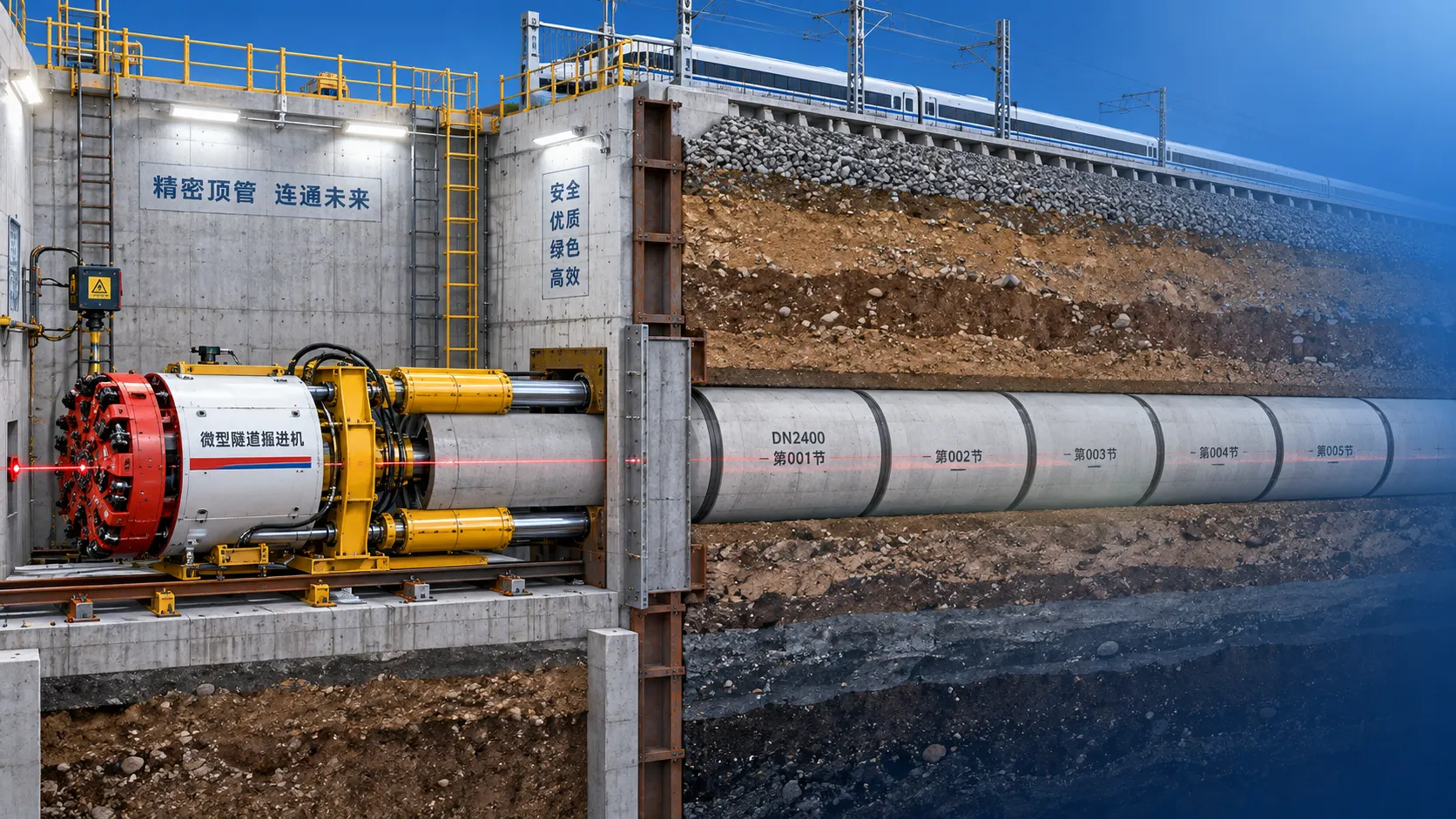
Which Trenchless Construction Technique Fits Your Utility Crossing Conditions?
Trenchless construction techniques compared for utility crossings: choose HDD, microtunnelling, pipe jacking, or auger boring based on ground, accuracy, access, and risk.
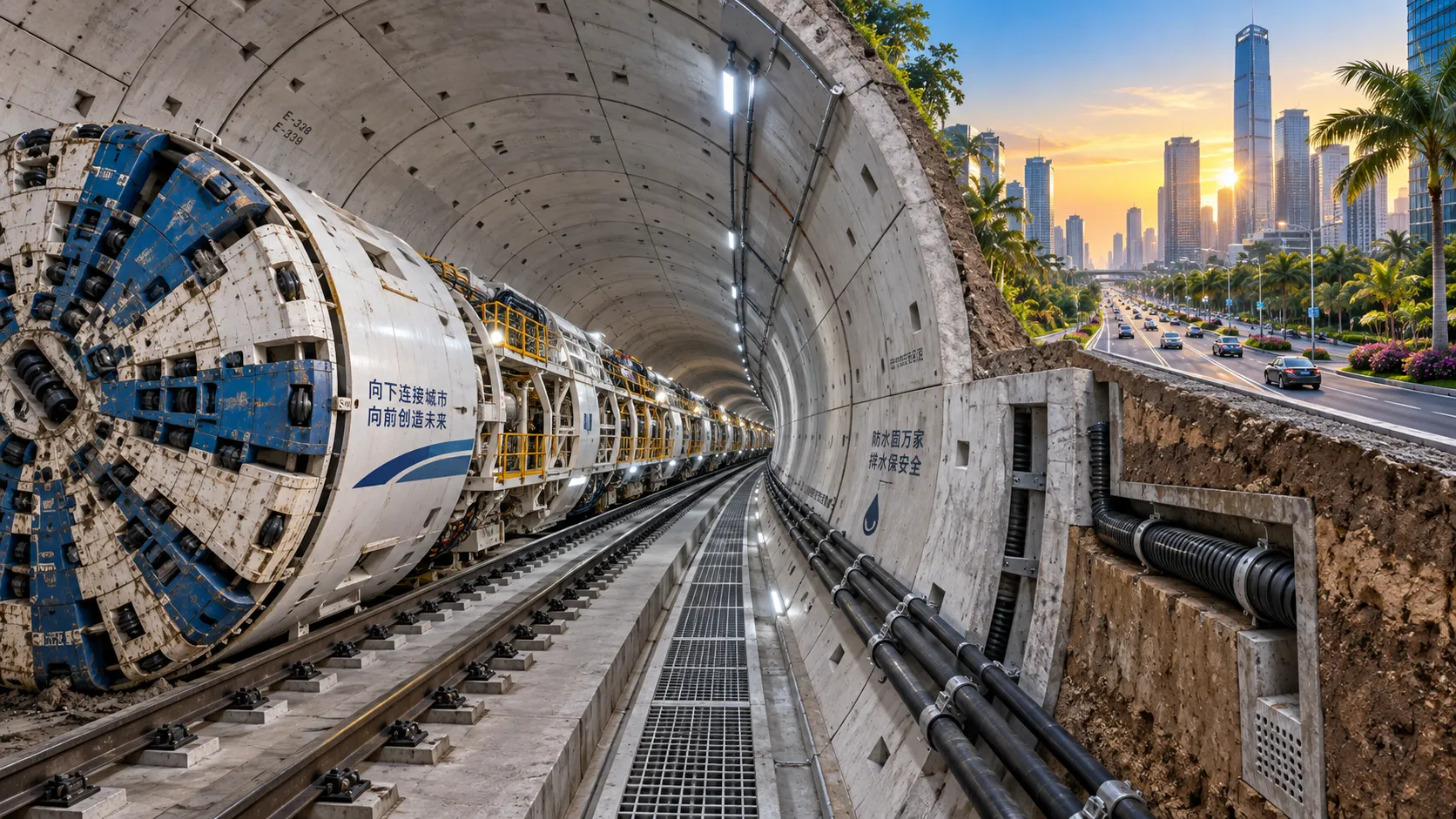
What Is Driving Metro Tunnelling Demand Across Southeast Asia’s Major Cities?
Metro tunnelling Southeast Asia is accelerating as major cities tackle congestion, flooding, and connectivity. Explore the market forces, technical risks, and opportunities shaping demand.
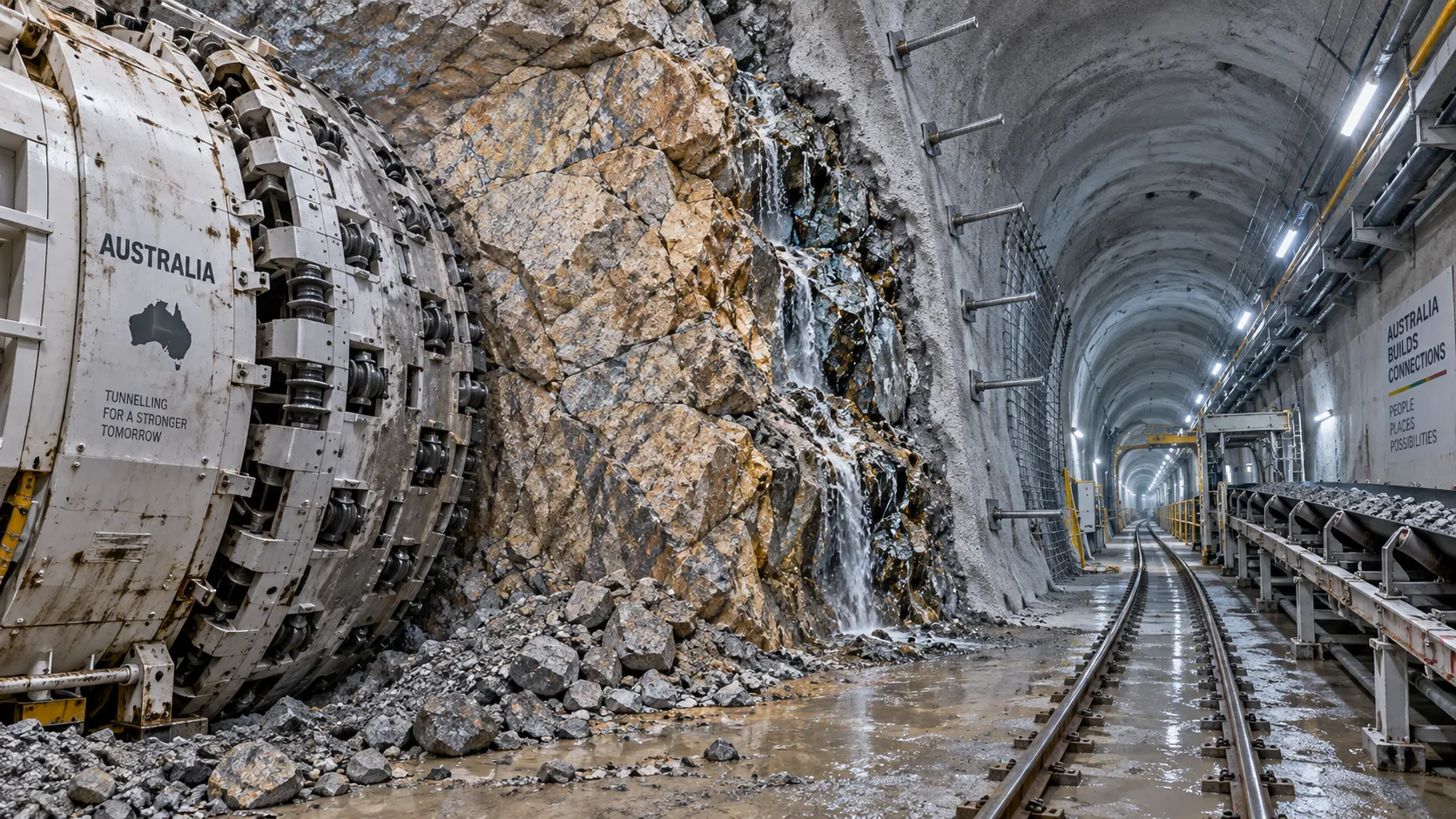
Hard Rock Tunnelling in Australia: Selecting Methods for Variable Ground Conditions
Hard rock tunnelling in Australia: compare TBM, drill-and-blast and hybrid methods to manage variable ground, reduce risk and protect project costs.
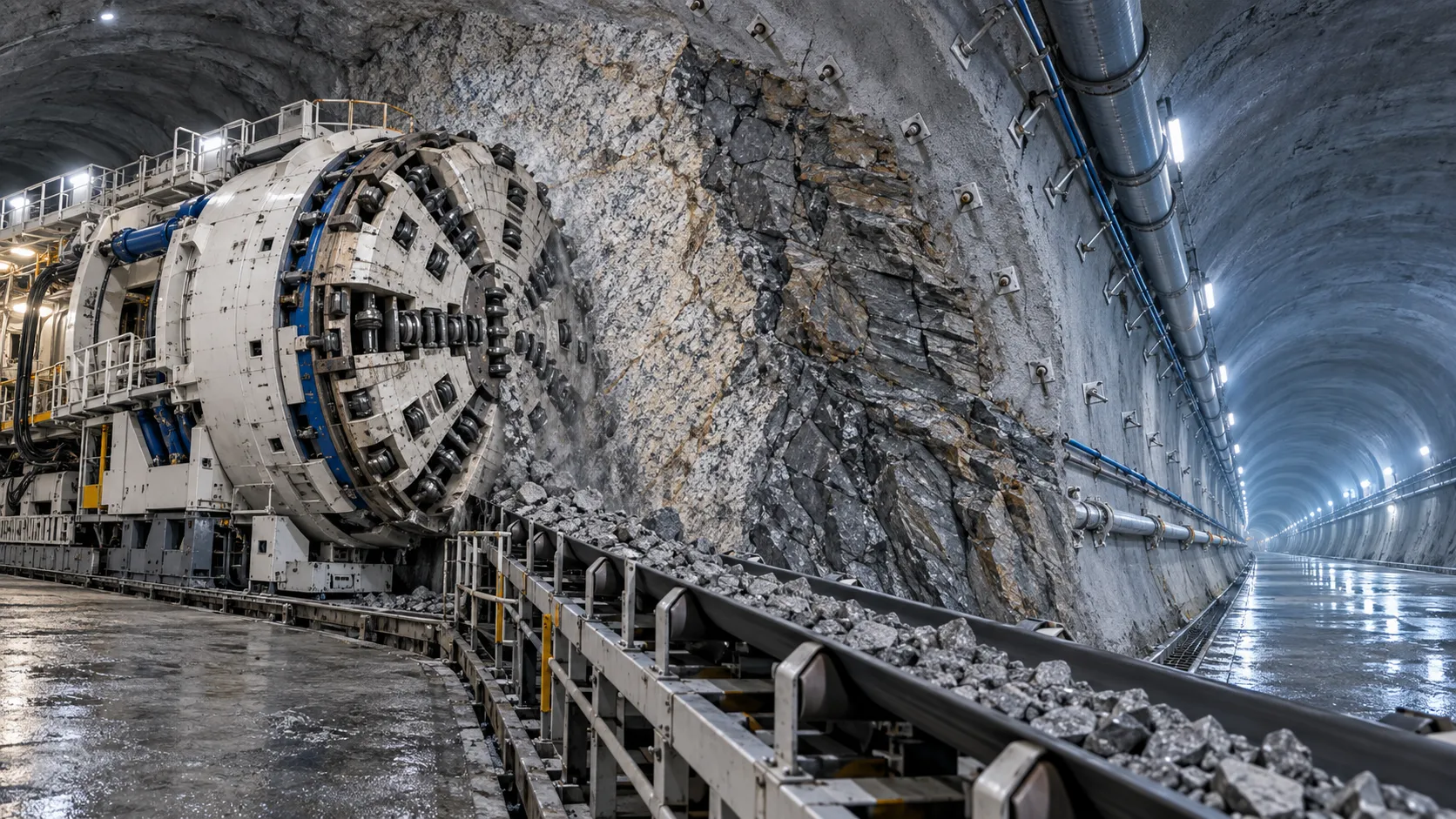
Hydropower Tunnel Excavation: Selecting Methods for Variable Rock Conditions
Hydropower tunnel excavation methods for variable rock conditions: compare TBM, drill-and-blast, and hybrid strategies to improve safety, progress, and project control.
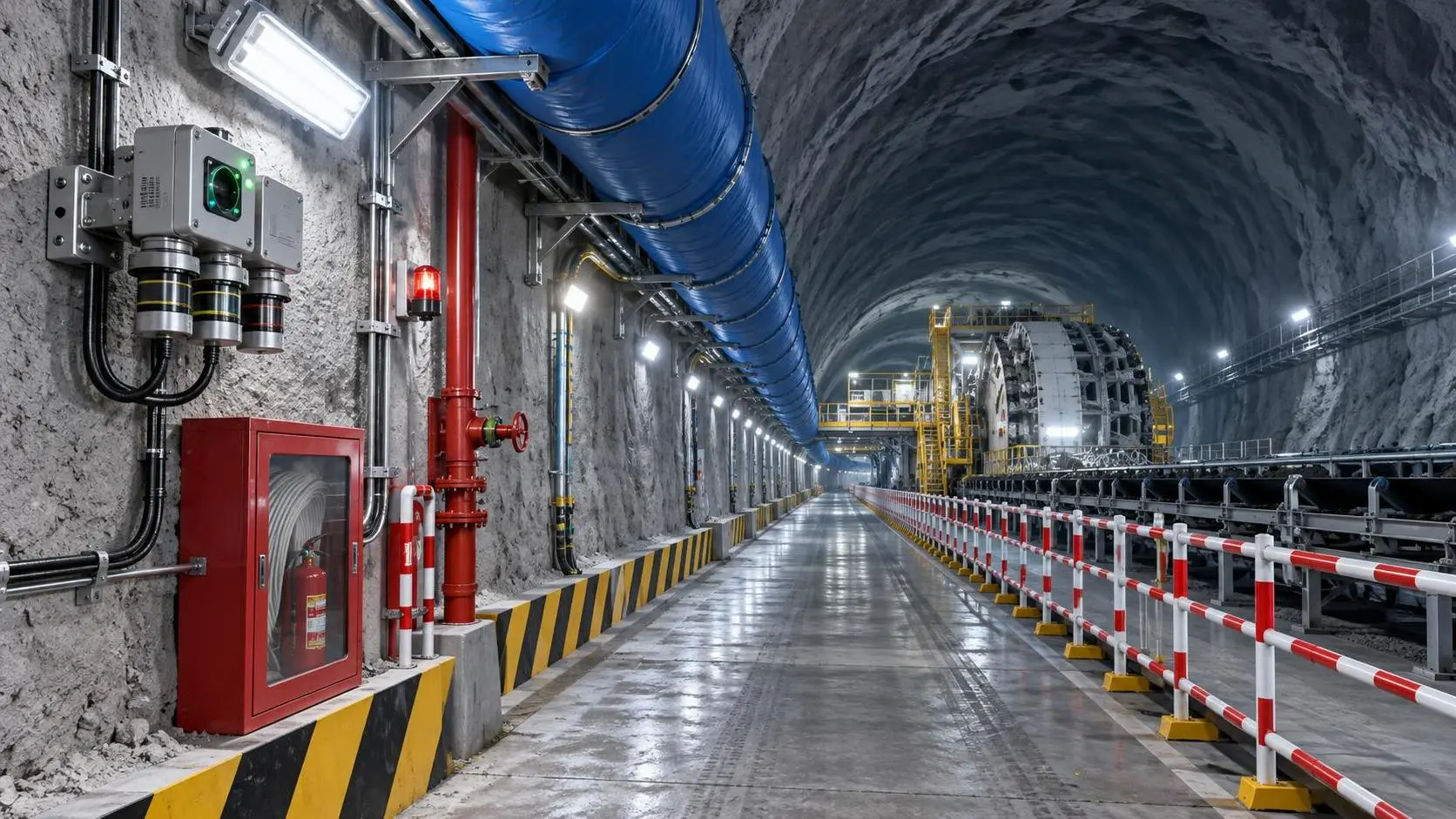
How to Select Underground Safety Equipment for Tunnelling by Hazard and Work Zone
Underground Safety Equipment for tunnelling: match protection to hazards, work zones, compliance, and emergency needs with this practical selection guide.
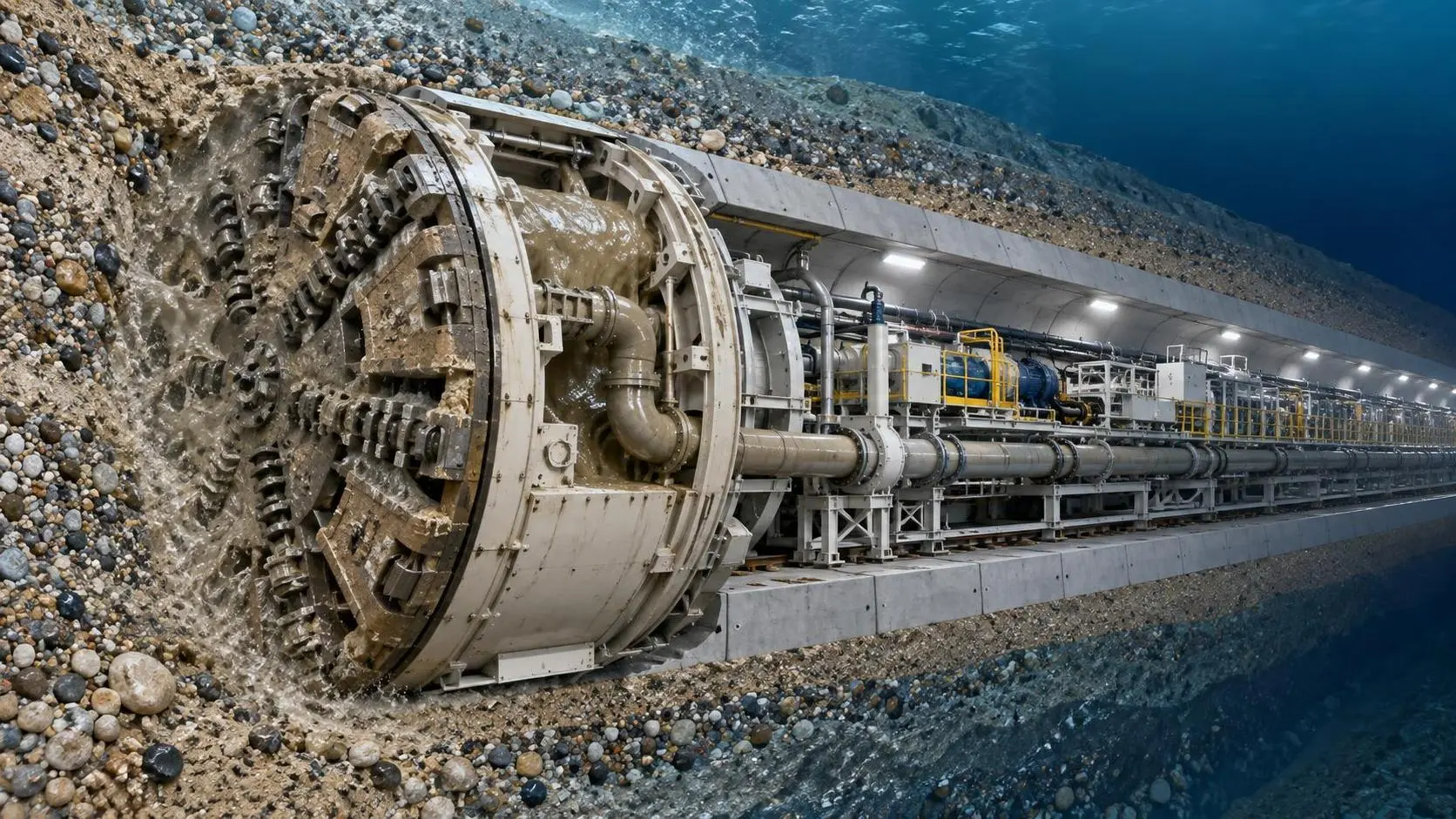
EPB or Slurry Shield? Selecting Soft-Ground Tunnelling Equipment by Soil Conditions
Tunnel Excavation Equipment for soft ground: compare EPB and slurry shields by soil, groundwater, settlement risk, and project logistics to choose confidently.
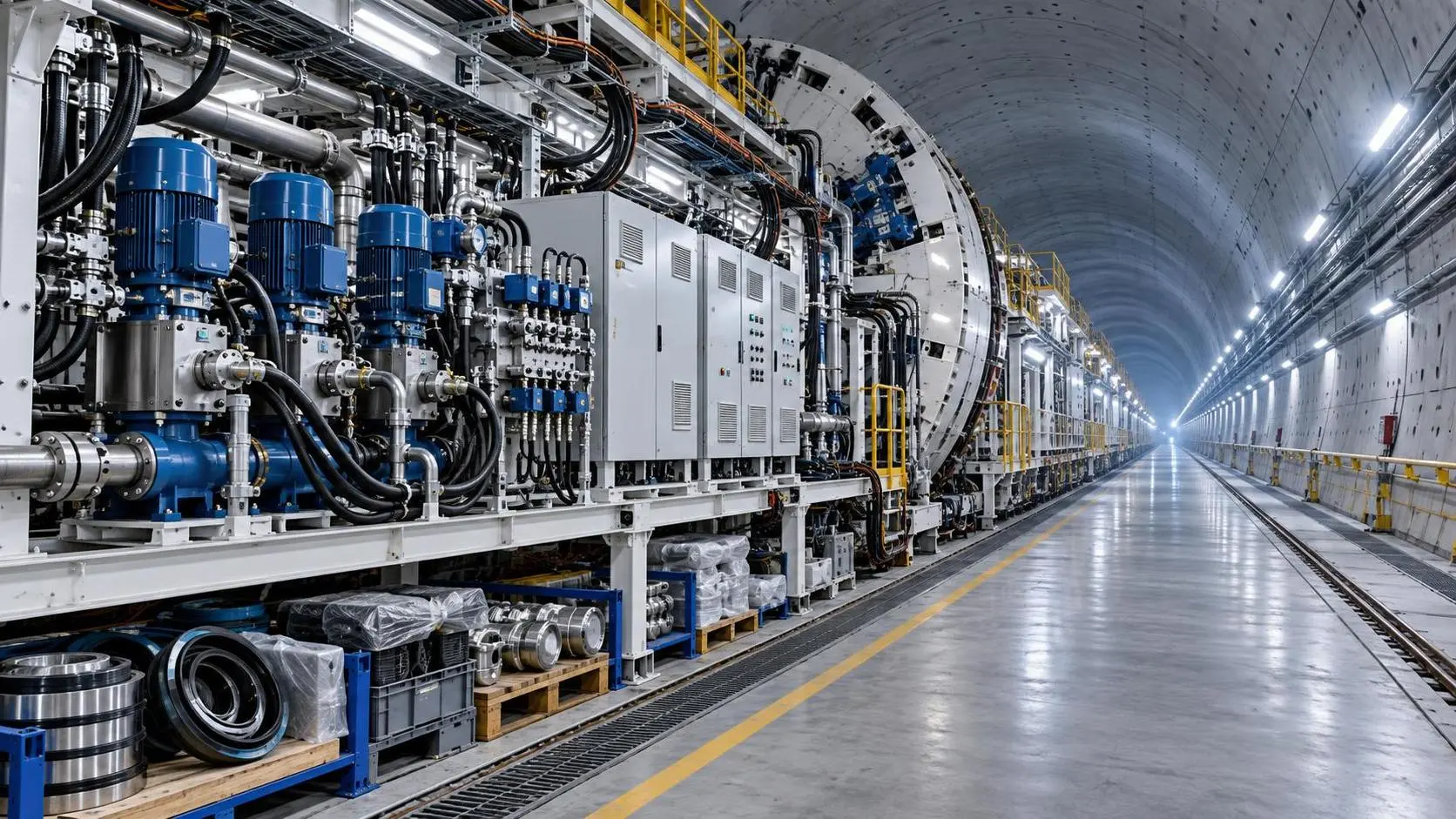
How to Specify TBM Backup System Parts for Reliable Long-Distance Tunnelling
TBM backup system parts: learn how to specify reliable spares for long-distance tunnelling, reduce downtime, ensure compatibility, and speed underground recovery.

How to Size Open Pit Mining Trucks for Haul Distance, Grade, and Payload?
Open Pit Mining Trucks: learn how to match payload, haul distance, grade, road resistance, and loading capacity for safer, lower-cost mine operations.
Related News
- 00
0000-00
How to Evaluate European Drill-and-Blast Tunnelling Contractors for Complex Projects - 00
0000-00
Which Trenchless Construction Technique Fits Your Utility Crossing Conditions? - 00
0000-00
What Is Driving Metro Tunnelling Demand Across Southeast Asia’s Major Cities? - 00
0000-00
Hard Rock Tunnelling in Australia: Selecting Methods for Variable Ground Conditions - 00
0000-00
Hydropower Tunnel Excavation: Selecting Methods for Variable Rock Conditions
Weekly Insights
Stay ahead with our curated technology reports delivered every Monday.