
Codelco TBM Tender Tightens Delivery and Service Rules





On June 12, 2026, Codelco launched a global tender that does more than open a new equipment purchase cycle: it signals a clearer procurement and execution standard for hard rock tunneling in mining projects. The tender ties supplier competitiveness not only to machine capability in rock above 250 MPa, but also to delivery timing, on-site commissioning, high-altitude and cold-climate suitability, online cutter wear monitoring, and remote operation and maintenance support. For TBM manufacturers, exporters, technical service providers, and project supply-chain teams, the key issue is not simply demand growth, but a more explicit shift in buyer requirements that affects compliance preparation, bid alignment, delivery planning, and service readiness.
What the Tender Formally Requires
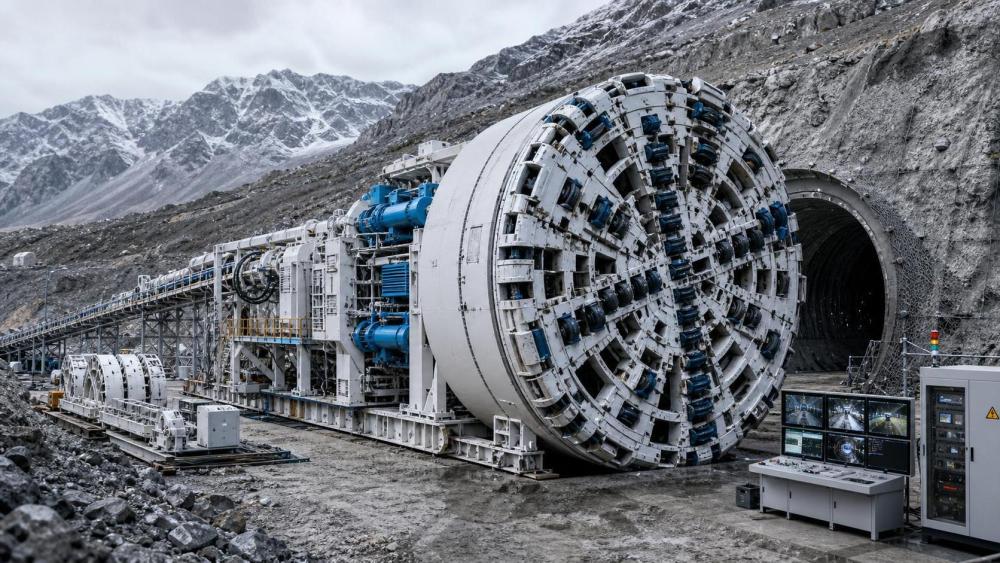
According to the provided event summary, Codelco issued global tender Ref: TBM-CHILE-2026-07 on June 12, 2026. The tender seeks to procure at least six full-face TBMs suitable for hard rock formations above 250 MPa.
The stated deadline requires full equipment delivery and on-site commissioning to be completed by the end of March 2027. The tender also states a preference for Hard Rock TBM suppliers that can demonstrate adaptation to high-altitude and cold conditions, online cutter wear monitoring, and remote operation and maintenance capability.
The event summary further indicates that the tender reflects an urgent reliance within South American mining on the delivery resilience and technical service capability of domestic high-end equipment suppliers. These are the confirmed facts available from the input.
Why This Procurement Signal Matters Across the Chain
For equipment makers, technical requirements now extend into service capability
From an industry perspective, the tender language suggests that machine performance alone may no longer be sufficient in this type of mining procurement. Suppliers of hard rock TBMs may be affected because the buyer is explicitly linking technical selection to operating-condition adaptation, digital monitoring functions, and remote support capacity. The practical impact is likely to appear in technical bid alignment, product documentation, commissioning plans, and proof of service response capability.
What deserves closer attention is the need to present equipment capability in a form that can satisfy procurement review. That may include clearer technical files, operating-condition statements, monitoring function descriptions, and after-sales support arrangements, even where the input does not specify a final compliance checklist.
For exporters and cross-border delivery teams, the compressed schedule becomes a trade execution issue
Analysis shows that the end-of-March 2027 delivery and commissioning deadline turns logistics and execution into a core bid factor rather than a back-end project detail. Export-oriented suppliers and supply-chain service providers may therefore face pressure in production scheduling, shipment planning, site coordination, and installation sequencing.
The rule change reflected here is practical rather than legislative: procurement requirements are being expressed in a way that can reshape supplier selection. Companies involved in export delivery should closely track bid documents, shipping documentation needs, site acceptance requirements, and any buyer-side clarification that may affect the handover timetable.
For after-sales and remote support providers, service traceability becomes more visible
The explicit preference for remote operation and maintenance capability means service providers may be drawn earlier into the bid and execution process. Observably, this affects not only maintenance readiness but also the ability to explain service architecture, response mechanisms, and equipment-status visibility in a procurement context.
For firms supporting TBM deployment, the relevant concern is whether service commitments, monitoring outputs, and field support arrangements can be documented in a way that aligns with the tender's stated priorities. This is especially relevant where the buyer is weighing delivery resilience together with technical support depth.
What Companies Should Review Now
Check whether technical files match the buyer's stated priorities
Companies considering participation should review whether their tender materials clearly address hard rock suitability above 250 MPa, high-altitude and cold-environment adaptation, online cutter wear monitoring, and remote O&M functions. Where the input provides no formal scoring method, it is more appropriate to treat these items as areas requiring stronger evidence rather than assume a fixed weighting.
Reassess delivery promises against the commissioning deadline
The deadline for full delivery and on-site commissioning by the end of March 2027 means internal production, transport, and installation plans should be checked together rather than separately. Analysis shows that schedule credibility may become as important as equipment specification, especially when procurement decisions are tied to project execution speed.
Prepare supporting documents with procurement review in mind
Relevant teams should pay close attention to technical documents, bid responses, test descriptions, service statements, and any documentation that helps demonstrate traceability and implementation readiness. Since the input does not provide the full tender package, companies should avoid assuming which documents will be decisive and instead monitor for clarifications or updated filing requirements.
Watch for follow-up wording that sharpens compliance expectations
It is more appropriate to understand this tender as an actionable procurement signal, but not yet as a fully transparent execution framework. Suppliers should therefore continue to watch for further official wording, clarification notices, changes in tender documents, and any market feedback that may refine how these priorities are applied in practice.
How This Should Be Read at This Stage
Analysis shows that this development is best understood as a concrete execution signal rather than a general market headline. The combination of a hard delivery deadline and explicit technical-service preferences indicates that procurement standards in this project are being expressed with greater operational detail.
At the same time, it remains too early to treat the event as a settled rule outcome for the wider market. Observably, the most important next step is not broad forecasting, but continued attention to how tender language, supplier responses, and subsequent clarification shape real procurement thresholds.
A Practical Reading of the Market Signal
This tender matters because it links equipment selection more directly to delivery resilience, operating-condition suitability, and service capability. For industry participants, the main implication is not simply stronger demand for hard rock TBMs, but a more demanding procurement environment in which technical compliance, delivery timing, and support readiness are increasingly evaluated together.
From an industry perspective, the current event is better read as an implemented procurement signal with follow-up details still worth watching. Companies do not yet have grounds to assume a final market-wide rule change, but they do have reason to review documentation quality, schedule feasibility, and service preparedness now.
Basis of This Article
This article is generated from the user-provided news title, event date, and event summary. No additional facts, links, market figures, policy numbers, or institutional details beyond the provided input have been introduced.
For events of this kind, commonly relevant source categories may include official tender notices, regulatory releases, trade or customs authority information, industry association updates, standards organization documents, and reporting by established industry media. A specific official source link was not provided in the input, so it still requires follow-up verification.
Further observation is still needed on any later clarification of tender terms, execution interpretation, documentation requirements, service expectations, industry feedback, and actual supplier implementation.
Related News
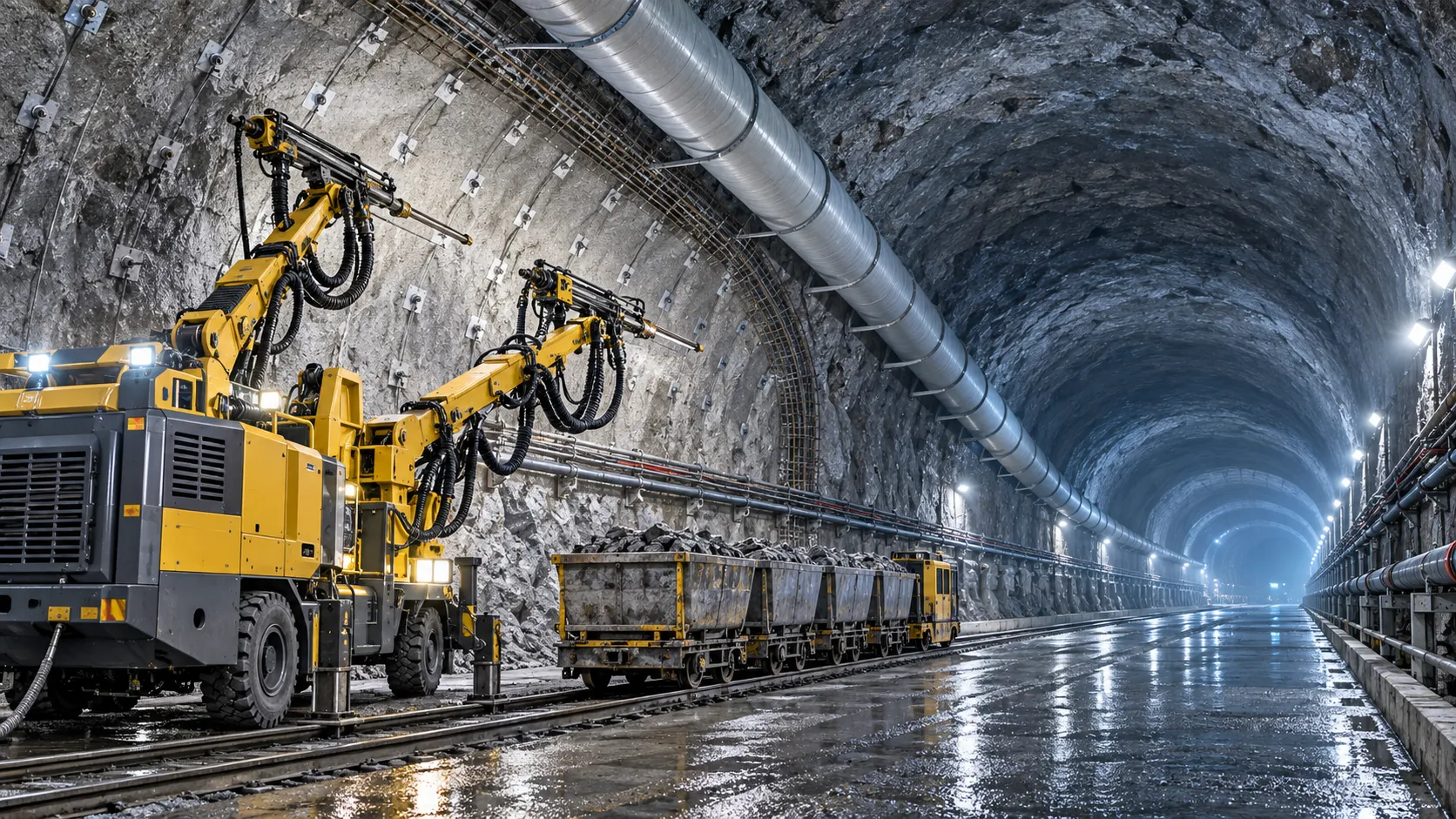
How to Evaluate European Drill-and-Blast Tunnelling Contractors for Complex Projects
Drill and blast tunnelling contractors Europe: learn how to assess geology expertise, blast control, equipment reliability, safety, and programme resilience for complex projects.
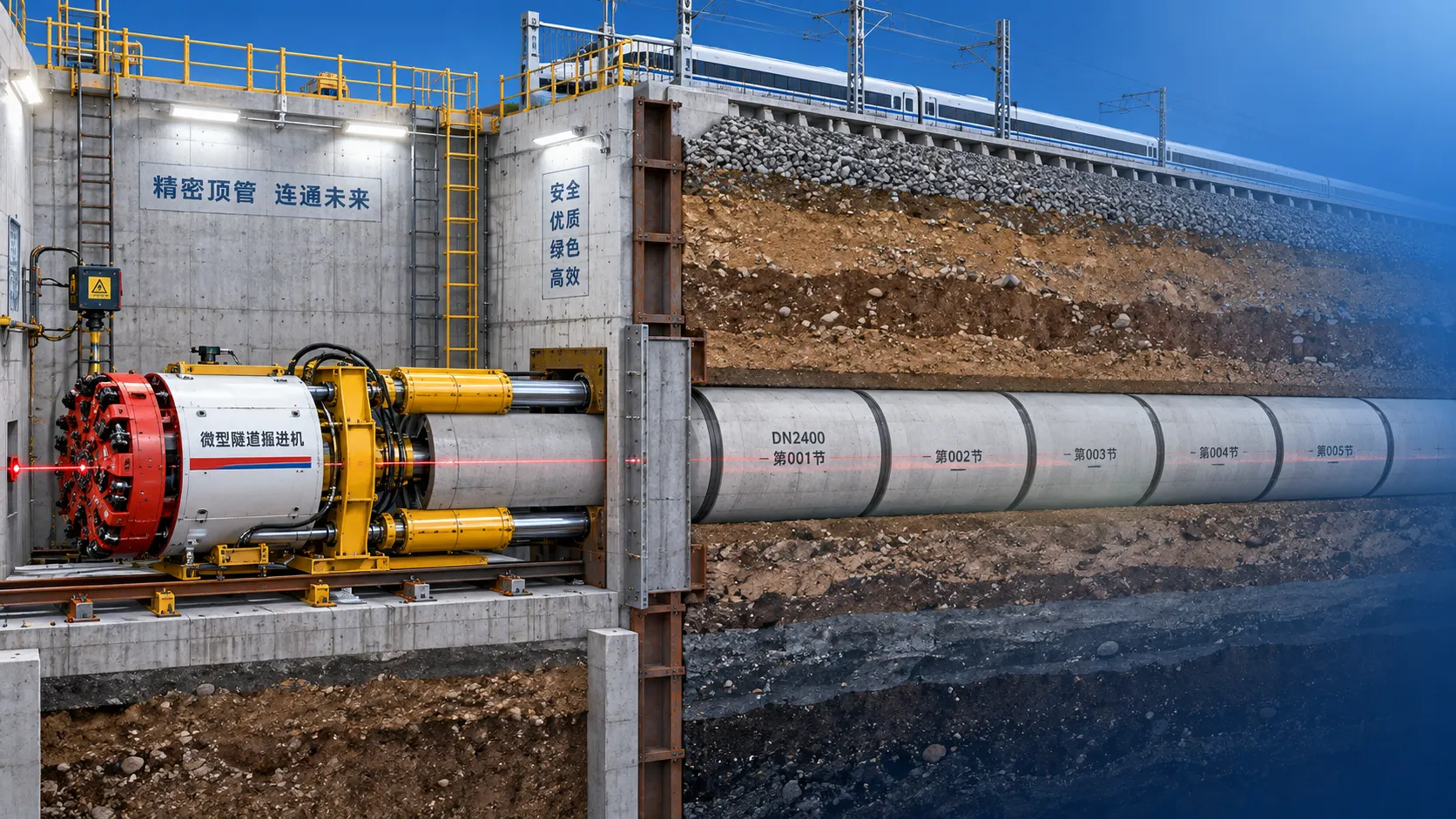
Which Trenchless Construction Technique Fits Your Utility Crossing Conditions?
Trenchless construction techniques compared for utility crossings: choose HDD, microtunnelling, pipe jacking, or auger boring based on ground, accuracy, access, and risk.

What Is Driving Metro Tunnelling Demand Across Southeast Asia’s Major Cities?
Metro tunnelling Southeast Asia is accelerating as major cities tackle congestion, flooding, and connectivity. Explore the market forces, technical risks, and opportunities shaping demand.
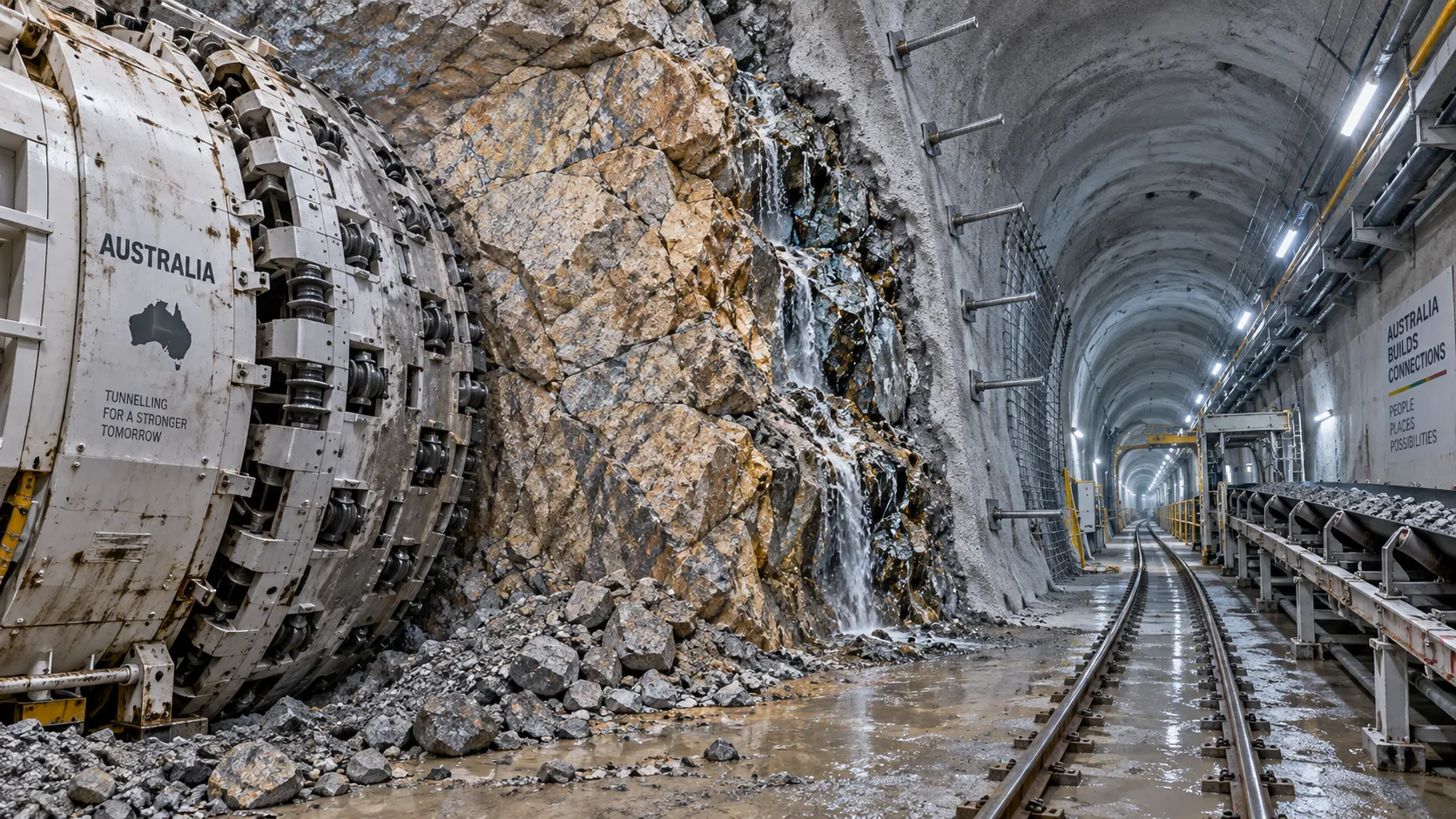
Hard Rock Tunnelling in Australia: Selecting Methods for Variable Ground Conditions
Hard rock tunnelling in Australia: compare TBM, drill-and-blast and hybrid methods to manage variable ground, reduce risk and protect project costs.

Hydropower Tunnel Excavation: Selecting Methods for Variable Rock Conditions
Hydropower tunnel excavation methods for variable rock conditions: compare TBM, drill-and-blast, and hybrid strategies to improve safety, progress, and project control.
How to Select Underground Safety Equipment for Tunnelling by Hazard and Work Zone
Underground Safety Equipment for tunnelling: match protection to hazards, work zones, compliance, and emergency needs with this practical selection guide.

EPB or Slurry Shield? Selecting Soft-Ground Tunnelling Equipment by Soil Conditions
Tunnel Excavation Equipment for soft ground: compare EPB and slurry shields by soil, groundwater, settlement risk, and project logistics to choose confidently.

How to Specify TBM Backup System Parts for Reliable Long-Distance Tunnelling
TBM backup system parts: learn how to specify reliable spares for long-distance tunnelling, reduce downtime, ensure compatibility, and speed underground recovery.

How to Size Open Pit Mining Trucks for Haul Distance, Grade, and Payload?
Open Pit Mining Trucks: learn how to match payload, haul distance, grade, road resistance, and loading capacity for safer, lower-cost mine operations.
Related News
- 00
0000-00
How to Evaluate European Drill-and-Blast Tunnelling Contractors for Complex Projects - 00
0000-00
Which Trenchless Construction Technique Fits Your Utility Crossing Conditions? - 00
0000-00
What Is Driving Metro Tunnelling Demand Across Southeast Asia’s Major Cities? - 00
0000-00
Hard Rock Tunnelling in Australia: Selecting Methods for Variable Ground Conditions - 00
0000-00
Hydropower Tunnel Excavation: Selecting Methods for Variable Rock Conditions
Weekly Insights
Stay ahead with our curated technology reports delivered every Monday.