
Chinese TBMs Shift the Competitive Rulebook





On May 28, 2026, a report by U.S. technology outlet Interesting Engineering signaled more than a technology ranking change in tunnel boring machines (TBMs): it pointed to a shift in how competition may increasingly be judged across procurement, delivery, technical specifications, and service commitments. For manufacturers, buyers, project contractors, certification-related service providers, and export-facing suppliers, the issue is not only who builds the machine, but whether future tenders and cross-border deliveries place greater weight on integrated standards support, lifecycle service, and intelligent algorithm capabilities alongside core equipment performance.
What the report explicitly established
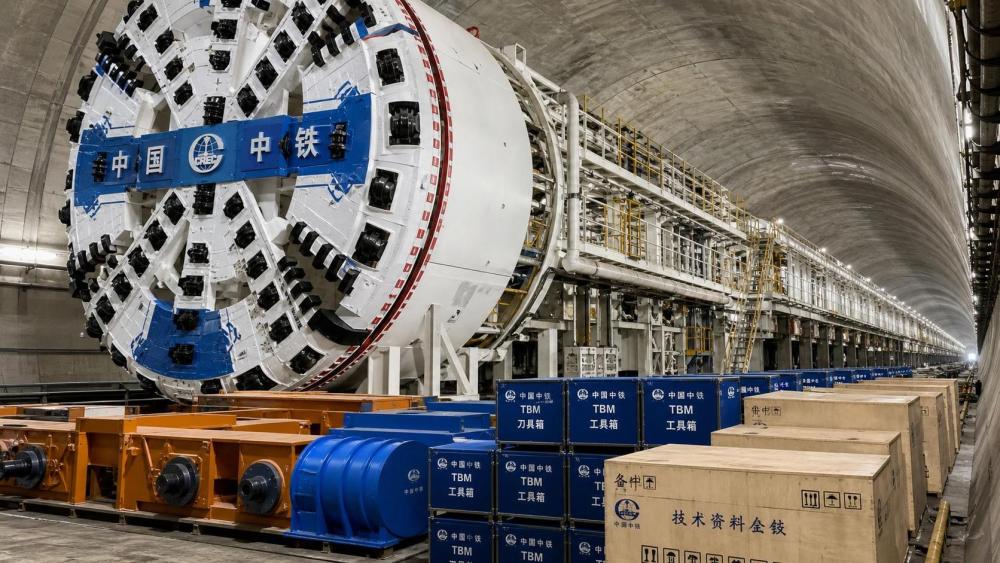
According to the provided summary, Interesting Engineering published a detailed report on May 28, 2026 stating that China has become the world’s largest TBM manufacturer in both scale and innovation. The report said China has moved ahead particularly in ultra-large diameter machines at or above 16 meters, high-water-pressure shield applications, and adaptability to debris-flow ground conditions.
The same report cited the “Jianghai” project at the Yangtze estuary and delivery for the Sydney West Harbour tunnel as examples. It also described a transition in Chinese TBM exports from stand-alone equipment supply toward integrated offerings that combine standards, services, and intelligent algorithms. The article framed this development as a source of systemic competitive pressure for traditional suppliers in Europe and the United States.
Why this matters for market access and project execution
For buyers and project owners, technical evaluation may broaden
From an industry perspective, buyers and project owners may be affected because procurement decisions in this segment are often shaped by more than machine specifications alone. If competition is increasingly organized around bundled equipment, service, and algorithm support, attention may shift toward tender language, specification alignment, delivery obligations, and post-installation support terms. What deserves closer attention is whether future procurement documents place more emphasis on integrated technical documentation, service scope, and performance validation under difficult operating conditions.
For manufacturers and exporters, compliance may extend beyond the machine itself
Analysis shows that manufacturers and exporters could face a wider compliance burden if market expectations move from hardware-only supply to solution-based delivery. In practical terms, this may affect technical files, bid documents, quality records, interface specifications, and after-sales commitments submitted during export or project tendering. Companies involved in cross-border delivery should watch for changes in required supporting documents, acceptance criteria, and contract language tied to technical service and intelligent control functions.
For certification and testing-related providers, review scope may become more layered
Certification-related firms and testing service providers may also see a change in emphasis. If TBM offerings are presented as combined equipment and service packages, the review focus may increasingly involve not only equipment conformity but also the consistency of technical reports, verification materials, and system-level documentation used in procurement and delivery. Observably, this does not confirm a new formal rule by itself, but it does suggest that documentation quality and traceability could become more commercially significant.
For supply-chain and delivery partners, contract execution may become more demanding
Suppliers involved in components, logistics, installation support, and after-sales coordination may be affected because integrated delivery models usually require tighter coordination across shipment, commissioning, and service response. The practical impact may appear in delivery schedules, supplier qualification reviews, interface management, and quality traceability records. Businesses serving TBM projects should therefore monitor whether customers begin requesting more complete delivery packages rather than machine-only fulfillment.
What companies should watch now
Review bid and contract materials for expanded technical scope
It is more appropriate to understand this as an early signal that tender and contract requirements may evolve. Companies should closely review whether customers begin asking for broader technical submissions covering service capability, operating-condition adaptation, or intelligent support functions in addition to machine performance.
Track documentation readiness across export and delivery stages
Where exports or overseas project deliveries are involved, businesses should pay attention to whether document packages need stronger alignment across technical files, inspection records, acceptance materials, and service commitments. The current information does not confirm a uniform execution standard, so the key task is readiness rather than assumption.
Examine supplier qualification and after-sales commitments
Analysis shows that if the market increasingly values complete solutions, supplier reviews may pay closer attention to delivery coordination and post-delivery support. Companies should therefore examine whether their internal qualification materials, subcontractor controls, and after-sales response arrangements are sufficient for more integrated procurement expectations.
Monitor how market language evolves around standards and algorithms
What deserves closer attention is not only product positioning, but also the wording used in procurement and technical exchanges. If standards support and intelligent algorithms are becoming part of competitive differentiation, firms may need to prepare for closer scrutiny of technical descriptions, scope definitions, and supporting evidence during tendering and project execution.
How this signal should be interpreted
Observably, this development is better read as a market and execution signal than as a confirmed new regulation on its own. The report indicates that competitive rules in the TBM segment may be shifting toward integrated capability, which can influence how procurement, compliance review, and delivery expectations are framed. At the same time, the available information does not establish a formal new policy, a named regulatory measure, or a unified certification change.
From an industry perspective, the main value of this report lies in showing where future rule interpretation may tighten: tender specifications, technical submission standards, service commitments, and project acceptance expectations. That is why continued observation remains necessary before treating this as a fully settled compliance change.
A measured reading of the current shift
The industry significance of this event lies less in a single media report and more in what the report suggests about changing competitive criteria in the TBM market. The confirmed facts indicate that Chinese suppliers are being described not only as equipment makers but as providers of combined standards, services, and intelligent solutions. Analysis shows this may affect procurement logic, export preparation, and supply-chain coordination, but it should currently be understood as an execution signal and market indicator that still requires follow-up observation.
Source basis and follow-up verification
This article is generated based on the user-provided title, event date, and event summary. For events of this type, commonly relevant source categories may include official notices, regulator publications, customs or trade authority information, industry association updates, standard-setting documents, and reporting by established media outlets. A specific official source link was not provided in the input, so further verification remains necessary. What still needs to be monitored includes any later policy detail, certification interpretation, changes in tender documents, industry feedback, and how companies implement related delivery and compliance practices.
Related News
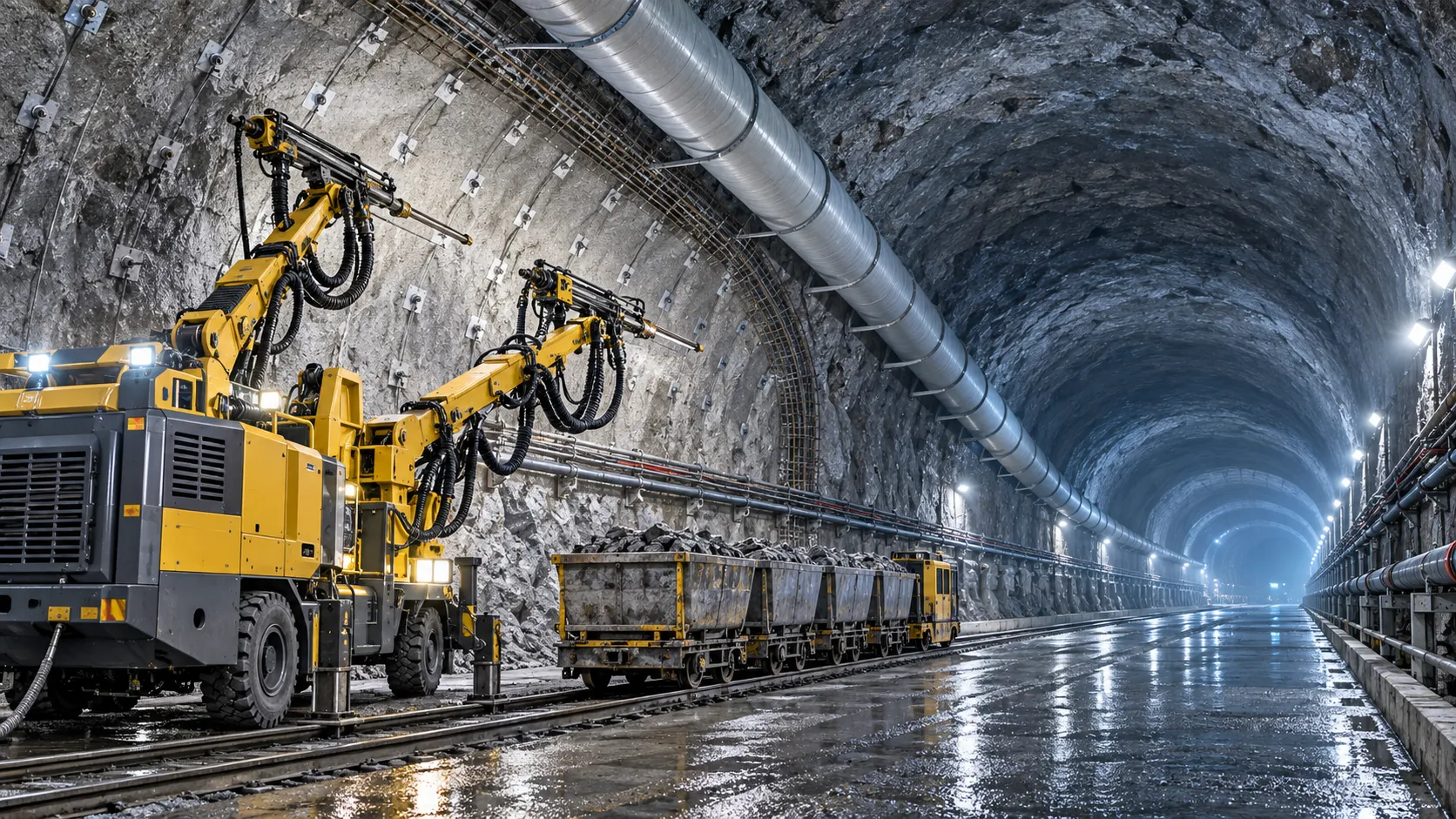
How to Evaluate European Drill-and-Blast Tunnelling Contractors for Complex Projects
Drill and blast tunnelling contractors Europe: learn how to assess geology expertise, blast control, equipment reliability, safety, and programme resilience for complex projects.
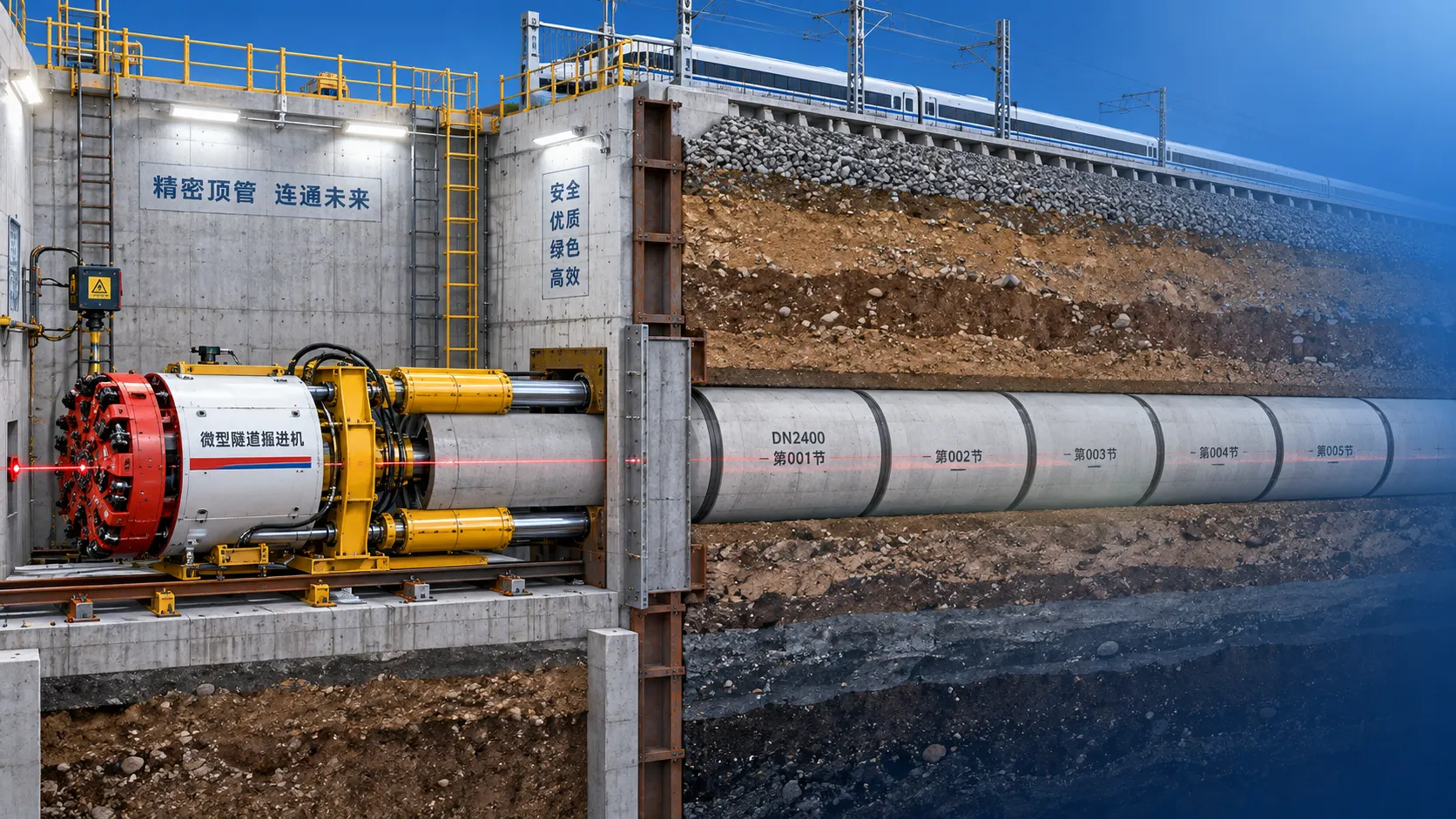
Which Trenchless Construction Technique Fits Your Utility Crossing Conditions?
Trenchless construction techniques compared for utility crossings: choose HDD, microtunnelling, pipe jacking, or auger boring based on ground, accuracy, access, and risk.
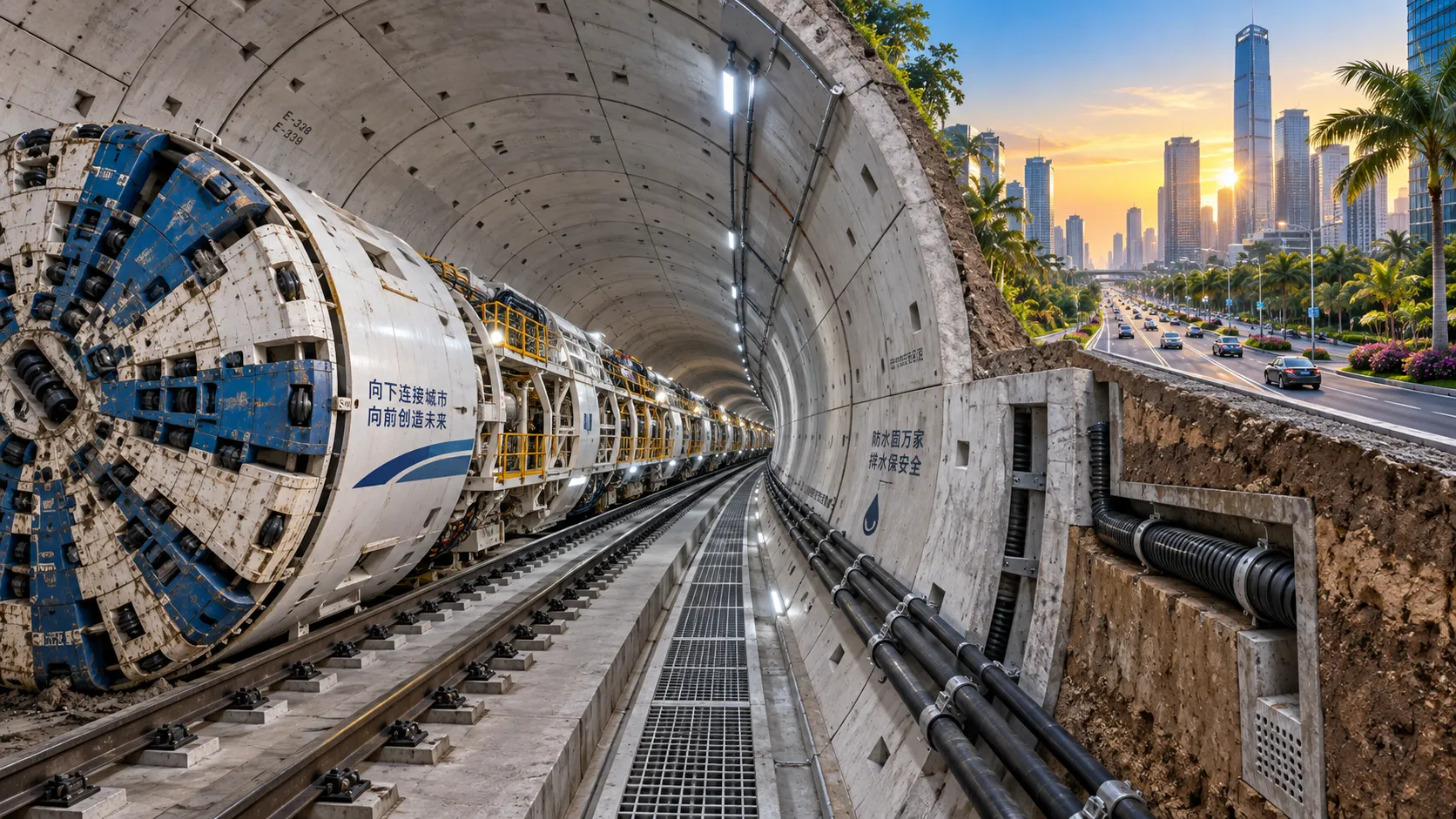
What Is Driving Metro Tunnelling Demand Across Southeast Asia’s Major Cities?
Metro tunnelling Southeast Asia is accelerating as major cities tackle congestion, flooding, and connectivity. Explore the market forces, technical risks, and opportunities shaping demand.
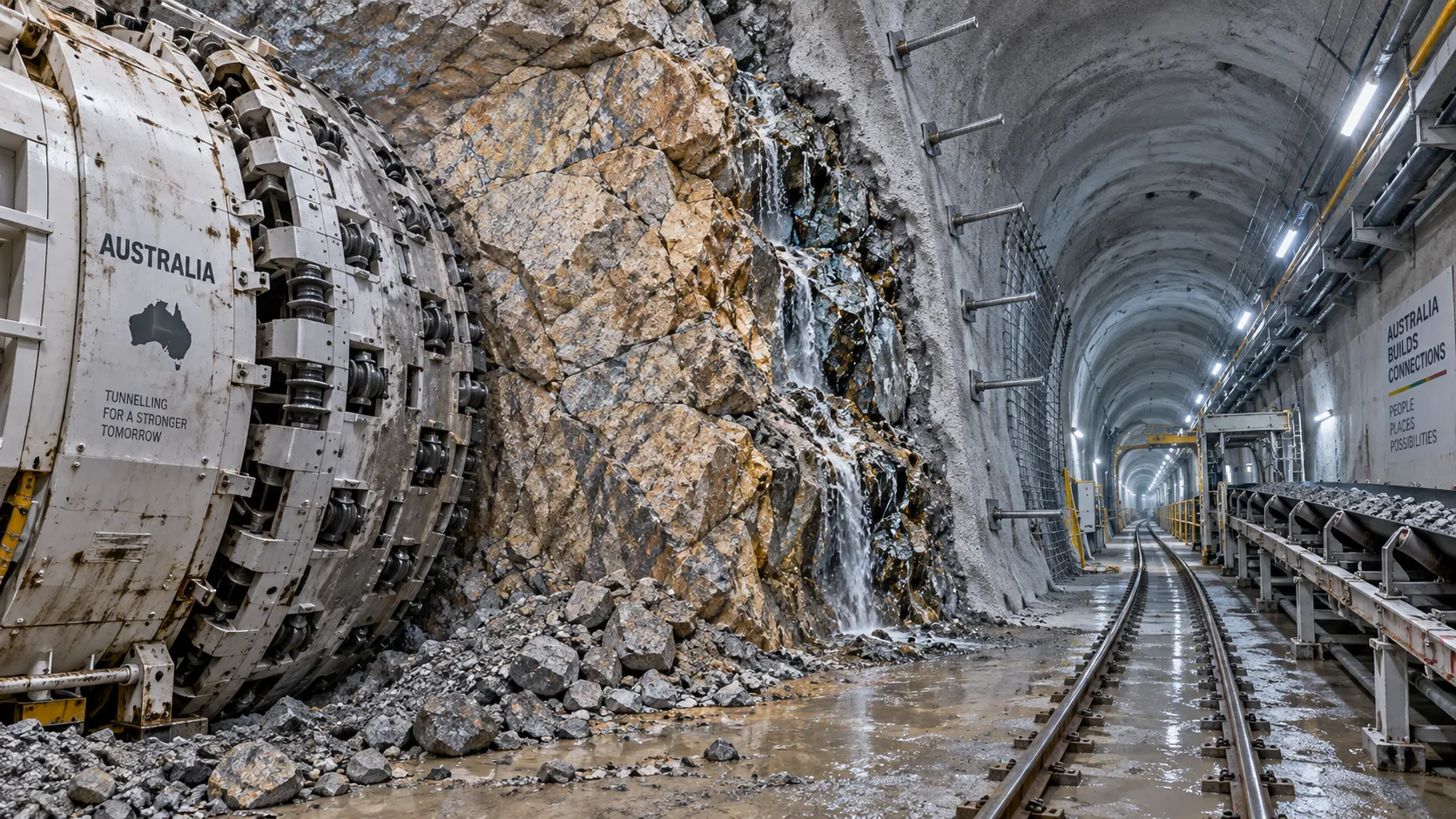
Hard Rock Tunnelling in Australia: Selecting Methods for Variable Ground Conditions
Hard rock tunnelling in Australia: compare TBM, drill-and-blast and hybrid methods to manage variable ground, reduce risk and protect project costs.
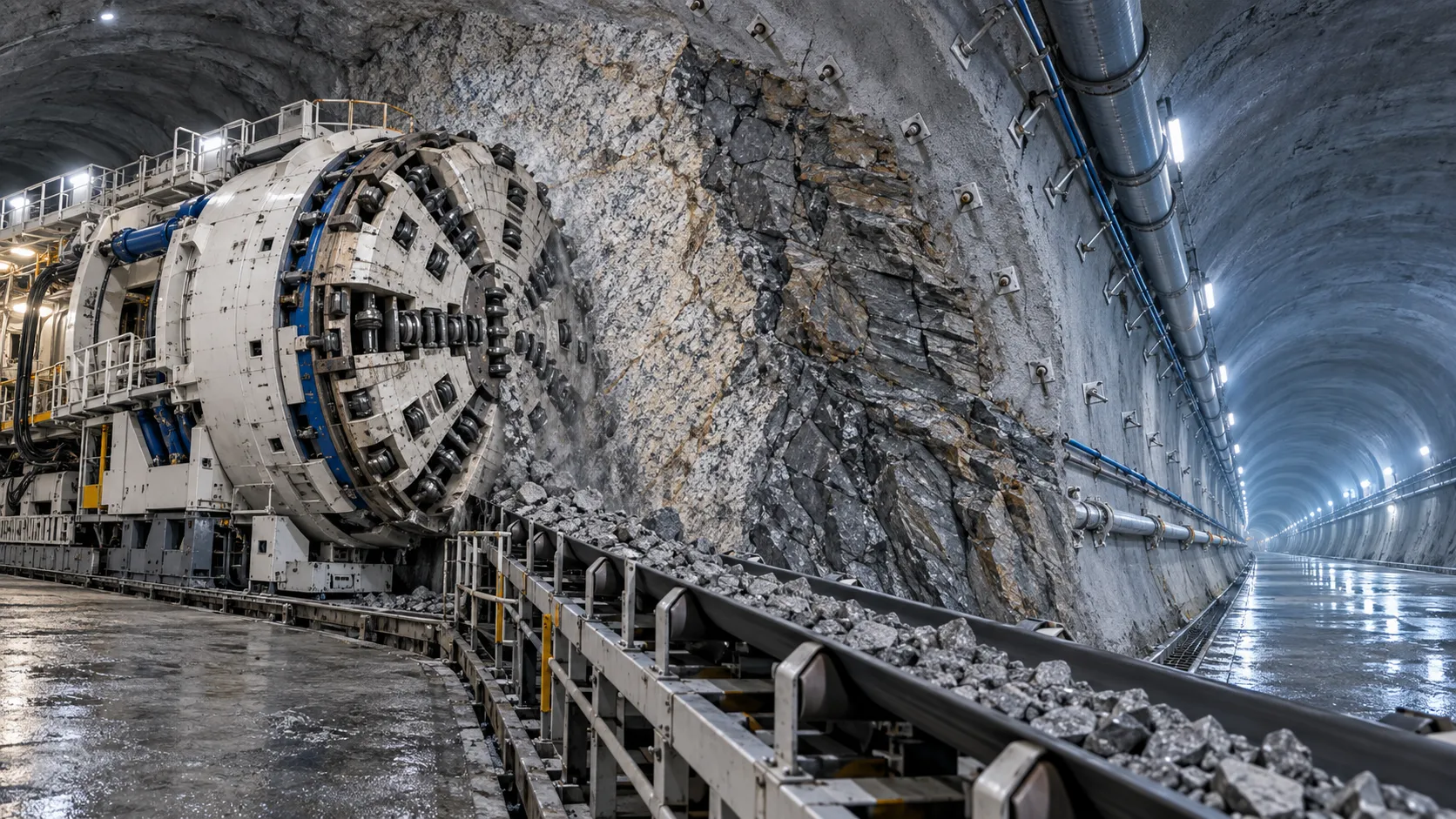
Hydropower Tunnel Excavation: Selecting Methods for Variable Rock Conditions
Hydropower tunnel excavation methods for variable rock conditions: compare TBM, drill-and-blast, and hybrid strategies to improve safety, progress, and project control.
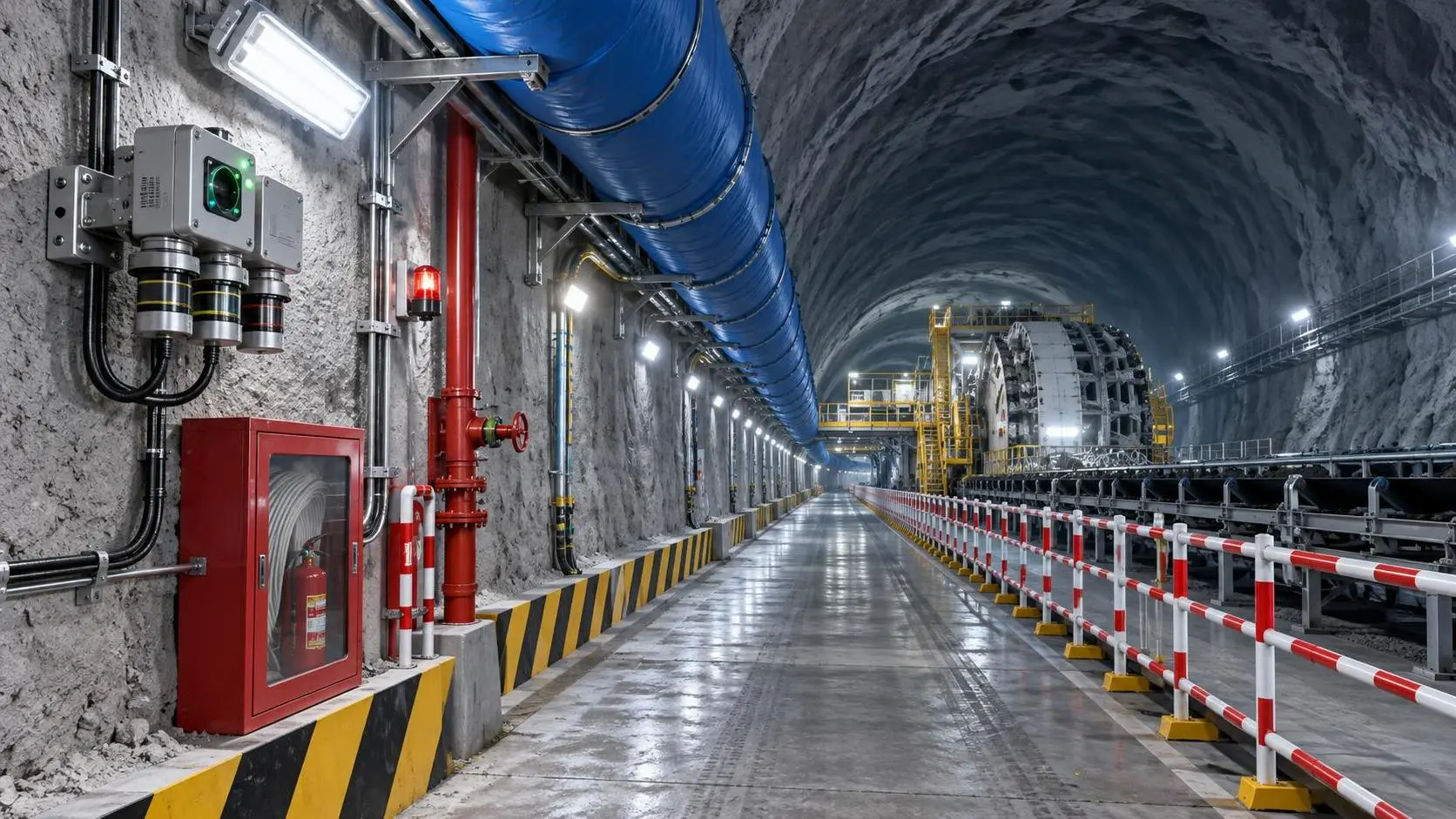
How to Select Underground Safety Equipment for Tunnelling by Hazard and Work Zone
Underground Safety Equipment for tunnelling: match protection to hazards, work zones, compliance, and emergency needs with this practical selection guide.
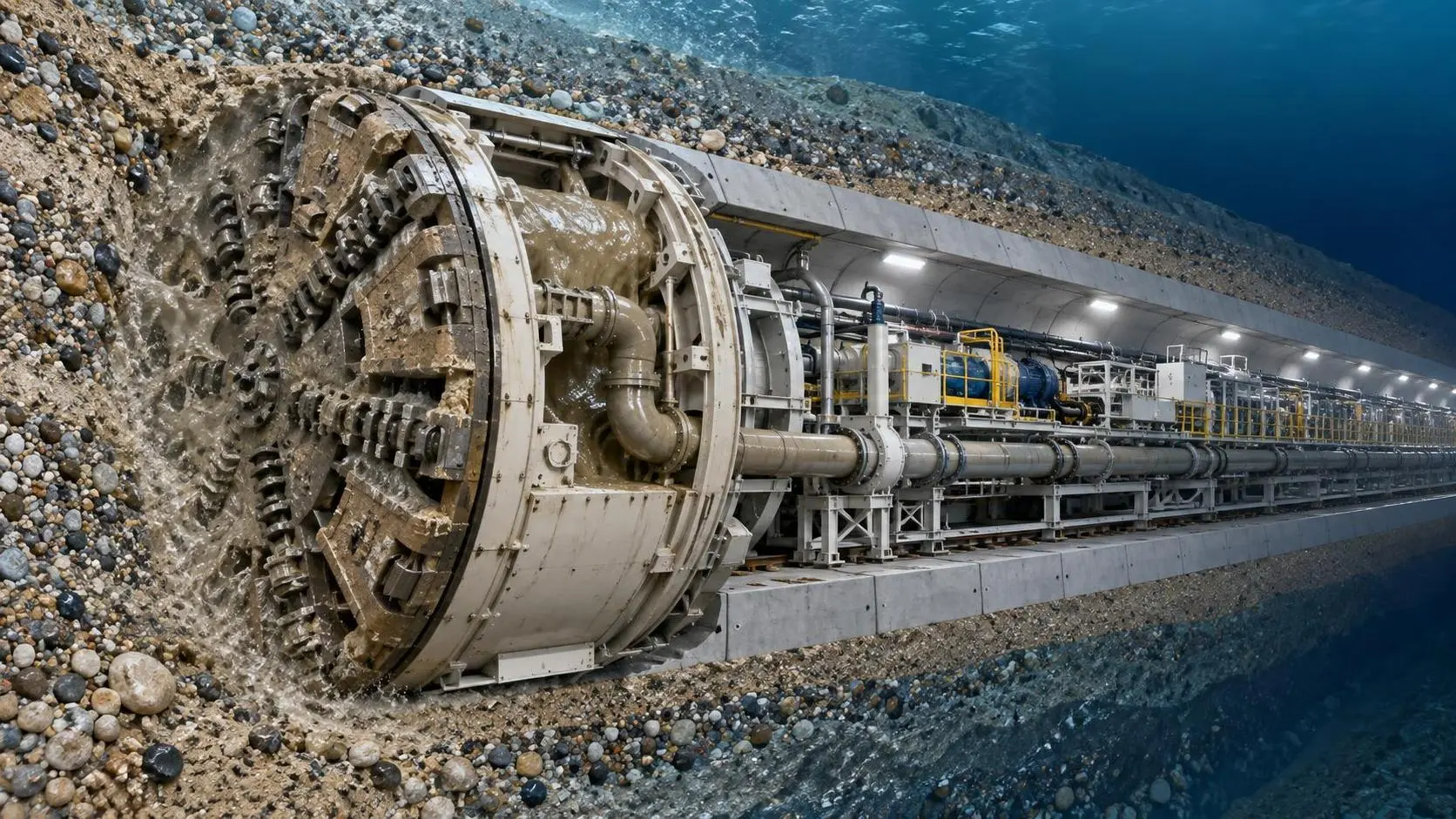
EPB or Slurry Shield? Selecting Soft-Ground Tunnelling Equipment by Soil Conditions
Tunnel Excavation Equipment for soft ground: compare EPB and slurry shields by soil, groundwater, settlement risk, and project logistics to choose confidently.
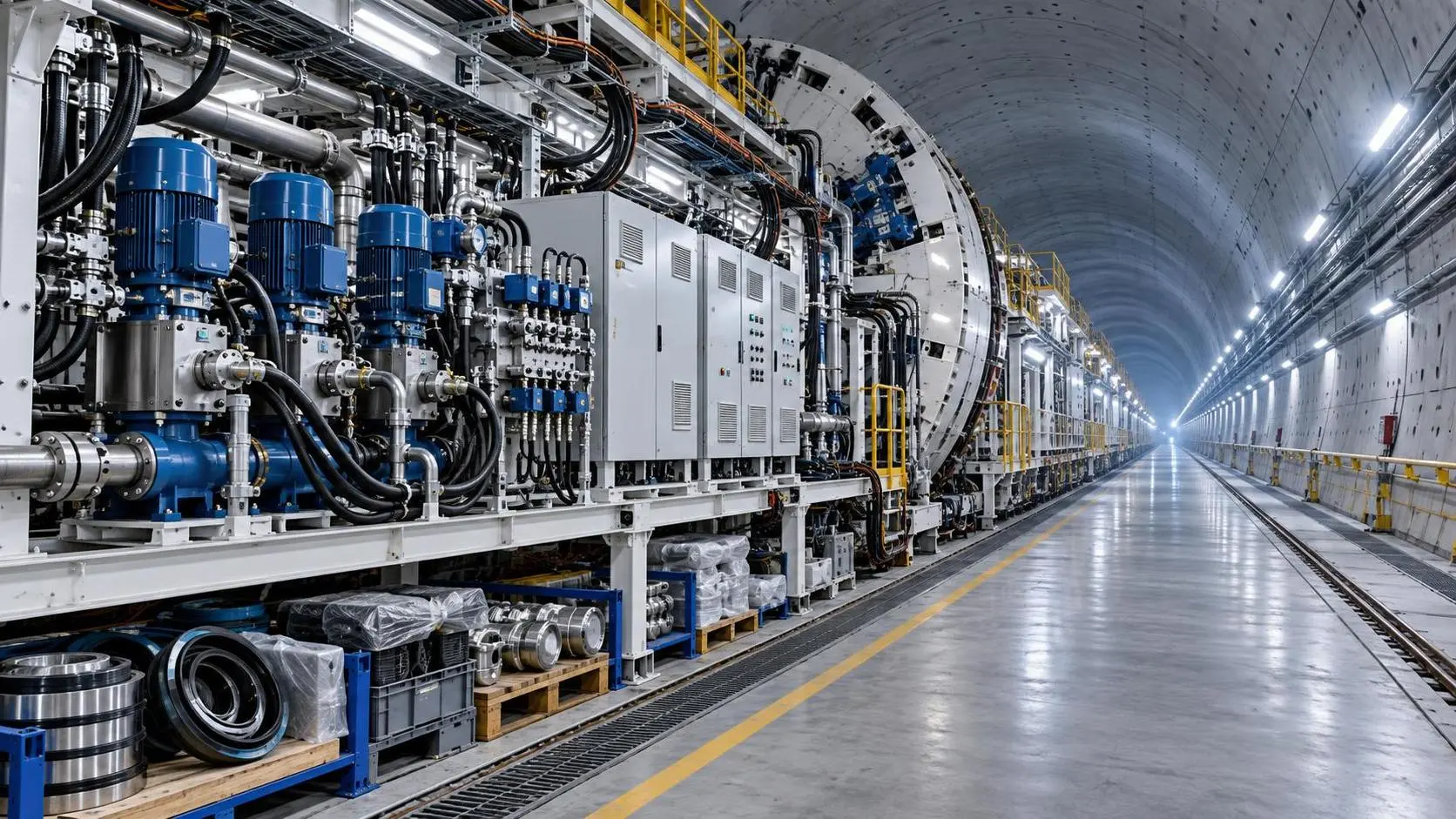
How to Specify TBM Backup System Parts for Reliable Long-Distance Tunnelling
TBM backup system parts: learn how to specify reliable spares for long-distance tunnelling, reduce downtime, ensure compatibility, and speed underground recovery.

How to Size Open Pit Mining Trucks for Haul Distance, Grade, and Payload?
Open Pit Mining Trucks: learn how to match payload, haul distance, grade, road resistance, and loading capacity for safer, lower-cost mine operations.
Related News
- 00
0000-00
How to Evaluate European Drill-and-Blast Tunnelling Contractors for Complex Projects - 00
0000-00
Which Trenchless Construction Technique Fits Your Utility Crossing Conditions? - 00
0000-00
What Is Driving Metro Tunnelling Demand Across Southeast Asia’s Major Cities? - 00
0000-00
Hard Rock Tunnelling in Australia: Selecting Methods for Variable Ground Conditions - 00
0000-00
Hydropower Tunnel Excavation: Selecting Methods for Variable Rock Conditions
Weekly Insights
Stay ahead with our curated technology reports delivered every Monday.