
Codelco Tender Signals Hard-Rock TBM Shift





On June 13, 2026, Codelco released a procurement tender for the second phase of the El Teniente deep expansion that explicitly requires full-face hard-rock TBMs instead of the traditional drill-and-blast approach. For equipment makers, technical bid teams, procurement managers, supply-chain service providers, and after-sales support operators, the significance is not only the size of the order signal but also the change in project execution rules: machine selection, technical documentation, delivery planning, and compliance review now need to align with a defined hard-rock TBM requirement under very high rock-strength conditions.
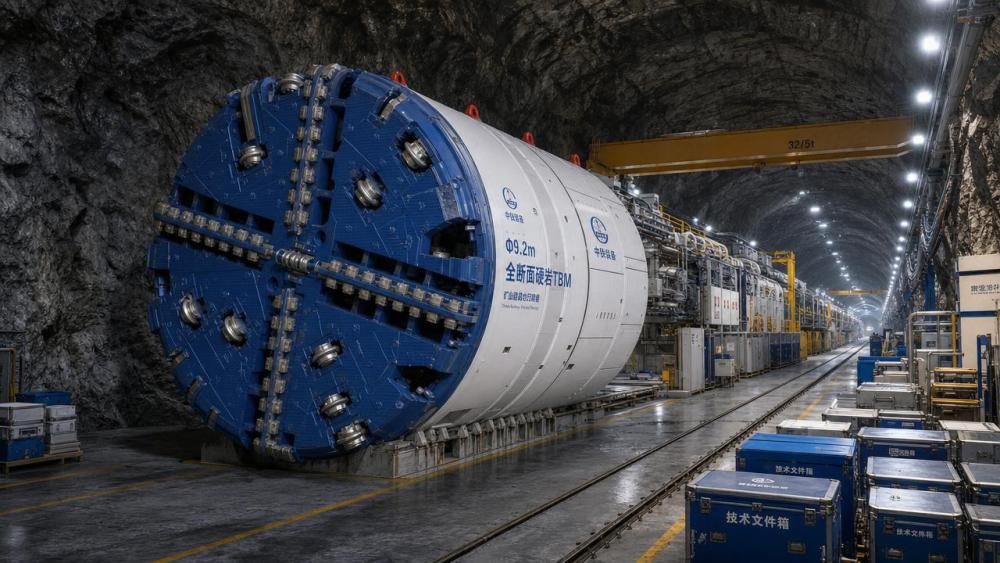
A procurement requirement with clear technical thresholds
The confirmed information is limited but material. Codelco formally issued the TBM procurement tender for the “El Teniente Deep Expansion Phase II” on June 13, 2026, under reference CDEL-TBM-2026-001. The tender specifies the use of full-face hard-rock TBMs to replace conventional drill-and-blast methods. It also sets a minimum excavation diameter of 9.2 meters per machine and states that the equipment must be suitable for extremely hard rock with UCS above 250 MPa.
According to Minería Inteligente, this tender is expected to drive annual hard-rock TBM procurement in the Andes region to about USD 1.4 billion, representing a year-on-year increase of 300%.
Where the execution pressure may now shift
For equipment manufacturers, technical qualification becomes more central
From an industry perspective, manufacturers that target hard-rock tunneling projects may be affected first because the tender language turns performance suitability into a core entry requirement rather than a secondary commercial issue. The main business impact is likely to appear in specification alignment, bid documentation, machine configuration review, and proof of suitability for the stated diameter and rock-strength conditions. What deserves closer attention is whether tender responses can present consistent technical files, testing references, and supporting records that match the procurement requirement exactly.
For procurement and sourcing teams, supplier screening may tighten
Analysis shows that procurement teams and project sourcing units may need to adjust supplier evaluation criteria around the explicit replacement of drill-and-blast with full-face TBMs. The impact may extend to vendor prequalification, technical-commercial comparison, lead-time planning, and contract risk review. In practical terms, buyers should pay closer attention to whether supplier materials, technical statements, and delivery commitments correspond to the tender requirement rather than relying on broader tunneling capability claims.
For supply-chain and delivery operators, documentation and schedule risk may increase
Supply-chain service providers, export coordinators, and delivery managers may also feel the effect because a more narrowly defined equipment requirement often raises the importance of document consistency across manufacturing, transport, customs-facing paperwork, and site handover. Observably, the operational pressure is less about volume alone and more about whether technical documents, product descriptions, and contractual delivery terms remain aligned throughout the execution chain.
For after-sales and service partners, traceability may matter more
After-sales providers and maintenance support teams may need to prepare for closer scrutiny of equipment traceability, service capability, and technical response readiness. Analysis shows that once a project requirement is framed around a specific excavation method and severe rock conditions, post-delivery support is more likely to be judged against the original technical promise made during bidding and supply.
What companies should monitor next
Keep bid files and technical claims tightly aligned
Companies involved in bidding, supplying, or supporting hard-rock TBMs should focus on whether their technical documents clearly address the stated minimum diameter and the UCS above 250 MPa condition. Since the input does not provide further execution details, it would be premature to treat any compliance interpretation as settled; the immediate priority is consistency across bid files, product descriptions, and supporting technical records.
Watch for changes in procurement wording and evaluation practice
It is more appropriate to understand this tender as a strong execution signal, but not yet as a complete picture of all downstream implementation standards. Businesses should continue monitoring whether later procurement communications, clarification notices, or revised tender language alter how the TBM requirement is interpreted in practice.
Review delivery planning against a potentially tighter procurement cycle
Analysis shows that a sharp increase in expected regional procurement activity can create pressure on production scheduling, delivery sequencing, and supplier qualification timing. Companies should therefore recheck procurement plans, capacity assumptions, and document readiness for projects where technical thresholds may become non-negotiable.
Prepare for closer scrutiny of support and quality records
For exporters, service providers, and project support teams, it is prudent to prepare complete quality, traceability, and service-response records tied to the equipment offered. The confirmed event does not establish a final compliance framework, but it does indicate that technical and delivery claims may receive more attention across the procurement and execution process.
Why this looks more like an execution signal than a simple purchase notice
Observably, the most important feature of this development is not only that Codelco issued a new tender, but that the tender language explicitly replaces one excavation method with another under defined hard-rock conditions. That makes the event more relevant to industry participants as a signal about procurement direction and project rule-setting. At the same time, analysis shows that the market should avoid reading it as a fully generalized rule for all projects, because the input provides only one tender case and does not include later implementation detail, official clarification history, or broader regulatory text.
How the market may best interpret this stage
The rational takeaway is that this development should be read as a concrete procurement and execution signal with possible ripple effects across equipment selection, supplier screening, delivery planning, and service readiness. It is not yet enough, based on the provided information alone, to conclude that a broader and fully settled compliance regime has already formed. For now, it is more appropriate to understand the event as an important rule-in-practice indicator that warrants continued monitoring.
Basis of this article and what still needs verification
This article is generated from the user-provided news title, event date, and event summary. For developments of this kind, commonly relevant source types may include official tender notices, procurement announcements, regulator releases, trade or customs authority information, industry association materials, standard-setting documents, and reporting by authoritative industry media. A specific official source link was not provided in the input, so continued verification remains necessary. What still deserves follow-up attention includes any later clarification of tender terms, compliance interpretation, technical qualification standards, changes to bidding documents, market feedback, and actual implementation by participating companies.
Related News
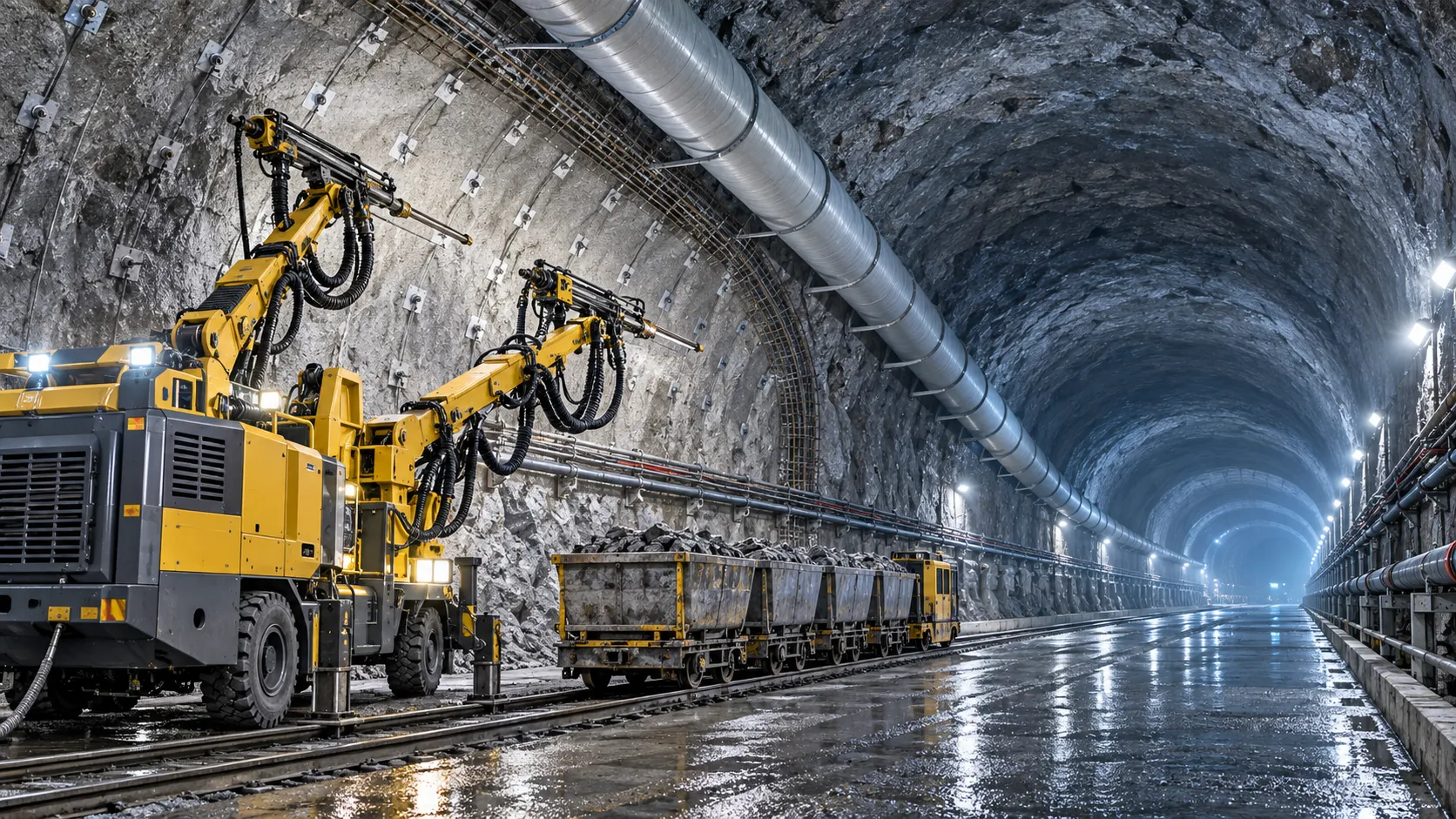
How to Evaluate European Drill-and-Blast Tunnelling Contractors for Complex Projects
Drill and blast tunnelling contractors Europe: learn how to assess geology expertise, blast control, equipment reliability, safety, and programme resilience for complex projects.
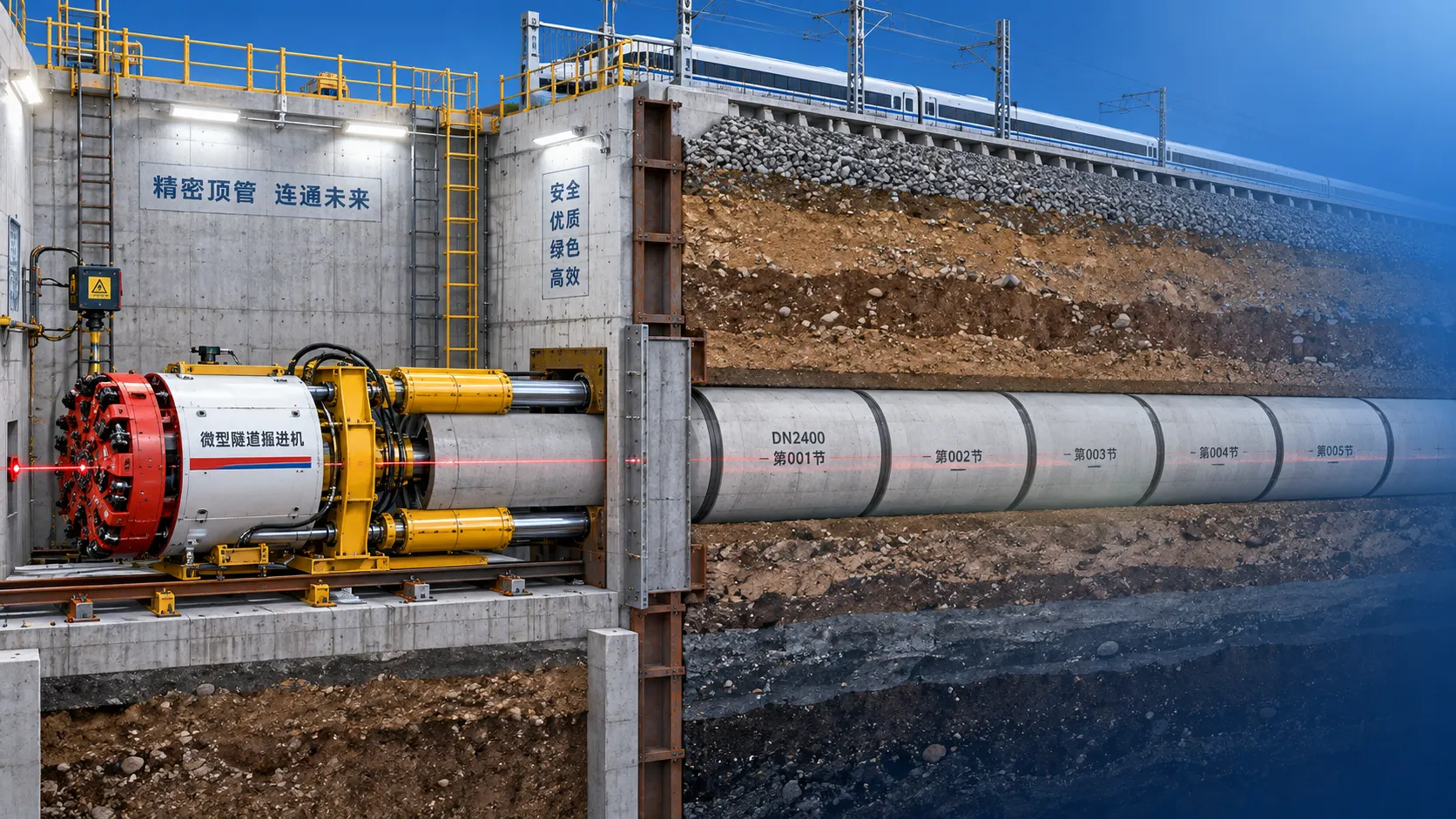
Which Trenchless Construction Technique Fits Your Utility Crossing Conditions?
Trenchless construction techniques compared for utility crossings: choose HDD, microtunnelling, pipe jacking, or auger boring based on ground, accuracy, access, and risk.
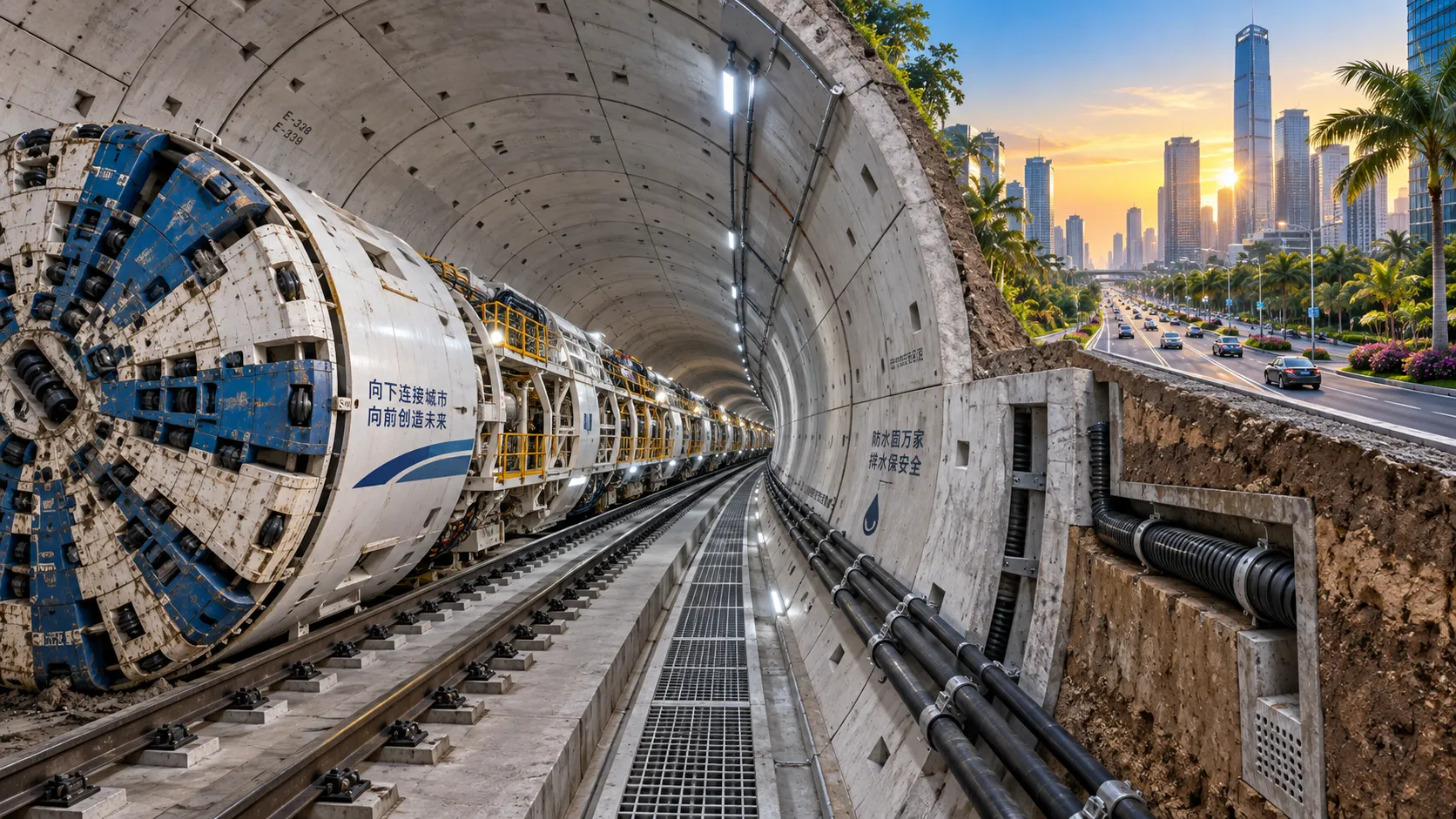
What Is Driving Metro Tunnelling Demand Across Southeast Asia’s Major Cities?
Metro tunnelling Southeast Asia is accelerating as major cities tackle congestion, flooding, and connectivity. Explore the market forces, technical risks, and opportunities shaping demand.
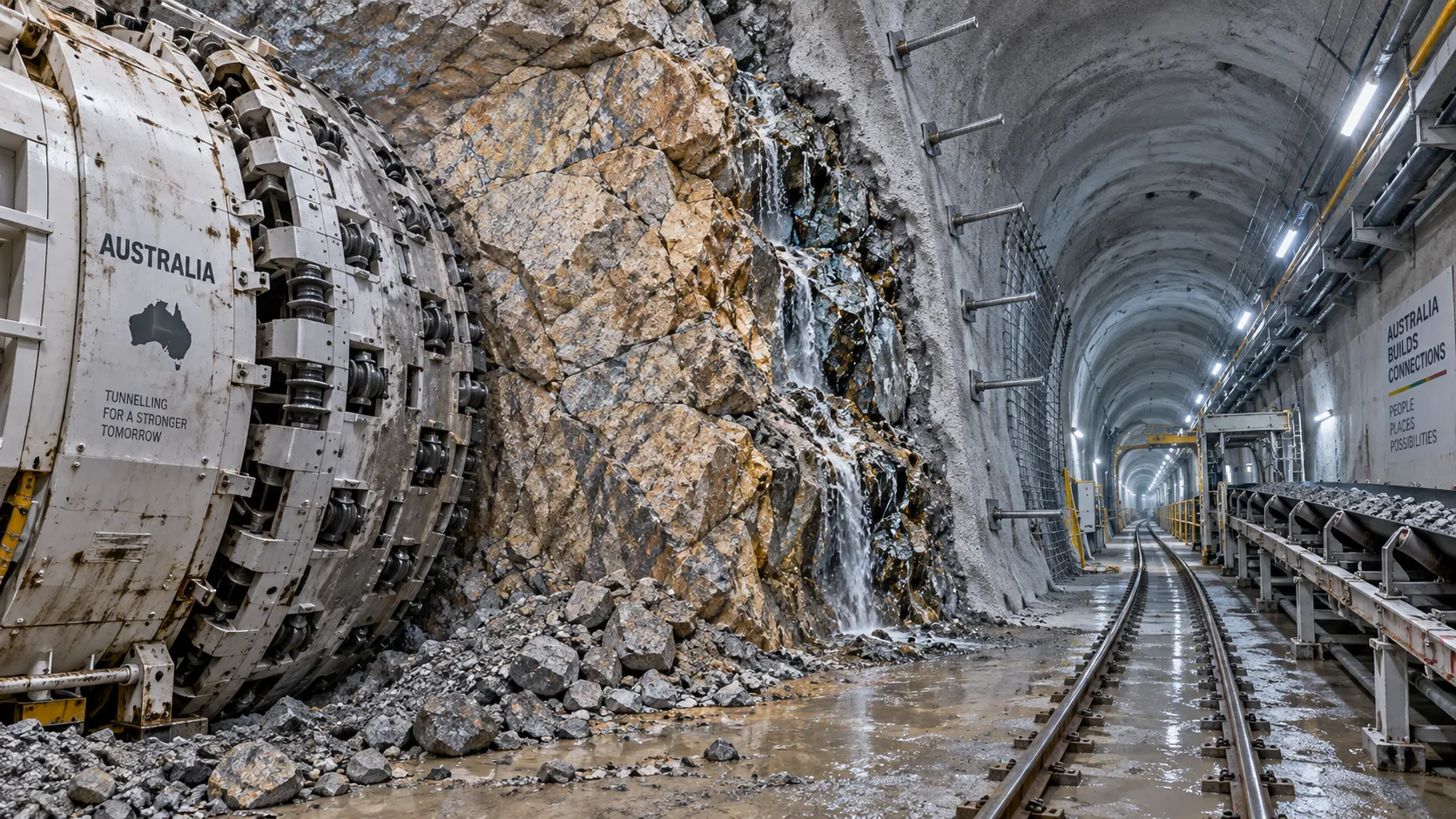
Hard Rock Tunnelling in Australia: Selecting Methods for Variable Ground Conditions
Hard rock tunnelling in Australia: compare TBM, drill-and-blast and hybrid methods to manage variable ground, reduce risk and protect project costs.
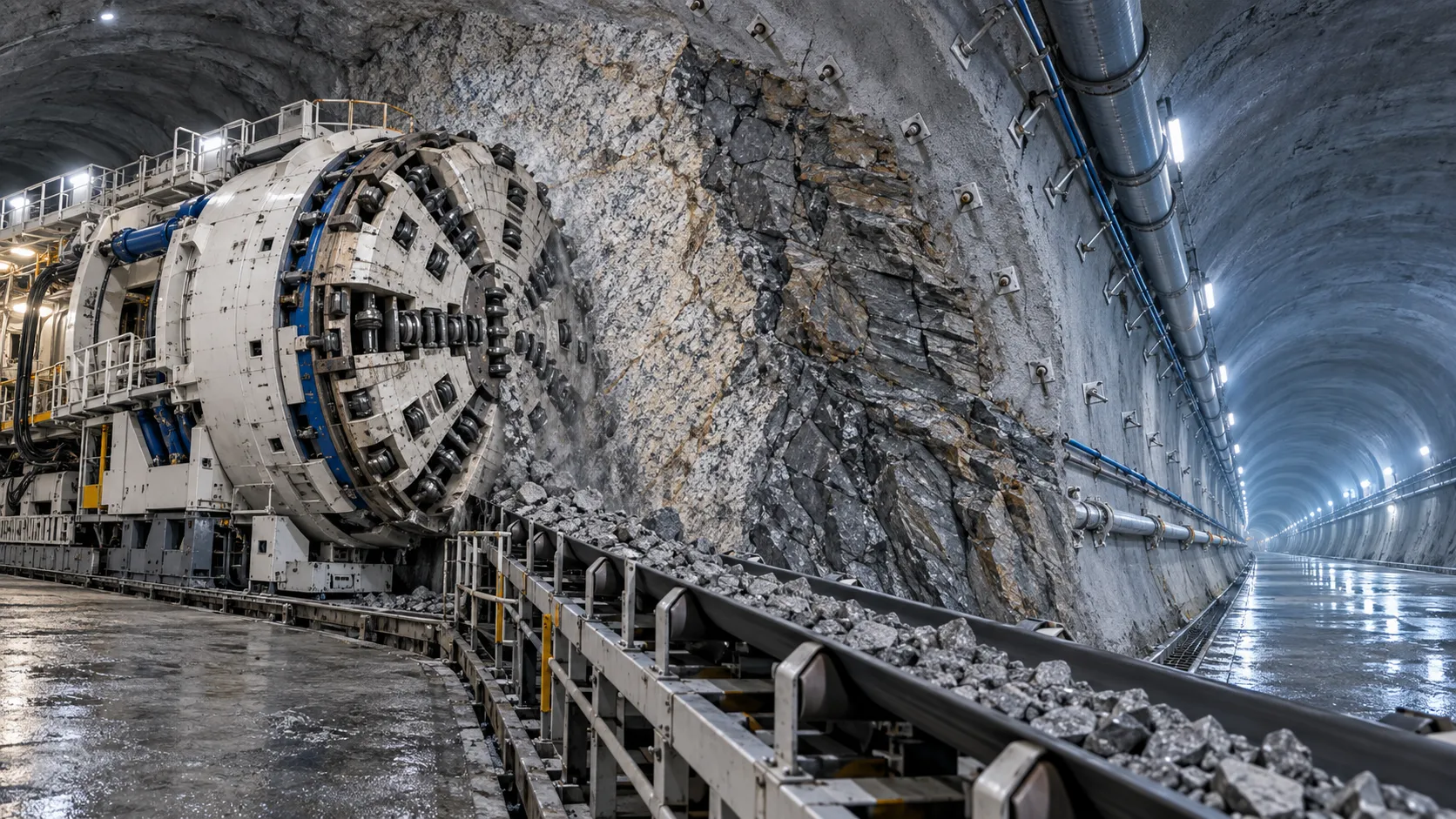
Hydropower Tunnel Excavation: Selecting Methods for Variable Rock Conditions
Hydropower tunnel excavation methods for variable rock conditions: compare TBM, drill-and-blast, and hybrid strategies to improve safety, progress, and project control.
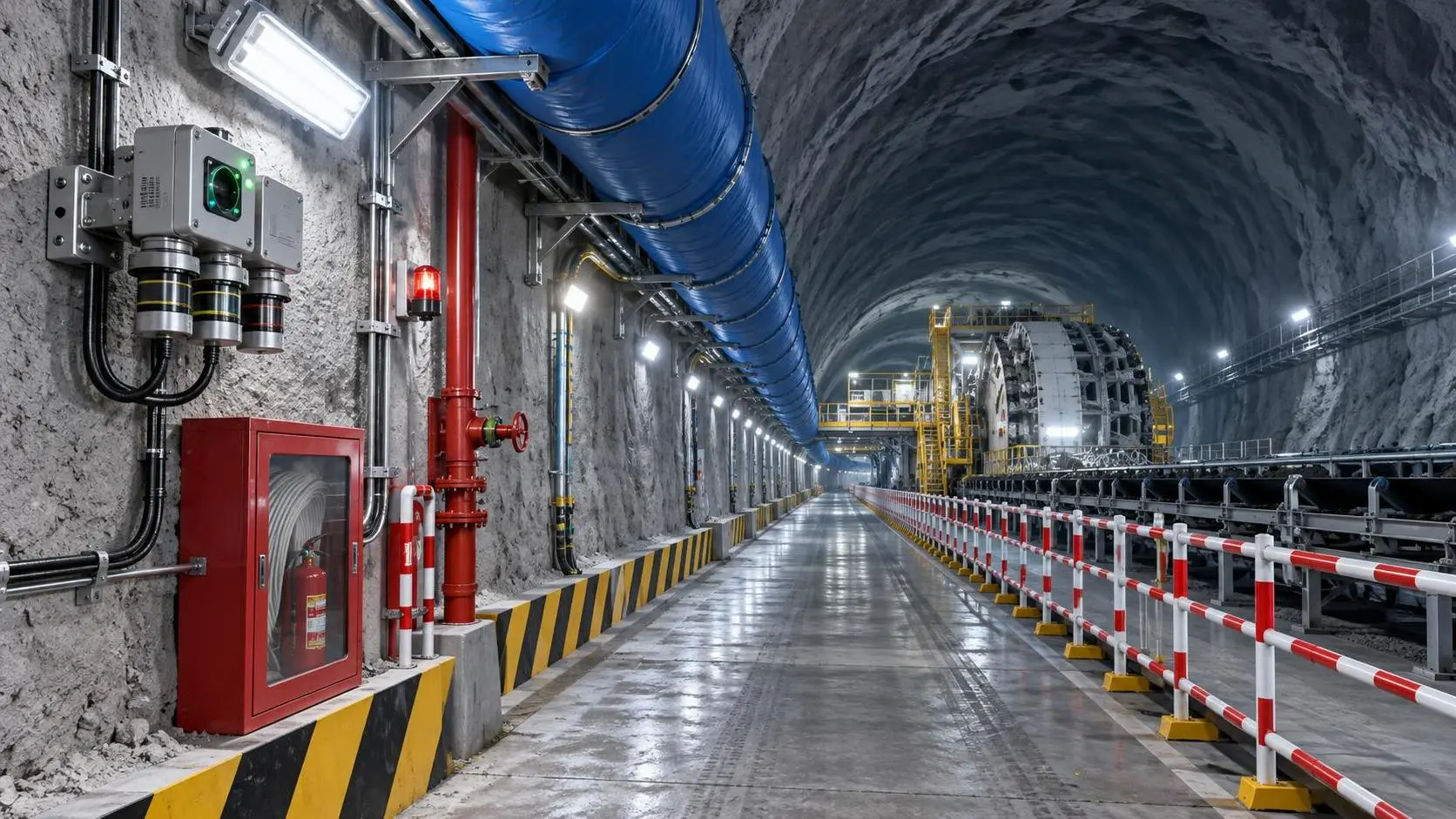
How to Select Underground Safety Equipment for Tunnelling by Hazard and Work Zone
Underground Safety Equipment for tunnelling: match protection to hazards, work zones, compliance, and emergency needs with this practical selection guide.
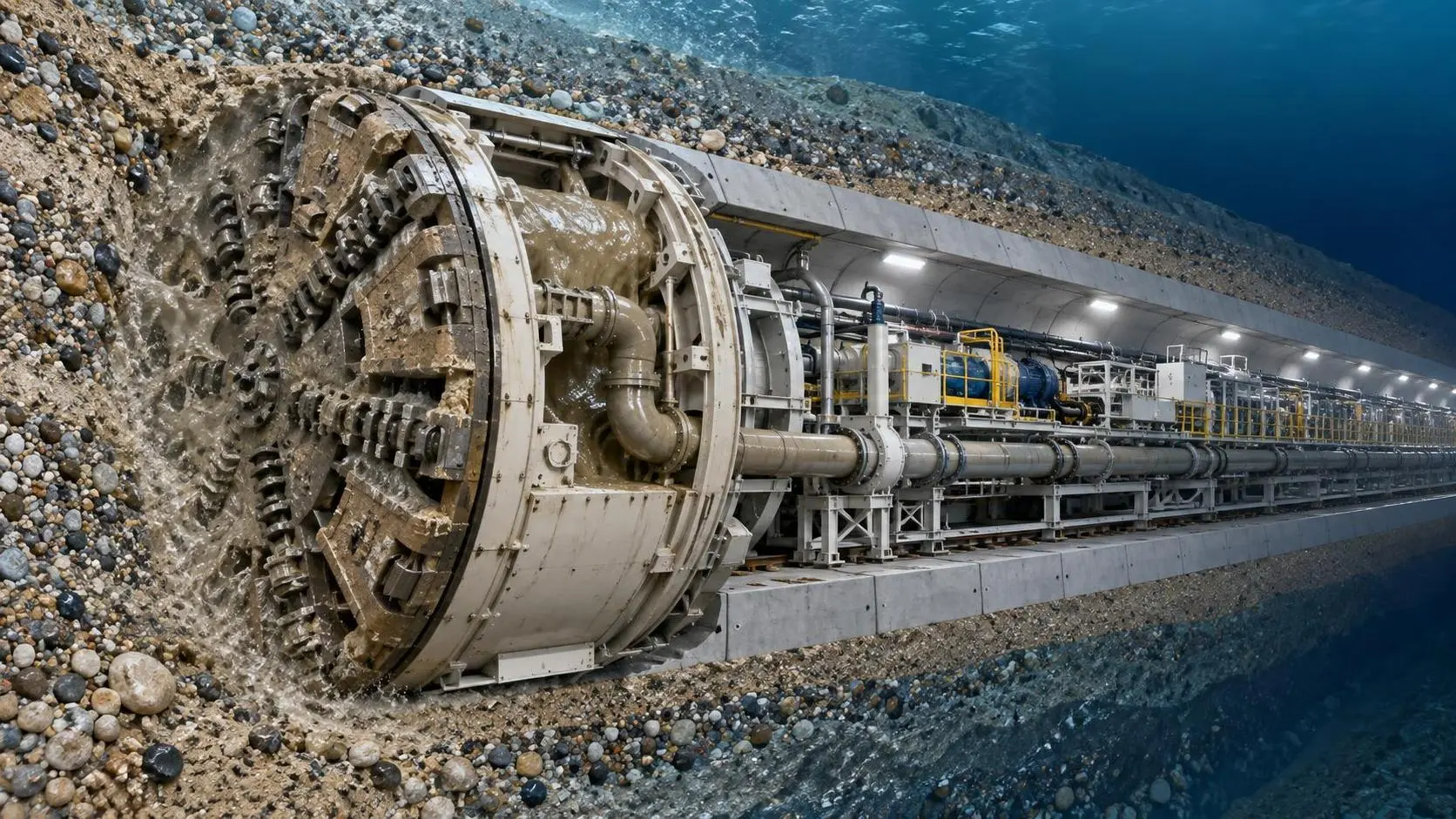
EPB or Slurry Shield? Selecting Soft-Ground Tunnelling Equipment by Soil Conditions
Tunnel Excavation Equipment for soft ground: compare EPB and slurry shields by soil, groundwater, settlement risk, and project logistics to choose confidently.
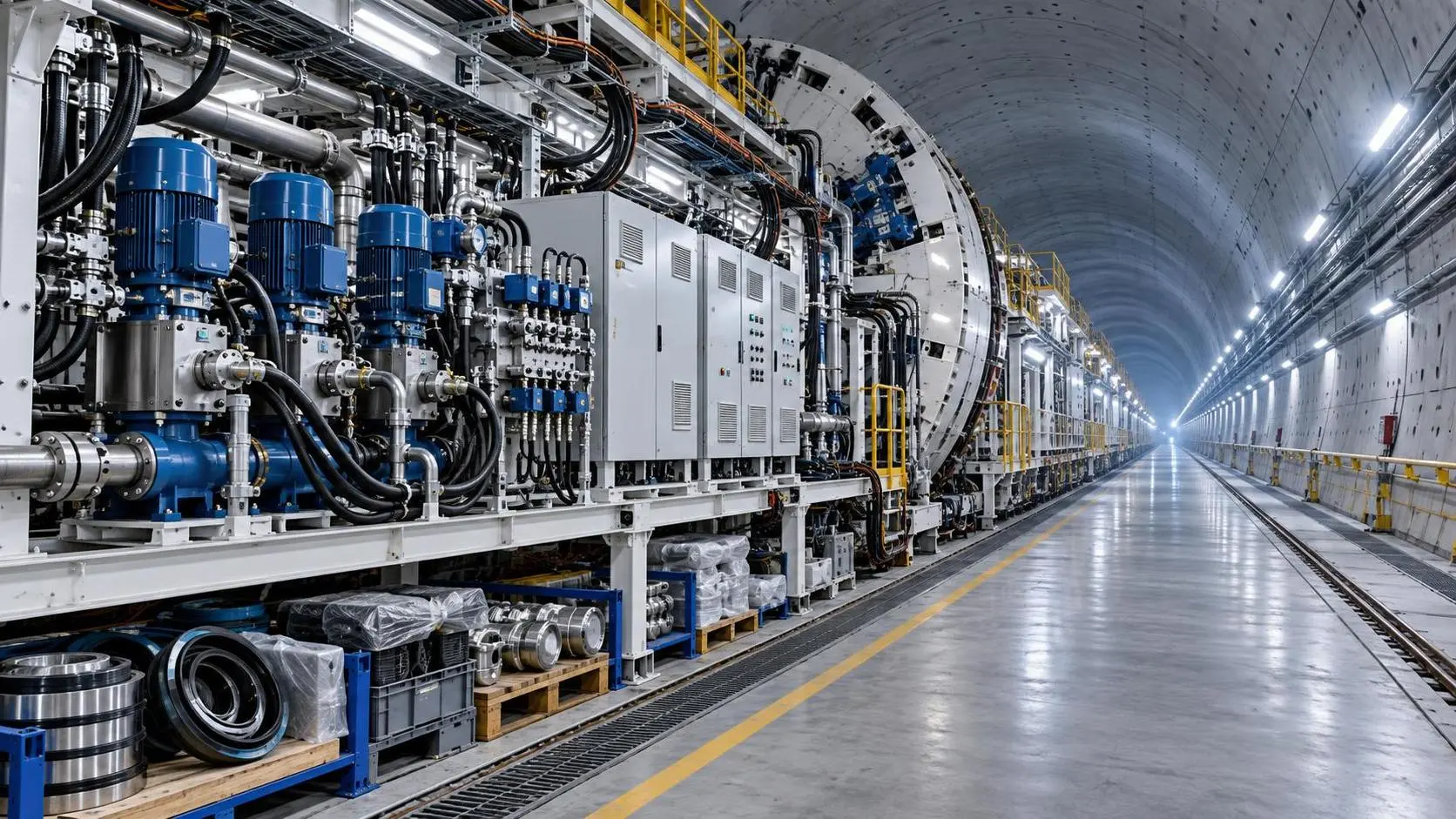
How to Specify TBM Backup System Parts for Reliable Long-Distance Tunnelling
TBM backup system parts: learn how to specify reliable spares for long-distance tunnelling, reduce downtime, ensure compatibility, and speed underground recovery.

How to Size Open Pit Mining Trucks for Haul Distance, Grade, and Payload?
Open Pit Mining Trucks: learn how to match payload, haul distance, grade, road resistance, and loading capacity for safer, lower-cost mine operations.
Related News
- 00
0000-00
How to Evaluate European Drill-and-Blast Tunnelling Contractors for Complex Projects - 00
0000-00
Which Trenchless Construction Technique Fits Your Utility Crossing Conditions? - 00
0000-00
What Is Driving Metro Tunnelling Demand Across Southeast Asia’s Major Cities? - 00
0000-00
Hard Rock Tunnelling in Australia: Selecting Methods for Variable Ground Conditions - 00
0000-00
Hydropower Tunnel Excavation: Selecting Methods for Variable Rock Conditions
Weekly Insights
Stay ahead with our curated technology reports delivered every Monday.