
How to Choose TBM Automation Systems for Urban Tunneling Projects





Choosing TBM automation systems for urban tunneling projects is no longer a narrow equipment decision. It affects excavation rhythm, segment quality, worker exposure, guidance accuracy, and the project team’s ability to react inside dense, high-risk city environments.
That pressure is growing as metro lines, utility corridors, road tunnels, and underground links move through tighter alignments and stricter environmental limits. In practice, the best selection process connects machine control, geology response, data visibility, and long-term operational reliability rather than comparing isolated features.
For a platform like UTMD, which tracks full-face tunneling equipment, trenchless systems, and the wider digitalization of underground heavy assets, this topic sits at the center of current industry change. TBM automation systems now shape how urban projects manage productivity, safety, and decision speed under real site constraints.
What TBM automation systems really include
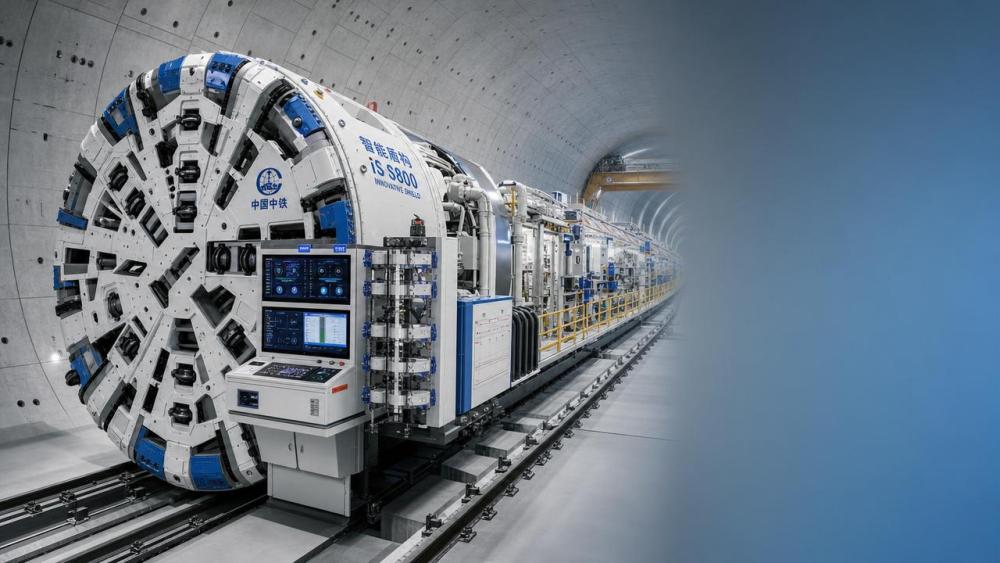
In urban tunneling, automation is not a single module. It is a connected set of controls, sensors, software, and operator support functions that stabilize the TBM cycle.
A practical definition usually covers face pressure control, steering and guidance, ring building support, spoil handling coordination, machine health monitoring, and data logging for engineering review.
Some TBM automation systems focus on repetitive tasks. Others support semi-autonomous excavation with rule-based adjustments. The more useful question is not how advanced a system sounds, but which project risks it can actually reduce.
That distinction matters because urban sites rarely reward excessive complexity. A highly automated package has little value if crews cannot interpret alarms, maintain sensors, or trust the machine during changing ground conditions.
Why urban projects are paying closer attention
City tunneling compresses technical uncertainty into a narrow working envelope. Alignment tolerances are tight, settlement risks are visible, logistics are constrained, and stoppages quickly affect budgets and public schedules.
At the same time, the industry is moving toward smarter underground assets. UTMD’s broader coverage of electrified mining fleets, digital haulage, and intelligent trenchless systems reflects the same pattern seen in TBM projects.
Owners and contractors increasingly expect machine data to support planning, not just reporting. They want earlier warnings on cutter wear, clearer deviation trends, better traceability for ring quality, and more stable production in difficult shifts.
In other words, TBM automation systems are becoming part of project governance. They help translate mechanical activity underground into information that can be acted on above ground.
Selection starts with geology and tunnel context
The first filter should always be project conditions. Urban tunneling may pass through mixed ground, water-bearing strata, abrasive rock bands, old foundations, or utility crossings within short distances.
A system that performs well in uniform ground may struggle where face behavior changes quickly. The strongest candidates are those that can absorb variable sensor input and still support stable control logic.
Questions that clarify fit
- Can the control package manage frequent transitions between soft ground and harder inclusions?
- How does the system respond when slurry, earth pressure, or torque patterns drift outside normal bands?
- Does the guidance function maintain reliable accuracy near curves, stations, or shallow cover zones?
- Can operators override quickly without creating control confusion or hidden data gaps?
This stage should also consider whether the automation architecture suits EPB, slurry, or hard rock TBM configurations. Not all TBM automation systems are equally transferable across machine types.
The most important evaluation dimensions
Feature lists are easy to collect. Performance under operational stress is harder to judge. The table below highlights the dimensions that usually matter more than headline automation claims.
A system may score well in one category and still create risk elsewhere. For example, strong guidance without reliable ring-build support can leave quality control exposed.
Data quality often decides the real value
Many teams focus on the visible layer of automation and overlook the data structure underneath. That is usually where long-term value is either created or lost.
Useful TBM automation systems do more than record machine parameters. They organize them into trends that support intervention, root-cause review, and production planning.
This is especially relevant for organizations following UTMD-style intelligence thinking. Machine data becomes more powerful when linked with cutter consumption, geology transitions, power demand, maintenance events, and site logistics.
Look for these data capabilities
- Time-synchronized data across excavation, guidance, and segment erection
- Clear alarm hierarchy that distinguishes noise from real intervention signals
- Exportable formats for owner reporting and independent engineering review
- Traceability at ring level, shift level, and ground condition change points
Without that structure, automation can generate impressive dashboards while offering limited help during disputes, deviations, or performance analysis.
Operational risks that should be checked early
A common mistake is assuming more automation automatically means lower risk. In confined underground environments, new control layers can introduce fresh dependencies.
Sensor contamination, communication instability, unclear manual fallback, and weak operator interfaces can all reduce system value when production pressure rises.
This concern connects with wider zero-emission and digital underground strategies. As equipment becomes more electrified and interconnected, control reliability matters as much as mechanical performance.
Early warning signs during evaluation
- Automation claims rely on demonstrations, not documented field history
- Critical functions depend on proprietary interfaces with limited integration options
- Manual takeover procedures are slow or poorly defined
- Training requirements are underestimated in multi-shift operations
- Support availability is uncertain during commissioning and difficult geology transitions
How to compare suppliers without losing the engineering picture
Supplier comparison works better when tied to scenarios, not brochures. Ask each candidate to explain how its TBM automation systems handle a specific alignment curve, mixed-face section, or segment erection delay.
That approach quickly reveals whether the supplier understands field behavior or only presents software functions. It also exposes assumptions about calibration frequency, operator workload, and data ownership.
A structured review often includes technical fit, life-cycle support, cyber resilience, spare parts strategy, interface openness, and upgrade potential for future digital layers.
This matters because urban infrastructure owners increasingly want systems that remain useful after handover, especially where tunnel assets join larger transport or utility monitoring frameworks.
A practical path to the final decision
A strong decision usually starts with a project-specific requirement map. That map should rank geological variability, settlement sensitivity, alignment difficulty, ring quality control, and reporting needs.
From there, narrow the shortlist to TBM automation systems that match the machine type and data environment already planned for the project. Then review proof from comparable urban drives, not just factory tests.
Commissioning plans deserve equal attention. Even a well-designed system can disappoint if sensor validation, operator training, and interface testing are compressed before launch.
The next useful step is to build an evaluation matrix around measurable indicators: steering deviation, intervention frequency, ring build consistency, downtime recovery, and data usability for engineering review.
That keeps the decision anchored in project control. It also helps separate TBM automation systems that look advanced from those that can actually support stable urban tunneling performance over the full drive.
Related News
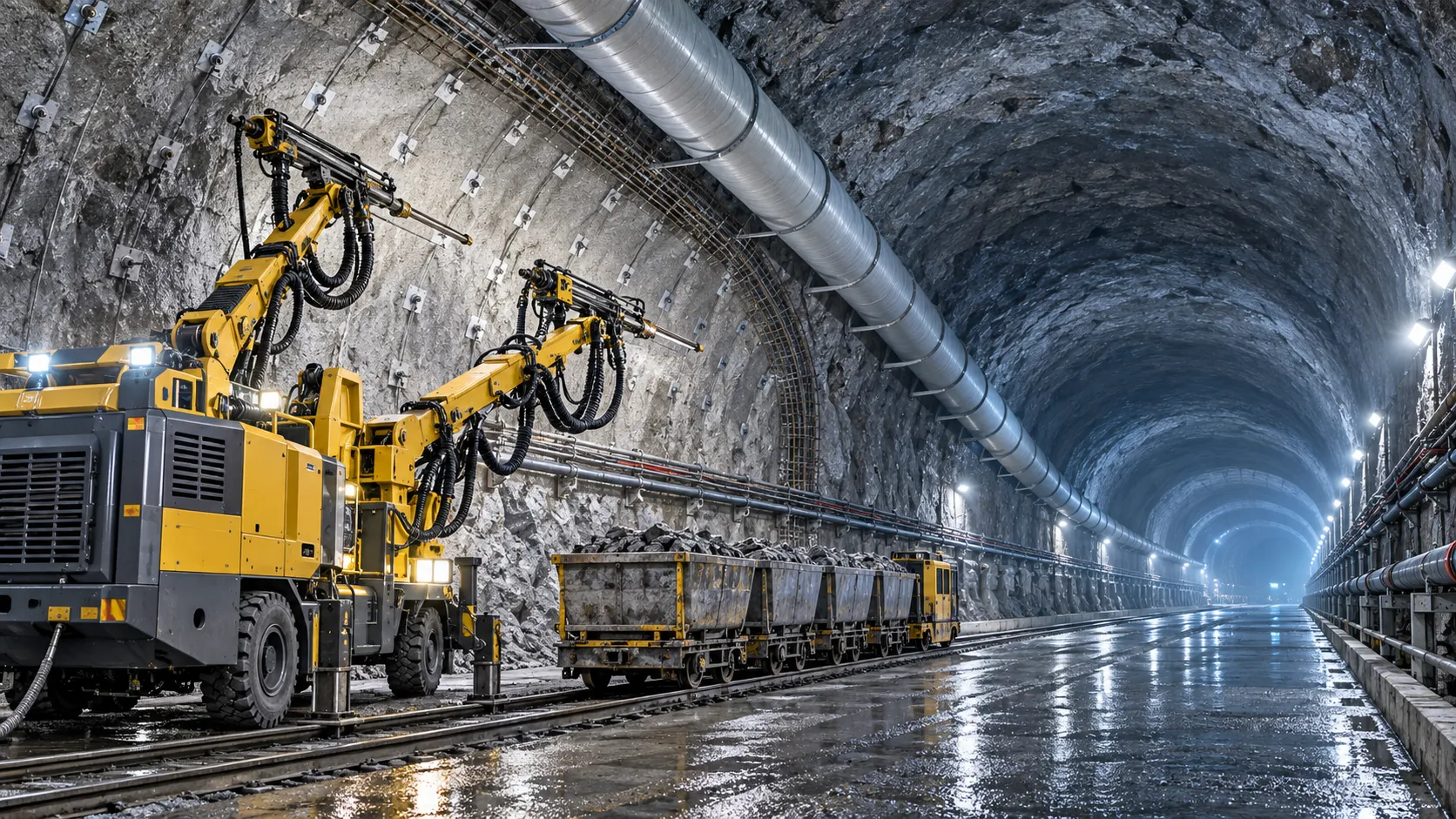
How to Evaluate European Drill-and-Blast Tunnelling Contractors for Complex Projects
Drill and blast tunnelling contractors Europe: learn how to assess geology expertise, blast control, equipment reliability, safety, and programme resilience for complex projects.
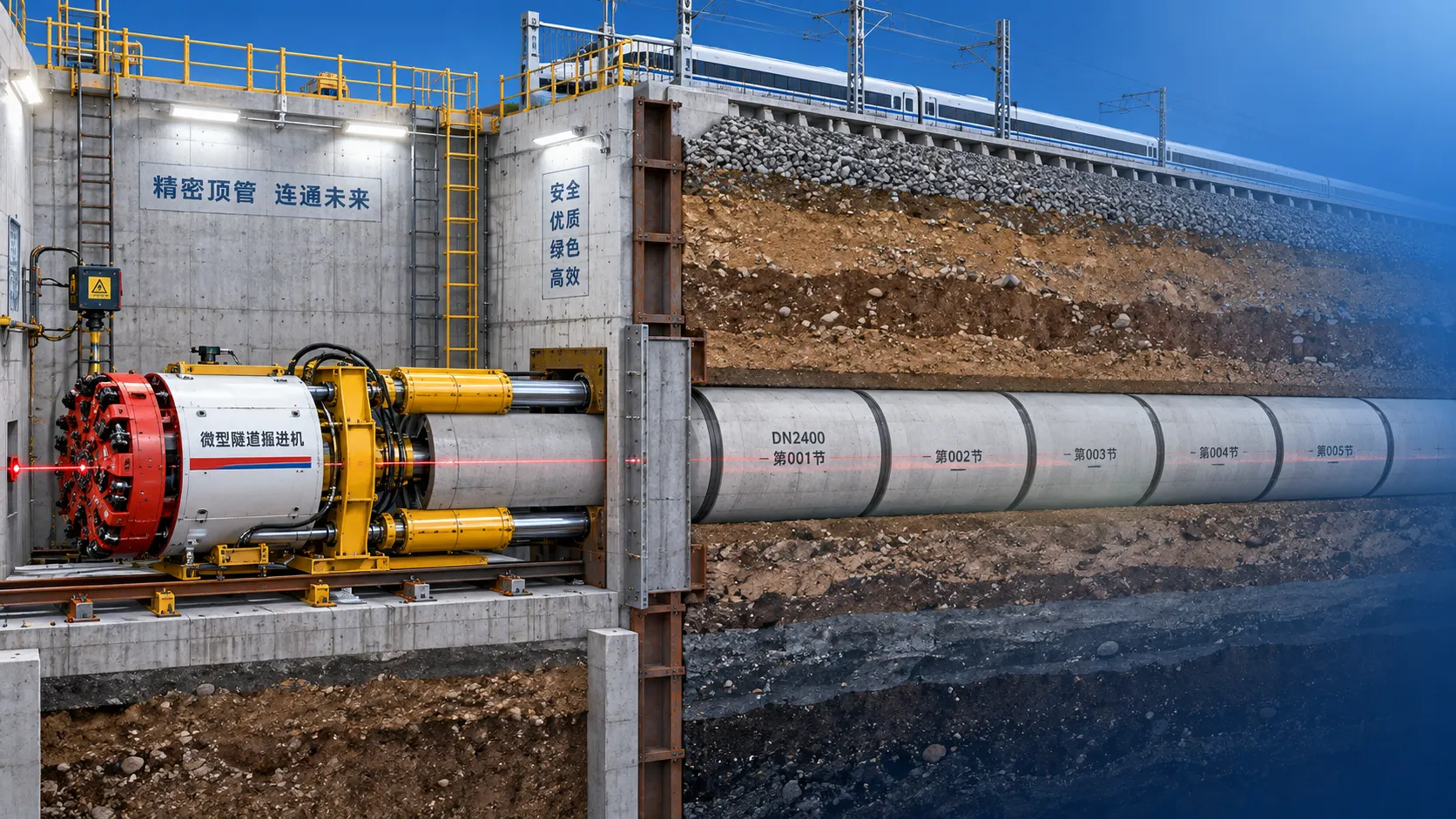
Which Trenchless Construction Technique Fits Your Utility Crossing Conditions?
Trenchless construction techniques compared for utility crossings: choose HDD, microtunnelling, pipe jacking, or auger boring based on ground, accuracy, access, and risk.
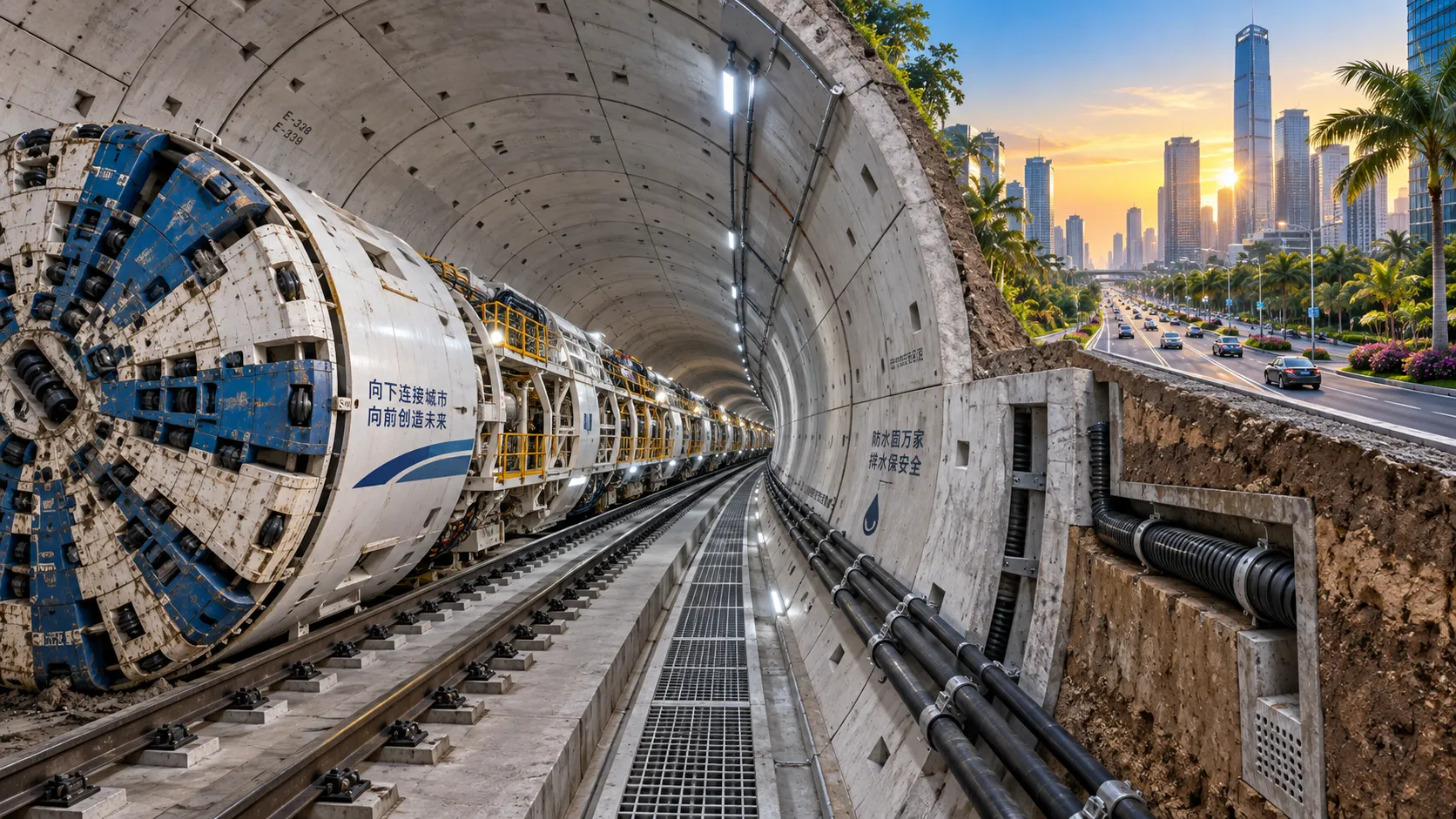
What Is Driving Metro Tunnelling Demand Across Southeast Asia’s Major Cities?
Metro tunnelling Southeast Asia is accelerating as major cities tackle congestion, flooding, and connectivity. Explore the market forces, technical risks, and opportunities shaping demand.
Hard Rock Tunnelling in Australia: Selecting Methods for Variable Ground Conditions
Hard rock tunnelling in Australia: compare TBM, drill-and-blast and hybrid methods to manage variable ground, reduce risk and protect project costs.
Hydropower Tunnel Excavation: Selecting Methods for Variable Rock Conditions
Hydropower tunnel excavation methods for variable rock conditions: compare TBM, drill-and-blast, and hybrid strategies to improve safety, progress, and project control.
How to Select Underground Safety Equipment for Tunnelling by Hazard and Work Zone
Underground Safety Equipment for tunnelling: match protection to hazards, work zones, compliance, and emergency needs with this practical selection guide.
EPB or Slurry Shield? Selecting Soft-Ground Tunnelling Equipment by Soil Conditions
Tunnel Excavation Equipment for soft ground: compare EPB and slurry shields by soil, groundwater, settlement risk, and project logistics to choose confidently.
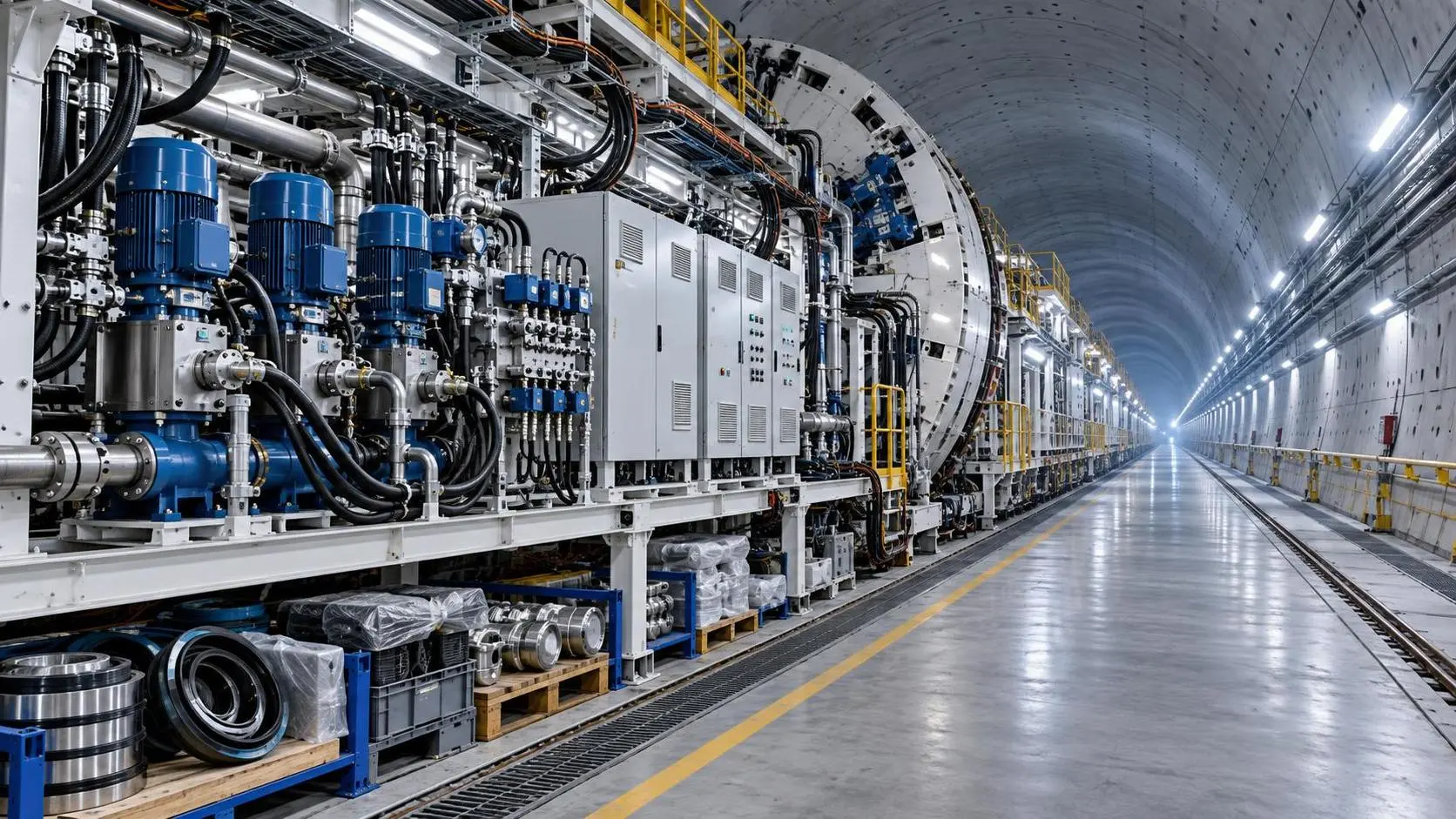
How to Specify TBM Backup System Parts for Reliable Long-Distance Tunnelling
TBM backup system parts: learn how to specify reliable spares for long-distance tunnelling, reduce downtime, ensure compatibility, and speed underground recovery.
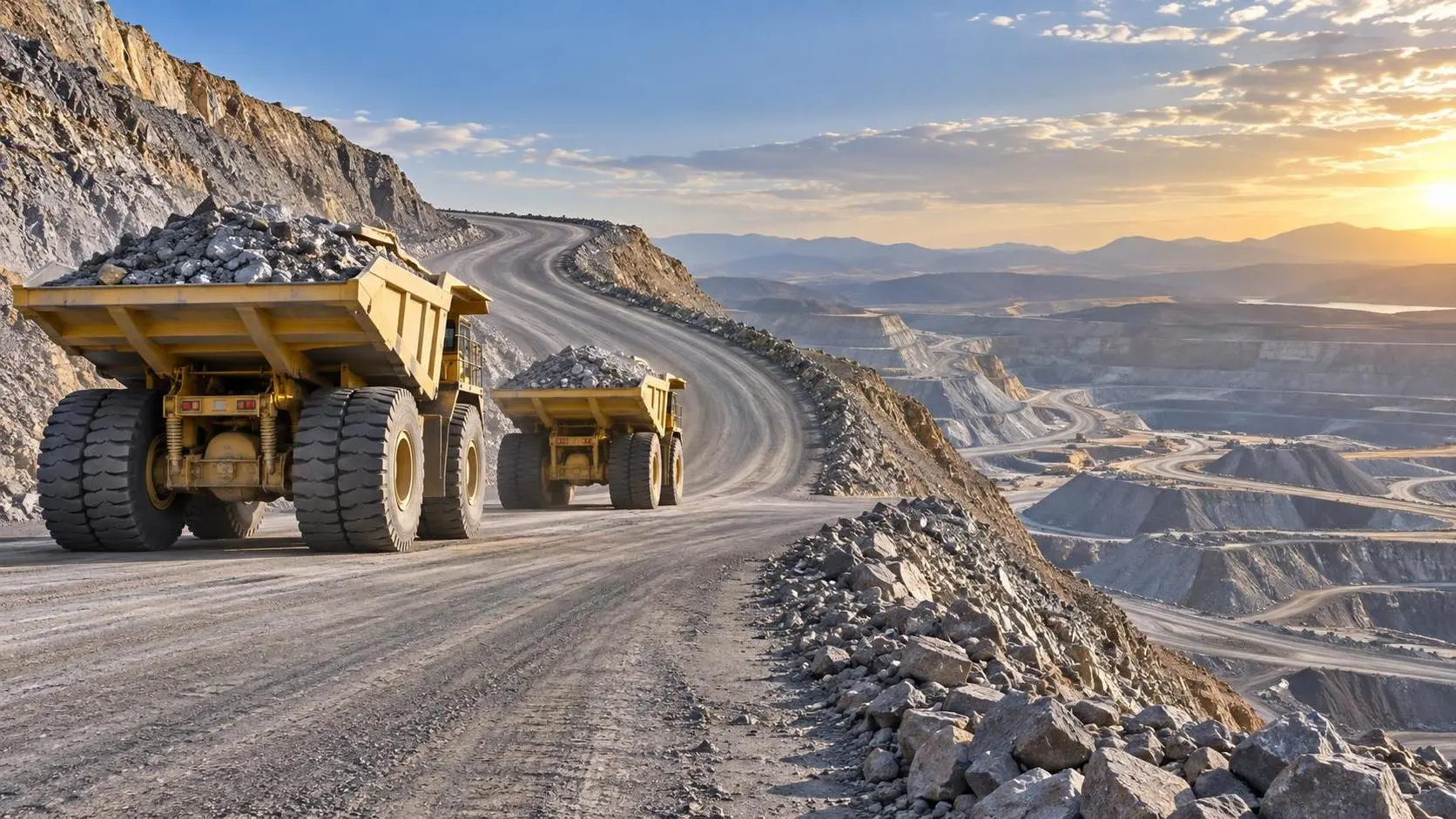
How to Size Open Pit Mining Trucks for Haul Distance, Grade, and Payload?
Open Pit Mining Trucks: learn how to match payload, haul distance, grade, road resistance, and loading capacity for safer, lower-cost mine operations.
Related News
- 00
0000-00
How to Evaluate European Drill-and-Blast Tunnelling Contractors for Complex Projects - 00
0000-00
Which Trenchless Construction Technique Fits Your Utility Crossing Conditions? - 00
0000-00
What Is Driving Metro Tunnelling Demand Across Southeast Asia’s Major Cities? - 00
0000-00
Hard Rock Tunnelling in Australia: Selecting Methods for Variable Ground Conditions - 00
0000-00
Hydropower Tunnel Excavation: Selecting Methods for Variable Rock Conditions
Weekly Insights
Stay ahead with our curated technology reports delivered every Monday.