
Deep Tunnel Excavation in Hard Rock: Methods, Risks, and Equipment Selection





Why Deep Tunnel Excavation Decisions Change from One Hard Rock Project to Another
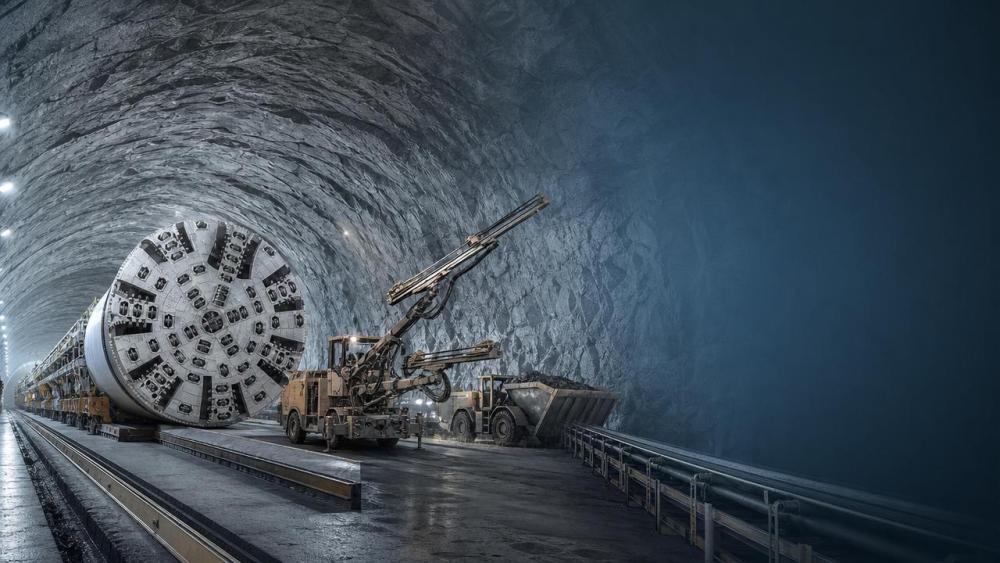
Deep Tunnel Excavation in hard rock is rarely defined by rock strength alone. Depth, stress redistribution, water pressure, ventilation limits, and logistics can quickly change the best excavation path.
That is why two tunnels with similar geology may need very different methods. One may favor steady TBM advance, while another performs better with controlled drill-and-blast cycles.
In practical underground engineering, the real question is not which method looks stronger on paper. It is which method keeps progress stable when conditions become less predictable at depth.
This is also where UTMD’s industry perspective becomes useful. Deep projects now sit at the intersection of rock-cutting mechanics, zero-emission expectations, digital monitoring, and equipment utilization pressure.
For Deep Tunnel Excavation, reliable results come from linking excavation method, support timing, transport efficiency, and maintenance access instead of evaluating each item separately.
When Long Drives and Predictable Alignment Favor TBM-Based Deep Tunnel Excavation
Long transport tunnels, hydropower schemes, and major civil corridors often benefit from TBM-driven Deep Tunnel Excavation. The value appears when alignment is fixed and continuous advance matters more than local flexibility.
In these cases, the main advantage is not only speed. It is repeatability. Cutterhead performance, muck removal, segment handling, and machine guidance can be optimized over long distances.
Hard rock still complicates the picture. Extremely abrasive strata raise disc cutter wear, heat generation, and unplanned intervention frequency. At greater depth, that maintenance burden becomes a schedule issue, not just a tooling cost.
A TBM scenario usually makes sense when several conditions align:
- Tunnel length is large enough to absorb high mobilization and capital cost.
- Cross section remains stable with limited shape changes.
- Geological forecasting reduces the chance of severe mixed-face surprises.
- Muck handling and spare parts supply can support continuous operation.
More advanced projects also look beyond excavation alone. They consider sensor integration, cutter condition tracking, and ventilation load, especially where electrified underground systems are replacing diesel-intensive support fleets.
Where Variable Geology Still Keeps Drill-and-Blast Competitive
Deep Tunnel Excavation does not automatically belong to TBMs. In shorter drives, irregular caverns, mine access drifts, and tunnels with frequent profile changes, drill-and-blast remains highly practical.
The strength of this method is adaptability. Blast design, hole spacing, round length, and support timing can be adjusted quickly when hard rock alternates with fractured zones or stress-damaged sections.
This flexibility matters in deep mines and complex underground infrastructure. A drilling jumbo can respond faster than a large full-face system when layouts shift or when probing reveals unexpected water or fault structures.
Still, the tradeoff is operational discipline. Advance rate depends on the full cycle: drilling, charging, blasting, ventilation clearance, scaling, bolting, mucking, and haulage.
If one part of that chain is weak, Deep Tunnel Excavation slows sharply. In hard rock headings, the best drilling jumbo cannot compensate for poor explosive design or delayed rock support.
A practical comparison point
The difference is often less about technology prestige and more about site geometry. A long, straight tunnel rewards continuity. A broken, changeable underground layout rewards flexibility.
Deep Tunnel Excavation Risks Usually Escalate with Depth, Not Just with Hardness
Hard rock projects often focus on compressive strength first. In deep excavations, that is only part of the picture. High in-situ stress can trigger rockburst, slabbing, squeezing intersections, and sudden overbreak.
Water inflow is another dividing line. A hard formation may still contain faulted zones under pressure. Once opened, those zones disrupt support sequencing and equipment access.
Ventilation and heat also become strategic concerns. Deeper headings raise cooling demand, especially where diesel fleets, blasting fumes, or heavy cutterhead maintenance increase underground exposure time.
That is why modern Deep Tunnel Excavation increasingly aligns with UTMD’s wider underground transition. Electrified haulage, battery-based loaders, remote operation, and smart monitoring are no longer side topics.
In confined deep workings, they directly affect safety margins, ventilation sizing, and asset uptime.
Risks that are commonly underestimated
- Assuming intact hard rock means low instability risk at depth.
- Choosing equipment by peak output, while ignoring access for maintenance and rescue.
- Comparing capital cost without calculating downtime from cutter wear or blast cycle delays.
- Treating ventilation as a fixed utility rather than a design constraint.
- Overlooking digital ground monitoring until problems become visible underground.
Equipment Selection Works Best When the Whole Underground Chain Is Evaluated
Equipment selection for Deep Tunnel Excavation should start with the excavation sequence, not with a catalog. The key issue is whether drilling, cutting, support, hauling, and maintenance operate as one balanced system.
For TBM projects, attention usually centers on cutterhead design, installed power, disc cutter diameter, backup logistics, and ground support integration. In very hard rock, wear behavior often decides real performance more than nominal thrust.
For drill-and-blast headings, drilling jumbo accuracy, boom coverage, feed stability, and digital hole navigation matter early. Yet mucking and haulage capacity often decide whether those gains survive the full cycle.
Underground loaders and haulage units deserve equal weight. A fast heading becomes inefficient if LHD loaders cannot clear broken rock quickly or if ventilation restrictions limit diesel operation hours.
This explains the growing interest in battery-electric underground fleets. In deeper projects, zero-exhaust machines can improve air quality, reduce heat load, and simplify long-term ventilation strategy.
What to confirm before final equipment choice
- Expected UCS, abrasivity, jointing, and fault frequency along the full drive.
- Available space for backup trains, jumbo maneuvering, and emergency intervention.
- Support method compatibility with excavation pace.
- Power supply, cooling demand, and ventilation reserve.
- Spare parts access and maintenance windows at depth.
- Potential benefit of automation, remote control, and condition monitoring.
Different Underground Scenarios Need Different Judgment Priorities
In actual project planning, the fastest way to improve Deep Tunnel Excavation decisions is to separate scenarios by operating pressure, not by method name alone.
The important point is that Deep Tunnel Excavation performance depends on alignment between geology, method, and support systems. Similar hard rock headings can fail for completely different reasons.
Before Moving Forward, Build a Hard Rock Decision Framework That Reflects Real Site Conditions
A sound Deep Tunnel Excavation strategy starts by mapping the tunnel into operating zones rather than treating the full alignment as one uniform environment.
Then compare each zone by stress level, abrasivity, water risk, support demand, haulage distance, and maintenance access. That approach usually reveals whether a method is operationally robust or only theoretically attractive.
It also helps define where UTMD-style intelligence adds value: cutter wear benchmarking, jumbo productivity analysis, underground fleet electrification, and digital monitoring of ground response.
Before final selection, it is worth checking five points in sequence:
- Separate long uniform sections from changeable or disturbed ground.
- Compare life-cycle productivity, not only purchase or mobilization cost.
- Verify support, ventilation, and haulage compatibility underground.
- Test maintenance access assumptions under deep working constraints.
- Use monitoring data to refine excavation choices as conditions evolve.
Deep Tunnel Excavation in hard rock rewards disciplined judgment more than fixed preference. When the method fits the real underground scenario, safer progress and stronger asset utilization usually follow together.
Related News

How to Evaluate European Drill-and-Blast Tunnelling Contractors for Complex Projects
Drill and blast tunnelling contractors Europe: learn how to assess geology expertise, blast control, equipment reliability, safety, and programme resilience for complex projects.

Which Trenchless Construction Technique Fits Your Utility Crossing Conditions?
Trenchless construction techniques compared for utility crossings: choose HDD, microtunnelling, pipe jacking, or auger boring based on ground, accuracy, access, and risk.

What Is Driving Metro Tunnelling Demand Across Southeast Asia’s Major Cities?
Metro tunnelling Southeast Asia is accelerating as major cities tackle congestion, flooding, and connectivity. Explore the market forces, technical risks, and opportunities shaping demand.

Hard Rock Tunnelling in Australia: Selecting Methods for Variable Ground Conditions
Hard rock tunnelling in Australia: compare TBM, drill-and-blast and hybrid methods to manage variable ground, reduce risk and protect project costs.

Hydropower Tunnel Excavation: Selecting Methods for Variable Rock Conditions
Hydropower tunnel excavation methods for variable rock conditions: compare TBM, drill-and-blast, and hybrid strategies to improve safety, progress, and project control.

How to Select Underground Safety Equipment for Tunnelling by Hazard and Work Zone
Underground Safety Equipment for tunnelling: match protection to hazards, work zones, compliance, and emergency needs with this practical selection guide.
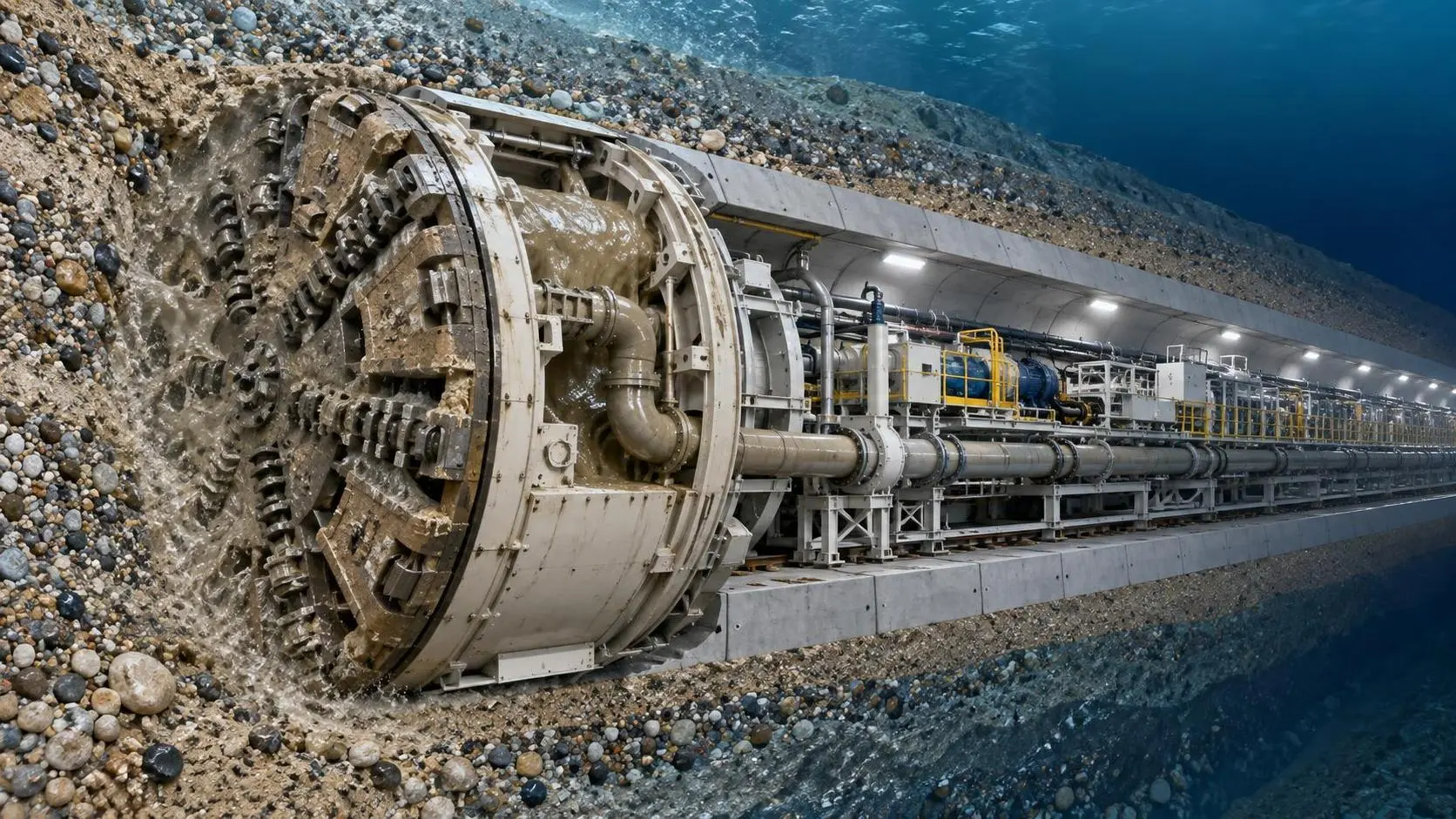
EPB or Slurry Shield? Selecting Soft-Ground Tunnelling Equipment by Soil Conditions
Tunnel Excavation Equipment for soft ground: compare EPB and slurry shields by soil, groundwater, settlement risk, and project logistics to choose confidently.
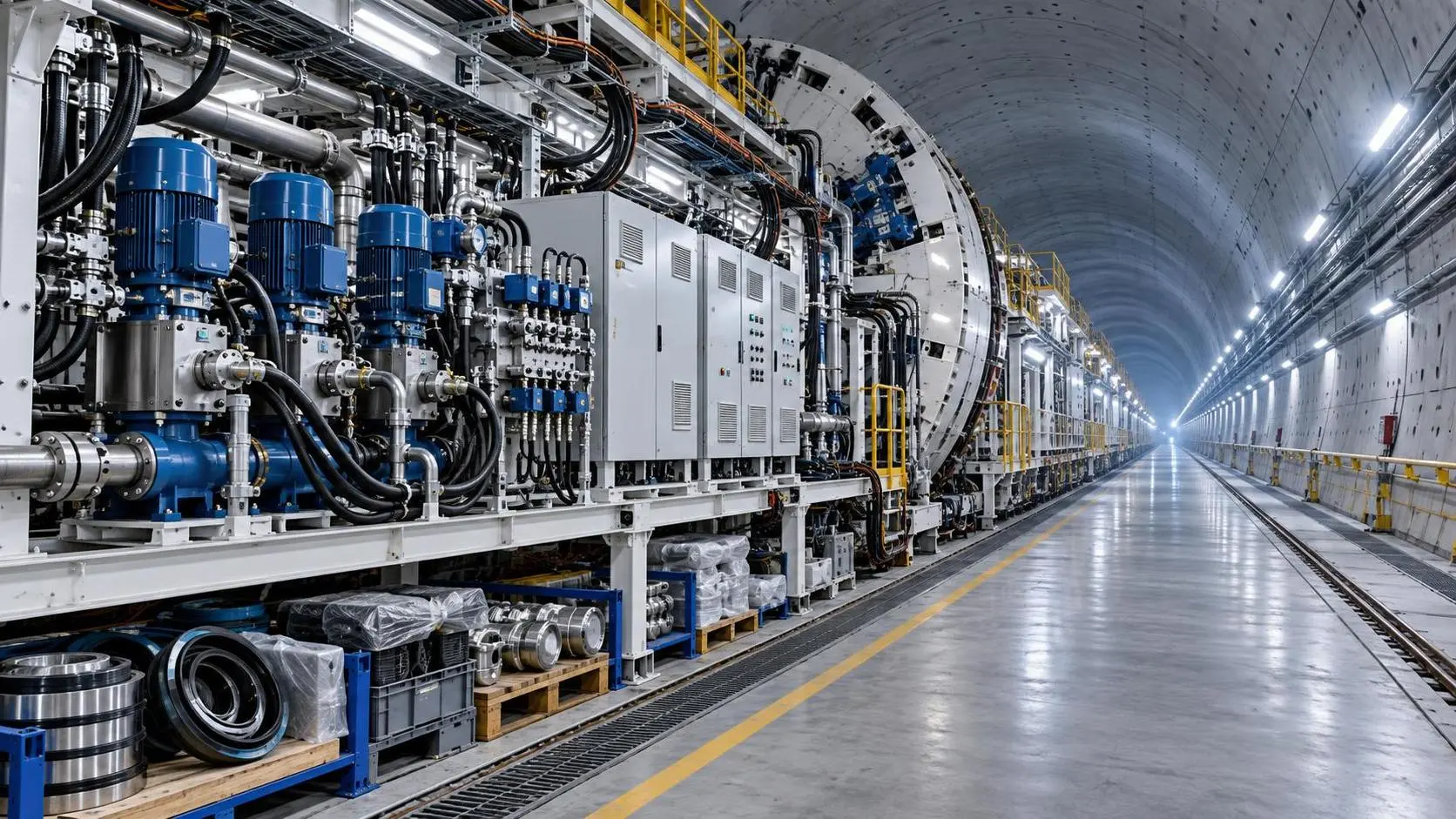
How to Specify TBM Backup System Parts for Reliable Long-Distance Tunnelling
TBM backup system parts: learn how to specify reliable spares for long-distance tunnelling, reduce downtime, ensure compatibility, and speed underground recovery.
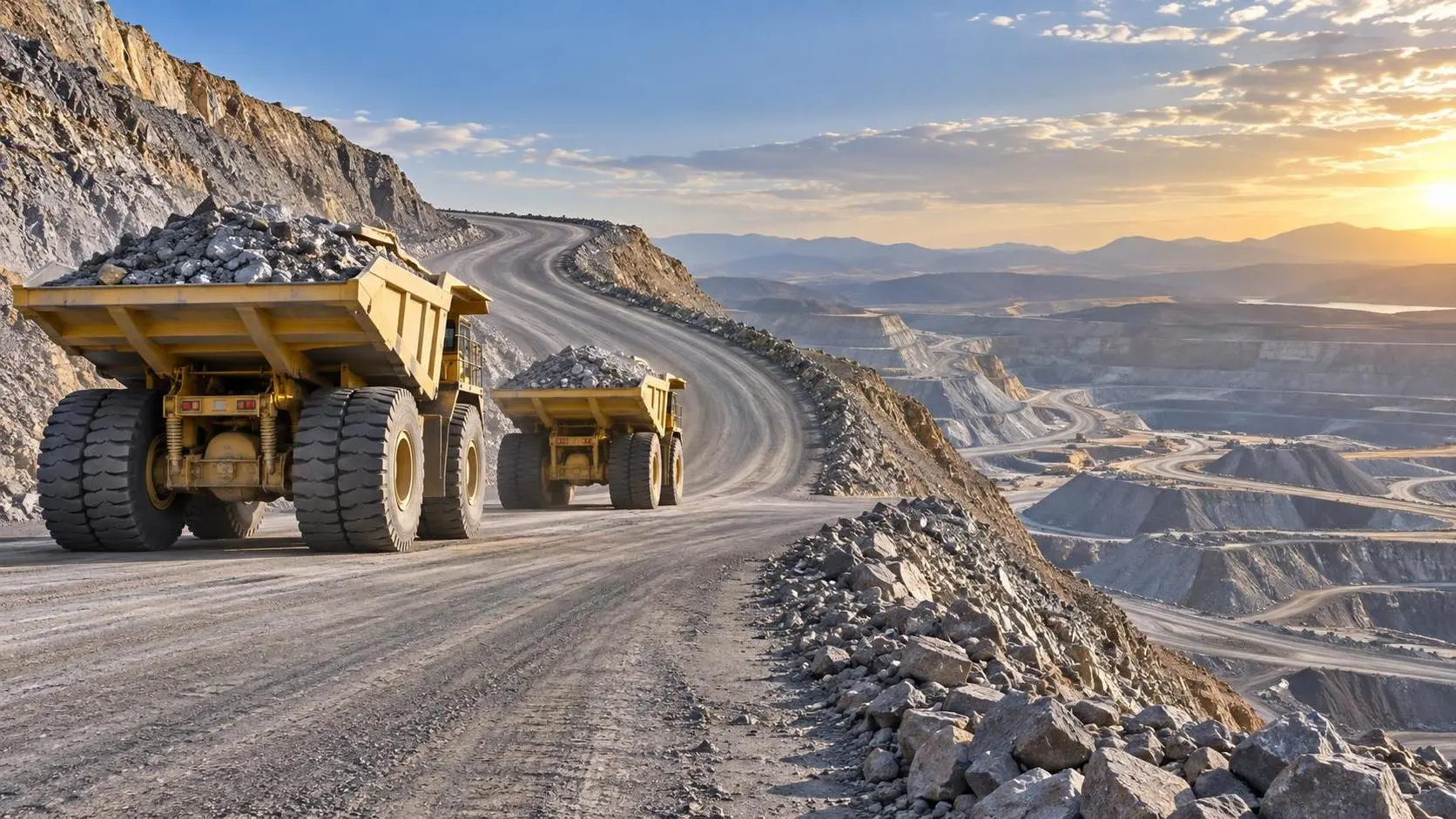
How to Size Open Pit Mining Trucks for Haul Distance, Grade, and Payload?
Open Pit Mining Trucks: learn how to match payload, haul distance, grade, road resistance, and loading capacity for safer, lower-cost mine operations.
Related News
- 00
0000-00
How to Evaluate European Drill-and-Blast Tunnelling Contractors for Complex Projects - 00
0000-00
Which Trenchless Construction Technique Fits Your Utility Crossing Conditions? - 00
0000-00
What Is Driving Metro Tunnelling Demand Across Southeast Asia’s Major Cities? - 00
0000-00
Hard Rock Tunnelling in Australia: Selecting Methods for Variable Ground Conditions - 00
0000-00
Hydropower Tunnel Excavation: Selecting Methods for Variable Rock Conditions
Weekly Insights
Stay ahead with our curated technology reports delivered every Monday.