
EU Reviews JD-Ceconomy Deal Over TBM Supply Risks





On June 1, 2026, the European Union opened a full review under the Foreign Subsidies Regulation (FSR) into JD.com’s proposed acquisition of Germany’s Ceconomy, including the MediaMarkt and Saturn channel network. For industry participants, the significance goes beyond retail ownership: the channel has long distributed mainstream European electrical control systems for construction machinery, TBM sensor modules, and industrial software for underground equipment, making the case relevant to TBM manufacturers, component suppliers, procurement pathways in the Middle East and Africa, and compliance planning for key systems such as battery management systems used in EV Mining Trucks.

What the review covers at this stage
According to the provided information, the EU on June 1, 2026 launched what is described as its first merger review of a Chinese company under the FSR. The review targets JD.com’s planned acquisition of Ceconomy, the German electronics retail group that includes the MediaMarkt and Saturn network.
The same channel network is described as a long-term distributor of mainstream European electrical control systems for engineering machinery, TBM sensor modules, and industrial software used in underground equipment. The reported concern is that the review may delay the process by which Chinese TBM manufacturers enter procurement lists for projects in the Middle East and Africa through European channels, while also affecting the EU compliance access path for key components such as battery management systems for EV Mining Trucks.
Where the pressure may appear across the chain
Channel-linked market access for TBM-related suppliers
From an industry perspective, the first area to watch is the distribution channel itself. If access to Ceconomy-linked networks becomes slower or more uncertain during the review period, the impact may not be limited to ownership structure. Businesses tied to TBM sensor modules, electrical control systems, and underground equipment software may need to pay closer attention to how channel continuity affects customer onboarding, qualification timing, and procurement-list entry linked to overseas projects.
Procurement pathways for Middle East and Africa projects
Analysis shows that project procurement is another sensitive point. The provided information explicitly notes a possible delay for Chinese TBM manufacturers seeking to enter procurement rosters in the Middle East and Africa through European channels. For procurement teams and project-facing suppliers, the issue is less about immediate demand change and more about whether channel-dependent qualification processes, document review, or supplier recognition timelines become extended.
Compliance routes for critical mining truck components
What deserves closer attention is the compliance route for key parts, especially battery management systems used in EV Mining Trucks. If the review changes how market participants assess distribution, supplier background, or transaction-related compliance exposure, component makers and integrators may face additional scrutiny in their EU market access planning, even if the products themselves are not the direct subject of the transaction.
What companies should monitor now
Official wording and procedural developments
Companies should closely monitor subsequent official wording around the FSR review, because the practical impact will depend on how the case is framed and whether later disclosures clarify its scope. At the current stage, businesses should distinguish between a confirmed investigation and any broader conclusions that the market may infer from it.
Exposure by product category and sales channel
Suppliers connected to TBM sensor modules, engineering machinery electrical control systems, underground equipment software, and EV Mining Trucks battery management systems should map where their business depends on European distribution channels. The immediate priority is to identify which products, customers, and target markets rely on channel-based qualification or procurement-list inclusion.
Documentation, supplier credentials, and delivery timing
Observably, businesses with ongoing or planned channel-linked sales should review the readiness of supplier qualification materials, transaction documents, compliance files, and delivery schedules. If channel review cycles lengthen, the operational effect may show up first in document requests, customer communication, or project timeline adjustments rather than in a formal stop to business.
Customer communication and contingency preparation
Enterprises facing procurement or approval milestones should prepare neutral, fact-based communication for customers and partners. A practical focus is to explain what is confirmed, what remains under review, and which supply or compliance steps may need contingency planning if channel access or qualification timing changes.
Why this is a signal worth tracking
Analysis shows that this development is more meaningful as a regulatory and channel-risk signal than as a concluded market outcome. The confirmed fact is the opening of the review; the broader industry question is how participants interpret the relationship between merger scrutiny, foreign subsidy enforcement, and access to industrial distribution channels that sit between suppliers and overseas project procurement.
It is more appropriate to understand this as a development that requires continued observation rather than a settled shift in market structure. The reason is that the current information points to possible delays and compliance-path effects, but it does not confirm final restrictions, transaction outcomes, or completed changes to procurement access.
How to read the development at this point
For the industry, the core takeaway is that a transaction review centered on a retail and distribution network can carry implications for specialized industrial components when that network touches TBM systems, underground equipment software, and mining vehicle electronics. The immediate relevance lies in timing, qualification, and compliance pathways rather than in any confirmed end-state.
At this stage, the most balanced reading is that the case represents a short-term procedural development with potential longer-term signaling value. Companies should neither overstate the impact nor ignore it, especially where European channels remain part of market-entry, procurement-list, or compliance strategies.
Basis of this article and follow-up focus
This article is generated based on the user-provided news title, event date, and event summary. For this type of development, relevant source categories would usually include official regulatory announcements, company disclosures, industry association updates, authoritative media reporting, and documents issued by standards or compliance bodies.
No specific official source link was provided in the input, so further verification remains necessary. Follow-up attention should focus on any later official statements, procedural updates in the FSR review, and whether downstream effects emerge in procurement-list timing, channel access, or EU compliance handling for the product categories mentioned above.
Related News
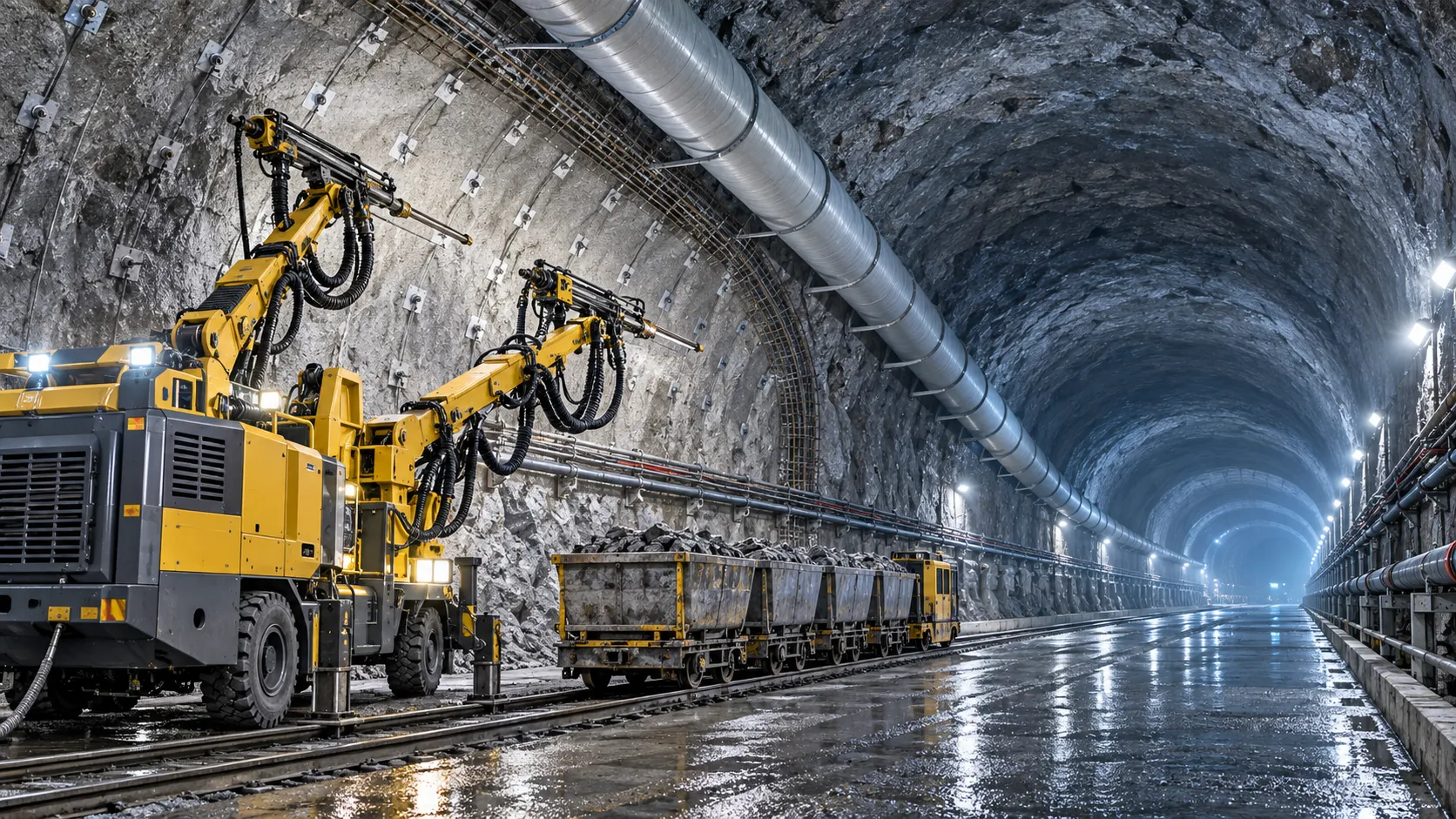
How to Evaluate European Drill-and-Blast Tunnelling Contractors for Complex Projects
Drill and blast tunnelling contractors Europe: learn how to assess geology expertise, blast control, equipment reliability, safety, and programme resilience for complex projects.
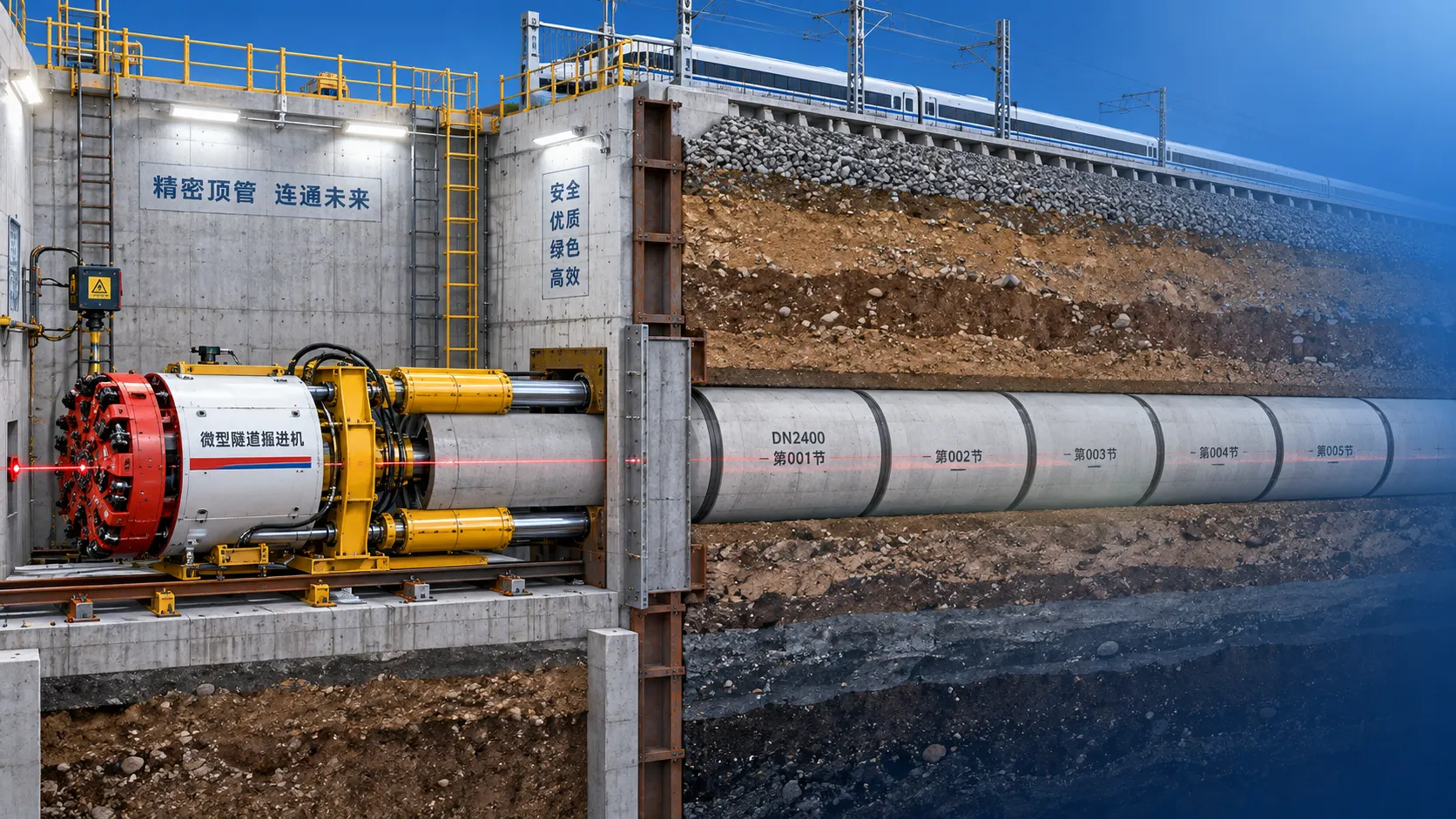
Which Trenchless Construction Technique Fits Your Utility Crossing Conditions?
Trenchless construction techniques compared for utility crossings: choose HDD, microtunnelling, pipe jacking, or auger boring based on ground, accuracy, access, and risk.
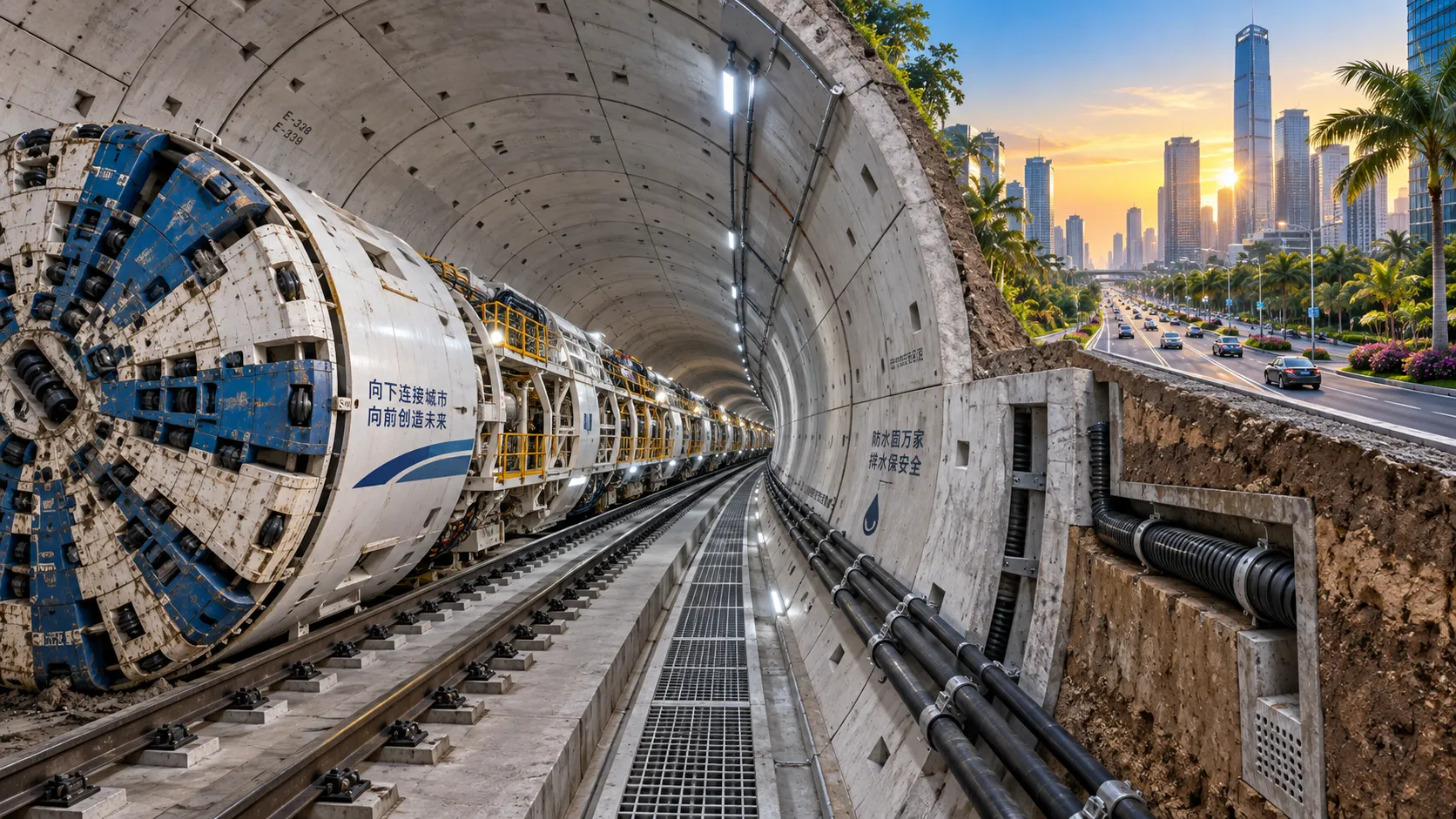
What Is Driving Metro Tunnelling Demand Across Southeast Asia’s Major Cities?
Metro tunnelling Southeast Asia is accelerating as major cities tackle congestion, flooding, and connectivity. Explore the market forces, technical risks, and opportunities shaping demand.
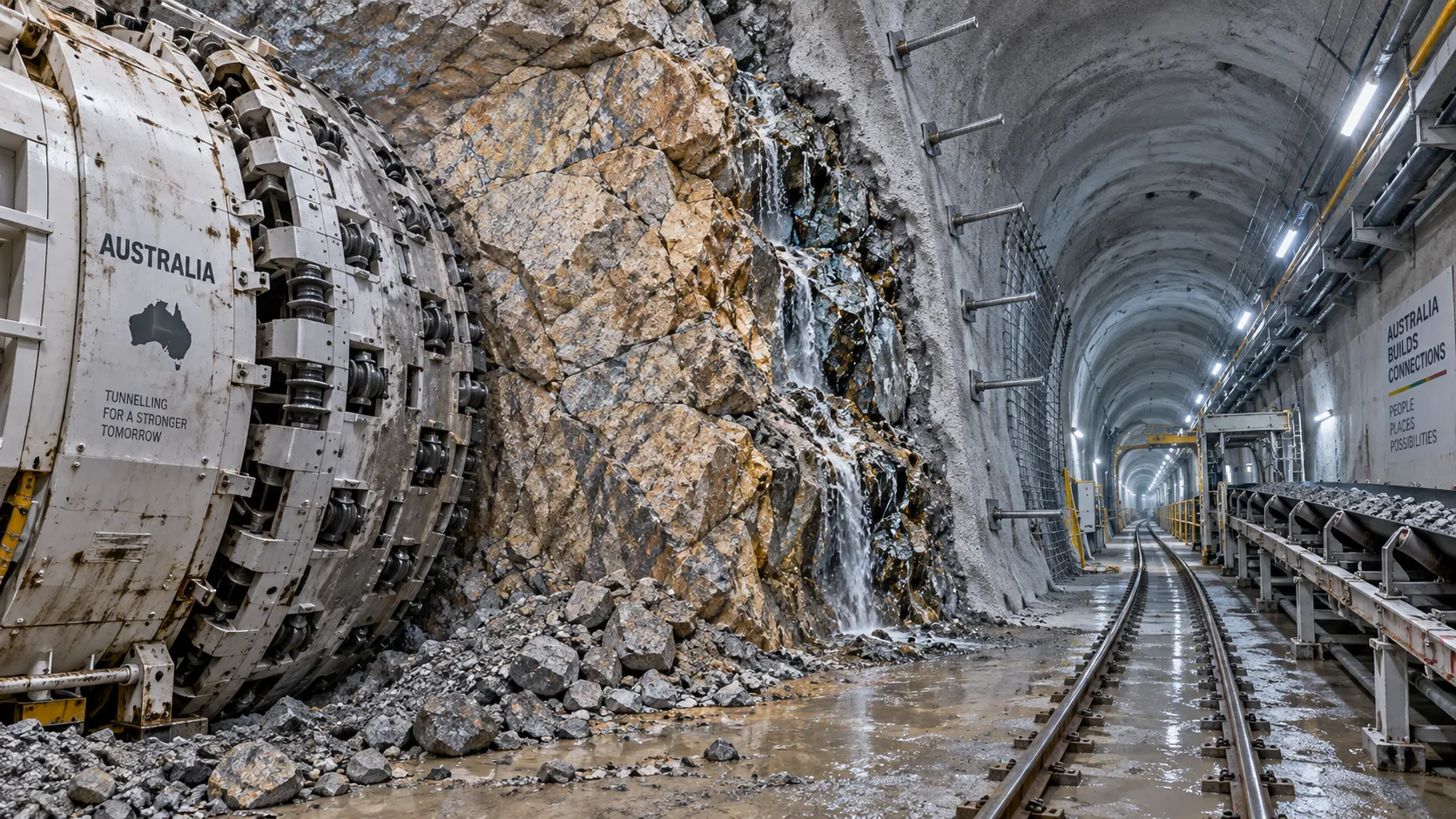
Hard Rock Tunnelling in Australia: Selecting Methods for Variable Ground Conditions
Hard rock tunnelling in Australia: compare TBM, drill-and-blast and hybrid methods to manage variable ground, reduce risk and protect project costs.
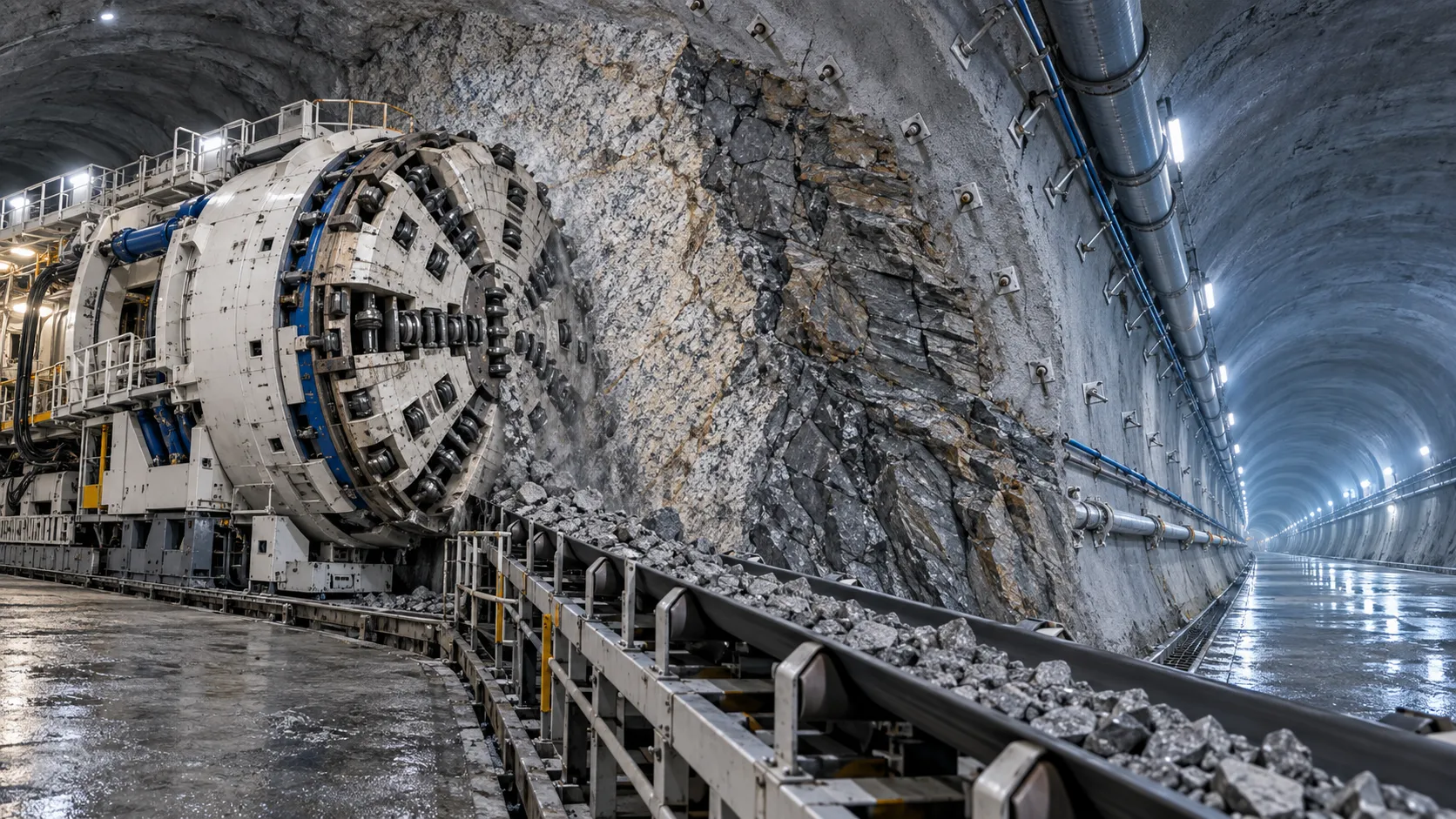
Hydropower Tunnel Excavation: Selecting Methods for Variable Rock Conditions
Hydropower tunnel excavation methods for variable rock conditions: compare TBM, drill-and-blast, and hybrid strategies to improve safety, progress, and project control.
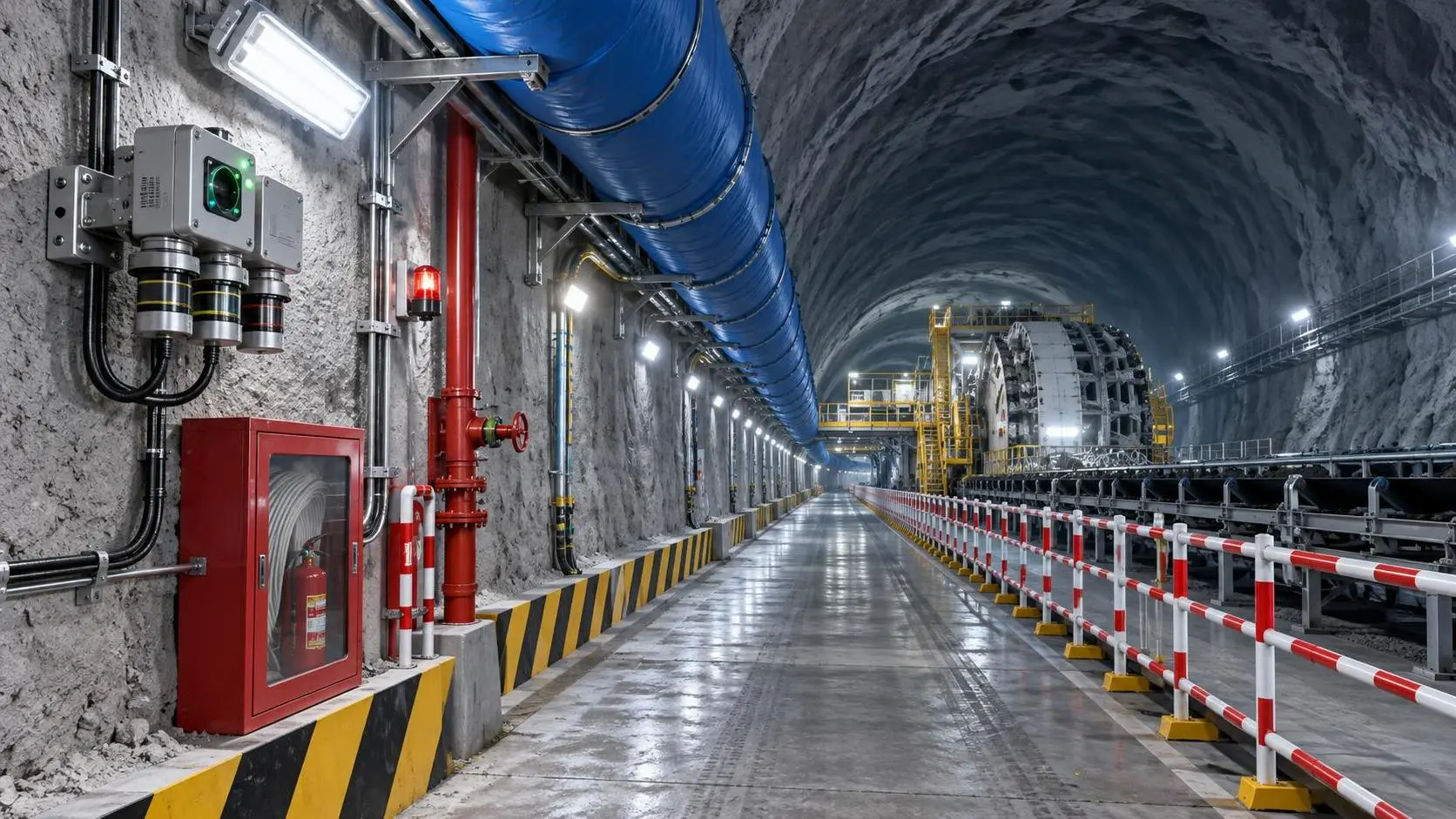
How to Select Underground Safety Equipment for Tunnelling by Hazard and Work Zone
Underground Safety Equipment for tunnelling: match protection to hazards, work zones, compliance, and emergency needs with this practical selection guide.

EPB or Slurry Shield? Selecting Soft-Ground Tunnelling Equipment by Soil Conditions
Tunnel Excavation Equipment for soft ground: compare EPB and slurry shields by soil, groundwater, settlement risk, and project logistics to choose confidently.

How to Specify TBM Backup System Parts for Reliable Long-Distance Tunnelling
TBM backup system parts: learn how to specify reliable spares for long-distance tunnelling, reduce downtime, ensure compatibility, and speed underground recovery.

How to Size Open Pit Mining Trucks for Haul Distance, Grade, and Payload?
Open Pit Mining Trucks: learn how to match payload, haul distance, grade, road resistance, and loading capacity for safer, lower-cost mine operations.
Related News
- 00
0000-00
How to Evaluate European Drill-and-Blast Tunnelling Contractors for Complex Projects - 00
0000-00
Which Trenchless Construction Technique Fits Your Utility Crossing Conditions? - 00
0000-00
What Is Driving Metro Tunnelling Demand Across Southeast Asia’s Major Cities? - 00
0000-00
Hard Rock Tunnelling in Australia: Selecting Methods for Variable Ground Conditions - 00
0000-00
Hydropower Tunnel Excavation: Selecting Methods for Variable Rock Conditions
Weekly Insights
Stay ahead with our curated technology reports delivered every Monday.