
TBM Backup System Parts Explained: Functions, Wear Points, and Replacement Planning





Keeping a TBM advancing is not only about the cutterhead. The backup train carries the systems that make excavation continuous, controlled, and safe.
That is why tbm backup system parts deserve close attention in maintenance planning. When one support component fails, the whole tunnelling chain can slow or stop.
In today’s underground market, where project schedules are tight and downtime is expensive, replacement strategy matters as much as repair speed.
For UTMD, this topic sits inside a larger shift across underground engineering: higher automation, cleaner energy use, stricter reliability targets, and deeper asset intelligence.
Why the backup system matters more than it seems
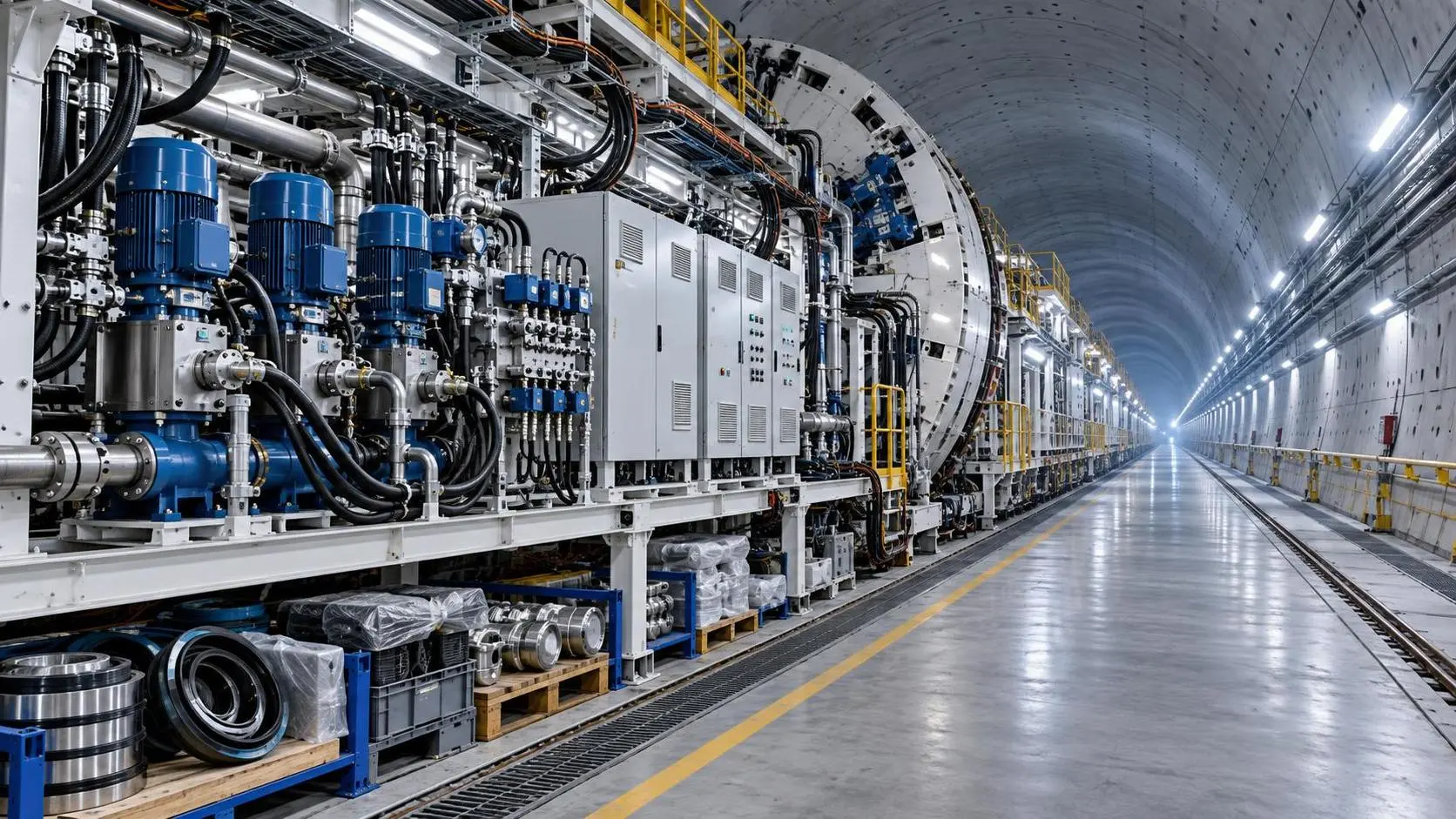
A TBM backup system is the moving service platform behind the shield. It supports power, fluid transfer, spoil handling, ventilation, control, and daily access.
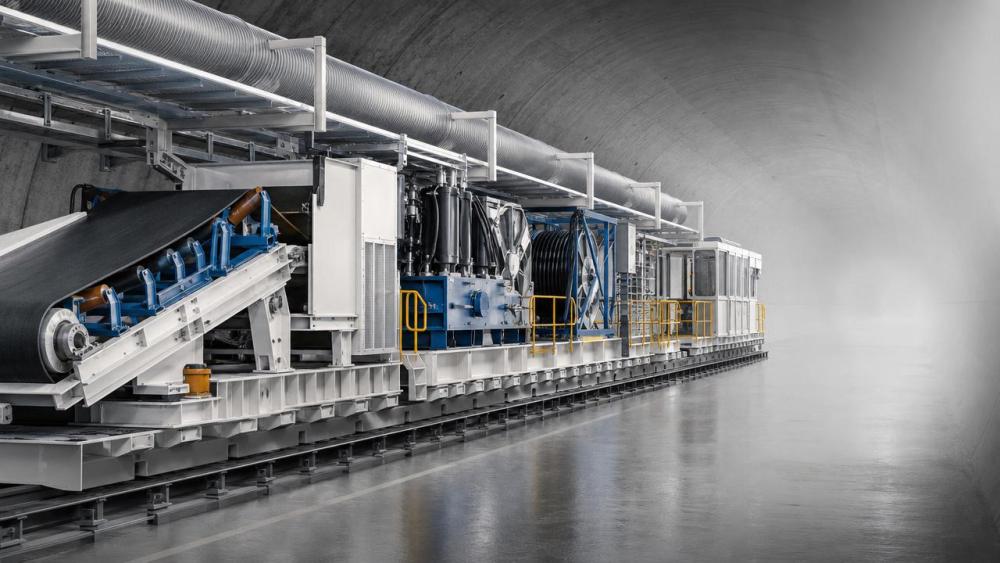
Seen from a distance, these assemblies may look secondary. In practice, they determine whether the main machine can work at its designed penetration rate.
When teams discuss tbm backup system parts, they usually mean conveyor frames, rollers, hydraulic power units, pumps, cable reels, hoses, ventilation duct supports, walkways, and service gantries.
These parts operate in vibration, slurry, dust, water, heat, and restricted space. Wear often builds gradually, then appears as an urgent shutdown.
That pattern is now a major industry concern. Large tunnel projects and mine development programs cannot afford long interruptions caused by preventable support failures.
Core tbm backup system parts and what they do
The backup train is a system of systems. Understanding each function helps explain where wear develops and why certain spares should never be treated as low priority.
Conveyor and muck handling assemblies
These components move excavated material away from the machine. They include belts, rollers, idlers, scrapers, frames, transfer points, and drive units.
If alignment drifts or material builds up, belt damage rises quickly. Secondary failures then spread to bearings, motors, pulleys, and structural supports.
Hydraulic units and fluid circuits
Hydraulic power supports cylinders, auxiliary drives, stabilizing functions, and service operations. Pumps, valves, filters, coolers, manifolds, and hoses are central tbm backup system parts.
The real risk is contamination. Fine particles, degraded seals, and moisture can shorten the life of pumps and valves long before external leakage appears.
Electrical distribution and cable management
Cable reels, trailing cables, junction boxes, connectors, and support brackets keep energy and signals flowing through the machine.
These parts suffer from abrasion, tension cycling, crushing, and poor bending radius. Even minor cable damage can trigger control faults and safety trips.
Ventilation, water, and service platforms
Ventilation ducts, water lines, hose hangers, access stairs, walkways, guards, and maintenance platforms are often overlooked until inspections reveal fatigue or corrosion.
Yet these tbm backup system parts directly affect safe access, air quality, fire prevention, and routine service speed.
Where wear usually starts
Wear in the backup area is rarely random. It follows load path, contamination route, movement pattern, and maintenance discipline.
A useful way to review tbm backup system parts is to focus on the first weak signal, not the final failure.
This pattern is especially relevant in hard-rock tunnelling and long drives. Harsh cycles magnify small defects until replacement becomes urgent and costly.
What the industry is watching now
Underground projects are becoming more data-driven. That changes how tbm backup system parts are monitored, valued, and replaced.
One trend is the move from reactive repair to condition-based service. Temperature, vibration, fluid cleanliness, and motor current now provide early maintenance signals.
Another shift comes from zero-emission and electrification goals in confined spaces. Cleaner energy systems increase dependence on reliable cables, cooling, sensor integrity, and organized service layouts.
UTMD tracks this broader transformation across TBMs, trenchless equipment, and smart mining fleets. The common theme is simple: support systems now influence asset utilization as much as prime movers do.
That makes backup system planning a strategic issue, not just a stores issue. Spare logic, lead times, and inspection intervals now affect project resilience.
Practical replacement planning for tbm backup system parts
Replacement planning works best when parts are grouped by failure impact, not only by catalog category. A low-cost part can still create a high-cost stoppage.
Usually, planning becomes clearer when parts are divided into three bands.
- Critical uptime parts: conveyor rollers, belt repair sets, hydraulic hoses, filters, connectors, and essential sensors.
- Scheduled wear parts: seals, scrapers, idlers, cable guide elements, lighting, grating panels, and routine fasteners.
- Longer-cycle structural parts: brackets, frames, reels, manifolds, and platform assemblies inspected for fatigue or corrosion.
The next step is to match each group with real operating conditions. Abrasive muck, water ingress, long tunnel length, and frequent stop-start cycles all change replacement timing.
Historical consumption is helpful, but it should not be used blindly. If geology, advance rate, or shift pattern changes, spare demand changes as well.
A workable planning checklist
- Map each failure to downtime cost, safety effect, and access difficulty.
- Record actual wear life by location, not only by part number.
- Track contamination sources around hydraulic and electrical zones.
- Review supplier lead time against the tunnel advance schedule.
- Keep emergency spares for parts with short warning windows.
This approach makes tbm backup system parts easier to manage as a reliability program rather than a last-minute ordering exercise.
How to judge replacement timing in the field
Not every worn part should be changed immediately. The better question is whether the part still performs safely and predictably until the next service window.
For conveyor items, heat, misalignment, and carryback usually matter more than appearance alone. For hydraulics, pressure drift and oil condition often tell more than small external stains.
For cable systems, damage near bends and support points deserves priority. For structures, crack growth and loosened mountings should be evaluated before deformation spreads.
The strongest decisions combine inspection data, operating hours, and failure history. That is where modern underground maintenance is moving across the wider equipment landscape observed by UTMD.
Turning parts knowledge into better uptime
A useful understanding of tbm backup system parts goes beyond naming assemblies. It means seeing how support components shape advance rate, safety margins, and repair efficiency.
The most effective next step is to review the backup train by function, identify the highest-risk wear points, and compare current spare logic with actual failure patterns.
From there, inspection routes, stocking rules, and replacement intervals become easier to refine. In long tunnel projects, that discipline often makes the difference between stable progress and repeated disruption.
As underground systems become more electrified, automated, and tightly scheduled, careful planning around tbm backup system parts is no longer a support task on the side. It is part of operational control.
Related News
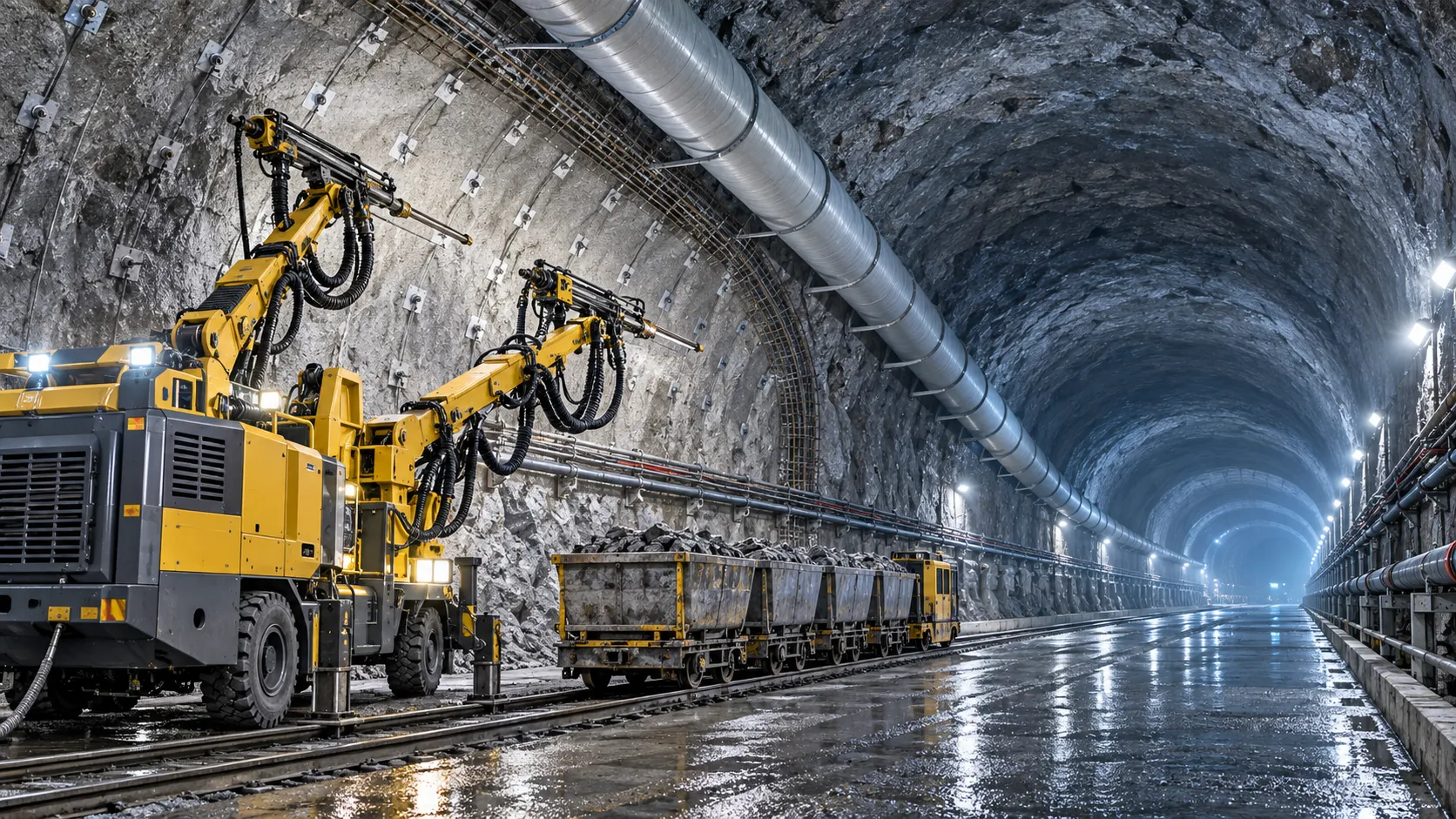
How to Evaluate European Drill-and-Blast Tunnelling Contractors for Complex Projects
Drill and blast tunnelling contractors Europe: learn how to assess geology expertise, blast control, equipment reliability, safety, and programme resilience for complex projects.
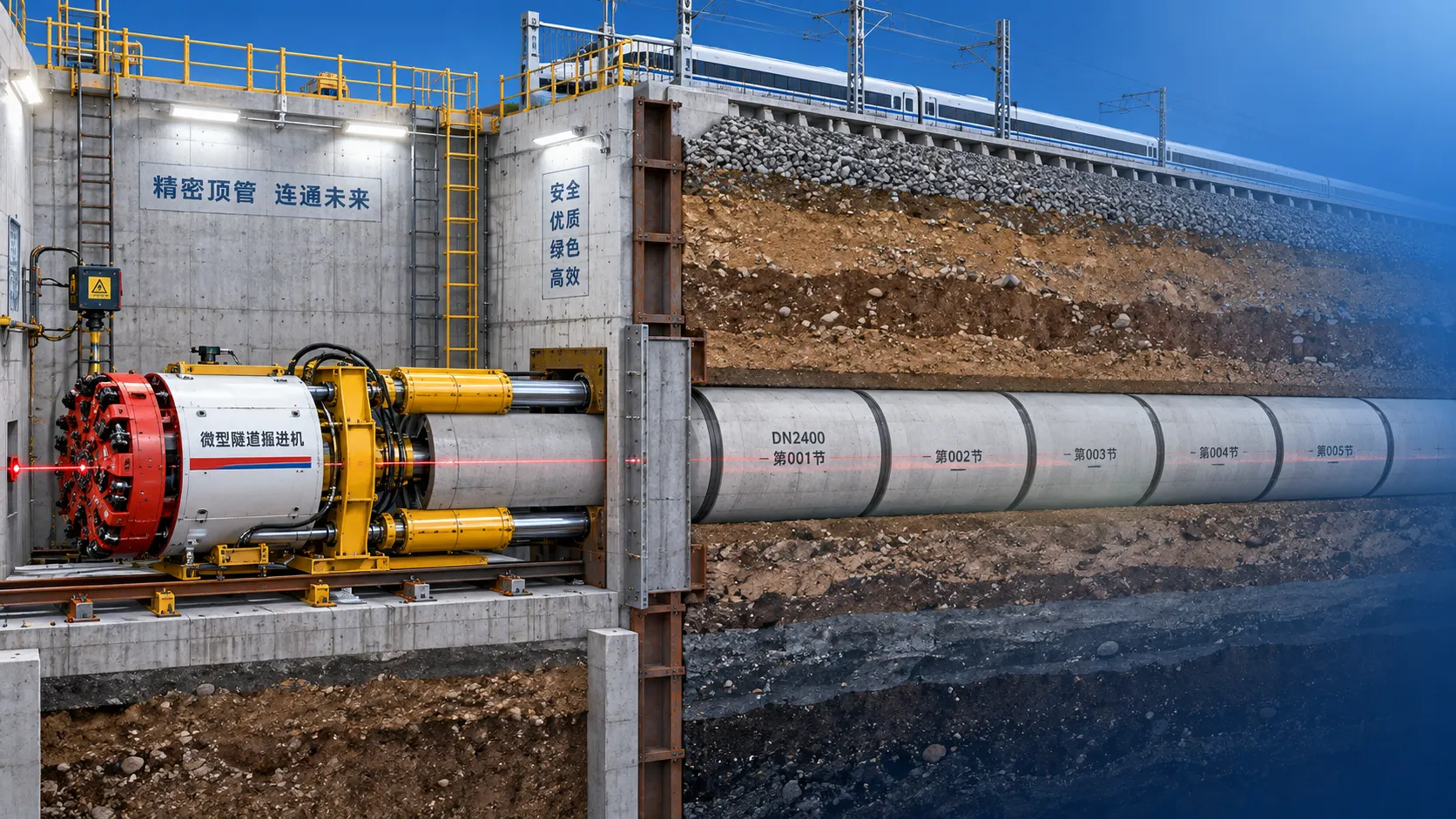
Which Trenchless Construction Technique Fits Your Utility Crossing Conditions?
Trenchless construction techniques compared for utility crossings: choose HDD, microtunnelling, pipe jacking, or auger boring based on ground, accuracy, access, and risk.
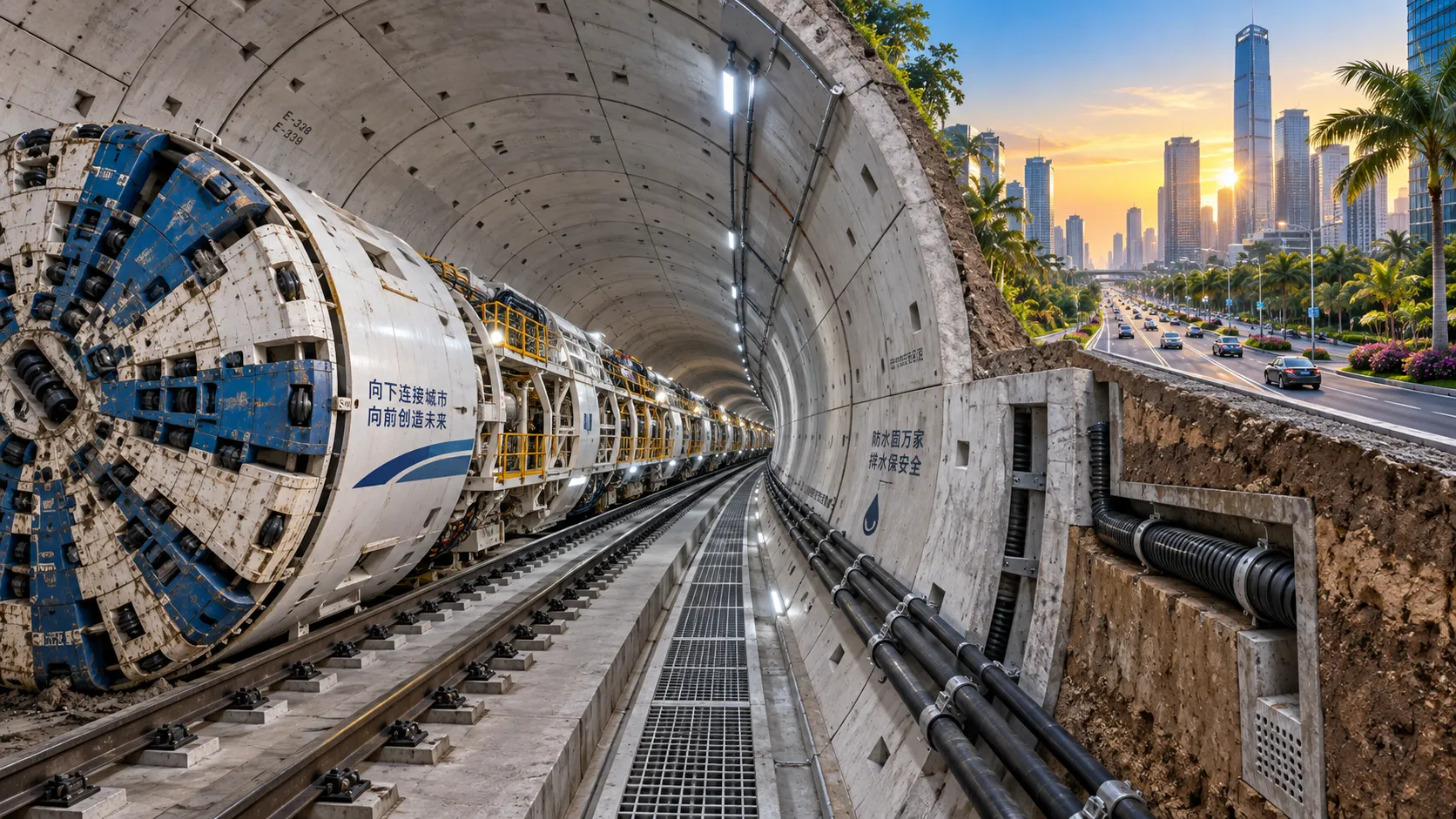
What Is Driving Metro Tunnelling Demand Across Southeast Asia’s Major Cities?
Metro tunnelling Southeast Asia is accelerating as major cities tackle congestion, flooding, and connectivity. Explore the market forces, technical risks, and opportunities shaping demand.
Hard Rock Tunnelling in Australia: Selecting Methods for Variable Ground Conditions
Hard rock tunnelling in Australia: compare TBM, drill-and-blast and hybrid methods to manage variable ground, reduce risk and protect project costs.
Hydropower Tunnel Excavation: Selecting Methods for Variable Rock Conditions
Hydropower tunnel excavation methods for variable rock conditions: compare TBM, drill-and-blast, and hybrid strategies to improve safety, progress, and project control.
How to Select Underground Safety Equipment for Tunnelling by Hazard and Work Zone
Underground Safety Equipment for tunnelling: match protection to hazards, work zones, compliance, and emergency needs with this practical selection guide.
EPB or Slurry Shield? Selecting Soft-Ground Tunnelling Equipment by Soil Conditions
Tunnel Excavation Equipment for soft ground: compare EPB and slurry shields by soil, groundwater, settlement risk, and project logistics to choose confidently.
How to Specify TBM Backup System Parts for Reliable Long-Distance Tunnelling
TBM backup system parts: learn how to specify reliable spares for long-distance tunnelling, reduce downtime, ensure compatibility, and speed underground recovery.

How to Size Open Pit Mining Trucks for Haul Distance, Grade, and Payload?
Open Pit Mining Trucks: learn how to match payload, haul distance, grade, road resistance, and loading capacity for safer, lower-cost mine operations.
Related News
- 00
0000-00
How to Evaluate European Drill-and-Blast Tunnelling Contractors for Complex Projects - 00
0000-00
Which Trenchless Construction Technique Fits Your Utility Crossing Conditions? - 00
0000-00
What Is Driving Metro Tunnelling Demand Across Southeast Asia’s Major Cities? - 00
0000-00
Hard Rock Tunnelling in Australia: Selecting Methods for Variable Ground Conditions - 00
0000-00
Hydropower Tunnel Excavation: Selecting Methods for Variable Rock Conditions
Weekly Insights
Stay ahead with our curated technology reports delivered every Monday.