
Saudi R5 MAS Substation Brings TBMs Into Mideast Solar Chain





On April 17, 2026, the main transformers for the step-up substation of the Saudi R5 MAS 1000 MW photovoltaic project were all put in place, signaling that three customized medium-hard rock TBMs supporting the project’s underground cable tunnel works have entered full-capacity construction. For EPC contractors, TBM manufacturers, power-tunnel service providers, and buyers involved in renewable energy infrastructure, the development is worth watching because it connects solar delivery with underground power infrastructure and marks a new entry model for Chinese core equipment in the Middle East energy construction chain.
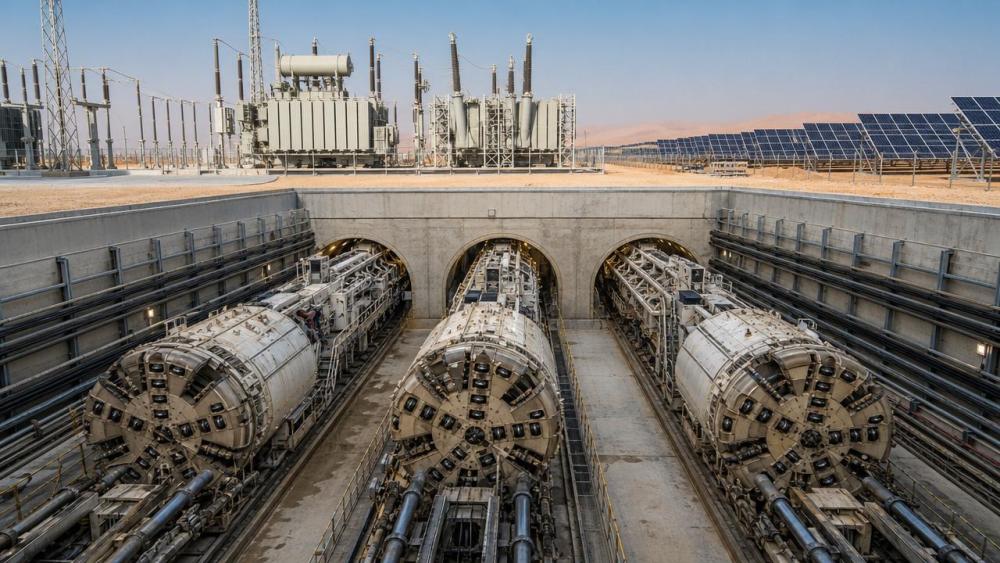
What has been confirmed at the R5 MAS project
The confirmed facts are limited but clear. The project is a 1000 MW photovoltaic development in Saudi Arabia built by PowerChina. As of April 17, 2026, the main transformers for its step-up substation had all been installed in position. At the same time, the supporting package of three customized medium-hard rock TBMs, used for excavating underground cable tunnels for the substation, had moved into full-load construction.
The event also marks the first time that a Chinese TBM manufacturer has entered the main chain of large renewable energy infrastructure in the Middle East through a combined model of EPC participation, core equipment supply, and full-cycle operation and maintenance. Based on the provided information, this development breaks the long-standing dominance of German and Japanese brands in the region’s power tunnel market.
Why this matters across the project chain
For EPC and integrated project contractors
From an industry perspective, the main impact is on project delivery structure rather than on solar generation equipment alone. The R5 MAS update shows that underground cable tunnel construction can be integrated more deeply into the broader renewable energy EPC chain. Contractors should pay attention to whether future bids and delivery models place greater weight on equipment-package coordination, interface management between substation works and tunneling works, and long-cycle operational support.
For TBM manufacturers and equipment suppliers
Analysis shows that the significance here is not simply the shipment of machines, but the acceptance of a deeper participation model. Suppliers in tunneling and underground power infrastructure may need to watch whether customers increasingly expect bundled capabilities covering equipment customization, on-site support, and ongoing operation and maintenance, rather than one-off machine delivery.
For power infrastructure service providers
Service providers involved in underground cable tunnels, installation support, maintenance, and project coordination may be affected through changes in cooperation depth. What deserves closer attention is whether future renewable energy projects in the region begin to treat underground power infrastructure as an earlier-stage planning and procurement item, which would influence scheduling, technical coordination, and service scope.
For buyers and procurement teams
For procurement-side participants, the case highlights supplier selection logic. If the market begins to recognize integrated delivery models more clearly, buyers may need to compare not only equipment performance but also lifecycle support, interface responsiveness, and execution capacity under EPC-led project frameworks.
Practical issues companies should monitor next
How the integrated delivery model is described going forward
Analysis shows that one of the key follow-up points is how this model is framed in subsequent official or market communication. Companies should distinguish between a single confirmed project result and a broader procurement or contracting preference that may or may not emerge later.
Whether underground cable tunnel works gain more visibility in renewable bids
Businesses linked to substations, underground cable systems, and tunneling support should pay close attention to whether similar projects begin to describe these scopes more explicitly in future tendering, contracting, or supplier qualification processes. That distinction affects when companies need to engage customers and prepare technical materials.
Supplier qualification and delivery documentation
For manufacturers and service providers seeking similar opportunities, a practical focus should be readiness around qualification files, equipment customization records, execution credentials, and service commitments. The event suggests that market access may increasingly depend on demonstrating coordinated delivery capability rather than presenting a standalone product offer.
Coordination between construction progress and support services
Observably, the project update ties substation transformer progress directly to TBM construction status. Companies involved in related scopes should therefore watch the coordination demands between civil works, electrical infrastructure, tunneling schedules, and on-site service response, especially where project milestones are tightly linked.
How this signal should be read at this stage
Observably, this news is best understood as a verified project-level signal with wider industry implications, not yet as proof of a fully reshaped regional supplier landscape. The confirmed breakthrough is that a Chinese TBM manufacturer has entered a major Middle East renewable energy infrastructure chain through an EPC-plus-equipment-plus-lifecycle support model. The broader question still requiring observation is whether this becomes a repeatable pathway across additional projects, buyers, and tender structures.
Analysis shows that the more meaningful industry takeaway is the changing boundary between equipment export and project-chain embedding. That is particularly relevant for companies positioned between manufacturing, EPC coordination, and long-term service delivery.
What the market can reasonably take from this
At this point, it is more appropriate to understand the R5 MAS development as an important directional signal rather than a final market conclusion. It confirms a new level of participation by Chinese TBM suppliers in Middle East renewable energy infrastructure, while also showing that underground power-tunnel works can become a visible part of solar-related delivery chains. For industry participants, the rational takeaway is to track whether this model remains project-specific or starts to appear more systematically in future energy infrastructure procurement and execution.
Basis of this article and what still needs verification
This article is based on the user-provided news title, event date, and event summary. For this type of industry update, relevant source categories would usually include official project announcements, company statements, industry association releases, authoritative media coverage, and standard or technical documentation related to project delivery. A specific official source link was not provided in the input, so further verification is still needed. Follow-up attention should remain on subsequent official wording, additional project disclosures, and whether similar EPC and equipment integration models appear again in comparable renewable energy infrastructure projects.
Related News
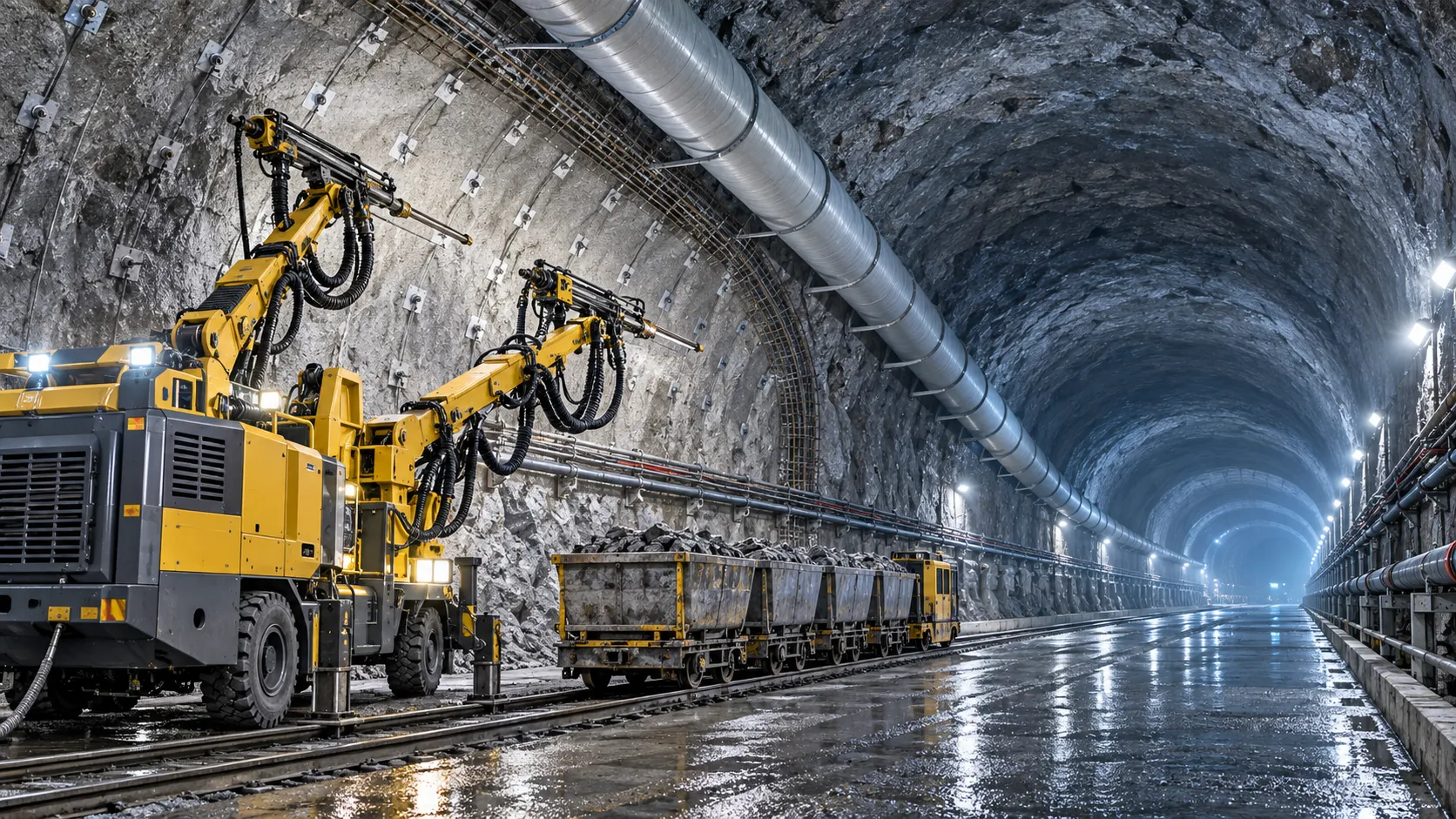
How to Evaluate European Drill-and-Blast Tunnelling Contractors for Complex Projects
Drill and blast tunnelling contractors Europe: learn how to assess geology expertise, blast control, equipment reliability, safety, and programme resilience for complex projects.
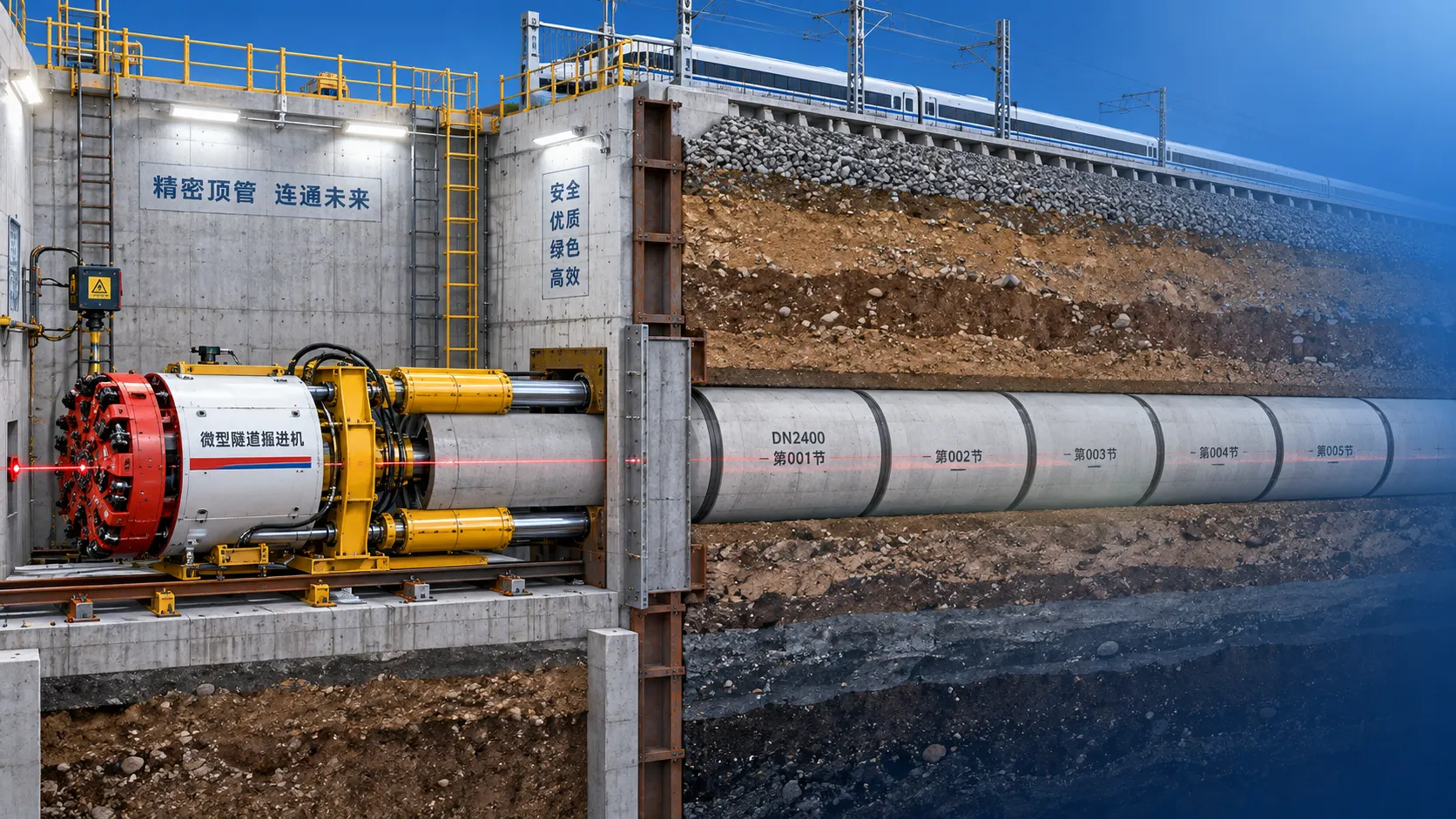
Which Trenchless Construction Technique Fits Your Utility Crossing Conditions?
Trenchless construction techniques compared for utility crossings: choose HDD, microtunnelling, pipe jacking, or auger boring based on ground, accuracy, access, and risk.
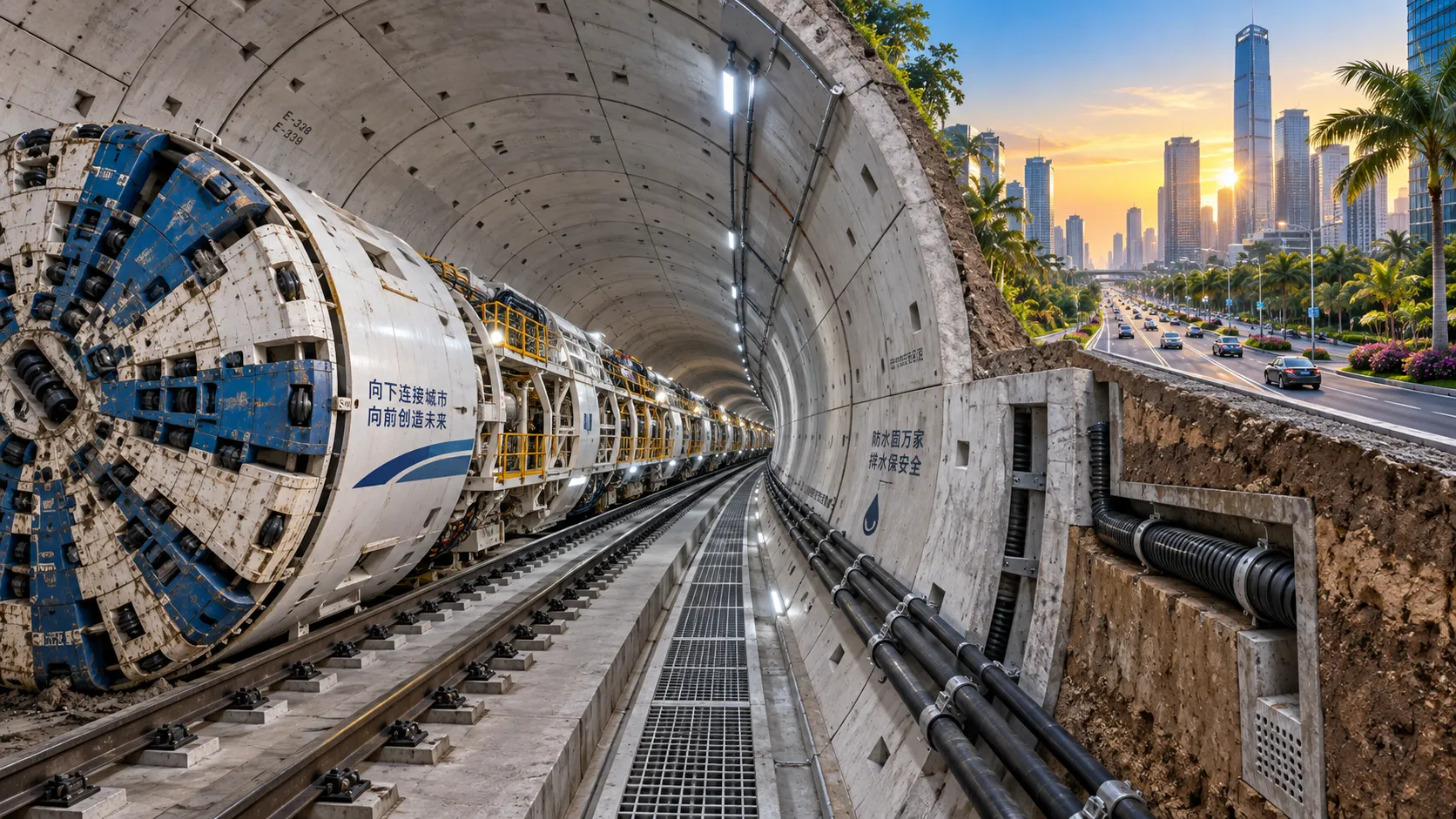
What Is Driving Metro Tunnelling Demand Across Southeast Asia’s Major Cities?
Metro tunnelling Southeast Asia is accelerating as major cities tackle congestion, flooding, and connectivity. Explore the market forces, technical risks, and opportunities shaping demand.
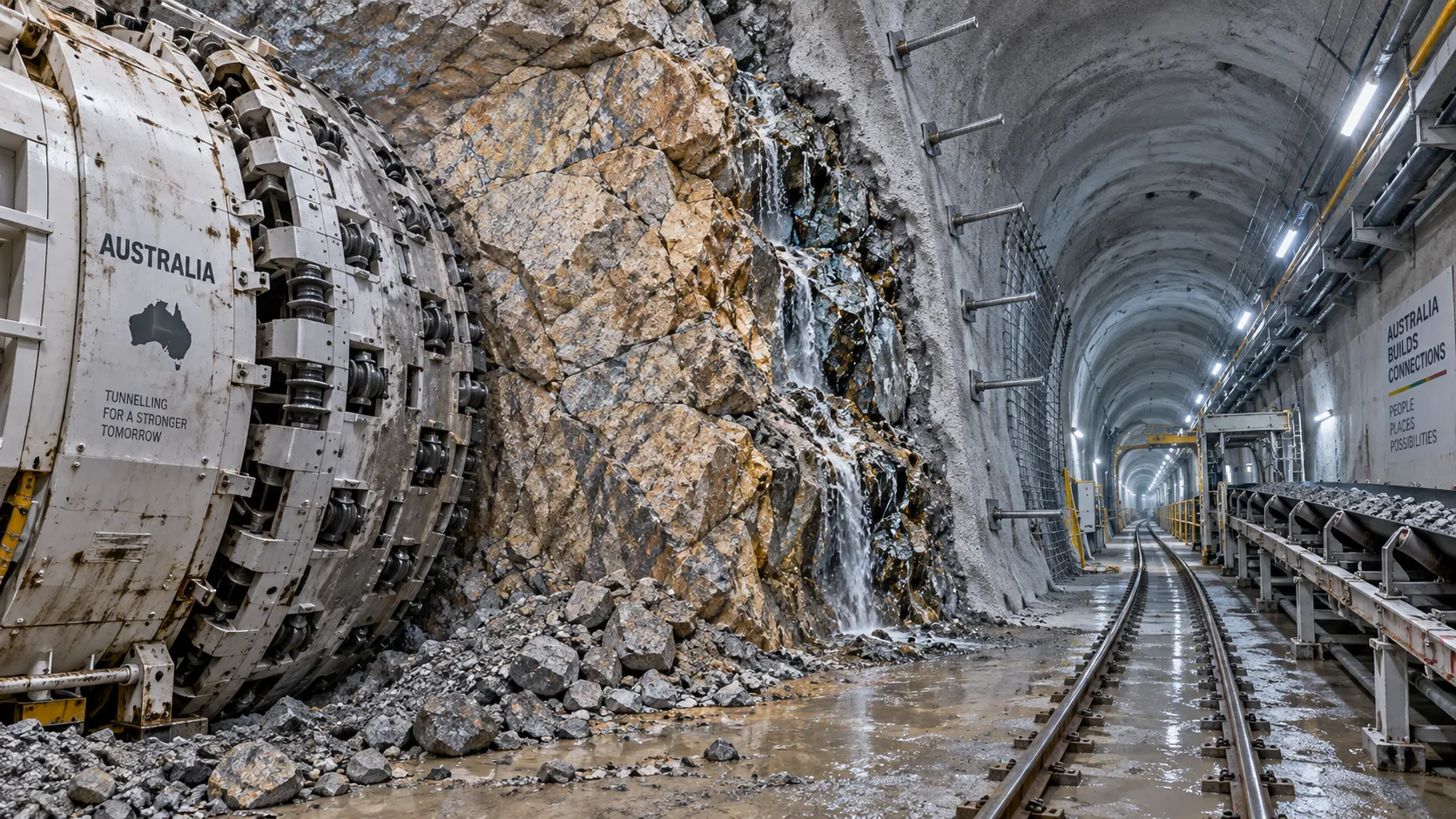
Hard Rock Tunnelling in Australia: Selecting Methods for Variable Ground Conditions
Hard rock tunnelling in Australia: compare TBM, drill-and-blast and hybrid methods to manage variable ground, reduce risk and protect project costs.
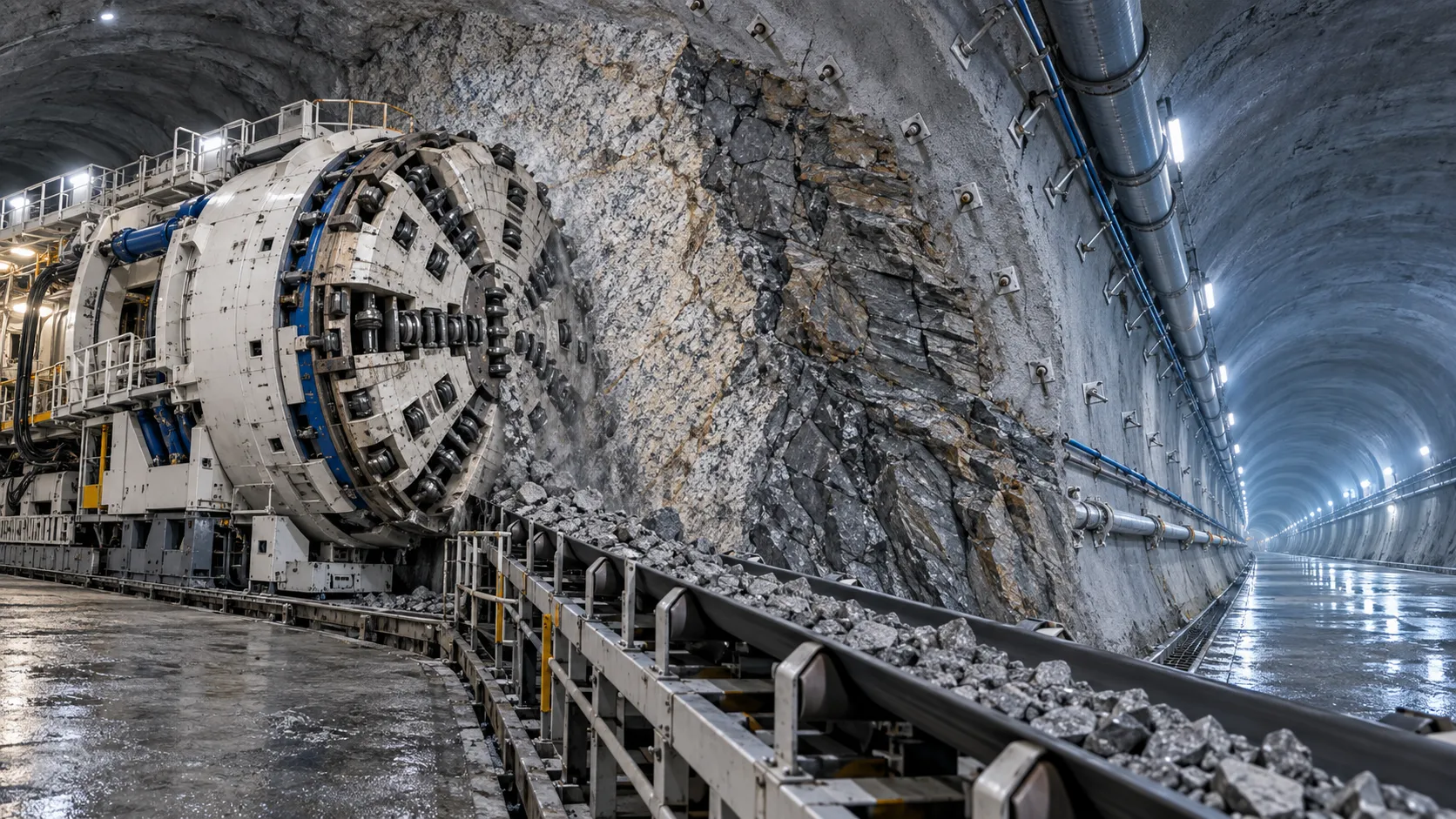
Hydropower Tunnel Excavation: Selecting Methods for Variable Rock Conditions
Hydropower tunnel excavation methods for variable rock conditions: compare TBM, drill-and-blast, and hybrid strategies to improve safety, progress, and project control.
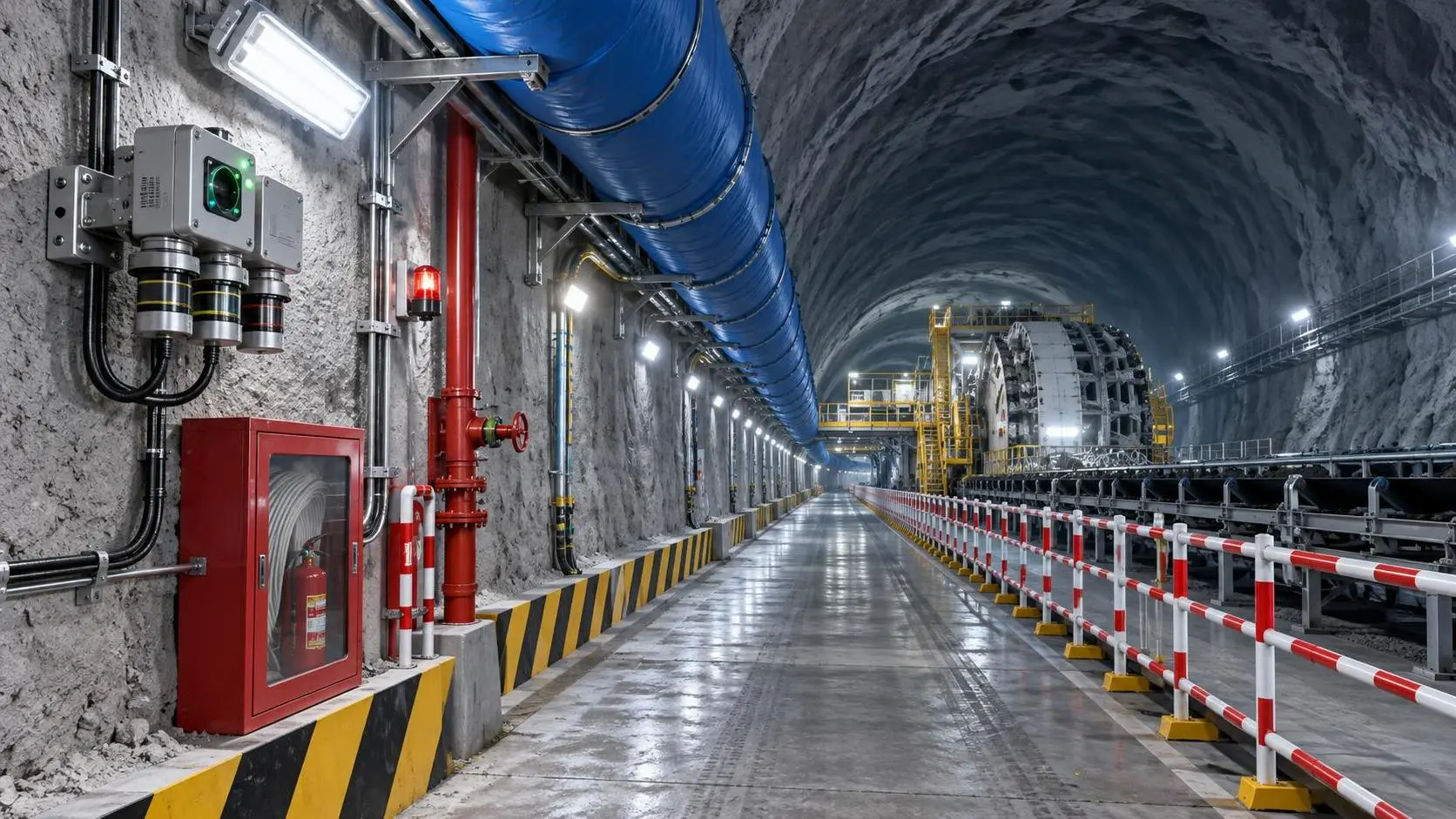
How to Select Underground Safety Equipment for Tunnelling by Hazard and Work Zone
Underground Safety Equipment for tunnelling: match protection to hazards, work zones, compliance, and emergency needs with this practical selection guide.
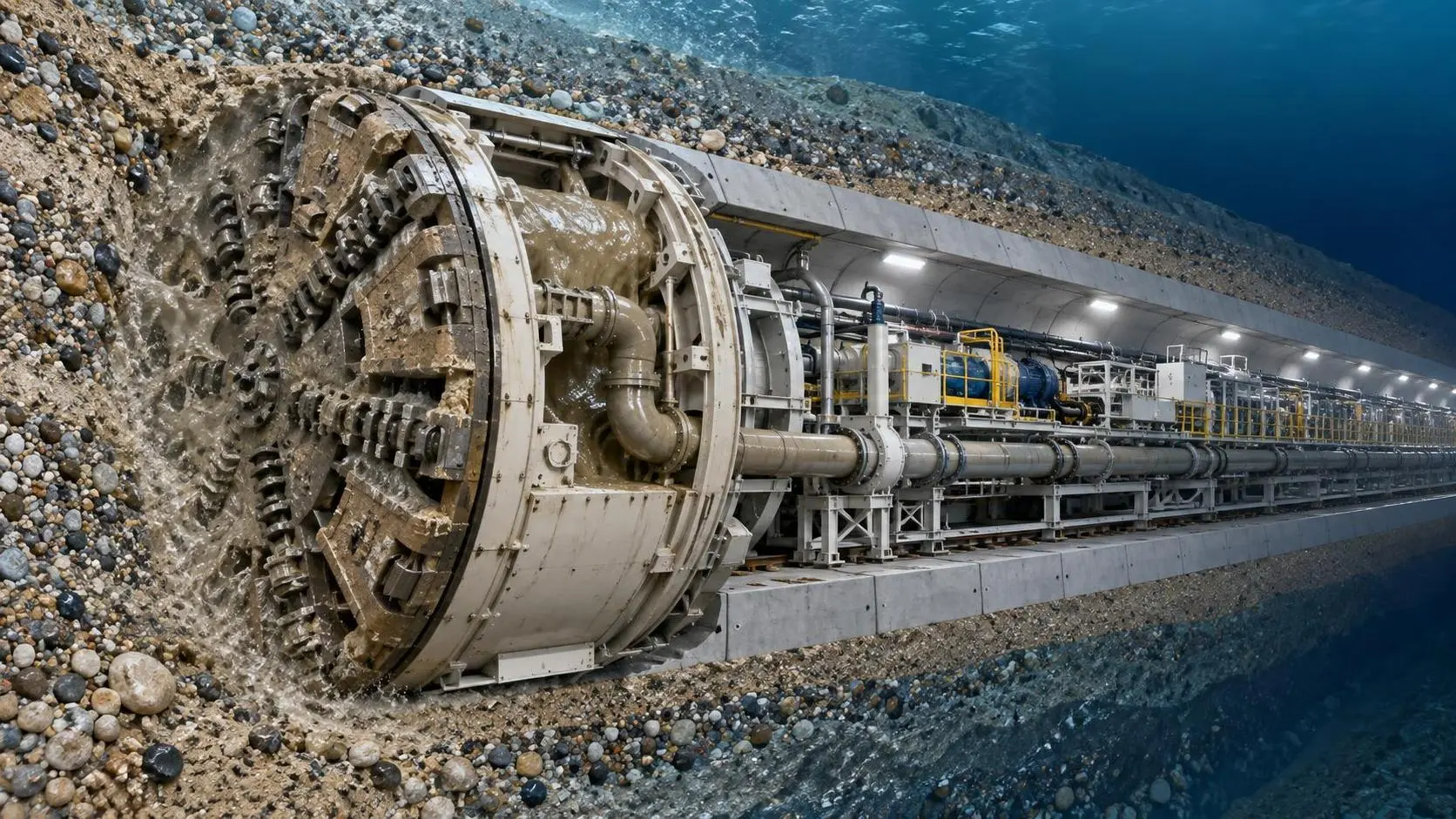
EPB or Slurry Shield? Selecting Soft-Ground Tunnelling Equipment by Soil Conditions
Tunnel Excavation Equipment for soft ground: compare EPB and slurry shields by soil, groundwater, settlement risk, and project logistics to choose confidently.
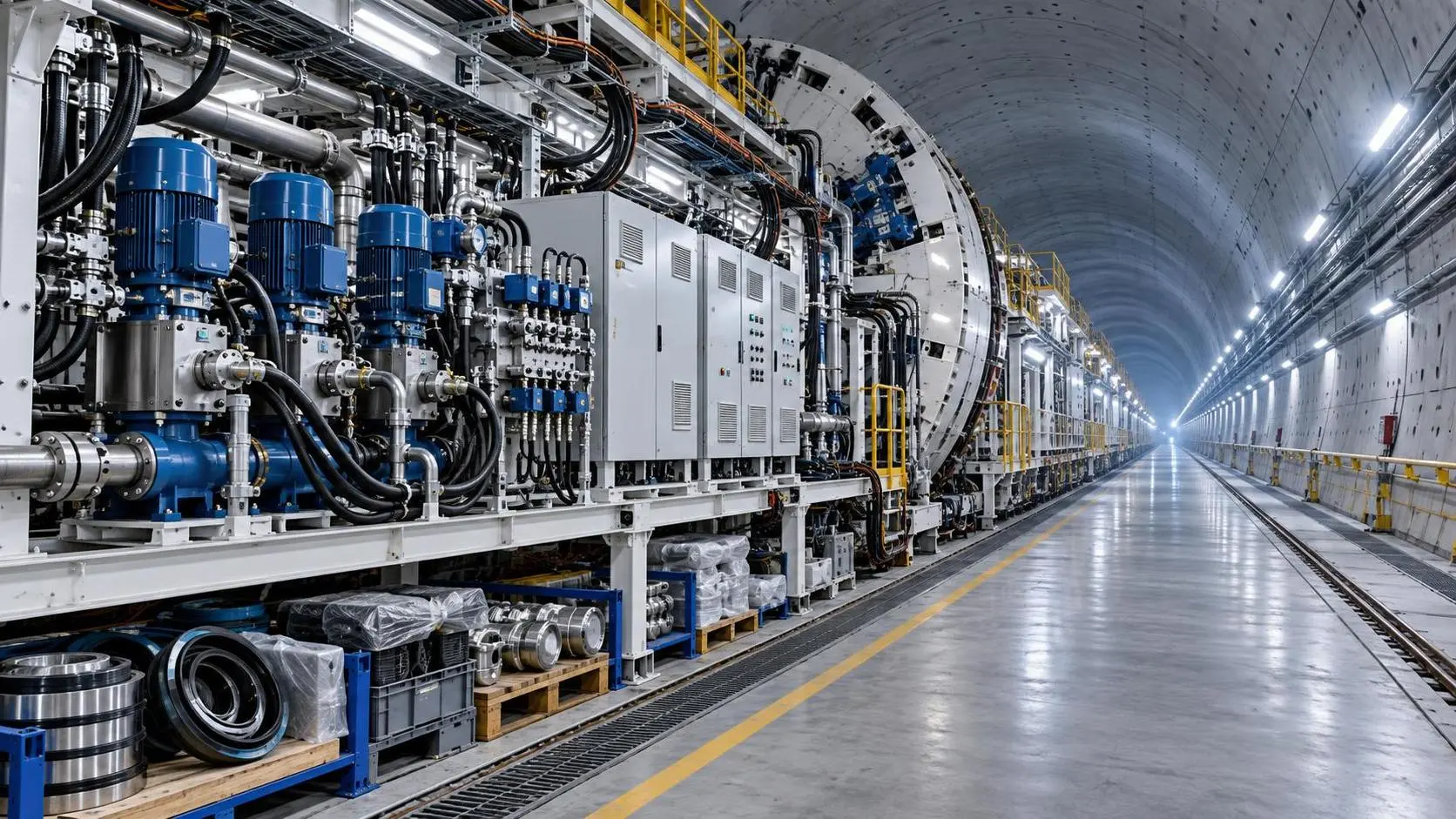
How to Specify TBM Backup System Parts for Reliable Long-Distance Tunnelling
TBM backup system parts: learn how to specify reliable spares for long-distance tunnelling, reduce downtime, ensure compatibility, and speed underground recovery.

How to Size Open Pit Mining Trucks for Haul Distance, Grade, and Payload?
Open Pit Mining Trucks: learn how to match payload, haul distance, grade, road resistance, and loading capacity for safer, lower-cost mine operations.
Related News
- 00
0000-00
How to Evaluate European Drill-and-Blast Tunnelling Contractors for Complex Projects - 00
0000-00
Which Trenchless Construction Technique Fits Your Utility Crossing Conditions? - 00
0000-00
What Is Driving Metro Tunnelling Demand Across Southeast Asia’s Major Cities? - 00
0000-00
Hard Rock Tunnelling in Australia: Selecting Methods for Variable Ground Conditions - 00
0000-00
Hydropower Tunnel Excavation: Selecting Methods for Variable Rock Conditions
Weekly Insights
Stay ahead with our curated technology reports delivered every Monday.