
TBM Excavation vs Drill and Blast: Which Method Fits Hard Rock Tunnels?





In hard rock tunnelling, the choice between TBM Excavation and drill and blast shapes far more than the excavation sequence. It influences advance certainty, ventilation design, labour intensity, asset utilization, and the long-term economics of the tunnel itself.
That decision has become more important as underground projects grow deeper, longer, and more automated. For projects tied to metro expansion, hydropower, rail links, mining access, or utility corridors, method selection now sits at the center of technical and commercial risk.
From UTMD’s industry perspective, this is also where equipment evolution matters most. Full-face boring systems, drilling jumbos, smart haulage, and low-emission underground operations are no longer separate topics. They are part of one integrated performance equation.
Why the comparison remains highly relevant
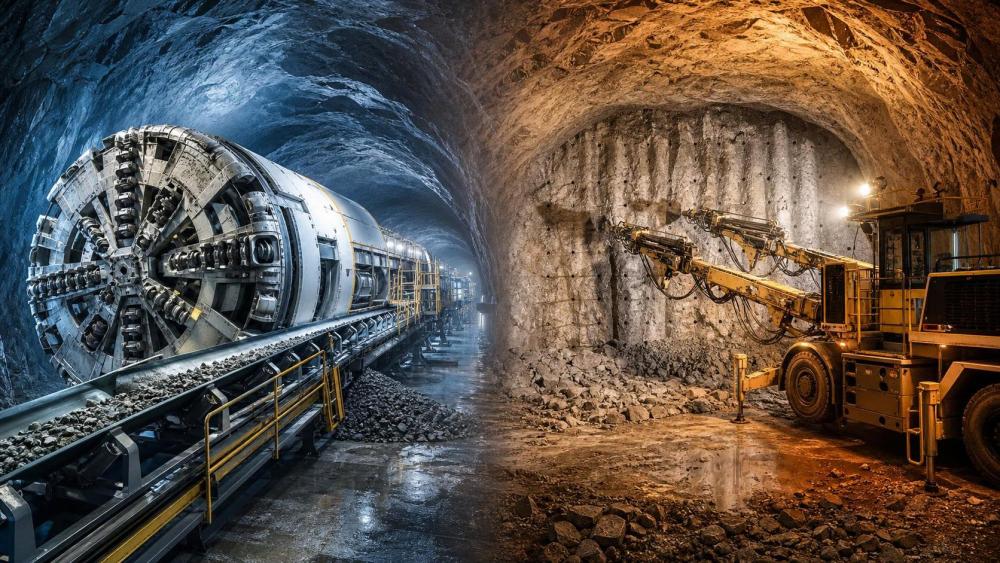
Hard rock tunnels rarely fail because of a single bad machine choice. Problems usually emerge when the excavation method does not match rock mass variability, alignment length, environmental limits, or downstream support logistics.
TBM Excavation is often associated with speed, continuous operation, and smoother tunnel geometry. Drill and blast is usually linked with flexibility, lower initial equipment commitment, and stronger adaptability in variable or disrupted geology.
Neither method is universally superior. The better option depends on where uncertainty sits: in the geology, in the schedule, in the supply chain, or in the operational model expected after breakthrough.
What TBM Excavation really means in hard rock
In practical terms, TBM Excavation is a full-face, mechanically driven process that cuts the entire profile at once. Disc cutters transfer high loads into the rock, while muck removal, guidance, support installation, and monitoring run in a coordinated system.
Its real value is not only excavation. It is process stability. When geology is reasonably predictable, a hard rock TBM can create a repeatable production rhythm that benefits planning, safety control, and interface management.
This is why TBM Excavation attracts attention in mega-projects. It connects mechanical performance, digital sensing, cutter wear behavior, ventilation demand, and segment or support strategy into one controllable framework.
Where drill and blast keeps its advantage
Drill and blast remains highly competitive in hard rock, especially where tunnel lengths are shorter or geology changes rapidly. It allows excavation patterns, charge design, and support decisions to be adjusted face by face.
That flexibility matters in faulted zones, mixed competence rock, cross passages, caverns, enlargements, and mine development headings. A jumbo-based cycle may be slower, but it can respond faster to local surprises.
In other words, drill and blast is not the old-fashioned fallback. In many projects, it is the method that best absorbs geological uncertainty without locking the job into a narrow operating window.
The technical trade-off is broader than advance rate
Advance rate is often the first comparison point, but it can be misleading. A TBM may show excellent average progress in uniform hard rock, yet lose time sharply if severe squeezing, fault gouge, or inflow conditions interrupt the system.
Drill and blast usually has a cyclical production pattern. However, the cycle is more modular. Drilling, charging, blasting, scaling, mucking, and support can be adapted without reengineering the entire excavation platform.
A more useful comparison looks at the full production chain.
That wider view is especially useful when the tunnel is part of a larger underground system involving battery equipment, remote monitoring, or ESG-driven emission targets.
Geology still makes the first decision
Hard rock is not one condition. Quartzite, granite, basalt, gneiss, and highly abrasive volcanic formations may all qualify as hard rock, yet they behave very differently under cutting or blasting.
For TBM Excavation, rock strength alone is not the main issue. More critical questions include abrasivity, joint spacing, blockiness, fault frequency, water inflow, and the likelihood of unstable transition zones.
A project with very hard but uniform rock can favor TBM Excavation despite high cutter wear. A project with moderate strength but severe discontinuities may create more risk for a full-face machine.
Drill and blast handles changing conditions better because the cycle can be tuned continuously. But that same flexibility can also bring more variation in overbreak, support demand, and downstream productivity.
Signals that often support TBM Excavation
- Long alignment with limited access points and stable tunnel diameter.
- Reasonably continuous geology with acceptable fault zone frequency.
- Strong need for predictable schedule and reduced surface disturbance.
- High value placed on smoother profiles and controlled lining interfaces.
- Project strategy aligned with automation, electrification, and lower underground emissions.
Signals that often support drill and blast
- Shorter tunnels, multiple headings, or complex underground layouts.
- High geological uncertainty, frequent intersections, or section changes.
- Need for staged excavation, caverns, niches, and irregular geometries.
- Capital constraints that make one large system less attractive.
- A logistics setup already built around jumbos, loaders, and blasting cycles.
Where industry priorities are shifting
Today’s comparison is no longer only mechanical. It also reflects digitalization, decarbonization, and workforce exposure. This is where UTMD’s broader underground view becomes useful.
TBM Excavation fits naturally with integrated sensing, automated guidance, cutter performance analytics, and structured maintenance planning. These capabilities matter when downtime costs are high and machine utilization must be protected.
At the same time, drill and blast is also becoming smarter. Modern jumbos, battery-electric underground loaders, connected haulage, and remote monitoring are reducing some of the traditional gap in visibility and control.
More worth noting is the pressure from ventilation and zero-exhaust goals. In confined underground spaces, cleaner operations affect not only compliance but also shift efficiency, thermal management, and worker access.
That means method choice increasingly interacts with the whole underground equipment ecosystem, from cutterhead or jumbo performance to LHD loading, dump cycles, and energy use.
How to evaluate method fit in real projects
A practical evaluation should avoid single-factor decisions. The better approach is to compare both methods across geological confidence, production logic, support demand, and project interfaces.
A useful review framework usually includes the following points.
- Rock mass model quality, including uncertainty around faults, water, and abrasivity.
- Required tunnel length, diameter, geometry stability, and access constraints.
- Support philosophy, including lining type, overbreak tolerance, and convergence expectations.
- Ventilation, emissions, and safety limits during excavation and mucking.
- Supply chain readiness for cutters, spares, explosives, jumbos, and skilled maintenance.
- Digital and automation goals, especially where project owners expect long-term operational intelligence.
When that framework is used honestly, TBM Excavation often emerges as the stronger option for long, consistent, high-throughput drives. Drill and blast often proves more resilient where the tunnel geometry or geology refuses to stay predictable.
A balanced conclusion for hard rock tunnels
TBM Excavation is not simply the advanced choice, and drill and blast is not simply the flexible one. Each method is a project system with its own risk profile, operating rhythm, and infrastructure requirements.
For hard rock tunnels, the better decision usually comes from matching method behavior to geological confidence, project scale, environmental expectations, and automation ambition. That is where the most durable value is created.
The next useful step is to build a side-by-side matrix for the specific alignment, then test both options against ground variability, logistics, ventilation, support, and lifecycle cost. Once those factors are visible, the right excavation method tends to become much clearer.
Related News
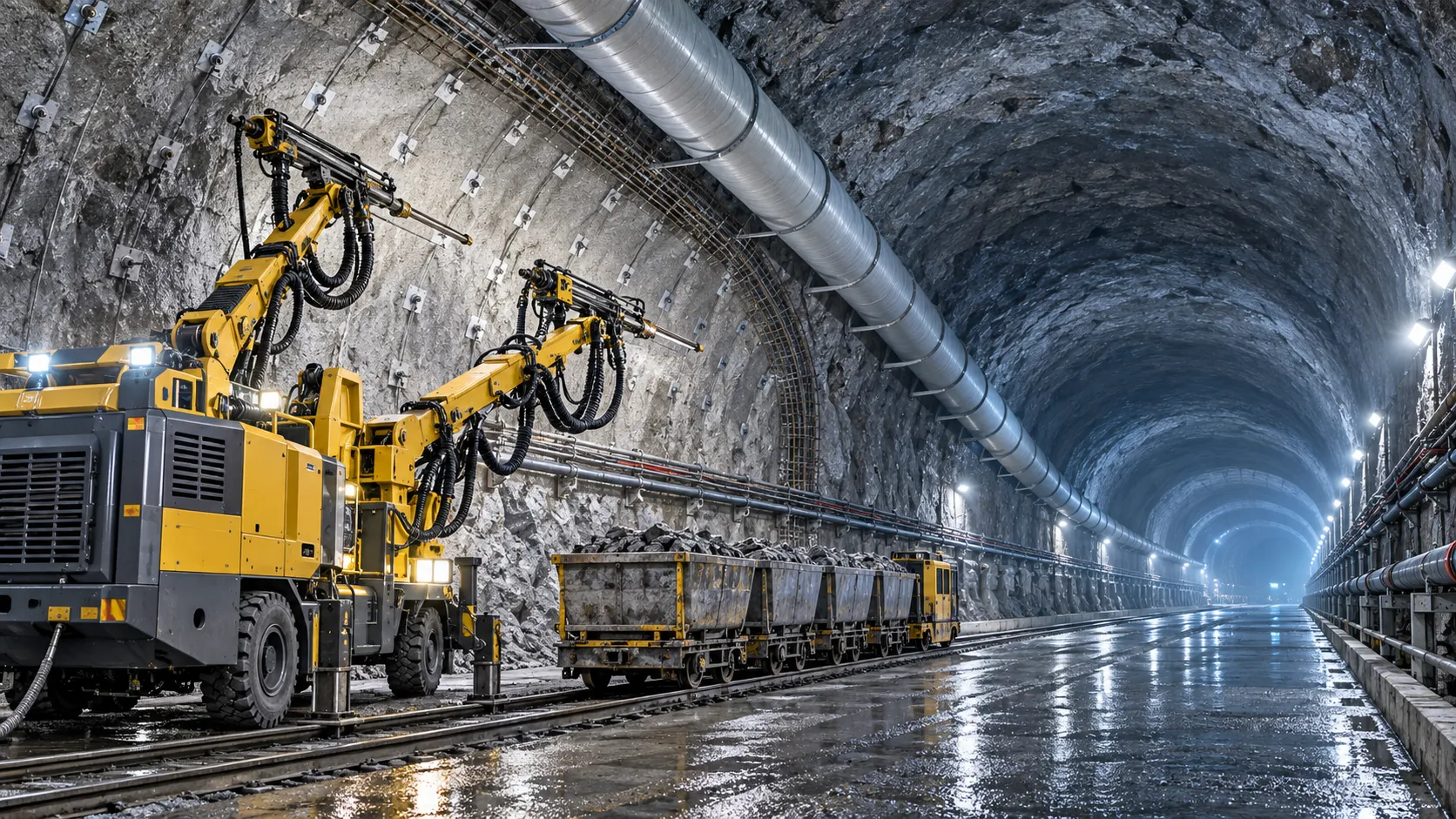
How to Evaluate European Drill-and-Blast Tunnelling Contractors for Complex Projects
Drill and blast tunnelling contractors Europe: learn how to assess geology expertise, blast control, equipment reliability, safety, and programme resilience for complex projects.
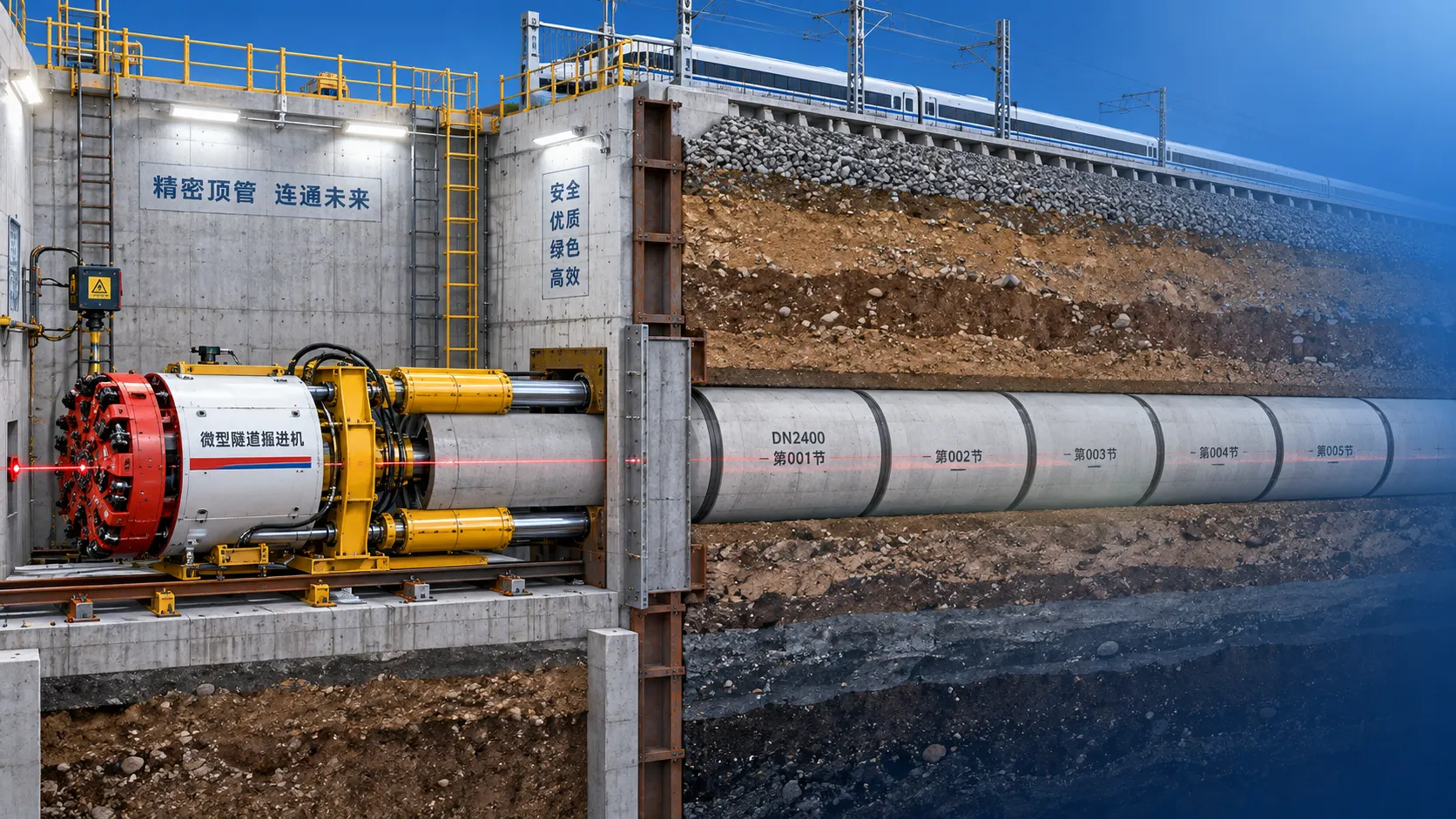
Which Trenchless Construction Technique Fits Your Utility Crossing Conditions?
Trenchless construction techniques compared for utility crossings: choose HDD, microtunnelling, pipe jacking, or auger boring based on ground, accuracy, access, and risk.
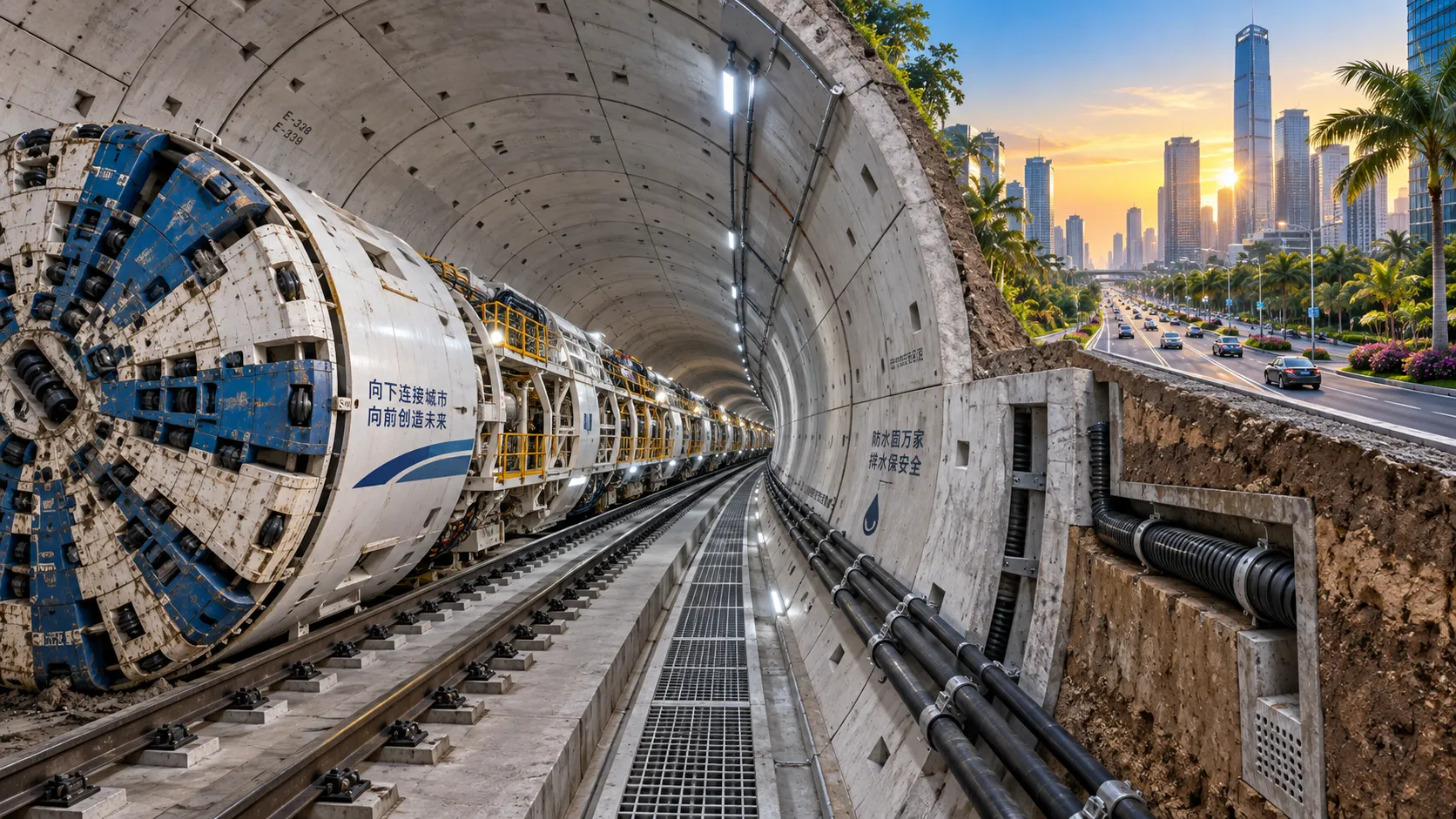
What Is Driving Metro Tunnelling Demand Across Southeast Asia’s Major Cities?
Metro tunnelling Southeast Asia is accelerating as major cities tackle congestion, flooding, and connectivity. Explore the market forces, technical risks, and opportunities shaping demand.
Hard Rock Tunnelling in Australia: Selecting Methods for Variable Ground Conditions
Hard rock tunnelling in Australia: compare TBM, drill-and-blast and hybrid methods to manage variable ground, reduce risk and protect project costs.
Hydropower Tunnel Excavation: Selecting Methods for Variable Rock Conditions
Hydropower tunnel excavation methods for variable rock conditions: compare TBM, drill-and-blast, and hybrid strategies to improve safety, progress, and project control.
How to Select Underground Safety Equipment for Tunnelling by Hazard and Work Zone
Underground Safety Equipment for tunnelling: match protection to hazards, work zones, compliance, and emergency needs with this practical selection guide.
EPB or Slurry Shield? Selecting Soft-Ground Tunnelling Equipment by Soil Conditions
Tunnel Excavation Equipment for soft ground: compare EPB and slurry shields by soil, groundwater, settlement risk, and project logistics to choose confidently.
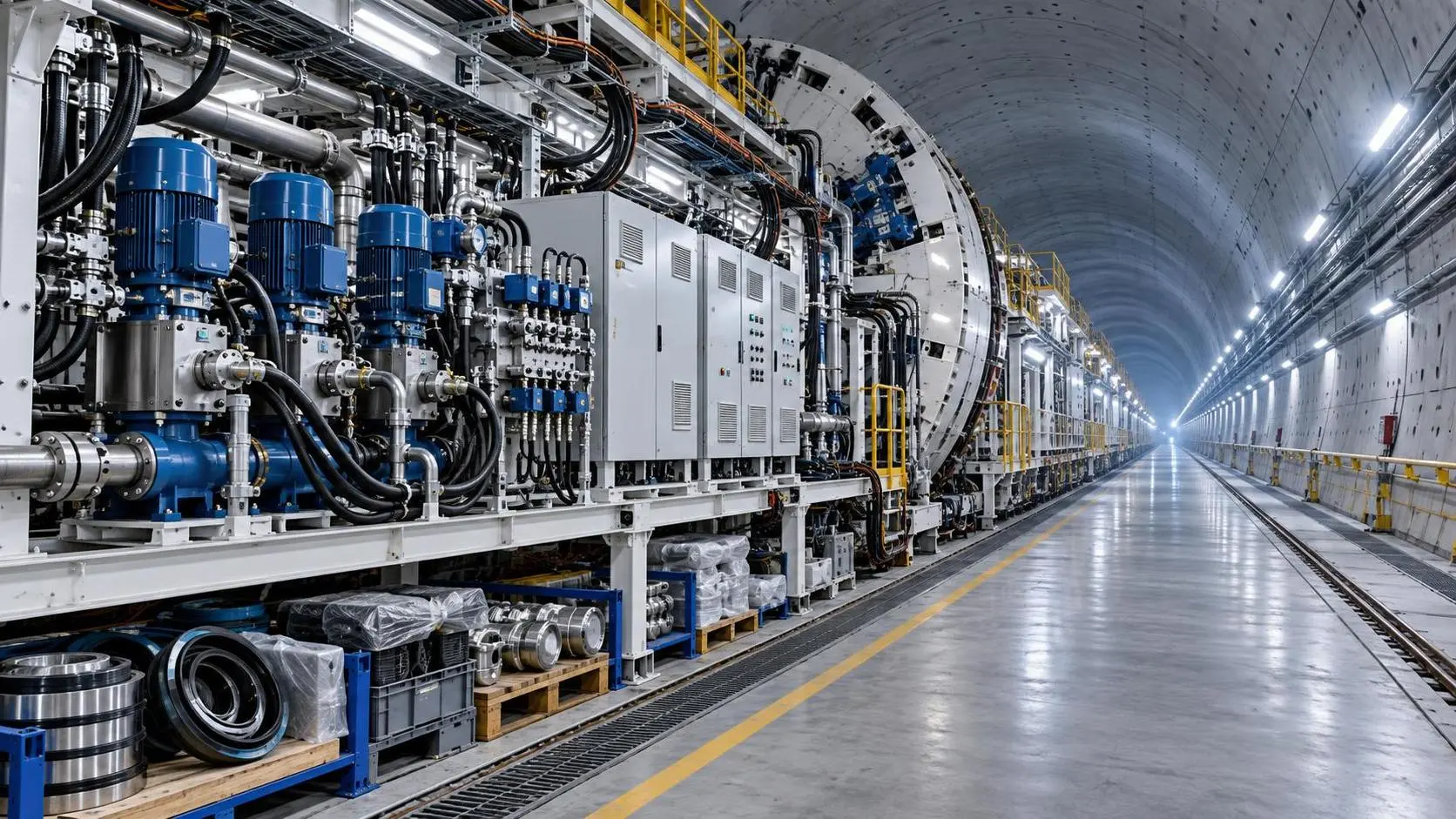
How to Specify TBM Backup System Parts for Reliable Long-Distance Tunnelling
TBM backup system parts: learn how to specify reliable spares for long-distance tunnelling, reduce downtime, ensure compatibility, and speed underground recovery.
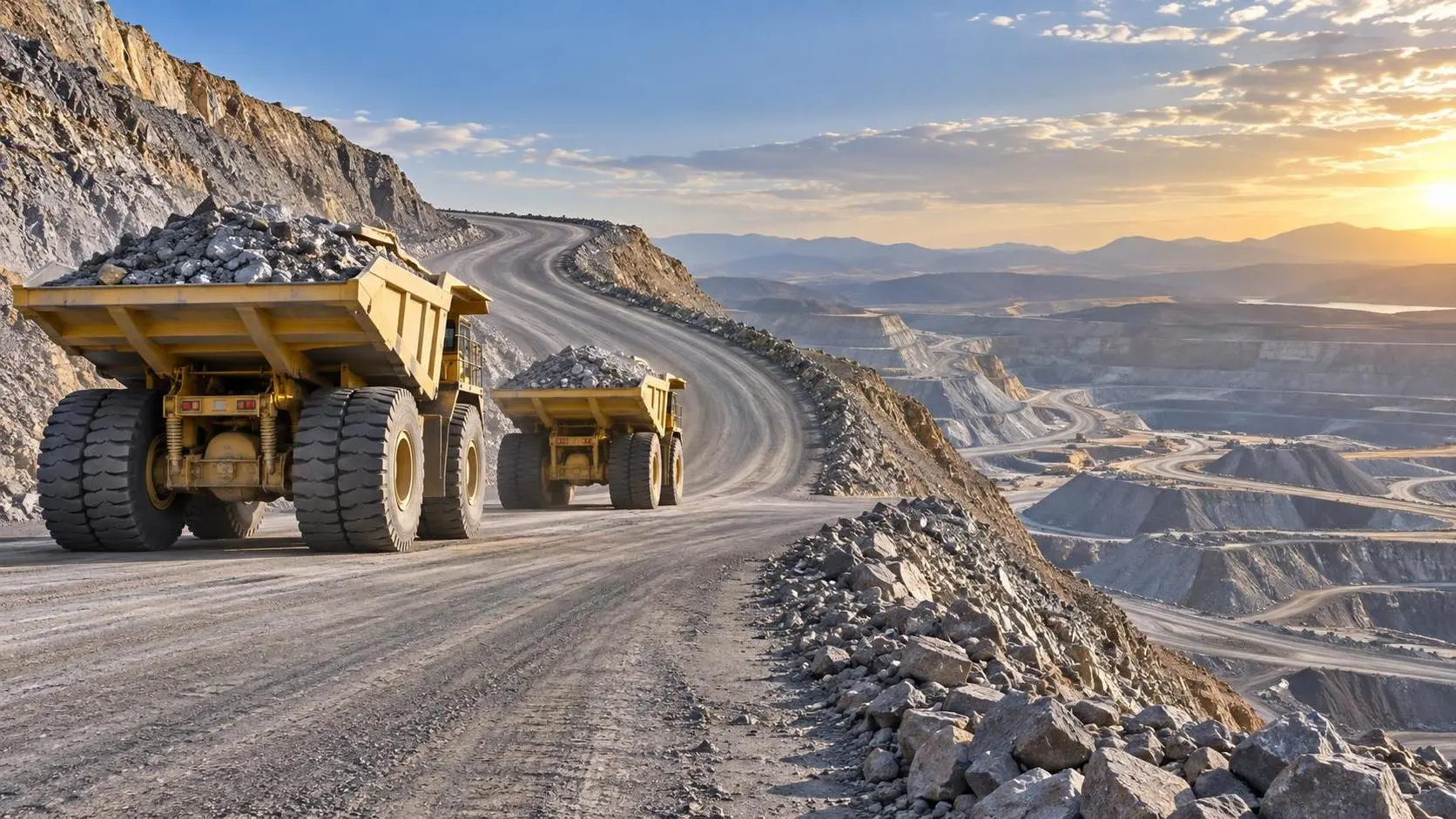
How to Size Open Pit Mining Trucks for Haul Distance, Grade, and Payload?
Open Pit Mining Trucks: learn how to match payload, haul distance, grade, road resistance, and loading capacity for safer, lower-cost mine operations.
Related News
- 00
0000-00
How to Evaluate European Drill-and-Blast Tunnelling Contractors for Complex Projects - 00
0000-00
Which Trenchless Construction Technique Fits Your Utility Crossing Conditions? - 00
0000-00
What Is Driving Metro Tunnelling Demand Across Southeast Asia’s Major Cities? - 00
0000-00
Hard Rock Tunnelling in Australia: Selecting Methods for Variable Ground Conditions - 00
0000-00
Hydropower Tunnel Excavation: Selecting Methods for Variable Rock Conditions
Weekly Insights
Stay ahead with our curated technology reports delivered every Monday.