
Tunnel Boring Machines Cost Breakdown: What Drives CAPEX, OPEX, and Project Risk





Why does Tunnel Boring Machines cost rarely match the sticker price?
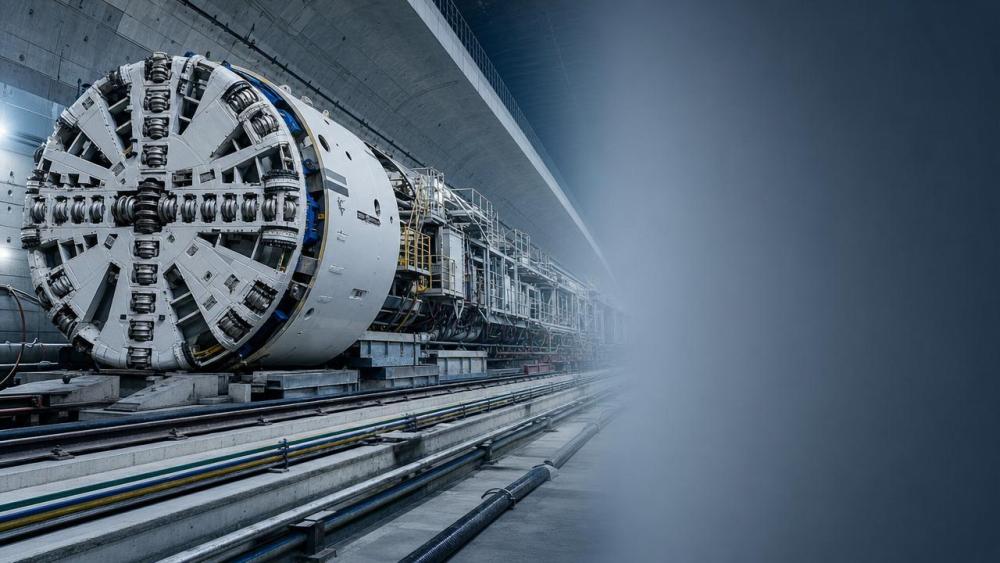
Tunnel Boring Machines cost is usually discussed as if one number explains everything. In practice, that number is only the visible entry point.
A TBM is a capital-intensive system, not a standalone machine. Cutterhead design, geology response, segment handling, backup systems, and site logistics all shape cost.
That is why similar tunnel lengths can produce very different budgets. The machine may look comparable, while the financial exposure is not.
In underground infrastructure, cost behavior changes with rock class, groundwater pressure, alignment curvature, launch constraints, and local supply chain maturity.
A useful starting point is to split Tunnel Boring Machines cost into three layers: CAPEX, OPEX, and delay-linked risk.
- CAPEX covers the machine, engineering, factory testing, transport, assembly, launch systems, and spare packages.
- OPEX includes power, cutter consumption, labor, maintenance, slurry or muck handling, and routine stoppages.
- Risk cost appears when geology surprises, utility conflicts, or schedule slippage push financing and contractor claims upward.
This broader view matters in sectors tracked by UTMD, where machine performance, electrification, and deep-space reliability increasingly determine asset value.
What usually drives CAPEX the most in a TBM project?
The biggest CAPEX driver is often machine type matched to ground conditions. Earth pressure balance, slurry, hard rock, and mixed-face designs carry different engineering demands.
When geology is predictable, specification can stay disciplined. When geology is uncertain, buyers tend to add redundancy, monitoring, and wear protection.
That raises upfront spend, but sometimes it prevents much larger losses later. The challenge is judging where protection becomes overdesign.
The main CAPEX blocks usually include:
- TBM body, cutterhead, drives, backup gantries, control systems, and segment erector.
- Ground investigation upgrades and design validation before final machine configuration.
- Factory acceptance testing, disassembly, international shipping, customs, and site assembly.
- Launch shaft works, power supply connection, ventilation, dewatering, and slurry circuits where required.
- Initial spare parts, disc cutters, condition monitoring tools, and commissioning support.
In many projects, logistics alone is underestimated. Oversized components can trigger route modification, special lifting plans, and expensive transport windows.
Another often missed point is digital architecture. Advanced sensing, remote diagnostics, and automation packages increase CAPEX, but they may stabilize production later.
UTMD frequently highlights this link between machine intelligence and underground productivity. In other words, control systems are no longer a minor add-on.
Where does OPEX really accumulate after the machine starts boring?
Once operations begin, Tunnel Boring Machines cost becomes a moving target. Daily cost depends on penetration rate, utilization, wear, and interruption frequency.
Cutter consumption is one of the clearest examples. In abrasive or fractured rock, cutter change intervals can shorten dramatically, affecting labor and downtime together.
Energy is another major line item. High installed power, pumping loads, ventilation, and spoil handling can materially change operating economics over long drives.
More commonly, OPEX overruns come from small recurring losses rather than one dramatic failure.
This is where life-cycle analysis becomes more useful than unit purchase comparison. A lower machine price can still produce higher total Tunnel Boring Machines cost.
How should project risk be priced when geology and delays are uncertain?
Risk pricing is often the weakest part of TBM budgeting. Yet it can have the biggest effect on return assumptions.
The most expensive risks are usually not hidden defects in the machine itself. They come from interface failures between design, ground reality, permits, utilities, and schedule logic.
For example, a delayed shaft handover may keep a completed machine idle. That converts CAPEX into stranded capital before excavation even begins.
Similarly, underestimated groundwater treatment can slow progress and trigger contract variation claims. Financing cost then rises alongside field cost.
A practical risk review should test these questions:
- How reliable is the geotechnical baseline, and where are the data gaps?
- Which assumptions govern penetration rate and utilization?
- How many weeks of float exist between machine delivery and launch readiness?
- What is the contingency logic for cutter wear, inflow, and intervention frequency?
- Are spare parts and specialist technicians available locally or only through long lead imports?
In actual approvals, it helps to convert these questions into scenario ranges instead of one average case. Base, stress, and disruption cases reveal funding resilience much better.
That approach also aligns with UTMD-style intelligence work, where equipment economics are interpreted together with technical friction, automation maturity, and operating environment.
Can two TBM options with similar purchase prices create very different lifecycle outcomes?
Yes, and this is where many decisions drift off course. Similar purchase prices do not mean similar value over the project horizon.
One machine may have stronger cutter monitoring, easier intervention access, and better automation for segment handling. Those features may shorten stoppages repeatedly.
Another may look cheaper once negotiated, but depend on slower maintenance cycles, imported spares, or less adaptable ground response settings.
Over a long tunnel, those operational differences can outweigh the initial discount.
When comparing options, the more useful view is:
- Cost per installed machine versus cost per reliable bored meter.
- Nominal power versus actual energy efficiency under expected geology.
- Supplier warranty scope versus realistic field service responsiveness.
- Automation level versus labor intensity and intervention safety.
- Delivery promise versus supply chain credibility and component origin.
This matters even more as underground sectors push electrification, digital monitoring, and lower-emission operations. Efficient systems may cost more upfront but reduce lifetime instability.
What mistakes most often distort Tunnel Boring Machines cost during approvals?
One common mistake is treating TBM procurement like standard heavy equipment purchasing. A TBM is a project-specific production platform with site-dependent behavior.
Another is relying on headline benchmarks from unrelated tunnels. Similar diameter does not mean similar geology, risk, or support cost.
It is also easy to underestimate interface costs outside the machine package. Power, shafts, treatment plants, segments, and disposal systems can shift economics sharply.
The final distortion is optimistic scheduling. A fast nominal advance rate means little if interventions, approvals, and logistics interruptions are ignored.
These corrections do not make approvals slower. Usually, they make them more defendable when actual field conditions begin to test the budget.
What should be reviewed next before confirming a TBM budget?
A sound next step is to build a decision sheet that links machine specification, geology, production assumptions, and contingency rules in one place.
That sheet should separate fixed CAPEX from operating variables, then show which items change most under stress scenarios.
It is equally useful to compare not only suppliers, but also support models, spare strategy, automation depth, and energy profile.
For many underground programs, the best answer is not the cheapest machine. It is the configuration that protects schedule, utilization, and reliability together.
That is also why market intelligence matters. Platforms like UTMD help connect cutter wear behavior, electrification trends, logistics realities, and project funding logic into one practical view.
If the next review focuses on lifecycle cost, ground-fit validation, and delay exposure, Tunnel Boring Machines cost becomes easier to judge with confidence rather than optimism.
Related News

How to Evaluate European Drill-and-Blast Tunnelling Contractors for Complex Projects
Drill and blast tunnelling contractors Europe: learn how to assess geology expertise, blast control, equipment reliability, safety, and programme resilience for complex projects.

Which Trenchless Construction Technique Fits Your Utility Crossing Conditions?
Trenchless construction techniques compared for utility crossings: choose HDD, microtunnelling, pipe jacking, or auger boring based on ground, accuracy, access, and risk.

What Is Driving Metro Tunnelling Demand Across Southeast Asia’s Major Cities?
Metro tunnelling Southeast Asia is accelerating as major cities tackle congestion, flooding, and connectivity. Explore the market forces, technical risks, and opportunities shaping demand.

Hard Rock Tunnelling in Australia: Selecting Methods for Variable Ground Conditions
Hard rock tunnelling in Australia: compare TBM, drill-and-blast and hybrid methods to manage variable ground, reduce risk and protect project costs.

Hydropower Tunnel Excavation: Selecting Methods for Variable Rock Conditions
Hydropower tunnel excavation methods for variable rock conditions: compare TBM, drill-and-blast, and hybrid strategies to improve safety, progress, and project control.

How to Select Underground Safety Equipment for Tunnelling by Hazard and Work Zone
Underground Safety Equipment for tunnelling: match protection to hazards, work zones, compliance, and emergency needs with this practical selection guide.

EPB or Slurry Shield? Selecting Soft-Ground Tunnelling Equipment by Soil Conditions
Tunnel Excavation Equipment for soft ground: compare EPB and slurry shields by soil, groundwater, settlement risk, and project logistics to choose confidently.

How to Specify TBM Backup System Parts for Reliable Long-Distance Tunnelling
TBM backup system parts: learn how to specify reliable spares for long-distance tunnelling, reduce downtime, ensure compatibility, and speed underground recovery.

How to Size Open Pit Mining Trucks for Haul Distance, Grade, and Payload?
Open Pit Mining Trucks: learn how to match payload, haul distance, grade, road resistance, and loading capacity for safer, lower-cost mine operations.
Related News
- 00
0000-00
How to Evaluate European Drill-and-Blast Tunnelling Contractors for Complex Projects - 00
0000-00
Which Trenchless Construction Technique Fits Your Utility Crossing Conditions? - 00
0000-00
What Is Driving Metro Tunnelling Demand Across Southeast Asia’s Major Cities? - 00
0000-00
Hard Rock Tunnelling in Australia: Selecting Methods for Variable Ground Conditions - 00
0000-00
Hydropower Tunnel Excavation: Selecting Methods for Variable Rock Conditions
Weekly Insights
Stay ahead with our curated technology reports delivered every Monday.