
Jinan Tunnel Opens Hard Rock TBM Data to Global Use





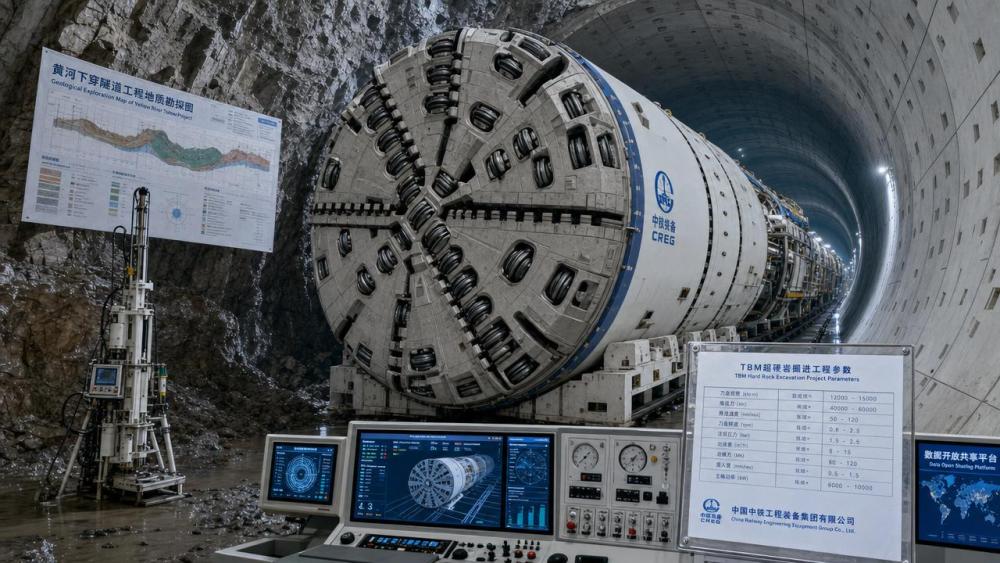
On June 8, 2026, the north line of the Jinan Hangtian Avenue tunnel beneath the Yellow River was completed using a 15.7-meter slurry shield, described as a modified Hard Rock TBM, through moderately weathered gabbro with uniaxial compressive strength of 260 MPa. The point that merits industry attention is not only the breakthrough itself, but the decision to release a full set of excavation parameters for free global access, including cutter wear rate, penetration rate, and a torque fluctuation model. From an industry perspective, this functions as a rule-of-practice signal for how performance evidence, technical validation, procurement review, and cross-border engineering collaboration around ultra-hard-rock TBM applications may be handled in future projects.
What Was Confirmed on June 8
The confirmed facts are limited and clear. The north shield tunnel line of the Jinan Hangtian Avenue crossing under the Yellow River was fully connected on June 8, 2026. The project used a 15.7-meter slurry shield identified as a modified Hard Rock TBM and crossed moderately weathered gabbro beneath the riverbed, with reported uniaxial compressive strength reaching 260 MPa.
It was also stated that China Railway Construction released a complete excavation parameter set covering cutter wear rate, penetration rate, and a torque fluctuation model. The parameter set is being made available free of charge to global TBM manufacturers and geological consultants. The stated effect is to accelerate engineering adaptation and validation cycles for Hard Rock TBMs in ultra-hard-rock scenarios such as copper mining in Chile and gold mining in South Africa.
Why This Matters for Technical Rules and Market Access
For TBM manufacturers, shared parameters may reshape bid evidence
Analysis shows that manufacturers of large-diameter TBMs may face a practical change in how technical capability is presented during specification alignment and project bidding. When a full parameter set is openly available, buyers and engineering advisers may increasingly expect machine suppliers to explain design suitability against disclosed wear, penetration, and torque behavior rather than rely only on general performance claims. What deserves closer attention is whether future technical documents, tender attachments, or owner-side reviews begin to reference comparable parameter-based evidence more directly.
For geological consultants, model review may become more document-driven
Geological consultants may be affected because open excavation data can become a reference point in rock-condition interpretation, risk screening, and engineering adaptation reviews. The impact is likely to appear in technical memoranda, advisory opinions, and design verification workflows. From a compliance and delivery perspective, consultants should watch whether clients begin requiring clearer traceability between geological assumptions and disclosed operating parameters in submitted reports.
For procurement teams, supplier comparisons may tighten
Procurement functions in underground works and mining projects may see more structured supplier evaluation if open parameter sets are used as a benchmark during prequalification or technical comparison. Observably, this does not automatically create a formal standard, but it may influence how purchasers review supporting documents, equipment suitability statements, and delivery commitments for ultra-hard-rock conditions. The practical issue is whether procurement files begin to require more detailed technical substantiation before award.
For cross-border project delivery, validation cycles may shorten but scrutiny may rise
Export-oriented engineering suppliers and service providers may benefit if open data reduces the time needed to assess application fit in overseas ultra-hard-rock scenarios. At the same time, stricter review may emerge around technical files, operating-condition declarations, after-sales capability, and quality traceability because shared parameters make comparisons easier. Analysis shows that the trade implication is less about tariff or customs change and more about technical due diligence in international project execution.
What Companies Should Track Next
Check whether technical tenders start citing disclosed parameters
Companies involved in TBM supply, component support, consulting, or project delivery should monitor whether future tender documents, owner requirements, or technical clarification rounds begin to incorporate references to cutter wear, penetration behavior, or torque fluctuation modelling. The current information does not confirm such adoption, so this remains a point to monitor rather than an established rule.
Prepare technical files for closer comparability review
Where firms serve ultra-hard-rock projects, it would be prudent to review how operating data, geological matching logic, equipment adaptation statements, and maintenance assumptions are documented. Analysis shows that once a public parameter set exists, counterparties may expect clearer and more comparable technical files during procurement review, expert consultation, or delivery negotiations.
Reassess supplier and service qualification materials
Suppliers of cutters, support systems, engineering services, and related aftermarket support should pay attention to whether qualification reviews start requesting stronger evidence on wear performance, field suitability, service response, or traceable engineering records. This is not yet a confirmed execution requirement, but it is a reasonable compliance and contract-risk watchpoint based on the information released.
Watch overseas adaptation claims with caution
The summary states that the release could accelerate validation cycles for applications such as copper mining in Chile and gold mining in South Africa. Companies should therefore be careful in how they frame marketing, export documentation, and project adaptation claims. Observably, faster validation does not mean automatic acceptance, and firms should continue to align statements with verifiable technical documents and project-specific review requirements.
How to Read the Signal at This Stage
From an industry perspective, this is better understood as an execution signal than as a formal regulatory change. The release of excavation parameters to global manufacturers and consultants points to a more open, data-based approach to engineering validation in extreme rock conditions. At the same time, no formal standard, mandatory certification rule, or procurement regulation was provided in the input. That means the market should pay attention to how owners, consultants, and suppliers translate this signal into tender language, technical review practice, and acceptance criteria.
Analysis shows that the most important question now is not whether the event changes the market overnight, but whether it gradually influences the evidence expected in design verification, supplier qualification, and cross-border project adaptation. That is why ongoing observation of technical documentation requirements and market feedback remains necessary.
What This Event Most Likely Represents
This development carries practical weight because it links a completed ultra-hard-rock crossing with an open release of operating parameters that other market participants can use. In neutral terms, it is more appropriate to understand this as a credible industry reference point and a possible precursor to tighter data-based review in procurement and engineering decisions, rather than a completed rule change with immediate universal effect.
For companies across equipment manufacturing, consulting, procurement, and project delivery, the sensible reading is to treat the event as a signal worth incorporating into document preparation, technical positioning, and future bid strategy, while continuing to watch for clearer execution rules and market adoption.
Basis of This Article and Ongoing Verification
This article is generated from the user-provided news title, event date, and event summary. The discussion is based on those inputs only and does not rely on additional unverified facts. For events of this type, commonly relevant source categories may include official announcements, regulatory publications, trade or customs authority updates, industry association releases, standards organization documents, and reporting by established media outlets.
No specific official source link was provided in the input, so the underlying official publication path still requires continued verification. What deserves closer attention next includes any follow-up policy detail, certification interpretation, tender-document changes, industry feedback, and evidence of how companies actually apply the released parameter set in procurement, compliance review, and project execution.
Related News
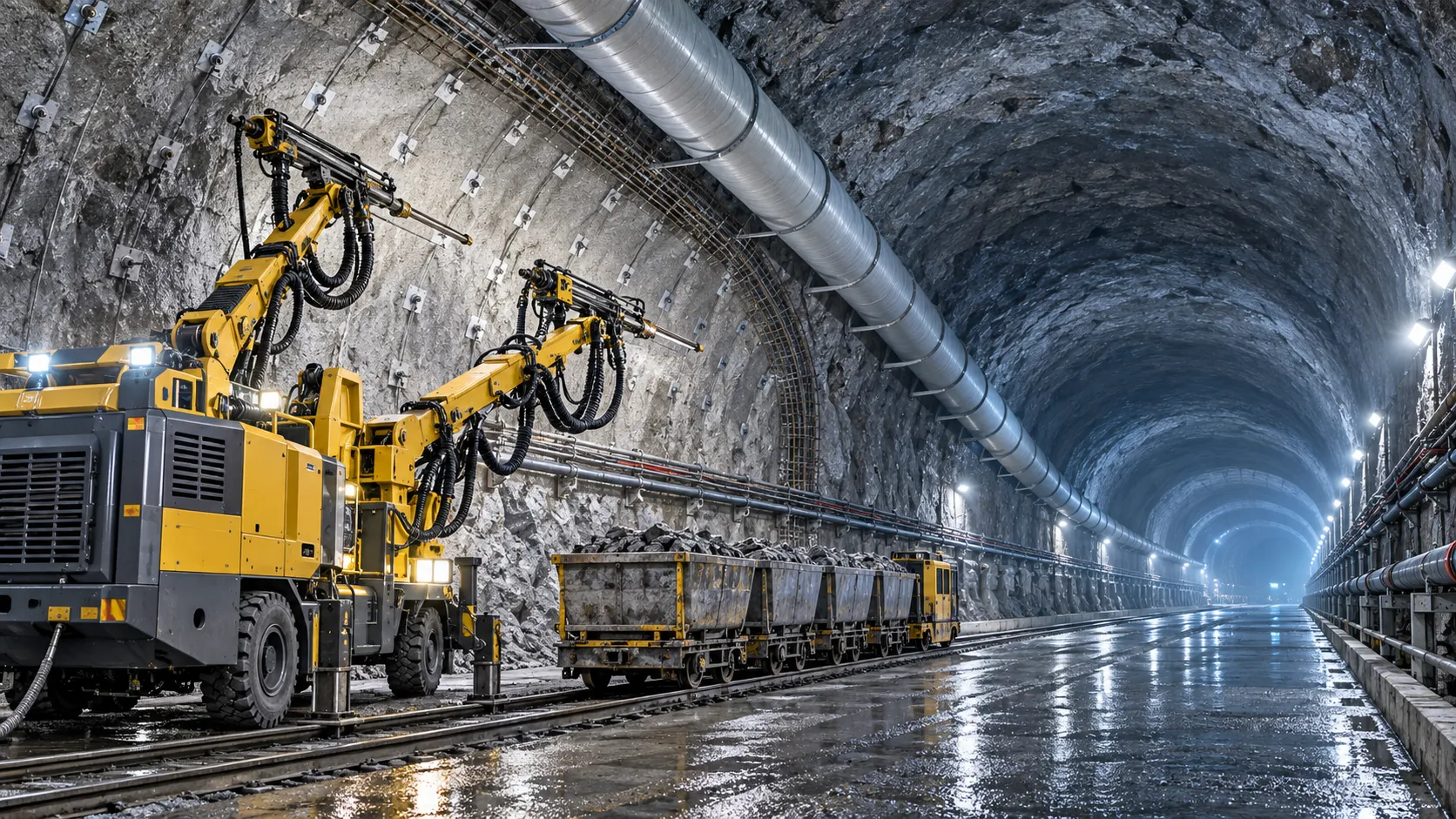
How to Evaluate European Drill-and-Blast Tunnelling Contractors for Complex Projects
Drill and blast tunnelling contractors Europe: learn how to assess geology expertise, blast control, equipment reliability, safety, and programme resilience for complex projects.
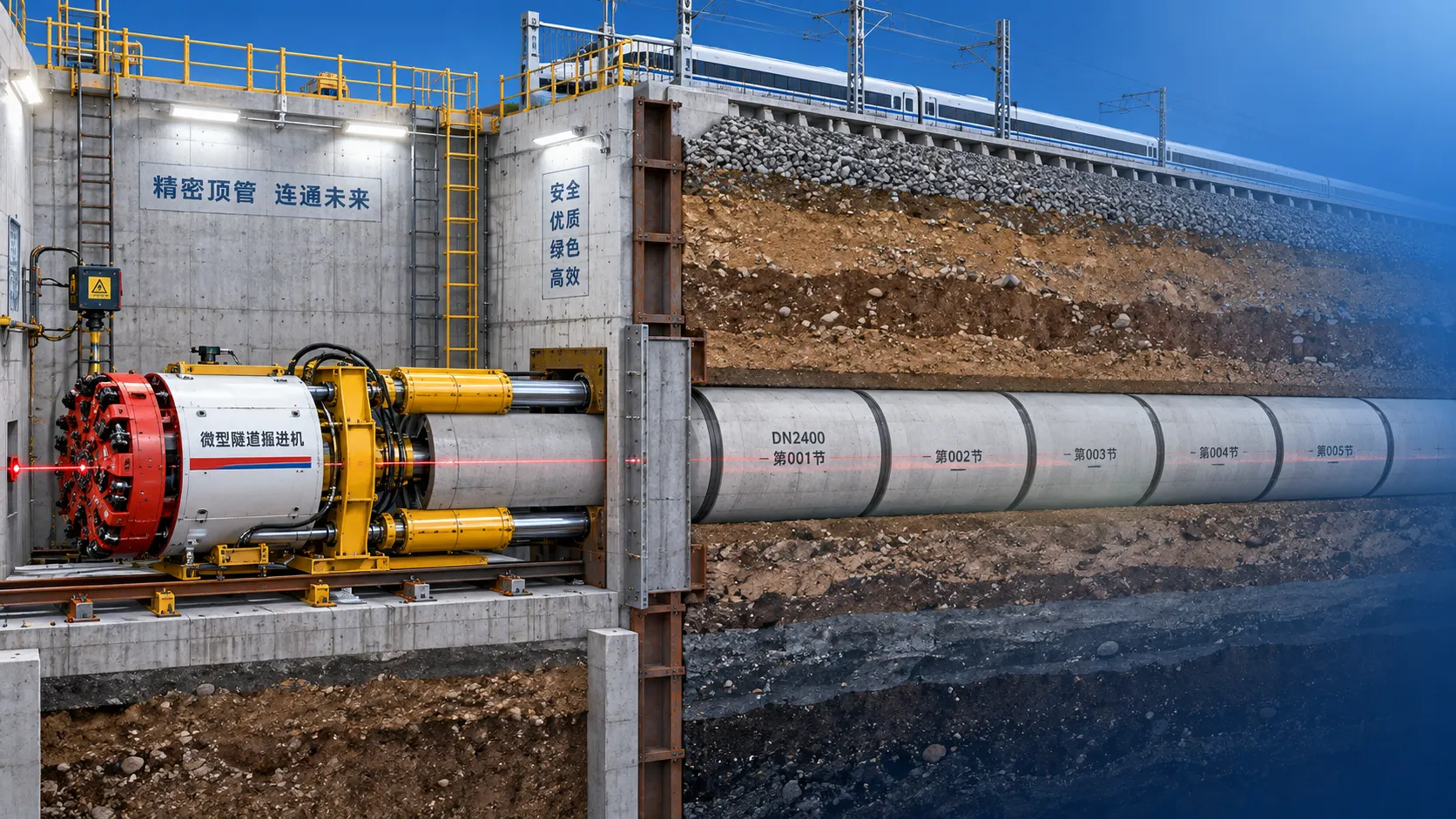
Which Trenchless Construction Technique Fits Your Utility Crossing Conditions?
Trenchless construction techniques compared for utility crossings: choose HDD, microtunnelling, pipe jacking, or auger boring based on ground, accuracy, access, and risk.

What Is Driving Metro Tunnelling Demand Across Southeast Asia’s Major Cities?
Metro tunnelling Southeast Asia is accelerating as major cities tackle congestion, flooding, and connectivity. Explore the market forces, technical risks, and opportunities shaping demand.
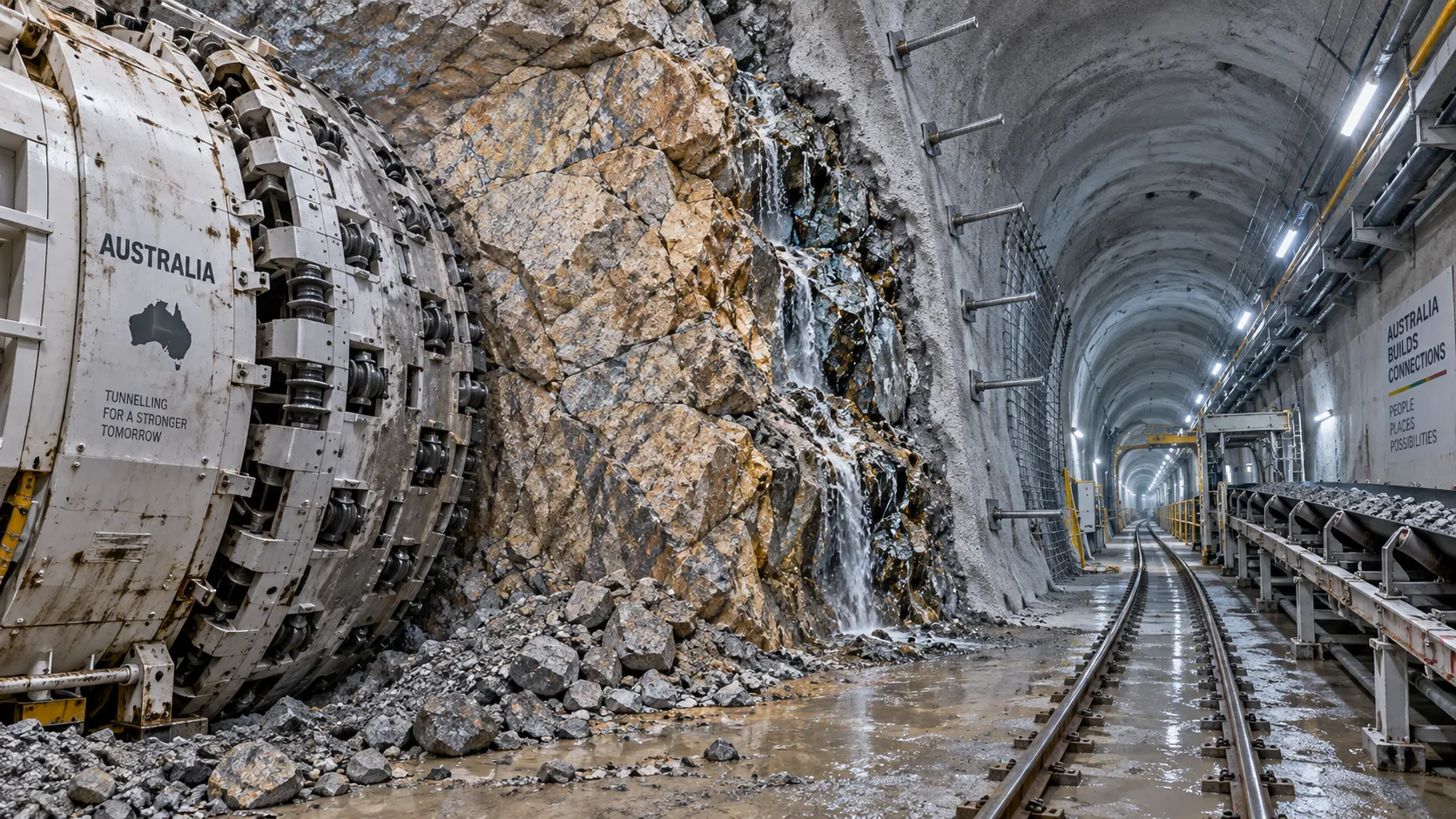
Hard Rock Tunnelling in Australia: Selecting Methods for Variable Ground Conditions
Hard rock tunnelling in Australia: compare TBM, drill-and-blast and hybrid methods to manage variable ground, reduce risk and protect project costs.
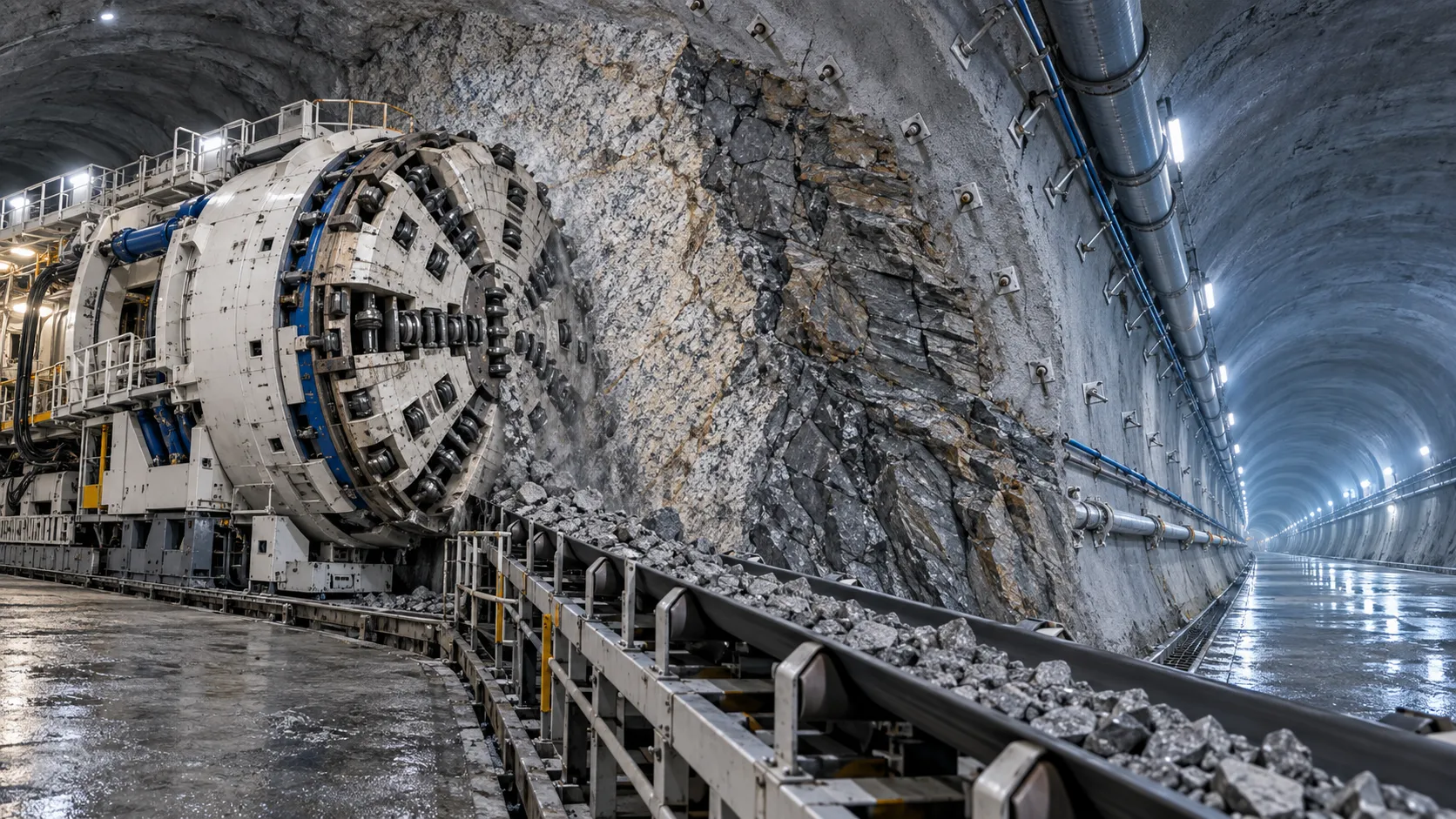
Hydropower Tunnel Excavation: Selecting Methods for Variable Rock Conditions
Hydropower tunnel excavation methods for variable rock conditions: compare TBM, drill-and-blast, and hybrid strategies to improve safety, progress, and project control.
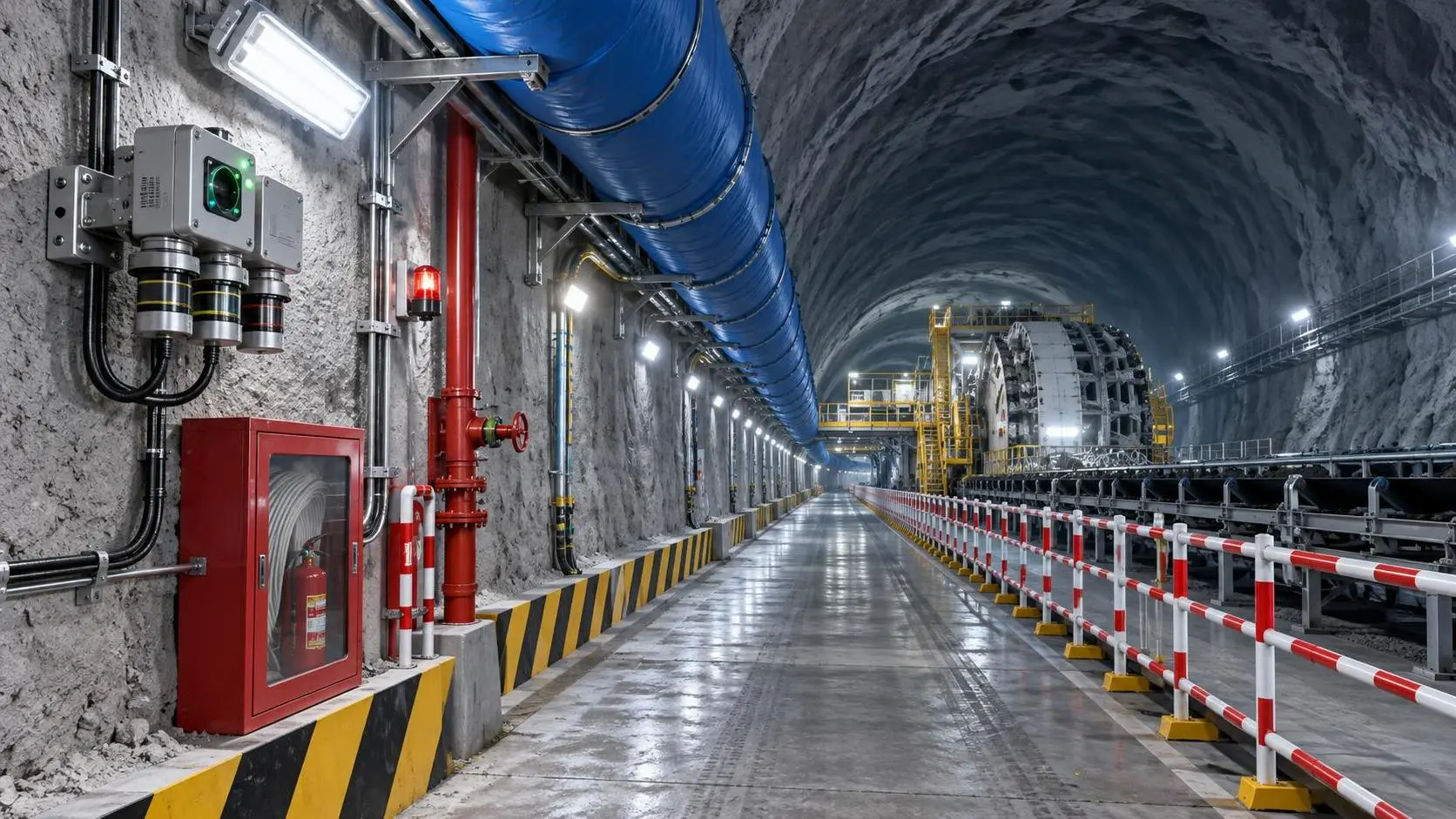
How to Select Underground Safety Equipment for Tunnelling by Hazard and Work Zone
Underground Safety Equipment for tunnelling: match protection to hazards, work zones, compliance, and emergency needs with this practical selection guide.
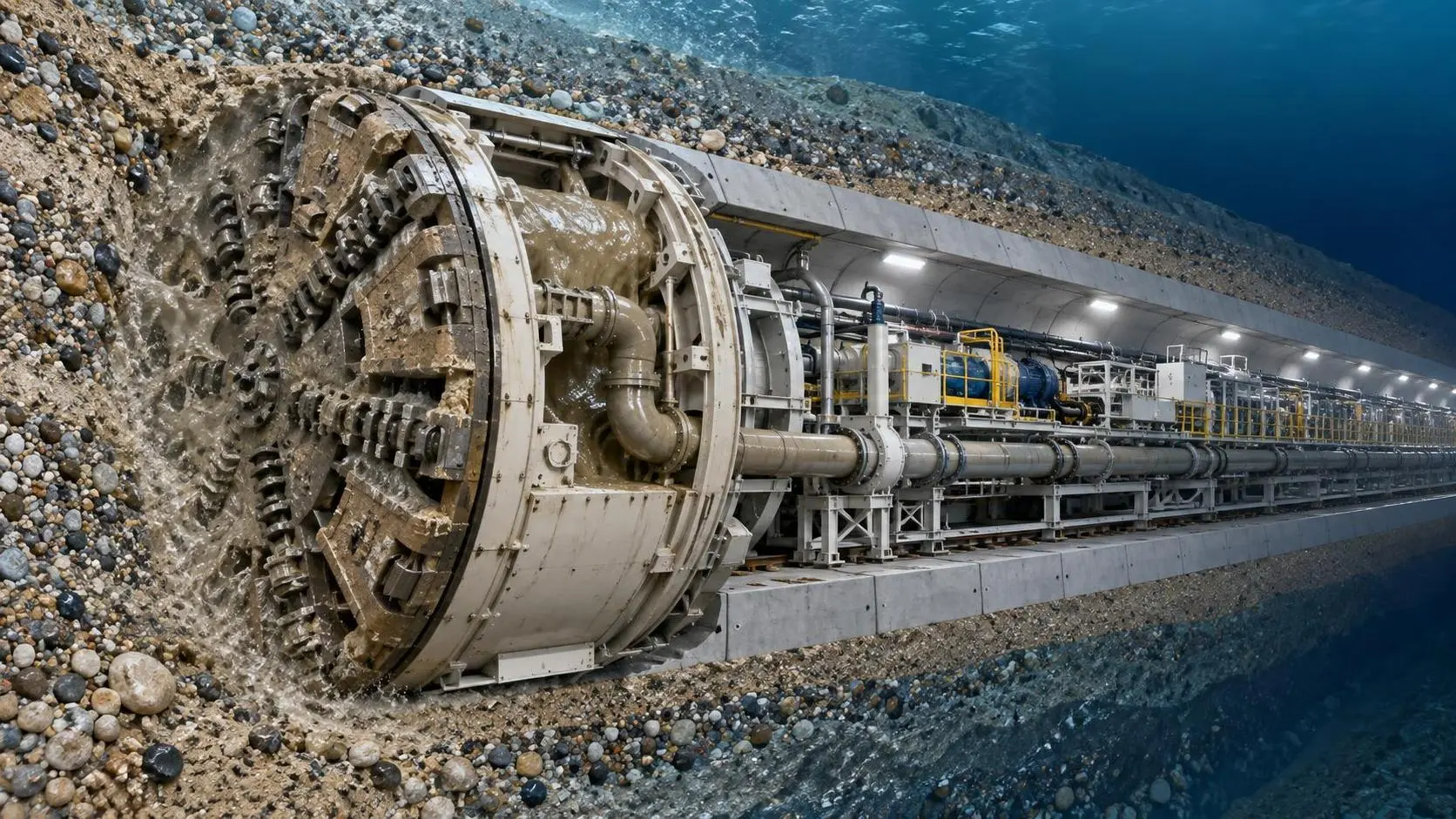
EPB or Slurry Shield? Selecting Soft-Ground Tunnelling Equipment by Soil Conditions
Tunnel Excavation Equipment for soft ground: compare EPB and slurry shields by soil, groundwater, settlement risk, and project logistics to choose confidently.
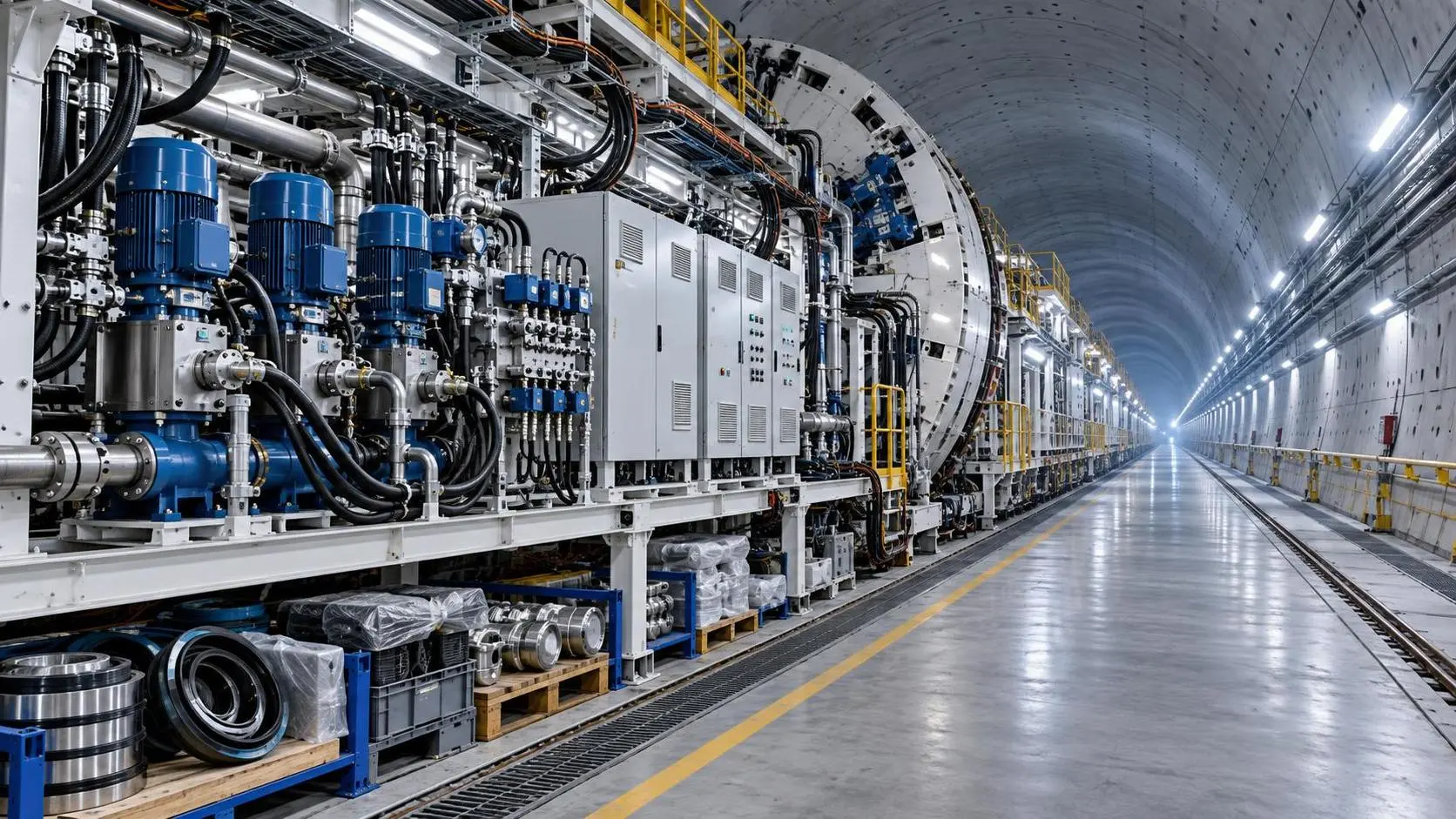
How to Specify TBM Backup System Parts for Reliable Long-Distance Tunnelling
TBM backup system parts: learn how to specify reliable spares for long-distance tunnelling, reduce downtime, ensure compatibility, and speed underground recovery.
How to Size Open Pit Mining Trucks for Haul Distance, Grade, and Payload?
Open Pit Mining Trucks: learn how to match payload, haul distance, grade, road resistance, and loading capacity for safer, lower-cost mine operations.
Related News
- 00
0000-00
How to Evaluate European Drill-and-Blast Tunnelling Contractors for Complex Projects - 00
0000-00
Which Trenchless Construction Technique Fits Your Utility Crossing Conditions? - 00
0000-00
What Is Driving Metro Tunnelling Demand Across Southeast Asia’s Major Cities? - 00
0000-00
Hard Rock Tunnelling in Australia: Selecting Methods for Variable Ground Conditions - 00
0000-00
Hydropower Tunnel Excavation: Selecting Methods for Variable Rock Conditions
Weekly Insights
Stay ahead with our curated technology reports delivered every Monday.