
China’s Commerce Ministry and Customs Announce Export Controls on Tunnel Boring Machines





On October 19, 2026, China’s Ministry of Commerce and General Administration of Customs jointly announced export controls covering full-face tunnel boring machines and other items, with the requirements scheduled to take effect on November 18, 2026. According to the supplied information, exports of covered items will require a license. From an industry perspective, the change could affect equipment manufacturers, exporters, overseas buyers and engineering contractors by making export licensing a consideration in procurement and delivery planning.
Export Licensing Scheduled to Begin on November 18
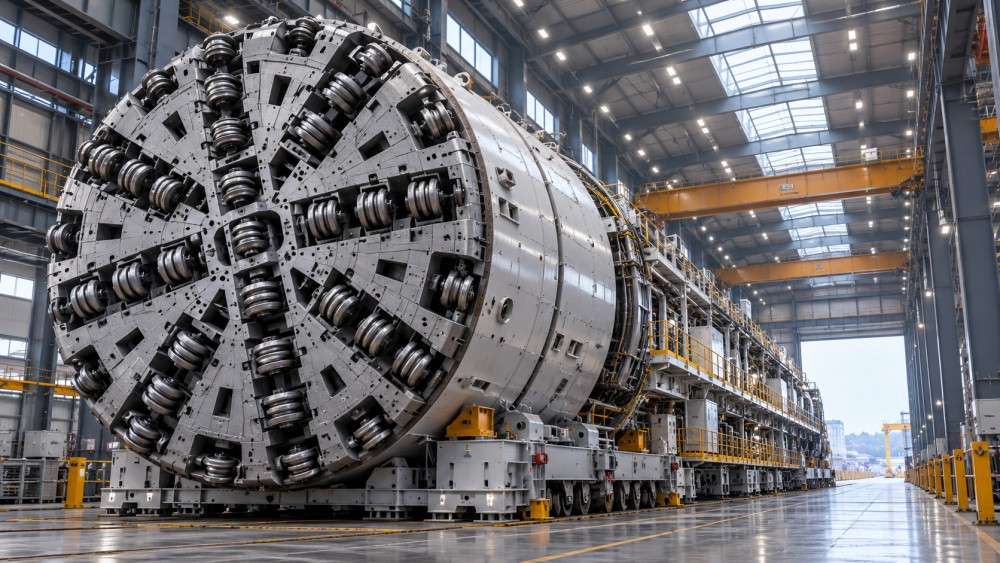
The supplied event summary states that the two authorities issued Announcement No. 50 of 2026 on October 19, 2026. The announcement introduces export controls on full-face tunnel boring machines, including earth pressure balance shield machines, slurry balance shield machines and other types of shield machines, as well as other items.
The requirements are scheduled to take effect on November 18, 2026, and relevant exports will require license applications in accordance with the law. The Ministry of Commerce stated that the measure complies with applicable laws and regulations and is consistent with international practice.
Licensing Could Influence Equipment Orders and Project Schedules
Manufacturers and exporters may need earlier compliance reviews
Analysis suggests that manufacturers and exporters handling potentially covered equipment may need to assess licensing implications earlier in the sales process. Product selection, quotations and proposed shipment dates could require closer coordination between commercial, technical and compliance teams. The practical issue is whether the equipment falls within the controlled scope and how the applicable licensing requirements affect a particular export.
As a preparation measure, businesses could review their technical descriptions and transaction records for consistency. The supplied summary does not specify application documents or assessment criteria, so any documentation plan would need to be checked against the official requirements.
Buyers and contractors may need to revisit delivery assumptions
From a procurement perspective, buyers and engineering contractors sourcing covered machines could face additional uncertainty when coordinating equipment availability with construction schedules. Licensing may become a factor in evaluating supplier delivery commitments, although the supplied information does not establish processing times or confirm that shipments will be delayed.
Analysis suggests that procurement discussions could usefully distinguish the supplier’s production schedule from the anticipated export process. This would help project teams identify which delivery assumptions depend on licensing and which depend on manufacturing or transport arrangements.
Logistics coordination may depend on clearer shipment information
Supply chain service providers could also be affected where they arrange shipments of covered equipment. As a practical recommendation, exporters and logistics partners could confirm the applicable licensing position before committing to shipment arrangements. The supplied information does not establish detailed customs procedures or the treatment of individual transactions.
Preparing Transactions Around the Effective Date
Check product coverage against the official text
As a compliance recommendation, companies could compare the technical characteristics of equipment intended for export with the scope defined in the official announcement. The supplied summary identifies several machine categories but does not reproduce the complete controlled-item list or any detailed technical parameters. It therefore provides a basis for identifying potentially affected business, while individual product assessments require further verification.
Review orders that may extend beyond November 18
Analysis suggests that businesses could review planned shipments and open orders whose delivery schedules extend to or beyond the stated effective date. The purpose would be to identify transactions requiring closer assessment and to clarify responsibilities for licensing-related preparation.
The supplied information does not explain how existing contracts, pending shipments or applications submitted around the effective date will be handled. Companies should seek confirmation of those points before assuming that a particular transaction benefits from transitional treatment.
Align technical records and commercial commitments
As an operational recommendation, exporters and buyers could check that equipment descriptions, specifications and contractual delivery assumptions are consistent. Clear records may support subsequent compliance review and reduce avoidable misunderstandings between suppliers, customers and service providers. This is a preparation suggestion; the input does not establish a prescribed document package.
Track licensing guidance before revising commitments
Companies could monitor official information on application procedures, supporting materials and implementation arrangements. Analysis suggests that these details will be relevant to judging whether procurement plans or delivery commitments need adjustment. The supplied summary provides no basis for estimating approval times, approval outcomes or the scale of any resulting delivery disruption.
An Announced Requirement With Execution Details Still to Verify
Editorial analysis: the supplied information describes an announced export-control requirement with a specified effective date. It is therefore appropriate to treat the development as a concrete compliance planning issue. Its transaction-level effects, however, remain dependent on the detailed scope and implementation arrangements.
What deserves closer attention is how the licensing requirement will apply to particular equipment and export transactions. Official clarification and subsequent implementation feedback could help businesses assess the implications for order acceptance, shipment scheduling and customer communication.
The supplied information does not support conclusions about a general export ban, a quantified reduction in equipment availability or a confirmed change in market demand. Such conclusions would require additional evidence.
Make Licensing a Defined Part of Delivery Planning
From an industry perspective, the central implication is that exports of covered tunnel boring machines will require a licensing step under the announced measure. A proportionate business response would be to identify potentially affected equipment and transactions, verify the applicable requirements and review delivery assumptions with the parties involved.
At this stage, the development is best understood as an announced rule change requiring preparation, with its broader commercial effects still to be assessed through verified implementation information and industry feedback.
Basis of Reporting and Points for Continued Verification
This article is based solely on the news title, event date and event summary supplied by the user. References to the announcement, its scope, effective date and the Ministry of Commerce’s statement reflect that supplied material. Industry implications and suggested business responses are presented as analysis rather than confirmed outcomes.
No specific official source link was provided in the input. The announcement and its details therefore require continued verification against official publications from the Ministry of Commerce and the General Administration of Customs. Further points to monitor include the complete controlled-item scope, licensing procedures, arrangements around the effective date, trade implementation and feedback from affected businesses.
Related News
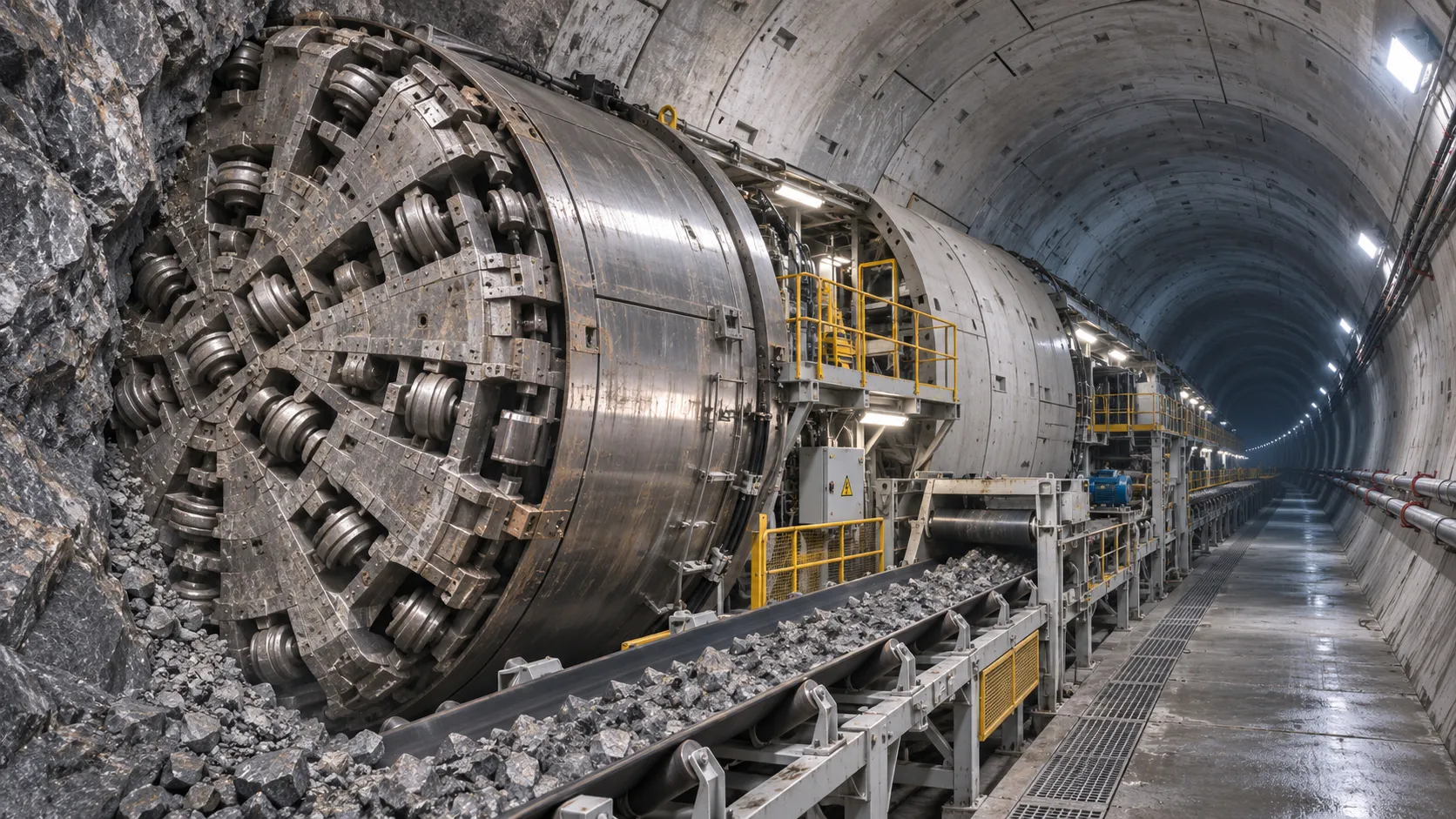
How TBM Excavation Works in Rock and Soft Ground: A Practical Guide
TBM Excavation in rock and soft ground explained: compare machine types, ground support, spoil removal, and the factors that guide smarter project planning.
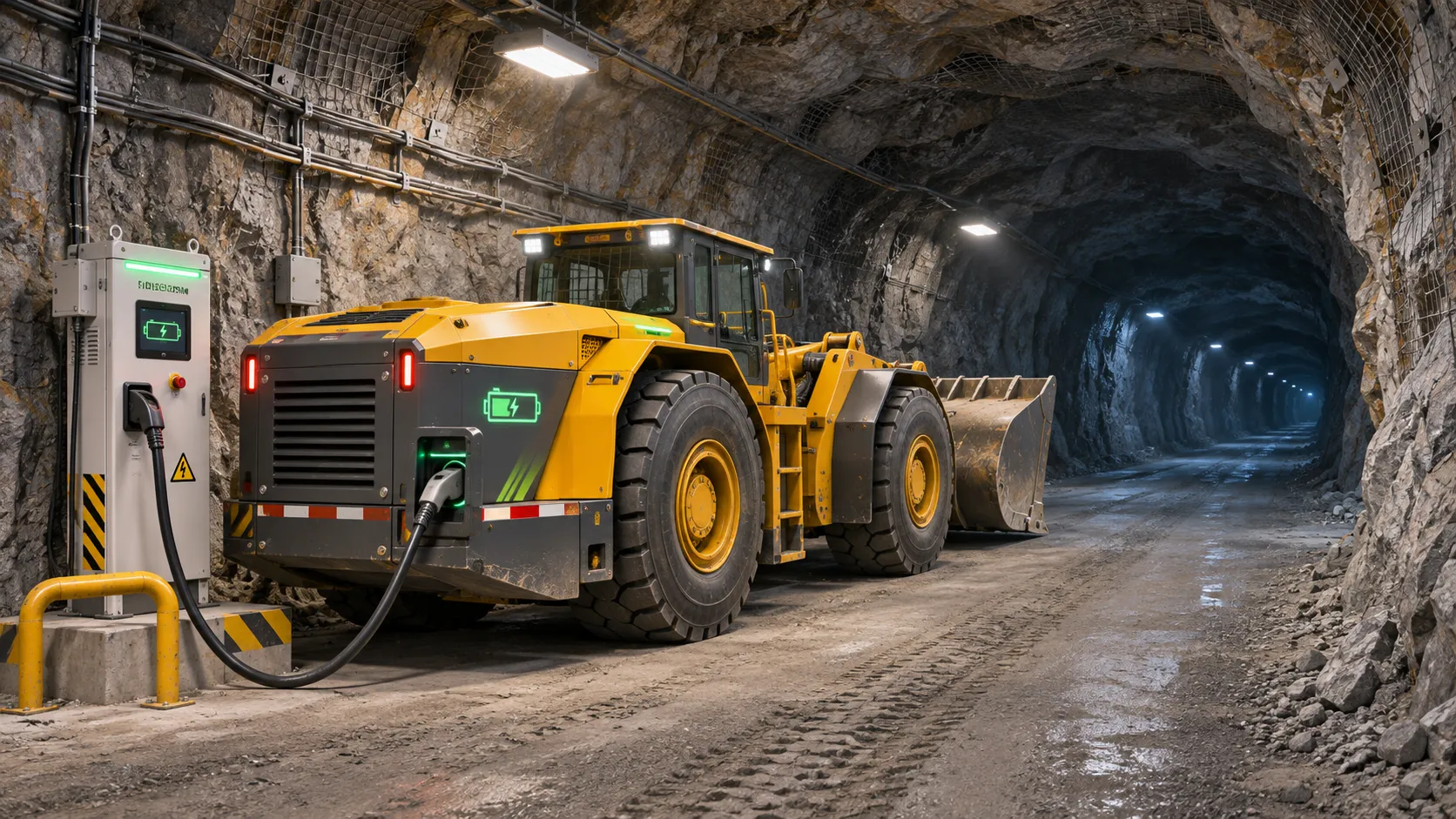
Choosing a Zero-Emission Underground Equipment Supplier: What to Check
Choosing a zero emission underground equipment supplier? Compare duty-cycle performance, charging, safety, total costs and support before you commit.
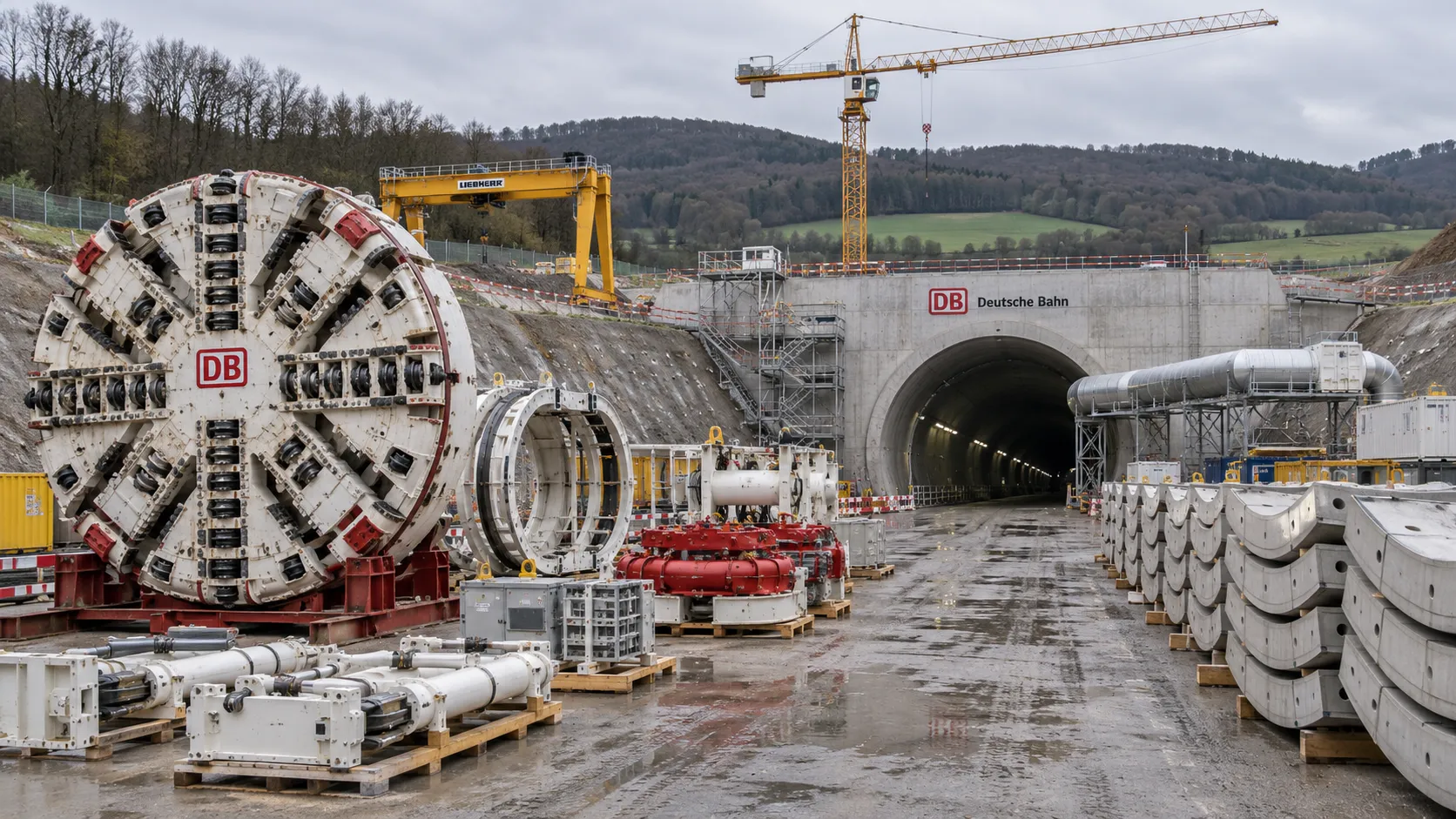
Construction Starts on Germany's Pfaffensteig Rail Tunnel, With Two TBMs Planned
Pfaffensteig rail tunnel construction is underway in Germany. Discover how two planned TBMs will support the 11-kilometre project near Stuttgart.
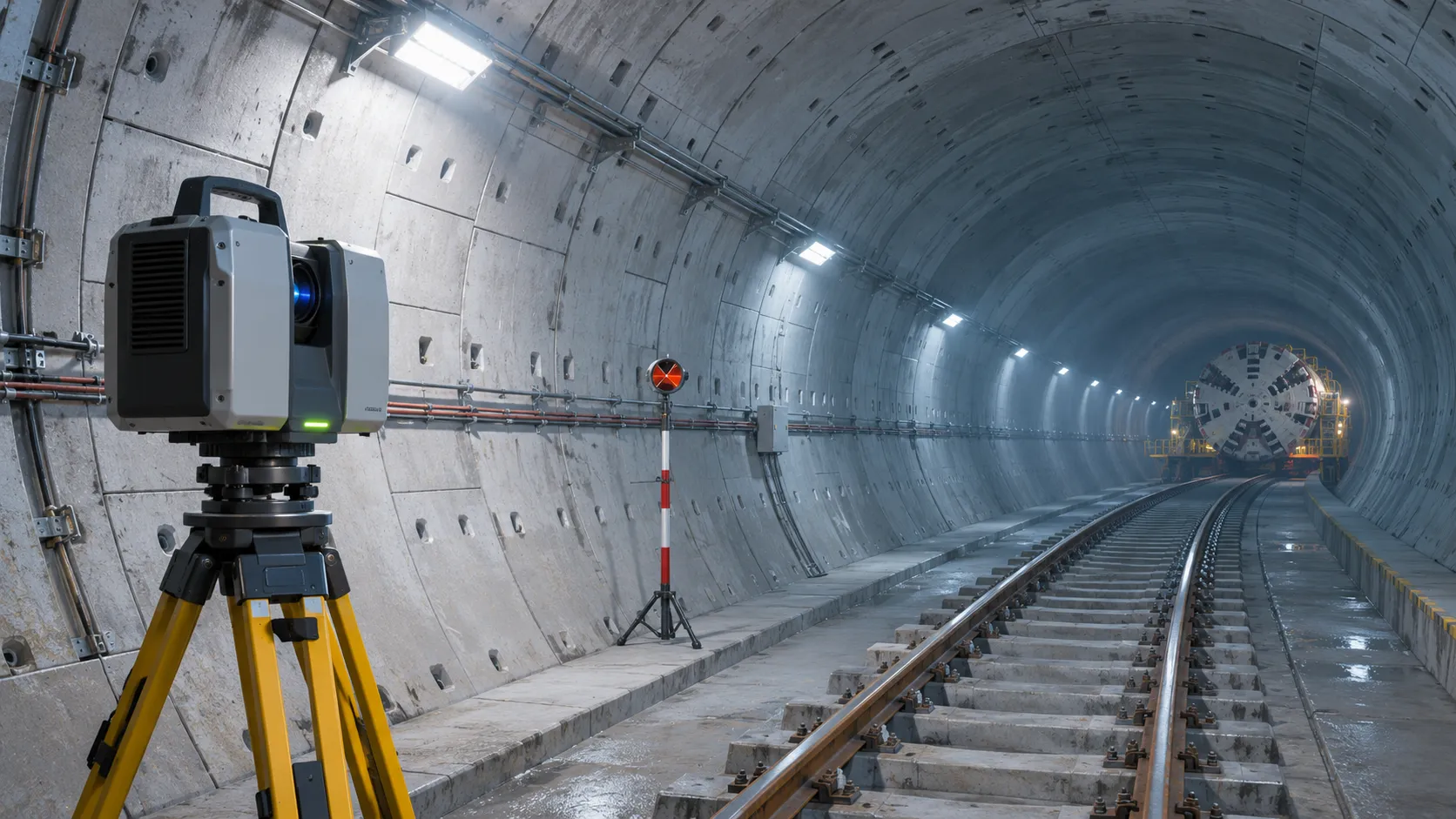
How Real-Time Underground Mapping Systems Work in Tunneling
Discover how real-time underground mapping systems guide tunneling teams, integrate sensor data, and support confident decisions with verified accuracy.
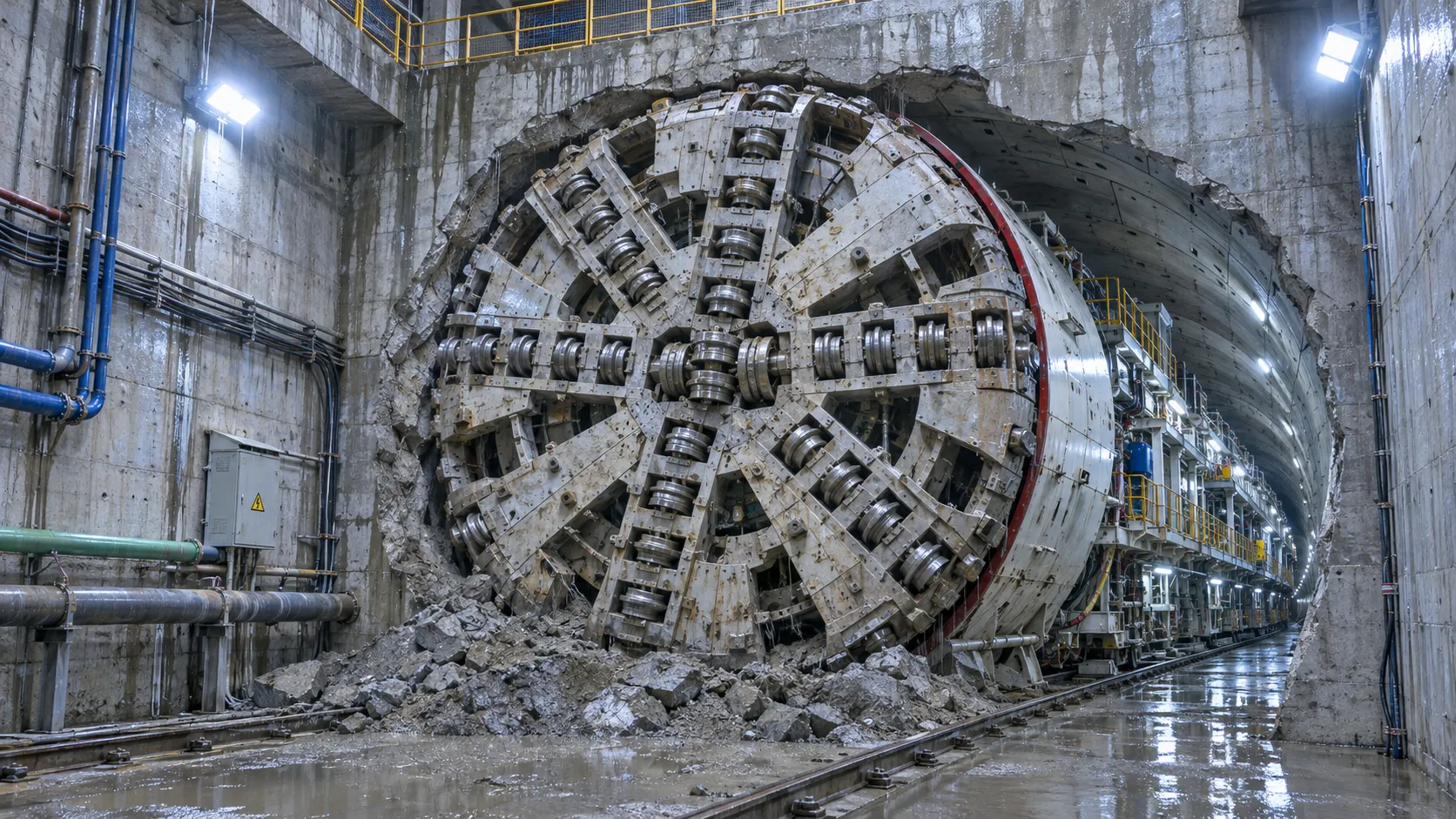
First Mechanized Tunnel Crossing Beneath the Panama Canal Completed
Panama Canal tunnel crossing: Explore the reported Metro Line 3 milestone and what it could mean for future underwater tunneling projects.
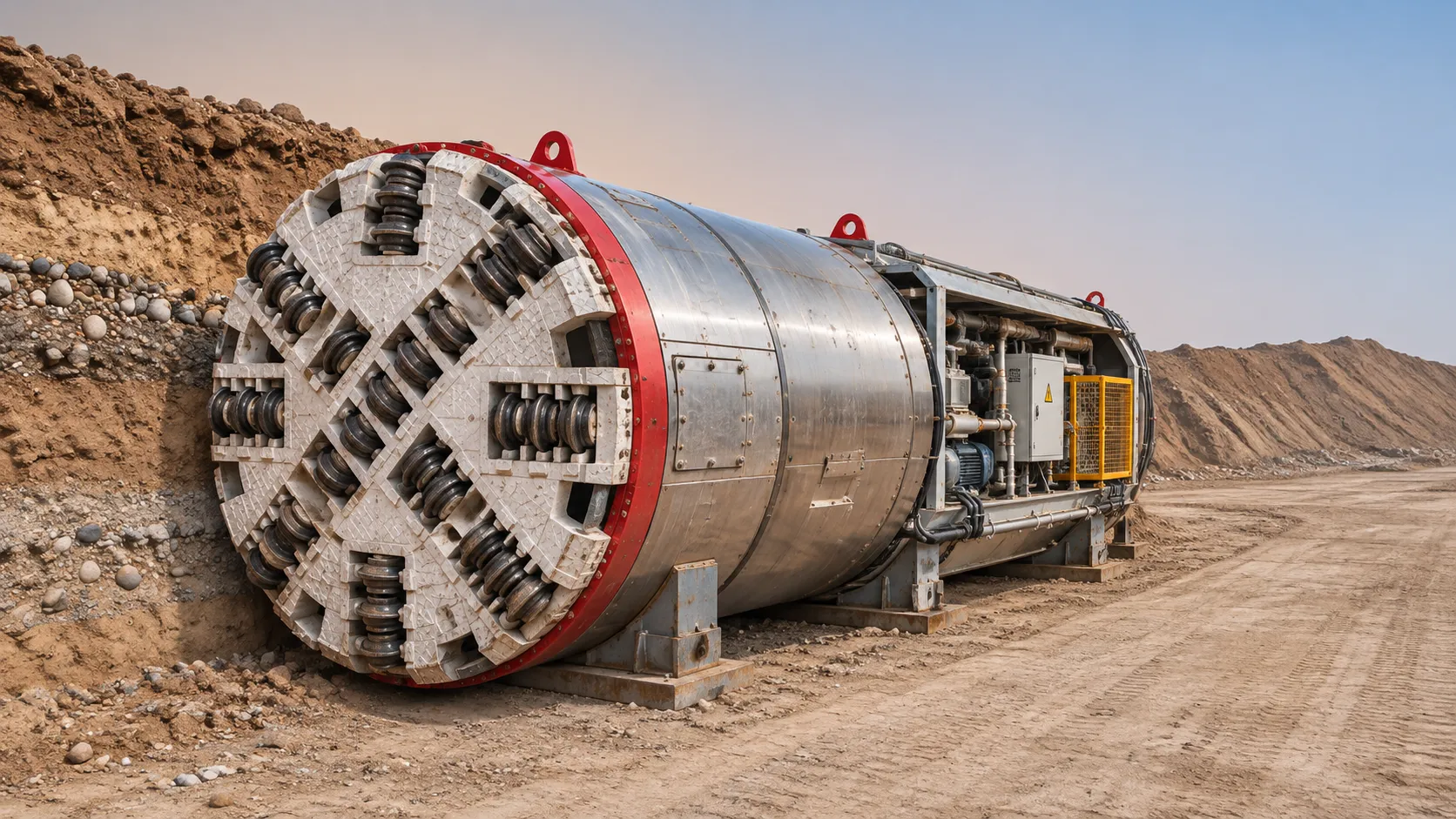
Underground Utility Construction Equipment: Choosing by Ground Conditions
Choose underground utility construction equipment with confidence. Compare trenching, HDD, microtunnelling and TBMs by ground conditions, risk and cost.
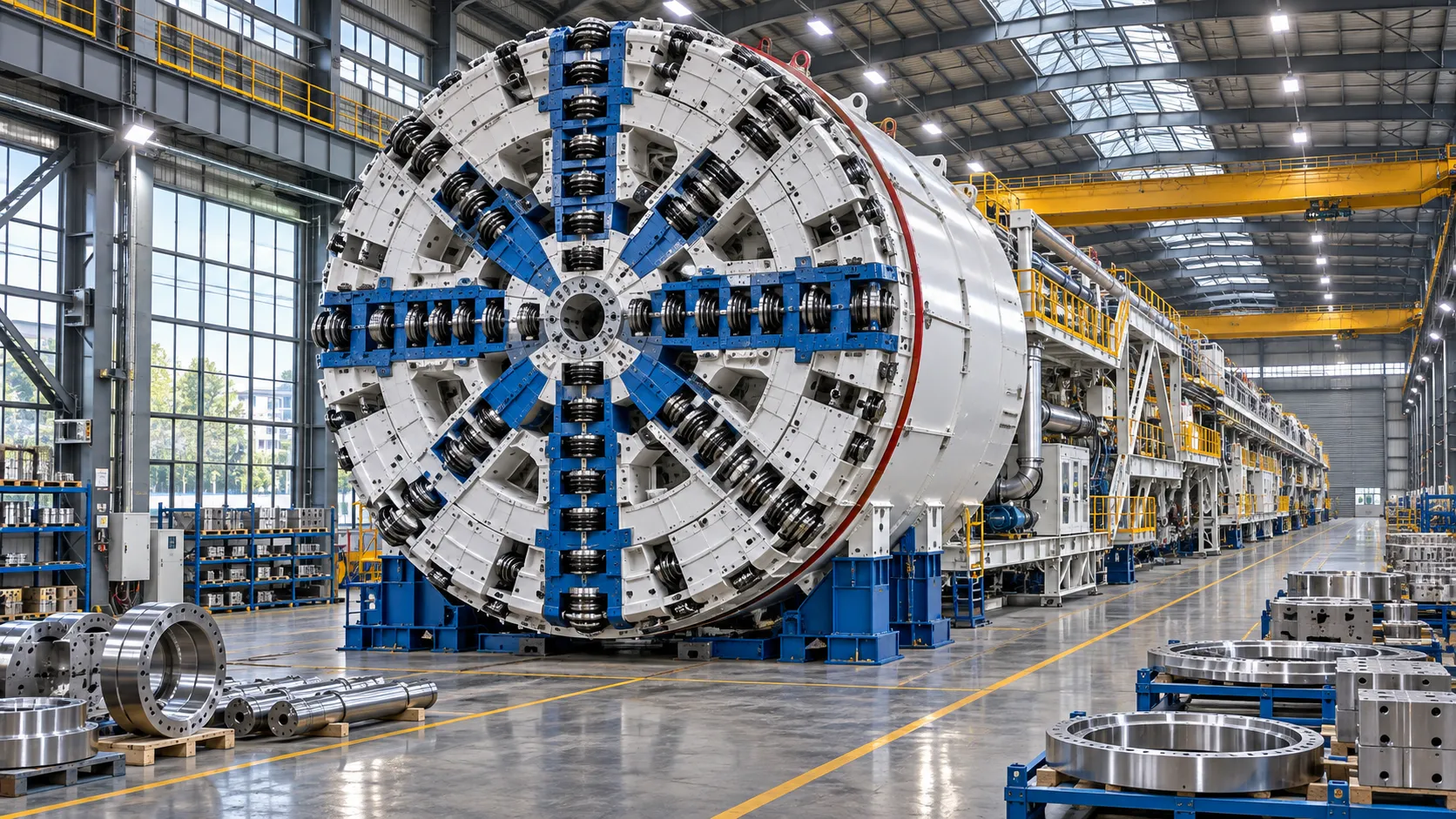
China Sets Tunnel Boring Machine Export Controls as India Pushes Local Production
China tunnel boring machine export controls could reshape procurement as India pushes local production. Explore potential supply and project impacts.
Choosing a Trenchless Pipeline Installation Contractor: Key Qualifications
Choose a trenchless pipeline installation contractor with confidence. Learn how to assess experience, equipment, safety, costs, and project risks before you hire.
China's 70% TBM Share and Export Controls Challenge India's Local Production
China's TBM export controls could challenge India's local production and infrastructure sourcing. Explore the potential risks and procurement options.
Related News
- 00
0000-00
How TBM Excavation Works in Rock and Soft Ground: A Practical Guide - 00
0000-00
Choosing a Zero-Emission Underground Equipment Supplier: What to Check - 00
0000-00
Construction Starts on Germany's Pfaffensteig Rail Tunnel, With Two TBMs Planned - 00
0000-00
How Real-Time Underground Mapping Systems Work in Tunneling - 00
0000-00
First Mechanized Tunnel Crossing Beneath the Panama Canal Completed
Weekly Insights
Stay ahead with our curated technology reports delivered every Monday.