
Mumbai to Receive India's Largest-Diameter Tunnel Boring Machines in January 2027





Mumbai is expected to receive components for India's largest-diameter tunnel boring machines in January 2027, bringing procurement and delivery planning into focus for the second phase of the coastal road project. The available information describes an equipment delivery and assembly plan rather than announcing a new policy, regulation or standard. Even so, the planned use of two 15.62-metre machines for twin tunnels raises practical questions for contractors, manufacturers and suppliers about project specifications, documentation, delivery coordination and the requirements that may appear in subsequent project documents.
Two machines planned for the Versova-Dahisar link
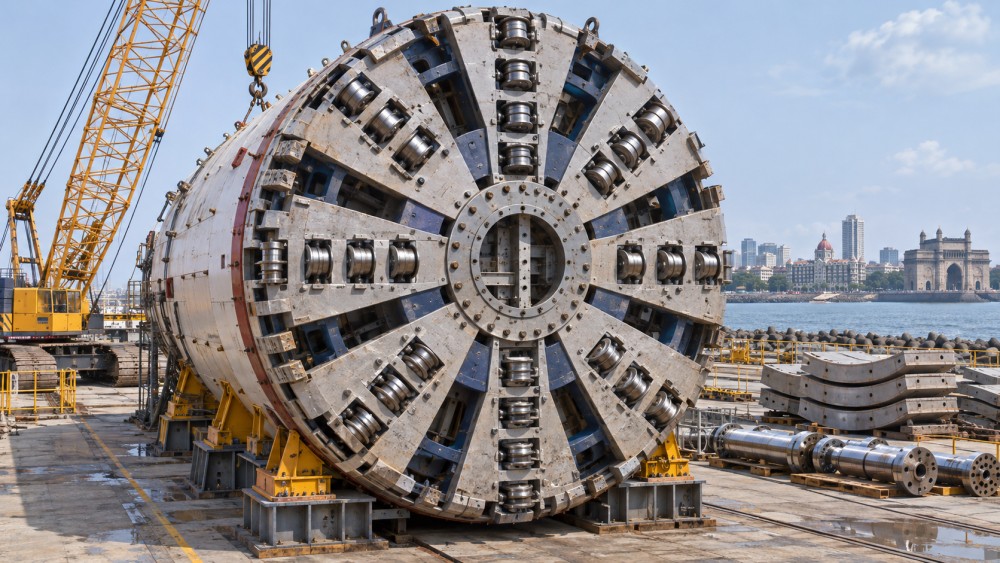
The second phase of the Mumbai Coastal Road project, the Versova-Dahisar Link Road, will use two Mixshield tunnel boring machines, each with a diameter of 15.62 metres. German manufacturer Herrenknecht is manufacturing the machines at its Chennai factory. The equipment components are expected to reach Mumbai in January 2027 and be assembled at the Charkop worksite.
Megha Engineering and Infrastructures Ltd is responsible for executing the project. The machines are intended to excavate twin tunnels at a depth of 40 metres. The supplied information identifies the equipment as India's largest-diameter tunnel boring machines.
What the delivery plan could mean across the supply chain
Manufacturing and component suppliers
From an industry perspective, the planned machines give manufacturers and component suppliers a concrete project specification around which to assess their potential role. The stated diameter and intended depth may be relevant to technical discussions, but the supplied information does not establish the full equipment specification or identify individual component suppliers. Businesses considering opportunities would therefore need to obtain the applicable project documents before drawing conclusions about materials, tolerances, testing or acceptance criteria.
Analysis suggests that documentation could be as important as physical availability when components move from manufacturing to assembly. Suppliers may be asked to demonstrate how an item relates to the machine configuration and how its condition can be checked. The nature and extent of those documents remain unconfirmed; companies should verify the contractual requirements instead of assuming that a particular certificate or test report will be accepted.
Contractors and equipment integration
For the project executor and any businesses involved in assembly or integration, the distinction between components arriving and machines being ready for excavation may matter. The input confirms the intended assembly location but does not provide an assembly timetable, commissioning procedure or excavation start date. Analysis suggests that interfaces between delivered components, assembly activities and later acceptance could become important points for coordinating responsibilities.
Potential subcontractors may consequently wish to review the scope of work, the information needed from other parties and the process for resolving technical questions. Any such review is a practical recommendation, not evidence that the project has issued new integration rules. The relevant obligations would depend on the actual contract and project instructions.
Delivery and logistics providers
The planned movement of components from the Chennai factory to Mumbai may also be relevant to logistics and handling providers. From a delivery perspective, the size of the finished machines makes it reasonable to examine how individual components will be packaged, identified and received, although the input gives no component dimensions, transport route or shipment method. Those details could materially affect quotations and scheduling.
Providers assessing a possible role should seek the actual load information and delivery instructions before committing to a plan. They may also need to clarify responsibility for documenting receipt and reporting damage or discrepancies. These are matters for verification with the contracting parties; no specific transport permit, customs procedure or regulatory change is established by the information supplied.
Testing and after-sales support
Testing providers and service businesses may see potential work connected with assembly, equipment condition or later operation. That possibility should not be confused with a confirmed appointment or a published testing programme. The input does not identify the tests to be performed, the responsible parties or any service arrangements.
For such businesses, a useful early step would be to establish which activities the project actually intends to procure and what evidence it will accept. Service providers could also examine whether the relevant documentation describes equipment identification, spare parts and responsibilities after delivery. The commercial value of those preparations depends on the terms eventually made available.
Questions to resolve before committing to supply or delivery
Check the specification behind the headline dimensions
The 15.62-metre diameter and intended tunnelling depth provide a starting point, not a complete purchasing specification. Potential suppliers should seek the relevant drawings, equipment scope and acceptance provisions before pricing or proposing alternatives. A component that appears suitable in general terms may still need to be assessed against the project-specific configuration and the responsibilities set out in the contract.
Where a supplier proposes a substitute product or material, analysis suggests that it would be prudent to identify who can approve the change and what supporting evidence is expected. The supplied facts do not confirm that substitutions will be permitted, nor do they establish an approval process. Any alternative should therefore be treated as a proposal for review rather than an accepted solution.
Clarify evidence, testing and certification
Companies should check the tender, purchase order or other applicable project documents for any requirements concerning technical records, inspection, testing and certification. They should also establish which party reviews those records and when they must be supplied. This can help distinguish the evidence needed for an offer from evidence needed at delivery or acceptance.
No named certification scheme, standard number or new regulatory obligation is provided in the input. As a result, there is no basis to state that a particular certification is mandatory for these machines or their components. If a requirement is later identified, businesses should verify its scope and current application with the relevant issuing or contracting authority.
Align schedules with the planned arrival and assembly
January 2027 is the expected arrival time for the components, while Charkop is the planned assembly site. Analysis suggests that suppliers and service providers should distinguish that expected arrival from the dates on which their own work would be needed. The input does not specify when each component will arrive, when assembly will begin or how long it will take.
Before accepting delivery commitments, a business could ask for the current schedule, the sequence in which goods or services are required and the procedure for communicating changes. It may also be useful to clarify how delays, incomplete documentation or discrepancies would be handled under the relevant contract. These checks support planning but do not establish that any delay or dispute has occurred.
Verify the commercial and trade route
The available account places manufacturing at Herrenknecht's Chennai factory and the planned arrival of components in Mumbai. It does not describe an international shipment, the origin of individual parts or the commercial terms for their movement. Traders should therefore avoid assuming that a particular customs treatment, import requirement or export obligation applies solely because the manufacturer is German.
For any transaction they are considering, businesses can verify the actual movement of goods, the contracting parties, ownership arrangements and documents required for delivery. If an international leg or imported component is later confirmed, the applicable trade and customs requirements should be checked against that specific transaction. No change in trade rules is established by the current information.
A project execution signal, with rules still to be verified
At this stage, it is more appropriate to understand the announcement as a project execution and procurement signal than as evidence of a rule change. It identifies the machines, manufacturer, project executor, intended use and expected arrival period. It does not identify a new policy, a revised standard, an official certification requirement or a change in procurement law.
That distinction matters because project-specific requirements and generally applicable rules can have different effects. A future tender or contract may contain detailed conditions for a particular package; whether those conditions apply to other work would depend on their wording and authority. Likewise, an official regulatory update would need to be assessed on its own terms before businesses treat it as a wider market obligation.
Further observation could focus on whether project documents clarify the scope of supply, delivery sequence, assembly responsibilities and acceptance process. Any later official statement on permits, technical requirements or certification would also need separate verification. Industry feedback may help explain practical execution issues, but it would not by itself establish the content of a binding rule.
How to use the January 2027 milestone
The expected arrival gives companies a reference point for examining potential work around manufacturing, logistics, assembly and support. Its immediate significance lies in the specificity of the planned equipment and the need to connect delivery with the project's actual technical and contractual requirements. The information does not establish that those requirements have changed across the industry.
The measured response is to monitor the project, request applicable documents when considering a transaction and keep planning assumptions open until details are confirmed. The arrival date remains an expectation in the supplied account, and the eventual effect on individual businesses will depend on their role and the terms of any work they undertake.
Basis for this report and what remains to be checked
This article is based on the user-provided news title, event timing and event summary. No specific official source link was provided in the input, so the underlying details and subsequent developments require continued verification. Relevant material to consult as it becomes available could include official project announcements, contracting documents, statements from the companies concerned, regulator publications and authoritative industry reporting.
Further checks should cover any published tender revisions, technical or certification requirements, delivery updates and evidence of how the project is being executed. Any reported trade measures or industry responses should be assessed separately against their original sources before they are treated as confirmed changes.
Related News
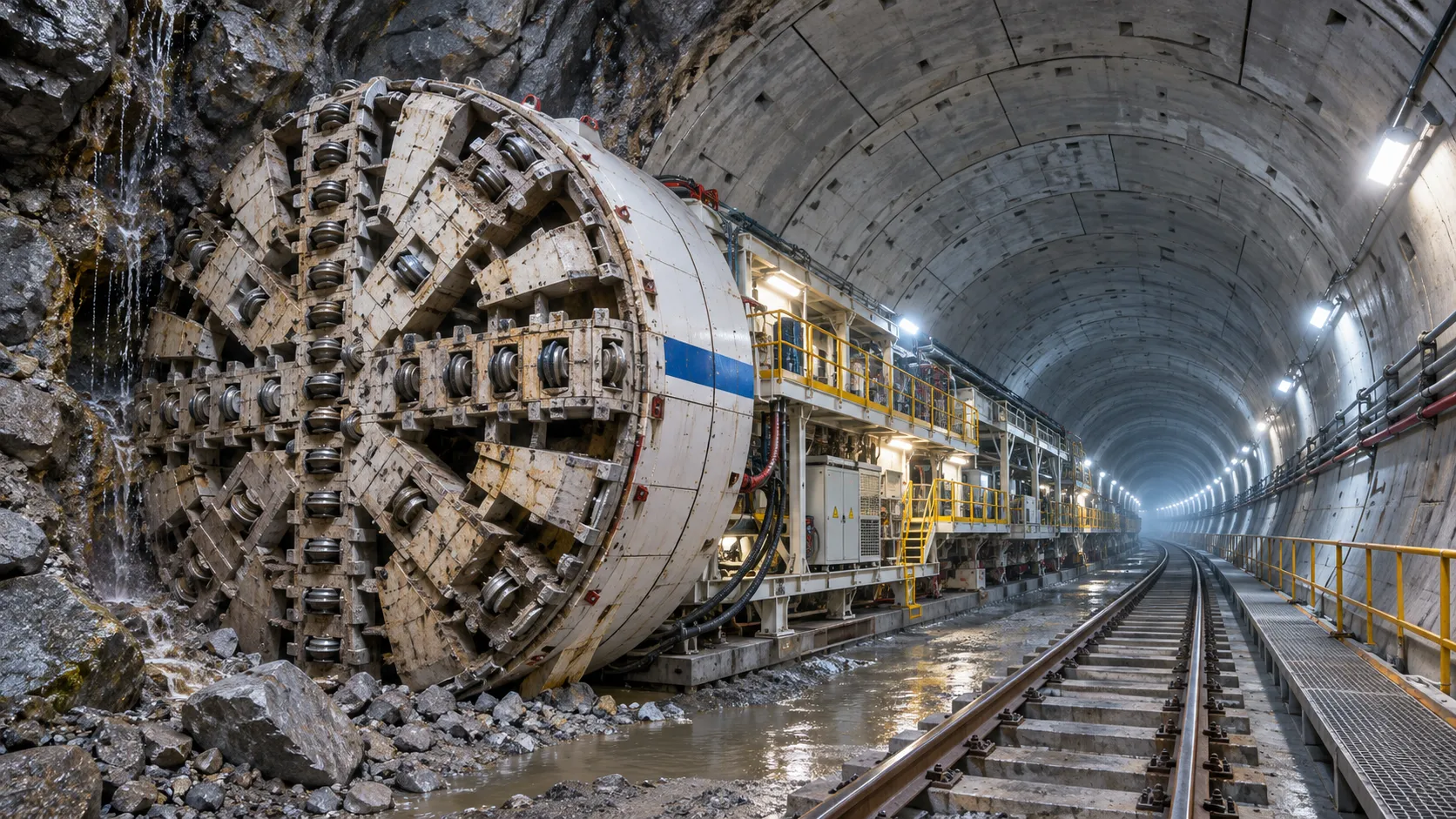
Mega Tunnel Contractors: How to Evaluate Experience and Project Risks
Evaluate mega tunnel contractors with confidence. Learn how to assess relevant experience, ground risks, construction plans, and bid assumptions before award.
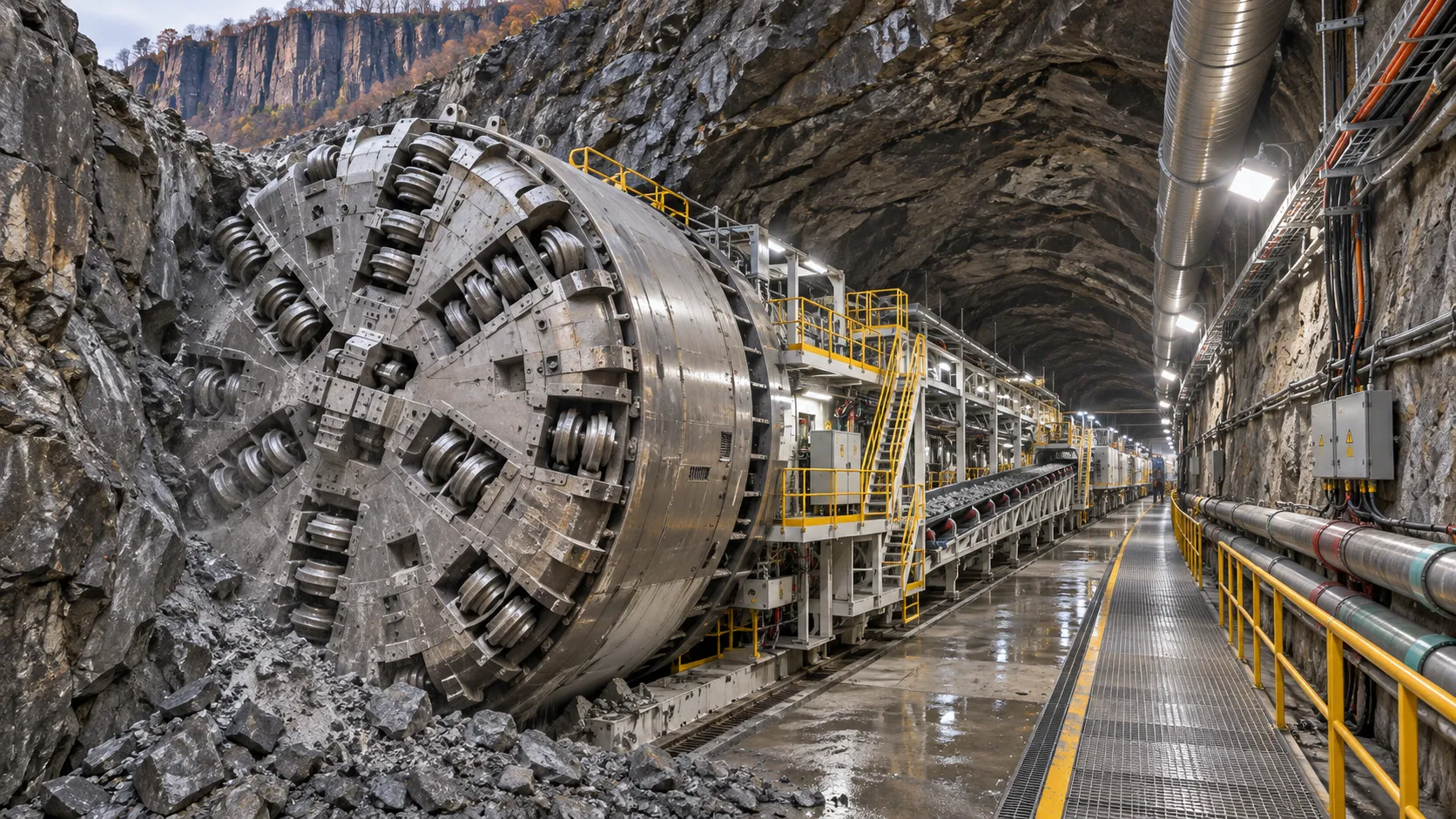
Hudson Tunnel Project’s Second TBM Begins Excavating South Tunnel
Hudson Tunnel Project’s second TBM begins south tunnel excavation. Explore what this milestone could mean for contractors and suppliers.
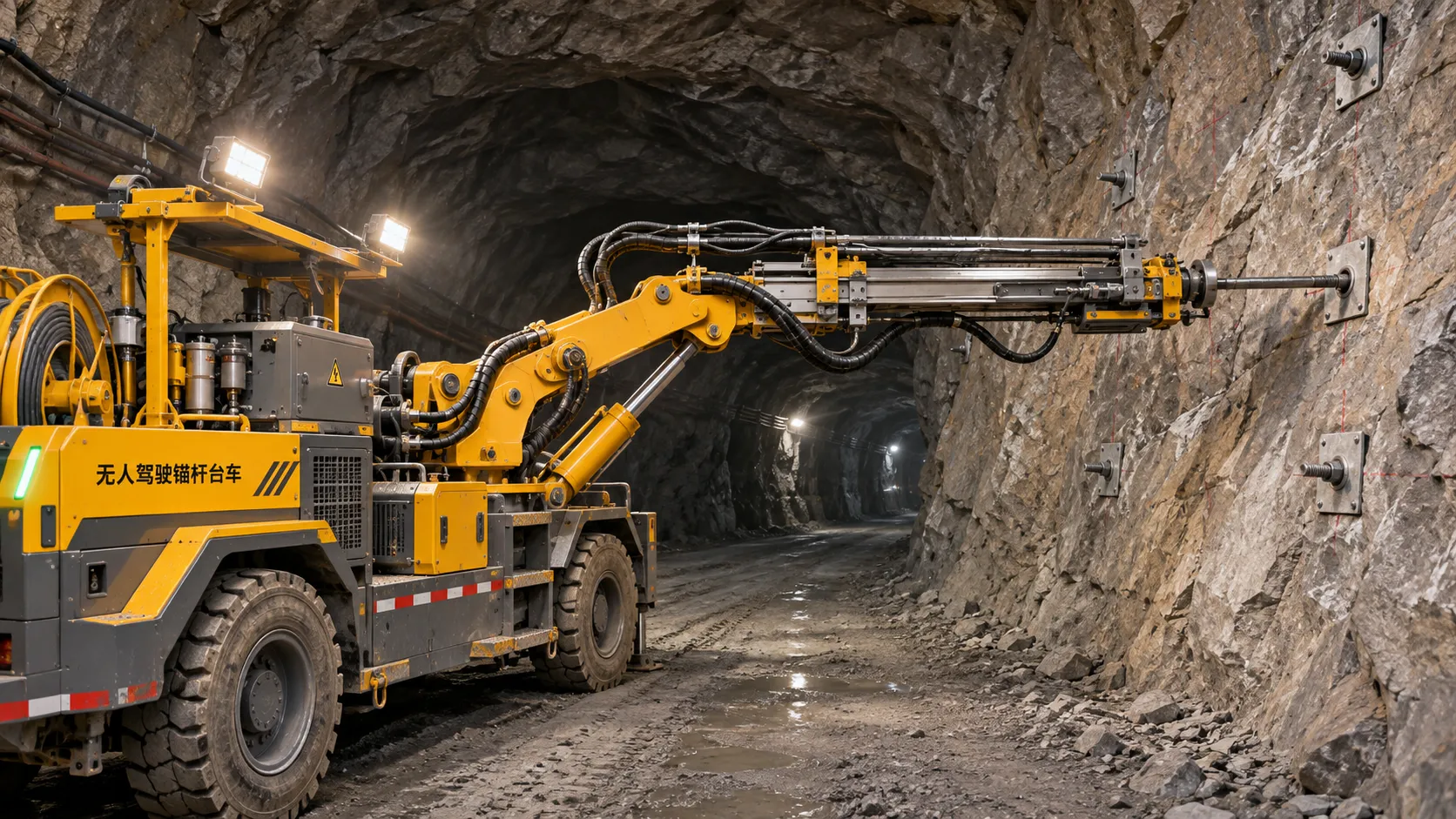
How Bolting Jumbo Automation Works in Underground Rock Support
Explore how bolting jumbo automation coordinates drilling and rock support, and discover what to assess for safer, more consistent underground operations.
China’s Transport Ministry Issues Highway Tunnel Upgrade Standard
China’s highway tunnel upgrade standard takes effect December 1, 2026. Explore potential implications for contractors, project owners and equipment suppliers.
Smart Underground Mining Analytics: Using Equipment Data to Reduce Downtime
Smart underground mining analytics turns equipment data into actionable insights. Discover how to reduce downtime and improve maintenance decisions.
Three Export Control Notices Take Effect November 18, Adding Tunnel Boring Machines
China export controls add tunnel boring machines to the dual-use list. Explore potential licensing implications for equipment, components and project delivery.
Choosing a TBM Components Supplier: Lead Times, Quality and Compatibility
Choose a TBM components supplier with confidence. Compare lead times, quality evidence and compatibility to reduce procurement risk and keep your project moving.
How Autonomous LHD Collision Avoidance Works in Underground Mines
Discover how autonomous LHD collision avoidance combines sensing, positioning and braking to manage underground hazards and support safer mine operations.

Mining Equipment Market Could Reach $19.42 Billion by 2033, Report Says
Mining equipment market could reach $19.42 billion by 2033. Explore how electrification, automation and surface mining demand are shaping the industry's outlook.
Related News
- 00
0000-00
Mega Tunnel Contractors: How to Evaluate Experience and Project Risks - 00
0000-00
Hudson Tunnel Project’s Second TBM Begins Excavating South Tunnel - 00
0000-00
How Bolting Jumbo Automation Works in Underground Rock Support - 00
0000-00
China’s Transport Ministry Issues Highway Tunnel Upgrade Standard - 00
0000-00
Smart Underground Mining Analytics: Using Equipment Data to Reduce Downtime
Weekly Insights
Stay ahead with our curated technology reports delivered every Monday.