
EPB vs. Slurry Shields: Which TBM Suits Singapore's Ground Conditions?





Selecting shield tunneling equipment in Singapore demands more than matching a TBM to a soil classification. A tunnel drive may pass from soft marine clay into dense sand, weathered granite, or a mixed face where rock and soil behave very differently. Groundwater pressure and nearby foundations can turn a manageable excavation challenge into a demanding settlement-control problem.
For technical evaluators comparing Earth Pressure Balance (EPB) and slurry shields, the decisive questions concern face stability, permeability, excavated-material behaviour, and spoil treatment—not machine labels alone. Both systems can support pressurised excavation, but they achieve that support differently. The better choice is the one whose operating envelope remains controllable through the alignment’s most difficult sections, including stops, interventions, and geological transitions.
Start with Singapore’s ground variability, not a preferred machine
Singapore’s geological formations provide a useful starting point, but formation names are not equipment specifications. Weathering, depositional variability, groundwater connectivity, and the position of the tunnel within a formation can change the selection outcome.
- Kallang Formation: Soft marine clay and associated alluvial and estuarine deposits raise concerns about deformation, low cover, and settlement. Clay-rich sections may favour EPB operation, while interbedded sand requires closer scrutiny of permeability and discharge control.
- Old Alluvium: Dense, variably cemented sand, silt, clay, and gravel can present changing excavation resistance and abrasive material. The fines content and groundwater conditions matter more than the formation label when comparing pressure-support systems.
- Bukit Timah Granite: Residual soil, decomposed granite, corestones, and stronger rock may occur along the same drive. Mixed-face excavation, cutter wear, and access for maintenance can dominate the decision.
- Jurong Formation: Variable sedimentary rocks, weathered zones, and structural discontinuities demand attention to strength contrasts, abrasivity, and groundwater pathways.
In reclaimed coastal areas, fill and underlying natural deposits may introduce further variability. A selection based on the “average” ground can therefore be misleading: a short, highly permeable section beneath sensitive infrastructure may govern the machine configuration for the entire drive.
EPB and slurry shields: what actually holds the face?
EPB relies on a controlled mass of excavated material
An EPB shield uses excavated material in the working chamber to transmit support pressure to the face. Excavation rate and screw-conveyor discharge are coordinated to maintain the required chamber pressure. Conditioning agents, such as foam or polymers, may be needed to produce a workable, sufficiently impermeable muck.
This makes material behaviour central to suitability. The chamber contents must transmit pressure, mix consistently, and discharge without uncontrolled water or soil loss. Naturally fine-grained ground can be favourable, but sticky clay may create clogging, while coarse or water-bearing ground can require substantial conditioning and carefully designed discharge arrangements.
Slurry support depends on pressure transfer into the ground
A slurry shield uses pressurised suspension, typically bentonite-based, to support the face. Excavated material is carried through pipelines to a separation plant, where solids are removed and the support fluid is prepared for recirculation.
Its suitability depends on more than achieving a pressure reading in the chamber. The slurry must transfer that pressure effectively to the ground through an appropriate filter cake or infiltration zone. Open gravel, fissures, or highly permeable features can cause slurry losses and weaken support unless the fluid properties and mitigation measures are suitable.
The practical distinction: EPB selection asks whether the excavated ground can become a reliable pressure-support medium. Slurry selection asks whether the circulating fluid can establish reliable support while the transport and separation circuit handles the excavated material.
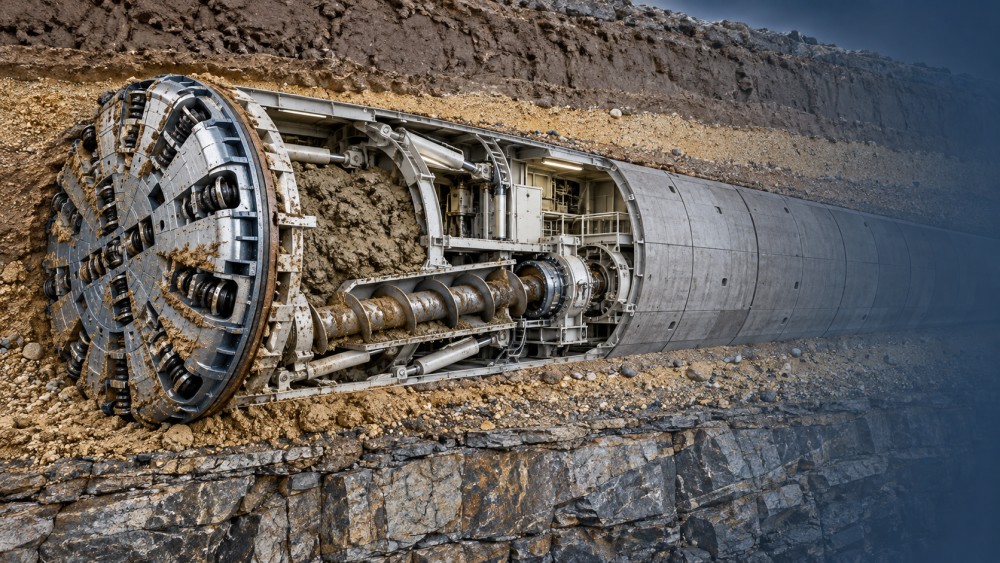
A screening comparison for shield tunneling equipment in Singapore
The following comparison is a screening tool, not a substitute for project-specific testing. Neither technology has a universal advantage across Singapore’s ground conditions.
Four checks that can overturn an early preference
1. Establish the pressure window along the alignment
Support pressure must prevent unacceptable face instability and ground loss without causing heave, hydraulic fracture, or escape of support medium. The allowable window depends on cover, groundwater head, soil strength, surcharge, and nearby structures. Shallow sections and connections to permeable pathways deserve particular attention.
Evaluate pressure variation during normal excavation, ring building, restart, and emergency stoppage—not just steady-state operation. Pressure also varies with elevation across the face. Sensor locations, control logic, and the properties of the support medium must therefore be considered when interpreting readings.
High groundwater pressure alone does not automatically select slurry. EPB systems can operate under significant pressure when designed for it, but screw-conveyor pressure reduction, sealing, conditioning, and intervention arrangements need credible verification.
2. Test the material rather than relying on grading curves alone
Particle-size distribution is essential, but it does not fully predict behaviour inside a TBM. Plasticity, mineralogy, adhesion, abrasivity, permeability, and the effects of mixing can all change operational performance.
For an EPB candidate, conditioning trials should examine workability, permeability reduction, segregation, and retention of useful properties during stoppages. For a slurry candidate, investigate filtration behaviour, fluid losses, rheology, and the ability to separate representative excavated solids. Test blends expected at geological transitions, not only samples representing each formation in isolation.
3. Treat mixed-face excavation as a cutting and maintenance problem
Where a cutterhead encounters strong granite below and weathered soil above, pressure support is only part of the challenge. Uneven loading, vibration, tool impacts, and differential excavation can affect production and ground control. Neither slurry nor EPB removes these mechanical risks.
Compare cutterhead opening geometry, disc-cutter and scraper arrangements, wear protection, torque characteristics, and permissible fragment size. Trace the material path beyond the cutterhead: boulders and rock fragments must pass through, or be reduced for, the screw conveyor or slurry transport system.
Maintenance access may become the decisive issue. High-pressure interventions carry substantial planning and safety requirements, so evaluators should examine expected tool life, inspection opportunities, accessible maintenance locations, and contingency ground treatment.
4. Follow the spoil all the way to disposal
A machine may excavate successfully yet lose production because its surface logistics cannot keep pace. EPB spoil can require conditioning-related handling, dewatering, or treatment before acceptance at a disposal facility. “Solid discharge” does not necessarily mean material is ready to load directly onto a truck.
For slurry systems, assess the entire separation train. Screening and hydrocyclones remove suitable particle fractions, while fine clay may demand additional treatment and dewatering. Difficult ground can increase residual-slurry volumes and consume plant capacity precisely when excavation becomes less predictable.
On a constrained Singapore worksite, plant footprint, buffer storage, vehicle movements, noise controls, water management, and disposal acceptance can materially influence the preferred system.
How to make the selection defensible
A useful technical evaluation begins with alignment sections, not a single whole-drive score. Divide the route into ground domains and identify where permeability, rockhead level, groundwater, or receptor sensitivity changes. Then assess each candidate against normal excavation and credible upset conditions.
Ask suppliers to substantiate their proposals with project-specific evidence:
- Operating envelope: Expected pressure, torque, thrust, discharge, and transport requirements, with the assumptions behind them.
- Ground compatibility: Conditioning or slurry test results, representative sample limitations, and measures for out-of-envelope material.
- Transition response: How support, cutting, and spoil handling will adapt when the face crosses between ground domains.
- Intervention strategy: Tool inspection and replacement arrangements, pressure-access provisions, and recovery contingencies.
- Surface-system balance: Evidence that treatment, storage, transport, and disposal can match the proposed excavation output.
Use pass/fail gates for critical safety and feasibility requirements before applying weighted scores. A lower purchase price or higher nominal advance rate should not compensate for an unproven face-support mechanism in the governing ground condition.
Convertible or multimode configurations may be worth evaluating where ground domains genuinely differ. However, their value depends on the installed systems, conversion locations, conversion duration, and operational competence. A machine described as “multimode” should not be assumed to switch seamlessly between every pressure-support method.
Compare whole-drive risk, not headline productivity
Financial comparison should include excavation, ring building, planned maintenance, likely interventions, surface treatment, consumables, and disruption recovery. Separate theoretical cutting performance from achievable utilisation. A fast excavation cycle offers little advantage if frequent cleaning or overloaded spoil treatment repeatedly stops the drive.
Energy and environmental assessments also need consistent boundaries. Slurry circulation and separation consume power; EPB conditioning, muck handling, and treatment carry their own resource demands. Compare credible operating scenarios rather than assuming either method is inherently cleaner.
For UTMD’s equipment intelligence perspective, the most useful benchmark is reliable progress within a verified operating envelope. That connects machine design with the realities of urban settlement control, maintenance access, and constrained construction logistics.
Which TBM is the stronger candidate?
EPB is often a strong starting candidate where fine-grained ground can form a stable, workable chamber medium and surface processing space is limited. Slurry is often a strong candidate in water-bearing granular ground where reliable fluid-pressure transfer can be established and the treatment system is practical. Mixed faces and weathered rock require a broader assessment of cutting mechanics, wear, and intervention risk whichever support method is chosen.
The final choice of shield tunneling equipment in Singapore should follow investigation and testing, not precede them. Where uncertainty remains, identify the missing evidence explicitly: permeability testing, rockhead definition, conditioning trials, slurry filtration trials, or disposal acceptance checks. The defensible selection is not the machine that looks best in typical ground—it is the system that remains controllable when the ground stops being typical.
Related News
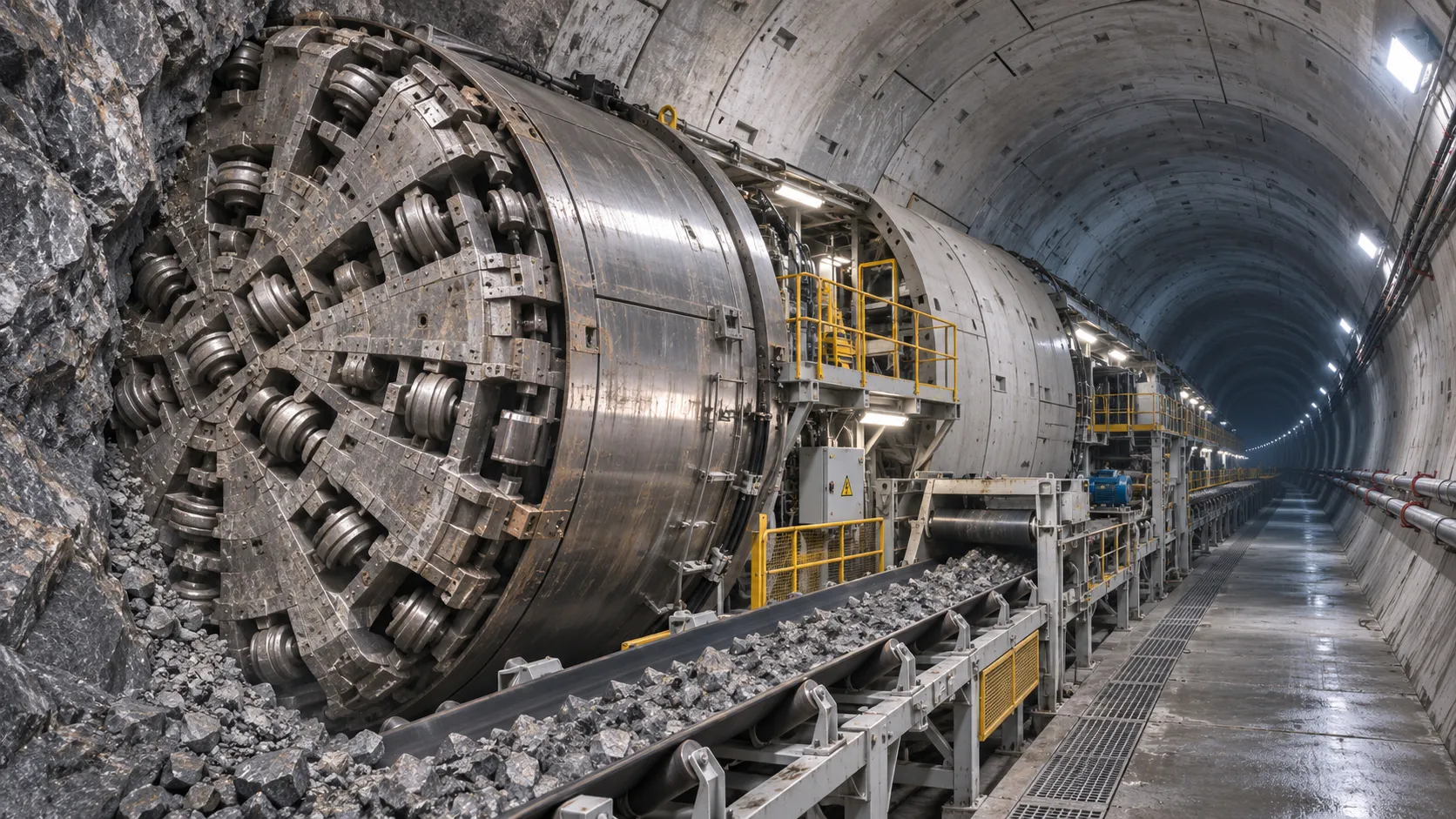
How TBM Excavation Works in Rock and Soft Ground: A Practical Guide
TBM Excavation in rock and soft ground explained: compare machine types, ground support, spoil removal, and the factors that guide smarter project planning.
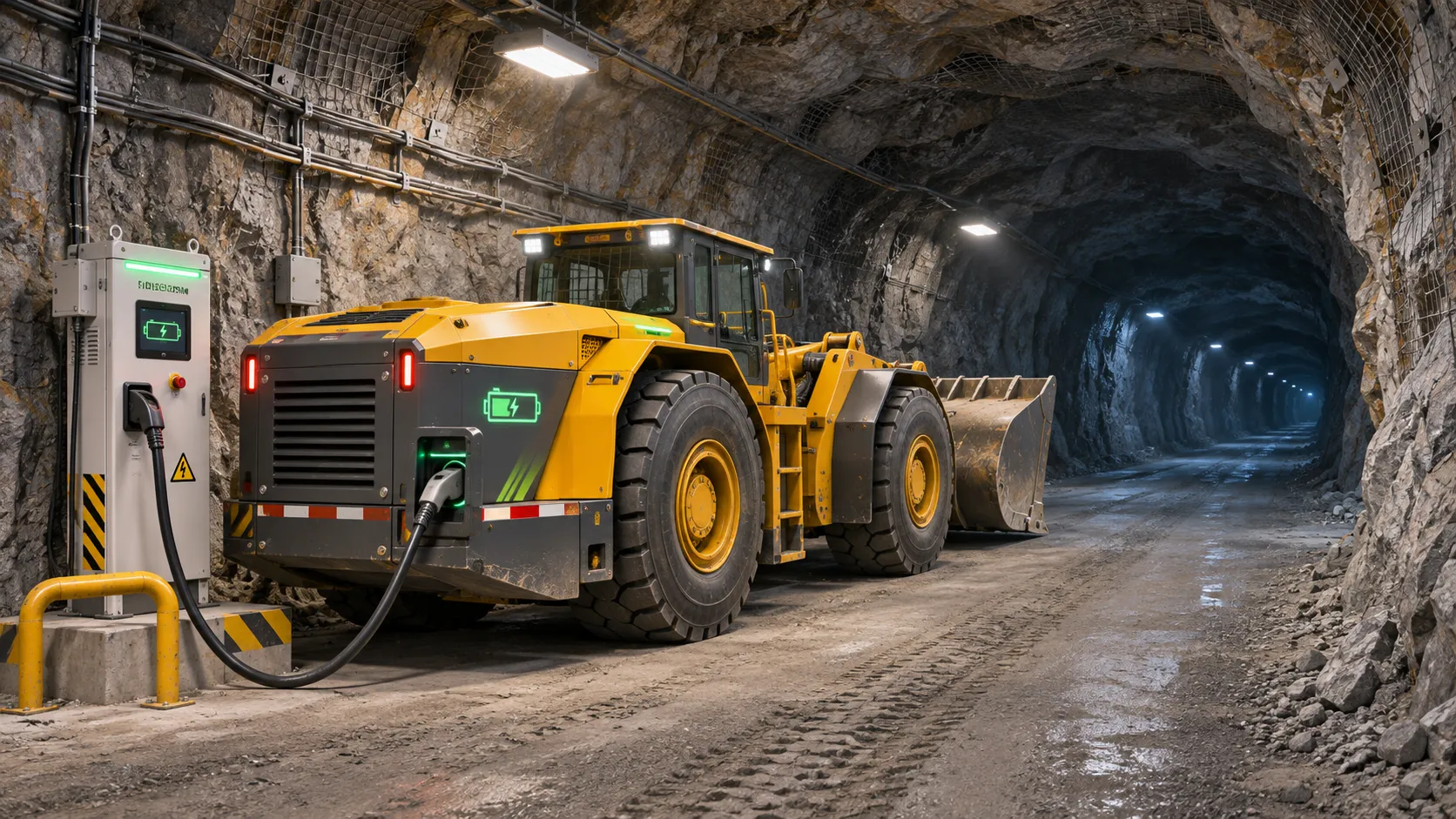
Choosing a Zero-Emission Underground Equipment Supplier: What to Check
Choosing a zero emission underground equipment supplier? Compare duty-cycle performance, charging, safety, total costs and support before you commit.
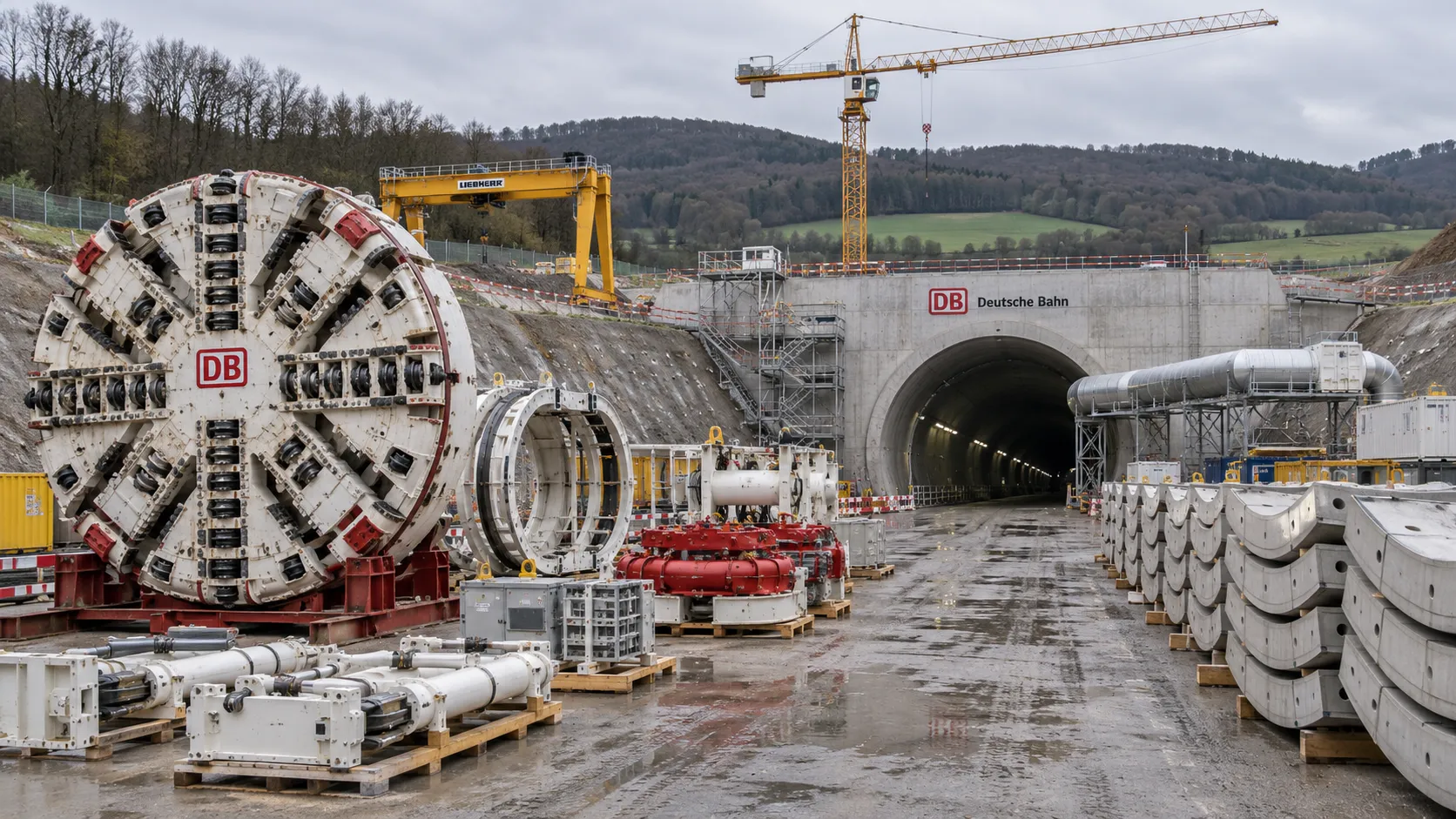
Construction Starts on Germany's Pfaffensteig Rail Tunnel, With Two TBMs Planned
Pfaffensteig rail tunnel construction is underway in Germany. Discover how two planned TBMs will support the 11-kilometre project near Stuttgart.
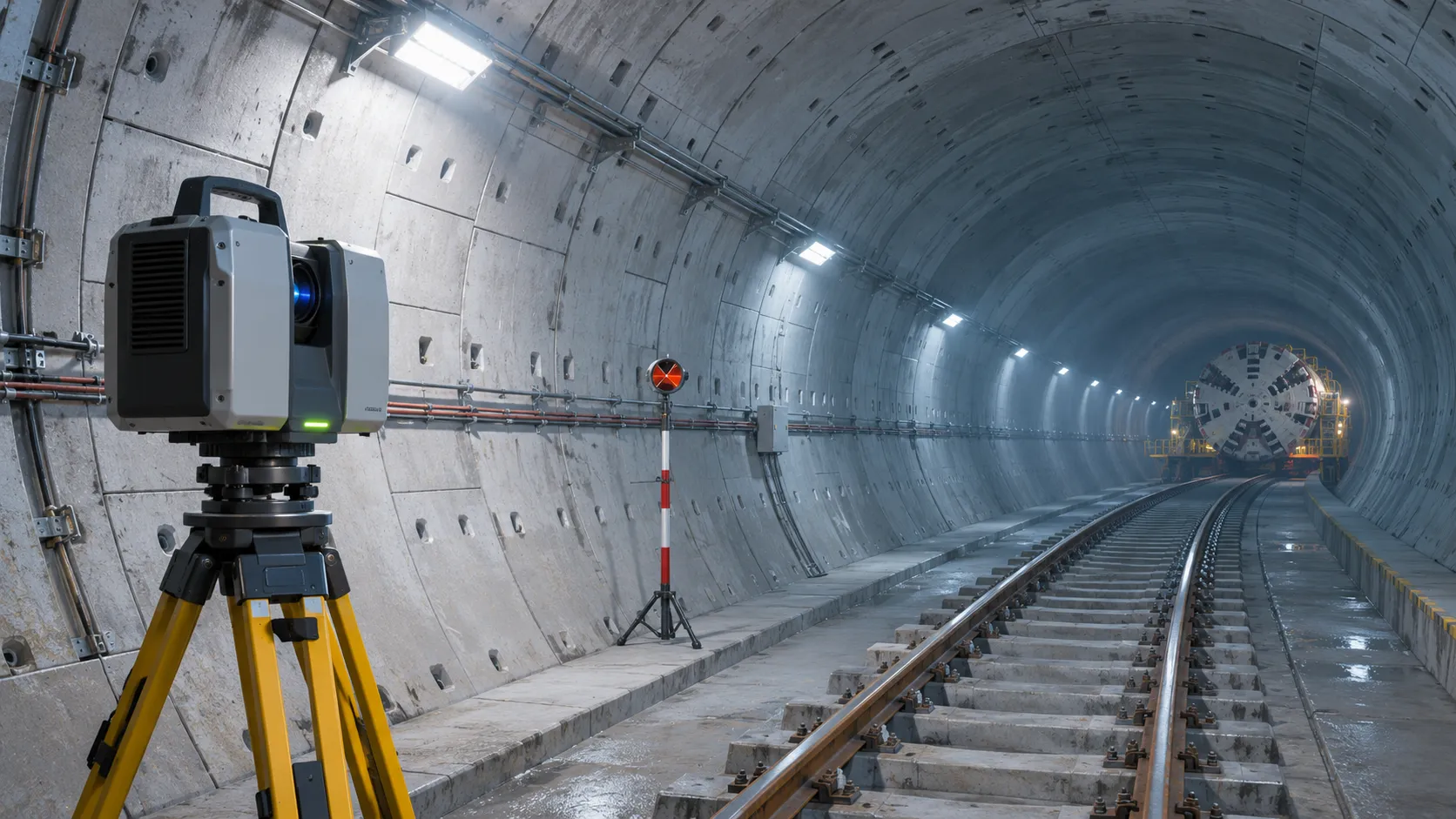
How Real-Time Underground Mapping Systems Work in Tunneling
Discover how real-time underground mapping systems guide tunneling teams, integrate sensor data, and support confident decisions with verified accuracy.
First Mechanized Tunnel Crossing Beneath the Panama Canal Completed
Panama Canal tunnel crossing: Explore the reported Metro Line 3 milestone and what it could mean for future underwater tunneling projects.
Underground Utility Construction Equipment: Choosing by Ground Conditions
Choose underground utility construction equipment with confidence. Compare trenching, HDD, microtunnelling and TBMs by ground conditions, risk and cost.
China Sets Tunnel Boring Machine Export Controls as India Pushes Local Production
China tunnel boring machine export controls could reshape procurement as India pushes local production. Explore potential supply and project impacts.
Choosing a Trenchless Pipeline Installation Contractor: Key Qualifications
Choose a trenchless pipeline installation contractor with confidence. Learn how to assess experience, equipment, safety, costs, and project risks before you hire.
China's 70% TBM Share and Export Controls Challenge India's Local Production
China's TBM export controls could challenge India's local production and infrastructure sourcing. Explore the potential risks and procurement options.
Related News
- 00
0000-00
How TBM Excavation Works in Rock and Soft Ground: A Practical Guide - 00
0000-00
Choosing a Zero-Emission Underground Equipment Supplier: What to Check - 00
0000-00
Construction Starts on Germany's Pfaffensteig Rail Tunnel, With Two TBMs Planned - 00
0000-00
How Real-Time Underground Mapping Systems Work in Tunneling - 00
0000-00
First Mechanized Tunnel Crossing Beneath the Panama Canal Completed
Weekly Insights
Stay ahead with our curated technology reports delivered every Monday.