
Soft Ground TBM Excavation: When EPB or Slurry Shields Are the Better Choice





Soft Ground TBM Excavation: When EPB or Slurry Shields Are the Better Choice
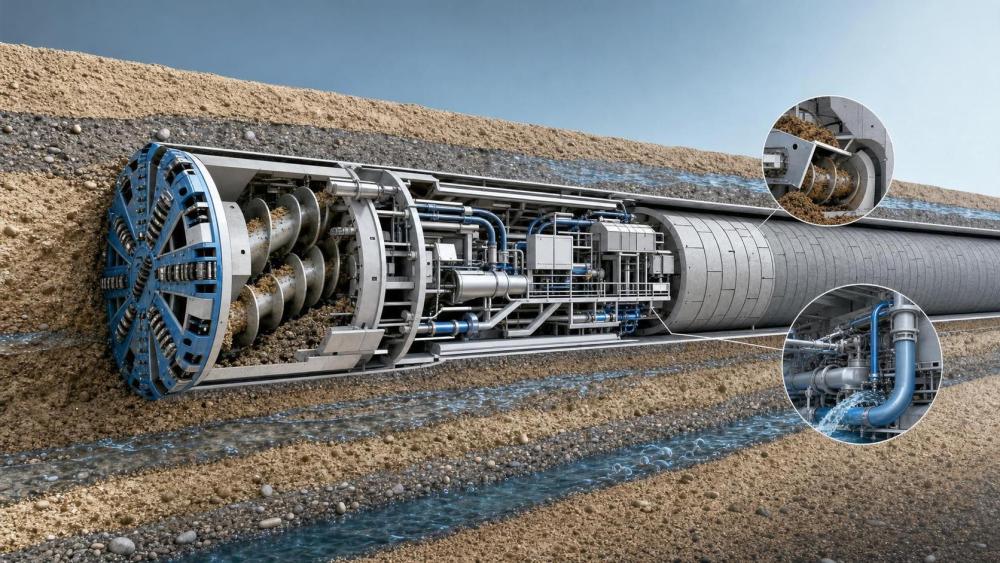
In soft ground tbm excavation, machine choice shapes safety, settlement control, and daily productivity.
The comparison usually comes down to two proven options: EPB shields and slurry shields.
Both maintain face support, manage groundwater, and enable continuous tunnelling through weak formations.
But they do not respond equally to every geology, water regime, or spoil handling constraint.
That is why soft ground tbm excavation is never just a procurement question.
It is a system decision that links geotechnics, logistics, treatment plants, and construction risk.
In practical reviews, the best decision often comes from understanding failure modes first, not machine brochures first.
This article breaks down where each shield performs best and what signals usually drive the final recommendation.
Why shield selection matters in soft ground tbm excavation
Soft ground tbm excavation must keep the tunnel face stable while limiting surface settlement.
That sounds simple, but soft ground often changes quickly across short distances.
A drive can pass through clay, silt, sand, mixed fill, and water-bearing lenses within one alignment.
If face pressure is poorly controlled, loss of ground can develop fast.
If spoil conditioning is wrong, the screw conveyor may choke or discharge unpredictably.
If slurry separation is undersized, the whole excavation chain starts to slow down.
This is why soft ground tbm excavation depends on a full operating envelope, not one headline parameter.
Ground permeability, fines content, groundwater pressure, additives, shaft layout, and spoil disposal all matter together.
How EPB shields work and where they fit best
EPB stands for Earth Pressure Balance.
In soft ground tbm excavation, an EPB machine uses conditioned excavated soil to support the face.
The chamber stays pressurized, while a screw conveyor regulates spoil extraction.
Foam, polymers, or other agents improve plasticity, reduce permeability, and stabilize the muck.
EPB shields usually perform well in cohesive soils and low-to-moderate permeability ground.
They are often a strong fit for silty clay, clayey silt, weathered mixed soils, and urban alignments.
A major advantage is logistics simplicity compared with a full slurry circuit.
There is no large separation plant, no slurry pipelines to manage, and fewer surface processing demands.
That can reduce setup complexity where launch sites are tight.
It can also simplify spoil transport when conditioned muck is acceptable for planned disposal routes.
Still, EPB performance depends heavily on creating a stable, paste-like spoil consistency.
If the ground is too permeable or too clean, maintaining that balance becomes much harder.
Typical signs that EPB is the better choice
- Soils contain enough fines to form a workable chamber plug.
- Groundwater pressure is manageable with proper conditioning and control.
- Urban surface space limits the use of a slurry treatment plant.
- Project teams want a simpler spoil flow from tunnel to disposal.
- Settlement control needs are strict, but geology remains reasonably consistent.
How slurry shields work and when they outperform EPB
A slurry shield uses pressurized bentonite slurry to support the tunnel face.
Excavated material mixes with slurry and travels through pipelines to a separation plant.
The cleaned slurry is then recirculated back to the machine.
In soft ground tbm excavation, this method excels in high-permeability soils and high groundwater pressure.
Think water-bearing sand, gravel, cobbles, and mixed granular deposits.
Under those conditions, a stable filter cake can improve face support more reliably than conditioned spoil alone.
This is especially valuable for long river crossings, coastal tunnels, and deep urban sections below the water table.
Slurry systems also offer strong process control when inflow risk is high.
But that control comes with added plant requirements, more interfaces, and higher operational discipline.
A slurry shield is rarely the easy choice, yet it is often the safer choice in difficult hydrogeological settings.
Typical signs that slurry is the better choice
- Granular soils have low fines and high permeability.
- Groundwater pressure is high or inflow risk is severe.
- Mixed face variability could destabilize EPB chamber behavior.
- Settlement tolerance is extremely low near sensitive assets.
- Site conditions allow a separation plant and slurry pipeline layout.
The main decision factors in soft ground tbm excavation
The most useful evaluations compare EPB and slurry across a common set of technical filters.
In real soft ground tbm excavation, no single factor decides the answer alone.
A clayey sand with modest groundwater may still suit EPB.
A silty profile with strong water inflow and nearby structures may still favor slurry.
The better question is not which machine is more advanced, but which process window is more forgiving.
Risk points that often change the recommendation
Several risk points can shift a selection late in the review process.
The first is mixed-face instability.
If clean sand lenses cut through cohesive ground, EPB conditioning may become inconsistent.
The second is high-pressure water inflow near shafts, cross passages, or faulted zones.
The third is spoil disposal regulation.
Conditioned EPB muck may face disposal limits in some jurisdictions.
Used slurry and separated fines can create their own permitting burden as well.
Another important point is intervention strategy under pressure.
Cutterhead inspections, tool changes, and compressed-air limits should be reviewed early.
These issues often reveal the true lifecycle risk behind soft ground tbm excavation decisions.
A practical evaluation framework for EPB versus slurry
A reliable soft ground tbm excavation review usually follows a structured sequence.
- Map soils by permeability, grading, fines content, and expected variability.
- Define groundwater pressure ranges, inflow scenarios, and dewatering restrictions.
- Check settlement sensitivity around buildings, rail lines, utilities, and shafts.
- Review launch area limits, treatment plant space, and haulage routes.
- Compare intervention needs, additive consumption, and disposal pathways.
- Stress-test both machine types against worst credible ground transitions.
This framework keeps the selection grounded in operating reality.
It also helps explain why the lowest apparent machine cost may not deliver the lowest project risk.
From a whole-system view, support equipment and process resilience often dominate the outcome.
That is increasingly true as soft ground tbm excavation moves into denser cities and more demanding hydrogeology.
Final takeaway for better machine selection
EPB shields are often the better choice when soils are workable, logistics are constrained, and the chamber can maintain a stable plastic plug.
Slurry shields are often the better choice when permeability is high, water pressure is severe, and face support demands more process certainty.
For soft ground tbm excavation, the winning decision is rarely about preference.
It is about matching machine behavior to ground behavior with enough margin for change.
A disciplined evaluation of geology, groundwater, spoil handling, and intervention risk leads to more dependable tunnel delivery.
When those variables are tested early, soft ground tbm excavation becomes less about reacting underground and more about controlling outcomes before the drive begins.
Related News
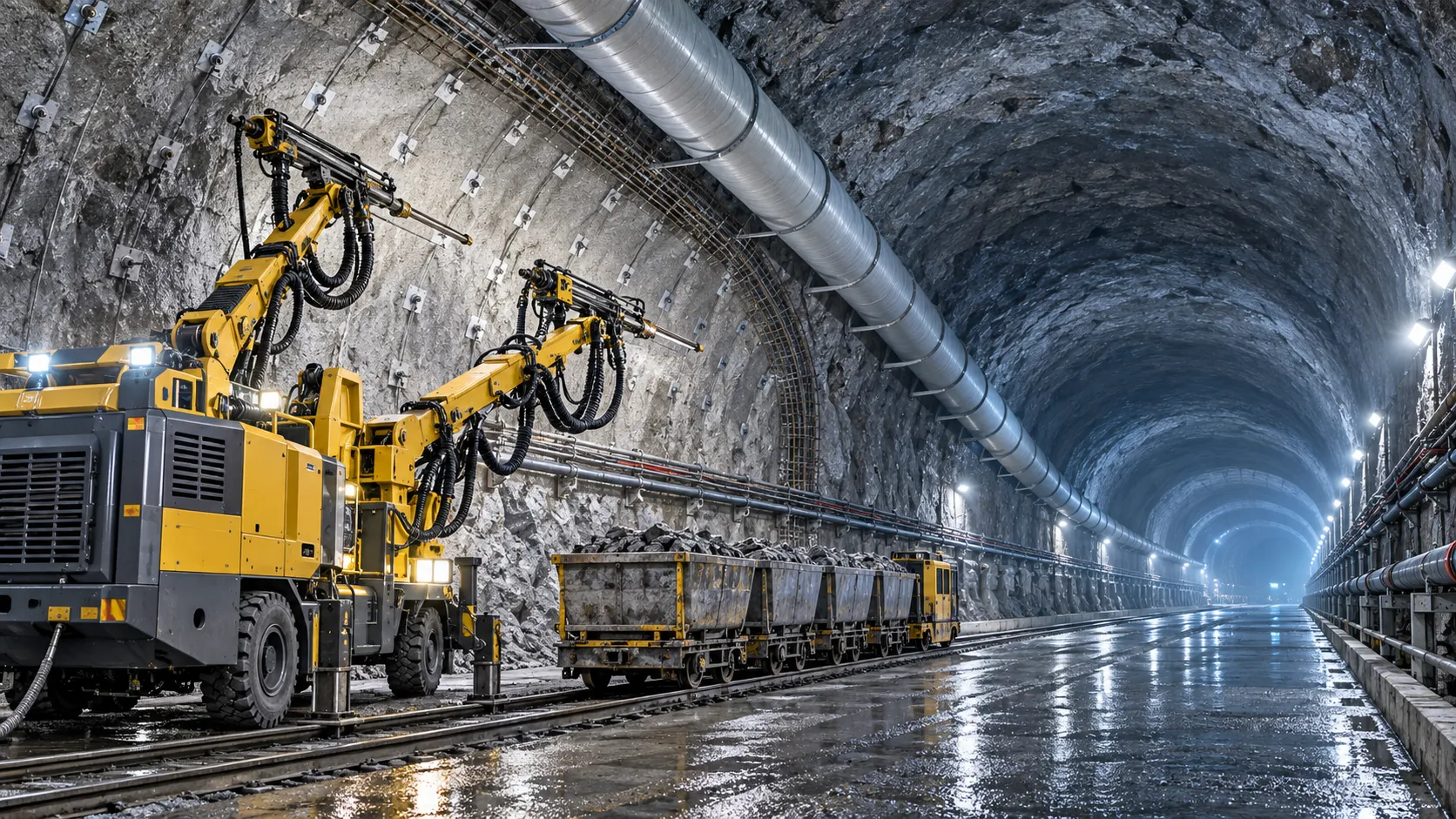
How to Evaluate European Drill-and-Blast Tunnelling Contractors for Complex Projects
Drill and blast tunnelling contractors Europe: learn how to assess geology expertise, blast control, equipment reliability, safety, and programme resilience for complex projects.
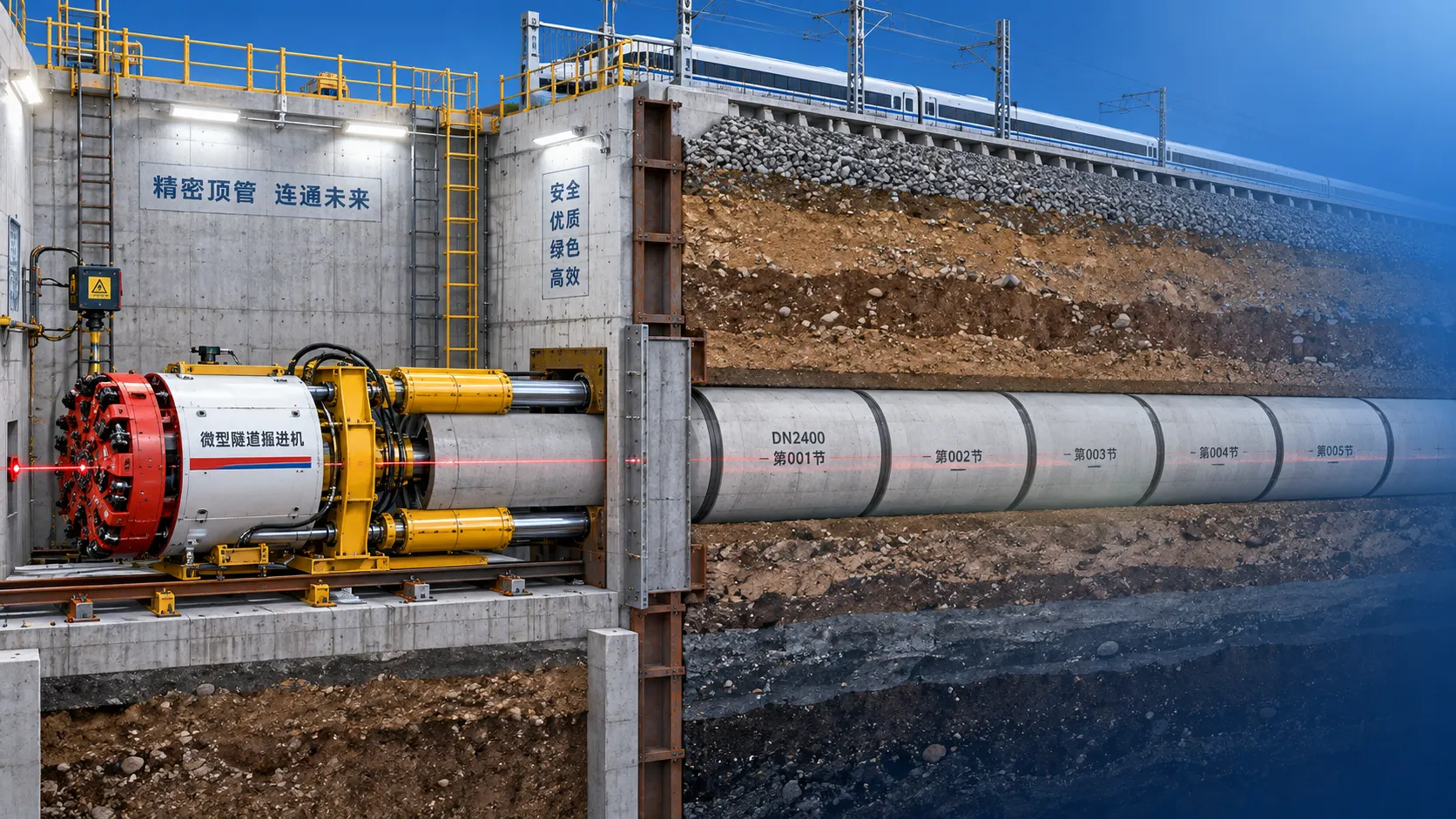
Which Trenchless Construction Technique Fits Your Utility Crossing Conditions?
Trenchless construction techniques compared for utility crossings: choose HDD, microtunnelling, pipe jacking, or auger boring based on ground, accuracy, access, and risk.
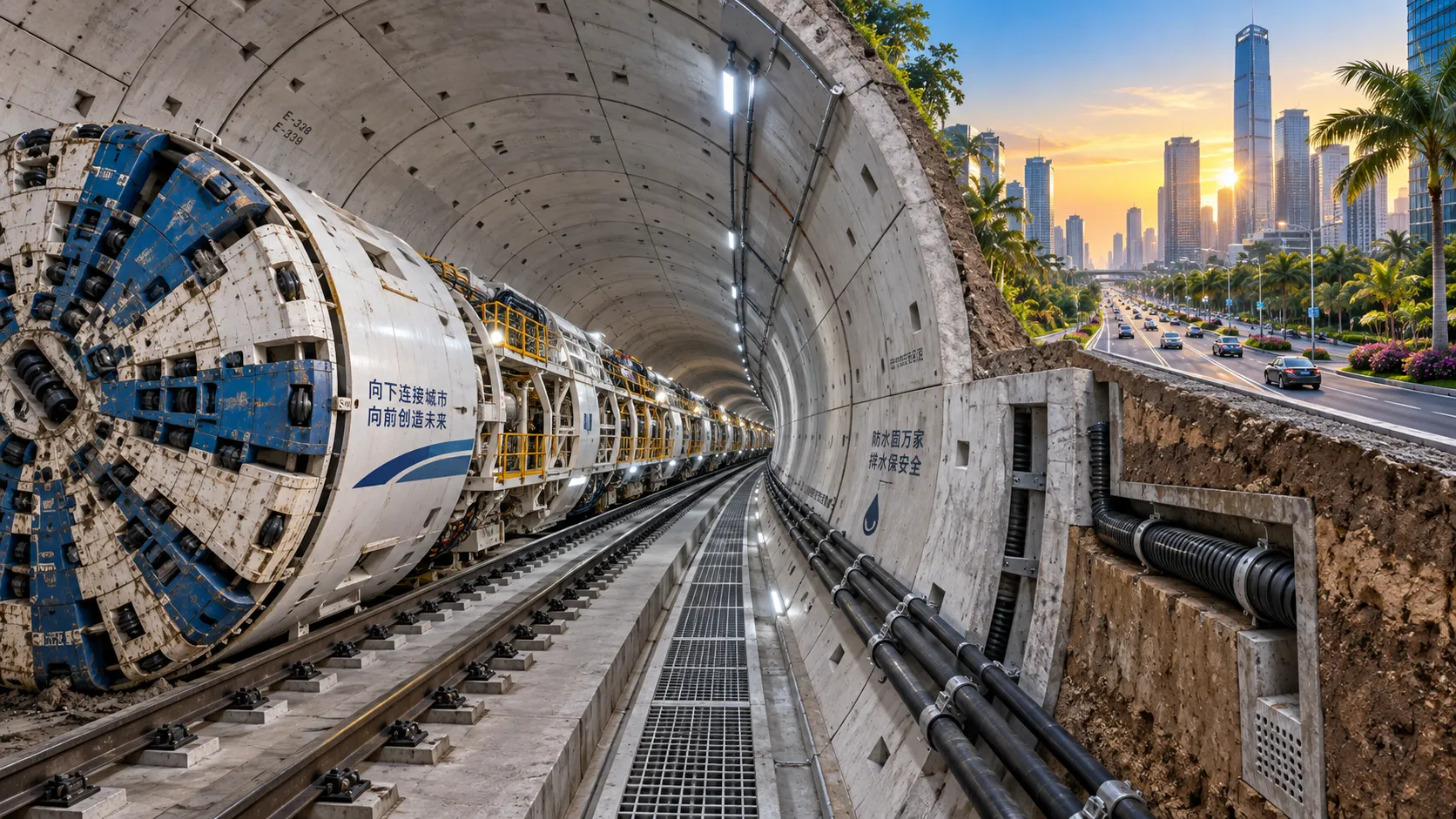
What Is Driving Metro Tunnelling Demand Across Southeast Asia’s Major Cities?
Metro tunnelling Southeast Asia is accelerating as major cities tackle congestion, flooding, and connectivity. Explore the market forces, technical risks, and opportunities shaping demand.
Hard Rock Tunnelling in Australia: Selecting Methods for Variable Ground Conditions
Hard rock tunnelling in Australia: compare TBM, drill-and-blast and hybrid methods to manage variable ground, reduce risk and protect project costs.
Hydropower Tunnel Excavation: Selecting Methods for Variable Rock Conditions
Hydropower tunnel excavation methods for variable rock conditions: compare TBM, drill-and-blast, and hybrid strategies to improve safety, progress, and project control.
How to Select Underground Safety Equipment for Tunnelling by Hazard and Work Zone
Underground Safety Equipment for tunnelling: match protection to hazards, work zones, compliance, and emergency needs with this practical selection guide.
EPB or Slurry Shield? Selecting Soft-Ground Tunnelling Equipment by Soil Conditions
Tunnel Excavation Equipment for soft ground: compare EPB and slurry shields by soil, groundwater, settlement risk, and project logistics to choose confidently.
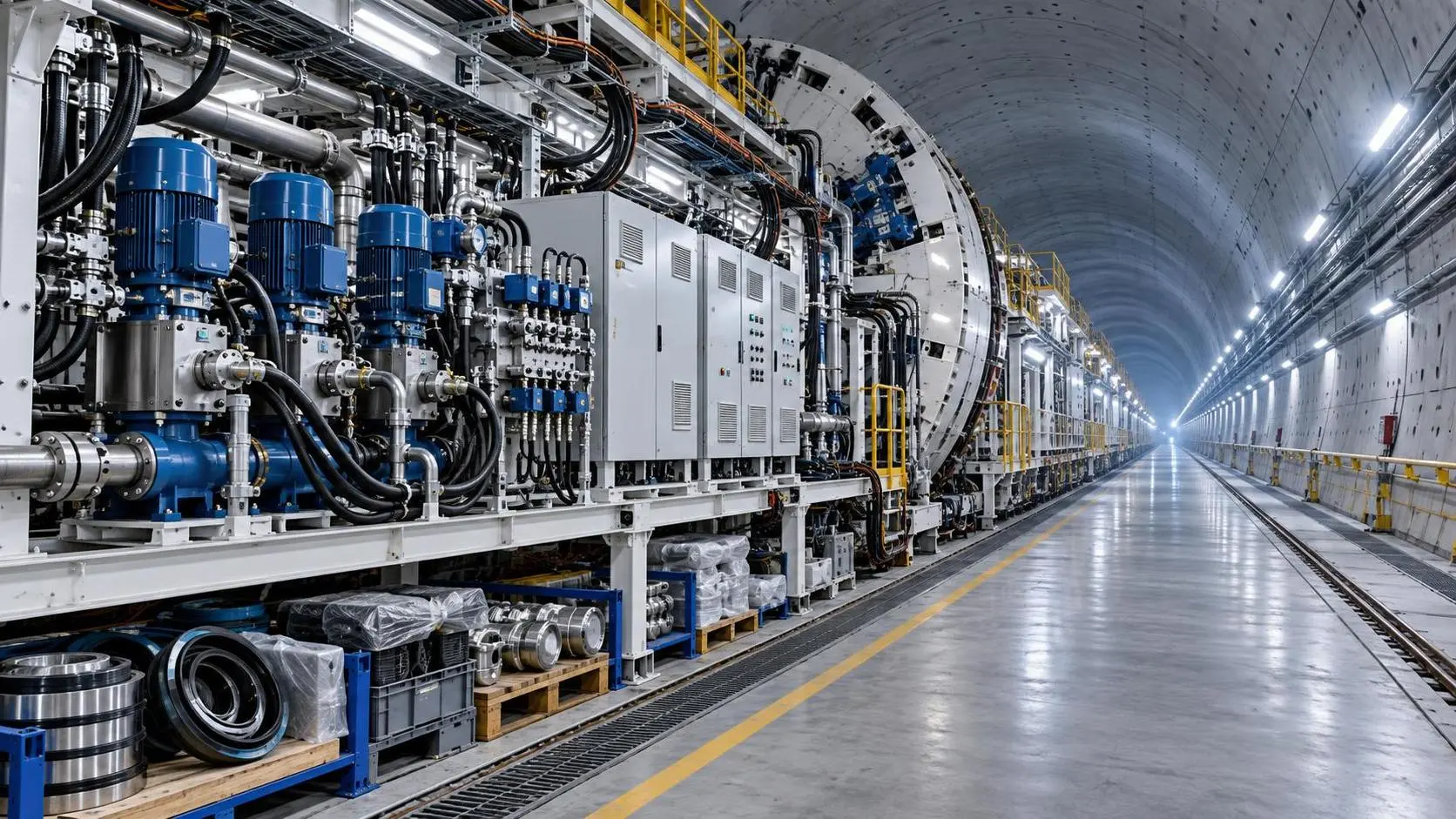
How to Specify TBM Backup System Parts for Reliable Long-Distance Tunnelling
TBM backup system parts: learn how to specify reliable spares for long-distance tunnelling, reduce downtime, ensure compatibility, and speed underground recovery.
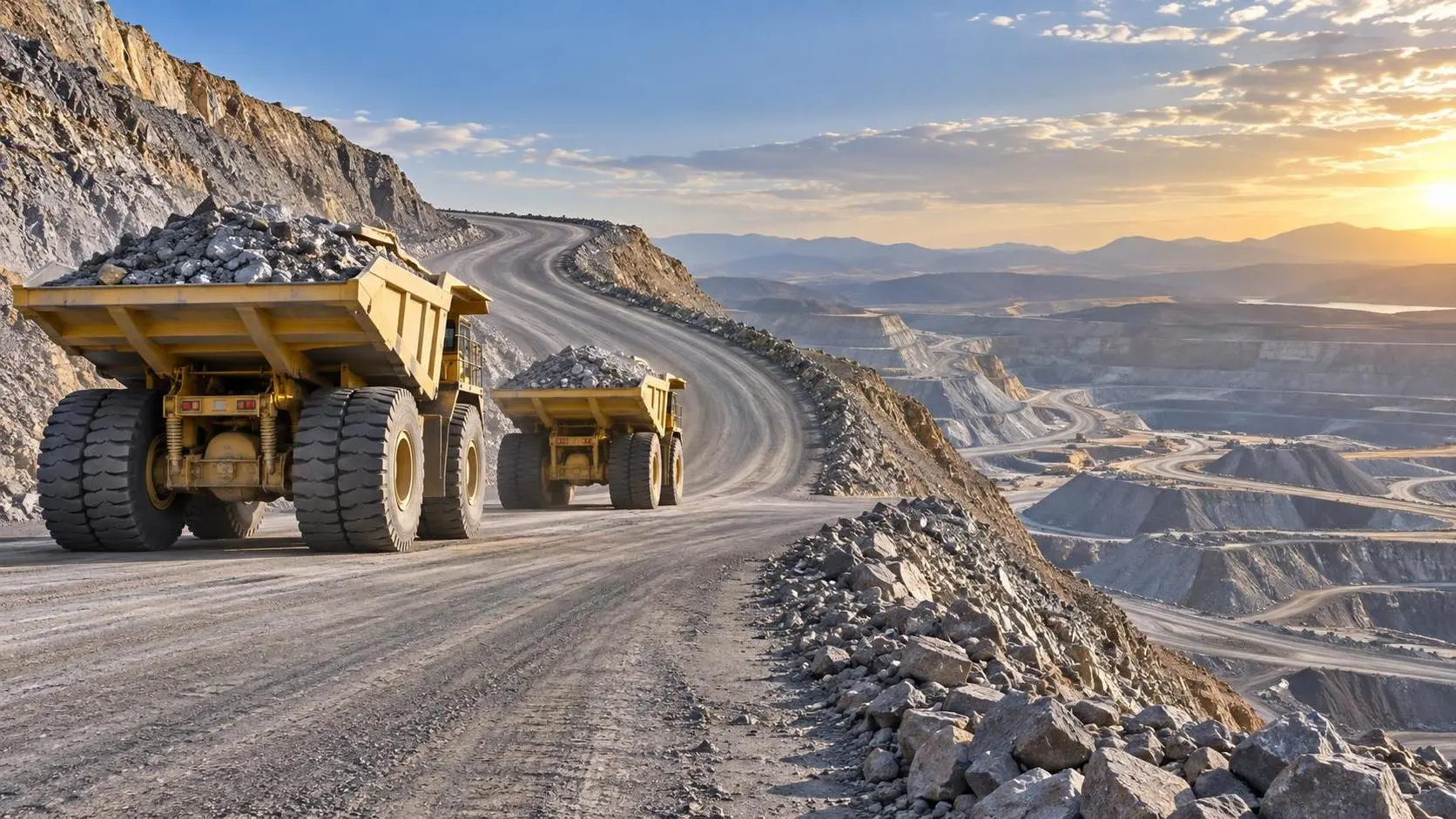
How to Size Open Pit Mining Trucks for Haul Distance, Grade, and Payload?
Open Pit Mining Trucks: learn how to match payload, haul distance, grade, road resistance, and loading capacity for safer, lower-cost mine operations.
Related News
- 00
0000-00
How to Evaluate European Drill-and-Blast Tunnelling Contractors for Complex Projects - 00
0000-00
Which Trenchless Construction Technique Fits Your Utility Crossing Conditions? - 00
0000-00
What Is Driving Metro Tunnelling Demand Across Southeast Asia’s Major Cities? - 00
0000-00
Hard Rock Tunnelling in Australia: Selecting Methods for Variable Ground Conditions - 00
0000-00
Hydropower Tunnel Excavation: Selecting Methods for Variable Rock Conditions
Weekly Insights
Stay ahead with our curated technology reports delivered every Monday.