
Malaysia Launches TBM Fast-Track Clearance, Cuts Customs to 48 Hours





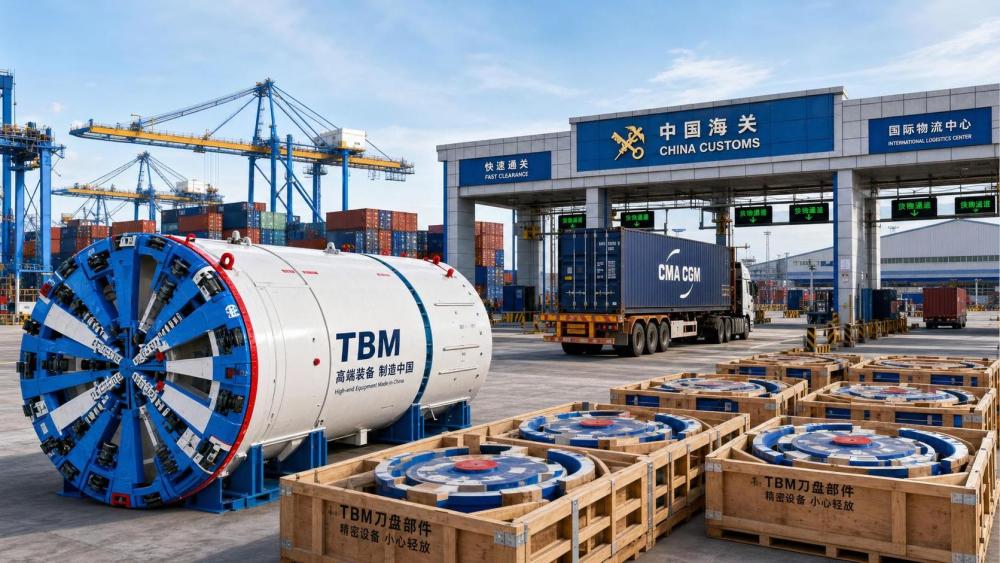
On June 26, 2026, Malaysia introduced a dedicated fast-track customs channel for certain China-made TBM equipment, reducing average clearance time from seven days to within 48 hours. The move is relevant not only to TBM manufacturers and exporters, but also to contractors, procurement teams, spare-parts planners, and logistics service providers involved in cross-border project delivery. For the market, the development is worth watching because it combines faster clearance with a pre-registration requirement, meaning efficiency gains now sit alongside a more formal documentation threshold.
A narrower process with clearer entry conditions
According to the provided information, Malaysia's Ministry of Investment, Trade and Industry (MITI), together with the customs authority, activated the "TBM priority clearance channel" on June 26, 2026. The channel applies a pre-review and registration mechanism to China-made Slurry Shields, EPB Shields, Hard Rock TBMs, and related cutterheads.
The reported average customs clearance time under this arrangement has been shortened from seven days to within 48 hours. The channel also requires submission of a geological adaptability verification report. The same requirement is described as being aligned with a new regulatory standard in Indonesia at a regional level.
Where the impact is likely to be felt first
Equipment exporters may see documentation become as important as shipping speed
From an industry perspective, suppliers shipping covered TBM categories into Malaysia may benefit most directly from the shorter customs timeline. The likely impact is concentrated in export preparation, customs filing, and handover coordination. What deserves closer attention is that faster border processing appears to depend on successful pre-review, so exporters will need to treat technical documentation readiness as part of delivery planning rather than as a secondary compliance task.
Project procurement teams may need to adjust delivery assumptions
For buyers and procurement functions tied to tunneling projects, a reduction from seven days to 48 hours can affect how inbound equipment timing is estimated. The potential impact is not limited to the customs stage itself; it may also influence procurement sequencing, equipment mobilization windows, and communication with project stakeholders. Observably, the shorter stated timeline does not remove the need to confirm whether all required pre-registration materials are complete before shipment.
Logistics and customs service providers face a more front-loaded workflow
Supply chain service providers may need to shift effort earlier in the process. The practical effect is likely to be seen in document review, filing accuracy, and coordination between exporter, consignee, and customs-facing teams. The key change to monitor is whether service quality will increasingly depend on handling technical verification documents correctly before cargo reaches the border.
Aftermarket and component flows may also come under closer scrutiny
Because the arrangement explicitly includes related cutterheads, the effect may extend beyond complete TBM units to supporting equipment flows. Analysis shows that companies involved in replacement parts, technical support, or bundled equipment delivery should pay attention to whether the same documentation expectations apply consistently across product configurations and shipment structures.
What companies should pay attention to now
Check whether product scope is interpreted consistently
The confirmed scope includes Slurry Shields, EPB Shields, Hard Rock TBMs, and related cutterheads. Companies should focus on how their own product descriptions, customs declarations, and supporting materials align with that stated scope, especially where shipments combine complete machines with related components.
Treat the geological adaptability report as a gatekeeping document
The requirement for a geological adaptability verification report is one of the most operationally important elements in the update. In practical terms, businesses should pay close attention to document completeness, internal review procedures, and who is responsible for preparing or validating the material before submission.
Separate policy signal from operational execution
Analysis shows that a stated 48-hour clearance window is not the same as an unconditional transit guarantee. Companies should distinguish between the policy direction and the actual performance of each shipment, particularly where pre-review timing, document acceptance, or procedural interpretation could affect execution.
Watch the regional standard alignment angle
The note that Malaysia's requirement is aligned with a new rule in Indonesia gives this development a broader compliance dimension. For companies serving multiple Southeast Asian markets, the more immediate concern is not expansion assumptions, but whether documentation standards are starting to converge in ways that affect technical submissions, product qualification, and cross-market planning.
Why this looks larger than a simple customs update
Observably, this is not only a logistics efficiency story. It also signals that access to a faster customs path may increasingly depend on pre-cleared technical evidence, especially for complex heavy equipment. It is more appropriate to understand this as both a short-term operational change and a longer-term compliance signal, though the depth of its market effect still requires continued observation.
Analysis shows that the most meaningful point is the combination of speed and documentation discipline. That combination can matter more than the headline clearance time itself, because it shifts attention from border delay alone to upstream readiness, technical substantiation, and multi-market consistency.
How the market may best read this development
At this stage, the update is best read as a targeted procedural change with immediate relevance for shipments covered by the new channel. It may improve timing predictability for qualified cargo, but it also raises the importance of pre-submission compliance work. A neutral reading is that the measure offers a clearer path for eligible TBM equipment, while leaving open further questions about how consistently the mechanism will operate in day-to-day execution.
Basis of this article and what still needs verification
This article is based on the user-provided news title, event date, and event summary. For developments of this type, commonly relevant source categories may include official government notices, customs announcements, company disclosures, industry association updates, authoritative media reporting, and technical or standards-related documents. No specific official source link was provided in the input, so the exact source document still requires ongoing verification. What deserves closer attention in follow-up tracking is whether later official wording clarifies implementation details, document review practice, and the practical application of the geological adaptability verification requirement.
Related News

Tunnel Boring Machine Costs: Budgeting for Purchase, Operation, and Project Risk
Tunnel Boring Machines cost more than purchase price. Learn how to budget lifecycle costs, downtime, logistics, wear, and project risk for smarter TBM decisions.

Open-Pit Haulage Cost Analysis: How Mine Managers Can Cut Cost per Tonne
Open pit haulage cost analysis: discover practical ways to reduce cost per tonne through payload control, cycle-time optimization, road performance, and smarter fleet decisions.

Tunnel Construction Innovations That Reduce Risk and Schedule Delays on Urban Projects
Tunnel construction innovation for urban projects: discover smarter TBMs, real-time monitoring, trenchless methods, and automation that reduce risk and protect schedules.

TBM Disc Cutter Design: Key Geometry and Load Factors for Hard Rock Tunnelling
TBM disc cutter design explained: explore geometry, spacing, load distribution and maintenance factors for reliable, efficient hard-rock tunnelling performance.

Hydraulic Tipping Stability Risks in Multi-Axle Dump Special Trailers
Dump special trailers: discover key hydraulic tipping stability risks, multi-axle load dynamics, and practical safety controls for safer, smarter bulk hauling.
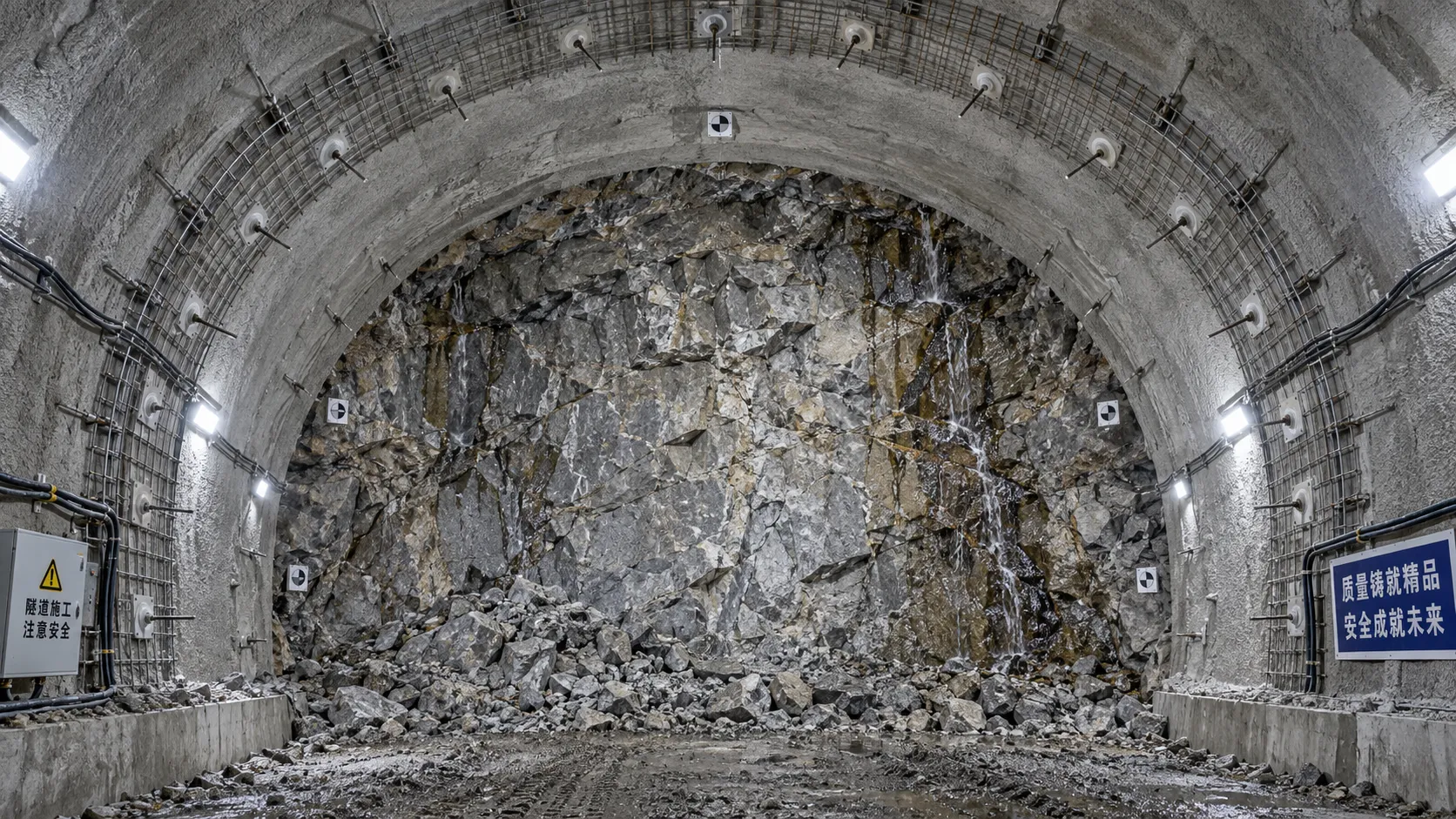
When rock reinforcement in tunnel construction must change after blasting
Rock reinforcement in tunnel construction must change when blasting reveals overbreak, weak joints, water inflow, or deformation. Discover key post-blast support decisions.
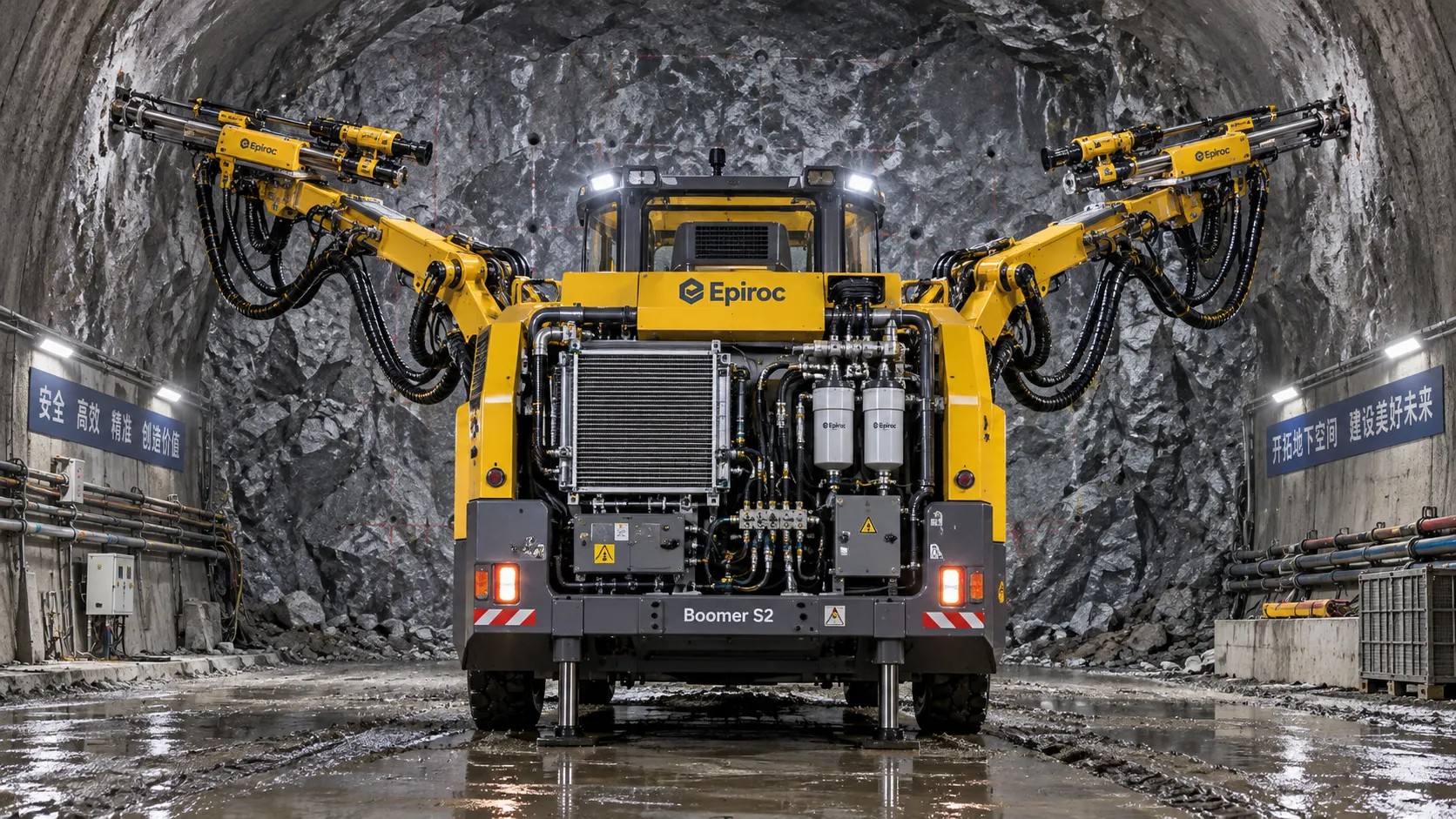
How tunnel hydraulic systems influence drill jumbo uptime underground
Tunnel hydraulic systems directly influence drill jumbo uptime. Explore how stable pressure, clean oil, cooling, and maintainable design reduce underground downtime.
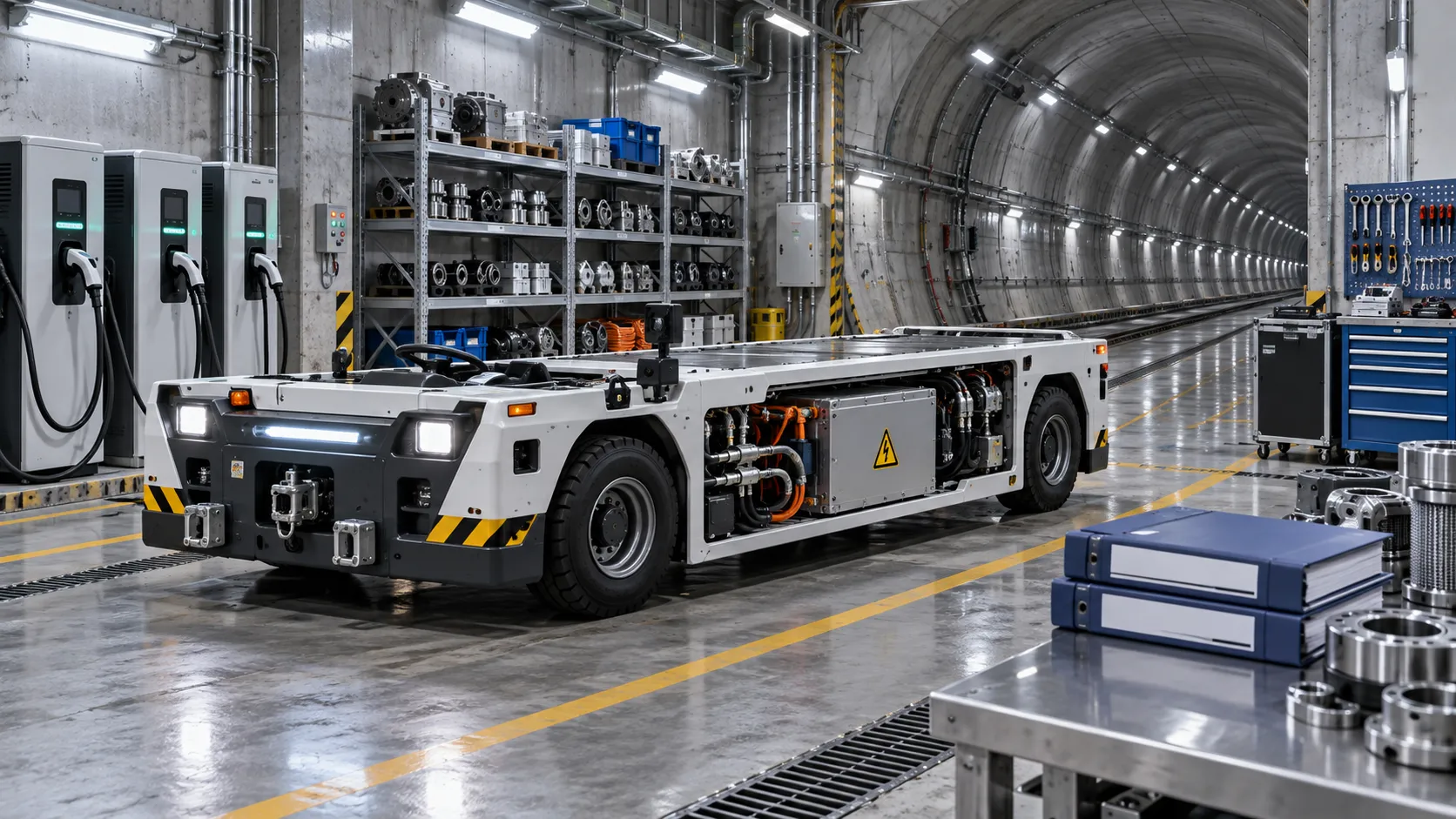
What to verify before appointing a tunneling vehicles manufacturer
Choosing a tunneling vehicles manufacturer? Verify application fit, reliability, compliance, parts support, training, and channel terms before appointing a partner.
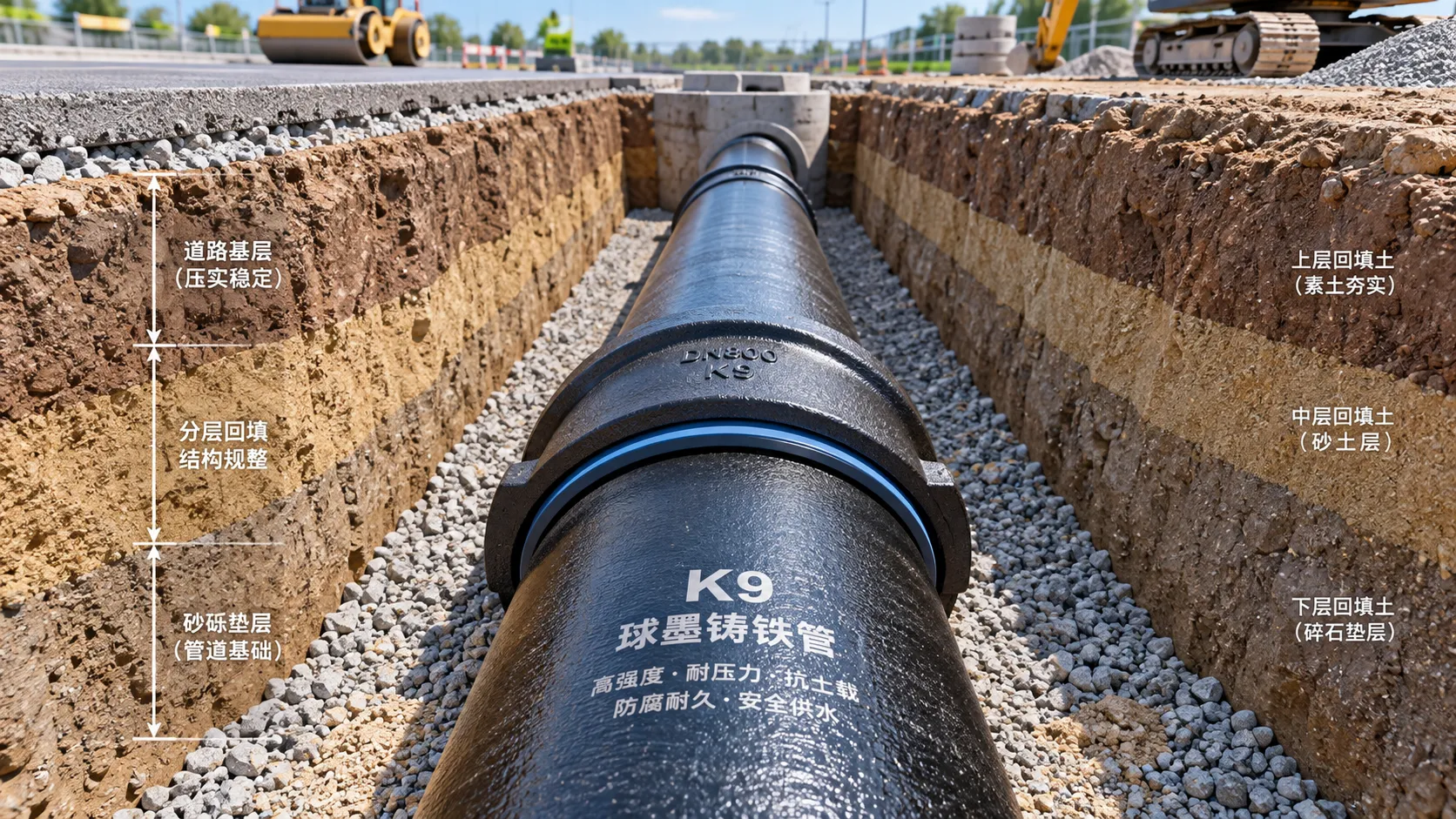
Selecting K9 Ductile Iron Pipe for Buried Water Pipeline Conditions
K9 ductile iron pipe selection for buried water pipelines: compare pressure duty, joints, soil loads, corrosion protection, and installation controls for reliable long-term performance.
Related News
- 00
0000-00
Tunnel Boring Machine Costs: Budgeting for Purchase, Operation, and Project Risk - 00
0000-00
Open-Pit Haulage Cost Analysis: How Mine Managers Can Cut Cost per Tonne - 00
0000-00
Tunnel Construction Innovations That Reduce Risk and Schedule Delays on Urban Projects - 00
0000-00
TBM Disc Cutter Design: Key Geometry and Load Factors for Hard Rock Tunnelling - 00
0000-00
Hydraulic Tipping Stability Risks in Multi-Axle Dump Special Trailers
Weekly Insights
Stay ahead with our curated technology reports delivered every Monday.