
EPB Shield Price Breakdown: What Drives Cost in Urban Tunneling Projects?





EPB Shield Price Breakdown: What Drives Cost in Urban Tunneling Projects?
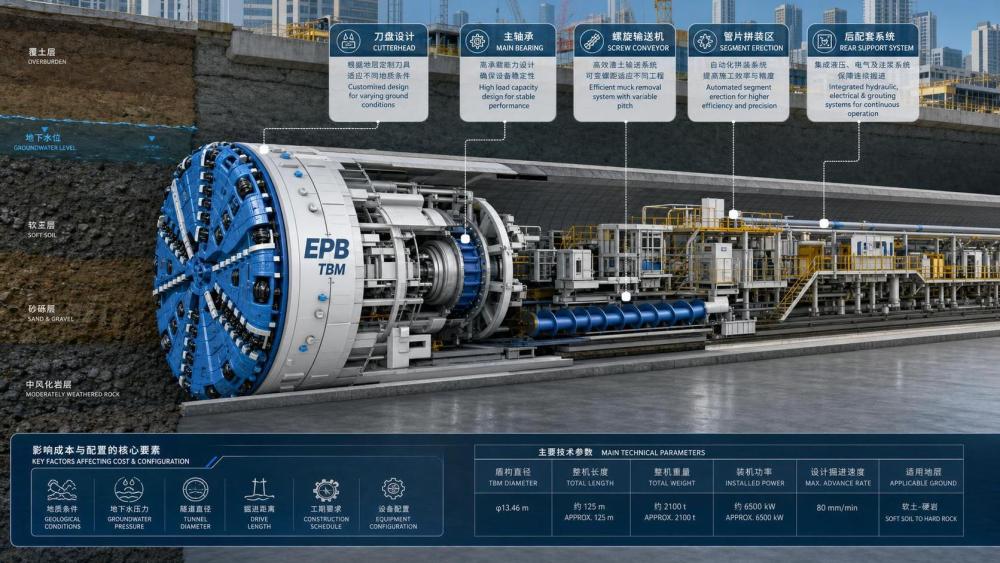
For urban tunneling projects, the EPB shield price is never just a machine number on a quotation sheet.
It reflects geology, alignment risk, automation choices, compliance needs, and long-term service expectations.
That is why two similar-looking EPB machines can carry very different price tags.
In practical buying decisions, the better question is not only “What is the EPB shield price?”
It is also “What exactly is driving that price, and what cost sits outside the base contract?”
A smart cost review helps avoid under-specifying the machine or overpaying for features with limited project value.
From recent market changes, a clearer signal is emerging.
Urban clients now compare lifecycle performance, not only initial EPB shield price.
This shift matters because downtime, settlement risk, and spare parts delays can erase any early savings.
Why the Base EPB Shield Price Varies So Much
The first cost driver is machine diameter.
Larger diameters need more steel, more torque, stronger bearings, and more complex handling systems.
That alone can move the EPB shield price significantly.
The second factor is expected ground behavior.
Soft clay, mixed face, water-bearing sand, and cobble zones do not require the same cutterhead or screw conveyor design.
A machine tailored for variable urban geology usually costs more upfront.
Still, that higher EPB shield price can reduce intervention risk later.
The third factor is project-specific customization.
Launch shaft restrictions, tight curves, noise limits, and segment handling requirements often force non-standard designs.
Custom engineering adds design hours, specialized fabrication, and testing time.
Core machine elements that shape cost
- Cutterhead design, opening ratio, and wear protection layout.
- Main bearing size, sealing system, and design life.
- Screw conveyor pressure capability and anti-blocking features.
- Articulation, steering, and backup train configuration.
- Segment erector precision and lining compatibility.
Ground Conditions Often Decide the Real Price
In urban tunneling, geology can change within a short drive length.
That variation directly affects the EPB shield price because the machine must stay stable across changing face conditions.
Mixed-face conditions are especially sensitive.
They may require reinforced cutter tools, optimized chamber control, and stronger conditioning capability.
High groundwater pressure also pushes cost higher.
More robust sealing, pressure monitoring, and hyperbaric-ready intervention features may be needed.
In business terms, difficult ground usually raises both capital cost and contingency planning.
This also means a lower EPB shield price is not always the safer buying choice.
Questions worth asking during technical review
- What ground bands were used for the supplier’s price basis?
- Is the cutterhead optimized for clay, sand, mixed face, or all three?
- What additives system is included in the quoted EPB shield price?
- How is tool wear expected to change by geology zone?
- Which geological risks trigger exclusions or price adjustments?
Automation, Monitoring, and Safety Systems Add Value
Modern urban projects increasingly demand higher automation.
This includes guidance systems, real-time data logging, slurry and foam monitoring, and predictive maintenance dashboards.
Each layer can lift the EPB shield price, sometimes by a noticeable margin.
Even so, these features often improve tunneling consistency and reduce operator-dependent performance swings.
That matters more in dense city corridors with settlement-sensitive buildings overhead.
Safety packages also change cost structure.
Gas detection, fire suppression, emergency communication, and confined-space compliance are not optional in many tenders.
More clearly than before, digital readiness is becoming part of commercial competitiveness.
When higher automation is worth the premium
- Long drives where stable performance matters more than initial savings.
- Projects with strict settlement control and public scrutiny.
- Sites with limited skilled labor availability.
- Contracts that reward uptime and predictable advance rates.
Supplier Scope, Local Content, and Compliance Change the Math
One common mistake is comparing EPB shield price offers without normalizing scope.
Some suppliers quote the shield and backup only.
Others include assembly supervision, commissioning, operator training, tooling, spare parts, and software support.
Those differences can distort price comparisons fast.
Local content rules can also affect the final EPB shield price.
If local fabrication, local assembly, or domestic sourcing is mandatory, cost may rise due to supply chain complexity.
Certification requirements add another layer.
Electrical standards, worker safety rules, and emissions expectations for site equipment all influence the total package.
A simple scope comparison checklist
The Hidden Costs Behind the EPB Shield Price
The quoted EPB shield price rarely tells the whole story.
Transport, customs, inland logistics, shaft assembly constraints, and launch preparation can add substantial cost.
Consumables are another major line item.
Foam agents, polymers, grease, cutter tools, seals, and screw conveyor wear parts influence the true operating budget.
Downtime may be the most expensive hidden cost of all.
A lower EPB shield price loses its appeal if spare parts lead times are long or on-site support is weak.
In actual procurement practice, evaluating uptime support is often more revealing than chasing the lowest bid.
Hidden cost areas to model early
- Tool consumption by geology section.
- Conditioning agent consumption per cubic meter.
- Intervention frequency and access method.
- Spare parts stock strategy and replenishment time.
- Penalties tied to delay, settlement, or safety incidents.
How to Compare EPB Shield Price Offers More Accurately
A strong comparison starts with a common technical basis.
Use the same geology assumptions, alignment data, groundwater conditions, and settlement thresholds for every bidder.
Then separate cost into clear buckets rather than one lump sum.
That makes the EPB shield price easier to audit and negotiate.
A practical review structure usually includes capital equipment, commissioning, consumables, training, warranty, and lifecycle support.
It also helps to request reference cases from similar urban tunnel conditions.
Comparable field performance often reveals more than brochure specifications.
A practical decision framework
- Normalize scope before comparing any EPB shield price.
- Score geology fit, not just machine size and power.
- Model consumables and wear over the full drive.
- Check local service capability and critical spare availability.
- Tie payment milestones to testing, support, and acceptance metrics.
When viewed this way, the best EPB shield price is not simply the lowest number.
It is the offer that balances purchase cost, operational reliability, risk control, and service strength.
For urban tunneling, that balance usually protects budget far better than an aggressive headline discount.
The next smart step is to build a side-by-side cost model, test exclusions carefully, and confirm which EPB shield price truly supports project delivery.
Related News
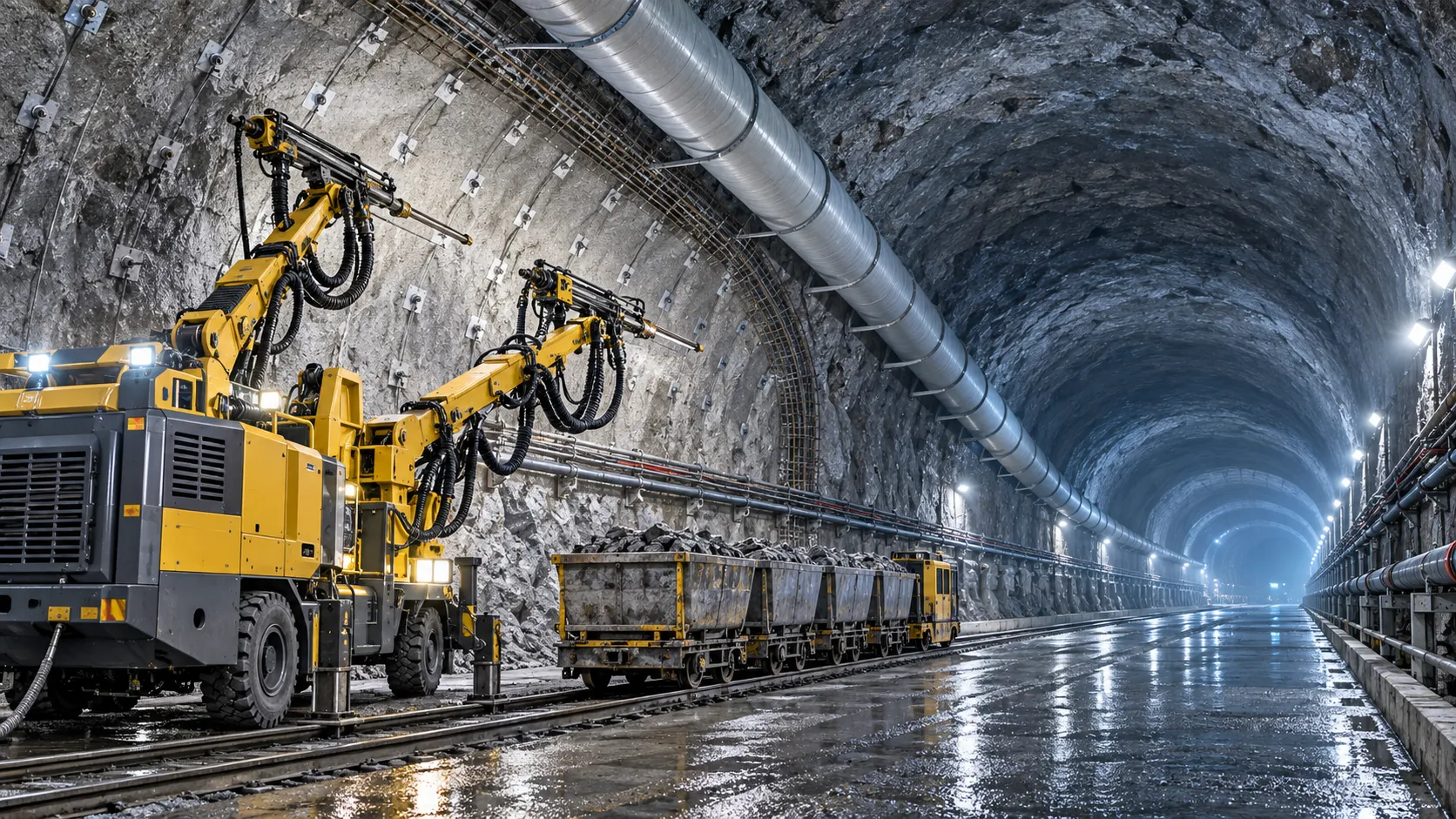
How to Evaluate European Drill-and-Blast Tunnelling Contractors for Complex Projects
Drill and blast tunnelling contractors Europe: learn how to assess geology expertise, blast control, equipment reliability, safety, and programme resilience for complex projects.
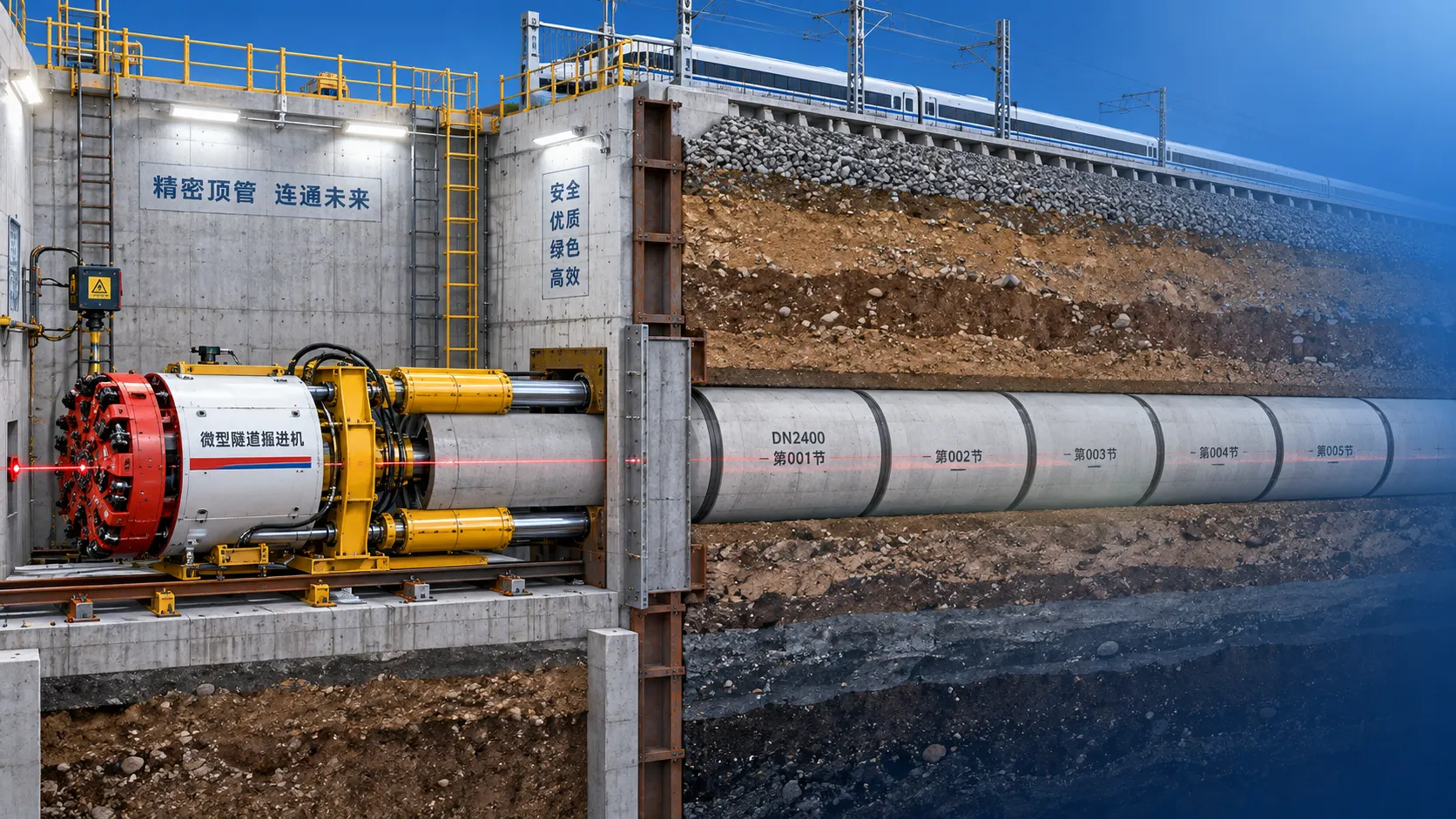
Which Trenchless Construction Technique Fits Your Utility Crossing Conditions?
Trenchless construction techniques compared for utility crossings: choose HDD, microtunnelling, pipe jacking, or auger boring based on ground, accuracy, access, and risk.
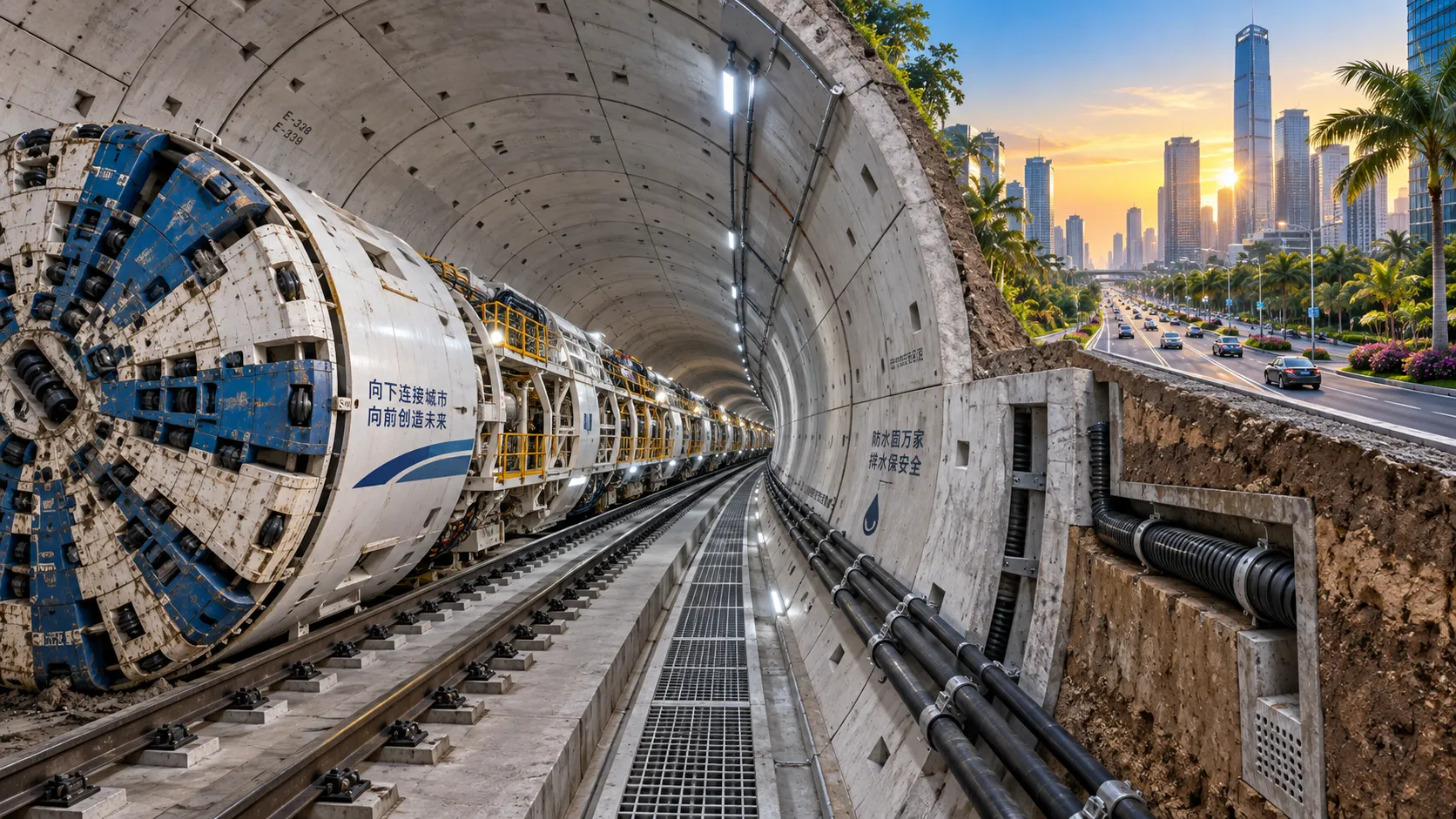
What Is Driving Metro Tunnelling Demand Across Southeast Asia’s Major Cities?
Metro tunnelling Southeast Asia is accelerating as major cities tackle congestion, flooding, and connectivity. Explore the market forces, technical risks, and opportunities shaping demand.
Hard Rock Tunnelling in Australia: Selecting Methods for Variable Ground Conditions
Hard rock tunnelling in Australia: compare TBM, drill-and-blast and hybrid methods to manage variable ground, reduce risk and protect project costs.
Hydropower Tunnel Excavation: Selecting Methods for Variable Rock Conditions
Hydropower tunnel excavation methods for variable rock conditions: compare TBM, drill-and-blast, and hybrid strategies to improve safety, progress, and project control.
How to Select Underground Safety Equipment for Tunnelling by Hazard and Work Zone
Underground Safety Equipment for tunnelling: match protection to hazards, work zones, compliance, and emergency needs with this practical selection guide.
EPB or Slurry Shield? Selecting Soft-Ground Tunnelling Equipment by Soil Conditions
Tunnel Excavation Equipment for soft ground: compare EPB and slurry shields by soil, groundwater, settlement risk, and project logistics to choose confidently.
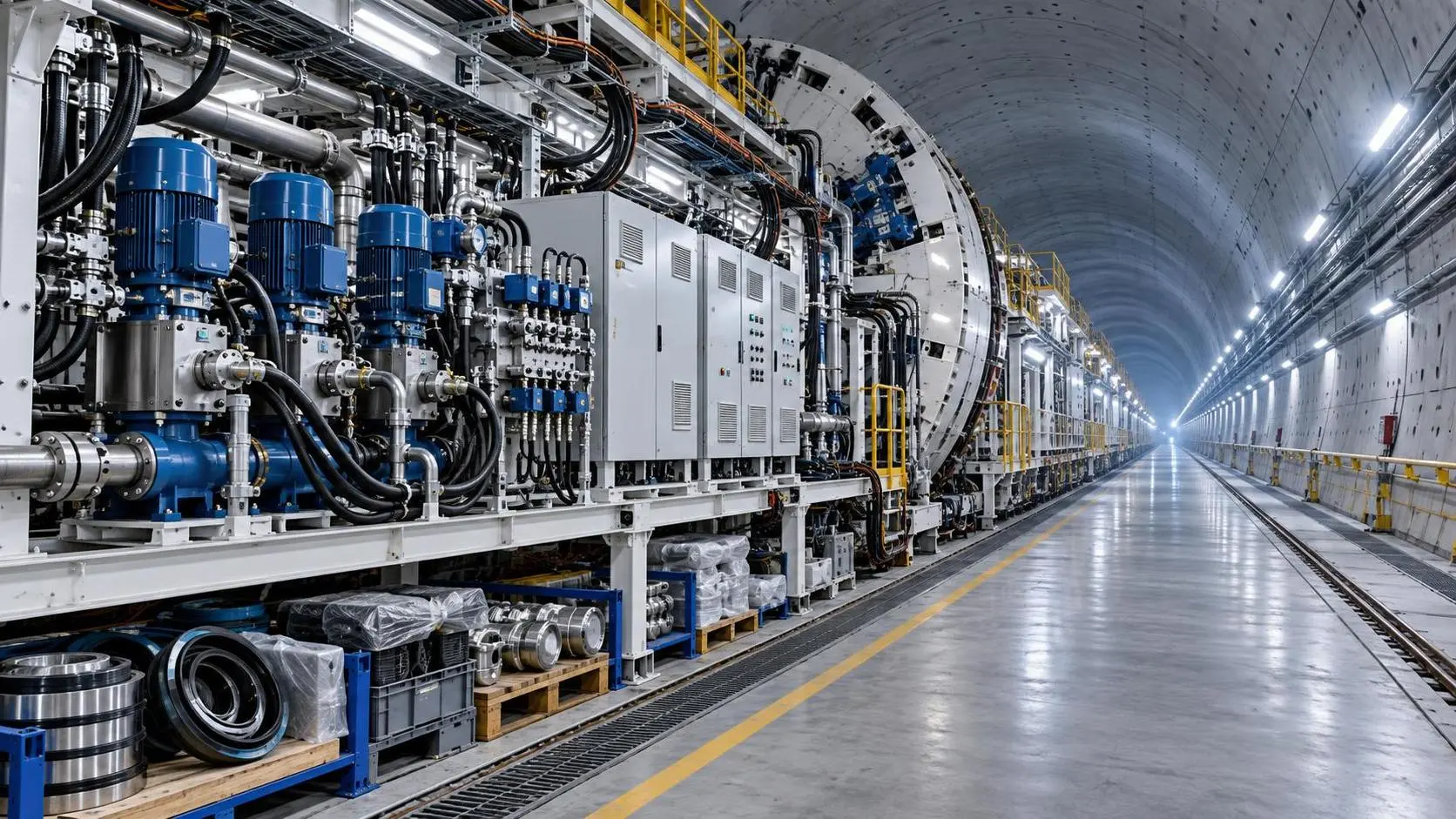
How to Specify TBM Backup System Parts for Reliable Long-Distance Tunnelling
TBM backup system parts: learn how to specify reliable spares for long-distance tunnelling, reduce downtime, ensure compatibility, and speed underground recovery.
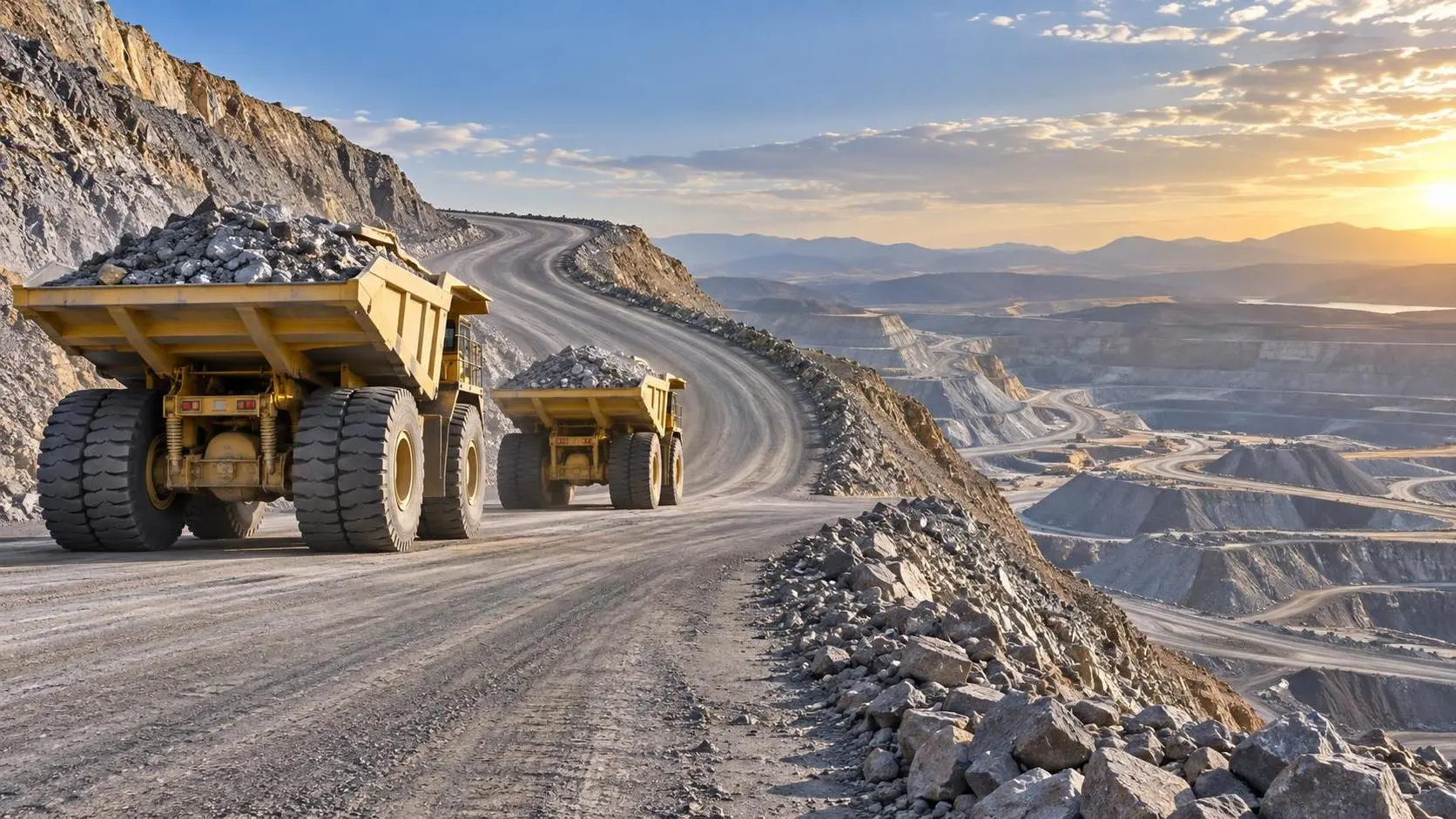
How to Size Open Pit Mining Trucks for Haul Distance, Grade, and Payload?
Open Pit Mining Trucks: learn how to match payload, haul distance, grade, road resistance, and loading capacity for safer, lower-cost mine operations.
Related News
- 00
0000-00
How to Evaluate European Drill-and-Blast Tunnelling Contractors for Complex Projects - 00
0000-00
Which Trenchless Construction Technique Fits Your Utility Crossing Conditions? - 00
0000-00
What Is Driving Metro Tunnelling Demand Across Southeast Asia’s Major Cities? - 00
0000-00
Hard Rock Tunnelling in Australia: Selecting Methods for Variable Ground Conditions - 00
0000-00
Hydropower Tunnel Excavation: Selecting Methods for Variable Rock Conditions
Weekly Insights
Stay ahead with our curated technology reports delivered every Monday.