
EU DSA Fine on Temu Raises Compliance Risk for Industrial SaaS





On May 28, 2026, the EU imposed a US$232 million penalty on cross-border e-commerce platform Temu under the Digital Services Act (DSA), citing an insufficient assessment of risks linked to illegal goods. What makes this development especially relevant beyond e-commerce is that the ruling is now pushing closer scrutiny toward industrial SaaS services with cross-border data transfer functions, including TBM intelligent tunneling cloud platforms and LHD remote control apps. For exporters of digital industrial services, compliance, data handling, and client-facing due diligence are becoming immediate areas to watch.

What the May 28 ruling confirms
The confirmed facts are limited but significant. The EU issued the penalty against Temu on May 28, 2026 under the DSA and stated that the platform had not adequately assessed the risks associated with illegal products. Based on the same development, the scope of attention around DSA enforcement is moving more quickly toward industrial SaaS scenarios that involve cross-border data transmission. The information provided also indicates that multiple Chinese companies have already received dual-compliance due diligence letters from European law firms covering both GDPR and DSA issues.
Where the pressure may appear across the business chain
Digital service exporters face earlier compliance review
From an industry perspective, providers of B2B digital services are likely to feel the impact first because the reported concern is not only platform content, but also risk assessment and cross-border data functions. For companies offering remote operation platforms, cloud-based industrial tools, or app-based control interfaces, the practical pressure may emerge in customer onboarding, contract review, and legal document requests.
Equipment makers and integrators may be drawn in through delivery workflows
Analysis shows that manufacturers and system integrators connected to TBM platforms, LHD remote control applications, and similar services may also need to pay closer attention. Even when they are not the primary software operator, their delivery model may involve data interfaces, remote support, or ongoing operational access, which could become part of compliance checks raised by overseas counterparties.
Procurement and end users may tighten vendor screening
Buyers, operators, and end-use industrial clients may respond by asking suppliers to clarify how cross-border data flows are handled and whether legal review has already been conducted. The immediate effect is less about confirmed enforcement outcomes for every industrial service and more about a likely increase in pre-purchase diligence, vendor questionnaires, and document verification.
What companies should watch now
Separate confirmed enforcement from expanding policy signal
What deserves closer attention is the difference between the confirmed fact and the broader policy implication. The confirmed action is the DSA fine on Temu. The broader signal is that industrial SaaS with cross-border data functions is attracting more attention. Companies should avoid treating every scenario as already settled regulation, while also avoiding the assumption that industrial applications will remain outside scrutiny.
Prepare for GDPR and DSA questions together
The due diligence letters mentioned in the input suggest that European-side reviews are already combining GDPR and DSA concerns. In practical terms, this means companies may need to organize internal materials in a way that addresses both data governance and service-risk assessment, rather than handling them as separate conversations only after a client or law firm raises questions.
Review cross-border functions in remote operation products
For providers of remote operation platforms, cloud monitoring tools, and app-based industrial controls, the most relevant focus is likely to be the business function itself: what data moves across borders, how remote access is structured, and how risk is assessed in the service design. This is a more targeted issue than broad management improvement, because the current signal is tied directly to digital service architecture and cross-border functionality.
Strengthen customer communication and document readiness
Observably, compliance pressure may first appear through legal questionnaires, contract negotiation, or additional document requests rather than through immediate public enforcement against every supplier type. Companies should therefore pay attention to response readiness, supplier documentation, delivery explanations, and communication with overseas customers when compliance questions arise.
Why this looks like a broader regulatory signal
Analysis shows that this development is better understood, at this stage, as a strong regulatory signal rather than a fully settled enforcement outcome across the entire industrial SaaS market. The Temu penalty is a confirmed case, but the industrial implication remains in an advancing stage of scrutiny and due diligence. That is precisely why the sector needs continued attention: the shift may begin with legal review and market access friction before it appears as direct enforcement against industrial platforms.
How to read the current situation
It is more appropriate to understand this news as an early warning for industrial digital service exporters, especially those whose offerings combine software delivery, remote operation, and cross-border data transfer. The event does not by itself prove that all industrial SaaS services will face identical treatment, but it does indicate that compliance expectations in the EU market are becoming harder to separate between platform rules and data rules. For companies active in overseas industrial digital services, the near-term task is careful monitoring and practical preparation, not overstatement or complacency.
About the basis of this article
This article is generated from the user-provided news title, event date, and event summary. Source types commonly relevant to developments like this may include official announcements, corporate disclosures, industry association updates, authoritative media reporting, and standard-setting or legal interpretation documents. A specific official source link was not provided in the input, so the details should continue to be verified against subsequent official disclosures and legal updates. The main follow-up areas to watch are whether EU-side wording further clarifies the reach of DSA review into industrial SaaS, and how GDPR plus DSA due diligence is applied in actual cross-border business engagement.
Related News
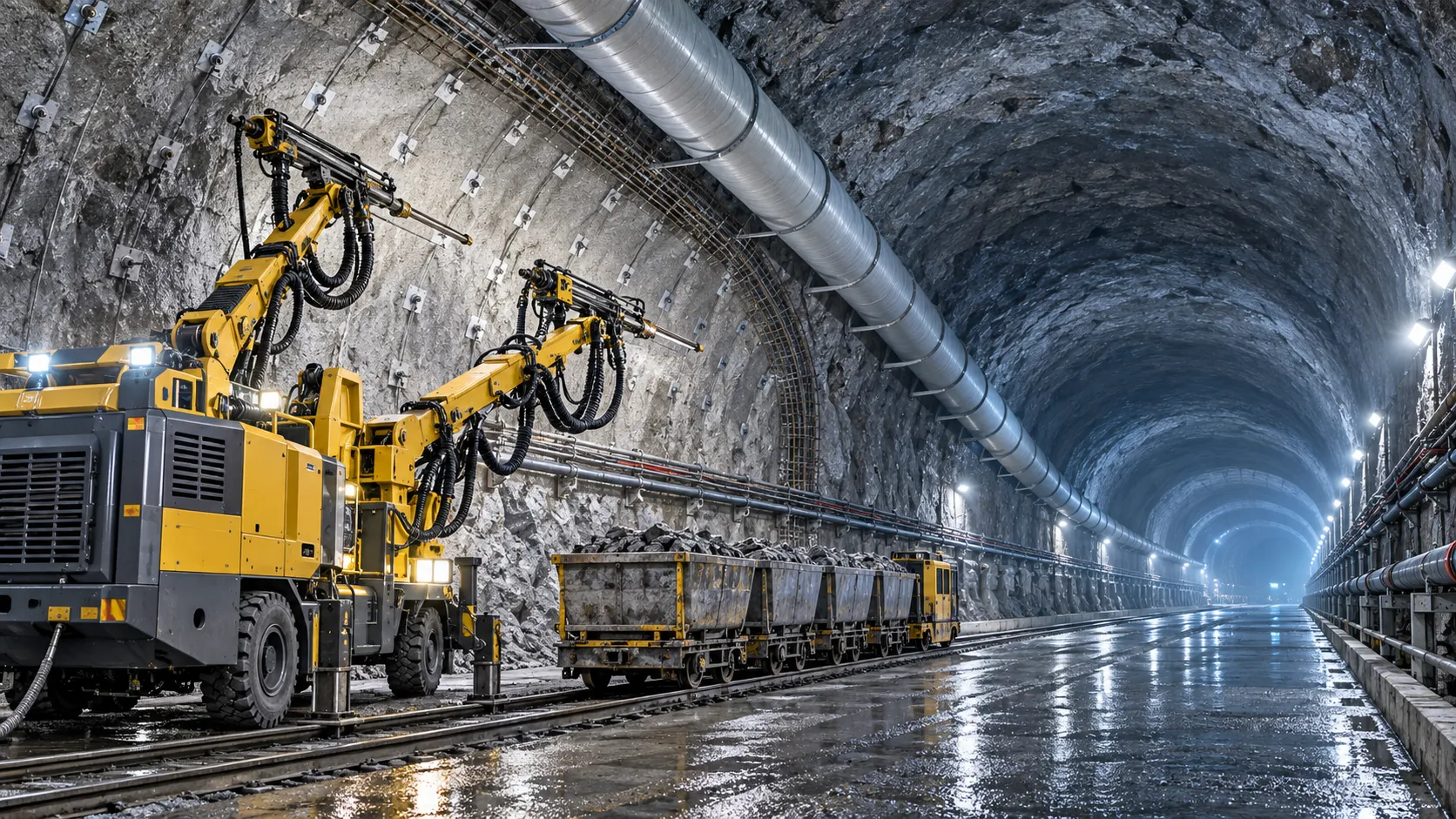
How to Evaluate European Drill-and-Blast Tunnelling Contractors for Complex Projects
Drill and blast tunnelling contractors Europe: learn how to assess geology expertise, blast control, equipment reliability, safety, and programme resilience for complex projects.
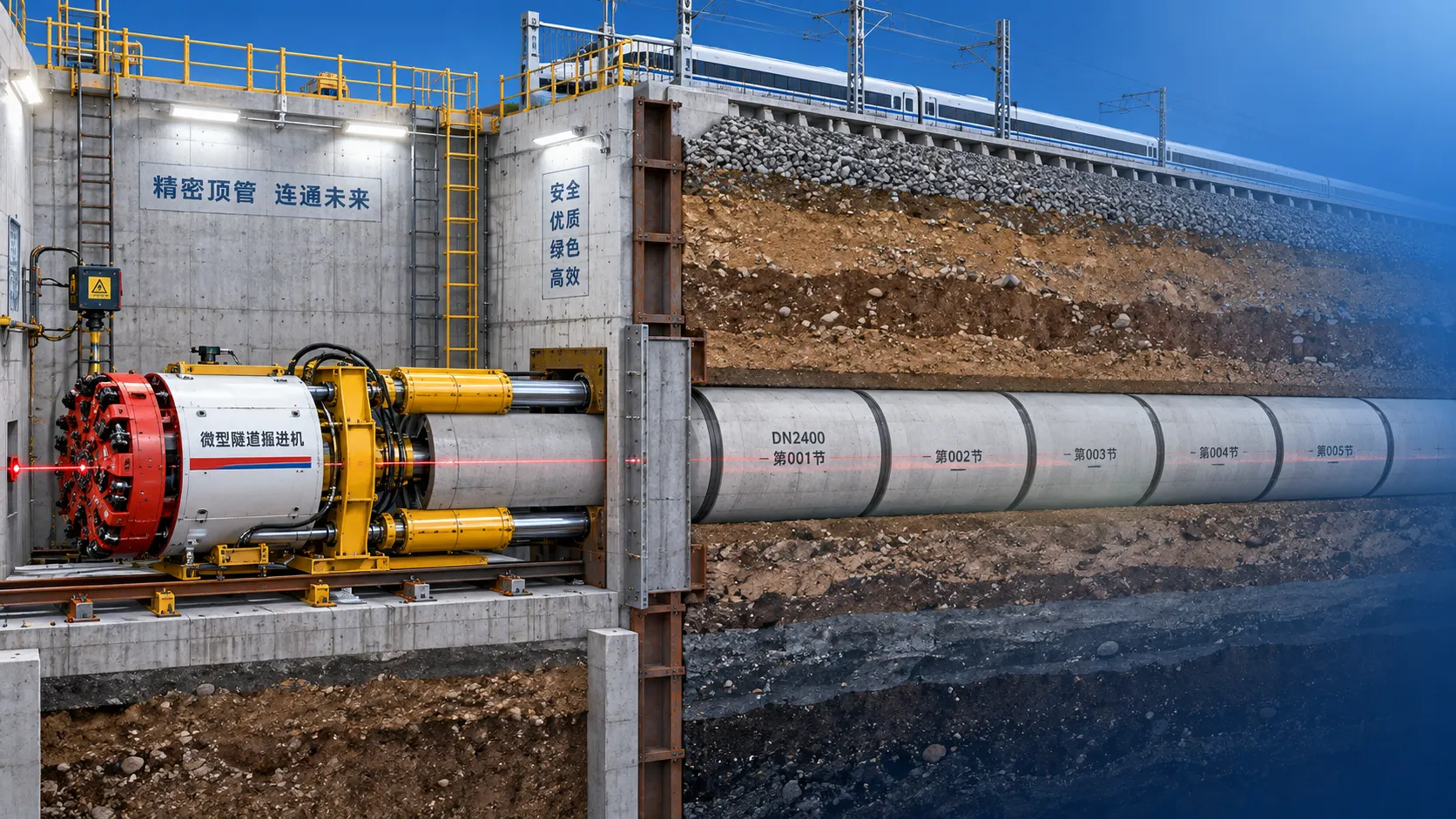
Which Trenchless Construction Technique Fits Your Utility Crossing Conditions?
Trenchless construction techniques compared for utility crossings: choose HDD, microtunnelling, pipe jacking, or auger boring based on ground, accuracy, access, and risk.

What Is Driving Metro Tunnelling Demand Across Southeast Asia’s Major Cities?
Metro tunnelling Southeast Asia is accelerating as major cities tackle congestion, flooding, and connectivity. Explore the market forces, technical risks, and opportunities shaping demand.
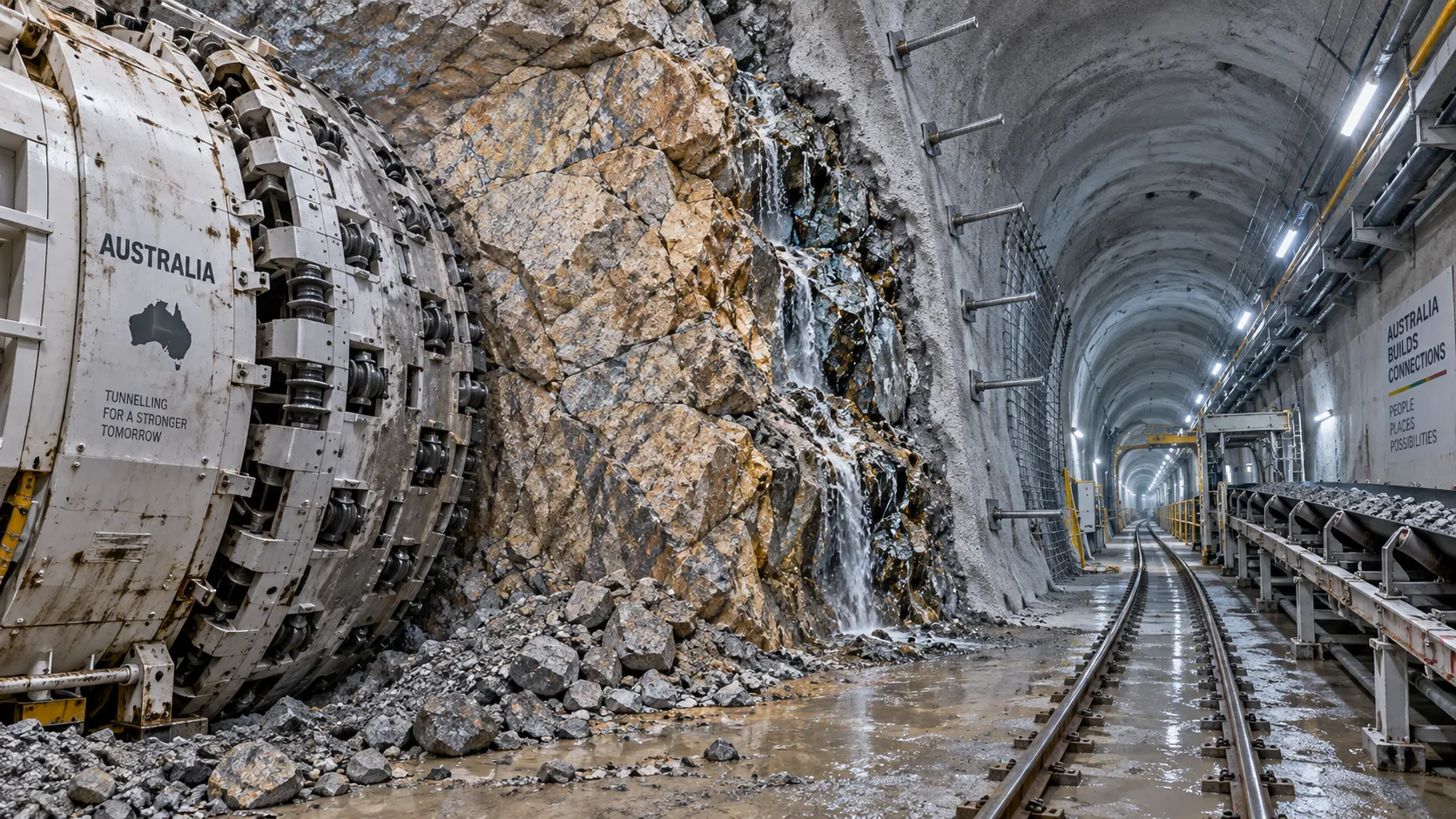
Hard Rock Tunnelling in Australia: Selecting Methods for Variable Ground Conditions
Hard rock tunnelling in Australia: compare TBM, drill-and-blast and hybrid methods to manage variable ground, reduce risk and protect project costs.
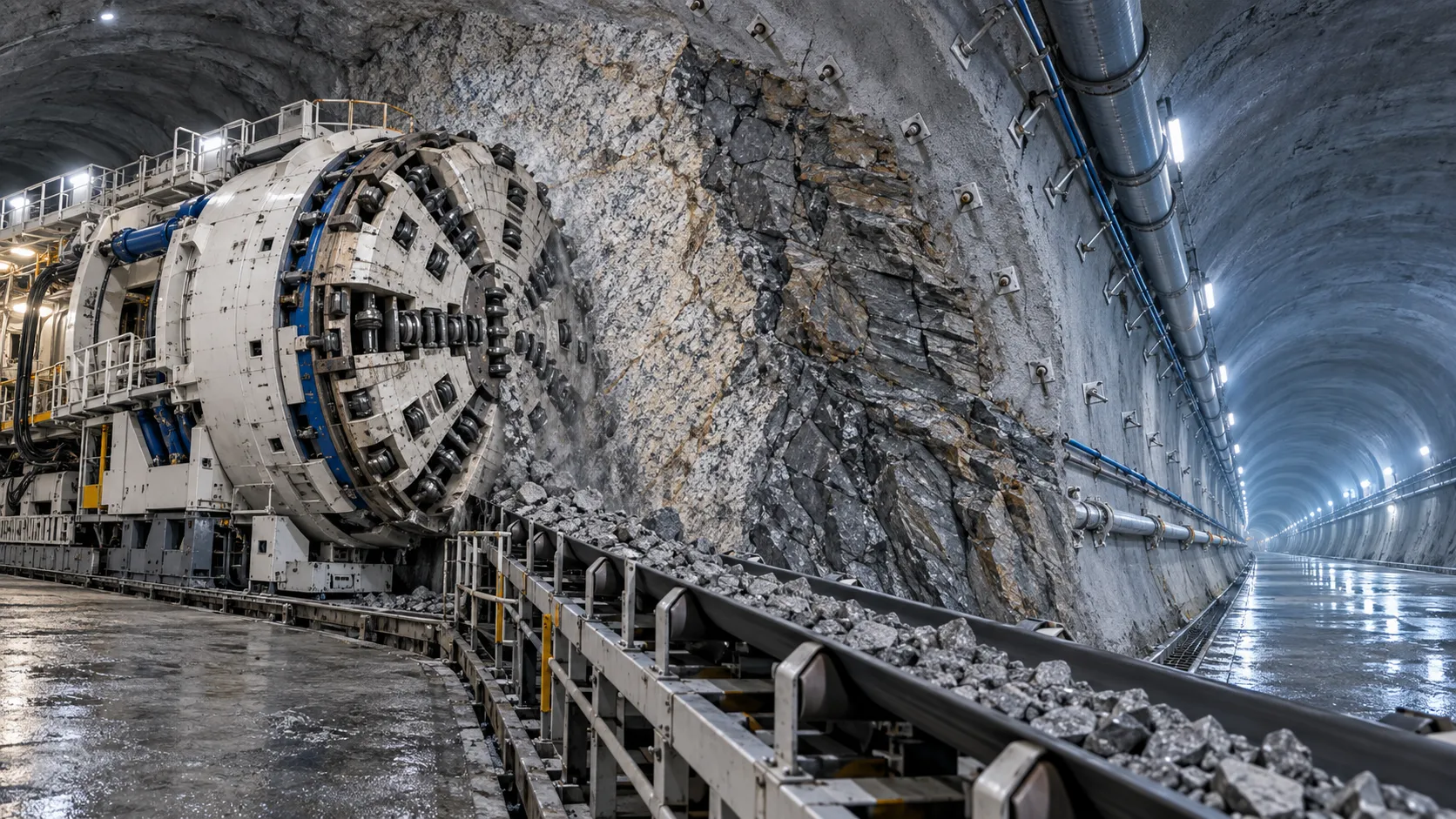
Hydropower Tunnel Excavation: Selecting Methods for Variable Rock Conditions
Hydropower tunnel excavation methods for variable rock conditions: compare TBM, drill-and-blast, and hybrid strategies to improve safety, progress, and project control.
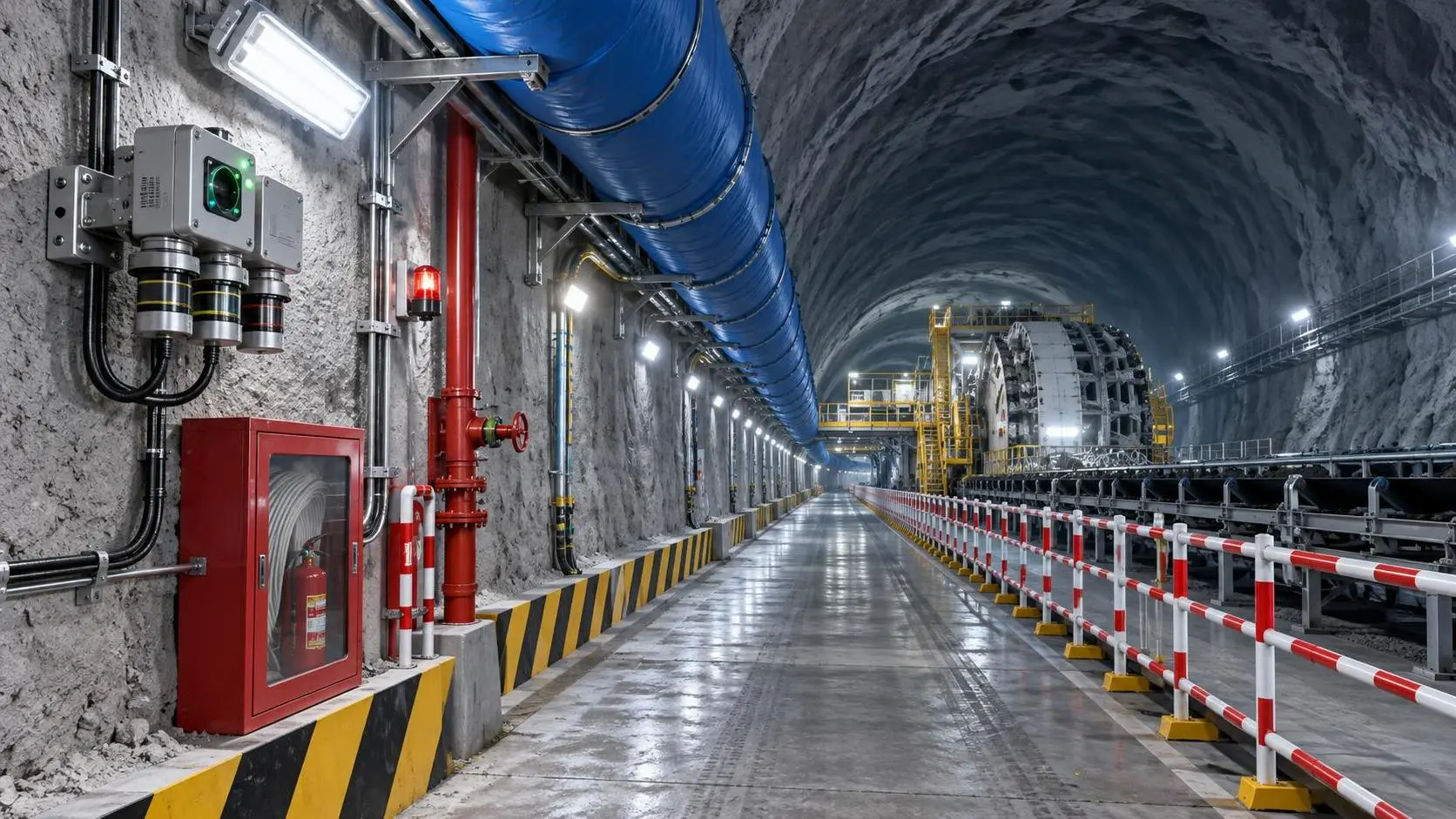
How to Select Underground Safety Equipment for Tunnelling by Hazard and Work Zone
Underground Safety Equipment for tunnelling: match protection to hazards, work zones, compliance, and emergency needs with this practical selection guide.

EPB or Slurry Shield? Selecting Soft-Ground Tunnelling Equipment by Soil Conditions
Tunnel Excavation Equipment for soft ground: compare EPB and slurry shields by soil, groundwater, settlement risk, and project logistics to choose confidently.

How to Specify TBM Backup System Parts for Reliable Long-Distance Tunnelling
TBM backup system parts: learn how to specify reliable spares for long-distance tunnelling, reduce downtime, ensure compatibility, and speed underground recovery.

How to Size Open Pit Mining Trucks for Haul Distance, Grade, and Payload?
Open Pit Mining Trucks: learn how to match payload, haul distance, grade, road resistance, and loading capacity for safer, lower-cost mine operations.
Related News
- 00
0000-00
How to Evaluate European Drill-and-Blast Tunnelling Contractors for Complex Projects - 00
0000-00
Which Trenchless Construction Technique Fits Your Utility Crossing Conditions? - 00
0000-00
What Is Driving Metro Tunnelling Demand Across Southeast Asia’s Major Cities? - 00
0000-00
Hard Rock Tunnelling in Australia: Selecting Methods for Variable Ground Conditions - 00
0000-00
Hydropower Tunnel Excavation: Selecting Methods for Variable Rock Conditions
Weekly Insights
Stay ahead with our curated technology reports delivered every Monday.