
Codelco Q4 2026 Battery LHD Tender Adds Local Swap Service





On June 22, 2026, Codelco opened its Q4 international tender for Battery LHDs under N°LHD-BAT-2026-Q4, but the notable point is not only the equipment scope. The tender also requires the winning bidder to deploy fully automated battery fast-swap stations in the Antofagasta region and maintain an on-site localized operations and maintenance team for three years. For mining equipment suppliers, battery system providers, service operators, and procurement teams, this is worth watching because it indicates that purchasing requirements in South American mining electrification are being framed around operating capability as well as machine delivery.
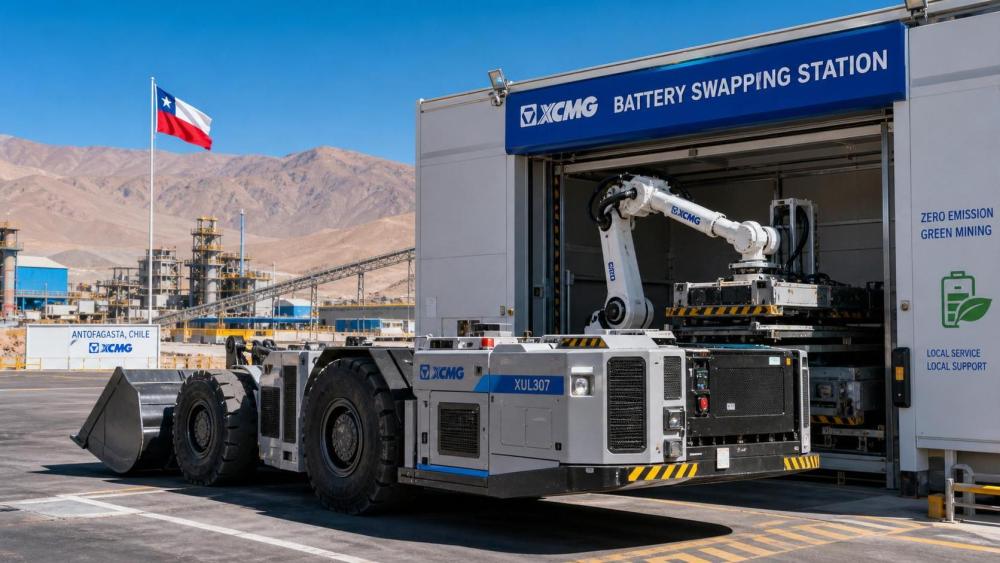
What the tender specifically requires
The confirmed information available shows that Codelco released the Q4 2026 international tender for Battery LHDs on June 22, 2026. The tender number is N°LHD-BAT-2026-Q4. According to the event summary provided, the bidder selected through this process must deploy fully automated battery fast-swap stations in the Antofagasta region. The same requirement package also includes three years of localized on-site operations and maintenance support. The event description further characterizes this move as a shift in South American mining electrification procurement from a pure equipment-delivery model toward an integrated energy-service approach.
Why different parts of the mining value chain may pay attention
Equipment suppliers face a broader delivery scope
From an industry perspective, suppliers of Battery LHDs may be affected first because the procurement requirement is no longer limited to supplying vehicles. The required package now includes battery swap infrastructure and localized service capability. In practical terms, that can change how suppliers structure bids, partnerships, delivery plans, and post-award responsibilities.
Battery and service operators move closer to the core offer
Analysis shows that battery-related service providers and operations teams may become more central in mining electrification tenders when on-site swap support is written into bid requirements. The impact is likely to appear in service design, staffing, response capability, and long-term operating commitments rather than in one-time product supply alone.
Procurement teams may evaluate execution, not only specifications
For buyers and procurement functions, the event suggests that technical compliance may increasingly be assessed together with local execution readiness. What deserves closer attention is whether suppliers can support installation, staffing, and sustained operation in the specified region, since these factors now sit closer to the commercial core of the tender requirement.
Practical points companies should track now
Watch for any further clarification in tender language
Companies following this process should pay close attention to whether future official wording adds detail on service scope, operational standards, or implementation expectations tied to the battery fast-swap stations and on-site teams. The distinction between a general service requirement and a tightly defined execution requirement can materially affect bid preparation.
Prepare for combined equipment-and-service submissions
Observably, this tender format may require participants to present a more integrated offer covering machines, swap infrastructure, and localized operational support. That means bid teams may need closer coordination across product, service, delivery, and local support functions instead of treating after-sales service as a secondary item.
Review local fulfillment and documentation readiness
Suppliers and service partners should also focus on readiness for localized fulfillment in the Antofagasta region, especially where tender compliance may depend on proving service presence, execution arrangements, or operating support commitments. Even without more detailed public information in the input, this remains a practical area to monitor closely.
Separate the signal from immediate market conclusions
What deserves closer attention is that the announced tender requirement is a procurement signal, not by itself a confirmed market-wide standard. Companies should avoid over-reading one event, while still recognizing that such language can influence how future opportunities are framed.
How this development is best understood at this stage
Analysis shows that the most important takeaway is not simply that Codelco is tendering Battery LHDs, but that it has tied the equipment purchase to localized battery swap and operational support requirements. It is more appropriate to understand this as an industry signal pointing toward service-integrated procurement in mining electrification, rather than as proof that the transition is already complete across the region. Continued observation is necessary because the broader effect will depend on whether similar requirements appear again in future tenders and how market participants respond.
What this means for the near-term industry reading
At this stage, the event is best read as a concrete but still developing shift in procurement logic. The confirmed facts show that localized battery swap infrastructure and three-year on-site support have been written into a Battery LHD tender, which raises the importance of service capability in addition to equipment supply. A neutral reading is that this is more than a short-term specification change, but still something the industry should verify through subsequent tender practice rather than treat as a settled regional outcome.
Basis of this article and what still needs verification
This article is based on the user-provided news title, event date, and event summary. For this type of industry development, source categories typically worth cross-checking include official tender notices, company announcements, industry association updates, authoritative media reports, and related technical or standards documents. A specific official source link was not provided in the input, so the exact wording and any later tender updates still require ongoing verification. The next areas to monitor are whether Codelco issues further clarifications and whether similar localization and battery-service requirements appear in subsequent mining electrification tenders.
Related News
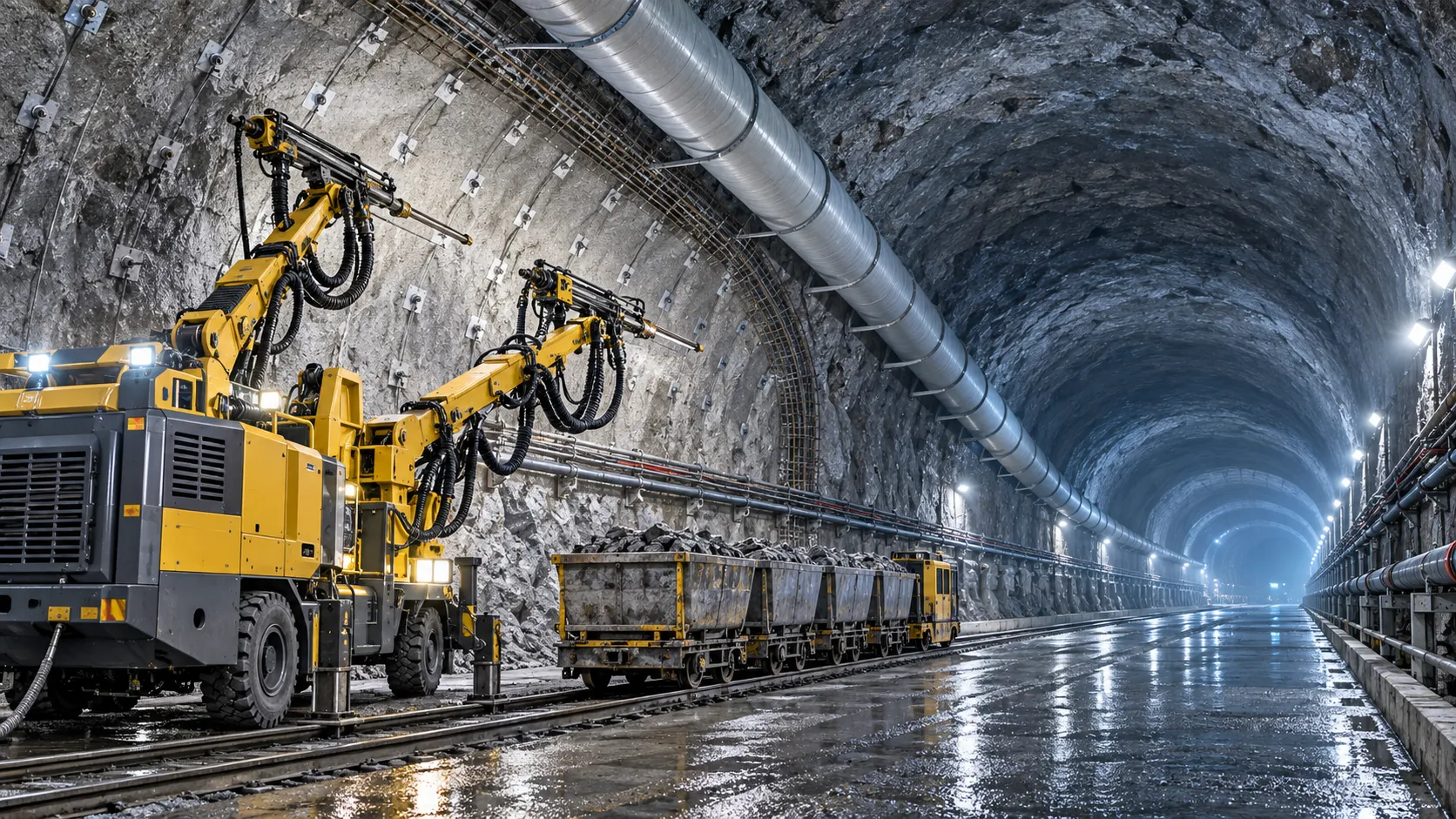
How to Evaluate European Drill-and-Blast Tunnelling Contractors for Complex Projects
Drill and blast tunnelling contractors Europe: learn how to assess geology expertise, blast control, equipment reliability, safety, and programme resilience for complex projects.
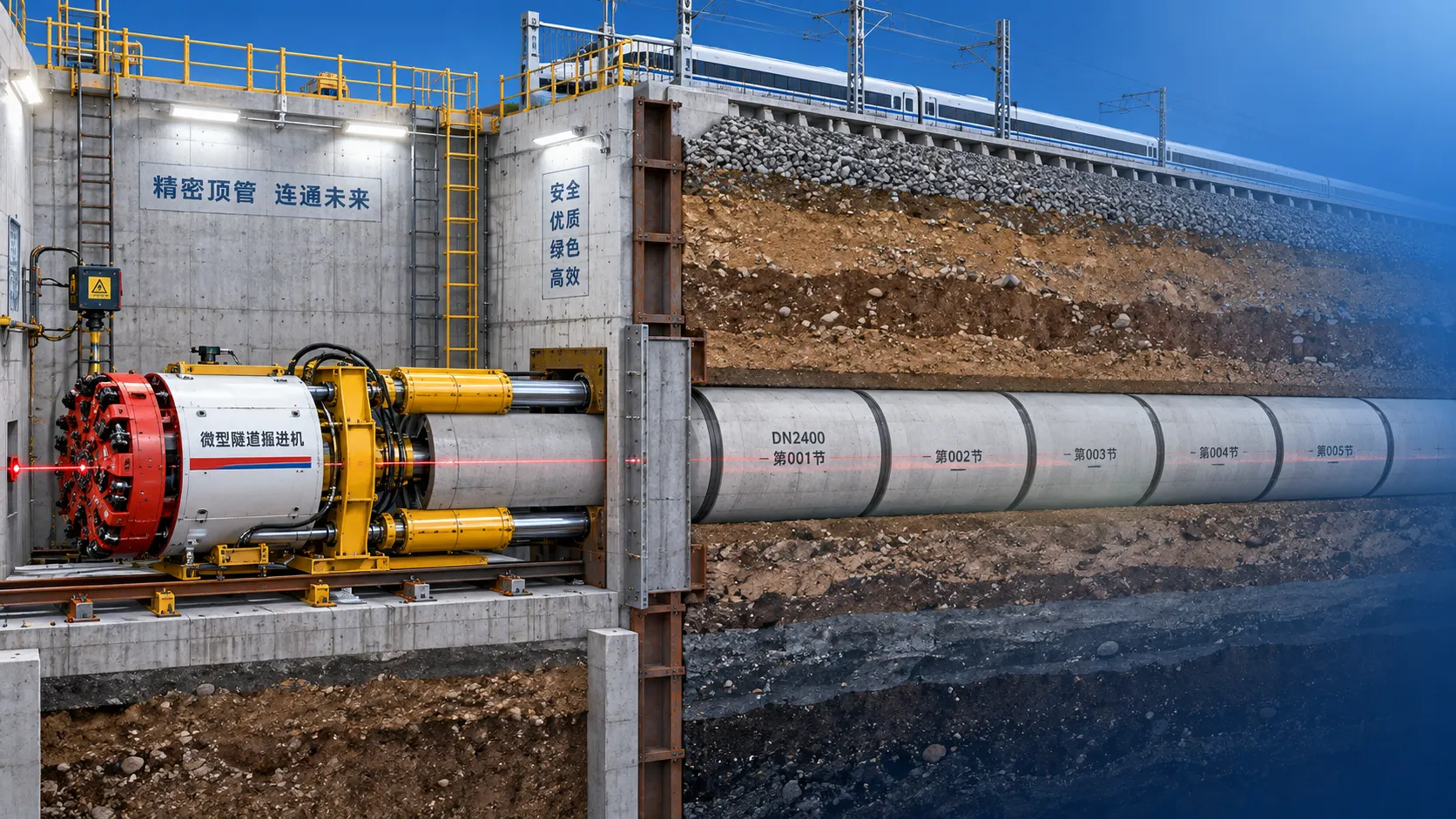
Which Trenchless Construction Technique Fits Your Utility Crossing Conditions?
Trenchless construction techniques compared for utility crossings: choose HDD, microtunnelling, pipe jacking, or auger boring based on ground, accuracy, access, and risk.
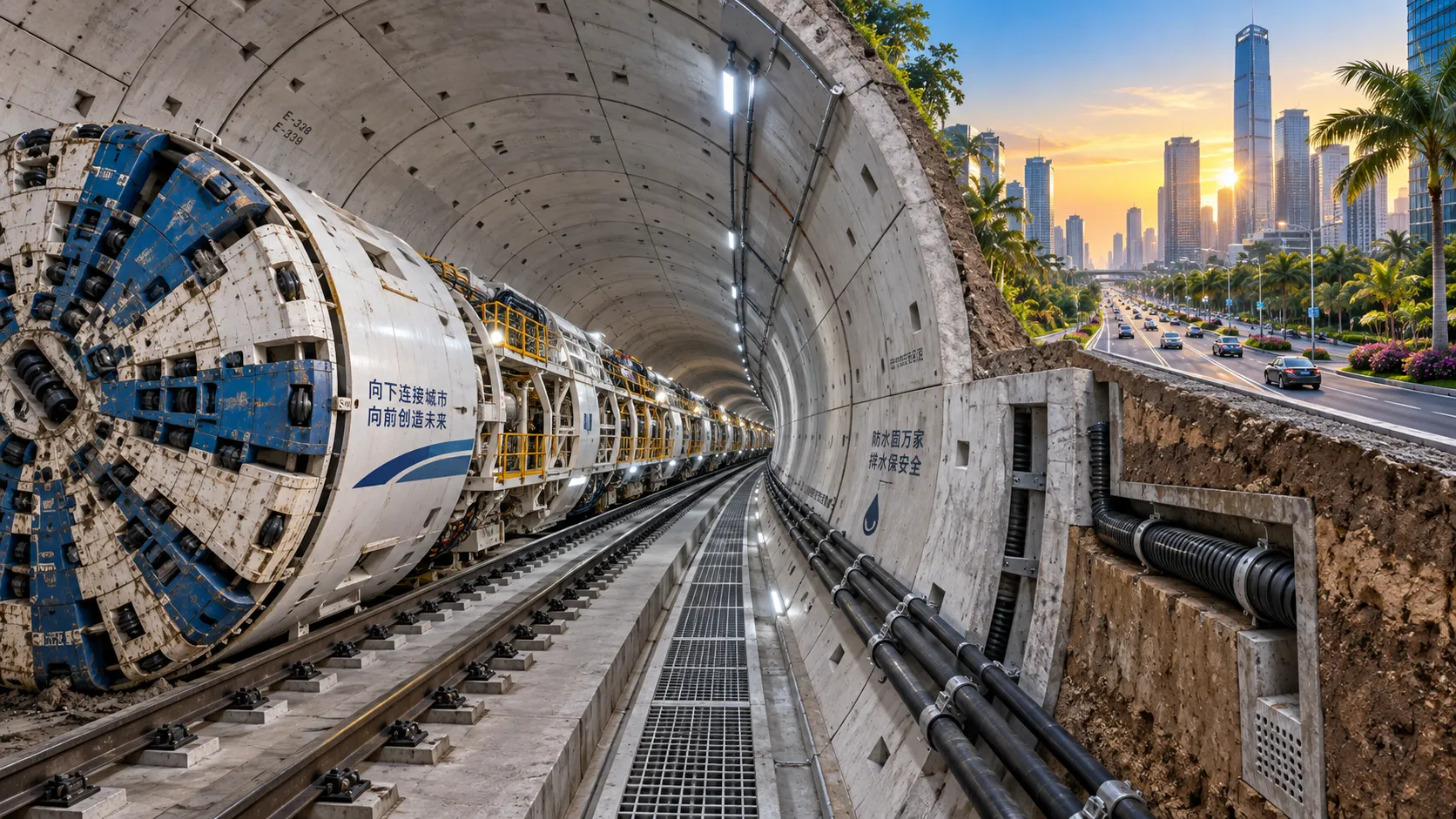
What Is Driving Metro Tunnelling Demand Across Southeast Asia’s Major Cities?
Metro tunnelling Southeast Asia is accelerating as major cities tackle congestion, flooding, and connectivity. Explore the market forces, technical risks, and opportunities shaping demand.
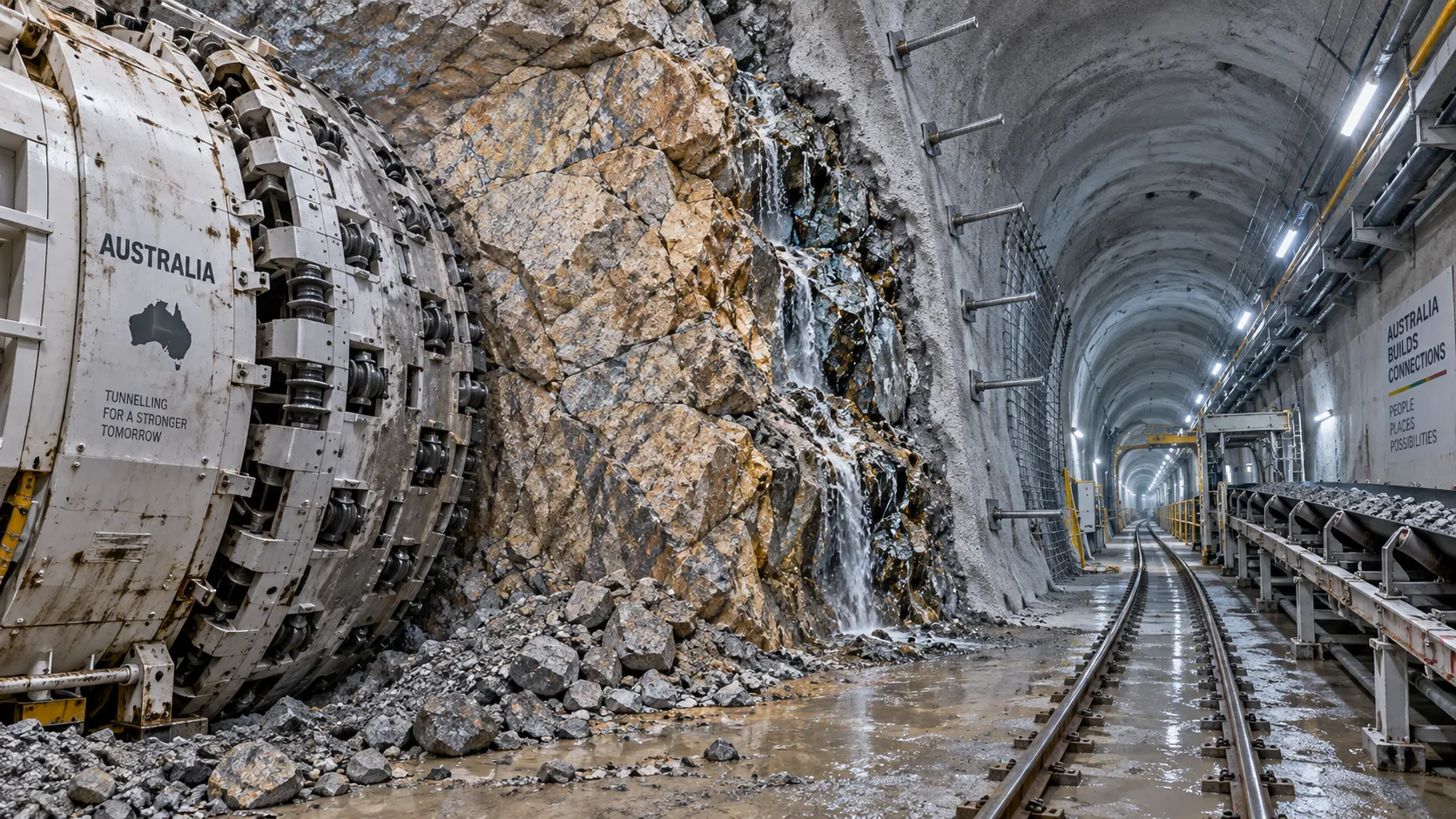
Hard Rock Tunnelling in Australia: Selecting Methods for Variable Ground Conditions
Hard rock tunnelling in Australia: compare TBM, drill-and-blast and hybrid methods to manage variable ground, reduce risk and protect project costs.
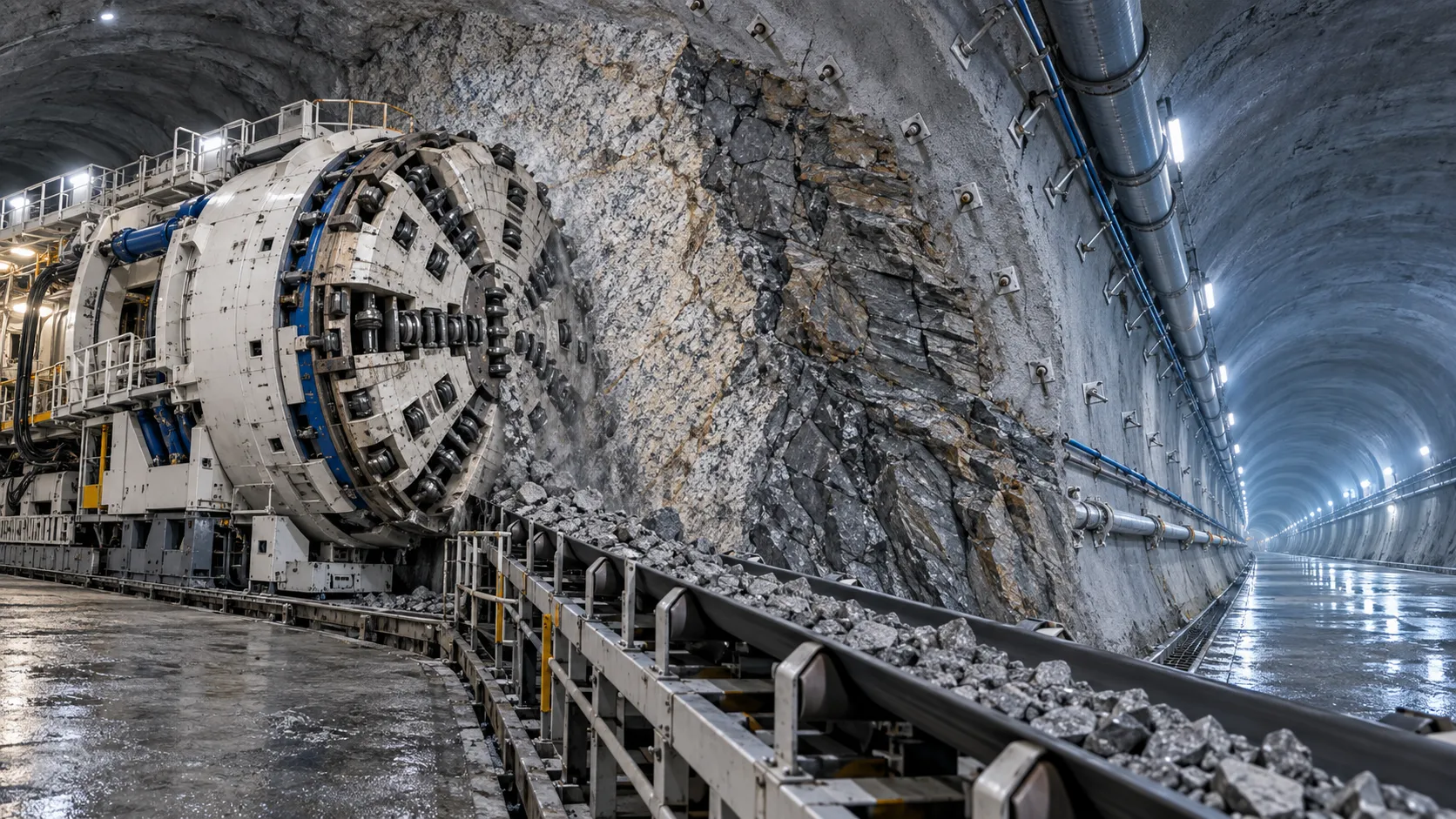
Hydropower Tunnel Excavation: Selecting Methods for Variable Rock Conditions
Hydropower tunnel excavation methods for variable rock conditions: compare TBM, drill-and-blast, and hybrid strategies to improve safety, progress, and project control.
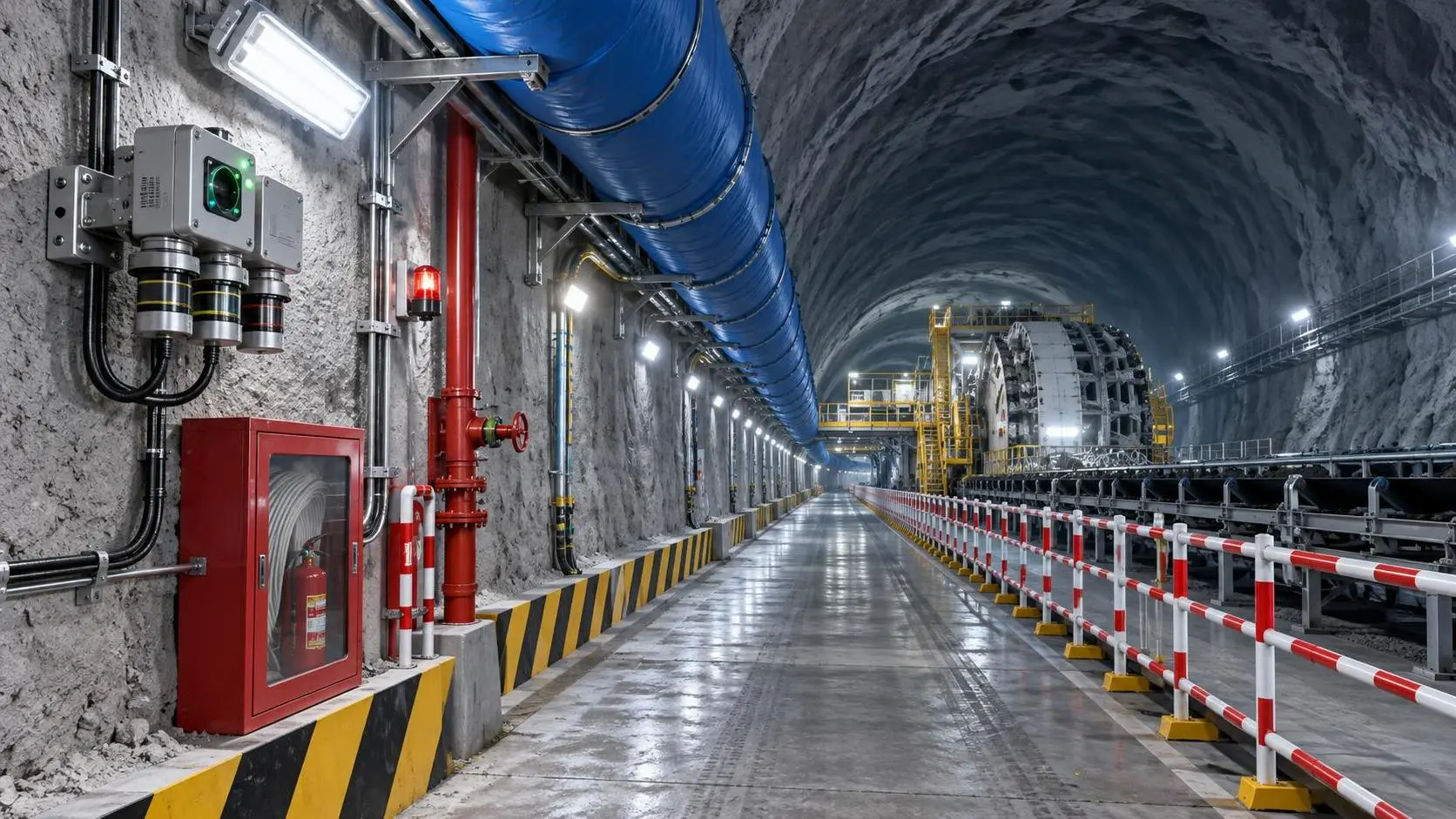
How to Select Underground Safety Equipment for Tunnelling by Hazard and Work Zone
Underground Safety Equipment for tunnelling: match protection to hazards, work zones, compliance, and emergency needs with this practical selection guide.
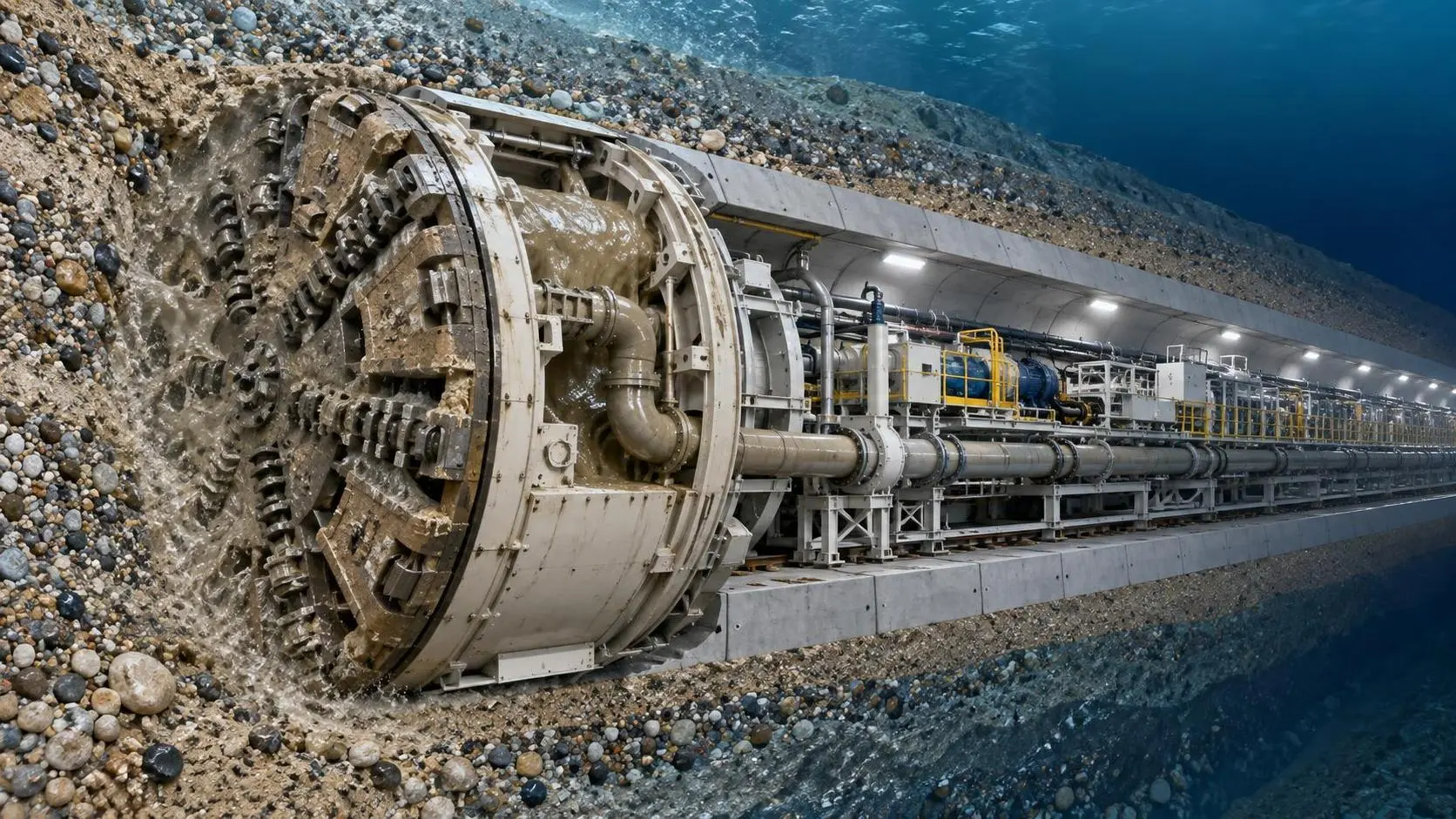
EPB or Slurry Shield? Selecting Soft-Ground Tunnelling Equipment by Soil Conditions
Tunnel Excavation Equipment for soft ground: compare EPB and slurry shields by soil, groundwater, settlement risk, and project logistics to choose confidently.
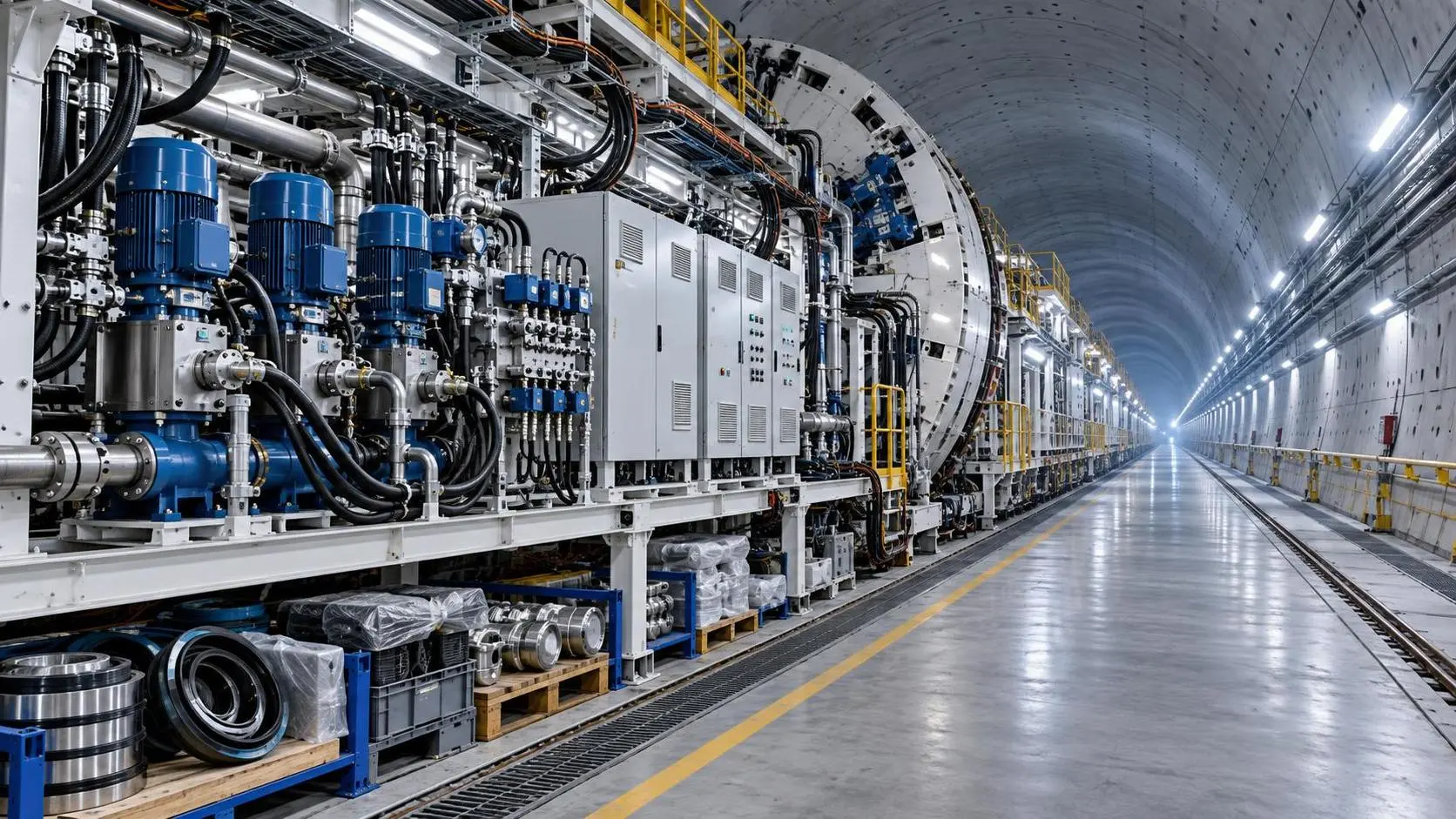
How to Specify TBM Backup System Parts for Reliable Long-Distance Tunnelling
TBM backup system parts: learn how to specify reliable spares for long-distance tunnelling, reduce downtime, ensure compatibility, and speed underground recovery.

How to Size Open Pit Mining Trucks for Haul Distance, Grade, and Payload?
Open Pit Mining Trucks: learn how to match payload, haul distance, grade, road resistance, and loading capacity for safer, lower-cost mine operations.
Related News
- 00
0000-00
How to Evaluate European Drill-and-Blast Tunnelling Contractors for Complex Projects - 00
0000-00
Which Trenchless Construction Technique Fits Your Utility Crossing Conditions? - 00
0000-00
What Is Driving Metro Tunnelling Demand Across Southeast Asia’s Major Cities? - 00
0000-00
Hard Rock Tunnelling in Australia: Selecting Methods for Variable Ground Conditions - 00
0000-00
Hydropower Tunnel Excavation: Selecting Methods for Variable Rock Conditions
Weekly Insights
Stay ahead with our curated technology reports delivered every Monday.