
Saudi R5 MAS Boosts Focus on Battery LHD Compliance





On June 11, 2026, the full placement of six main transformers at the substation of the Saudi R5 MAS 1000MW photovoltaic project drew attention beyond construction progress itself. The development matters because the project has entered a stage with intensive confined-space work, while Battery LHDs are already being used for material transfer in tunnels, GIS rooms, auxiliary buildings, and narrow shafts. With this practice identified by NREP as a demonstration case for zero-emission infrastructure construction, the market signal now extends to compliance, procurement, certification review, and delivery planning for equipment suppliers, contractors, and service providers assessing whether battery-powered underground handling solutions can meet local project requirements.
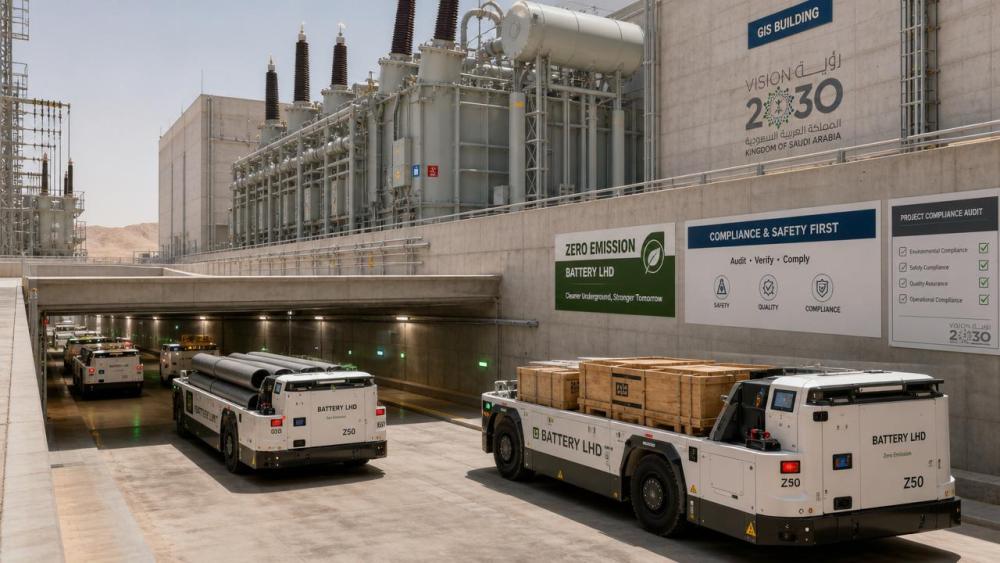
What the project milestone confirms
According to the provided information, the six main transformers for the substation of the Saudi R5 MAS 1000MW photovoltaic project, built by PowerChina, were all hoisted into place on June 11, 2026. This marks the beginning of a peak period for confined-space operations involving underground cable tunnels, GIS rooms, and auxiliary buildings.
The same information states that multiple Battery LHDs have already been deployed on site for concrete transfer, equipment handling, and material turnover in narrow vertical shafts. It also confirms that this practice has been listed by the Saudi National Renewable Energy Program (NREP) as a demonstration case for zero-emission infrastructure construction.
The provided event summary further indicates that local contractors are accelerating their assessment of the explosion-proof certification fit and battery-swap efficiency of Chinese-made Battery LHDs.
Why the compliance discussion is moving upstream
For equipment exporters, technical suitability is no longer a secondary issue
From an industry perspective, the direct impact is likely to fall first on exporters and manufacturers of Battery LHDs. Once a project application is framed within a zero-emission construction demonstration context, procurement discussions may move beyond basic equipment availability and toward whether the product can align with confined-space operating needs, explosion-proof expectations, and site-specific charging or battery-swap arrangements. What deserves closer attention is that technical documentation, certification files, and bid-response materials may become more important in pre-delivery review.
For contractors, procurement decisions may shift toward verifiable compliance
Contractors and project procurement teams may be affected because the equipment in question is being used in restricted work zones rather than open-area transport only. Analysis shows that, in such a setting, purchasing decisions may increasingly depend on whether suppliers can clearly explain certification applicability, operating boundaries, and workflow compatibility for tunnel and shaft tasks. This may affect tender clarification, supplier screening, and delivery acceptance procedures.
For certification and testing service providers, demand may become more project-linked
Certification-related firms and testing service providers may also see changes in demand structure. Observably, if local contractors are accelerating reviews of explosion-proof certification fit, service demand may concentrate on document interpretation, standards matching, and evidence packages that help buyers determine whether an existing product configuration is acceptable for the intended working conditions. At this stage, however, the event does not confirm any final regulatory threshold or mandatory new rule.
For after-sales and supply-chain partners, delivery readiness may matter more
Suppliers involved in spare parts, battery systems, field support, and maintenance response may also need to watch this development closely. If project owners or contractors place more weight on battery-swap efficiency, downstream service capability could become part of commercial evaluation, especially where confined-space operations require continuous equipment turnover. This is better understood as a practical procurement signal rather than a confirmed new obligation.
What companies should monitor now
Check how certification language is being applied
Companies supplying Battery LHDs or related systems should closely review how explosion-proof certification applicability is being discussed in customer communications, technical exchanges, and tender documentation. The current event shows rising attention to certification fit, but it does not establish a confirmed uniform rule. That means suppliers should avoid treating one project discussion as a universal market requirement without further verification.
Prepare documentation for confined-space use cases
Analysis shows that equipment performance claims may need to be supported by structured technical materials tied to actual use scenarios such as concrete transfer, equipment movement, and narrow-shaft material handling. Firms may need to ensure that product manuals, test records, configuration descriptions, and operating-condition statements are internally consistent before they enter procurement or delivery negotiations.
Watch battery-swap expectations in procurement practice
The event summary specifically highlights growing attention to battery-swap efficiency. For manufacturers, distributors, and project suppliers, this suggests a need to track whether future bid documents, customer questionnaires, or technical evaluations begin to treat swap efficiency as a comparative procurement item. At present, this should be viewed as an emerging evaluation direction rather than a confirmed fixed standard.
Align delivery and service promises with compliance review cycles
Where procurement interest is linked to demonstration-style project application, delivery schedules may be influenced by review of certifications, technical files, and equipment configuration details. Companies should therefore pay attention to whether customer acceptance depends not only on shipment timing but also on document completeness, traceability, and post-delivery support arrangements.
How this signal should be interpreted
Observably, this development is more than a construction update because it links project execution with a policy-oriented demonstration label under NREP. Analysis shows that the key market message is not that a new formal rule has already been published, but that project-side expectations around zero-emission construction and equipment suitability may now be shaping purchasing behavior earlier in the chain.
It is more appropriate to understand this as an execution signal with compliance implications rather than as a fully settled regulatory change. The market still needs to observe whether this attention translates into consistent tender clauses, clearer certification language, or repeatable procurement requirements across similar projects.
What this means for the market at this stage
At this stage, the event is best read as a practical indication that zero-emission construction framing can quickly influence how battery-powered underground equipment is evaluated in renewable energy infrastructure projects. The confirmed facts support closer attention to certification fit, battery-swap efficiency, and documentation readiness, especially for Chinese-made Battery LHDs being considered by local contractors.
A neutral conclusion is that the development points to an emerging compliance and procurement direction, not a fully defined rule set. Companies should therefore treat it as an important market cue, while continuing to verify how requirements are expressed in project documents, certification reviews, and on-the-ground execution.
Basis of this article and points requiring follow-up
This article is generated based on the user-provided news title, event date, and event summary. For developments of this type, relevant source categories often include official project announcements, regulatory or program-related releases, trade or customs information, industry association updates, standards documents, certification materials, and reporting by authoritative media.
No specific official source link was provided in the input, so further verification remains necessary. What still requires continued observation includes any later policy detail, certification interpretation, tender-document changes, industry feedback, and actual implementation by project participants and equipment suppliers.
Related News
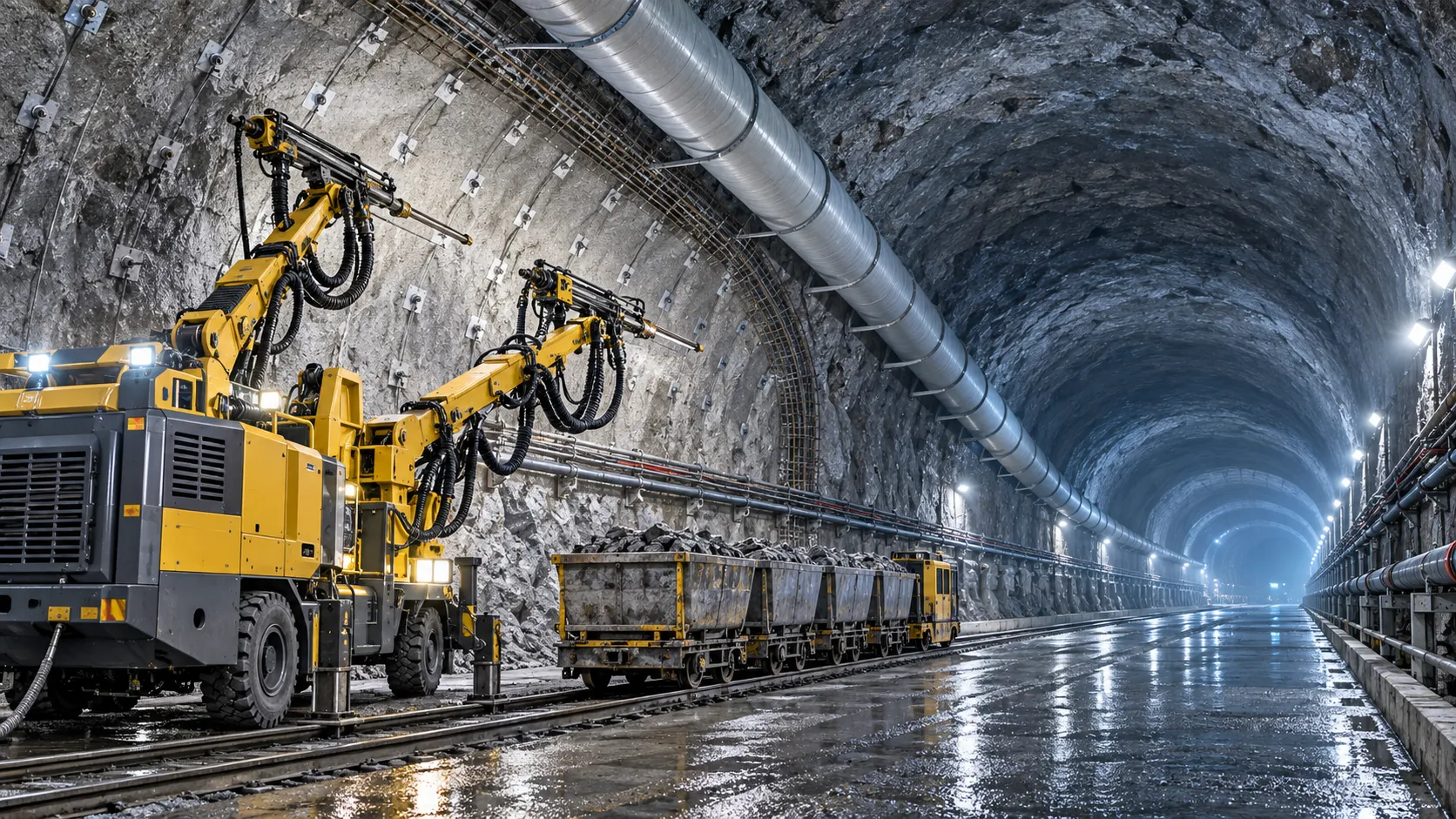
How to Evaluate European Drill-and-Blast Tunnelling Contractors for Complex Projects
Drill and blast tunnelling contractors Europe: learn how to assess geology expertise, blast control, equipment reliability, safety, and programme resilience for complex projects.
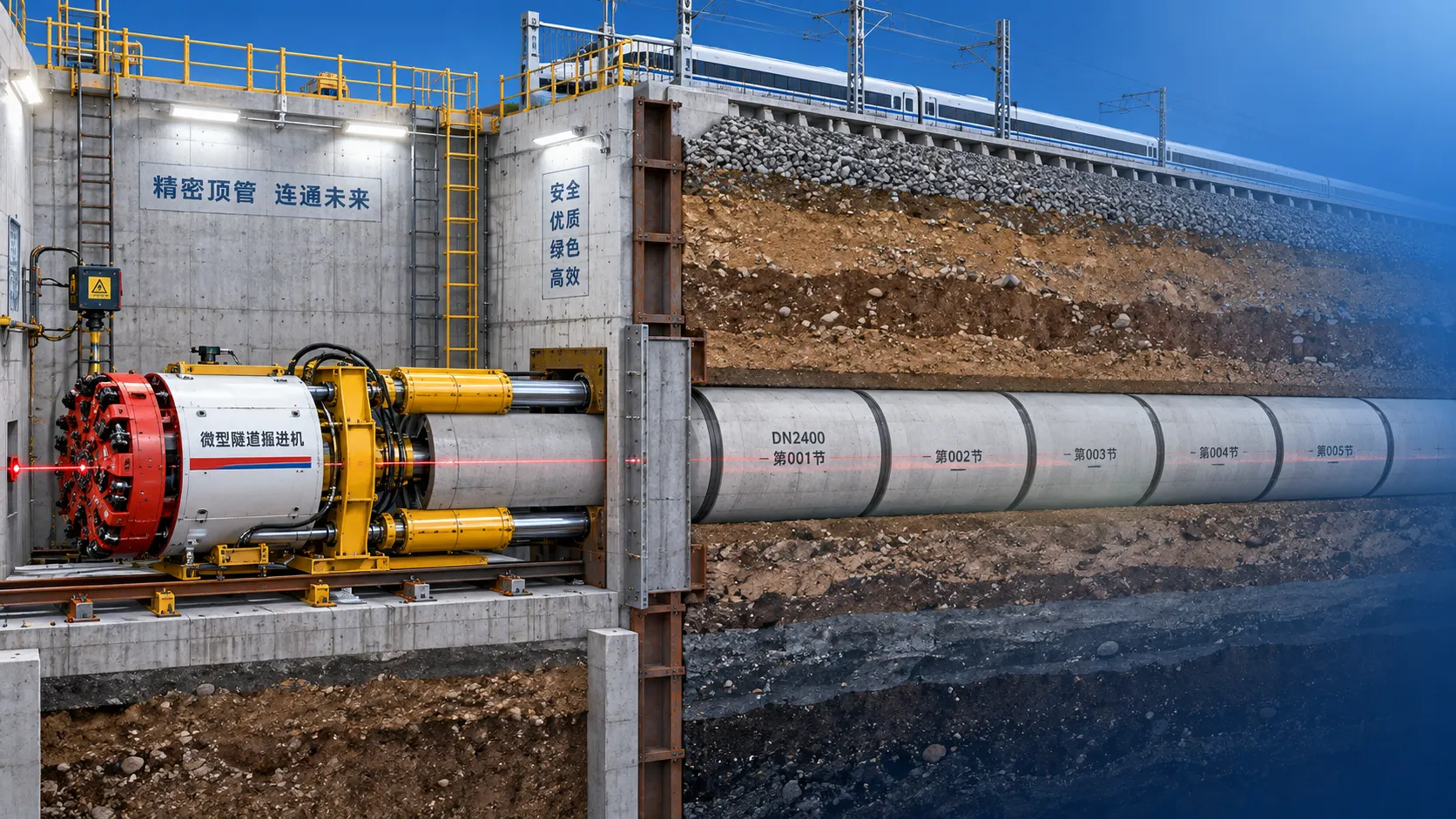
Which Trenchless Construction Technique Fits Your Utility Crossing Conditions?
Trenchless construction techniques compared for utility crossings: choose HDD, microtunnelling, pipe jacking, or auger boring based on ground, accuracy, access, and risk.
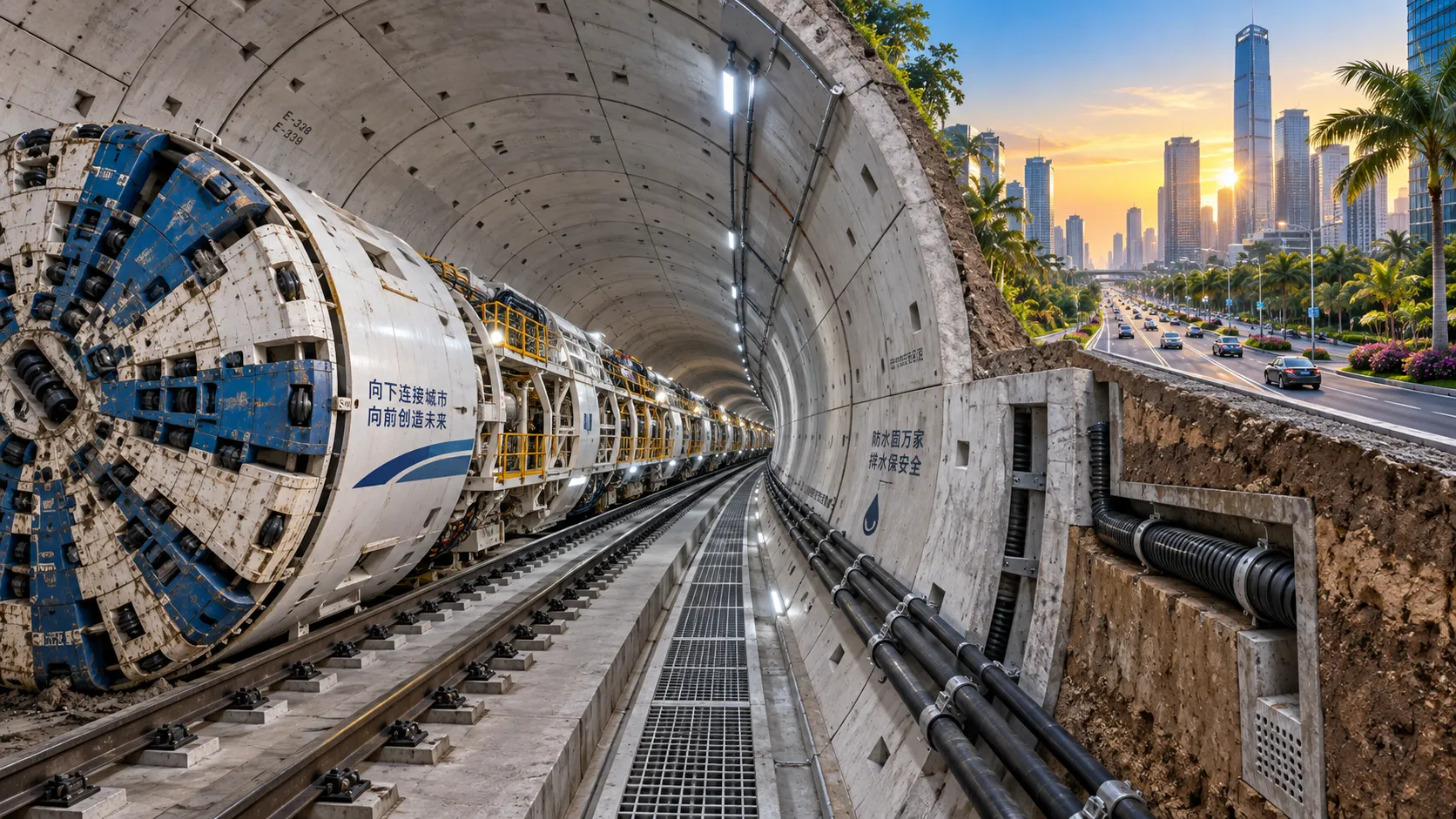
What Is Driving Metro Tunnelling Demand Across Southeast Asia’s Major Cities?
Metro tunnelling Southeast Asia is accelerating as major cities tackle congestion, flooding, and connectivity. Explore the market forces, technical risks, and opportunities shaping demand.
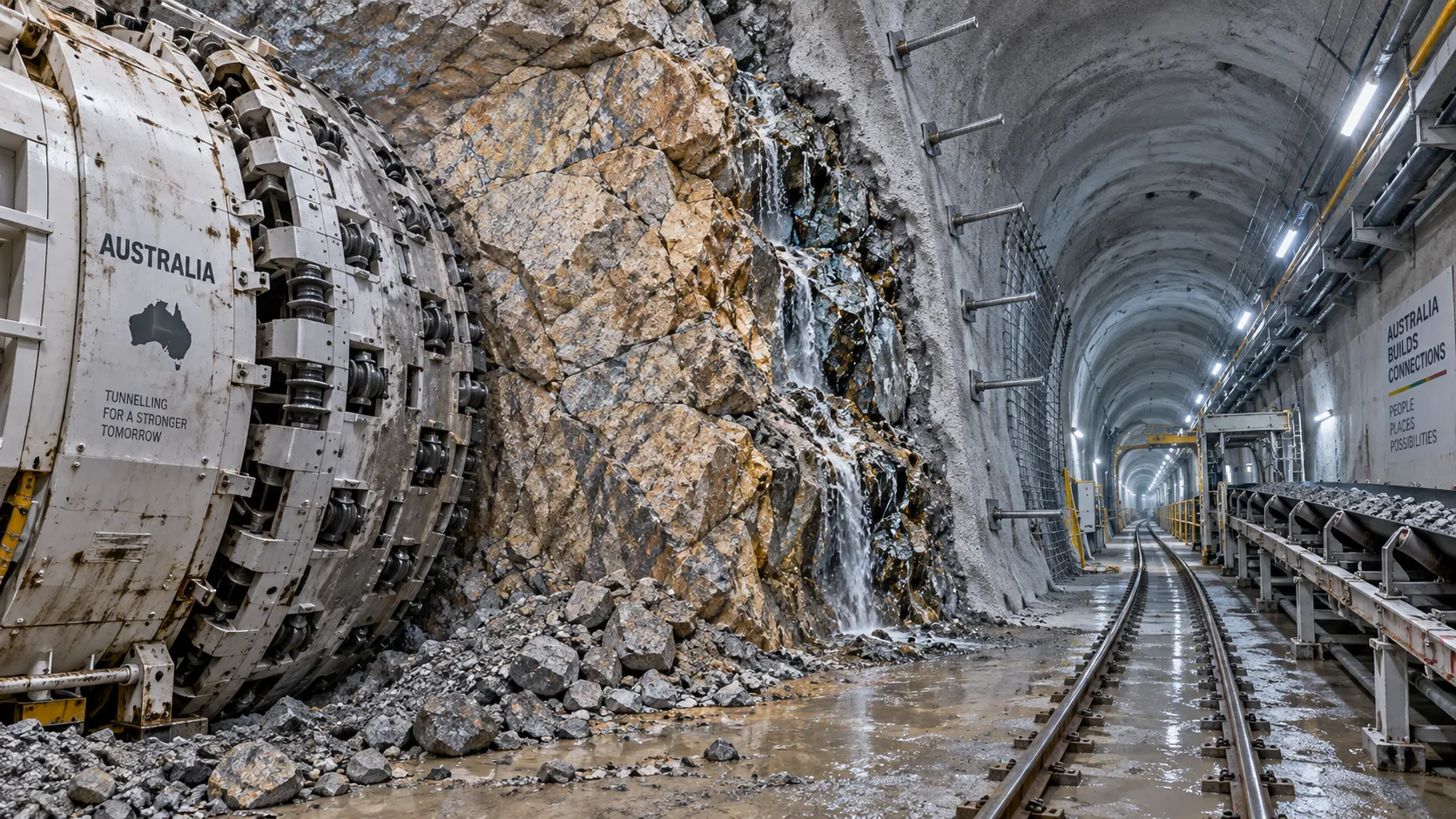
Hard Rock Tunnelling in Australia: Selecting Methods for Variable Ground Conditions
Hard rock tunnelling in Australia: compare TBM, drill-and-blast and hybrid methods to manage variable ground, reduce risk and protect project costs.
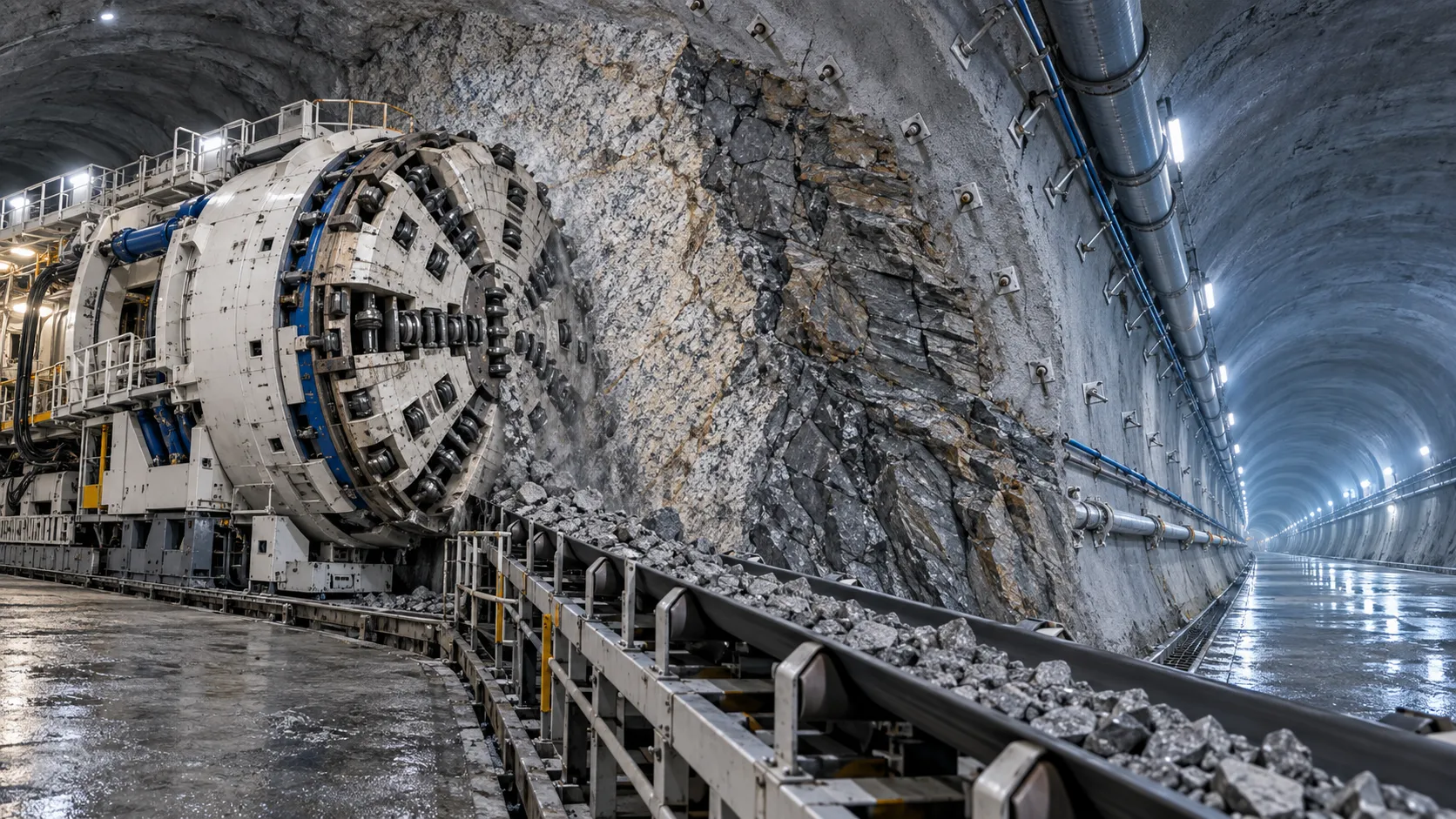
Hydropower Tunnel Excavation: Selecting Methods for Variable Rock Conditions
Hydropower tunnel excavation methods for variable rock conditions: compare TBM, drill-and-blast, and hybrid strategies to improve safety, progress, and project control.
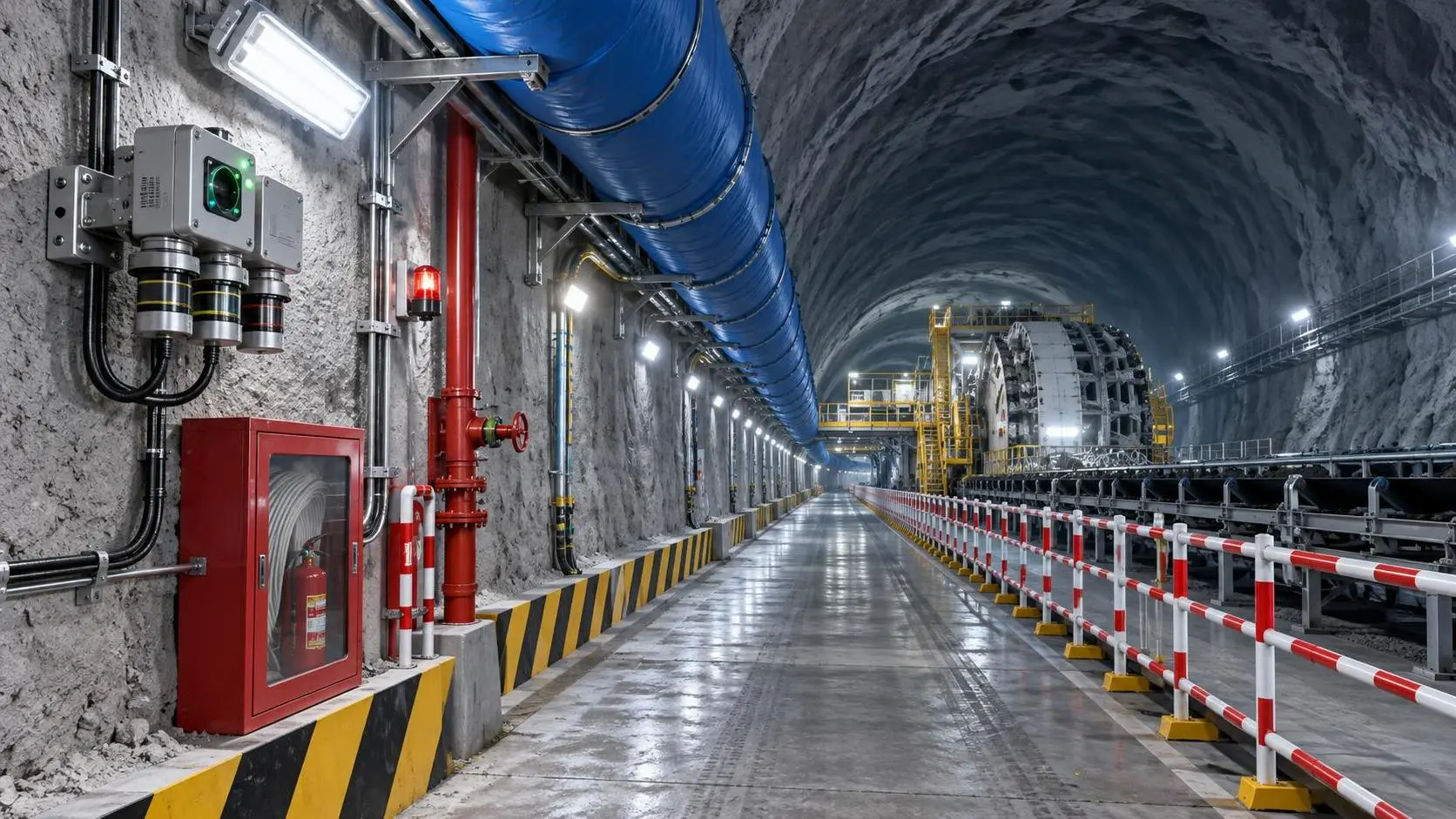
How to Select Underground Safety Equipment for Tunnelling by Hazard and Work Zone
Underground Safety Equipment for tunnelling: match protection to hazards, work zones, compliance, and emergency needs with this practical selection guide.
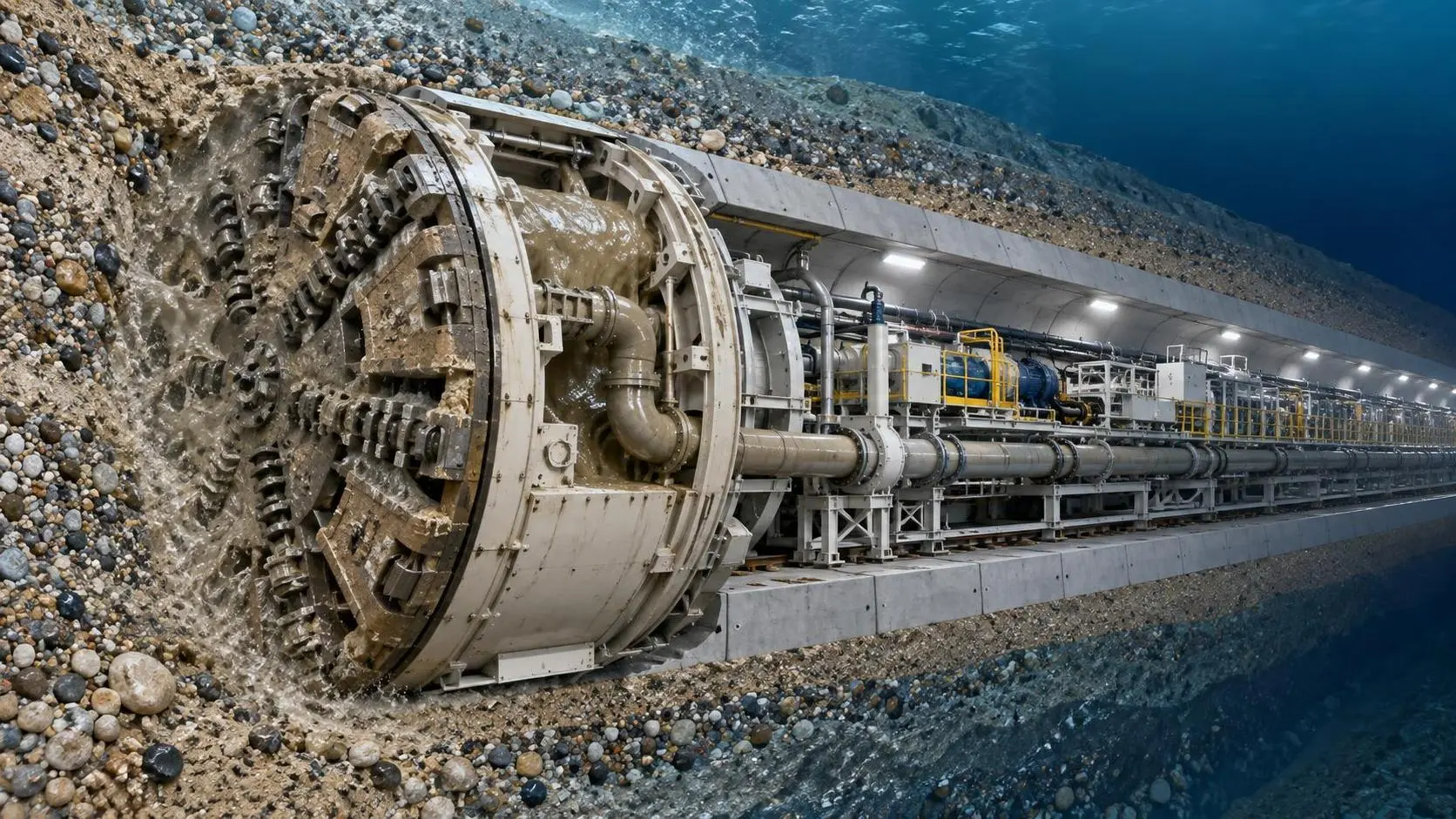
EPB or Slurry Shield? Selecting Soft-Ground Tunnelling Equipment by Soil Conditions
Tunnel Excavation Equipment for soft ground: compare EPB and slurry shields by soil, groundwater, settlement risk, and project logistics to choose confidently.
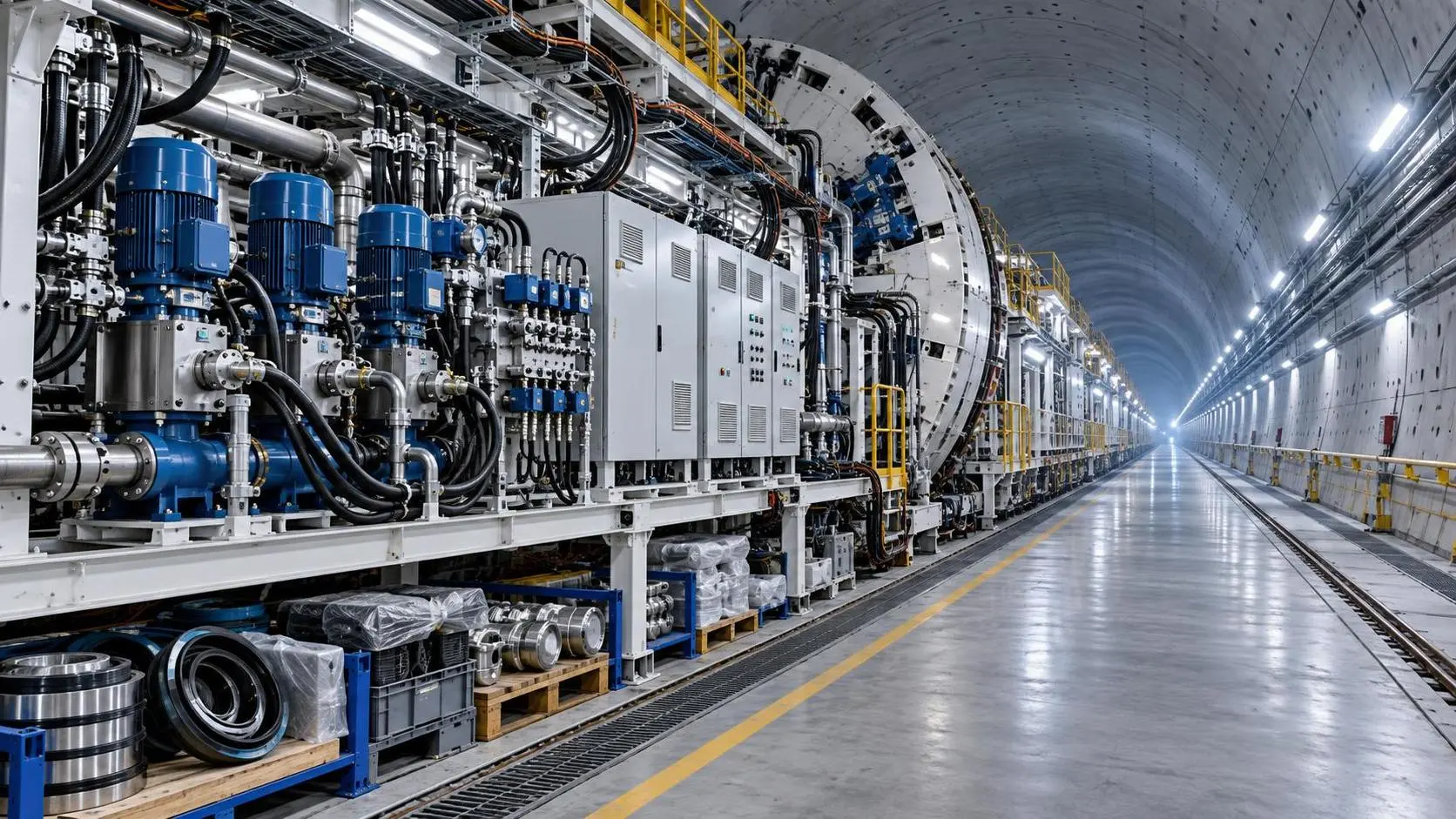
How to Specify TBM Backup System Parts for Reliable Long-Distance Tunnelling
TBM backup system parts: learn how to specify reliable spares for long-distance tunnelling, reduce downtime, ensure compatibility, and speed underground recovery.

How to Size Open Pit Mining Trucks for Haul Distance, Grade, and Payload?
Open Pit Mining Trucks: learn how to match payload, haul distance, grade, road resistance, and loading capacity for safer, lower-cost mine operations.
Related News
- 00
0000-00
How to Evaluate European Drill-and-Blast Tunnelling Contractors for Complex Projects - 00
0000-00
Which Trenchless Construction Technique Fits Your Utility Crossing Conditions? - 00
0000-00
What Is Driving Metro Tunnelling Demand Across Southeast Asia’s Major Cities? - 00
0000-00
Hard Rock Tunnelling in Australia: Selecting Methods for Variable Ground Conditions - 00
0000-00
Hydropower Tunnel Excavation: Selecting Methods for Variable Rock Conditions
Weekly Insights
Stay ahead with our curated technology reports delivered every Monday.