
Zimbabwe Lithium Export Ban Reshapes Battery LHD Supply Chains





On June 1, 2026, the immediate enforcement of Zimbabwe’s ban on exports of lithium ore and lithium concentrate stands out as a trade-rule change with direct consequences for battery material sourcing, delivery planning, and technology roadmaps. The measure was brought forward on February 25, 2026 and, from June 2026, extends to goods already in transit, making it particularly relevant for raw-material traders, battery-grade material buyers, Battery LHD manufacturers, and supply-chain teams managing procurement commitments and shipment risk.

What Has Been Confirmed So Far
The confirmed facts are limited but commercially significant. Zimbabwe moved up the start of its export ban on lithium ore and lithium concentrate to February 25, 2026. From June 2026, the restriction also applies to cargoes that are already in transit. Following this shift, global prices for battery-grade lithium salts used in LFP and LTO applications rose 23% within a single month. The same development has accelerated Battery LHD manufacturers’ push toward sodium-ion-compatible architectures and modular solid-state battery swapping systems.
Where the Pressure Now Appears in the Chain
Trade and raw-material contracting face immediate execution risk
From an industry perspective, the most immediate exposure is likely to sit with businesses tied to lithium ore or concentrate movements, because the change now reaches in-transit cargo from June 2026. What deserves closer attention is not only shipment status, but also whether purchase contracts, shipping documents, and delivery commitments still match the new trade environment. For companies in this part of the chain, the practical issue is execution risk rather than abstract policy interpretation.
Battery material buyers must reassess cost and supply assumptions
Analysis shows that buyers of battery-grade lithium salts for LFP and LTO-linked supply chains may face direct pressure in procurement planning after the reported 23% monthly price jump. The effect is likely to be felt in purchasing cycles, price-validity windows, replenishment decisions, and delivery scheduling. Procurement teams should therefore pay closer attention to supplier documentation, shipment timing, and any contract language linked to source materials and fulfillment conditions.
Battery LHD manufacturers are being pushed toward architecture flexibility
Observably, the reported move toward sodium-ion-compatible platforms and modular solid-state battery swapping systems suggests that the rule change is no longer just a raw-material issue. It is also becoming a product-planning and system-compatibility issue for Battery LHD manufacturers. In practice, that may affect technical documentation, platform compatibility reviews, after-sales preparation, and future tender alignment where battery configuration and replacement logistics matter.
Service and downstream delivery teams may need closer traceability
For supply-chain service providers and after-sales operators, the change may increase the need for clearer material traceability and more disciplined delivery communication. While no specific compliance procedure has been provided in the input, companies involved in handover, maintenance support, or replacement planning should pay attention to how battery chemistry choices and module-swapping solutions are described in technical files, customer commitments, and service records.
Operational Checks That Now Matter More
Review shipment exposure and contract wording
Analysis shows that companies with open orders or cargoes moving across June 2026 should closely review shipment timing, contract allocation clauses, and supporting trade documents. Because the input confirms that in-transit goods are covered from June 2026, the main short-term focus is whether current paperwork and execution assumptions remain workable under the updated restriction.
Watch procurement documents and delivery promises
What deserves closer attention is whether procurement schedules, quotation validity, and customer delivery commitments were built on lithium availability assumptions that may no longer hold after the price jump. This is especially relevant where supply contracts, internal planning files, or bid documents were prepared before the expanded enforcement took effect.
Prepare technical files for chemistry diversification
Observably, the shift toward sodium-ion-compatible architectures and modular solid-state swapping systems means manufacturers may need to revisit technical descriptions, product configuration files, and customer-facing specification materials. The input does not provide any formal certification update, so this should be understood as a document-readiness and compatibility issue to monitor rather than a confirmed new certification outcome.
Track later wording from authorities and market counterparties
Analysis shows that the current signal is strong on execution, but limited on detailed implementation language. Companies should therefore continue monitoring later official wording, counterpart notices, tender requirements, and supply-chain feedback that could affect how the restriction is applied in actual trade, sourcing, and delivery workflows.
Why This Looks Like an Execution Signal, Not Just a Headline
From an industry perspective, this development is more appropriate to understand as an executed trade restriction with immediate market consequences, rather than a distant policy discussion. At the same time, it is not yet a complete picture of downstream compliance outcomes, because the input does not include detailed enforcement guidance, certification interpretations, or procurement-rule adjustments. That is why ongoing attention to market response, documentation practice, and buyer requirements remains important.
How the Market Should Read It for Now
At this stage, the event is best read as a concrete rule change that has already moved beyond announcement status and into supply-chain execution. The confirmed price reaction and the reported shift in Battery LHD technology direction indicate that the effect is being felt across sourcing and product planning. Still, a cautious interpretation is more appropriate than a definitive one, because further clarity may still be needed on implementation detail, downstream documentation expectations, and how different market participants adapt.
Basis of This Article
This article is generated from the user-provided news title, event date, and event summary. For developments of this type, commonly relevant source categories may include official government notices, regulator releases, customs or trade authority information, industry association updates, standards-related documents, and reporting by established industry media. No specific official source link was provided in the input, so the precise official reference remains to be verified. Further observation is still needed on detailed implementation language, compliance interpretation, tender-document changes, market feedback, and how companies execute procurement and delivery adjustments in response.
Related News

How to Evaluate European Drill-and-Blast Tunnelling Contractors for Complex Projects
Drill and blast tunnelling contractors Europe: learn how to assess geology expertise, blast control, equipment reliability, safety, and programme resilience for complex projects.
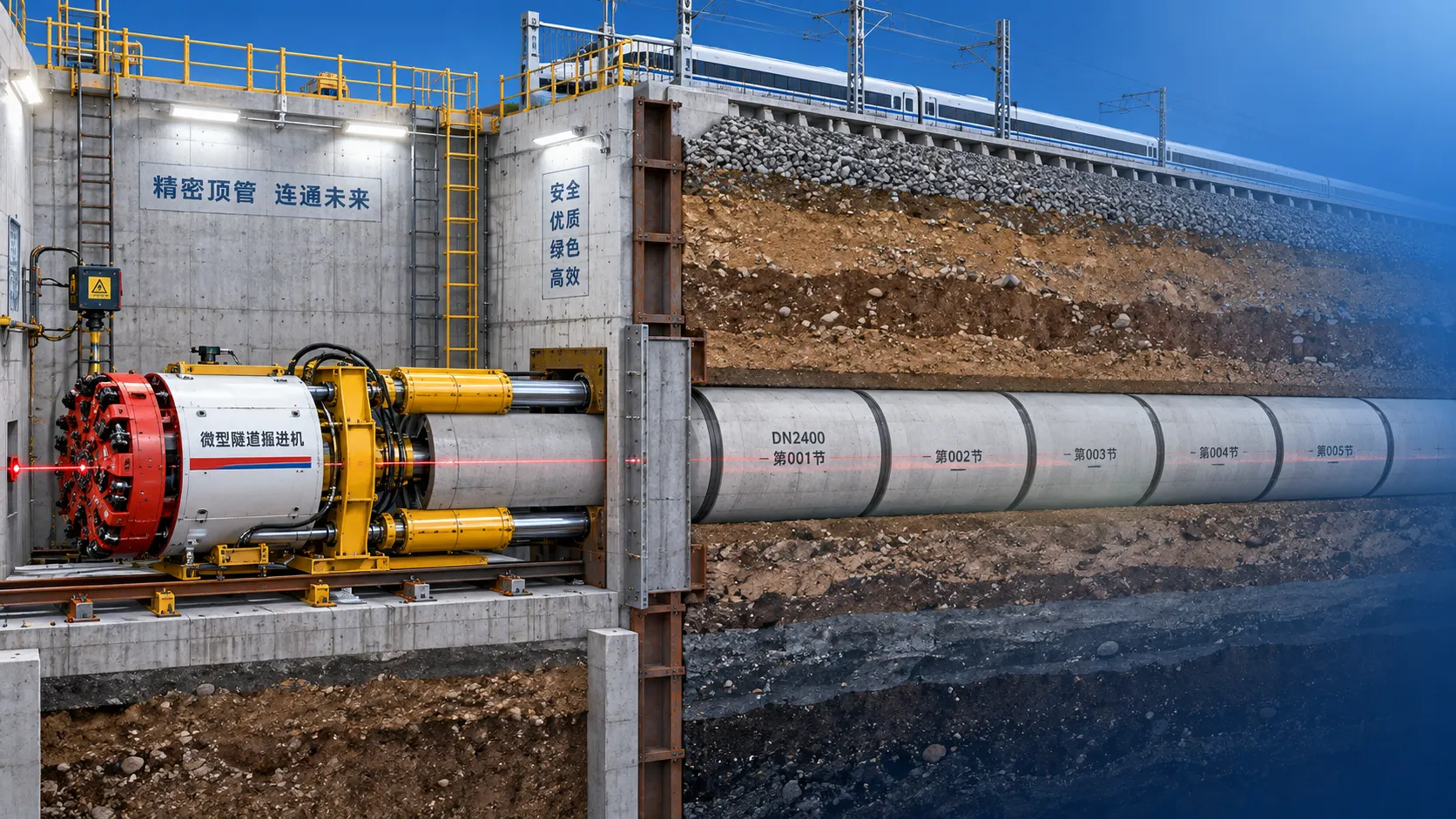
Which Trenchless Construction Technique Fits Your Utility Crossing Conditions?
Trenchless construction techniques compared for utility crossings: choose HDD, microtunnelling, pipe jacking, or auger boring based on ground, accuracy, access, and risk.

What Is Driving Metro Tunnelling Demand Across Southeast Asia’s Major Cities?
Metro tunnelling Southeast Asia is accelerating as major cities tackle congestion, flooding, and connectivity. Explore the market forces, technical risks, and opportunities shaping demand.

Hard Rock Tunnelling in Australia: Selecting Methods for Variable Ground Conditions
Hard rock tunnelling in Australia: compare TBM, drill-and-blast and hybrid methods to manage variable ground, reduce risk and protect project costs.

Hydropower Tunnel Excavation: Selecting Methods for Variable Rock Conditions
Hydropower tunnel excavation methods for variable rock conditions: compare TBM, drill-and-blast, and hybrid strategies to improve safety, progress, and project control.
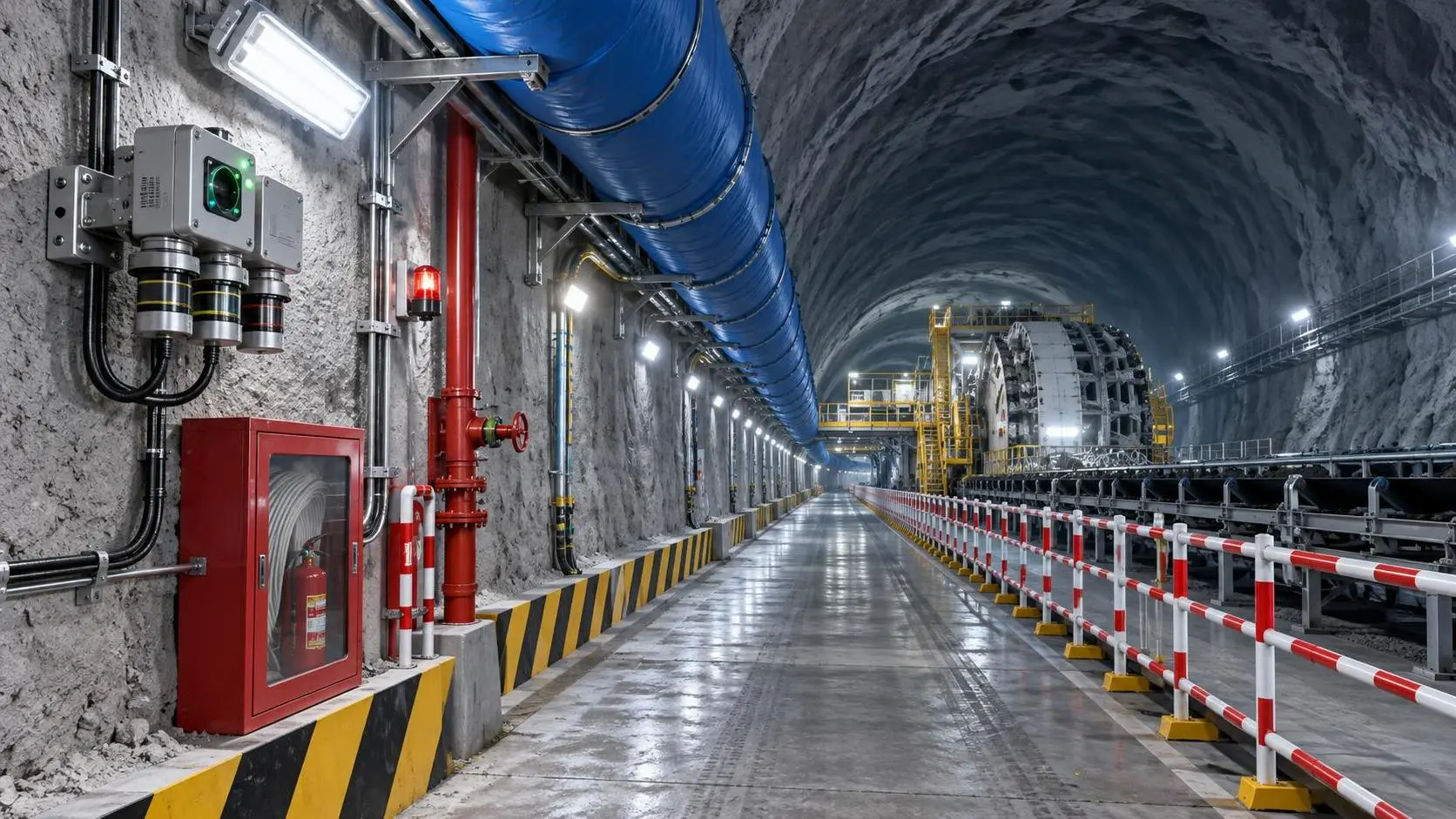
How to Select Underground Safety Equipment for Tunnelling by Hazard and Work Zone
Underground Safety Equipment for tunnelling: match protection to hazards, work zones, compliance, and emergency needs with this practical selection guide.

EPB or Slurry Shield? Selecting Soft-Ground Tunnelling Equipment by Soil Conditions
Tunnel Excavation Equipment for soft ground: compare EPB and slurry shields by soil, groundwater, settlement risk, and project logistics to choose confidently.

How to Specify TBM Backup System Parts for Reliable Long-Distance Tunnelling
TBM backup system parts: learn how to specify reliable spares for long-distance tunnelling, reduce downtime, ensure compatibility, and speed underground recovery.

How to Size Open Pit Mining Trucks for Haul Distance, Grade, and Payload?
Open Pit Mining Trucks: learn how to match payload, haul distance, grade, road resistance, and loading capacity for safer, lower-cost mine operations.
Related News
- 00
0000-00
How to Evaluate European Drill-and-Blast Tunnelling Contractors for Complex Projects - 00
0000-00
Which Trenchless Construction Technique Fits Your Utility Crossing Conditions? - 00
0000-00
What Is Driving Metro Tunnelling Demand Across Southeast Asia’s Major Cities? - 00
0000-00
Hard Rock Tunnelling in Australia: Selecting Methods for Variable Ground Conditions - 00
0000-00
Hydropower Tunnel Excavation: Selecting Methods for Variable Rock Conditions
Weekly Insights
Stay ahead with our curated technology reports delivered every Monday.