
Codelco Raises Battery LHD Procurement Bar With ISO 19453-3:2025





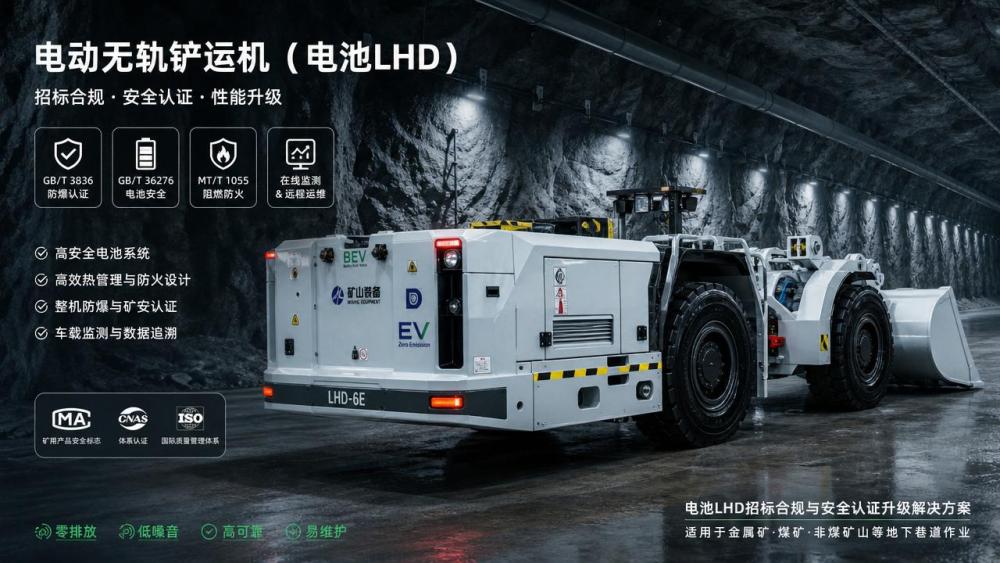
Codelco’s move to make full ISO 19453-3:2025 certification mandatory from July 1, 2026 for Battery LHD bids tied to its 2026–2028 deep-mine expansion projects is more than a procurement update. It puts fire protection and thermal runaway control at the center of supplier qualification, which is why OEMs, component partners, certification teams, procurement functions, and mine project bidders all have reason to track the change closely.
What the new bidding requirement confirms
According to Codelco’s June 10, 2026 announcement, all Battery LHD equipment bidding for its 2026–2028 deep underground mine expansion projects must have full certification under ISO 19453-3:2025 starting on July 1, 2026.
The standard, as described in the provided information, adds mandatory requirements covering battery compartment airtightness, remote thermal monitoring response latency of no more than 200 ms, and three-level redundant fault self-isolation.
The same information states that only seven manufacturers worldwide have completed certification filing so far, and that three leading Chinese companies have already received certificates.
Where the impact is likely to appear first
Bid qualification becomes a narrower gate for equipment makers
From an industry perspective, Battery LHD manufacturers are the most directly affected because certification is no longer a supporting credential but a condition for participating in relevant Codelco tenders. The immediate impact is likely to be felt in bid eligibility, product compliance documentation, and timing for project pursuit.
Procurement teams face a smaller certified supplier pool
Analysis shows that buyers connected to these mine expansion projects may need to work within a more limited group of qualified suppliers, since the provided information says only seven manufacturers have completed certification filing. What deserves closer attention is whether supplier screening, technical review, and bid comparison processes become more compliance-driven than before.
Supply chain and technical service partners may face tighter coordination demands
Observably, firms supporting Battery LHD programs—whether in systems integration, technical documentation, testing coordination, or project delivery support—may also feel pressure. The reason is straightforward: the newly stated requirements focus on specific safety and monitoring capabilities, so supporting parties may need to align more closely with OEM certification status and submission readiness.
What companies should watch now
Track how the certification requirement is referenced in tenders
What deserves closer attention is the exact way the ISO 19453-3:2025 requirement is reflected in bidding documents after the July 1, 2026 effective date. Companies should distinguish between the policy signal in the announcement and the practical wording used in tender qualification, technical annexes, and compliance submission materials.
Review whether current product files fully match the new clauses
For manufacturers and bidding partners, the practical issue is not only whether a product is advanced, but whether the supporting certification records fully cover the newly stated mandatory items, including airtight battery compartments, thermal monitoring response within 200 ms, and three-level redundant fault self-isolation.
Reassess delivery and communication plans around certified models
Analysis shows that teams pursuing these projects should pay attention to whether their target models, supporting documents, and client-facing explanations are aligned around certified configurations. In a market where only a limited number of manufacturers have completed filing, communication with customers and internal bid teams may become as important as the technical qualification itself.
Prepare for closer scrutiny of supplier credentials
Observably, supplier qualification may become more document-intensive. Companies involved in bidding, channel coordination, or project support should be ready to verify certification status, filing completeness, and related submission materials early rather than treating compliance checks as a final-stage formality.
Why this matters beyond one announcement
As an editorial observation, this development is best read as a concrete procurement signal rather than a general discussion about underground electrification. Codelco has attached a named standard and defined effective date to future Battery LHD bidding for a specific project window, which gives the market a clearer compliance threshold.
At the same time, it is more appropriate to understand this as an industry development that still deserves continued observation, not as a final verdict on the entire global supplier landscape. The provided information confirms a high entry bar and a limited number of certified manufacturers, but the broader competitive and supply implications will depend on how procurement practice unfolds after implementation.
How to read the signal at this stage
The immediate meaning of this update is relatively clear: for the relevant Codelco projects, Battery LHD access is now tied directly to full ISO 19453-3:2025 certification. For the wider industry, the more measured conclusion is that safety-focused compliance is becoming a harder commercial requirement in at least one important procurement setting.
Rather than viewing this as a short-lived adjustment, it is more appropriate to understand it as a firm near-term change with potential longer-term signaling value. Whether that signal expands further still needs to be watched through subsequent procurement practice, certification progress, and any additional official clarifications.
Basis of this report and points for follow-up
This article is based on the user-provided news title, event date, and event summary. Information of this type is commonly cross-checked against official announcements, company notices, industry association updates, authoritative media coverage, and standard-setting organization documents.
No specific official source link was provided in the input, so the precise original publication link still needs to be continuously verified. Follow-up attention should focus on any later Codelco tender wording, further clarification around ISO 19453-3:2025 application, and whether the number of certified manufacturers changes over time.
Related News
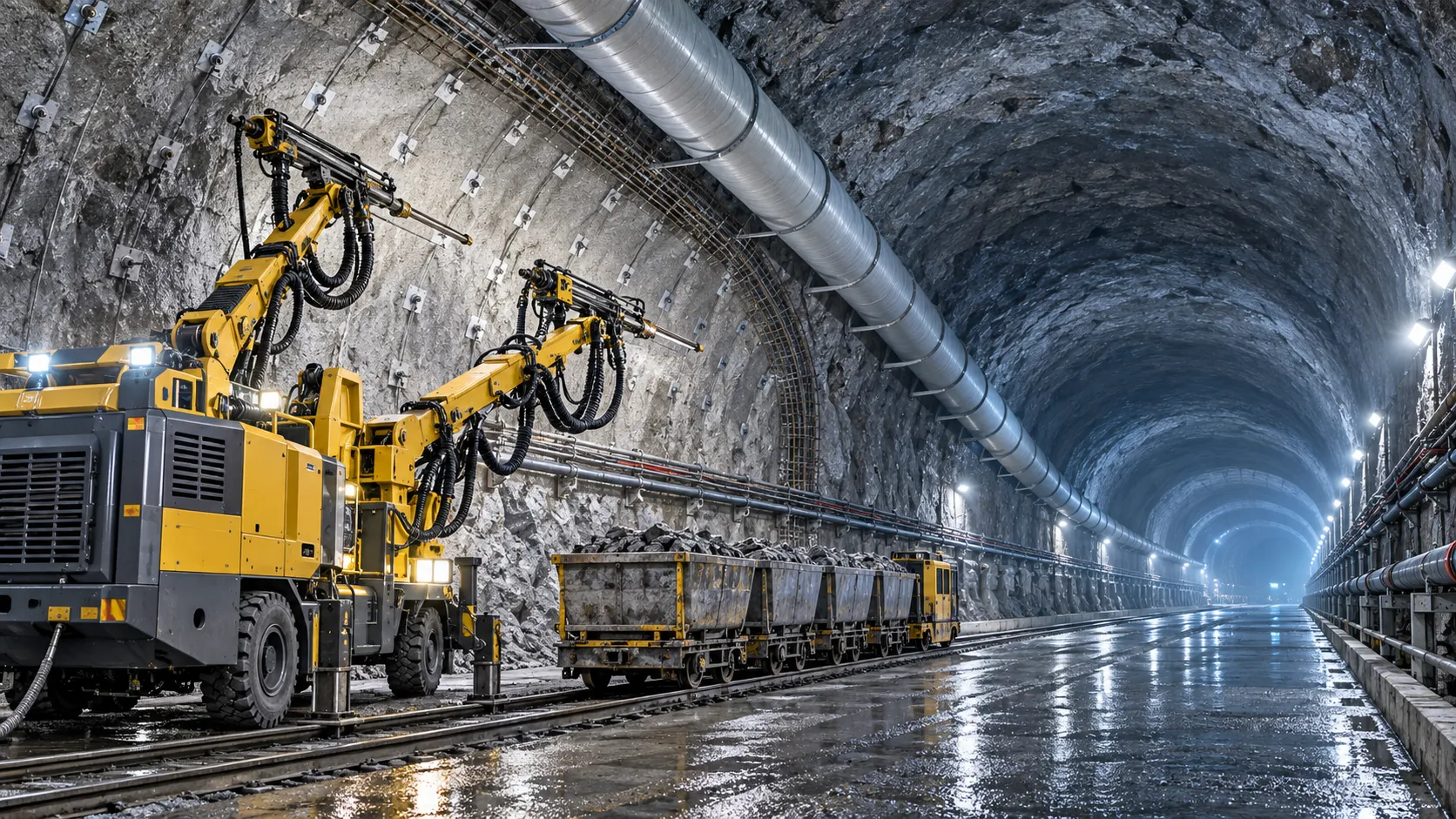
How to Evaluate European Drill-and-Blast Tunnelling Contractors for Complex Projects
Drill and blast tunnelling contractors Europe: learn how to assess geology expertise, blast control, equipment reliability, safety, and programme resilience for complex projects.
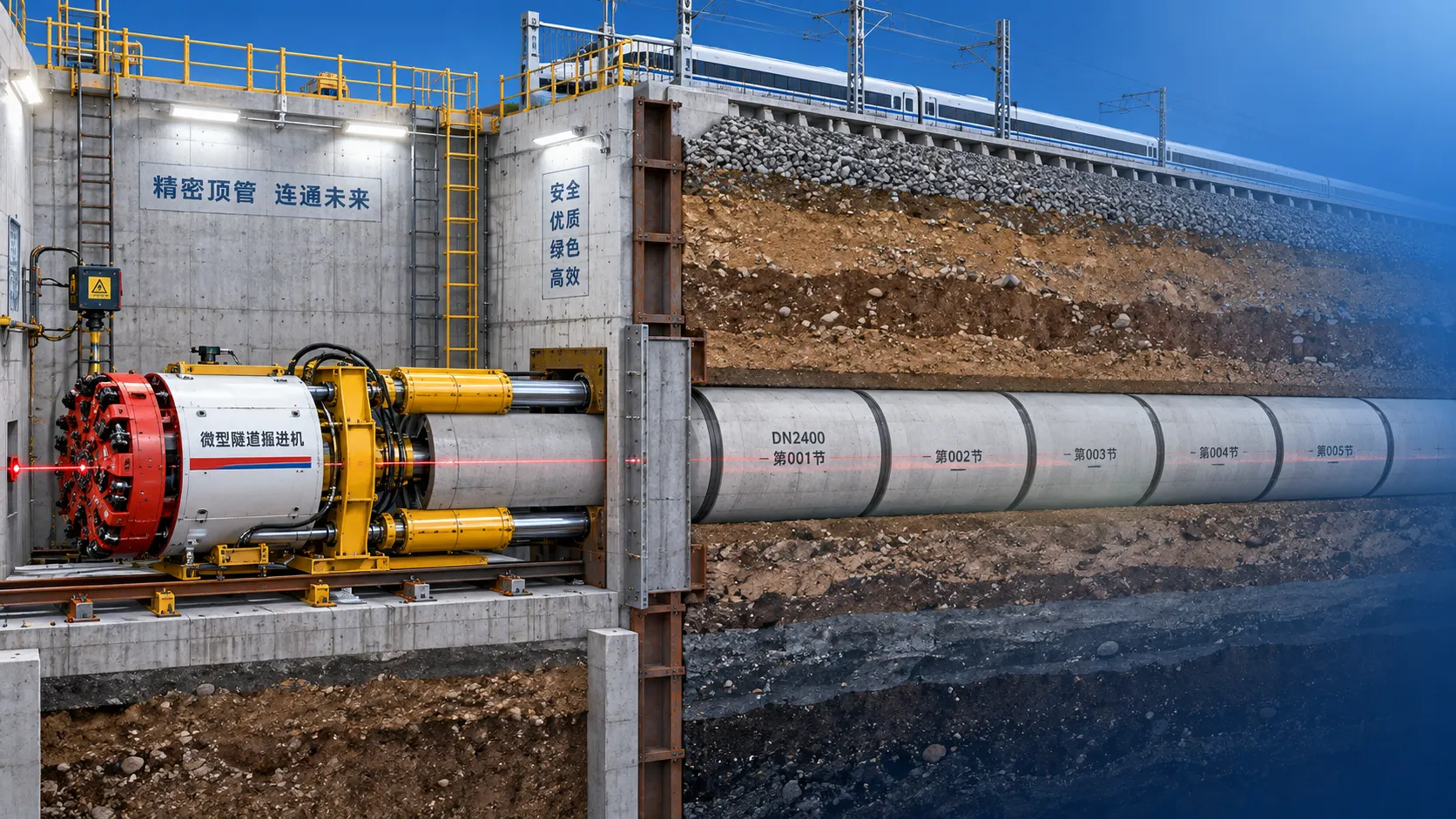
Which Trenchless Construction Technique Fits Your Utility Crossing Conditions?
Trenchless construction techniques compared for utility crossings: choose HDD, microtunnelling, pipe jacking, or auger boring based on ground, accuracy, access, and risk.
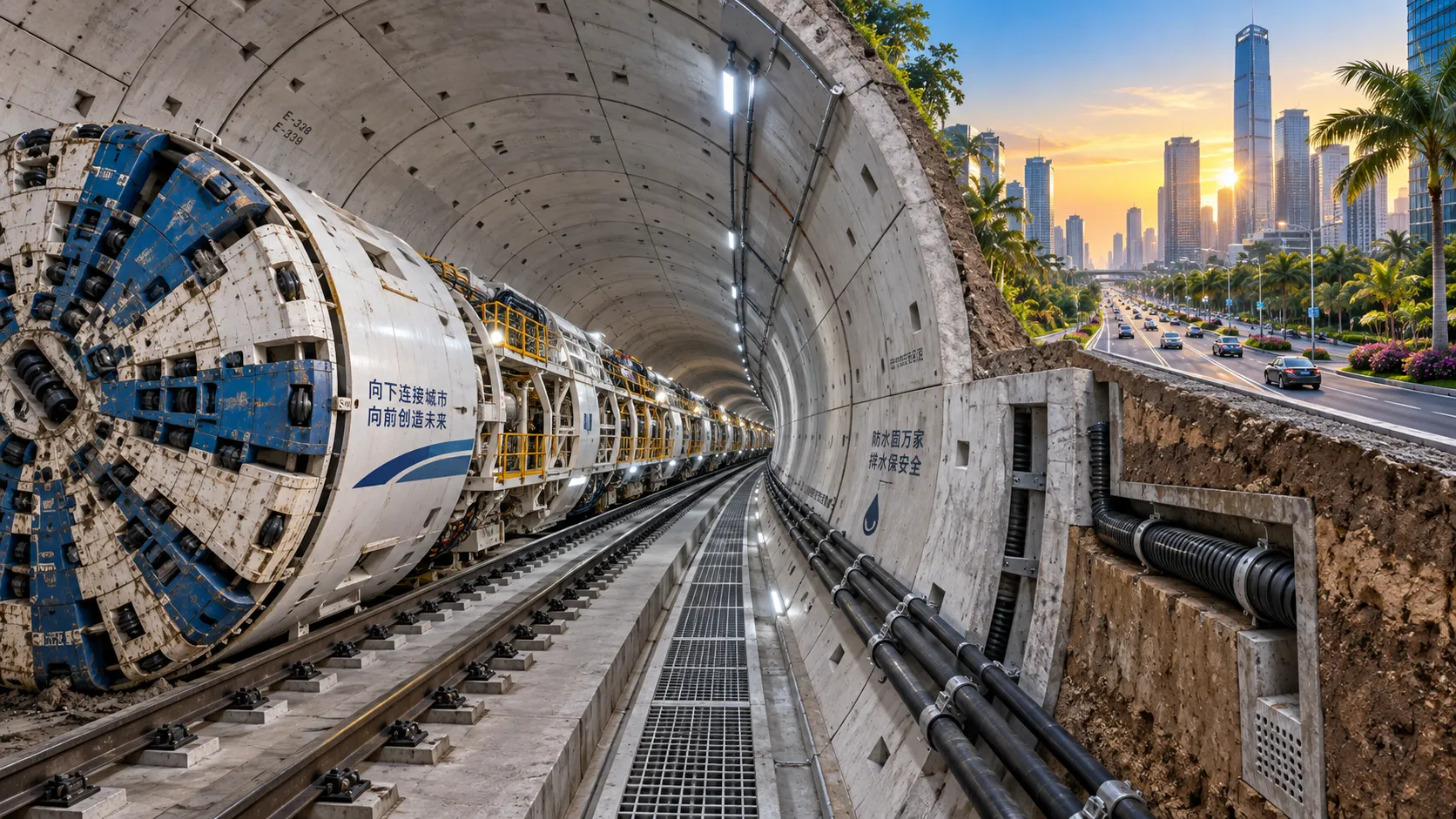
What Is Driving Metro Tunnelling Demand Across Southeast Asia’s Major Cities?
Metro tunnelling Southeast Asia is accelerating as major cities tackle congestion, flooding, and connectivity. Explore the market forces, technical risks, and opportunities shaping demand.
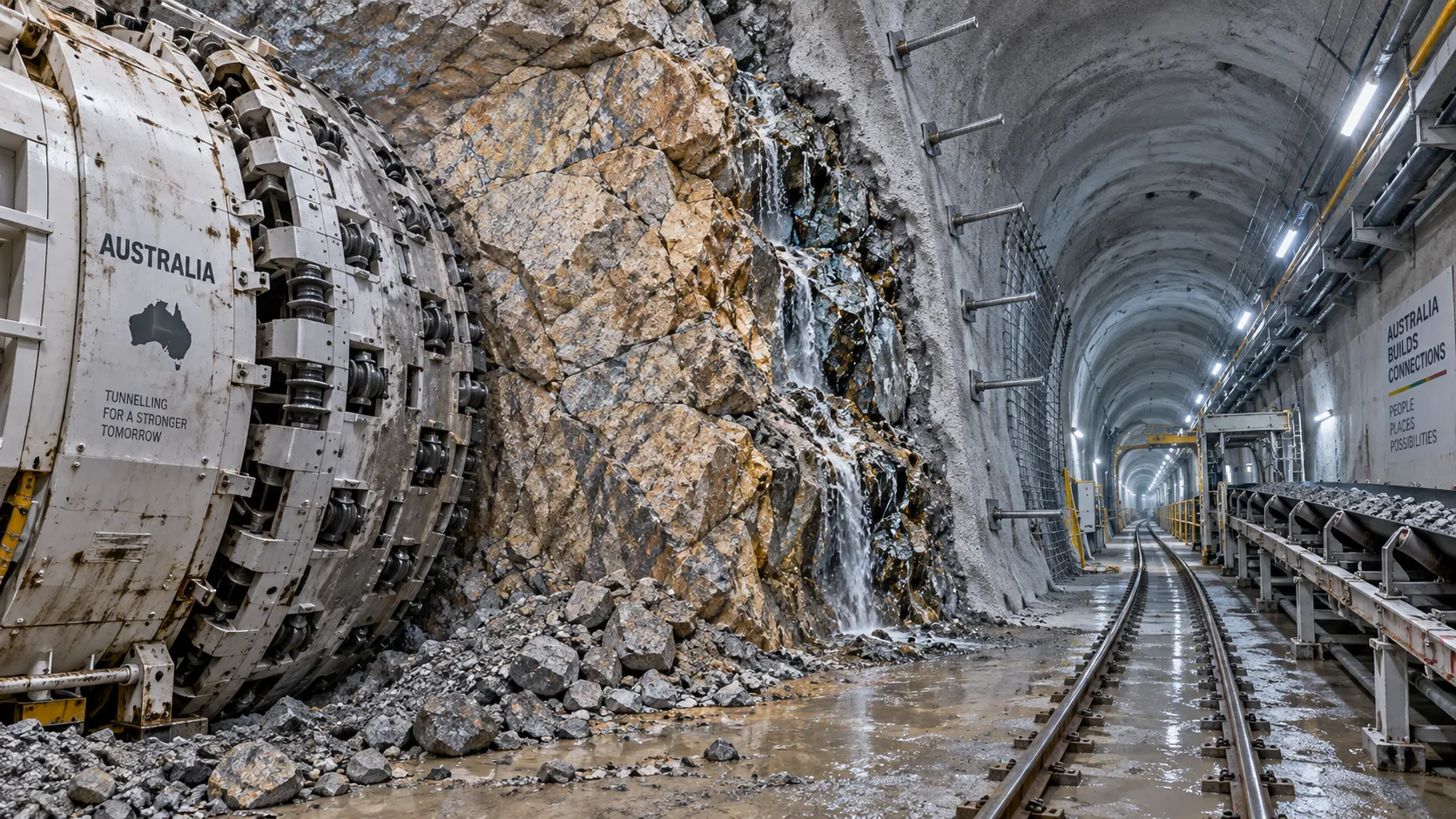
Hard Rock Tunnelling in Australia: Selecting Methods for Variable Ground Conditions
Hard rock tunnelling in Australia: compare TBM, drill-and-blast and hybrid methods to manage variable ground, reduce risk and protect project costs.
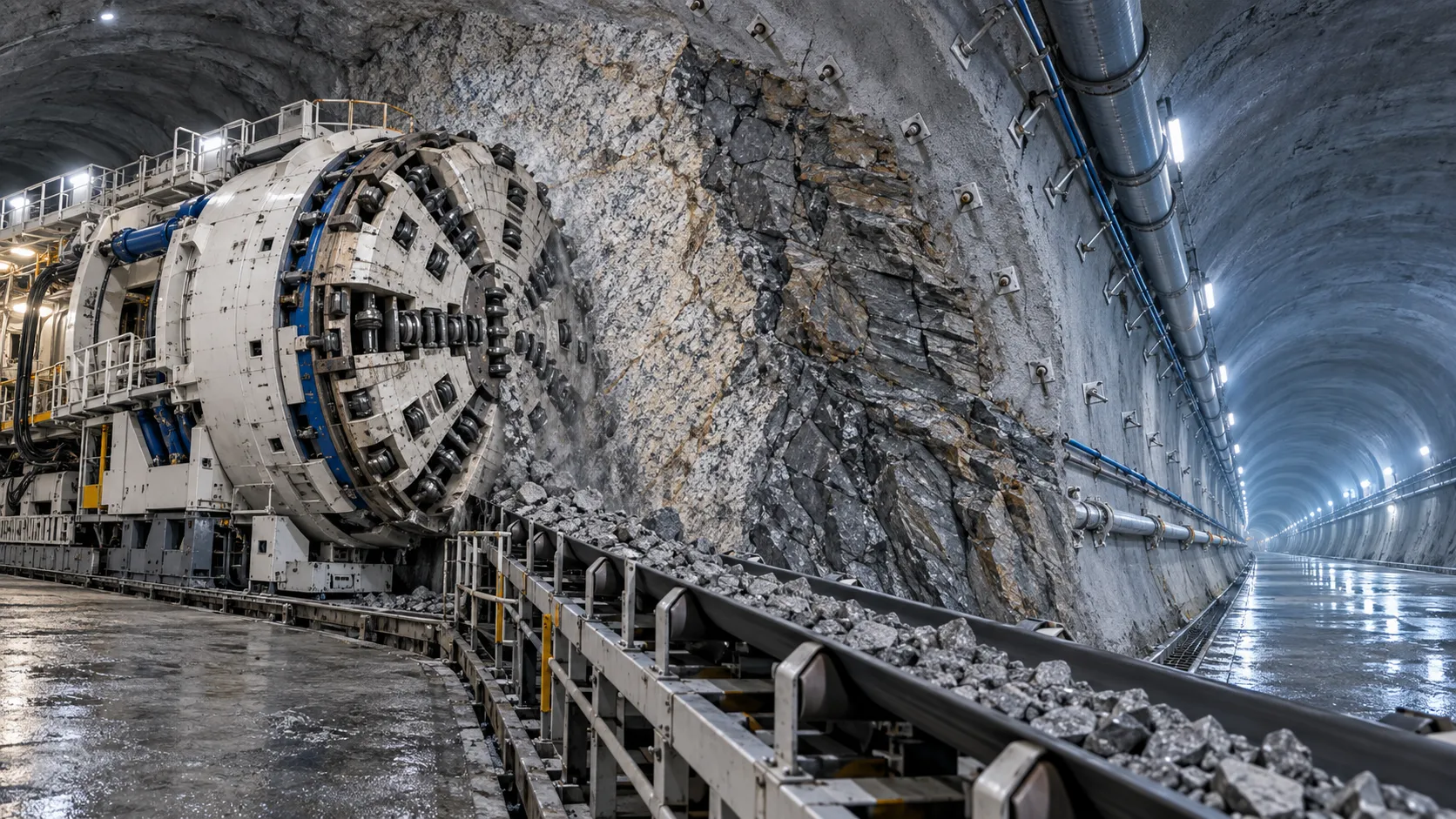
Hydropower Tunnel Excavation: Selecting Methods for Variable Rock Conditions
Hydropower tunnel excavation methods for variable rock conditions: compare TBM, drill-and-blast, and hybrid strategies to improve safety, progress, and project control.
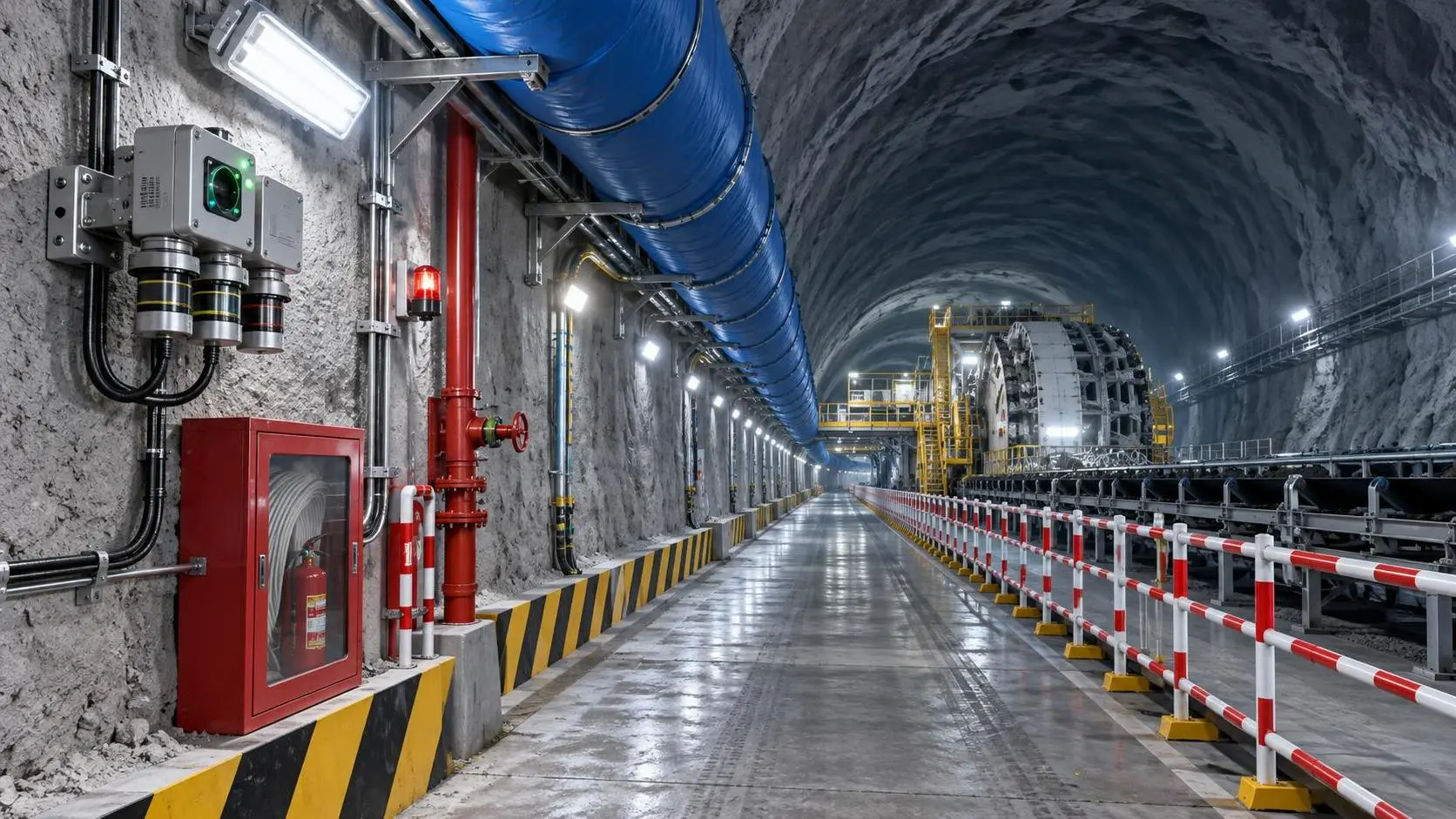
How to Select Underground Safety Equipment for Tunnelling by Hazard and Work Zone
Underground Safety Equipment for tunnelling: match protection to hazards, work zones, compliance, and emergency needs with this practical selection guide.
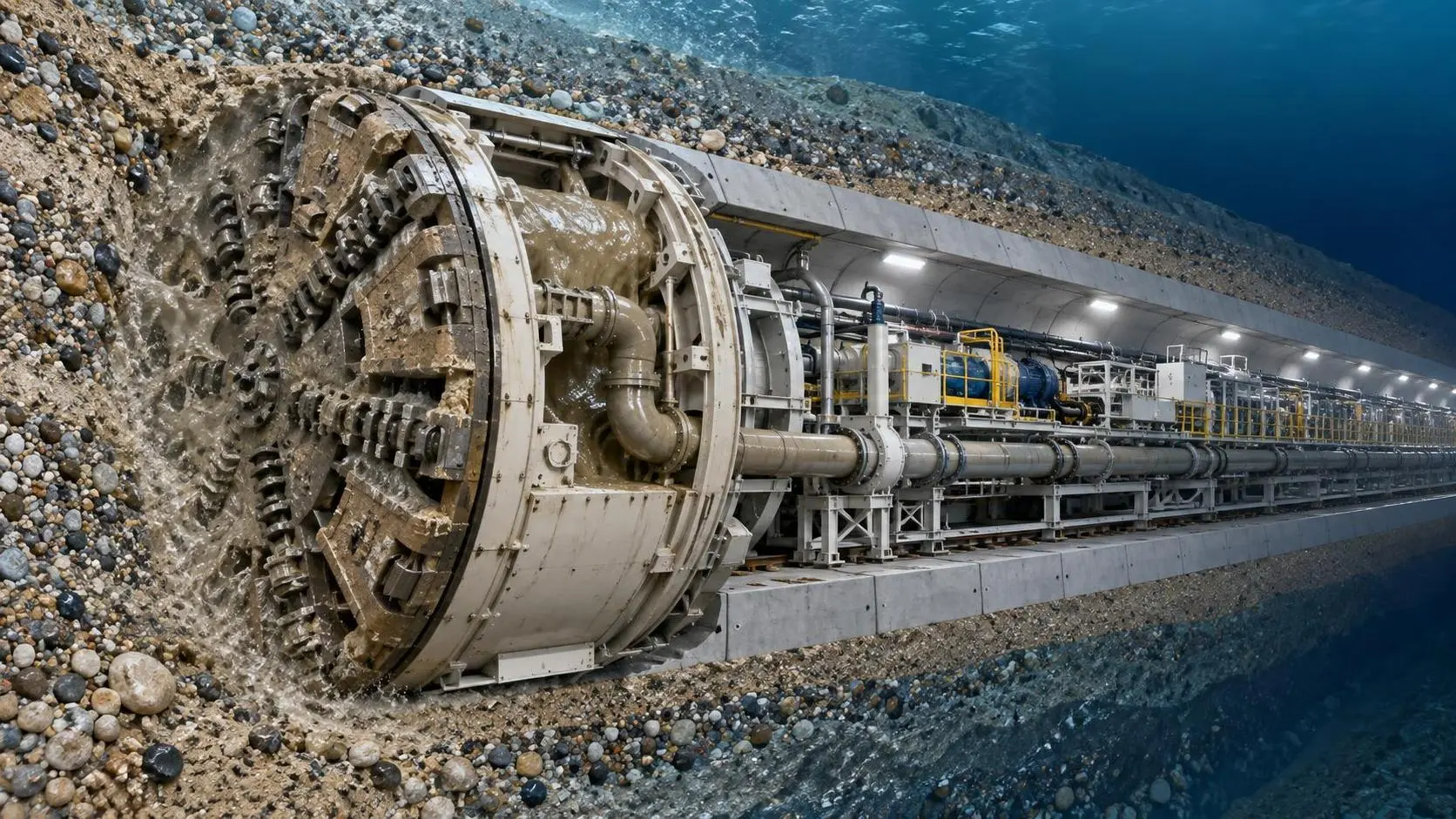
EPB or Slurry Shield? Selecting Soft-Ground Tunnelling Equipment by Soil Conditions
Tunnel Excavation Equipment for soft ground: compare EPB and slurry shields by soil, groundwater, settlement risk, and project logistics to choose confidently.
How to Specify TBM Backup System Parts for Reliable Long-Distance Tunnelling
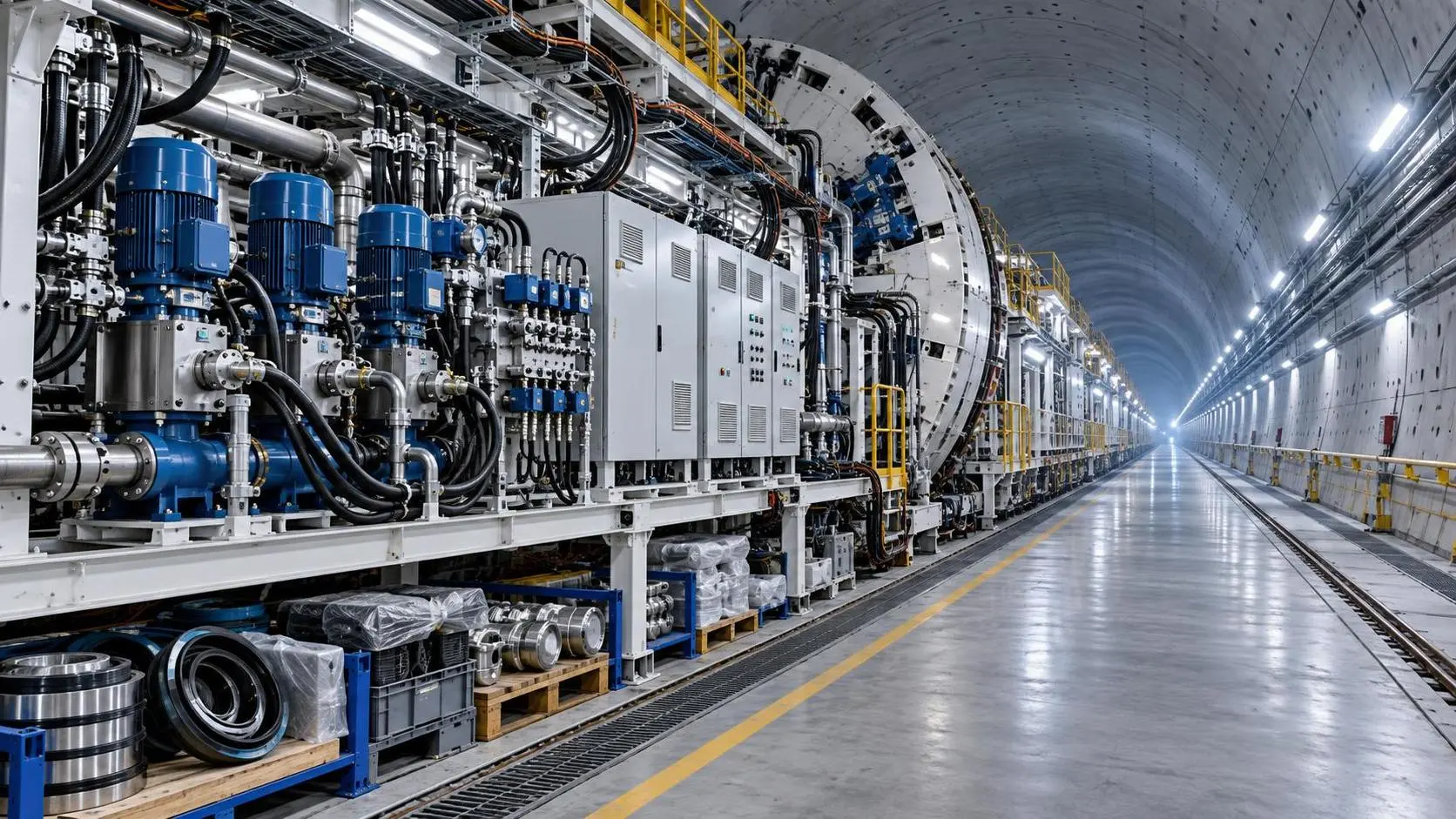
TBM backup system parts: learn how to specify reliable spares for long-distance tunnelling, reduce downtime, ensure compatibility, and speed underground recovery.

How to Size Open Pit Mining Trucks for Haul Distance, Grade, and Payload?
Open Pit Mining Trucks: learn how to match payload, haul distance, grade, road resistance, and loading capacity for safer, lower-cost mine operations.
Related News
- 00
0000-00
How to Evaluate European Drill-and-Blast Tunnelling Contractors for Complex Projects - 00
0000-00
Which Trenchless Construction Technique Fits Your Utility Crossing Conditions? - 00
0000-00
What Is Driving Metro Tunnelling Demand Across Southeast Asia’s Major Cities? - 00
0000-00
Hard Rock Tunnelling in Australia: Selecting Methods for Variable Ground Conditions - 00
0000-00
Hydropower Tunnel Excavation: Selecting Methods for Variable Rock Conditions
Weekly Insights
Stay ahead with our curated technology reports delivered every Monday.